
Picture this: you're floating in the warm, dark Pacific waters just after sunset. Suddenly, massive, graceful shadows emerge from the deep, gliding and somersaulting just inches away from you. This isn't a scene from a nature documentary—it's the world-famous Kona manta ray dive, an encounter that consistently tops the charts as one of the planet's most incredible wildlife adventures.
Your Guide to the Ultimate Manta Ray Dive in Kona
This guide is your complete walkthrough for experiencing this underwater ballet for yourself. We'll dive into why Kona is the global hotspot for manta sightings and show you why Kona Honu Divers is the premier operator to book with, so you can plan your trip with total confidence. Get ready for a night you'll never forget with Hawaii's gentle giants.
An Unforgettable Underwater Spectacle
The Kona manta ray night dive is more than just another tour; it's a natural phenomenon. Every night, boats head out to very specific spots along the coast and sink powerful lights to the ocean floor, creating glowing blue stages in the dark water. This light is a magnet for plankton, the microscopic organisms that manta rays love to eat.
What happens next is pure magic. Giant mantas, some with wingspans stretching up to 16 feet, appear from the darkness. They put on a mesmerizing "dance," swooping, gliding, and performing barrel rolls through the beams of light to scoop up the plankton. As a diver or snorkeler, you get a front-row seat to one of nature's most elegant feeding frenzies. It’s a surreal and deeply moving experience that you just can't find anywhere else. To get a better feel for the show, check out our guide on the manta ray night dive in Kailua-Kona.
This unique, reliable interaction has cemented Kona's reputation as the world's best place for manta ray encounters, drawing people from all corners of the globe eager to witness the spectacle firsthand.
The draw of the mantas has a huge positive impact on the community. Each year, around 80,000 people join manta tours along this coast, bringing in over $2.5 million annually to the local economy. You can find more of these fascinating manta ray tourism statistics here. When you're ready to join them, Kona Honu Divers offers the island's premier manta ray dive tour.
Why Kona is the World Capital for Manta Encounters
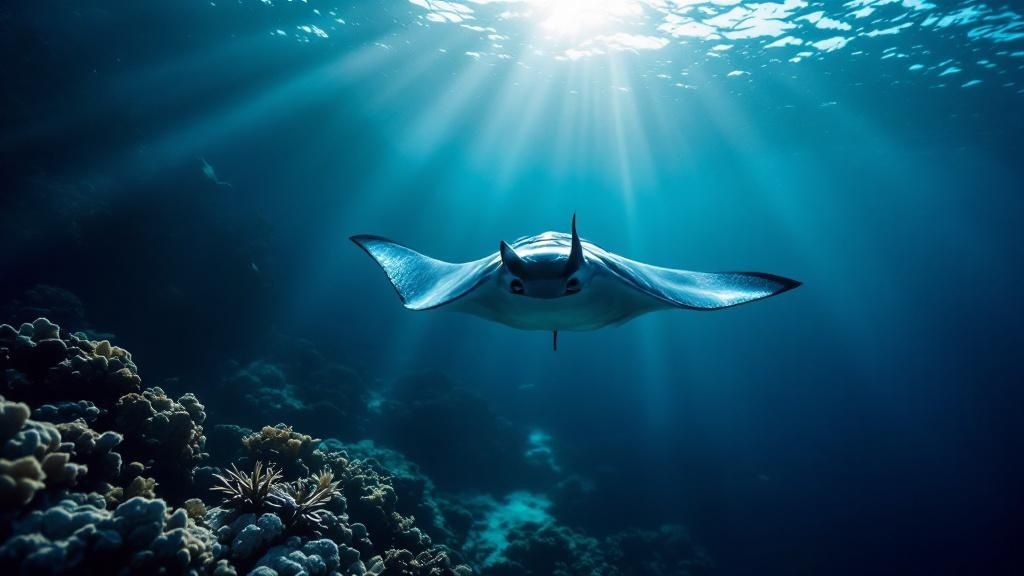
So, what makes the Kona coast the undisputed global hotspot for this unbelievable nightly show? It’s really a perfect storm of geography, biology, and a dash of clever human observation. The leeward (sheltered) side of the Big Island offers naturally calm, protected waters—an ideal setup for both marine life and evening boat tours.
But the real secret ingredient is plankton. It’s the main course on the menu for manta rays. Over the years, a fantastic, symbiotic relationship has developed: tour operators shine powerful, submerged lights into the water, creating glowing columns from the surface to the seafloor. These lights attract massive clouds of plankton, and the mantas have learned that this nightly light show means an easy, all-you-can-eat buffet.
This reliable food source is precisely why the manta ray dive Kona experience is so consistently amazing. Think of it as the ocean's most exclusive, five-star restaurant. The gentle giants are the VIP guests, and they have a standing reservation every single night.
The Premier Dining Hotspots
Along the Kona coast, two main "dining" spots have become world-famous for just how reliable and stunning the encounters are. These aren't just random locations; they're established feeding grounds that mantas have been visiting for decades.
- Manta Heaven (Garden Eel Cove): Just north of Kailua-Kona near the airport, this site is a true magnet for mantas. It's known for attracting huge numbers of rays at once, creating an absolutely spectacular underwater ballet.
- Manta Village (Kaukalaelae Point): Located south in Keauhou Bay, this is the original manta ray dive site. Its easy access and consistent manta attendance make it an incredibly reliable and popular choice for tours.
Both spots offer incredible views, whether you're diving on the bottom or snorkeling up top. The sheer dependability of these sites is a huge reason Kona’s reputation has skyrocketed.
The consistency isn't just a story we tell; it's backed by some serious research. Since 1991, the local manta populations have been meticulously documented using photo-identification, cataloging individual rays by their unique belly spots. This massive effort has identified over 330 individual rays, making this one of the most well-studied manta populations on the entire planet.
While you're pretty much guaranteed a great show year-round, knowing the seasonal differences can help you plan the perfect trip. For a deeper dive on that, check out our guide on the best time of year to see manta rays in Kona.
Choosing Your Adventure: Scuba Diving vs. Snorkeling
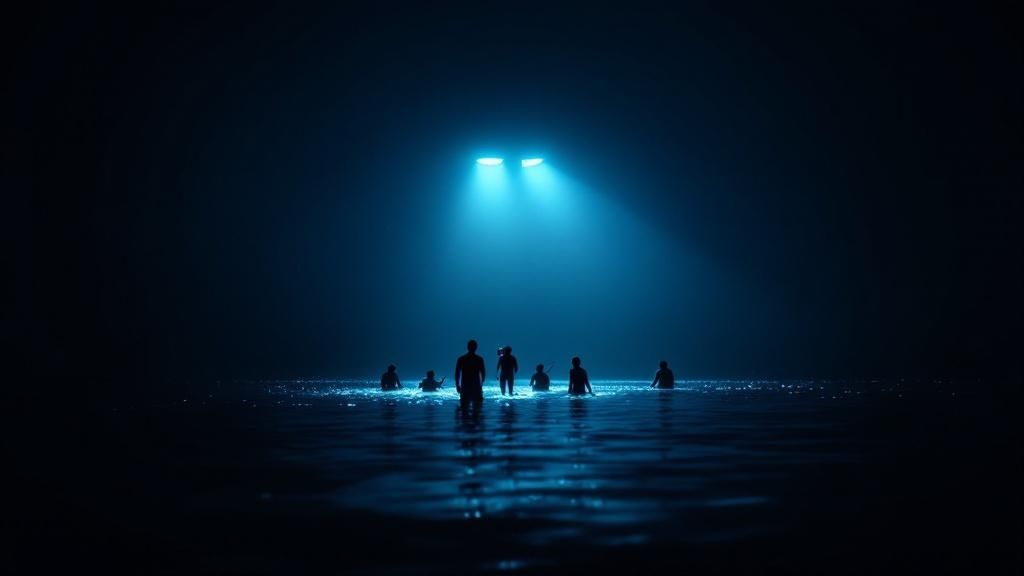
When you book a manta ray tour in Kona, you get to pick your perspective. Do you want front-row seats on the ocean floor, or a skybox view from the surface? Both scuba diving and snorkeling offer completely different, yet equally mind-blowing, ways to see the underwater ballet.
The great thing is, most top-tier operators—including us at Kona Honu Divers—can host both divers and snorkelers on the same boat. This makes it a perfect trip for families and groups with different comfort levels in the water. No one has to miss out.
So, how do you choose? It really boils down to your own comfort, certification level, and the kind of experience you're after. There's no "better" option, just the one that's right for you.
The Scuba Diving Experience
For certified divers, this is true immersion. You'll descend to a comfortable 35-40 feet and settle onto a sandy patch on the seafloor. This is where the magic starts. Your group will form a circle, what we lovingly call the "campfire," and point your powerful dive lights straight up.
These beams of light act like a dinner bell, attracting plankton and drawing the mantas in. From your spot on the bottom, you get to look up as these giants glide, swoop, and perform their signature barrel rolls right above your head. It’s an unbelievable, bottom-up view where the mantas often get close enough to feel the water move.
Keep in mind, you'll need an Open Water scuba certification for this. If you're not certified yet but have your heart set on this view, getting your Kona scuba certification course is the perfect first step toward this incredible adventure.
The Snorkeling Experience
Snorkeling gives you an equally spectacular, top-down perspective, and you don't need any special certification. It’s open to just about everyone!
As a snorkeler, you'll float comfortably on the surface while holding onto a custom-made, high-flotation light board. This board shines bright lights down into the water, creating a column of light that attracts the plankton from above.
The mantas swim up from the darkness to feed, giving you a breathtaking bird's-eye view of their graceful dance. It feels like you’re looking into another dimension as these gentle giants soar just a few feet beneath you.
Manta Ray Dive vs Snorkel Experience
Deciding between the two can be tough, so here’s a quick breakdown to help you see the key differences at a glance.
| Feature | Scuba Diving | Snorkeling |
|---|---|---|
| Perspective | Bottom-up, looking toward the surface | Top-down, looking into the depths |
| Proximity | Mantas may glide directly overhead, very close | Mantas swoop up toward the surface, just feet below you |
| Position | Kneeling or sitting on the sandy ocean floor | Floating at the surface, holding onto a light board |
| Depth | 35-40 feet | At the surface (0 feet) |
| Certification | Open Water Diver certification required | No certification needed, great for all ages |
| Gear | Full scuba kit (BCD, regulator, tank, etc.) | Mask, snorkel, and fins |
Ultimately, whether you're looking up from the "campfire" or peering down from the surface, you're in for an unforgettable night. Both experiences bring you face-to-face with one of nature's most majestic creatures in a way you'll never forget.
Planning Your Perfect Manta Ray Night Dive
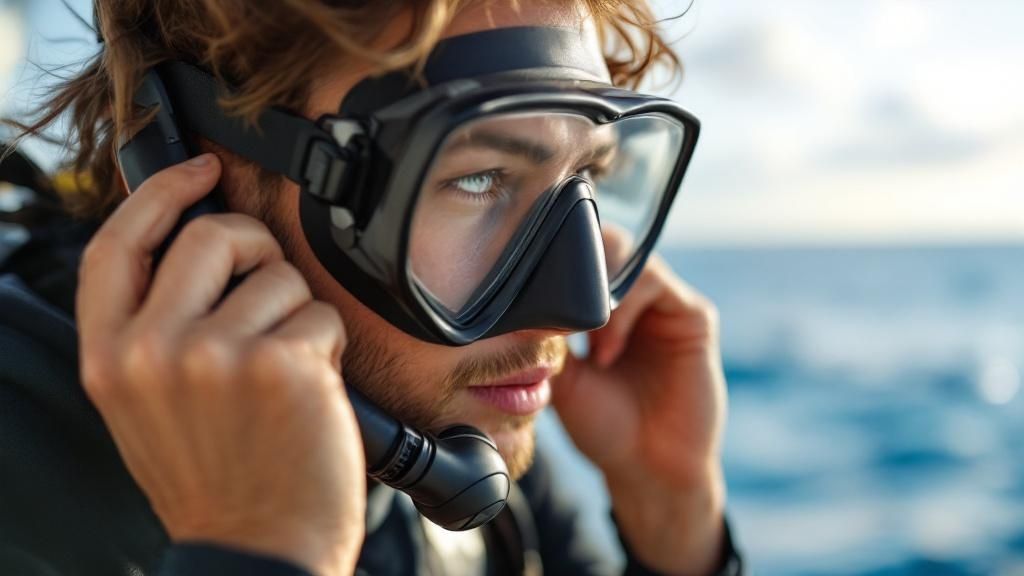
So, you’re ready to make this incredible adventure happen? Fantastic. A little bit of planning is all it takes to turn a good trip into a truly unforgettable one. Let's walk through the key details for a smooth, memorable manta ray dive in Kona, from picking the best time of year to knowing what the tour is actually like.
The first question on everyone's mind is, "When should I go?" I've got great news for you: Kona's manta rays are year-round residents. They don't migrate, which means you have an excellent shot at seeing them any night of the year.
That said, if you're looking for the absolute most comfortable conditions, the summer months (April to October) usually bring the calmest seas. This makes the boat ride out and your time in the water just that much more pleasant.
What to Expect on a Typical Tour
When you book with a top-notch operator like Kona Honu Divers, you can expect a polished experience from the moment you check in. A typical tour is a well-oiled machine, fine-tuned for safety, education, and pure awe.
It all kicks off with a detailed pre-dive briefing from the crew. They'll cover everything from manta ray biology to the golden rules of interacting with these animals respectfully. Once you're at the site, divers and snorkelers hop in for about 45-50 minutes of watching the mantas perform their nightly ballet.
After the dive, you'll be welcomed back onto the boat with some warm hospitality—think hot cocoa and snacks. It's the perfect way to warm up and buzz with excitement over what you all just witnessed.
Choosing a reputable operator is about more than just a good time; it's about protecting the animals. Your choice directly impacts the sustainability of this incredible natural wonder.
This is why it's so important to book with a Manta Ray Green Listed operator. These are the companies that hold themselves to the highest standards for responsible tourism, making sure the mantas' well-being is always the top priority. Kona Honu Divers is a proud advocate for these eco-conscious practices, ensuring you get a safe, ethical adventure.
You can see what our guests have to say about their experience with us right here.
Your Simple Packing Checklist
We try to make things as hassle-free as possible. The tour operators provide all the heavy gear, so you just need to bring a few personal items.
- Provided for You: All your snorkel or scuba gear, wetsuits, and light refreshments are included.
- What to Bring: Just pack a towel, a warm jacket or sweatshirt for the boat ride back, and your swimsuit. Pro tip: wear your swimsuit under your clothes to save time and hassle at the harbor.
That’s it! With just a few things, you're all set for an evening of pure magic. If you're ready to see this spectacle for yourself, you can book your unforgettable manta ray dive tour with us today.
The Rules of Respectful Manta Ray Interaction
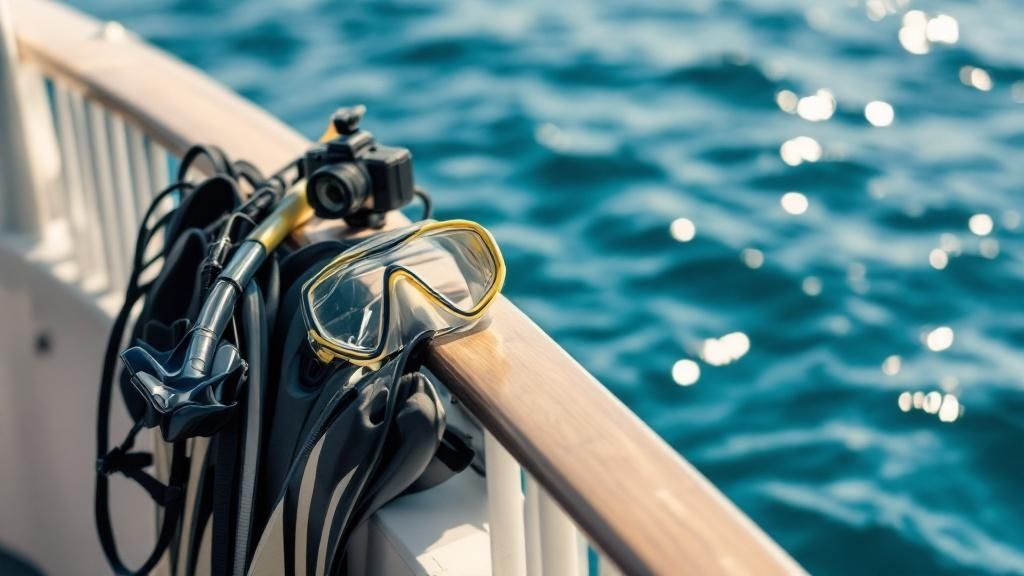
When you join a manta ray dive in Kona, you're more than a tourist—you're a temporary guardian of this unbelievable underwater ballet. The golden rule is simple: passive observation. You are a guest in their home, and that means you look, but you absolutely do not touch.
This isn't just some arbitrary rule; it's rooted in critical marine biology. Manta rays have a thin, protective mucus layer covering their skin, which is essentially their immune system. It’s what protects them from nasty bacteria and parasites. Even a light touch from our hands can strip away this delicate film, leaving the manta exposed to infection and disease.
Practicing Respectful Observation
To make sure every encounter is safe for both people and mantas, certified operators like Kona Honu Divers follow a strict set of guidelines. Knowing these rules before you even hit the water is what separates a tourist from a true ocean steward.
- Hold Your Spot: If you're diving, stay on or near the sandy bottom. Snorkelers, you'll be at the surface, holding onto your light board. This creates a clear, open space for the mantas to glide and feed without obstruction.
- Let Them Come to You: Never chase or try to ride a manta. It's tempting, but it stresses them out. The most magical moments happen when you stay still and let these curious giants approach on their own terms.
- Watch Your Bubbles: Divers, try to time your breathing so you’re not exhaling a big cloud of bubbles right into a manta’s face as it swoops overhead.
The core principle is just to be a passive observer. By keeping your hands to yourself and giving the mantas their space, you are actively helping to protect them. It's a small act with a massive impact.
This sense of reverence isn't just about science; it's deeply woven into Hawaiian culture. Both the reef manta (Mobula alfredi) and the giant manta (Mobula birostris) are culturally significant creatures. They're even mentioned in the kumulipo, the traditional Hawaiian creation chant, where they are known as 'hāhālua,' meaning 'two breaths.' This name itself shows a profound respect for the animal's life force.
By following these simple rules, you're honoring both the animal and the local heritage, making sure this incredible experience will be around for future generations to enjoy. Learn more about the manta ray night dive and the best ways to prepare for this adventure.
Beyond the Mantas: Other World-Class Kona Dives
Look, we get it. The manta ray night dive is the main event, the star of the show, and for good reason. It’s a life-changing experience. But don't make the mistake of thinking your Kona diving adventure is over when the sun comes up.
The Big Island’s underwater world is a treasure chest, and the manta dive is just the first, most dazzling jewel you pull out. Kona's coastline is absolutely packed with world-class dives that show off the sheer diversity of Hawaii's marine ecosystems.
During the day, you can drift over sprawling coral reefs buzzing with schools of colorful fish, hang out with mellow green sea turtles, and maybe even get a fly-by from a pod of spinner dolphins. Our unique volcanic geology has created a stunning underwater playground of ancient lava tubes, massive arches, and sheer-wall drop-offs. Kona Honu Divers runs a full schedule of Kona diving tours built to show you the best of it.
Dare to Dive Deeper
If you’ve still got some adrenaline left after the mantas, the Kona blackwater dive is waiting for you. This is a dive that truly redefines "night diving." Picture yourself suspended in the deep, inky black of the open ocean, with thousands of feet of water beneath you. It’s here that you’ll witness one of the planet's largest migrations, as strange and bioluminescent creatures rise from the abyss. This is a must-do for the truly adventurous, and you can get the full scoop on the Blackwater Dive tour here.
Are you an experienced diver looking to explore where the standard charters don't go? We've got you covered. Our premium advanced dive tours head to deeper, more remote sites that reward seasoned divers with pristine conditions and unforgettable marine life encounters.
And if you're trying to plan a manta experience closer to the resorts up north, make sure to check out our guide on the top manta ray experience near Waikoloa Village, HI.
Your Manta Ray Dive Questions, Answered
Planning a trip to see the famous Kona mantas is exciting, but it's natural to have a few questions before you book. We get asked a lot about the experience, so we’ve put together answers to the most common ones to help you feel totally prepared for the adventure.
Do I Need to Be a Scuba Diver to See the Mantas?
Nope, you don't need a scuba certification at all! While certified divers get a spectacular view from the ocean floor, snorkelers have an equally incredible experience.
You’ll float comfortably on the surface, holding onto a custom-built light board. These boards shine down into the water, attracting the plankton that manta rays love to eat. You get a perfect bird's-eye view of the mantas as they swoop and glide right beneath you. It’s an amazing and accessible way for everyone to join in.
Is the Manta Ray Dive Safe?
Absolutely. When you go with a professional, safety-conscious operator like Kona Honu Divers, this is an exceptionally safe tour.
Manta rays are true gentle giants. They're filter feeders, which means they don't have teeth, barbs, or stingers like their stingray cousins. The biggest safety rules are simple: listen to your guide, stick with the group, and never, ever touch the mantas. Their skin has a delicate protective coating, and our goal is to observe them without causing any harm.
What Are My Real Chances of Seeing Manta Rays?
The odds are overwhelmingly in your favor. The Kona manta ray dive has a success rate of over 90%, and that's year-round.
This isn't just luck; it's a reliable system that's been proven over decades. The powerful lights essentially create a "dinner bell" for the local manta population by concentrating their food source in one spot. While we can never guarantee a wildlife encounter 100% of the time, this is easily one of the most dependable big-animal experiences you can find anywhere on the planet.
Ready to book your spot for this unforgettable underwater show? Choosing the right tour ensures a safe, ethical, and magical night.
If you’re ready to witness the underwater ballet for yourself, you can secure your spot on our world-famous manta ray dive tour today.