
Picture this: you're floating in the warm, dark Pacific waters off the coast of Kona. Suddenly, a giant, shadowy figure glides into the light, performing an elegant barrel roll just inches from your face. This isn't a scene from a nature documentary—it's the world-famous Manta Ray Dive, an experience that consistently tops lists of the planet's most incredible wildlife encounters. It’s a true bucket-list adventure that has to be seen to be believed.
What is the Kona Manta Ray Dive Experience?
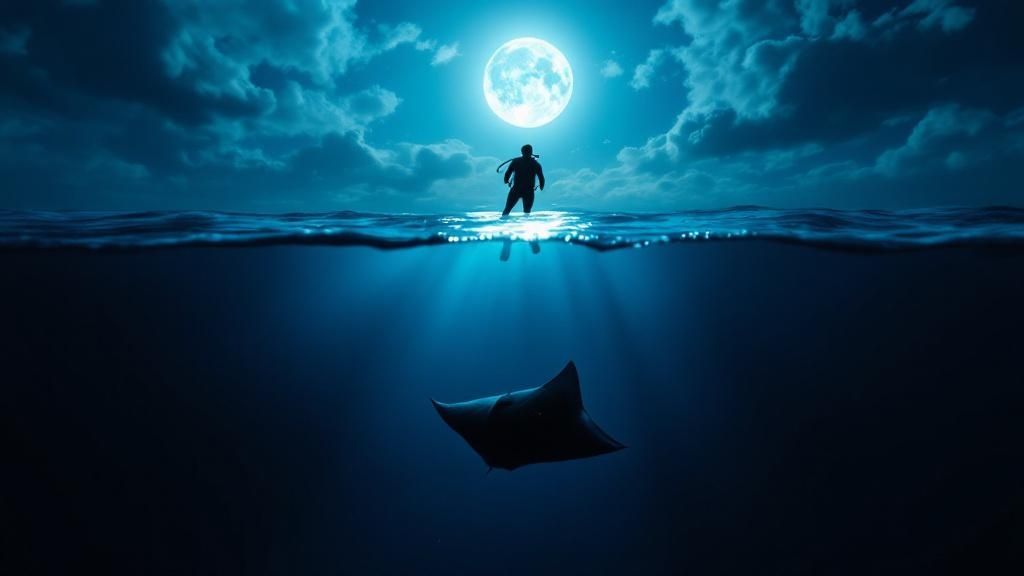
So, how does this underwater ballet happen? The concept is actually quite simple, yet absolutely brilliant. Dive operators head out after sunset and set up what I like to call an "underwater campfire." They shine powerful, purpose-built lights into the water, which acts as a massive magnet for plankton—the manta rays' favorite meal.
What happens next is pure magic. The local manta ray population, drawn in by the promise of an all-you-can-eat buffet, arrives for dinner. These gentle giants, some with wingspans stretching over 12 feet, swoop and soar through the light beams, their cavernous mouths wide open to filter the plankton. It's a mesmerizing display of underwater acrobatics. If you want a deeper dive, our manta ray night dive in Kailua Kona guide has all the details.
How it Works for Divers and Snorkelers
Whether you're a seasoned diver or have never put on a snorkel mask, you get a front-row seat to this incredible show.
- Scuba Divers: You’ll descend to a sandy bottom, usually around 35 feet deep. Once you’re settled, you simply look up. The mantas put on their show right above you, sometimes dipping down so close you could almost touch them (but don't!).
- Snorkelers: You'll hold onto a large, custom-built floatation board on the surface. These boards have powerful lights shining down, drawing the plankton—and the mantas—right up to you. You're literally face-to-face with them as they feed.
This experience has rightfully become a cornerstone of the Big Island's eco-tourism. Every year, an estimated 80,000 people come to witness this spectacle, making Kona one of the best places on Earth for reliable manta encounters. This is all possible thanks to the area's nutrient-rich waters that support a healthy plankton population and, in turn, a resident community of over 450 individually identified manta rays.
For a quick overview of what to expect, take a look at the table below.
Kona Manta Ray Dive At a Glance
Here are the key details about the Kona Manta Ray night dive experience for quick reference.
| Attribute | Details |
|---|---|
| Activity Type | Nighttime scuba diving and snorkeling |
| Location | Kona Coast, Big Island, Hawaii |
| Primary Attraction | Giant Pacific Manta Rays |
| Best Time to Go | Year-round, with very high success rates |
| Water Depth | Approx. 35 feet for divers; surface for snorkelers |
| Manta Size | Wingspans can exceed 12 feet |
| Key Principle | Lights attract plankton, which attracts the mantas |
This table provides a snapshot, but nothing compares to the real thing.
"Diving with mantas is one of the most satisfying things a person can do in the water. It’s impossible to describe the feeling of watching a massive fish the shape of a stealth bomber coming into vision."
Ultimately, the entire encounter is designed to be passive. Operators are committed to a hands-off approach that respects the animals and allows their natural feeding behavior to continue undisturbed, ensuring this incredible experience can be enjoyed for generations to come.
Why Kona Is the World Capital for Manta Rays
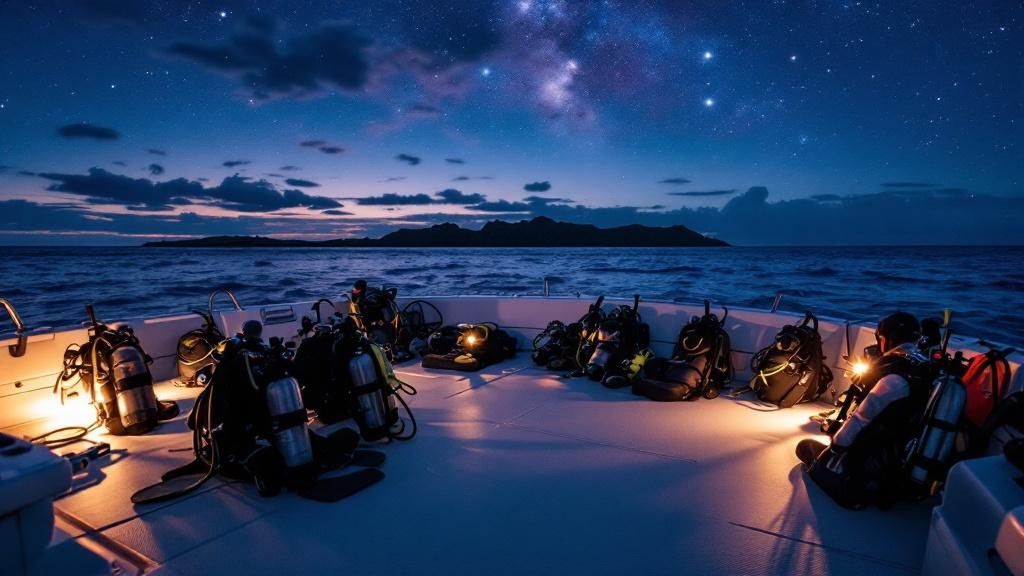
It’s a bold claim, but it's true: Kona is hands-down the best place on the planet to see manta rays. This isn't just a catchy tourism slogan. It’s a title earned through a perfect storm of unique geography, a little bit of history, and a happy accident. The Kona Coast has just the right ingredients to create a dependable, year-round sanctuary for these incredible animals.
The real secret lies in their food source. The ocean currents and protected bays along this specific stretch of coastline are a massive buffet for plankton. With so much food available, Kona has become home to a large, resident population of reef mantas who don’t need to travel far for a meal. They've learned that a good dinner is practically guaranteed here every single night.
Believe it or not, this world-famous encounter was discovered completely by accident. Many years ago, a local resort lit up its oceanfront patio at night. Those lights drew in swarms of plankton, and it didn't take long for the mantas to notice the easy feast. The word got out, and a legendary eco-tourism experience was born from a simple set of floodlights.
The Science of Predictability
What really turned this chance discovery into a reliable, world-class attraction is the consistency. The manta sightings in Kona aren't just a lucky break; they are a predictable behavior that we've come to understand over decades of observation.
This isn’t guesswork. From 2009 to 2014, underwater videographers painstakingly identified and documented individual manta rays. They tracked their health, where they went, and their feeding patterns right here along the Kona Coast. That research confirmed what we already suspected: Kona is one of the most reliable places on Earth to see large groups of manta rays.
This long-term observation is precisely why tour operators can confidently claim a sighting success rate of over 85%. The "aha!" moment came when we realized we could create our own underwater light shows—like underwater campfires—to attract plankton to safe, designated viewing spots. The mantas, knowing the routine, show up right on cue.
A Year-Round Spectacle
Unlike many wildlife experiences that are tied to a specific season, the manta ray dive kona is an event you can book 365 days a year. Since Kona’s mantas are residents, they’re always here. The water might be a little warmer or cooler depending on the month, but the mantas themselves are a constant, magnificent presence.
This year-round reliability is what truly makes Kona special. Whether you plan your trip for the middle of summer or the heart of winter, your odds of having an unforgettable night with these gentle giants are incredibly high. For a deeper dive into planning your visit, check out our guide on the best time of year to see manta rays in Kona. It's this dependability—born from a happy accident and perfected through careful observation—that gives Kona its well-deserved title as the world's manta ray capital.
Choosing a Safe and Ethical Manta Ray Tour
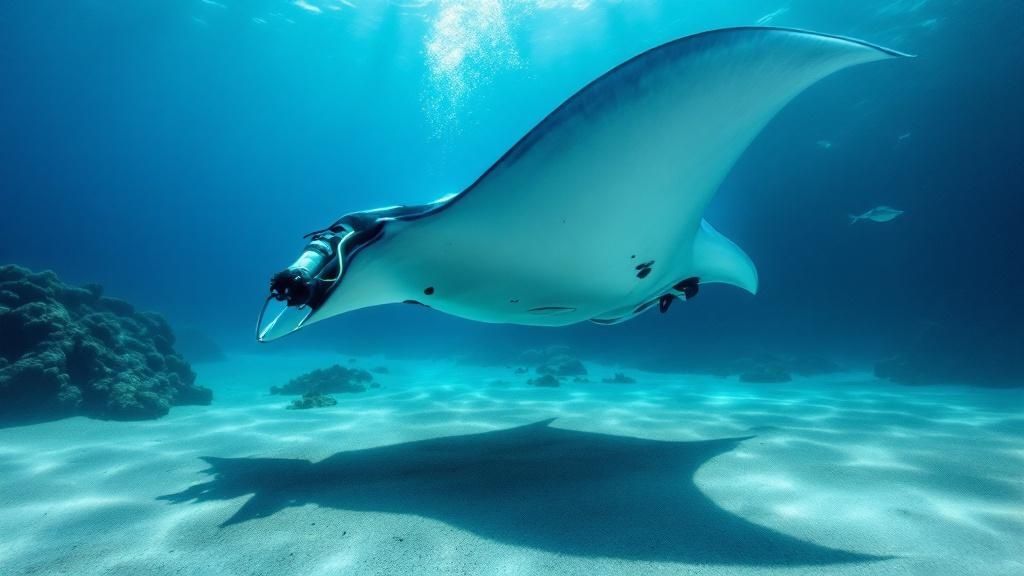
Picking the right tour operator is probably the most critical decision you'll make for your manta ray adventure in Kona. It truly sets the tone for the entire experience. Your choice determines whether you have a magical, seamless night or a stressful one, and it directly affects the well-being of the magnificent creatures you're there to see.
A great operator isn't just focused on customer service; they are deeply committed to marine conservation. This is where a company like Kona Honu Divers really shines. They've built their stellar reputation on a foundation of safety, professionalism, and a genuine respect for Hawaii's fragile marine ecosystem. With their seasoned crew, top-notch gear, and custom dive boats, you know you're in good hands.
Finding the Right Tour For You
One of the best things about the Kona manta experience is how accessible it is. You don't need to be a seasoned diver to witness the magic. Top-tier companies have figured out how to share this spectacle with everyone, from first-time snorkelers to expert divers.
- For Certified Scuba Divers: You’ll descend with a guide to the sandy ocean floor, about 35 feet down. From there, you get a breathtaking view, looking up as the mantas glide and swoop right over your head.
- For Snorkelers: You'll hang out on the surface, holding onto a specially designed float board with high-powered lights. These lights act like a magnet for plankton, drawing the mantas right up to you for an incredible, eye-to-eye view.
Kona Honu Divers is fantastic because they often accommodate both divers and snorkelers on the same boat. This makes it an ideal choice for families or groups where not everyone has the same comfort level in the water. Everyone gets to be part of the same amazing adventure.
"The crew from start to finish were amazing, helpful and friendly. The whole experience from start to finish was a 10/10. Worth every single penny. It was a bucket list item for us and we would do it again with them in a heart beat." – Customer Testimonial
Don't just take our word for it—the glowing reviews tell the story. A long track record of happy customers is one of the best signs of a quality operation.
When you choose a company like Kona Honu Divers, you're not just buying a ticket for a tour; you're actively supporting sustainable tourism that helps protect these gentle giants for years to come. If you're still wondering what all the fuss is about, we've put together a guide that explains why you should go on a manta ray dive in Kona.
Ready to claim your spot for this unforgettable underwater ballet?
How to Prepare for Your Manta Ray Night Dive
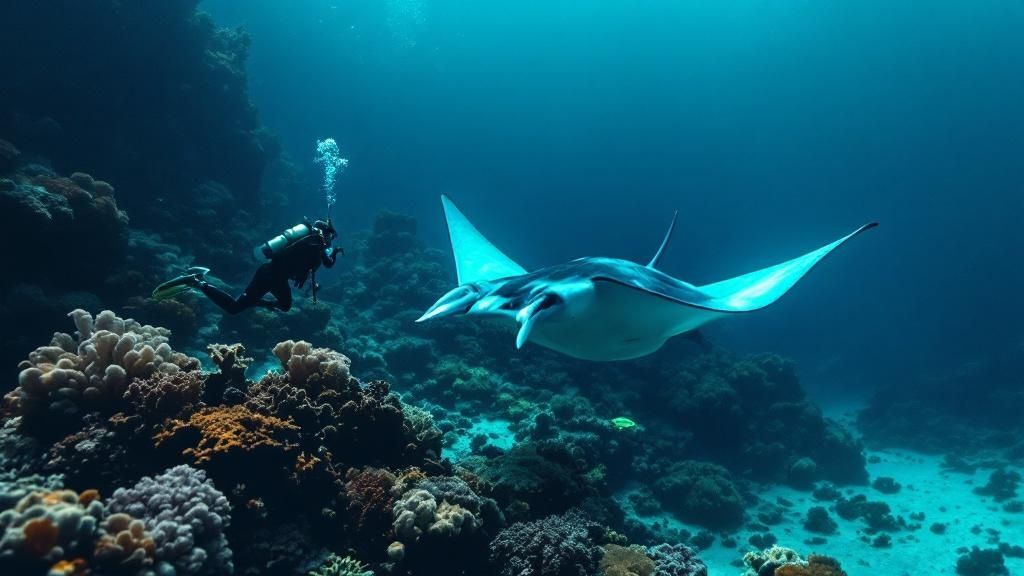
A bit of smart packing can make a huge difference between a good night and an absolutely incredible one. Getting ready for your manta ray dive in Kona is all about comfort and being present for the main event. If you show up with the right gear, you can just relax and soak in the magic.
Even in balmy Hawaii, the boat ride back to the harbor after a night dive can get surprisingly chilly once the sun goes down and you're wet. Trust me on this one—you'll be very happy you brought a warm jacket or a dry sweatshirt to throw on. A towel is another non-negotiable for drying off.
One more thing on the prep front: sunscreen. If you plan to wear it, make sure it’s a reef-safe formula. The key is to apply it a few hours before the tour, giving it plenty of time to soak into your skin. This way, it won't just wash off into the water and damage the very ecosystem you’re there to appreciate.
What to Expect on Your Tour
Once you're on the boat, you can let the professional crew take the lead. They’ll run through a detailed pre-dive briefing, which is essential. This isn't just about safety; it's about making sure everyone has the best possible experience. They'll cover everything from how to get in the water to the proper way to observe the mantas without disturbing them.
Make sure to listen carefully during this briefing. The crew will give you specific instructions—like divers staying on the sandy bottom and snorkelers holding onto a light board at the surface. These rules are there for a reason: to protect you and these gentle giants.
Feeling a little nervous? That's completely normal, especially if it’s your first night dive or snorkel. The crew deals with first-timers all the time and they're experts at putting you at ease. They'll walk you through how the lights work, what to expect, and answer every last one of your questions until you feel confident.
Here’s a quick checklist to make packing a breeze:
- Bring These:
- A warm jacket or sweatshirt for after the dive.
- A towel. Simple, but easy to forget!
- Any personal medications you need, especially for motion sickness if you're prone to it.
- Your scuba certification card (divers only).
- Leave These:
- Valuables and anything else you wouldn't want to get wet.
- Sunscreen that isn't reef-safe.
With just a little preparation, you’ll be all set for a night you'll never forget. Now, all that's left to do is settle in and watch the underwater ballet begin.
How Your Tour Helps Protect Manta Rays
When you join a manta ray dive in Kona, you're doing so much more than just ticking off a bucket-list item. You're actually stepping into a powerful, living example of conservation in action. It's a fantastic success story where ethical tourism directly funds marine protection and genuinely supports the local community.
Think about it this way: your presence gives these incredible animals a voice. Manta rays worldwide are under serious threat, often targeted by illegal fishing for their gill plates. But here in Kona, by showing up and demonstrating how valuable these creatures are alive—not just in a photo, but to the local economy—we build an undeniable case for their protection.
The numbers don't lie. The manta ray night dive industry brings in over $2.5 million every year for the Kona community. That revenue doesn't just go to dive shops; it supports a whole network of jobs and families. Recognizing this value, Hawaii passed a landmark law on June 5th, 2009, making it illegal to knowingly kill or capture manta rays in state waters. It was a huge win for conservation, fueled by the popularity of this very dive. You can learn more about the ongoing research and conservation efforts for Hawaii's manta rays and see how this work continues.
The Role of Responsible Tour Operators
This is where you come in. The tour operator you choose makes all the difference. The best companies aren't just taking you for a boat ride; they're acting as guardians of the ocean. They live and breathe the "Manta Ray Awareness Program" standards, a simple but critical set of guidelines that ensure every encounter is safe and respectful for the mantas.
These rules are all about passive observation:
- Look, Don't Touch: This is the golden rule. Never chase, touch, or try to ride a manta. Their skin has a protective mucus layer, and touching it can strip that away, making them vulnerable to nasty infections.
- Find Your Place: Divers are asked to stay on the sandy bottom, while snorkelers hold onto a light board at the surface. This creates a predictable, open space—like a dinner stage—for the mantas to swoop in and feed without feeling crowded.
- Let Them Be the Boss: Ultimately, we are guests in their home. The entire experience is designed to let the mantas control the interaction, coming and going as they please.
By following these guidelines, operators ensure the manta dive can continue for years to come without harming the animals or their environment.
Choosing an operator who strictly follows these standards is the single most important decision you can make. It guarantees your amazing experience also contributes to the health and safety of Kona's beloved manta ray population.
When you book with a reputable company like Kona Honu Divers, you're casting a vote for conservation. You're supporting a business that actively invests in protecting the local marine ecosystem and helps fund the research that keeps these gentle giants safe.
Your decision to witness this incredible underwater ballet helps ensure that your kids, and their kids, will have the chance to experience the same magic. Ready to have an adventure that truly makes a difference? You can see all the manta ray tour options on the manta ray dive tours page.
Beyond Mantas: Exploring More of Kona’s Underwater World
That night dive with the manta rays is an experience you'll never forget, but it's really just your first taste of what the Big Island’s waters have to offer. Once you’ve seen those gentle giants, you’ll likely feel that magnetic pull to see what else is down there. The same volcanic forces that sculpted the island’s stunning topside scenery created an equally dramatic world below the waves, complete with lava tubes, arches, and vibrant reefs. It's what makes Kona a truly world-class diving destination.
Don't worry about your experience level, either. Kona has something incredible for everyone, from freshly certified divers to seasoned pros who have seen it all. The sheer diversity of the marine ecosystem here means there’s always something new to discover. You can get a feel for all the possibilities on Kona Honu Divers' complete diving tours page.
The Surreal Kona Blackwater Dive
If you thought the manta dive was unique, wait until you try a Kona blackwater dive. This is something else entirely. Picture this: you're drifting miles offshore in the profound darkness of the open ocean, tethered to the boat, as bizarre and beautiful creatures ascend from the abyss. This isn't a reef dive; it's an encounter with pelagic life you rarely ever get to see, from tiny, translucent larval fish to otherworldly, bioluminescent jellies.
It’s often compared to a spacewalk, and honestly, that's the best way to describe it. You're floating in an alien world, witnessing a part of the ocean's life cycle that remains hidden from sight during the day.
Advanced Diving Opportunities
For certified divers with a logbook full of adventures, Kona offers some truly thrilling challenges. When you're ready to go deeper and explore more complex underwater terrain, the Big Island delivers. These advanced sites are where you can really appreciate the dramatic underwater topography.
Kona Honu Divers has a dedicated advanced dive tour page for exactly this purpose. These trips are designed to take experienced divers to the next level, exploring remote pinnacles and deep walls where you’re more likely to run into sharks, majestic eagle rays, and other big pelagic animals.
After the mantas, your underwater journey in Kona is just getting started.
Your Manta Dive Questions, Answered
If you're thinking about this incredible adventure, you probably have a few questions. We get it! Here are some straightforward answers to the most common things people ask, helping you get ready for an unforgettable manta ray dive in Kona.
When Is the Best Time of Year to Go?
Here's the fantastic news: you can see manta rays in Kona any time of the year. The local population doesn't migrate, so they're here year-round.
While the ocean is typically a bit calmer and warmer from April to October, the sightings are consistent no matter when you visit. Tour operators report a success rate of over 85% on any given night, which is pretty amazing.
What If I’m Not a Certified Diver?
No problem at all! Snorkeling is an equally amazing and popular way to see the mantas. You'll float on the surface, holding onto a large, custom-made light board.
These lights are what draw in the plankton, and the mantas follow, gliding right up to the surface for their meal. You get a spectacular, up-close view without any scuba gear required.
What Are the Rules for Interacting with Manta Rays?
The most important rule is passive interaction. It’s a simple concept: look, but don’t touch. You should never chase, try to ride, or make contact with a manta ray.
Touching them can remove their delicate, protective slime coat, which is like their immune system. This makes them susceptible to nasty infections. Every reputable operator, like Kona Honu Divers, will give you a thorough briefing on these guidelines to keep both you and the mantas safe.
Think of it this way: we are visitors in their home. The goal is to watch them feed without disturbing their natural behavior. That's why divers stay on the ocean floor and snorkelers stay on the surface, creating a "dinner theater" for the mantas to enjoy their meal in the middle.
What Other Marine Life Might I See?
While the mantas are definitely the headliners, the dive sites are bustling coral reefs filled with other incredible creatures.
Many tours, like the two-tank trips on our manta ray dive tours page, start with a beautiful sunset reef dive. Before the main event, you can often spot all sorts of tropical fish, eels, octopuses, and even the occasional sea turtle.