
Picture this: you're floating in the warm, dark Pacific ocean. Suddenly, a giant, shadowy figure with a massive wingspan glides effortlessly past you, like an underwater angel. This isn't a dream. This is the world-famous Kona manta ray dive, a genuine, once-in-a-lifetime experience where these majestic creatures perform a silent, mesmerizing ballet just for you.
What Makes the Kona Manta Ray Dive So Special?
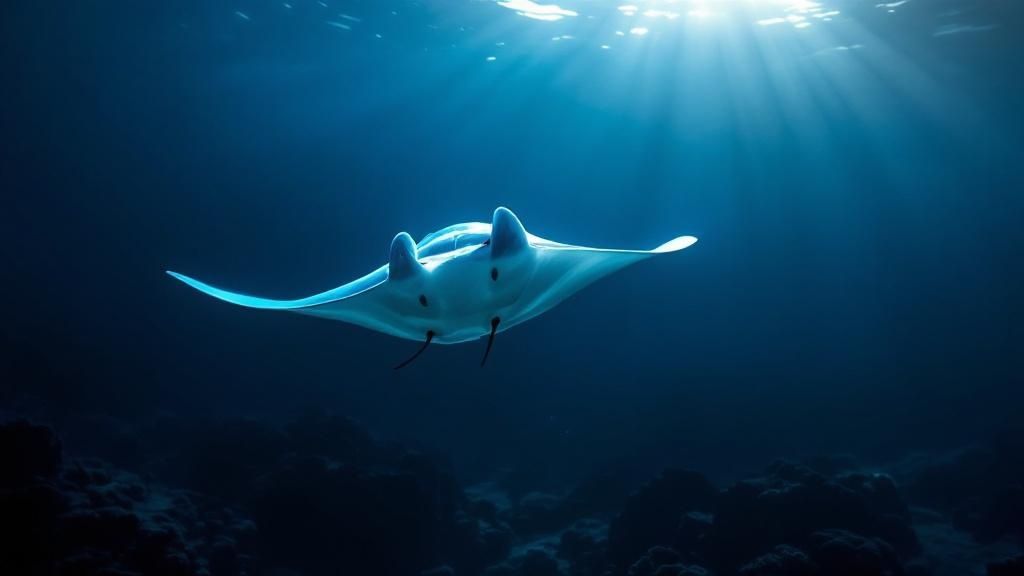
The Kona coast on the Big Island isn't just another pretty dive spot; it's the most reliable place on Earth to see manta rays up close. It all comes down to a perfect storm of biology and geography. The unique underwater lava rock formations here have created natural "feeding stations" that these gentle giants have been visiting for ages.
Years ago, dive operators discovered something incredible. By shining powerful lights into the water after sunset, they could attract huge clouds of plankton—the mantas' favorite meal. The mantas, in turn, show up for the all-you-can-eat buffet, performing graceful barrel rolls and swoops to filter the plankton from the water. The result is an otherworldly "manta ballet" that you get to witness from just feet away.
Why Kona is the Best Place on Earth for This
Kona's reputation as the world's premier manta ray destination is built on one simple word: consistency. The local reef manta rays (Mobula alfredi) aren't just passing through; they live here year-round. This means pretty much any night is a good night to see them.
This incredible wildlife encounter has become the heart of Kona's tourism, drawing around 80,000 visitors every year. And they're rarely disappointed. The success rate for seeing mantas on these tours is a staggering 80% to 90%, all thanks to our perfect ocean conditions and the established feeding sites.
I've been on this dive countless times, and words still can't quite capture the feeling. Watching a creature with a 12-foot wingspan glide silently toward you, only to bank gracefully at the last second, is a truly humbling and magical moment. It stays with you.
Of course, choosing a top-rated, safety-conscious operator is key to having a great time. At Kona Honu Divers, we've spent years perfecting the logistics and safety protocols to make sure every single guest feels safe and comfortable while witnessing this natural wonder. To see what makes this a must-do, check out our article on why you should go on a manta ray dive in Kona.
Two Ways to Witness the Magic: Diving vs. Snorkeling
One of the best things about the Kona manta experience is that almost anyone can do it. You don't have to be a scuba diver to get a front-row seat. There are two fantastic ways to join the adventure, each offering a completely different, yet equally amazing, perspective.
We put together a quick table to help you compare the two experiences at a glance.
Quick Overview of Kona Manta Ray Experiences
| Experience Type | What It Is | Best For | Required Certification |
|---|---|---|---|
| Night Snorkel | You hold onto a custom floatation board with lights pointing down. The mantas swim right up to the surface to feed just below you. | Non-divers, families, people who want a surface view of the action. | None. Must be able to swim. |
| Night Dive | You settle on the sandy ocean floor (about 25-35 feet deep) and point your dive light up. Mantas swoop and glide directly over your head. | Certified scuba divers looking for a fully immersive, bottom-up perspective. | Open Water Scuba Diver certification. |
Both the snorkel and the dive provide mind-blowing encounters with these gentle giants. It really just comes down to how you want to see the show. Either way, you're in for an unforgettable night.
Choosing Your Perfect Kona Manta Ray Dive Site
Picking your manta ray dive in Kona is about more than just finding an open spot on the calendar; it’s about choosing the right underwater stage for your adventure. Not all dive sites are created equal. Kona offers two main locations, and each has its own distinct personality and conditions. Your choice will absolutely shape your entire experience, so knowing the difference is key to a night you’ll never forget.
The two primary "theaters" for the manta ballet are famously known as Manta Village and Manta Heaven. Think of them like two different concert venues. One is like an intimate, acoustic set—perfect for getting up close and personal. The other is a bigger, more dynamic arena with a rock-and-roll vibe. Both are incredible, but they definitely cater to different crowds.
Check Availability
Manta Village (Keauhou Bay): The Classic Experience
Manta Village, just off the coast of Keauhou Bay, is the O.G. spot. This is where the magic first started, and it’s still the most dependable place for consistent manta encounters. We often compare it to a cozy underwater amphitheater.
The conditions here are typically perfect for first-timers, snorkelers, and even divers who might not have a ton of dives under their belt.
- Shallow and Sandy: The whole show happens in relatively shallow water, usually around 25-40 feet, over a sandy bottom. This makes for a much less intimidating environment and lets divers get settled comfortably on the seafloor.
- Calm Waters: Tucked into a protected bay, Manta Village is generally shielded from strong winds and currents. That means a smoother boat ride out and a calmer, more relaxed time in the water.
- High Success Rate: It's famous for its high sighting consistency. If you want the absolute best odds of seeing mantas, this is the site we almost always recommend.
Because it's so accessible and reliable, Manta Village is a fantastic all-around choice, especially if you have a mixed group of divers and snorkelers.
Manta Heaven (Garden Eel Cove): A More Dynamic Encounter
Head a bit further north, near the Kona International Airport, and you'll find Manta Heaven. True to its name, this spot can be absolute paradise for manta lovers, but it often comes with a more advanced set of conditions. If Manta Village is an amphitheater, Manta Heaven is a huge, open-air festival.
This site is a favorite among more seasoned divers and underwater photographers who are looking for a different kind of thrill.
The real difference-maker here is the environment. Manta Heaven can have deeper water and stronger currents, attracting not only mantas but also divers who are comfortable with more dynamic conditions and want those once-in-a-lifetime photo opportunities.
These night dives are really tailored to a diver's experience level. While Manta Village offers a super accessible setting for the famous 'manta ballet,' Manta Heaven's deeper profile and potential for currents are a huge draw for divers seeking dramatic, close interactions. During the peak months, water temps hover around a comfortable 75-80°F, and divers can see an average of 8 to 12 mantas, which is why photographers love it so much.
For divers who are truly looking for a challenge that goes beyond the standard manta dive, Kona’s unique underwater topography offers incredible opportunities. If you're ready to explore deeper pinnacles and unique lava formations, an advanced dive trip can provide that next level of adventure. You can dive deeper into the specifics by checking out our guide to the manta ray night dive in Kailua-Kona. No matter which site you choose, you’re signing up for one of the world's most spectacular wildlife encounters.
How to Prepare for Your Manta Ray Adventure
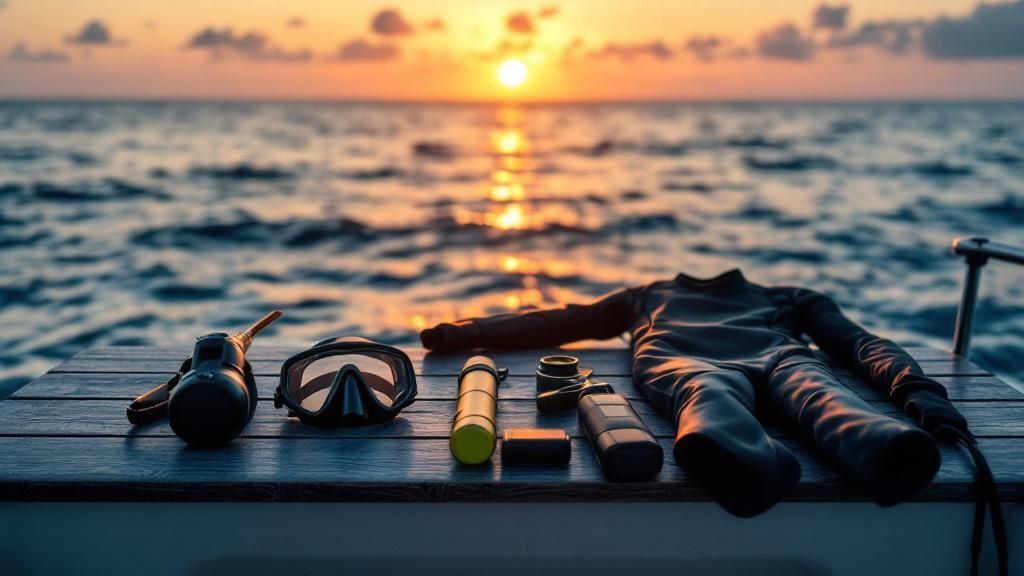
An amazing manta encounter doesn’t just start when you hit the water. It actually begins much earlier, with a little bit of preparation. When you show up for your trip feeling confident, comfortable, and well-informed, you’re setting yourself up for a truly magical night with the famous manta ray dive Kona is known for.
Getting ready is about more than just packing a bag; it's about getting into the right headspace. This experience is a massive thrill, but it's important to balance that excitement with realistic expectations. These are wild animals, after all. And while sightings are incredibly reliable here, every night is a little different.
A simple but surprisingly crucial tip? Stay hydrated. Drink plenty of water throughout the day, long before you even think about stepping on the boat. Dehydration is a sneaky culprit that can make you more susceptible to seasickness.
What to Bring and What to Expect
When you book with a top-notch crew like us at Kona Honu Divers, we’ve got most of the big stuff covered. That means you’ll get high-quality, well-maintained gear like masks, fins, snorkels, and wetsuits for everyone, whether you're diving or snorkeling. For divers, we also supply a BCD, regulator, and a tank—and we fill it with Nitrox at no extra charge to give you a little more safe time on the bottom.
That said, there are a few personal items you’ll be glad you brought along to make your trip even more comfortable:
- A Towel and a Warm Jacket: Once you’re out of the water, that evening boat ride back can feel pretty brisk. Having a dry towel and a windbreaker or a cozy sweatshirt makes all the difference.
- Seasickness Medication: If you even think you might get motion sickness, take your preferred medication before you board the boat. It works way better as a preventative.
- Your Own Gear: If you have a prescription mask that helps you see clearly or a camera system you’re already a pro with, definitely bring it. Using familiar gear can make the whole experience that much smoother.
For a deeper dive into what we provide, check out our guide on the gear you will need for your Kona diving adventure. It's a great way to see what's included so you can pack smarter.
The Importance of the Pre-Dive Briefing
The single most important part of your preparation happens right on the boat, just before you get in the water: the pre-dive briefing. Please don’t treat this as just a formality! This is the key to a safe, responsible, and all-around awesome tour.
Your divemaster or guide will walk you through everything you need to know, so listen closely. They’ll cover the dive plan, go over hand signals, and explain exactly how the night will unfold. Most importantly, they will lay down the rules for passive observation.
The golden rule of every responsible manta ray tour is simple: Observe only, do not touch. Manta rays are covered in a protective mucous layer that acts as their shield against infection. Touching them can damage or remove this coating, leaving them vulnerable to disease.
By paying attention during the briefing, you’re not just ensuring your own safety, but you’re also protecting the magnificent animals you came all this way to see. Following these guidelines helps us keep the Kona manta experience sustainable for many years to come. When you can trust the professionals to handle the safety, you can truly relax and just soak in the wonder of it all.
What to Expect During Your Manta Ray Tour
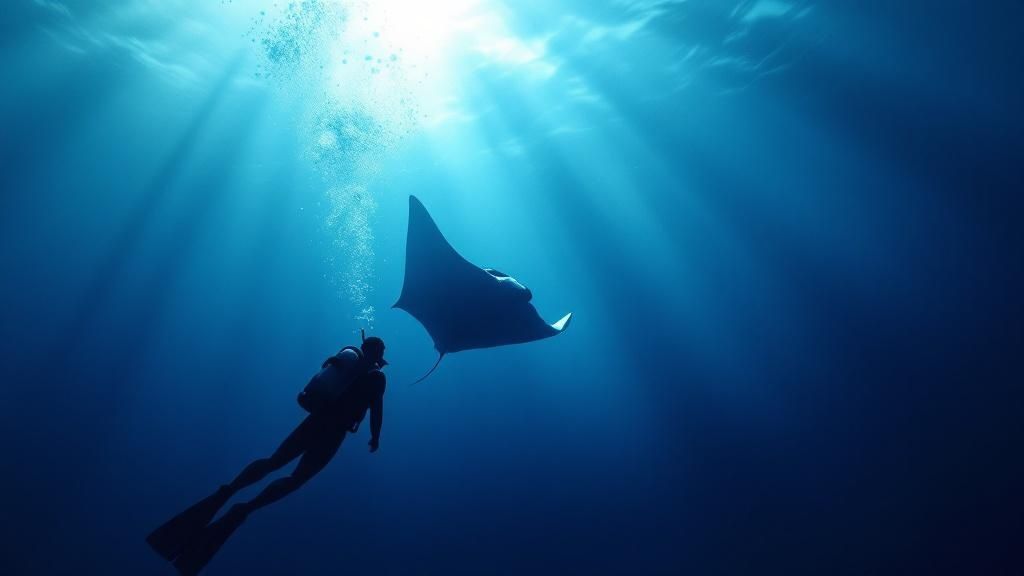
This is it. The moment you’ve been waiting for. You’re geared up, the excitement is building, and you’re about to have one of the planet's most profound wildlife encounters. So, what really happens on a manta ray dive Kona tour? Let's walk through the whole adventure, from the golden hour sunset to the quiet, star-filled ride home.
Your journey starts in the late afternoon at the dive shop. The air is always buzzing with anticipation as you meet the crew and your fellow adventurers. After getting sorted with gear, you'll head out on the boat. The ride out onto the calm Pacific gives you a front-row seat to a classic Hawaiian sunset—a sky painted with fiery oranges and soft purples that perfectly sets the stage for the main event.
Entering the Underwater Theater
As twilight surrenders to darkness, the energy on the boat shifts. It gets real. Your divemaster will run through a final, detailed briefing, covering all the safety checks and explaining exactly what’s about to happen. This is the perfect time to ask any last-minute questions before you take the plunge.
Then, one by one, you’ll slip into the dark, surprisingly warm ocean. It’s a feeling you won’t forget.
Snorkelers get instant action. You'll head to a custom-built floating light board, grab onto the handles, and become a glowing beacon on the surface. For divers, it’s a slow, deliberate descent to the sandy bottom, about 25 to 35 feet down. You’ll settle into a designated spot and point your powerful dive light straight up, creating a column of light—a "campfire" to attract the night's performers.
Those first few moments in the water are pure magic. You’re floating in the immense Pacific under a sky full of stars, waiting. There's a peaceful, almost meditative quality to the quiet suspense that builds just before the show begins.
Knowing how it all works—the lights, the plankton, and your role in the whole production—makes the experience even richer. For a deeper dive into the mechanics, check out our guide that answers the question, what is the manta ray night dive?
The Grand Finale: A Manta Feeding Ballet
And then… it happens. A massive, graceful shape materializes from the dark. Seeing your first manta ray is a moment that will be burned into your memory forever. Before you can even process it, another one appears, and then another. They’re drawn in by the clouds of plankton that have gathered in the beams of light. This is where the ballet truly begins.
-
The Diver's View: From the ocean floor, you get an unbelievable bottom-up perspective. Manta rays swoop and perform barrel rolls right over your head. Their huge white bellies are lit up by your lights, revealing every detail as they filter-feed, sometimes passing just inches away in a breathtaking, silent fly-by.
-
The Snorkeler's View: Floating on the surface, you have the ultimate top-down view of the whole scene. The mantas glide elegantly just beneath you, their enormous wingspans navigating the light beams. It’s like watching a perfectly choreographed dance as they loop and turn, completely at ease with your presence.
Whether you’re on the surface or on the sand, it's a completely immersive and unforgettable spectacle. The boat ride back to the harbor is usually quiet. People are often just staring up at the stars, processing what they just witnessed. Sharing stories and photos with your new friends is the perfect cap to an incredible Kona night.
Manta Ray Conservation and Responsible Viewing
The incredible manta ray dive Kona offers is so much more than just an amazing underwater light show. It’s a genuine connection with one of the ocean’s smartest and most gentle creatures. But with this incredible experience comes a real responsibility to protect them. Honestly, understanding the mantas and how to keep them safe is just as important as the dive itself.
Manta rays are shockingly intelligent, boasting the largest brain-to-body weight ratio of any fish out there. You can see this intelligence in their curious and sometimes playful behavior. Sadly, their populations are considered vulnerable worldwide because of threats like overfishing and habitat loss. This makes responsible tourism not just a nice idea, but a critical part of their survival.
The Science Behind a Sustainable Encounter
Ever wonder why the Kona manta encounters are so reliable? It’s not just luck. It's built on years of dedicated research and observation.
An extensive scientific study from 2009 to 2014 at sites like Manta Village and Manta Heaven gave us a treasure trove of data. Researchers were out there nearly every night, meticulously identifying individual mantas, tracking their movements, and documenting their behavior. This hard work helped us understand their home ranges, confirm their loyalty to the Kona coast, and even predict seasonal patterns. You can learn more about when they show up in our guide on the best time of year to see manta rays in Kona.
This research is the bedrock of the strict viewing guidelines we have today—it’s what allows the tours to be so consistent while keeping the animals safe. You can dive deeper into the numbers behind this research with these foundational manta ray statistics.
As a top-tier operator, we live and breathe these principles. Kona Honu Divers is committed to the "Manta Ray Green List" standards, a set of best practices that puts the well-being of the mantas first, always. When you dive with us, you're not just a tourist; you're an active partner in ethical and sustainable wildlife tourism.
How to Be a Manta-Respectful Visitor
Your behavior in the water directly affects the manta rays' health and safety. Following a few simple, yet absolutely crucial, rules ensures our presence doesn't stress or harm them while they feed.
- Observe, Don’t Touch: This is the golden rule. Manta rays have a protective mucus layer on their skin, like a shield against infection. Touching them strips this layer away and makes them vulnerable.
- Hold Your Spot: Divers should stay on or near the sandy bottom. Snorkelers should remain at the surface, holding onto the light board. This keeps the water column clear, giving the mantas a wide-open space to swoop and glide.
- No Chasing: Let the mantas come to you. Never, ever chase, pursue, or try to ride a manta. It stresses them out and can cause them to leave the area entirely.
- Use Reef-Safe Sunscreen: If you put on sunscreen earlier in the day, make sure it's a mineral-based, reef-safe formula. We have to keep harmful chemicals out of their dining room.
Following these guidelines is the single most important thing you can do. It transforms your tour from just watching animals into an act of conservation that directly helps Kona's beloved manta population thrive.
By choosing a responsible operator and respecting the rules of the ocean, you help guarantee that this awe-inspiring dive remains a world-class example of how to do wildlife tourism right. And if you're looking for another unique, eco-conscious night dive, the mysterious world of the Kona blackwater dive offers a completely different—but equally unforgettable—adventure into the deep.
Answering Your Kona Manta Ray Dive Questions
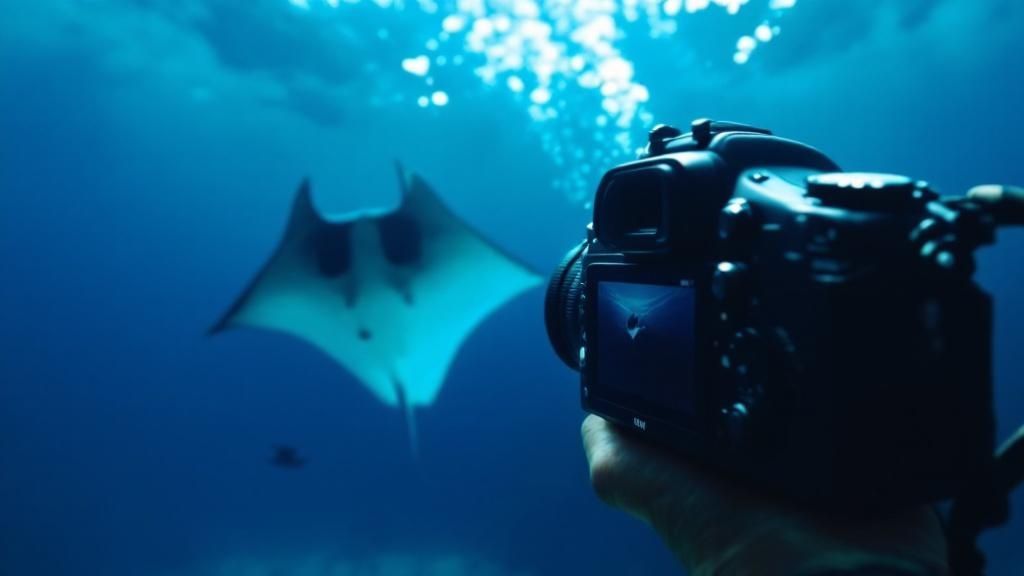
It’s totally normal to have questions before jumping into a world-class adventure like the one Kona is famous for. In fact, we encourage it! Getting the right answers beforehand means you’ll show up feeling confident, relaxed, and ready for an absolutely incredible evening with the mantas.
We've put together answers to the most common questions we get from our guests. Think of it as your personal cheat sheet for planning the perfect trip.
From what to expect in the water to the best time of year to visit, we’ve got you covered. Check out our full list of diving tours to see all the adventures we offer. Let's dive in.
Are Manta Ray Sightings Guaranteed in Kona?
This is the big one, isn't it? While manta rays are wild animals and nobody can promise a 100% guarantee, the Kona manta ray dive has an unbelievably high success rate—we're talking 80% to 90% on any given night. The conditions here are just that good.
Top-tier operators like Kona Honu Divers have been doing this for years, so we know exactly where and when to go to give you the best shot at a magical encounter. Many companies even offer a "manta guarantee," meaning if the mantas decide not to show, you can come back for a second try. It's always a great idea to check the specific policy when booking your manta ray dive tour.
Is the Manta Ray Night Dive Safe?
Absolutely, yes. When you go out with a professional, experienced company like Kona Honu Divers, safety is the number one priority from the second you step on the boat.
Every tour starts with a thorough safety briefing. The equipment is meticulously maintained, and you'll have certified divemasters and instructors right there in the water with you. The dive sites are well-managed, and it's important to remember that manta rays are gentle giants. If you're wondering about their stingers (spoiler: they don't have them!), you can learn more here: Can Manta Rays Sting You?
Just listen to your guides, and you can relax and soak in one of the safest and most awe-inspiring experiences you'll ever have.
Do I Need Scuba Certification to See the Mantas?
Nope! You don’t need to be a scuba diver to get in on the action. The manta ray snorkel experience is every bit as breathtaking and is open to almost everyone, which makes it an amazing option for families and non-divers.
Snorkelers get to float on the surface while holding onto a custom-made light board. These powerful lights attract the plankton, and the plankton brings the mantas right up to the surface. You get a spectacular, front-row, top-down view of the "manta ballet" without any dive training at all.
Whether you're a seasoned diver looking up from the ocean floor or a first-time snorkeler watching from above, the Kona manta experience is designed for everyone. Both perspectives offer a completely unique and unforgettable encounter.
When Is the Best Time of Year for This Dive?
Here’s the fantastic news: you can do the Kona manta ray dive any time of year! Our local manta population lives here year-round, so they're always ready for dinner.
The summer months, from about April to October, usually bring warmer water and calmer seas. Winter might mean slightly cooler water, but the manta sightings are just as consistent. The bottom line is you can plan your trip whenever it works best for your Hawaii vacation, and the mantas will be here.