
You're probably in the same spot most visiting divers hit sooner or later. The flights are booked, the Kona condo is locked in, and now you're staring at a long list of operators wondering which one will make the trip easy, safe, and worth the money.
That's the key question behind every search for a Kona diving company. Not who has the flashiest marketing. Who runs solid boats, picks the right sites for the day, communicates clearly, and delivers the kind of diving you'll still be talking about on the flight home.
Your Search for the Best Kona Diving Company Ends Here
You land in Kona with a short weather window, one or two must-do dives on your list, and a lot of operators promising a great day on the water. The crucial question is simpler. Which shop matches the trip you want to take, your experience level, and the conditions you are likely to get that week?
That is the filter I use in Kona. Start with fit before price. A diver chasing manta rays, a newly certified couple, and an experienced diver booking blackwater should not all choose the same boat for the same reasons.
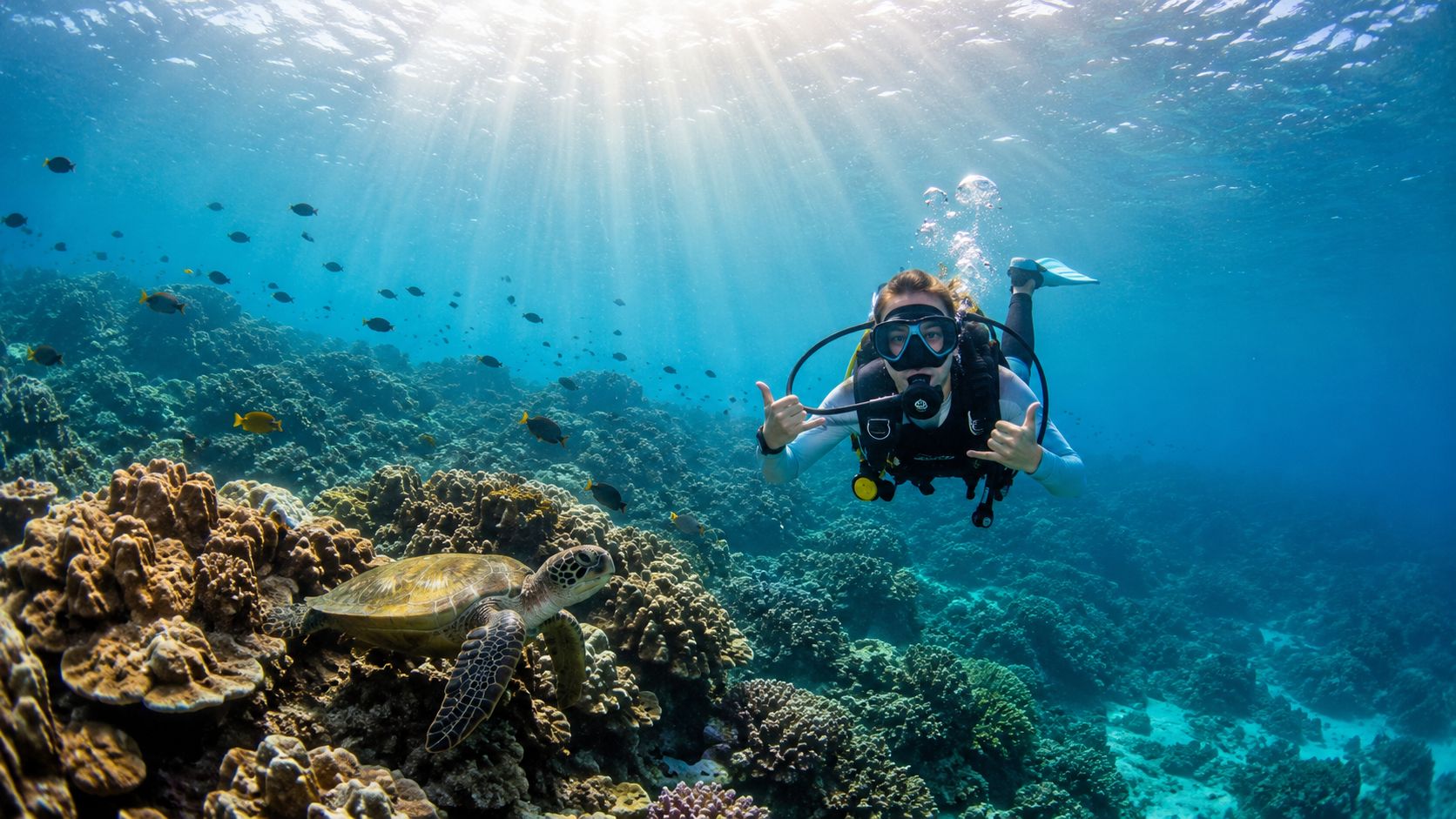
Kona Honu Divers stands out because the operation is built around guided diving and a broad range of trip types, not just filling seats. Their public PADI dive center profile notes that the shop was founded in 2010, is family owned and operated, and has a large instructor team. In practice, that usually means more flexibility with group makeup, better support for rusty divers, and cleaner logistics when conditions change.
Why that matters in Kona
Kona is not hard to enjoy. It can be hard to book well.
A good operator helps you choose the right day plan, not just the next available departure. That matters here because the headline experiences are very different from one another. Manta night dives reward calm briefing and efficient in-water supervision. Blackwater demands stronger situational awareness and a crew that treats advanced diving with discipline. Day charters for newer divers work best with patient guides, clear site selection, and realistic pacing.
This is also where value gets clearer. The cheapest seat can turn into the most expensive mistake if you end up on the wrong trip for your comfort level or spend a vacation dive feeling under-briefed and overmatched.
A better way to choose
Use a practical checklist:
- Match the trip to the diver. Newer or infrequent divers usually get more from guided reef diving and manta than from advanced specialty charters.
- Check operational range. A shop that runs training, classic reef dives, manta, and blackwater can usually guide you toward the right fit instead of forcing one template onto every guest.
- Ask how they group divers. Kona trips go better when experience levels, goals, and pace are aligned.
- Look for consistent third-party feedback. The TripAdvisor listing for Kona Diving Company shows years of strong recognition, which is more useful than a flashy sales pitch.
- Book with your whole itinerary in mind. If manta is a priority, do not leave it for your last possible night. If blackwater is the goal, protect time for weather and recovery.
That approach saves money, lowers stress, and usually leads to better diving. In Kona, the right company is not just the one with an open seat. It is the one that can line up the right experience, on the right day, for the diver you are.
The Kona Honu Divers Difference
The structure of the dive day is where experienced Kona operators separate themselves. Any shop can fill seats. The better ones build a day that stays organized on the dock, calm on the boat, and appropriate for the divers onboard.
Kona Honu Divers stands out by putting guided diving and crew involvement at the center of the experience. That matters most with mixed groups, where one buddy pair may want a relaxed reef profile while another is comfortable with a faster pace and more task loading. Good operators do not force everyone into the same underwater day. They brief clearly, sort out expectations early, and keep the dive moving at a pace that protects both safety and enjoyment.
Price matters. It just should not be the only filter.
In Kona, the lowest advertised rate can cost more in the ways that affect your trip: rushed briefings, crowded groups, awkward gear setup, or dive plans that ignore conditions and diver comfort. A stronger operation usually shows its value in practical details:
- Guide presence in the water: Better for newer certified divers, rusty vacation divers, and anyone who wants local site knowledge without handling every navigation choice alone.
- Boat layout built for divers: Easy entries, clear gear stations, and enough room to kit up without turning the back deck into a traffic jam.
- Smaller in-water groups: Better marine life encounters, less finning over each other, and more attention when someone needs help or a slower pace.
If you want to know who is likely to be on the boat with you, the Kona Honu Divers team page gives a useful look at the instructors and guides behind the operation.
Good dive operations feel calm on busy mornings. That calm usually comes from planning, staffing, and repetition, not luck.
The less glamorous side of dive service matters too. Strong Kona operators answer emails clearly, explain where to go, tell you what to bring, and make it obvious whether a trip fits your certification and comfort level. That saves divers from a common Hawaii mistake: booking the right island activity with the wrong assumptions.
I pay close attention to that part of an operation because it affects the whole day. If the check-in process is confusing, if rental gear details are vague, or if nobody explains how conditions may change the plan, divers arrive stressed before they even hit the water. Shops that handle logistics well usually run better boats too.
The World-Famous Manta Ray Night Dive
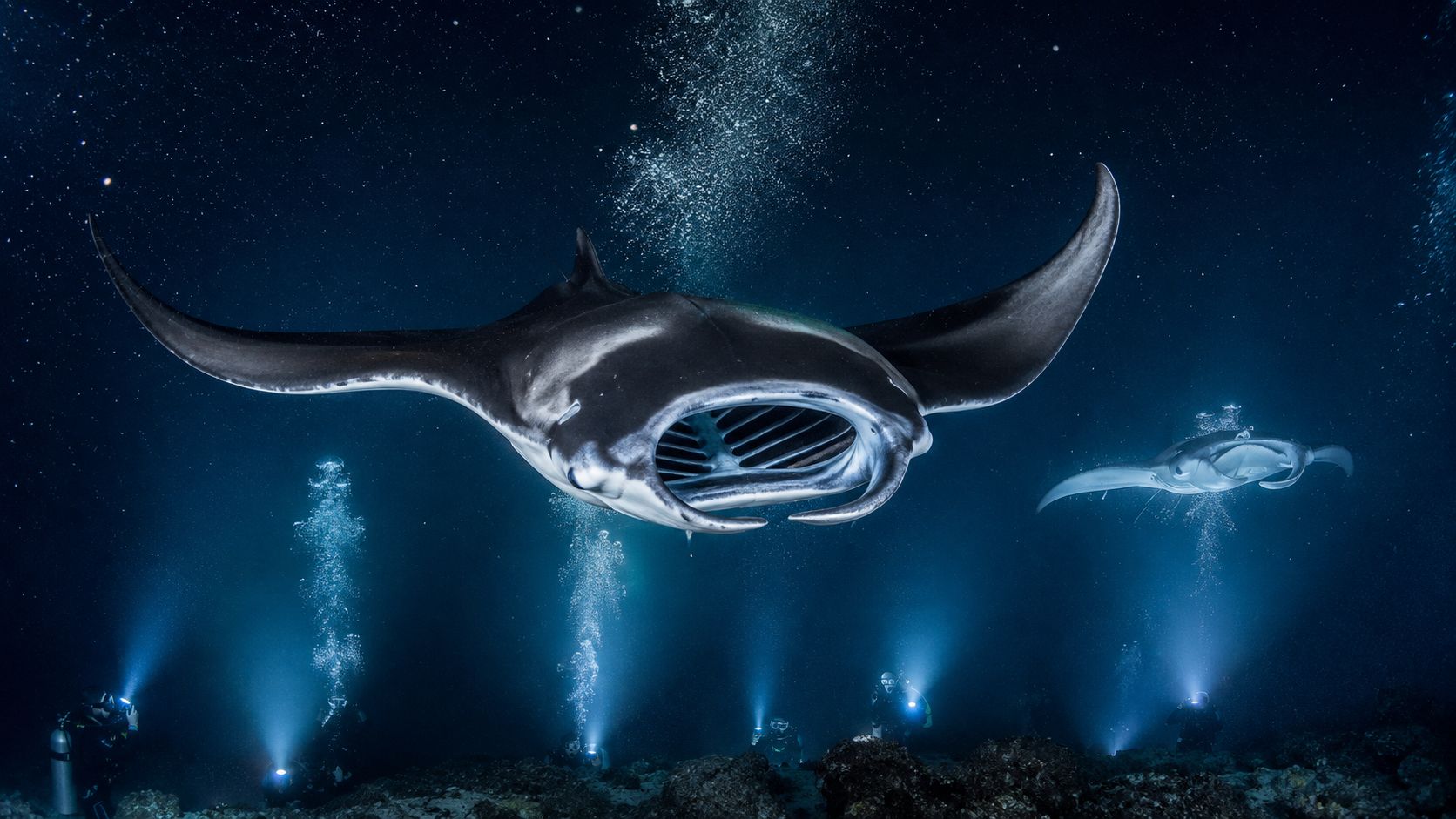
You back-roll into warm black water, descend to the lighted viewing area, and within minutes a manta passes overhead close enough to hear the crowd exhale through their regulators. That is why this dive stays on people's short list long after the trip ends.
Kona's manta dive earns its reputation because the encounter is structured. Divers settle into position near the bottom, lights draw in plankton, and the mantas circle through the beams to feed. Good crews keep the setup orderly, because the quality of this dive depends less on covering ground and more on keeping everyone calm, still, and properly placed.
Why this dive works for so many visitors
From a divemaster's perspective, the appeal is obvious. The profile is usually straightforward, and the payoff is unusually high. You do not need sharp navigation skills or a taste for demanding swim-throughs. You need decent buoyancy, comfort breathing in the dark, and the discipline to avoid chasing the animals.
That makes it a strong choice for a wide range of certified divers, especially visitors trying to choose one signature Kona experience instead of filling every day with boats and tanks.
Here is the practical trade-off.
| Experience | Best for | Main appeal | Main challenge |
|---|---|---|---|
| Morning reef dive | First-time Kona visitors who want varied marine life and lava topography | Daylight, reef structure, easier visual reference | Less likely to deliver one defining wildlife encounter |
| Manta ray night dive | Divers who want Kona's signature underwater experience | Extended close passes from feeding mantas | Darkness can feel intimidating even when the dive itself is controlled |
Why site choice matters
For manta dives, the site can make or break the evening. Operators using Garden Eel Cove usually have an advantage with visiting divers because the area is often more protected and the viewing pattern is easier to manage. That matters more than many people realize.
A calmer site helps divers get settled faster, keeps lights aimed where they should be, and reduces the scattered finning that can spoil the show. Better manta encounters usually come from stable positioning and patient divers, not from trying to cover more bottom.
If you want the trip details before you book, the Kona Honu manta ray night swim page lays out how the experience is run.
The strongest manta briefings focus on three things. Where to position yourself, how to keep your light placement clean, and why staying still gives you the closest passes.
Who should book it
I recommend this dive first for certified divers on a short vacation, mixed-experience buddy pairs, and travelers who care more about animal behavior than reef route complexity.
It is a weaker fit for divers who already know they dislike night diving or get unsettled in dark open water. The dive is not physically demanding for many people, but mentally it can feel bigger than the profile on paper. That is the actual trade-off, and it is worth being honest about before you book.
Advanced Diving and the Blackwater Experience
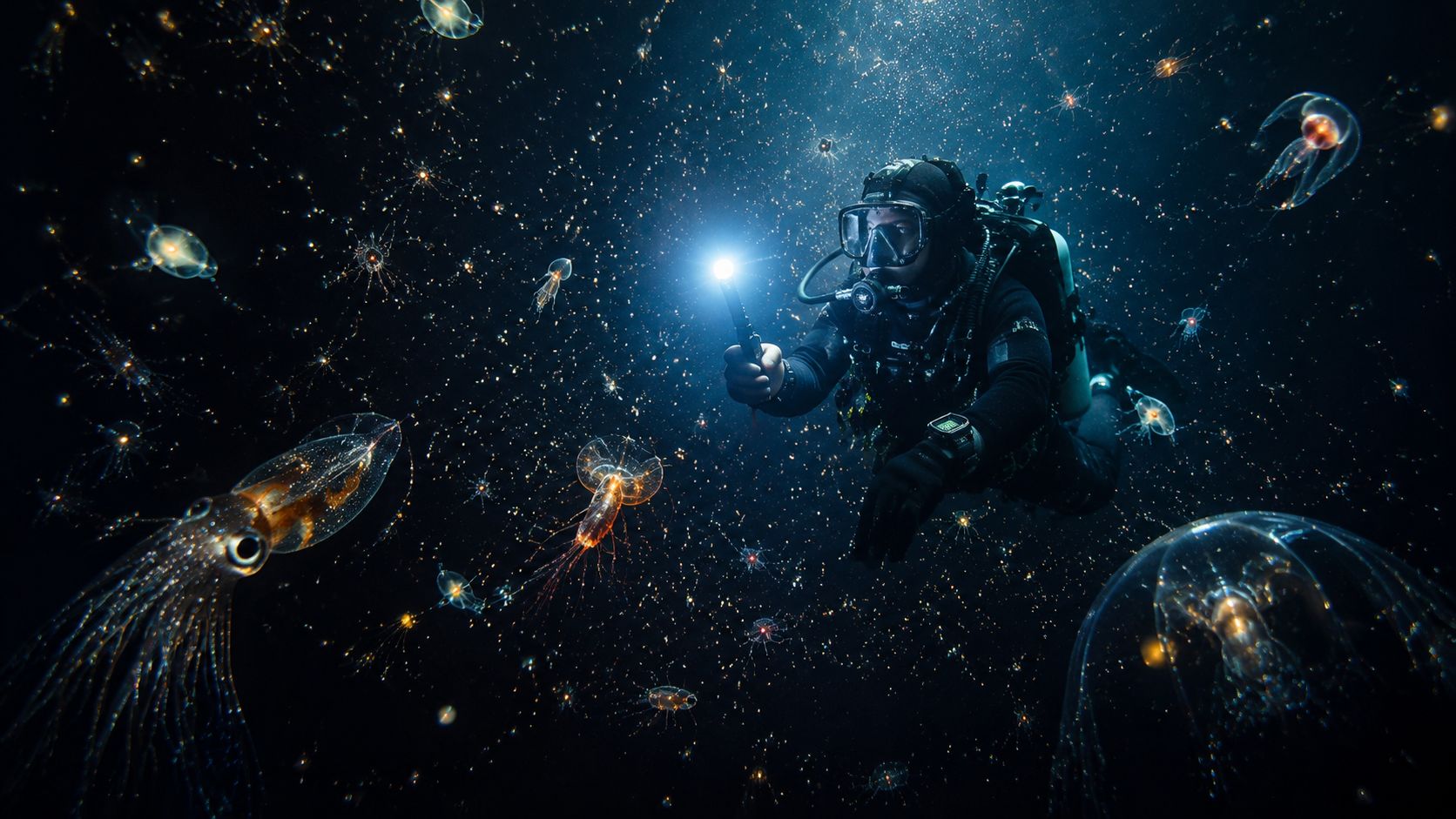
The boat ride out for blackwater usually feels calm. Then the crew sets the lights, clips in the downline, and the shoreline fades until you are hanging in open ocean at night with no bottom in sight. Divers who love it tend to love it for that exact reason. Divers who expected another reef night dive often realize, quickly, that this is a different skill set.
This is one of Kona's most specialized dives. The Kona blackwater dive overview notes that operators run these trips miles offshore over very deep water, with divers tethered around 50 feet. That setup explains why Advanced Open Water is required. The challenge is not a demanding swim. It is staying calm, neutrally buoyant, and observant in blue-water darkness.
What makes blackwater different
Reef diving gives your brain constant reference points. Blackwater strips those away.
You are suspended in the water column with a line, your gauges, your light, and whatever drifts through the beam. That changes the workload. Good buoyancy becomes more than a nice-to-have skill. It determines whether the dive feels controlled and fascinating or distracting and disorienting.
The reward is unusual pelagic juvenile life and planktonic animals that rarely show up on standard recreational dives. Shrimp, larval fish, jellies, squid, and transparent creatures with oversized eyes can pass by in a single drop. Photographers love it, but disciplined non-photographers often see more because they are not task-loaded.
Why the tether system works
Newer advanced divers sometimes worry that the line will feel restrictive. In practice, it does the opposite. It gives the dive structure.
A fixed reference helps with depth control, spacing, and orientation. That matters more at night in open water than it does on a reef, where the bottom does half the work for you. Once divers settle in, breathing slows down, finning gets quieter, and attention shifts to the animals instead of personal position.
If this is the kind of dive you want to add to your trip, the Kona Honu blackwater dive trip page is the page to review before booking.
Field note: Blackwater favors divers with tidy trim, calm breathing, and the patience to hover without chasing every flicker of movement.
Who should choose advanced trips in Kona
This is where trip planning matters. “Advanced” does not mean one thing in Kona, and choosing well has more to do with interest and comfort than with ego.
Pick blackwater if you already handle buoyancy well, stay composed at night, and want a rare animal-focused dive rather than terrain. Pick a longer-range advanced reef trip if you want lava structure, swim-throughs, and a site-driven dive day. Both can be excellent. They reward different divers.
| Dive style | Best fit | What you're signing up for |
|---|---|---|
| Long-range advanced reef diving | Divers who want lava tubes, pinnacles, arches, and a less-trafficked feel | More site-focused exploration and classic Kona topography |
| Blackwater | Divers who want a rare open-ocean night dive and are comfortable without bottom reference | Precision buoyancy, stronger situational awareness, and unusual pelagic life |
For divers who already know they want the site-focused version of advanced Kona diving, the premium advanced dive trip is the other page worth reviewing.
All Diving Tours and PADI Courses
A full Kona dive menu is only useful if you can sort it fast. The better question is which trip fits your current diving shape, your trip goals, and the number of dive days you have available.
Kona Honu Divers stands out here because the lineup covers the whole progression, from first-time breathing underwater to continuing education and specialty outings. The smart move is to choose by readiness, not by hype.
A practical way to choose
Use this filter before you book:
- No certification yet: Book an introductory scuba experience if you want to try diving without committing your vacation to a full course.
- Certified, but out of practice: Start with an easy daytime boat dive or a refresher. That gets weighting, buoyancy, and basic comfort sorted before you add anything more demanding.
- Certified and current: Build around the dives you care most about, then place training around them if needed.
- Planning to get certified or continue training: Review the PADI scuba classes and certification courses first, then match the course schedule to your travel dates.
That last point matters more than visitors expect. A course can be the right choice if you want to improve skills and log meaningful dives, but it can also consume time you meant to spend boat diving. For a short vacation, many divers get more value from guided dives plus one signature experience. For a longer stay, training makes more sense.
Fast trip-matching guide
| If this sounds like you | Best booking approach | Why it works |
|---|---|---|
| I want to try scuba, but I am not certified | Introductory dive | Low-commitment way to see if diving clicks for you |
| I am certified, rusty, or bringing a newer diver | Guided daytime boat diving first | Easier conditions for rebuilding comfort and skills |
| I want to leave Hawaii with a certification | PADI course | Better fit for travelers willing to dedicate multiple sessions to training |
| I already dive regularly and want to add more than reef diving | Add a specialty or advanced trip after your first local dive | Lets you confirm comfort in Kona conditions before committing |
How experienced divers usually get the most out of the schedule
The strongest plan is usually simple. Put your highest-priority dive on the calendar early enough that weather or fatigue does not wipe it out, but do not stack your most task-loaded dives back-to-back if you have not been in the water recently.
For example, a certified diver who has not dived in a year often does better with a daytime boat dive on day one, then a signature night or specialty trip after that. A newer diver in the family may be happier with an intro program while the certified divers book a separate boat day. An experienced diver chasing skill growth may get more from a course than from adding another fun dive.
That is the value in a broad tour and training schedule. It gives you options, but the good choice depends on your gas consumption, buoyancy control, comfort in current, and how much vacation time you want to spend learning versus diving.
How to Book and Prepare for Your Dive
You land in Kona, look at the ocean, and realize the trip can go two ways. A clean booking process, clear trip requirements, and a crew that communicates well usually lead to a relaxed dive day. Confusing policies, vague check-in details, and a poor fit between diver and trip usually create problems before the boat leaves the harbor.
That is why booking deserves the same attention as site selection. Good operators make the logistics easy to verify. Kona Honu Divers lays out tour options clearly, and you can check tour availability and book online here: https://fareharbor.com/embeds/book/konahonudivers/?ref=blog&full-items=yes&flow=19404
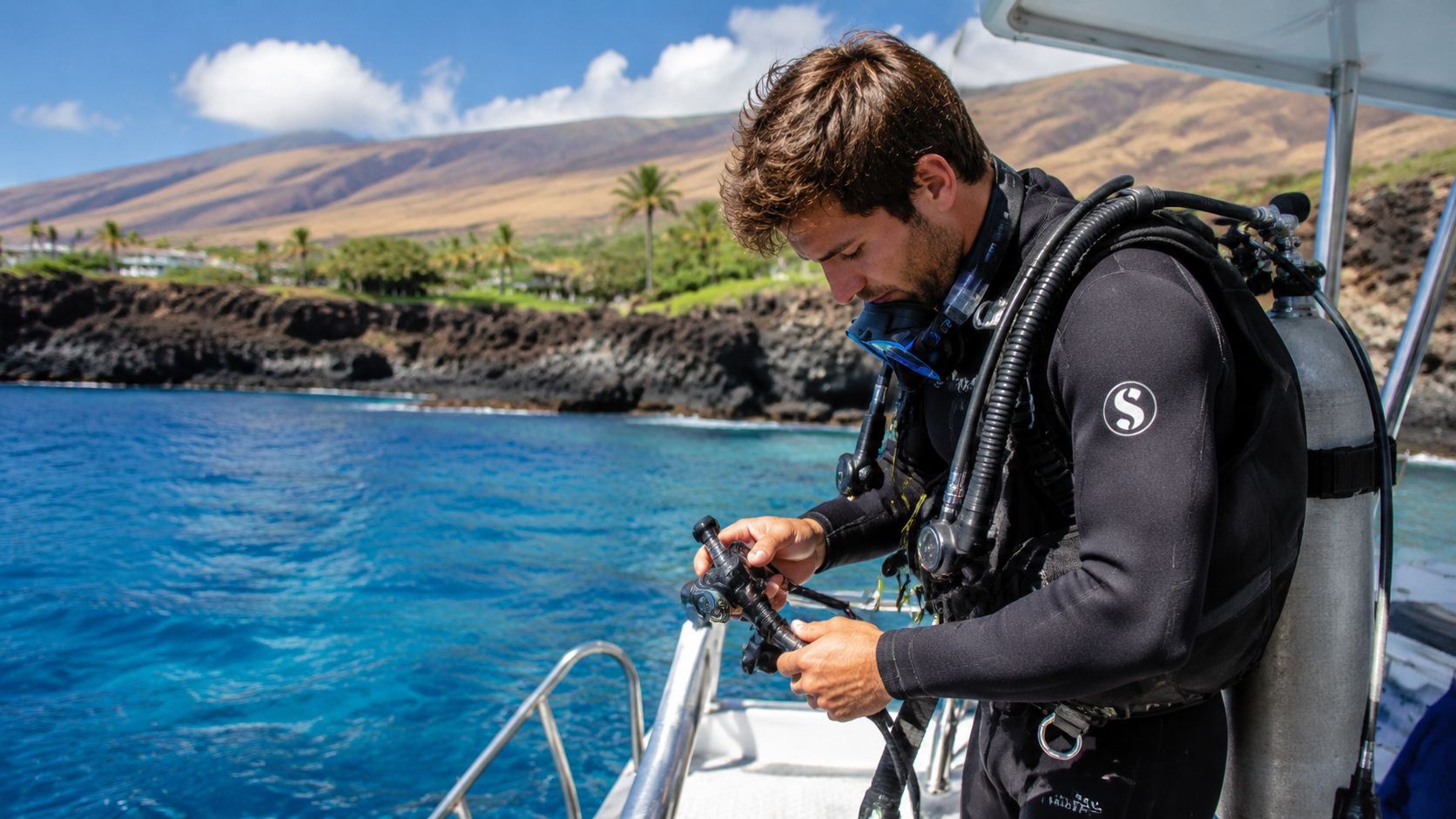
What to confirm before you book
Start with the points that affect whether the day will run smoothly, not just whether the photos look good.
- Cancellation terms: Read the policy before you pay. Weather, illness, and flight changes happen, and every operator handles timing and refunds a little differently.
- Meeting instructions: Confirm where to check in, when to arrive, and whether the trip departs from the harbor or begins at the shop.
- Trip prerequisites: Verify certification level, recent experience expectations, and any age or medical limits.
- Rental needs: Sort out BCD, regulator, wetsuit, and computer needs in advance so the crew can stage the right gear.
- Your actual fit for the dive: Book for your current comfort in current, depth, and task loading, not for the version of you that looked great in your last vacation photos.
That last point matters more than divers admit. A manta night dive, a basic reef charter, and a blackwater trip may all sound like "Kona diving," but they ask for different levels of comfort, awareness, and energy.
What to pack and what not to forget
Pack for a functional boat day. Space is limited, and the divers who have the best mornings usually bring less stuff, not more.
Bring:
- Certification card: Digital or physical, as long as it is accessible.
- Towel and water bottle: Simple, but you will use both.
- Reef-safe sun protection: Apply it early so it has time to absorb before gear handling.
- Dry clothes: The ride back feels better when you have something warm and dry waiting.
- Small personal save-a-dive items: Defog, spare mask strap if you carry one, hair tie, ear drops, or anything you use every trip.
If you are still comparing trip types, the Kona diving tours page gives a practical view of the schedule and formats.
Handle seasickness before it becomes the day's main event
I have seen strong divers call a trip because they waited too long to treat motion sickness. Underwater comfort does not guarantee surface comfort, especially on a rocking mooring with gear on.
Useful options include Ship-EEZ seasickness patches, Dramamine pills, Bonine pills, Sea-Band wristbands, and ginger chews.
Take that seriously if you know your pattern. The smart move is to solve it early, hydrate well, and arrive ready to dive instead of hoping grit will fix biology.
Frequently Asked Questions About Diving in Kona
Is Kona better for beginners or advanced divers
Both, if you choose the right day and the right format. Kona works well for beginners because guided reef diving and intro experiences are widely available. It also works exceptionally well for advanced divers because specialty dives like blackwater and more technical-feeling night experiences exist in the same destination.
The mistake is assuming one trip should do everything. A beginner shouldn't force an advanced agenda. An experienced diver shouldn't expect an intro-style reef outing to scratch the same itch as blackwater.
Should I choose boat diving or shore diving
For most visitors, boat diving is the cleaner choice. Shore diving in Kona can be excellent, but entry conditions and site access can shift fast. Boat diving removes a lot of that uncertainty and usually gives crews more flexibility to pick a workable site.
Shore diving makes more sense for confident local-style planners who understand entries and are willing to scrap a plan if the ocean says no.
Is the manta dive worth it if I already do a lot of diving
Usually, yes. The manta dive isn't special because it's technically difficult. It's special because the encounter format is so focused. Even divers with a lot of logged dives often remember Kona mantas because very few night dives offer that kind of consistent, close-range animal behavior in a controlled setting.
If that's the dive you're chasing, the manta dive tour page is the most relevant booking page.
Who should skip blackwater
Skip it if you dislike night diving, struggle to hold neutral buoyancy without visual references, or know that open-ocean darkness gets into your head. Blackwater is rewarding, but it's not the right place to prove something to yourself on vacation.
For divers who are ready for it, the blackwater night dive tour page gives the best pre-booking context.
Can non-diving companions still enjoy the trip
Often, yes, but it depends on the specific trip. Some travelers pair scuba days with snorkeling or choose one signature night activity together. The key is checking the exact format in advance rather than assuming every boat handles mixed groups the same way.
What makes one Kona diving company easier to trust than another
Clarity. Not hype.
A trustworthy operator tells you how booking works, what your cancellation window is, where to meet, and what kind of diving fits your experience level. That kind of transparency is often a better sign than any marketing language.
If you want a Kona trip that balances signature dives, practical logistics, and options for different experience levels, Kona Honu Divers is a straightforward place to start comparing tours, courses, and specialty dives.