
You land in Kailua-Kona with one question in your head, and it's not romantic. It's whether you booked the right dive for the wind, the swell, your certification card, and the fact that you might get seasick before the boat even leaves Honokōhau Harbor. If you're comparing a Kona diving company Kailua Kona HI while staring at your calendar, the job is simple, pick the trip that matches your energy, not the trip that sounds coolest on Instagram.
The good Kona operators make that choice easier because the day is structured, not improvised. At Kona Honu Divers, the crew's combined experience is deep enough that the briefing feels calm, the boat routine feels organized, and the trip doesn't turn into a floating scramble. The rest of this guide is the coffee-shop version of what you need to know before you book, what's worth your money, what to skip, and how to avoid wasting a precious Big Island morning.
What a Kona Dive Day Actually Feels Like
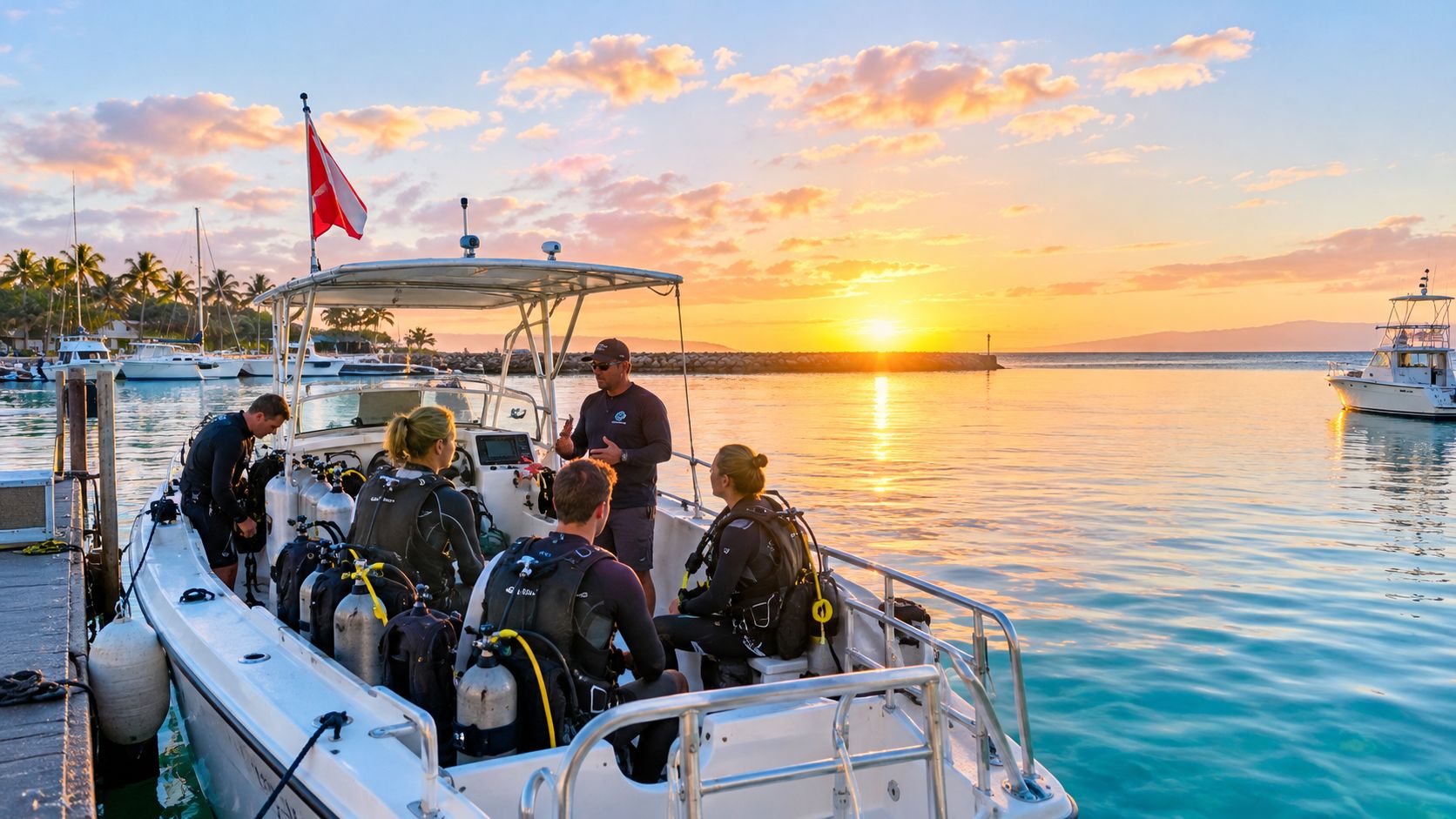
You're at Honokohau Harbor before the rest of the island is fully awake, and that's the point. The first decision of the day isn't which reef is prettiest, it's whether you're ready for a boat morning, how well you handle motion, and whether your certification matches the trip you want. If you're new to this, the boat briefing and descent through gear, site choice, and surface interval can feel like a lot, but a good crew makes it feel deliberate instead of rushed.
Kona Honu Divers runs a tight ship from the start, and that matters for first-timers who don't want surprises. If you need to handle gear, rent equipment, or pick up something from the shop, keep the Kona dive shop in mind before you start your day. A Kona boat day usually means a short ride to the first site, a dive, surface time with water and shade, then a second dive or, if you booked night life, a manta run after sunset.
What you're really paying attention to
Practical rule: the trip gets easier when you stop thinking of it as “a dive” and start treating it as a sequence, check-in, boat motion, site brief, descent, surface break, second entry.
That sequence is where your comfort level matters most. A diver who's happy on a boat, relaxed in current, and confident with their buoyancy will have a very different day from a newly certified guest trying to sort out their mask for the first time in open water. If you're flying in, booking the right departure window is just as important as choosing the right site.
The best Kona operators keep the morning efficient because that's when the ocean is easiest to live with. You get less surface chop, less wind, and less of that late-day “why is this suddenly bouncy?” feeling that ruins a casual snorkel or a photography dive. That's what you're buying, not just fish and reef.
Reading Kona Water Like a Local
Kona's leeward coast works for divers because the ocean gets less mud, less runoff, and less junk suspended in it than a lot of mainland shorelines. That's why visibility is often reported as very high in favorable conditions, and why early departures usually beat the afternoon build in wind and chop. The simple equation is this, less terrestrial runoff means cleaner water, cleaner water means better contrast, and better contrast makes navigation, photography, and buddy awareness easier.
The reef is no longer a postcard backdrop. Federal and park monitoring on Hawaiʻi Island documented widespread coral loss, including major declines at protected park units on the Kona coast, along with more algae and rubble in place of high-coral-cover areas. The bleaching event that hit Hawaiʻi hardest in 2014 to 2015 still matters because it changed what you're diving over, which is exactly why good briefings talk about buoyancy and reef contact like it's serious business, because it is. You're visiting a living system that has taken a hit, not a theme park.
How to read the day before you commit
If the forecast says the ocean is building later, book earlier. If a site looks calm from shore but the wind is up, don't trust the postcard.
NOAA's advice is blunt for a reason, check marine forecasts, tides, and currents before you go. That's the habit that keeps a diver from assuming “calm Kona” means every entry is fine, every site is easy, and every afternoon is stable. It doesn't.
A smart Kona schedule starts with the sea state, then the trip type. Morning boat dives are the right move for photographers, new divers, and anyone who gets tired when the deck starts rocking. Night manta trips, by contrast, are built around after-dark plankton behavior and artificial light, so they're a separate animal entirely, and they should be booked as such. Keep visibility guidance for Big Island diving in your head as a planning filter, not a promise.
Choosing the Right Kona Dive Tour for Your Style
If you want the cleanest answer, this is it, don't overbuy your first Kona trip. Book the dive that matches your actual experience and comfort level, not the one that sounds most dramatic at dinner.
The morning two-tank dive is the safest default for most certified visitors. It's the trip for recently certified divers, returning divers, and couples who want a straightforward reef day without a lot of technical stress. The premium advanced two-tank is the better fit if you want lava tubes, pinnacles, and more demanding profiles, but it's wasted money if your buoyancy is still sloppy. The blackwater night dive is a specialist trip, and I'd only steer confident, self-reliant divers toward it.
Garden Eel Cove is the manta trip worth booking if you want the most sensible setup. The site's protected location, better viewing area, and better reefs make it the superior choice for most visitors who want a reliable manta experience instead of a gimmick. I'd book that before I'd book a random “manta-style” night out that treats the site like an afterthought.
Trip comparison at a glance
| Trip | Min. Level | Best For | Signature Site |
|---|---|---|---|
| 2-Tank Morning Dive | Certified diver | Reef basics, returning divers, easy confidence-building | Kona reef sites |
| Premium Advanced 2-Tank Trip | More experienced diver | Lava tubes, pinnacles, stronger profiles | Advanced Kona sites |
| 2-Tank Manta Dive and Snorkel | Certified diver or snorkeler | First-time manta visitors, mixed groups | Garden Eel Cove |
| Blackwater Night Dive | Very experienced diver | Midwater adventure, rare pelagic life | Open-ocean night profile |
The blackwater dive is the one I'd put at the bottom of the list for casual tourists. It's not a sightseeing cruise, it's a controlled open-ocean night profile, and that means you need to be comfortable in the dark, stable on your gear, and mentally ready for weird. The advanced trip is the better money for someone who wants more challenge but still wants structure.
The right trip is the one that leaves you a little excited, not the one that leaves you underprepared.
For mixed groups, the reef-and-manta combo is the easiest win because the snorkeler doesn't get sidelined. The morning two-tank is still the workhorse if your goal is simple, quality underwater time with less risk of overcomplicating the day. Keep Kona scuba dive shop comparisons handy if you're comparing operators by trip style rather than by hype.
Getting Certified, Refreshed, and Properly Geared Up
If you're not certified yet, don't fake your way through a vacation dive plan. Start with the pathway that matches your reality, because Kona is a better place to learn when you're honest about your skill level. A resort-style discover scuba experience gets a beginner into the water fast, while a full open-water course is the right call if you want actual independence instead of a one-off splash.
Certified divers who've been out of the water for a while should treat a refresher as normal, not embarrassing. If you haven't dived in 12 months or more and your trim, mask clearing, or buoyancy feels rusty, brush up before you spend money on a challenging boat day. The same logic applies to gear, if you're renting, the equipment should be clean, serviced, and comfortable enough that you're not wrestling it between dives.
What to book based on your experience
- Brand-new diver: book a discover scuba session or full open-water training first.
- Certified but rusty: book a refresher before a full boat day.
- Certified and active: book the two-tank morning dive or manta trip that matches your comfort.
- Experienced diver chasing more complexity: ask about advanced profiles and nitrox at booking.
Nitrox matters most on multi-dive days because it gives experienced divers a better tool for managing repeated exposure across a packed schedule. If you know you want to do a lot of diving on vacation, request it when you book instead of waiting until check-in. Free nitrox is one of those practical perks that makes a real difference for divers who plan to stay in the water.
Kona Honu Divers is also the kind of operation that makes family logistics easier, because one person can dive while the other snorkels or shops without needing two separate days. That matters if you're traveling with a spouse, partner, or friend who wants the ocean experience without signing up for the same level of commitment. If you need a place to start with Big Island scuba certification, don't wait until you're already on island and burning daylight.
Shore Diving Versus Boat Diving Around Kailua-Kona
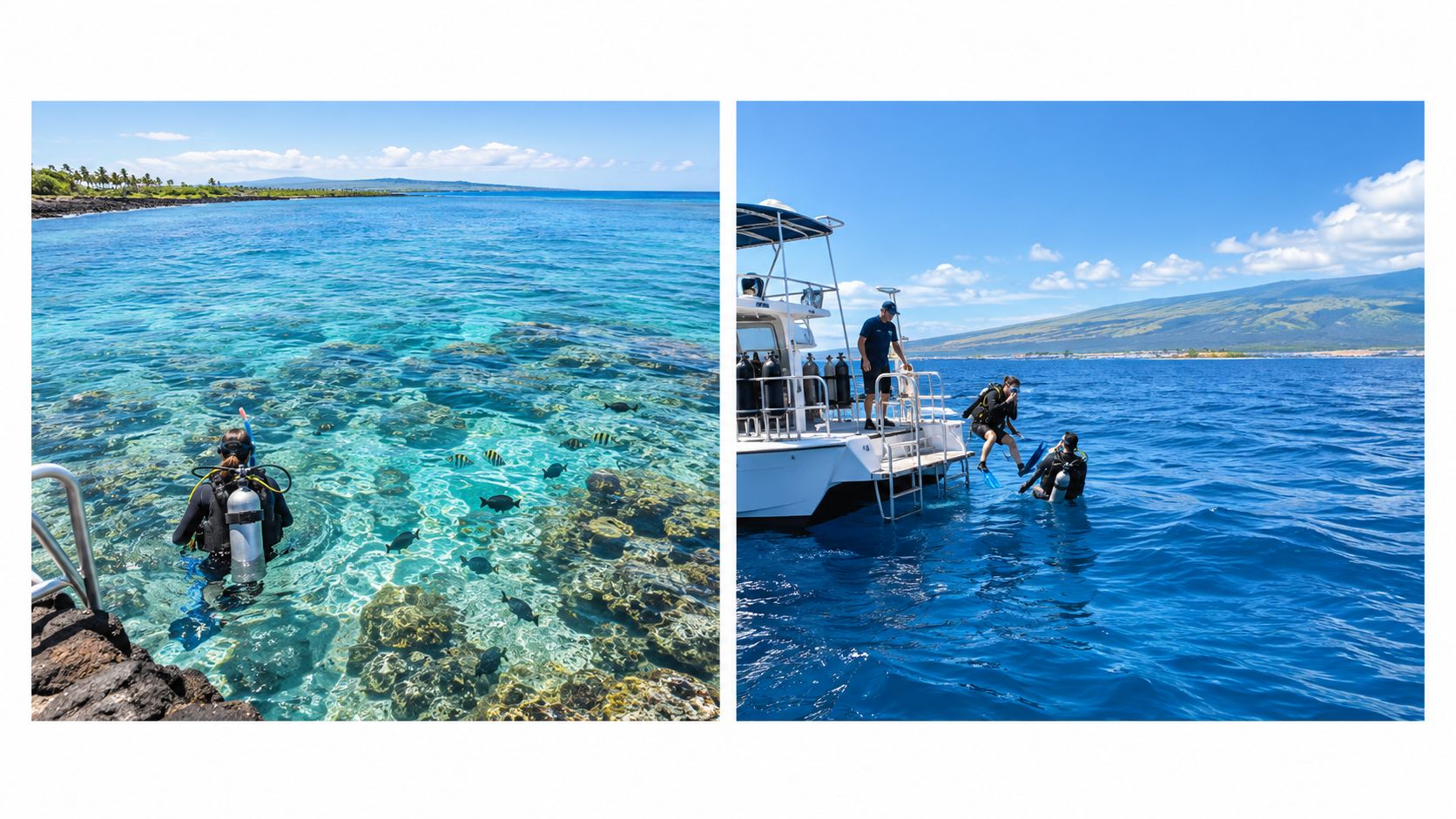
Shore diving sounds cheaper because it is cheaper, but cheaper isn't the same thing as easier. At the Old Kona Airport Marine Life Conservation District, Hawaiʻi's guidance makes the trade-off obvious, partially protected entry areas can still lead into shallow lava fingers that drop quickly toward much deeper water. That's a very different problem from stepping off a sandy beach and wandering in.
The core issue is exit and control. Kona's calm reputation hides site-specific hazards, sharp coral and lava, surge, changing swell, and immediate deep-water exposure in some places. If you're inexperienced, tired, or carrying awkward gear, a guided boat trip can be the safer choice because the crew controls the entry, the site selection, and the timing around surface conditions.
The rules that matter in the water
Hawaiʻi requires a diver flag for scuba, freediving, and snorkeling in navigable waters, and you have to stay within 100 feet of it. Nighttime flags must be illuminated, which sounds minor until you're trying to manage surf, a buddy, and dark water at the same time. That's one of those rules people ignore until they need it.
If you want a no-drama dive day, don't romanticize the shore entry.
For confident locals with the right timing and gear, a shore dive can still make sense. For a first-time visitor, especially one who's nervous about surf or navigation, the boat trip usually wins because it removes the parts that chew up energy before you ever see a fish. The right question isn't “boat or shore,” it's “which one gives me a clean dive instead of a stressful one?”
The contrarian truth is simple, “Kona calm” is a regional reputation, not a site guarantee. If the swell is up or your entry looks messy, skip the shore plan and let the boat handle the logistics. If you want to compare shore sites and guided options properly, start with the Kona visibility and conditions guide rather than guessing.
Booking Logistics, Sample Itineraries, and Seasickness Prep
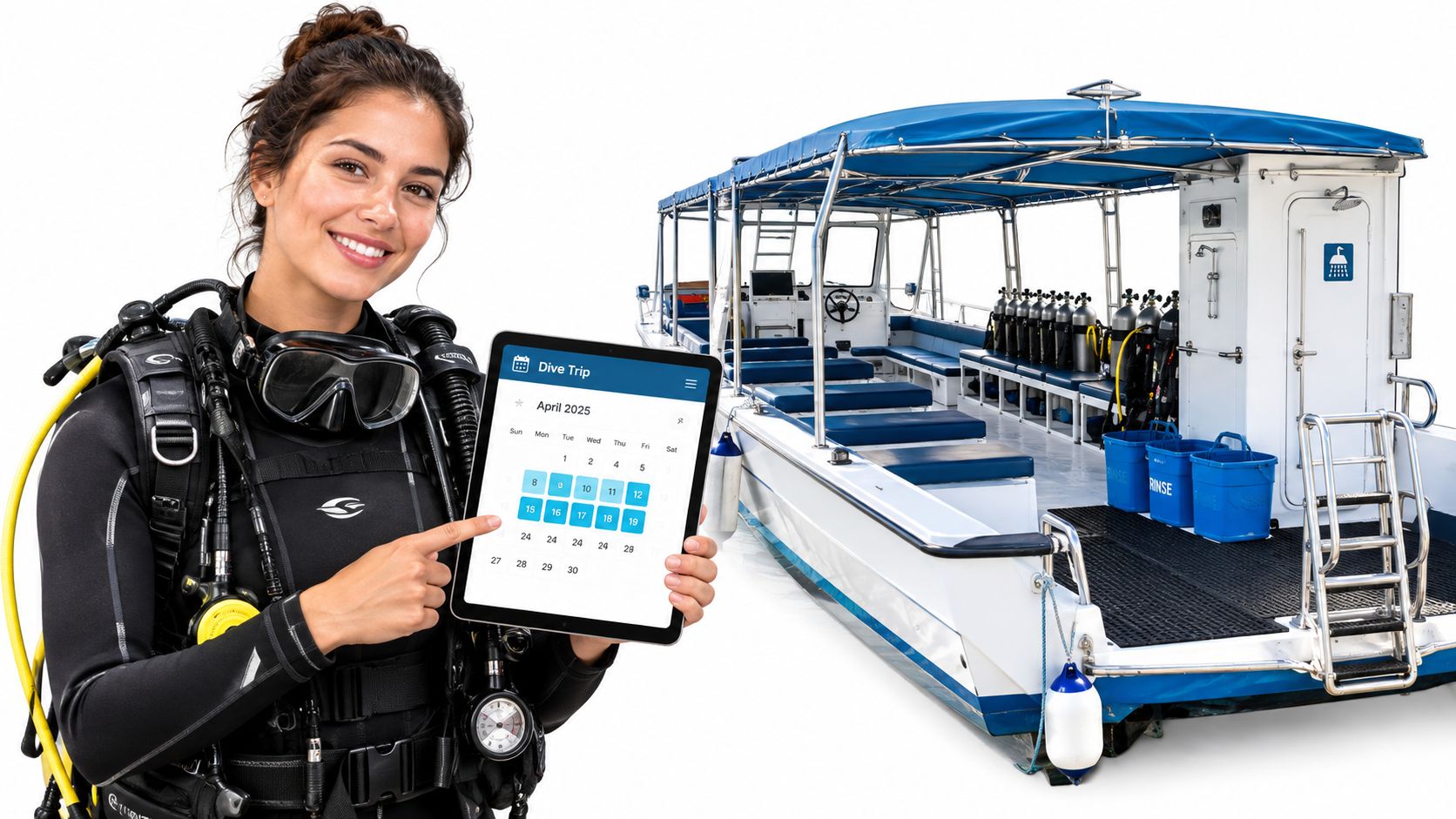
If you want manta night or blackwater, book early and stop treating them like last-minute extras. Those are the trips people remember, and they're the first ones to get squeezed when a family starts building a vacation around weather, flights, and dinner reservations. Confirm the boat details too, hot showers, shaded seating, storage, and rinse buckets are not luxury fluff when you've got wet gear and a windy ride home.
Here's the cleanest way to build the trip around your actual schedule:
Three-day certified diver plan
- Day one, morning: do the two-tank reef trip while you're fresh and the ocean is usually calmer.
- Day two, afternoon or night: book the manta dive if that's your priority, or keep the day open for a shore walk and recovery.
- Day three: save this for a second boat day or the advanced trip if you already know your buoyancy is solid.
Four-day mixed diver and snorkeler plan
- Day one: certified diver does the morning boat trip, snorkeler keeps the day easy.
- Day two: book the manta trip so both people can share the experience.
- Day three: leave open for weather, shopping, or a shore day.
- Day four: choose the advanced dive or a private charter if the group wants a more custom finish.
Now for the part people like to ignore until it's too late, seasickness. Bring the full toolkit if you know boat motion gets to you, Ship-EEZ Seasickness Patch, Dramamine pills, Bonine pills, Sea Band wristbands, and ginger chews. You don't need all of them every time, but you do need a plan before boarding, not after the horizon starts moving.
The best prep is boring: eat light, hydrate, don't start the day exhausted, and book the earlier departure if your stomach is sensitive. If you want a deeper practical rundown on motion management, this boat-seasickness guide is the one I'd read before flying in. The Kona Honu Divers review widget belongs right here because visitors should see real feedback before they lock a date.
Respecting Kona's Wildlife and Wrapping Up Your Plan
Kona's wildlife rules aren't optional scenery notes, they're the code of the water. Stay at least 10 feet from green sea turtles in the water and on land, don't touch, feed, chase, restrain, or ride them, and let the animal control the encounter distance. For humpback whales in Hawaiʻi, the legal no-go distance is 100 yards, and that's the kind of rule that should stay in your head any time you're around a boat or surface traffic.
The same discipline applies to mantas. Keep your position predictable, don't chase them, and don't turn the encounter into a light show that makes the animals work around you. Use camera zoom instead of closing the gap, and let the reef and the creature set the pace. A good operator should reinforce that without making the dive feel stiff.
The best wildlife encounter is the one that looks effortless because you didn't interfere with it.
If you're trying to decide what to book, my advice is simple, lock in the day you want to remember. Manta night and blackwater slots go first, the morning reef trip is the safest all-around bet, and a mixed group does better when the itinerary respects the slowest stomach and the least experienced diver. Book the trip that fits your body, your card, and your calendar, not the one that makes the best story before you've had coffee.
Kona Honu Divers runs guided reef dives, manta trips, blackwater excursions, courses, rentals, and private charters out of Kailua-Kona, so you can match the trip to your skill level instead of forcing one format to fit everyone. If you're planning a Kona dive day and want a clean, organized way to book it, visit Kona Honu Divers and lock in the dates that fit your actual trip.