
You're probably doing what most Kona visitors do. You've got a trip on the calendar, you've heard the diving is world-class, and now you're staring at operator names that all sound solid. Kona Diving Company is one of the names that comes up fast, and that's fair. But choosing a boat in Kona shouldn't come down to whoever shows up first in search.
The right operator changes the entire day. Same coastline, same ocean, completely different experience depending on the crew, the boat setup, the site choice, and how they handle conditions when the ocean stops cooperating.
I've watched first-time Kona visitors book the wrong trip for their skill level, the wrong boat for their comfort level, or the wrong night dive because nobody explained the difference clearly. That's avoidable. If you want a trip that feels smooth, safe, and worth the flight, you need a better filter than “looks good online.”
Welcome to the Underwater Paradise of Kona
You step onto the Kona coast and the first thing that hits you is how inviting the water looks. Dark lava shoreline above. Clear blue Pacific below. Then somebody tells you that under that calm surface are reef systems, lava formations, turtles, night dives, manta encounters, and open-ocean experiences you won't find in many other places.
That part is true. Kona earns its reputation.
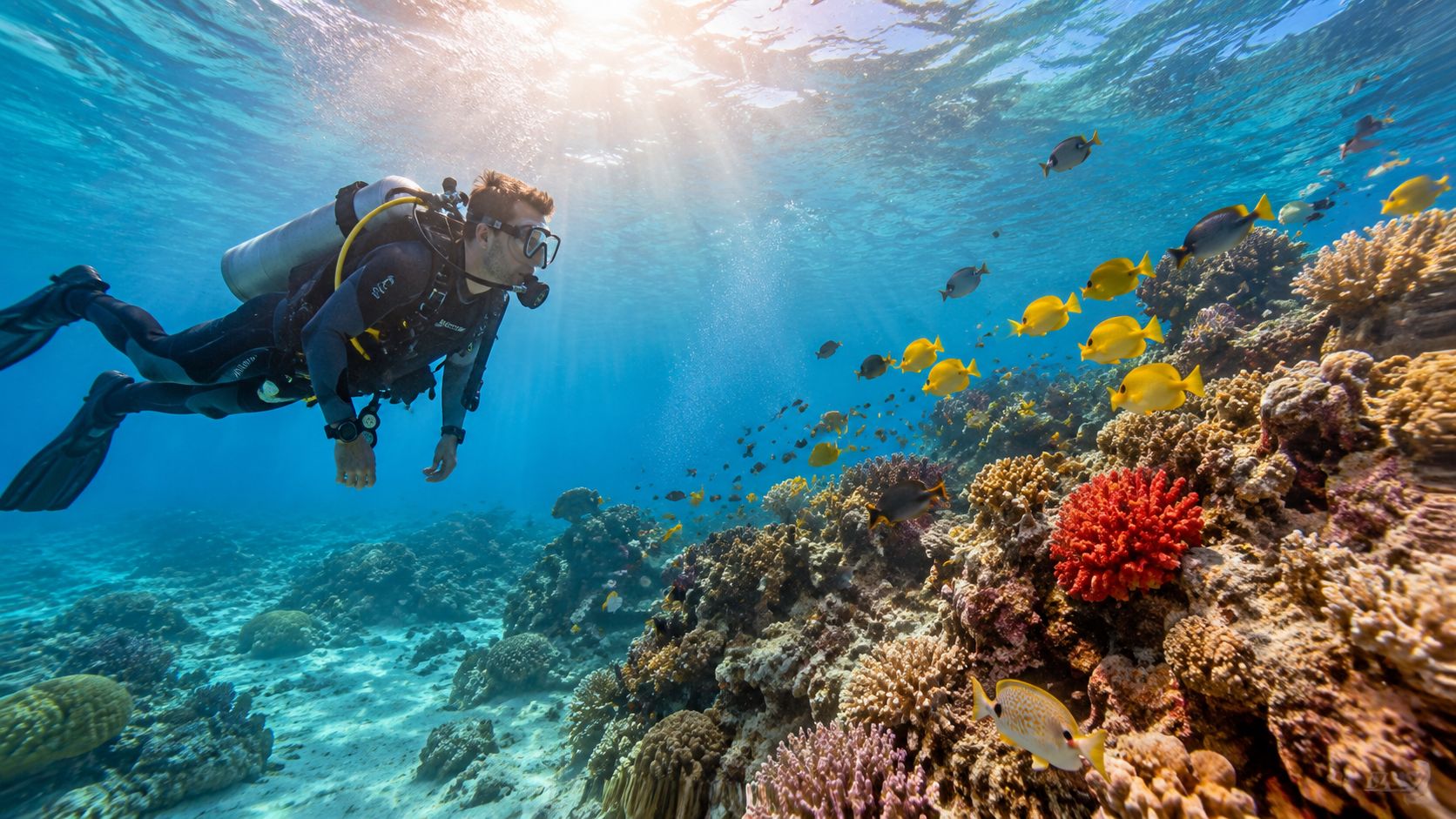
If you're still deciding whether diving belongs on your itinerary, start with this look at diving Kona on the Big Island. It'll help you understand why so many visitors build whole vacation days around being underwater here.
What first-time visitors usually get wrong
It's often assumed that all Kona dive charters are basically interchangeable. They're not. Some are built around training and introductory guests. Some lean into specialty dives. Some do a decent job on the water but don't explain the practical stuff that matters before you book.
That's where visitors get tripped up.
A manta night dive sounds amazing. It is. A blackwater dive sounds exotic. It is. A daytime reef charter sounds simple. Sometimes it is, sometimes conditions make it much more skill-dependent than the marketing page suggests.
Practical rule: Don't pick a Kona diving company by brand familiarity alone. Pick by trip fit, boat fit, and how clearly the operator matches your experience level.
What a smart choice looks like
You want an operator that does three things well:
- Matches divers accurately: Beginners need clear expectations. Advanced divers need more than generic “all levels welcome” language.
- Runs a boat that supports the kind of diving offered: Entry, exit, deck space, and ride comfort matter more than flashy wording.
- Makes decisions well when conditions shift: Site substitutions happen in Kona. Good operators manage that smoothly.
Kona is one of those places where a well-chosen trip becomes the story you tell for years. A poorly chosen one becomes “the day we were seasick, rushed, and underwhelmed.” Choose carefully.
Kona's Signature Underwater Experiences
You wake up in Kona with one free dive day and one big question. Do you want the famous manta encounter, a daytime reef dive that shows off why this coast is so good, or a blackwater trip that serious divers talk about for years afterward? Pick the right experience first. Then pick the operator built to run it well.
That's the right way to use a search like Kona Diving Company. Not as a shortcut to the first familiar name, but as a starting point for comparing who does each signature experience best.
The manta night dive
If you only do one iconic Kona water activity, make it the manta dive or snorkel. This is the experience people fly here for.
Site choice matters more than first-time visitors expect. Garden Eel Cove is the site I recommend first because the setup is better for the actual experience, not just the marketing photos. The area is more protected, the viewing zone is cleaner, and the reef itself adds something to the dive instead of feeling like dead space while you wait for mantas to pass through. If you want a clear preview of how the trip works, read this guide to the manta ray night swim in Kona.
Operator choice matters too. Some companies offer a basic manta trip. Others are clearly organized around doing it well. If manta is your priority, pay attention to operators that run dedicated trips to manta ray dive tours in Kona, not just a general night charter with a manta label attached.
Kona Honu Divers stands out here for a simple reason. They focus hard on the experience visitors came for, and their custom-built boats make the ride, gearing up, and water entry feel much more organized.
The blackwater dive
Blackwater is for divers who want something rare, strange, and unforgettable. You're offshore at night, suspended over deep ocean, watching larval and pelagic creatures rise from the darkness. It feels nothing like a reef dive.
Treat this as an advanced experience, even before you look at the certification requirement. You should already be comfortable at night, calm in open water, and interested in the subject itself. Divers who book blackwater just because it sounds exotic often pick the wrong trip for their skill set. Divers who book it because they love unusual marine life usually come back thrilled.
If that sounds like your kind of dive, look at black water night dive trips.
Blackwater rewards calm, curious divers. It is not the trip to force if you are still getting comfortable underwater.
The daytime reef dives
Daytime reef diving is the smartest first booking for a lot of visitors. You get clear water, lava formations, coral growth, reef fish, and a better feel for how Kona diving works before committing to a specialty night dive.
This is also where operator quality becomes obvious fast. A good Kona diving company makes the day feel easy on the boat, picks sites that match conditions, and gives newer visitors enough guidance to relax and enjoy the dive. A better one also avoids turning the trip into a crowded cattle call. That's one reason experienced repeat visitors often gravitate toward operators like Kona Honu Divers. The boats are purpose-built for diving, and the day is centered on divers, not mixed priorities.
If you want to compare your options, browse Kona scuba diving tours.
Kona Dive Experience Comparison
| Experience | Best For | What to Look For in an Operator | Certification Level |
|---|---|---|---|
| Manta night dive | Visitors who want Kona's signature wildlife experience | Strong manta-specific operation, good site selection, steady boat handling, preference for Garden Eel Cove | Certified divers |
| Blackwater dive | Comfortable, experienced divers who want offshore night diving | Clear experience requirements, calm crew, strong briefing, efficient boat procedures | Typically for advanced divers |
| Daytime reef dives | First-time Kona visitors, returning recreational divers, photographers | Good site selection, diver-focused boat layout, manageable group flow, clear guidance | Usually suitable for certified recreational divers |
How to Choose the Best Kona Diving Company
You're standing on the harbor in the dark, first Kona trip, fins in hand, and now the real question hits. Which boat do you trust with your dive day?
If you searched for Kona Diving Company, you found a legitimate operator with a long-running presence in Kona. That's a fair starting point. But brand recognition alone is a weak way to choose a charter. The smart move is to use the name as a starting point, then compare every operator against the same standards.
If you want a wider look at the market, this guide to the top Kona diving companies ranked helps you see who is built for what kind of diver.
Use this framework, not just reviews
A good review can tell you whether people had fun. It usually does not tell you whether the operation is right for you.
Judge a Kona diving company on four things:
- Safety culture: Look for clear briefings, calm crew communication, realistic site choices, and a boat that runs with control instead of rush.
- Boat design: Purpose-built dive boats matter. They improve gear setup, entries, exits, and how crowded the deck feels once everyone is suited up.
- Experience focus: Some operators split attention across snorkelers, casual sightseers, and divers. If diving is your priority, pick a company built around divers.
- Fit for your goals: A new certified diver needs structure and patience. A confident returning diver may care more about site quality, group pace, and specialty options.
That framework will tell you more than a stack of generic five-star comments.
What separates a decent operator from one worth booking
The difference shows up in the small stuff. How the crew handles a change in conditions. Whether the briefing answers the questions you forgot to ask. Whether the boat feels organized or chaotic once tanks are loaded and people start moving.
Premium operators are usually easy to spot. The day runs cleanly. The crew is attentive without hovering. The sites fit the weather and the divers on board. You spend more time diving and less time dealing with preventable friction.
Kona Honu Divers stands out here for a simple reason. The operation is built around divers, not a mixed tour model. That shows up in the custom-built boats, the diver-first flow, and the way trips are matched to actual experience levels. It also matters if manta diving is on your list, since operators with a strong focus on Garden Eel Cove tend to deliver the kind of night most visitors came to Kona for in the first place.
My advice
Ask these questions before you book:
- Is this company diver-focused, or am I joining a mixed-use tour?
- Is the boat built for scuba, or just capable of carrying scuba gear?
- Will the crew support my experience level without slowing the whole trip down?
- Does this operator have a clear strength in the experience I care about most?
Use that filter and your decision gets easier fast.
If you want the safest bet for a polished, diver-centered day in Kona, book the operator that treats scuba as the main event. That is usually the better call, and in Kona, it often points straight to Kona Honu Divers.
Opportunities for Advanced and Aspiring Divers
Advanced diving in Kona rewards divers who know exactly what they want from a trip. If you want more than an easy reef profile, choose an operator that can match your skill level with the right site, the right brief, and a boat crew that treats advanced diving like a normal day, not a special exception.
What counts as advanced in Kona
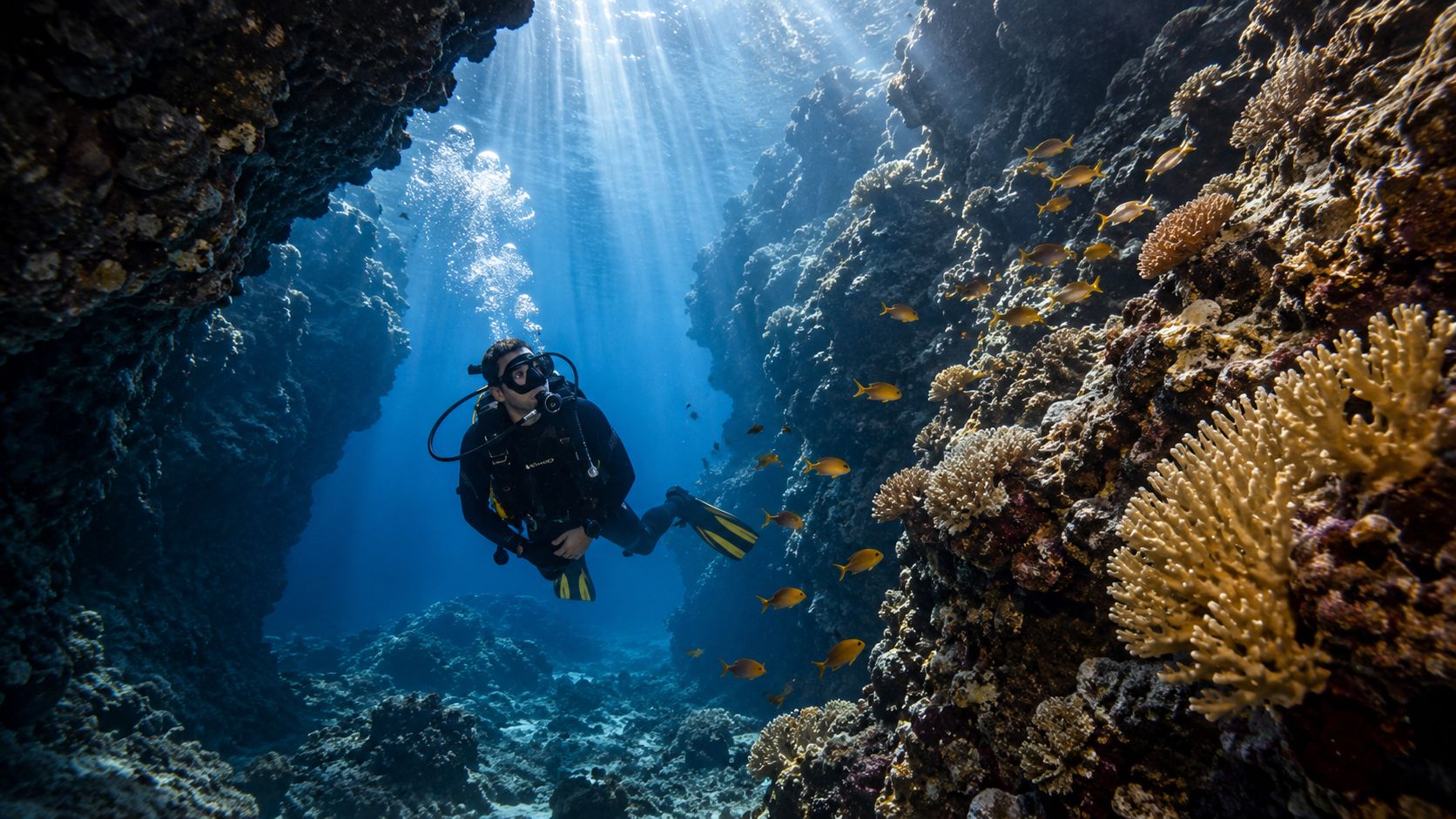
In Kona, advanced usually means one of three things. More depth. More exposure. More task loading.
Blackwater is the clearest example. You are in open ocean at night with no reef under you, limited visual reference, and a profile that punishes sloppy buoyancy. Operators commonly want to see Advanced Open Water certification for that kind of dive, and good crews expect calm situational awareness, clean ascents, and divers who can stay composed without constant hand-holding.
That is why your choice of Kona Diving Company matters more here than on a simple morning reef charter. A crew can either make a demanding dive feel organized and controlled, or make it feel rushed and loose. Book accordingly.
For divers who want more than a standard reef trip
If you already know you want a stronger dive focus, skip the generic boat packed with mixed interests and book for the profile you came to Kona to dive. Some operators are built around high-volume tourism. Others are built around divers.
That difference shows up fast on longer or more advanced days. Better briefings. Better site selection. Better pacing between dives. More crew attention when conditions change.
For experienced divers, advanced long-range dive options in Kona are often the smarter call. Kona Honu Divers stands out here for a reason. Their operation is diver-centered, their boats are purpose-built for scuba, and they have a strong reputation for running polished trips to standout sites such as Garden Eel Cove when conditions line up.
Experienced divers should stop booking “whatever's available” and start booking the day that fits their actual goals.
If you're aspiring, not advanced yet
You do not need to force your way into Kona's harder dives on your first trip. The smart path is skill-building with intent.
Get your buoyancy steady. Clean up your air consumption. Build comfort on night dives before you add open-ocean complexity. Pick a company that will coach you well now, not just sell you a more aggressive itinerary before you are ready.
If leadership-level training is on your radar, look at this path for PADI Divemaster training in Kona. It shows the kind of progression serious divers follow when they want more than another certification card and are ready to improve their judgment, awareness, and control in the water.
Kona Snorkeling Unforgettable Marine Encounters Without a Tank
Not everyone in your group needs to scuba dive to have a standout day on the water. Kona is unusually good for snorkeling, and some visitors end up talking about their snorkel trips as much as their dives.
That's especially true for families, mixed groups, and anyone who wants marine life without the training commitment.
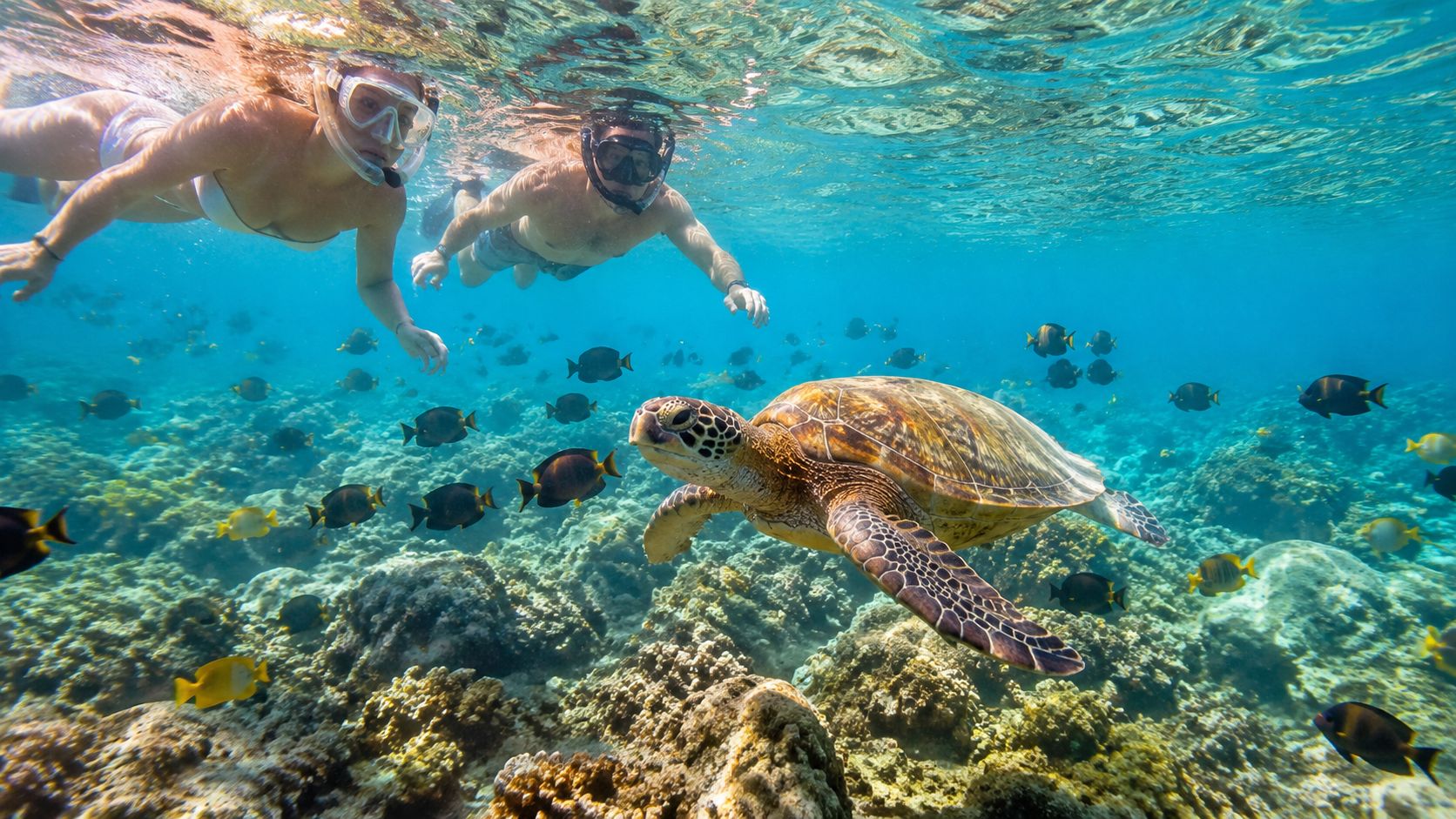
If Kealakekua Bay is on your radar, this guide to Kealakekua Bay snorkeling is a solid place to start.
Manta snorkeling
If someone in your party doesn't dive, don't write them off as an afterthought on a manta night. Manta snorkeling is one of the most memorable water activities in Kona. You still get the nighttime spectacle. You still get the lights attracting plankton. You still get those close passes that make people come out of the water grinning like kids.
Kealakekua Bay and Captain Cook snorkeling
For daytime snorkeling, Kealakekua Bay stays high on my recommendation list because it delivers that classic Hawaii combination of protected water, reef life, and dramatic scenery. If you want to compare trip options, look at Kealakekua Bay Captain Cook Monument snorkel tours and Captain Cook snorkeling tours.
A good snorkel charter matters just as much as a good dive charter. The crew, the route, the gear setup, and how much in-water guidance you get all change the day.
Who should snorkel instead of dive
- Mixed-experience families: Snorkeling keeps everyone together.
- Non-certified travelers: No course needed.
- People who get anxious with scuba gear: Start on the surface. You can always dive another day.
- Visitors with one free ocean day: A strong snorkel trip gives you a lot of payoff with less prep.
Your Essential Kona Diving Trip Checklist
A good dive day in Kona starts the night before. Not at the harbor. Not on the boat. The divers who have smooth mornings usually packed properly, slept properly, and asked the right questions before they paid.
What to bring
Keep it simple and useful.
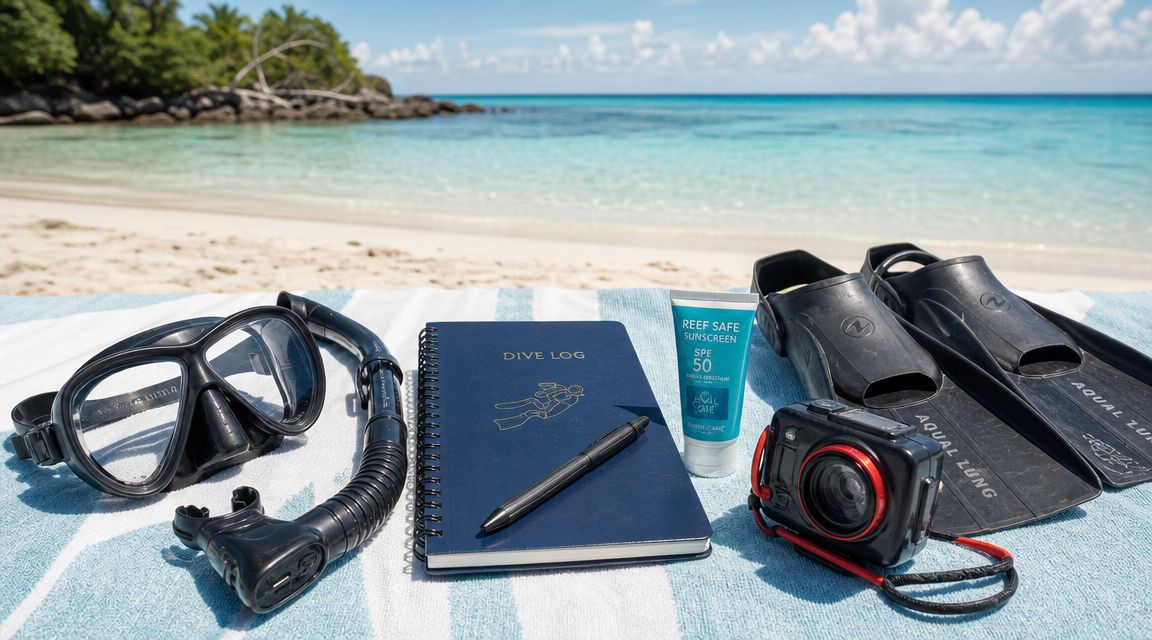
- Certification proof: Bring your certification card if you're diving.
- Logbook details if relevant: Especially if you're booking something skill-sensitive.
- Towel and dry clothes: Night dives and boat rides back can feel cool.
- Reef-safe sun protection: You'll get more sun exposure than you think.
- Water and light snacks if allowed: Ask the operator what's already provided.
- Any personal gear you trust: Mask, computer, exposure protection, meds.
Seasickness is common and fixable
Kona can be calm. Kona can also get lumpy enough to ruin the day for people who didn't prepare. If you're even a little prone to motion sickness, don't tough it out and hope for the best.
Use one of these before your trip if it fits your needs:
- Patch option: Ship-EEZ Seasickness Patch
- Classic tablet: Dramamine pills
- Another common choice: Bonine pills
- Non-medication option: Sea Band wristbands
- Gentler backup: Ginger chews
Don't wait until the boat leaves the harbor to decide whether you should've taken something for seasickness. By then you're late.
Questions you should ask before booking
One of the most overlooked issues in Kona is what happens when weather or ocean conditions force changes. Kona Diving Company's public booking policies include a 72-hour cancellation policy for most bookings, which is useful to know. But the bigger practical question is what your actual day looks like if the planned site is off.
Ask these directly:
- If the planned site is blown out, what's your substitution process?
- Do you reschedule, reroute, or cancel?
- How do you handle skill mismatches if conditions get stronger than expected?
- What should I expect if I'm booked on a weather-sensitive specialty trip?
Final prep before your boat day
Eat lightly but don't skip breakfast. Hydrate. Don't celebrate too hard the night before. Show up early. If it has been a while since your last dive, tell the crew before they have to figure it out in the water.
That's not being high-maintenance. That's being a good diver.
Frequently Asked Questions About Diving in Kona
You land in Kona, open three tabs for a “Kona Diving Company,” and every operator starts to sound the same. That's where people make lazy choices. Use a simple filter instead. Pick the company that matches your skill level, runs a well-designed boat, and puts the right experience first.
Is Kona Diving Company a legitimate option for visitors
Yes. It has an established presence in Kona and a recognizable track record. Legitimacy is the floor, not the standard you should book on.
The better question is whether the operator fits the trip you want. If you care about smart site selection, clear dive briefings, and a boat built around diver comfort, compare those details closely. That is where differences show up. Kona Honu Divers stands out here because they focus hard on diver experience, including access to favorites like Garden Eel Cove and custom-built boats that feel purpose-made for Kona diving rather than generic.
What's the best first dive experience in Kona
Book a daytime reef charter first.
It gives you a clean read on Kona conditions, your weighting, and how comfortable you feel with the crew before you add the extra task loading of a specialty dive. First-time Kona visitors who rush straight into a night dive sometimes spend the whole trip wishing they had started simpler.
If manta rays are your top priority, book the manta trip on purpose. Do not treat it like a bonus you might catch by accident.
Should beginners book a manta night dive
Some should. Some should not.
A beginner who is calm underwater, recently active, and good at following instructions can do very well on a manta night dive. A diver who has not been in the water for a while, or still feels tense after descent, should get a comfortable daytime dive first. Night diving adds stress fast. Fix confidence in daylight, then go enjoy the show after dark.
Who should book a blackwater dive
Blackwater is for divers with control.
You should have solid buoyancy, steady awareness in the dark, and enough experience to stay relaxed with no reef below you for reference. If you are coming back after a long break, this is not your re-entry dive. Get a refresher, do a couple of easy reef dives, then decide.
How far ahead should I book
Book early if you want specialty trips, holiday dates, or a specific operator.
Kona has good diving year-round, but the trips people plan their vacation around fill first. Manta dives, blackwater charters, and smaller premium boats do not stay open long. If your schedule is fixed, waiting is a mistake.
What if weather changes the plan
Ask one direct question before you pay: what happens if the planned site is off?
A good Kona operator will tell you exactly how they handle substitutions, reschedules, and skill mismatches when conditions change. You want that answer before trip day, not at the dock. The right company will protect the experience and the safety margin without making the plan feel improvised.
Is snorkeling worth doing if I'm already diving
Yes.
Snorkeling in Kona is not a consolation prize for non-divers. It gives you a different angle on the coastline, works well on lighter recovery days, and lets you share the water with friends or family who do not dive. Smart trip planning usually includes both.
If you want a trip that is matched to your experience level, explained clearly before you board, and run by a crew that takes the in-water experience seriously, take a look at Kona Honu Divers.