
You're probably doing what most visiting divers do. You typed “Kona diving company,” opened a pile of tabs, and now every operator sounds amazing. Everyone promises clear water, big animals, and expert crews. That doesn't help when you're trying to pick one boat for a trip you may only do once.
Here's the inside scoop. Kona is a fantastic place to dive, but not every operation is equally transparent, equally organized, or equally serious about safety when conditions change. The best choice isn't the flashiest website. It's the crew that tells you exactly how they run dives, what they do when the ocean doesn't cooperate, and whether their night and advanced trips are structured for the divers they take out.
Planning Your Perfect Kona Dive Trip
You land in Kona, drop your bags, and realize your dive days are limited. One bad booking decision can waste half the trip. Plan this part with the same care you use for gas, depth, and bottom time.
Kona usually delivers the conditions divers fly across the Pacific to get. Clear water, easy boat access, and a long list of sites that fit everyone from new certified divers to seasoned regulars. The mistake is assuming every operator will turn those conditions into a well-run trip.
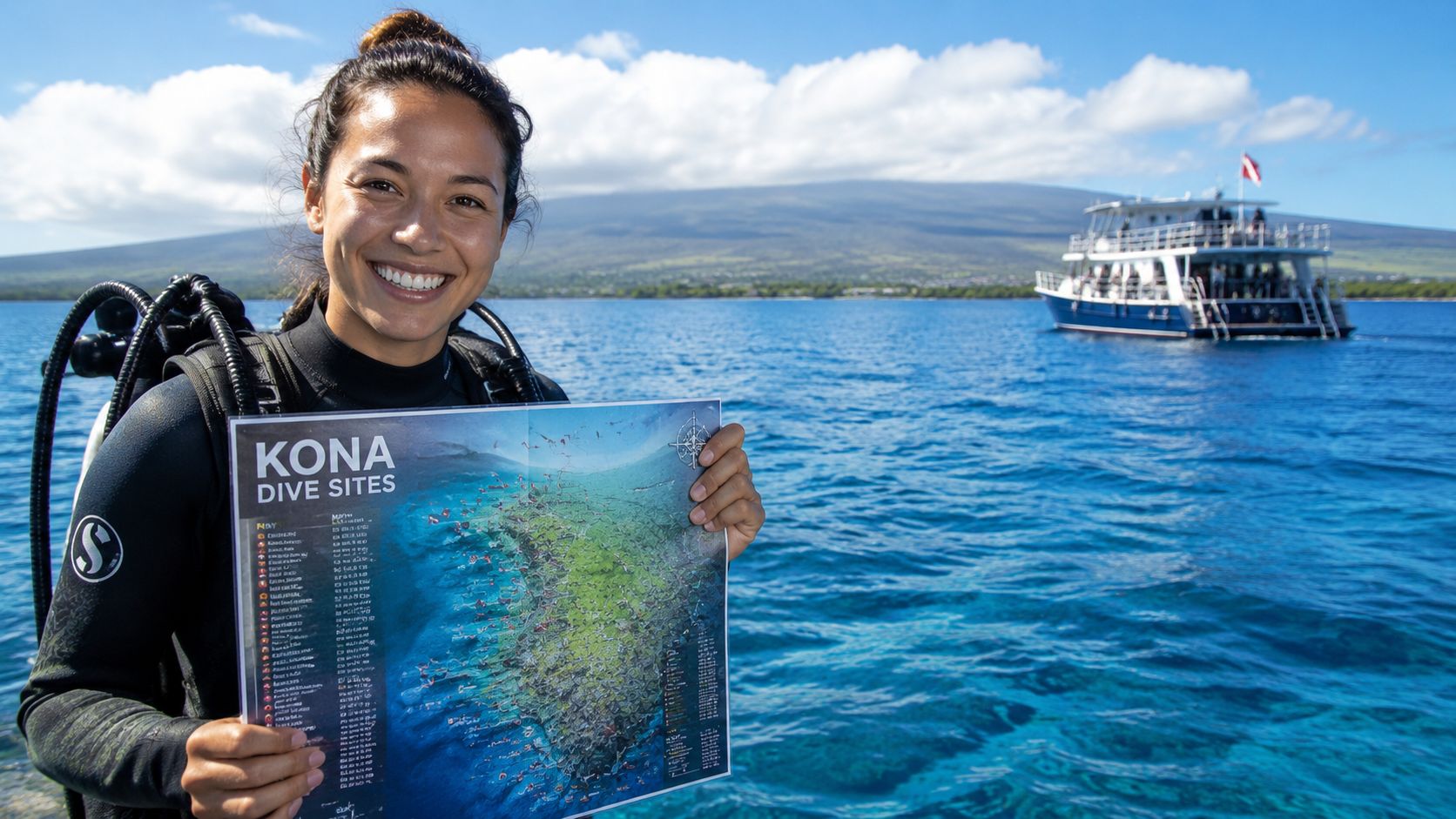
Good planning starts with your real priorities. If mantas are the main event, build the schedule around that first. If blackwater is on your list, protect that date and leave room for weather or ocean changes. If you want relaxed reef diving with a spouse or kids who are not diving, choose a company that handles mixed groups without turning the day into a circus.
Start by reading a practical guide to diving Kona on the Big Island. Then match your goals to an operator that runs those trips regularly, not occasionally.
Transparency matters here more than glossy marketing. A trustworthy company should tell you what happens if the manta site is off, whether they cancel advanced trips in marginal conditions, how they group divers by experience, and what the backup plan looks like before you ever pay. Kona Honu Divers stands out because they explain the plan instead of hiding behind vague promises. That is a strong sign of how the boat will be run when conditions change.
What smart trip planning looks like
Book your hardest-to-get dive first. For many visitors, that means manta night dive or blackwater. Fill in the rest with daytime reef or advanced charters based on your certification, air consumption, and how many days you have to recover between bigger dives and flights.
Leave some margin in the schedule. Kona is often calm, but the ocean still calls the shots. A company with clear contingency planning protects your trip better than one that states conditions are "usually great."
Ask these questions before you book:
- How do they handle site changes? You want a real backup plan, not a shrug at the dock.
- Do they separate newer divers from advanced divers when needed? That affects safety, pace, and how much you enjoy the dive.
- How often do they run the trips you want most? Repetition matters. Crews are sharper when a dive is part of their regular routine.
- What is the cancellation or weather policy? Read it before you need it.
- Can they accommodate non-divers or mixed-experience families without compromising the dive plan? That saves frustration fast.
Pick the operator that answers clearly and specifically. In Kona, clear answers are usually a better predictor of a great dive trip than price, photos, or hype.
How to Choose The Best Kona Dive Operator
You get to the harbor before sunset for a manta dive, and the first useful safety answer you hear is from another guest, not the crew. That is a bad start. In Kona, the best operator is not the one with the flashiest photos or the cheapest seat. It is the one that explains the plan clearly, runs the trip the same way every time, and tells you what happens when conditions change.
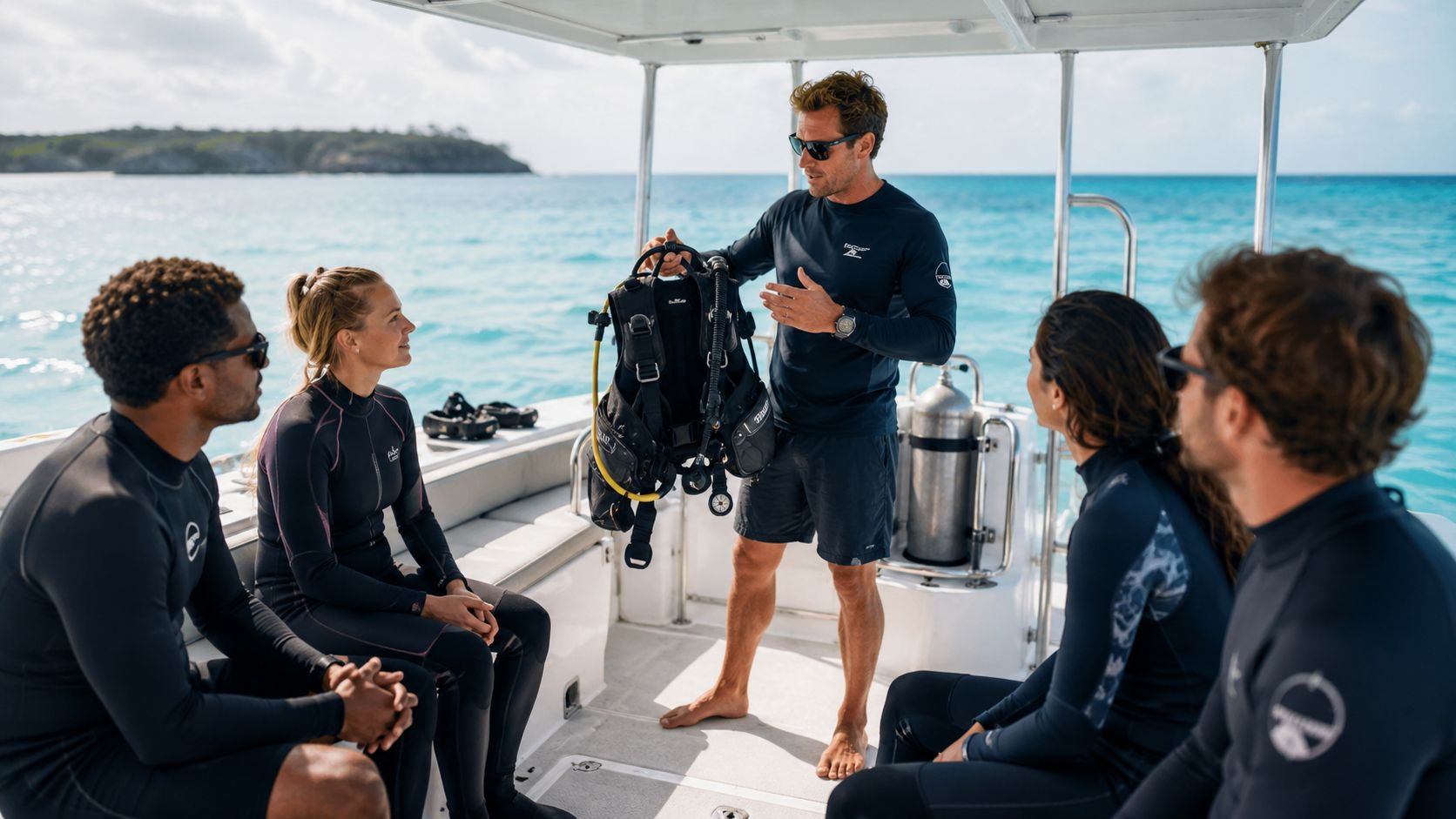
Plenty of visitors choose a Kona diving company by price, review count, and boat photos. That works if all operators are equal. They are not. Kona has easy reef dives, but it also has night dives, current, surge, long surface swims at some sites, and specialty trips like blackwater that demand tighter procedures and better diver screening.
Start with transparency. A good shop tells you how they brief, how they group divers, who leads the dive, what support stays topside, and when they will call a dive. A weak shop stays vague and sells the feeling.
Use an independent comparison first, then verify the details yourself. This roundup of the top Kona diving companies ranked by strengths and weaknesses is useful because it shows where operators differ, especially on trip focus and guest fit.
Safety information should be easy to get
If a shop claims safety is a priority, you should not have to dig for the basics.
Ask direct questions. Do they carry oxygen and where is it staged? Is there a written emergency action plan on the boat? How many guides are in the water for your group size? Do newer divers go with the same guide ratio as experienced divers on a more advanced charter? How do they handle separation, low-on-air divers, or a seasick guest before entry?
The right operator answers fast and specifically. Kona Honu Divers earns trust here because they explain procedures in plain language instead of hiding behind generic marketing. That matters more than slogans.
Specialization beats broad promises
A shop that runs manta and blackwater trips regularly usually runs them better. The crew knows the site flow, the entry rhythm, the common mistakes guests make, and the small problems that turn into big ones at night.
That does not mean a generalist shop is automatically bad. It means repetition sharpens judgment. If your priority is manta night diving, blackwater, or advanced profiles, book the operator known for that trip, not the one that lists it on a menu.
Cancellation and substitution policies separate pros from tourists with a boat
Kona is often calm, but no serious divemaster promises a specific site every time. The question is not whether conditions can change. The question is how the operator handles it.
You need clear answers to three things:
- If the planned site is off, what is the replacement?
- Who makes that call on the day?
- Do you get a refund, a credit, or a different trip if the substitute is not comparable?
If the answer sounds slippery on the phone, it will be worse at the dock.
The checklist that actually matters
Use this before you book:
| What to check | Why it matters |
|---|---|
| Clear pre-dive and emergency briefing process | Shows whether the crew runs trips with discipline or improvises |
| Guide-to-diver fit for your experience level | Affects stress, air consumption, and how much attention you get underwater |
| Regular experience with manta, blackwater, or advanced charters | Repetition usually means better judgment and smoother execution |
| Written cancellation and substitution policy | Prevents arguments when weather, swell, or site access changes |
| Honest screening for skill level | Good operators protect guests by saying no to the wrong trip |
Skip the operator that makes you work hard for basic answers. Book the one that treats safety, site selection, and backup planning as part of the product.
Kona's Most Iconic Dives You Cant Miss
You can book a great operator and still waste a dive day if you pick the wrong trip for your goals. Kona has a few dives that define this coast. Start with those, then let conditions decide the rest.
Manta ray night dive
If you only do one signature dive in Kona, make it the manta night dive. The site I'd prioritize is Garden Eel Cove, also called Manta Heaven. The Garden Eel Cove manta site guide explains why divers like this location so much, including its usual viewing depth and the bottom layout that makes the experience easier to organize well.
That site choice matters. A protected, well-run manta dive is calmer, easier to follow, and better for both the divers and the animals. Promotional copy from weaker operators usually stops at “see mantas tonight.” The better question is where they go, how they set divers up, and what happens if that site is not the right call that evening.
If mantas are your main reason for coming to Kona, read the Big Island manta ray tour overview before you book. Then compare it against the general Kona diving tours and the dedicated manta ray dive tour page. The operators worth your money are the ones that explain the site, the setup, and the backup plan clearly.
Blackwater dive
Blackwater is the strangest dive Kona offers, and one of the best. You head offshore at night, drop into open ocean over deep water, and watch larval and pelagic life rise toward the lights. No reef. No wall. Just the midwater world doing its thing.
It also demands judgment. This trip is for divers who are comfortable at night, comfortable in open water, and willing to follow a tight procedure. If a company markets blackwater like a casual novelty, keep looking. Start with the Blackwater night dive tour details and pay attention to how seriously the operator treats the format.
Advanced day diving
Strong divers should not settle for the same easy reef circuit everyone else books. Kona has excellent advanced day diving if you choose a charter built for that purpose.
The difference is real. Advanced-focused trips usually give you more interesting terrain, better profiles, and a crew that is expecting experienced divers instead of managing a mixed group all morning. That leads to a better dive and a less watered-down plan. If that's what you want, look at this premium advanced two-tank trip.
The best Kona dives are not just the famous ones. They are the ones run by a crew that tells you the truth about the site, the conditions, and the fallback options before you ever leave the harbor.
Meet Kona Honu Divers An Award-Winning Operator
You've got one morning free in Kona, the ocean looks good, and you need to pick a boat without guessing. I'd book Kona Honu Divers.
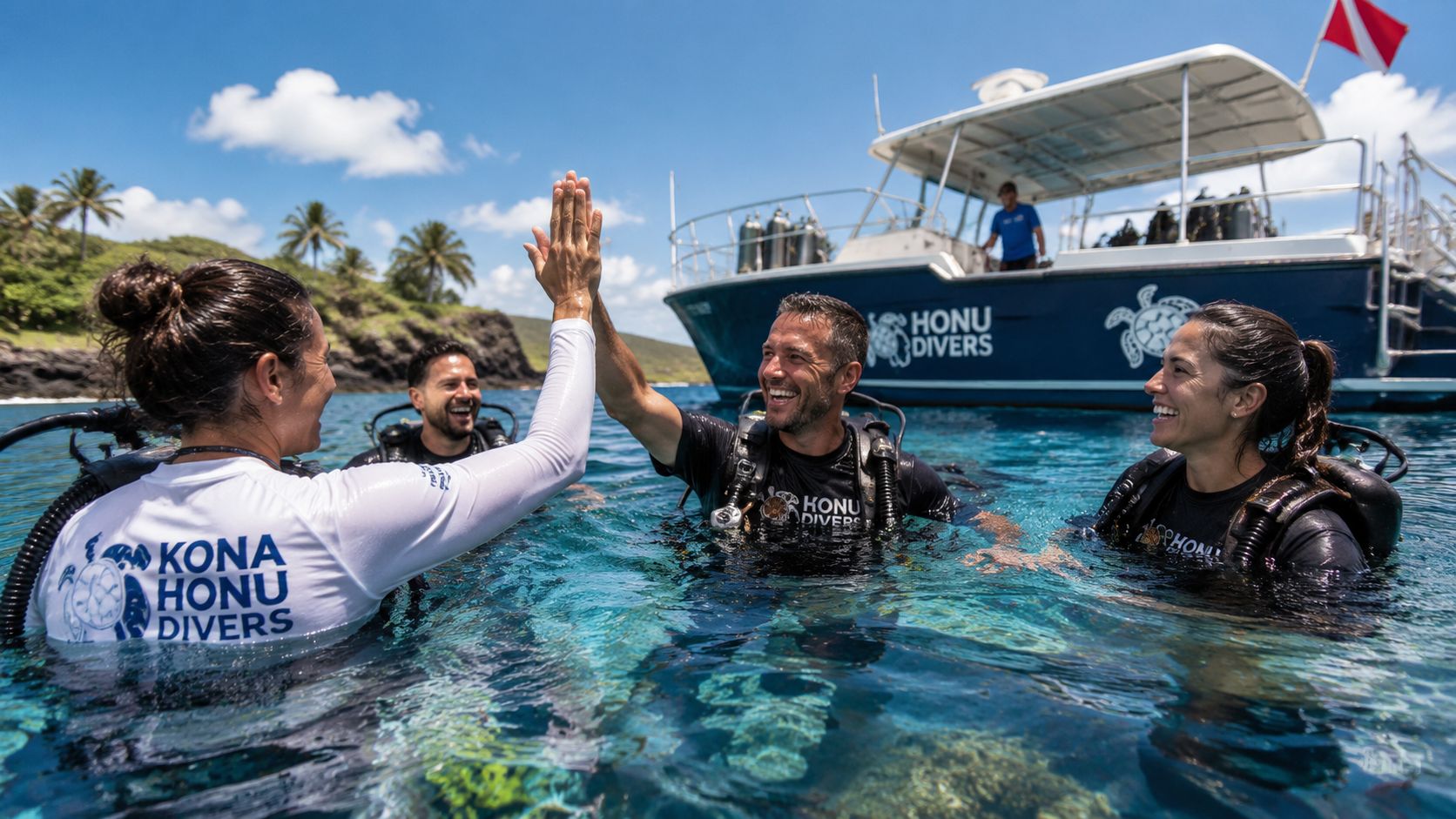
They've been operating in Kona since 2001, and that matters because longevity here usually reflects two things. Safe operations and repeat customers. Shops can market themselves well for a season. They do not stay busy for decades unless they run good boats, hire solid crew, and make sound calls when conditions change.
The award angle is real, but use the right source. Kona Honu Divers has been recognized in the Scuba Diving Reader Awards among top dive operators, which carries far more weight than a review profile repeating the claim. Awards get attention. Day-to-day operating habits are what earn trust.
That's where Kona Honu separates itself from a lot of Kona competition. They tell divers what trip fits their experience, what conditions may cancel or redirect a plan, and what backup options look like if the ocean does not cooperate. A surprising number of operators stay vague on that point. I don't like vague. On an island trip with limited vacation days, clear contingency planning is part of the product.
The crew depth helps too. You can review the Kona Honu dive team and instructor roster and see this is an actual bench of professionals, not a thin operation trying to cover every charter with the bare minimum. That usually means better briefings, tighter group control, and less chaos on the boat.
Here's why I'd choose them over a generic alternative:
- They run specialty dives seriously, especially trips that require stronger supervision and cleaner procedures.
- They keep group experience in mind, which leads to better site matching and fewer watered-down dives.
- They're more transparent about operational reality, including conditions and trip changes, instead of selling every day like it's identical.
- They have the depth to support different kinds of guests, from new divers to people who want more advanced profiles.
If you want the short version, book the operator that acts like safety and fallback planning are part of the charter, not an awkward topic to dodge. That's Kona Honu Divers.
Focus on Safety Certifications and Equipment
You feel the difference in the first ten minutes on the boat. A good operator checks cert cards, asks the right questions, confirms gas plans, and notices who looks uneasy before anyone hits the water. A weak one rushes through the briefing and hopes experience levels sort themselves out underwater.
That difference matters more in Kona than a lot of visitors expect. Conditions can change by site, current can surprise newer divers, and specialty trips need tighter supervision than standard reef dives. The operators worth your money are the ones that talk plainly about staff training, emergency prep, oxygen, radios, first aid gear, and what happens if the original plan gets scrubbed. Promotional copy usually skips that. You should not.
Kona Honu Divers stands out because the operation is built around training, not just filling seats on a boat. As noted earlier, they support everything from beginner instruction to professional-level development. That tells you something practical. The crew is used to evaluating comfort, correcting problems early, and running dives with clear structure instead of improvising once guests are already geared up.
If you want one solid marker of that culture, look at their Rescue Diver training in Kona. Rescue-focused training pushes an operator to treat prevention, situational awareness, and response skills as daily habits, not marketing language.
What to check before you book
Ask direct questions.
- Who is on board for your trip? You want a crew with enough instructional and guide experience to manage mixed skill levels without the day turning sloppy.
- What emergency gear is carried and checked? Oxygen, communications equipment, first aid supplies, and clear procedures should already be part of the operation.
- How are divers matched to sites? Good operators do not force a shaky diver onto a demanding profile just to keep the schedule simple.
- What is the weather or site backup plan? If the answer is vague, keep looking.
- How is rental gear maintained? Clean, organized gear and a crew that catches issues before departure tell you a lot.
The boat and gear side matters because small mistakes stack up fast. Poorly organized tanks slow entries. Weak briefings create buddy confusion. Rental gear with fit issues burns bottom time and attention that should be on the dive itself.
Good maintenance is quiet. That is the point.
Certified divers should also look for practical signals of a disciplined operation: nitrox support, efficient setup flow, sensible in-water supervision, and a crew that treats predive checks like standard procedure instead of a formality. That is how you avoid preventable problems and get a better dive day.
Tips For Every Visitor Families Experts and Snorkelers
Your group is standing at the harbor at 6:30 a.m. One person is a newly certified diver, one wants manta rays, one gets seasick, and one just wants clear water and fish without putting on a tank. That is a normal Kona crew. The right plan is not getting everyone onto the same boat. The right plan is matching each person to the trip they will enjoy.
For families and non-divers
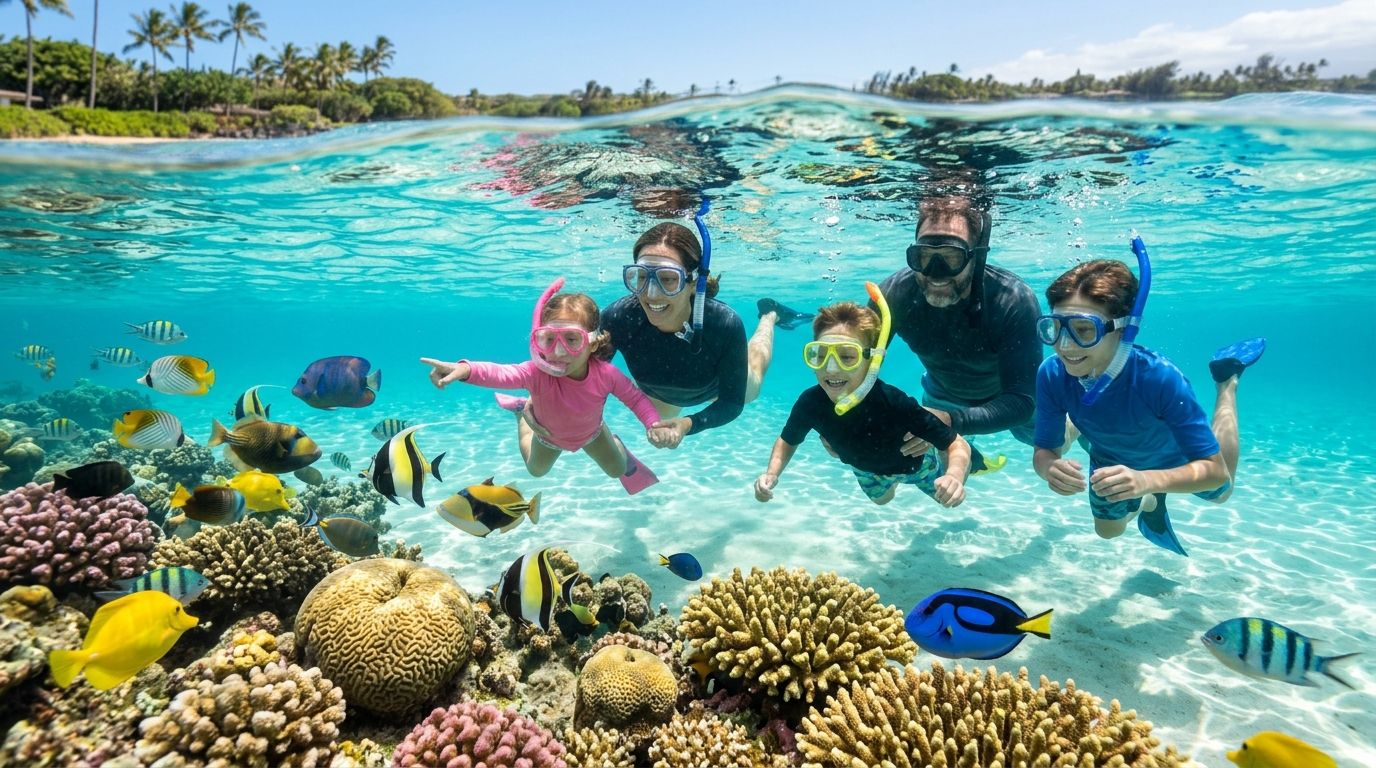
Snorkeling is the smart call for mixed groups. It keeps the day fun instead of turning it into a long lesson or a stressful compromise. For families, casual ocean lovers, and anyone who does not want scuba, start with Kealakekua Bay and the Captain Cook area. The water is usually calm, the visibility is often excellent, and the marine life shows up fast.
These are the two pages I would use to compare your options:
A dedicated snorkel operation matters here. It means the crew, gear setup, pace, and site choice are built for snorkelers instead of treating them like extra passengers on a dive boat. That is a better experience for the non-divers, and it keeps certified divers from wasting a dive day on the wrong format.
For experienced divers
Experienced divers should be picky in Kona. Reef dives are great, but if you already have plenty of standard tropical dives in your logbook, use your best day for something Kona does better than almost anywhere else. Book blackwater or a higher-end advanced charter.
That is also where transparency matters. Good operators tell you if conditions change the plan, if a site is not right for your skill level, or if the group mix will water down the trip. Promotional outfits tend to gloss over that. Kona Honu Divers has built trust by being clearer about trip fit, crew standards, and backup planning than many competitors, and that matters more to advanced divers than flashy marketing ever will.
Winter adds one more perk. From December to March, you may hear humpback whales singing underwater during your dive. It is one of those Kona moments you remember for years.
Seasickness prep that helps
If you get motion sick, deal with it before check-in. Do not wait until the boat clears the harbor.
My shortlist:
- Patch option: Ship-EEZ Seasickness Patch
- Classic medicine: Dramamine pills
- Another solid option: Bonine pills
- Non-drug choice: Sea Band wristbands
- Low-key backup: Ginger chews
Pick one approach and test it before your big trip. The manta dive is a terrible time to find out your stomach has other plans.
Frequently Asked Questions About Kona Diving
What happens if the weather is bad
Good operators make the call based on conditions and safety, then tell you clearly whether the plan is a cancellation, a site change, or a substitute trip. This is one of the first things you should ask before booking. If the answer sounds fuzzy, that's the wrong boat.
Do I need to be certified to try scuba diving
No, not always. Many operations offer Discover Scuba Diving, which is the right entry point for beginners who want to try scuba under direct supervision. If you're uncertified, don't book advanced or specialty dives and expect the crew to sort it out on the dock.
What is the best time of year to dive in Kona
Kona is a strong year-round destination because of its calm leeward conditions. If you want especially calm seas and warm water for the manta experience, late summer into early fall is a smart target. If you like the added chance of hearing humpback whales underwater, winter is hard to beat.
Is the manta ray dive guaranteed
Nothing in the ocean is guaranteed. What matters is choosing an operator with a well-run manta program, a realistic briefing, and a clear fallback policy if the animals don't show.
If you want a Kona dive operator with a long track record, serious local knowledge, small-group diving, and the strongest overall reputation on the island, book with Kona Honu Divers.