
You're probably doing what most visiting divers do. You've got tabs open for manta dives, reef dives, blackwater dives, maybe a certification refresher, and every Kona diving company claims they're safe, experienced, and unforgettable.
That's not useful.
What matters is simpler. You want a crew that runs a tight boat, picks the right sites, keeps groups under control, explains the dive clearly, and doesn't leave you guessing when conditions change. You also want the right dive for your actual skill level, not the one that looks coolest on Instagram.
A lot of visitors start with the wrong question. They ask, “Which company is cheapest?” The better question is, “Which operator would I trust with my spouse, my kid, or my dive buddy who hasn't been in the water for a while?” That question cuts through the fluff fast.
Your Kona Diving Adventure Starts Here
You land in Kona, smell salt in the air, look out at that blue water, and start picturing the trip the way it's supposed to go. Easy boat ride. Warm water. Clean visibility. Turtles on the reef. Maybe mantas at night. Maybe something far stranger if you're an experienced diver and want to see what Kona is famous for after dark.
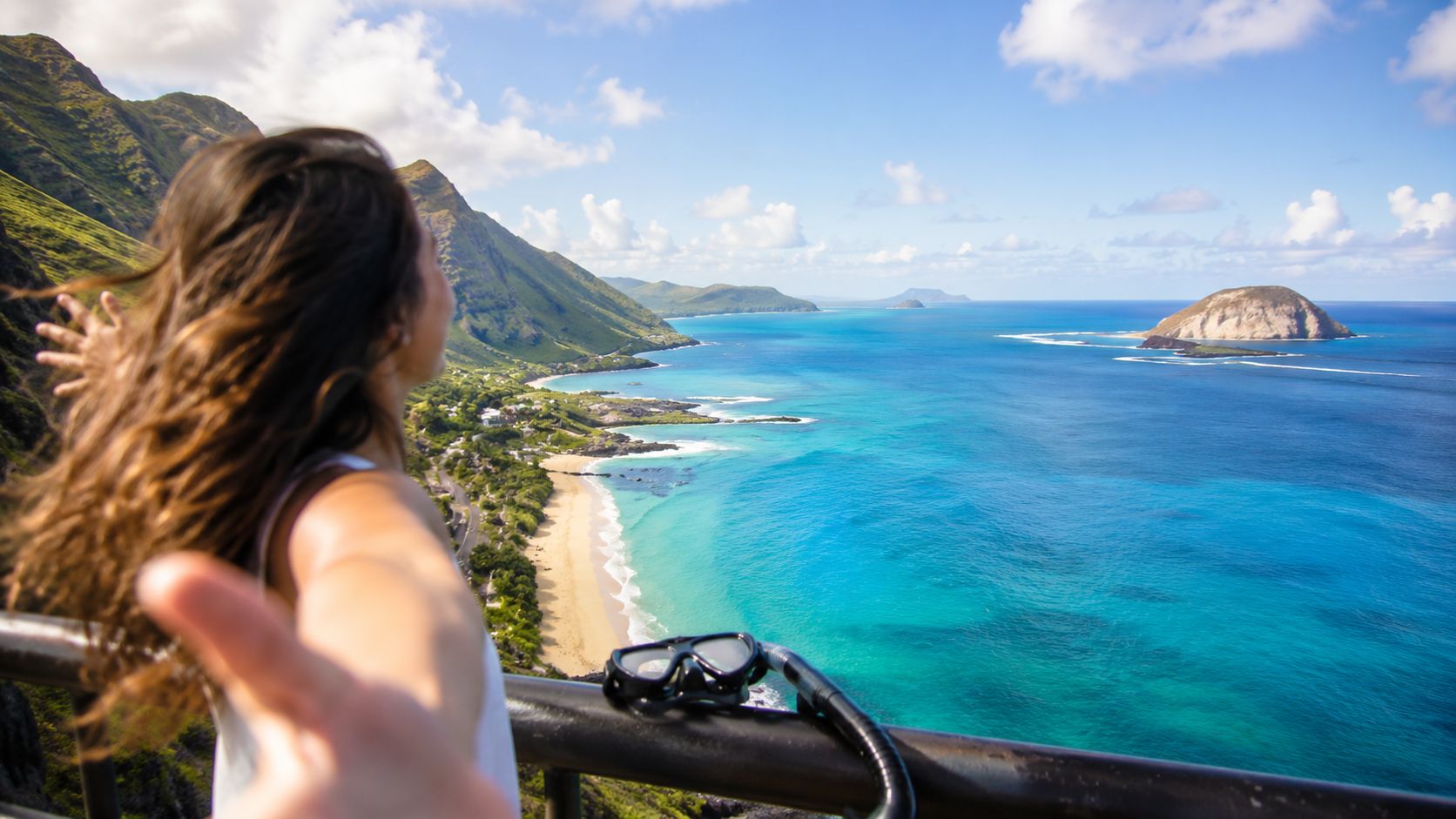
Then the planning gets messy. Every website looks polished. Every boat looks nice in photos. Every operator says they have great guides. If you're trying to sort out the differences, start with a grounded overview of diving Kona on the Big Island, then judge companies by how they run dives, not how they market them.
You're not booking a logo. You're booking a captain's judgment, a guide's situational awareness, and a crew's standards.
That's why I'd never tell you to pick a Kona diving company based on one flashy feature. A manta dive, a shark dive, or a blackwater dive means nothing if the operation is sloppy.
The better move is to work backwards from your trip. Are you newly certified and want easy reef diving? Are you bringing a non-diver partner? Are you chasing mantas? Are you comfortable in open ocean at night? Once you answer that, the field narrows fast.
Kona's Signature Dives You Cannot Miss
Kona gives you three very different dive experiences. Pick the right one for your skill level and trip goals, and the week feels dialed in. Pick the wrong one because the brochure looked exciting, and you waste a dive day.
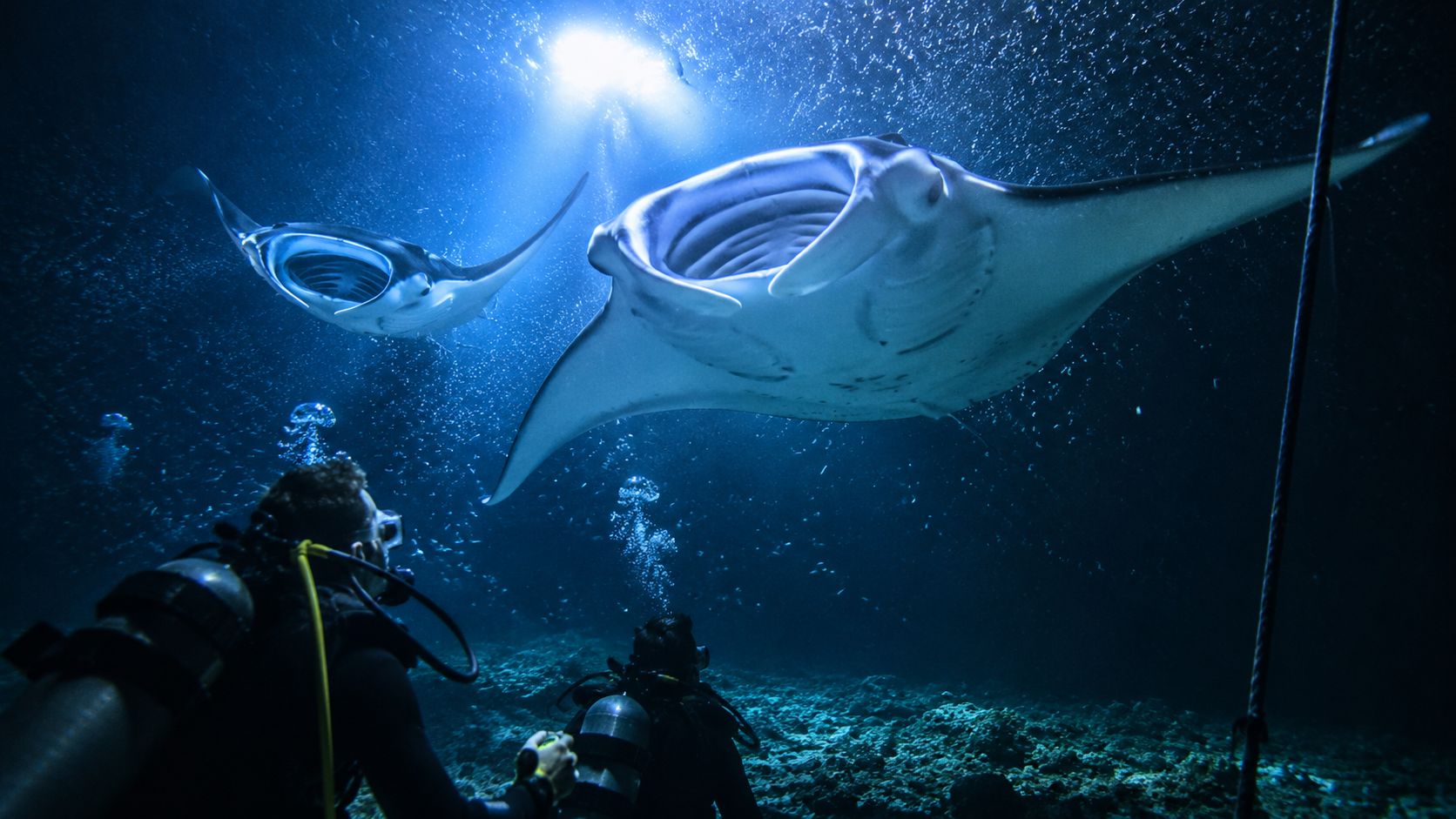
If you want the broad menu first, look at the full range of Kona diving tours. Then narrow it down based on what kind of diving you enjoy.
The manta ray night dive
Start here if you want Kona's signature experience.
The manta night dive earns the hype because it delivers a rare kind of interaction. You settle on the bottom, keep your light where the guide tells you, and the mantas come overhead to feed in the plankton. Good operators keep the group controlled and the viewing area calm. That is what makes the dive work.
Site choice matters. Garden Eel Cove is the stronger pick because it usually gets better protection from summer south swell, which often means a cleaner, more comfortable dive. If you are comparing charters, ask where they run the dive and why. Any company that treats all manta sites as interchangeable is glossing over a real difference.
If this is the dive you care about most, read the operator's Big Island manta ray night dive overview before you book. It will tell you a lot about how they explain the experience and what they expect from divers.
The blackwater night dive
This is not a novelty add-on. It is a serious specialty dive.
A blackwater dive puts you in open ocean at night, suspended over deep water, watching larval and pelagic animals rise from below. It feels strange the first time because it is strange. There is no reef for reference, no lava ledge, no easy visual comfort. You need solid buoyancy, good awareness, and the discipline to stay with the system the crew sets up.
If that description sounds exciting, this may be the most memorable dive of your trip. If it sounds unsettling, skip it for now. There is no shame in that. Blackwater rewards calm divers. It punishes tourists who book it just to say they did something extreme.
The dedicated blackwater night dive page shows what the trip involves.
The classic daytime reef dives
These are the dives that tell you whether an operator is good.
Day reef charters strip away the spectacle and show you the fundamentals. Boat handling. Briefings. Guide awareness. Site selection. Pace. If a company runs clean, relaxed, well-organized daytime diving, that usually carries over into their specialty trips too.
They are also the right starting point for plenty of visitors. Kona's lava structure, clear water, turtles, reef fish, and chance encounters with bigger animals make these dives better than the phrase "standard reef dive" suggests.
Use this framework:
- Newly certified diver: Book a daytime reef charter first.
- Rusty diver: Do a daytime charter before signing up for night diving.
- Mixed-skill buddies or families: Start on the reef, then decide if everyone wants a manta or blackwater trip.
- Experienced diver chasing the full Kona menu: Reef dive first if you have time, then add the specialty dives that fit your comfort level.
That is the essential point. Don't rank these dives by hype. Rank them by fit. Once you do that, it gets much easier to judge whether an operator is steering you toward the right trip or just selling the most exciting headline.
How to Choose the Best Dive Operator
A smart diver doesn't ask, “Who has the slickest website?” A smart diver asks, “Who runs the cleanest operation?”
If you're comparing any Kona diving company, use this checklist. If an operator can't answer these questions clearly, move on. There's no shortage of boats in Kona. There's no reason to gamble.
For a broader comparison list, this roundup of top Kona diving companies ranked is a useful starting point.
Safety standards
Start here. Everything else comes second.
Look for these signs:
- Recognized training standards: A serious operation should clearly explain its certification and instructional standards.
- Clear briefing culture: Good crews don't mumble through the dive plan. They explain entry, exit, site conditions, buddy expectations, and what happens if something changes.
- Small in-water control: If a guide is stretched thin, your dive quality drops and your safety margin shrinks.
Boat setup and practical comfort
Visitors often underestimate how much boat design affects the day. A boat can be seaworthy and still be miserable for divers.
Check for:
- Purpose-built dive layout: You want easy gear handling, sensible diver flow, and a setup built for scuba, not a retrofitted sightseeing boat.
- Shade and seating: If you're doing multiple dives, comfort matters.
- Onboard basics: Safety gear should be a given. So should a setup that makes entries and exits straightforward.
Crew judgment and professionalism
This is the big separator.
A strong crew reads the group fast. They know when to simplify. They know when someone needs extra attention. They don't oversell advanced conditions to keep a booking alive.
If a crew brushes off your questions before the boat leaves, they won't get better underwater.
What to ask before booking
Use these questions. They tell you a lot.
| Question | Why it matters |
|---|---|
| What's your guide-to-diver setup like? | Smaller groups usually mean better supervision and a calmer dive |
| What happens if the planned site isn't divable? | Good operators answer this directly |
| Do you run beginner-friendly and advanced trips separately? | Mixed-skill chaos ruins dives |
| What's the boat like for actual divers? | Comfort and flow affect the whole day |
Why Kona Honu Divers Is a Top-Rated Choice
You've done the homework. You know what to look for in a Kona operator. Now apply that framework to a real company and see if the claims hold up.
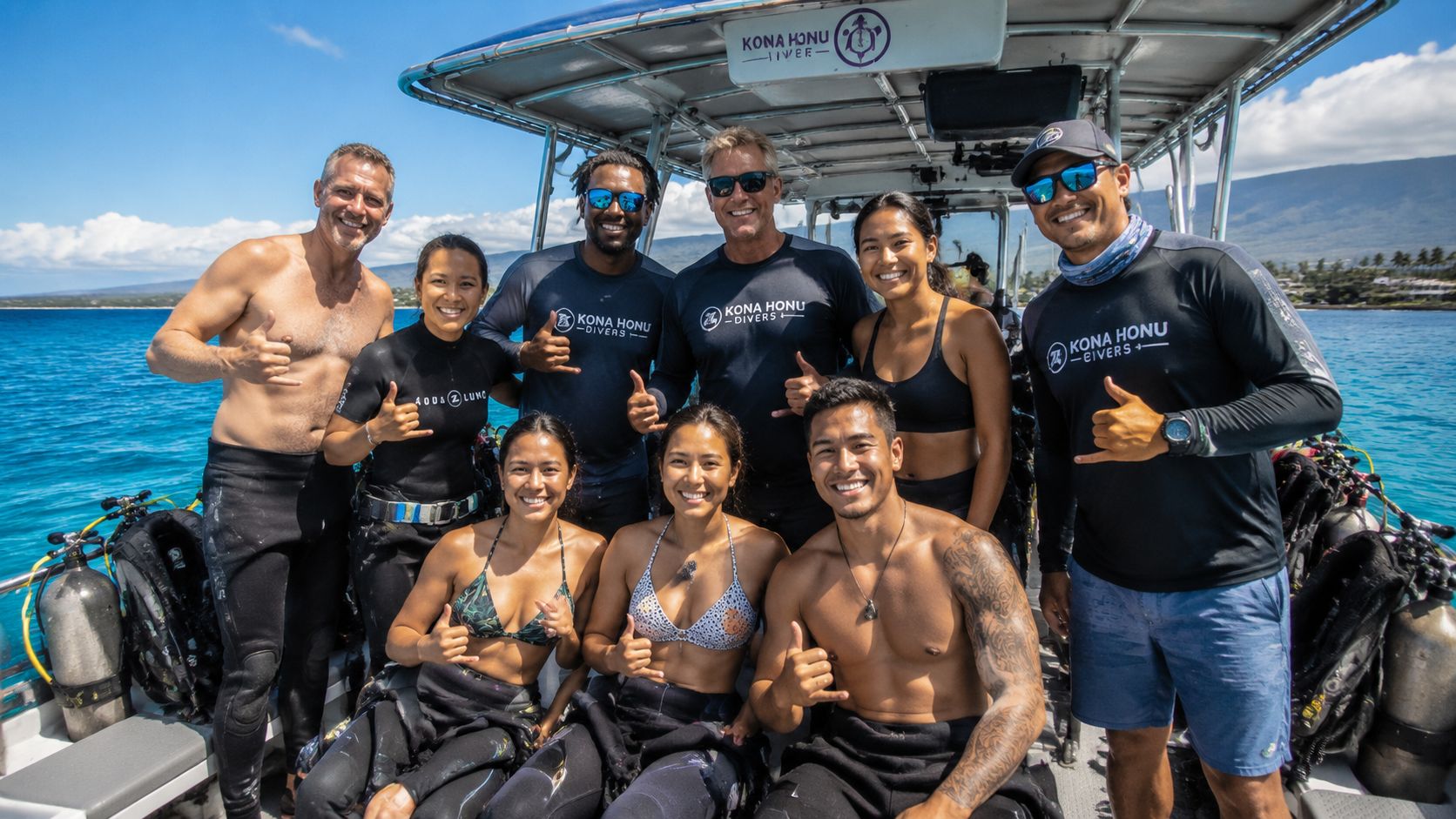
Kona Honu Divers clears the test I'd use for my own family. That starts with reputation, but it does not end there. Awards are nice. Consistent execution is what matters. Big Island Now reported that readers of Scuba Diving magazine named Kona Honu Divers best overall operation in the Pacific and Indian Oceans, which tells you the company has earned attention from experienced traveling divers, not just first-timers wowed by warm water and a boat ride (Big Island Now's feature on the award).
What I care about more is whether the operation stays disciplined across very different kinds of diving.
They cover the full Kona range without feeling sloppy
A lot of operators are decent at one thing. Maybe they run an easy reef morning well, but advanced charters feel improvised. Maybe they sell manta dives all day long, then fumble the details once divers are on board.
Kona Honu Divers has a broader menu than that. They run beginner-friendly boat diving, manta night dives, blackwater trips, advanced charters, and training through the same operation. That matters because range exposes weak systems fast. If a company can handle new divers, experienced divers, and specialty profiles without the whole day turning chaotic, that usually means the standards are real.
If you want to look at the operation directly, start with the Kona Honu Divers official site. Then compare what they offer against the decision points from the last section instead of getting distracted by polished marketing copy.
Their advanced diving says a lot about the crew
Advanced offerings are where I judge an operator hard.
Blackwater and other specialty dives leave no room for casual procedures or loose briefings. Kona Honu Divers runs trips that attract divers who want more than a simple lava-rock reef circuit, including blackwater diving and the Touch of Gray shark dive. Their advanced long-range dive tour shows that they are willing to serve divers looking for harder, more specific experiences, not just the broadest tourist market.
That tells me the crew has to be organized, site-aware, and comfortable managing divers with different goals. Operators do not keep a specialty reputation in Kona by winging it.
Why I'd actually recommend them
Here's the plain answer. They feel like an operator built by divers, not a vacation activity desk that happens to sell scuba.
They have the kind of range that lets one group book with confidence even if everyone's interests differ. One person wants a calm daytime reef dive. Another wants mantas. Another wants a more advanced charter. That flexibility matters on a Kona trip because mixed groups are common, and bad operator fit is one of the fastest ways to ruin a vacation day.
I also like that their reputation has been built in public. Reviews, repeat divers, and industry recognition all help, but the bigger point is simpler. A company does not stay highly regarded in a place like Kona unless the boats leave organized, the briefings make sense, and the in-water experience matches what was promised.
So if you want the short recommendation from someone who cares more about clean operations than glossy brochures, this is one of the first names I'd put on your list, and the one I'd feel good booking for friends and family.
Check AvailabilityPreparing For Your Kona Dive Logistics and Safety
Your alarm goes off before sunrise, the coffee is barely working, and the boat is leaving whether you are organized or not. Good Kona dive days usually come down to simple prep. Handle the basics the night before, and the morning stays calm.
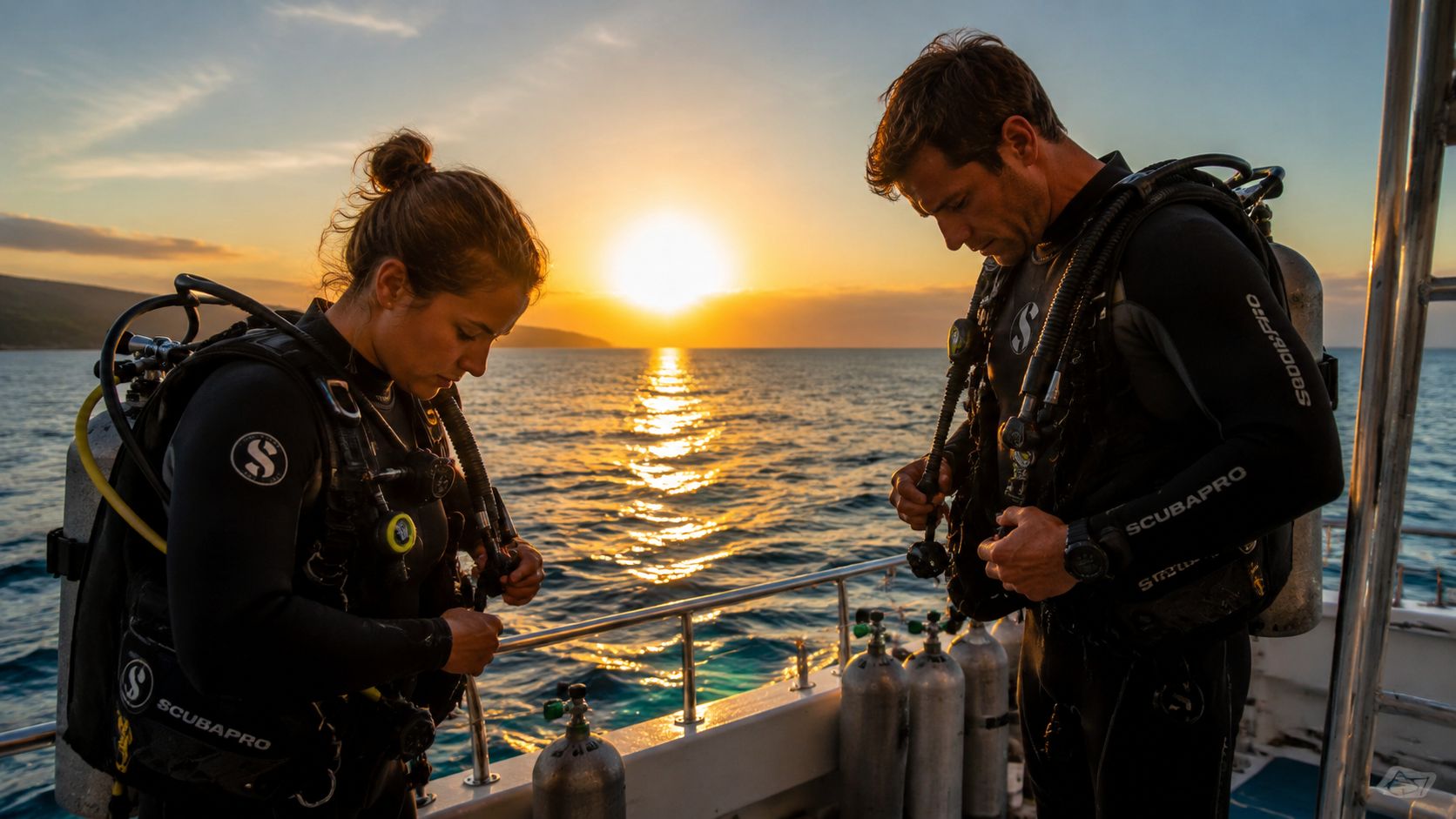
Bring your certification card, know what dive you booked, and show up ready for boat diving instead of vacation fantasy. If you are worried about motion sickness, read this guide on how to avoid sea sickness before a Kona dive trip before you fly out.
Certification and experience reality
Have your C-card in hand, or have the digital version saved on your phone before you get to the harbor. Do not count on weak service and a forgotten password at check-in.
Be honest about your experience level too. That matters more than pride. Kona operators can usually place divers well if they know the truth. They cannot help much if someone claims they are comfortable in current, low visibility, or negative entries and then freezes at the swim step.
Kona Honu Divers also runs professional training, which tells you something useful about the operation. A shop that teaches regularly tends to have clearer standards, tighter briefings, and less confusion on the boat. That is what you want, especially if your group has mixed experience.
For non-certified visitors, ask direct questions before you book. Can they do an introductory dive, ride along, or join only certain trips? Every operator handles this differently, and vague assumptions are how people end up disappointed at the dock.
Seasickness prep
The Kona coast is often calm. "Often" is not a plan.
If you get motion sick easily, take your remedy early and eat a light breakfast. Waiting until the boat starts rolling is rookie timing. Crew see this mistake all the time.
Useful options to pack:
- Patch option: Ship-EEZ Seasickness Patch
- Classic medication: Dramamine pills
- Less drowsy favorite for many travelers: Bonine pills
- Non-medication backup: Sea Band wristbands
- Simple stomach support: Ginger chews
Bring your own remedy and use it early. Hope is not a seasickness strategy.
What to pack for the boat
Pack for function, not for Instagram.
- Reef-safe sunscreen: Put it on before boarding so it has time to absorb.
- Towel and dry clothes: The ride home feels much better when you are not sitting in saltwater.
- Water and light snacks if allowed: Start hydrated. Boat diving gets sloppier fast when you are dehydrated and underfed.
- Personal mask if you trust your fit: Rental gear is usually fine, but your own mask removes one common problem.
- A dry bag: Phones, keys, and wet decks are a bad mix.
One more practical call. Ask what the boat provides so you do not haul junk you will never use. The best operators make logistics simple, but smart divers still show up prepared.
Unlocking Value Packages Gear and Special Offers
A lot of divers fixate on the ticket price and miss the actual value. That's backwards.
The cheapest seat on a boat can turn into the worst deal of your trip if the crew overloads the guide, the rental gear is tired, or the package nickel-and-dimes you on every extra. A more useful way to judge value is to ask what's included, how well it's maintained, and whether the operator is set up for the kind of diving you're doing.
What real value looks like
Some perks matter more than they sound.
- Free Nitrox: If you're Enriched Air certified, this is one of the few add-ons that can improve your dive day. It can be a meaningful inclusion for repetitive diving and multi-day schedules.
- Multi-day or early diver discounts: These can make sense if you already know you'll be diving more than once. They also tell you the operator expects repeat guests, which is usually a good sign.
- Quality rental gear: Rental gear doesn't need to be glamorous. It needs to be maintained, correctly sized, and ready to work without surprises.
Bring your own gear or rent
There isn't one right answer. It depends on what annoys you most.
| Choice | Good for | Watch out for |
|---|---|---|
| Bring your own mask, computer, exposure gear | Divers who want familiar fit and fewer variables | Airline baggage, forgetting parts |
| Rent full setup | Vacation divers who want simple logistics | Fit issues if you wait until check-in to sort it out |
| Mix and match | Most traveling divers | Confirm what's included before arrival |
If you're only doing a couple of dives, renting can be the sane move. If you're doing specialty dives, a longer dive schedule, or you're picky about fit, bring your core personal kit.
A full-service operation also helps beyond the charter itself. Gear rentals, gear support, and practical advice under one roof save time and reduce stupid last-minute problems. That's worth something. Usually more than a small price difference.
Frequently Asked Questions For Kona Divers
These are the questions people ask after they've already booked, when they should've asked before.
Can my non-certified partner or family member join the boat
Maybe, maybe not. That's the problem.
This is one of the most common points of confusion, and Kona operators often don't explain it clearly. Public-facing material can talk about “all levels” without saying whether non-certified partners can ride along, whether they need a Discover Scuba format, or what the participation rules are. Ask for a straight answer before you pay.
A good question to send is this: “My partner is not certified. Can they join as a ride-along, snorkeler, or intro participant on this specific trip?”
What happens if my dive site is unusable
At this point, weak operators get slippery.
A common but rarely addressed issue is what happens if a planned dive site is unusable. Many companies stay vague, but a professional operator should clearly tell you whether they'll substitute a comparable site or offer a reschedule or refund, as noted in this discussion of site substitution accountability for Kona dive bookings.
That policy should be clear before the day of the dive.
Ask this before booking: “If the planned site is blown out or unsafe, do you switch sites automatically, reschedule us, or refund us?”
If the answer sounds evasive, keep shopping.
What is the best time of year to dive in Kona
Kona is a year-round dive destination. The better question is what kind of conditions and experiences you want.
If you care most about mantas, that's a year-round draw on the Kona coast. If you care most about calm, easy diving, site protection and daily conditions matter more than the calendar. If you're an advanced diver chasing a specialty experience, your own comfort in changing ocean conditions matters more than a generic “best month” claim.
Should I book the advanced stuff right away
Only if you've earned it recently enough to enjoy it.
Blackwater dives and other advanced charters are fantastic for the right diver. They're lousy choices for someone who hasn't been in the water for a while and is trying to rebuild comfort on vacation. If you're rusty, do a simple daytime charter first. There's no shame in that. There is shame in pretending you're current and then stressing through the whole dive.
If you want an operator offering the full Kona spectrum, from easy reef diving to mantas and advanced specialty trips, take a hard look at Kona Honu Divers. Book the dive that matches your real experience level, ask direct questions before you pay, and choose the crew you'd trust with people you care about. That's how you end up with an epic dive day instead of a story about what should've gone better.