
You're probably doing what most divers do before a Big Island trip. Opening ten tabs, comparing boats, trying to decode which operator fits your experience level, and wondering whether the flashy tour description holds true once you step onto the dock.
That's the right instinct. Kona has excellent diving, but not every kona diving company delivers the same on-the-boat experience. A key difference isn't just the site list. It's how the crew runs the day, how clearly they brief, how they handle changing conditions, and whether the boat is built around divers or around moving as many bodies as possible.
Choosing Your Premier Kona Diving Company
A dream Kona trip usually starts with a simple goal. You want warm water, clean visibility, healthy reefs, and one or two unforgettable dives that justify the flight. Then the search results hit you with a wall of options, and they all start sounding the same.
They aren't the same.
The first thing I tell visiting divers is to look past the marketing and ask what the boat day feels like. A company can list manta dives, morning charters, rentals, and classes. That tells you almost nothing about whether the operation is organized, diver-focused, and worth your vacation time.
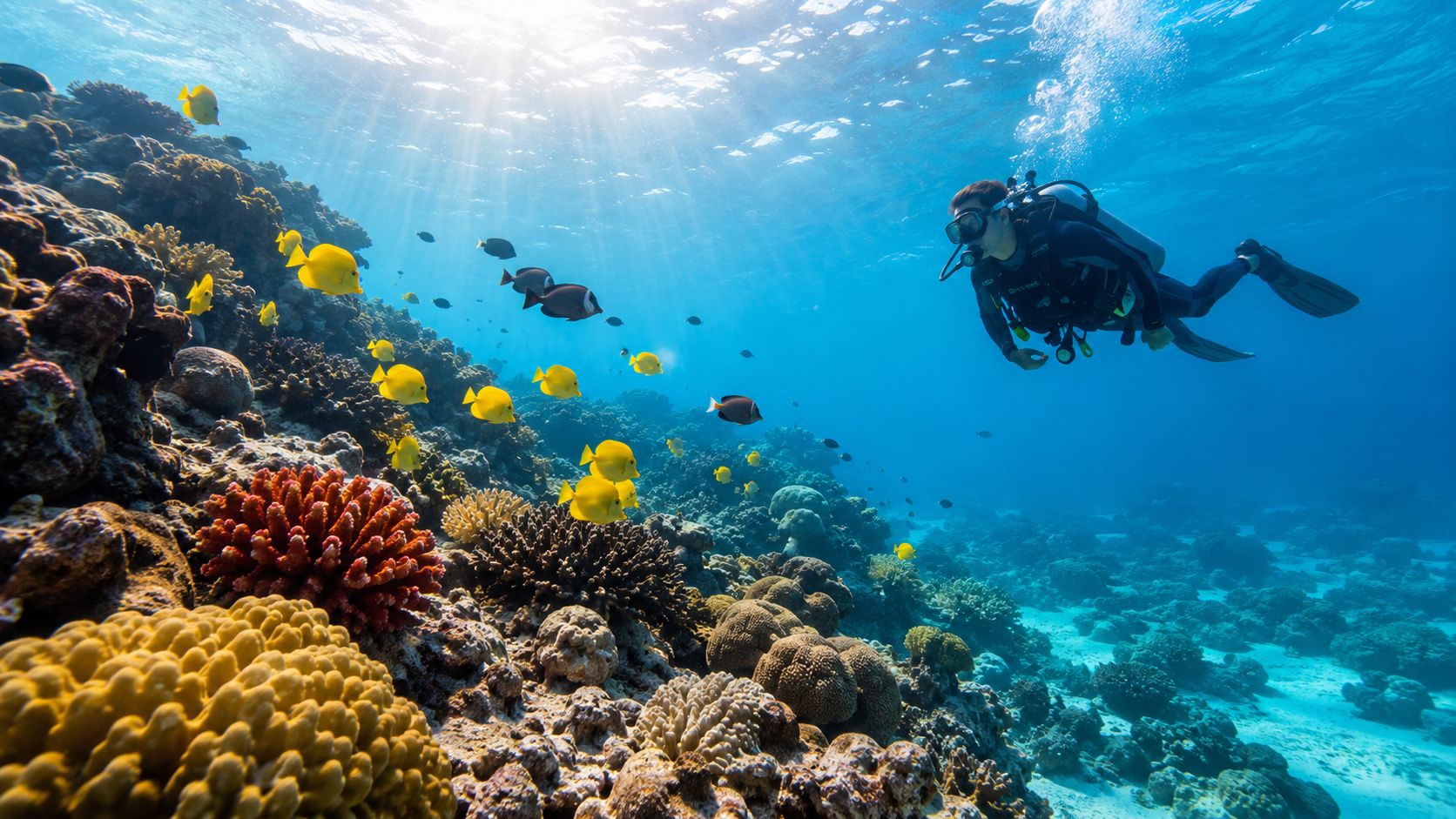
If you want a practical benchmark, start with the companies that have built a real long-term reputation in Kona. Kona Honu Divers was established in 2001, uses a divers-only boat model, and earned the Scuba Diving Magazine Reader's Choice Award for the Pacific in 2022, 2024, and 2025 according to its Kailua-Kona Yelp profile. That matters because those details point to a clear operating philosophy. Focus the trip on divers, keep the environment more intimate, and support the day with experienced staff.
A lot of visitors also compare operators by simple ranking lists before they book. If you want that kind of shortcut, this rundown of the top Kona diving companies ranked is a useful starting point.
What actually separates a strong operator
Three things matter more than the brochure:
- Boat focus: A divers-only setup changes the pace of the day. Entries, exits, gear setup, and briefings move around scuba needs instead of splitting attention across very different activities.
- Crew depth: A large instructor bench gives an operator flexibility for training, guided dives, and varying guest skill levels.
- Trip design: The best companies don't just sell dives. They match dives to conditions and diver ability.
Practical rule: If an operator can't clearly explain who a trip is for, how the day runs, and why they use a certain site, keep looking.
My advice is simple. Choose the company that makes the on-boat experience easy, predictable, and diver-centered. That's what turns a Kona trip from decent into memorable.
Explore Kona's Signature Dive Experiences
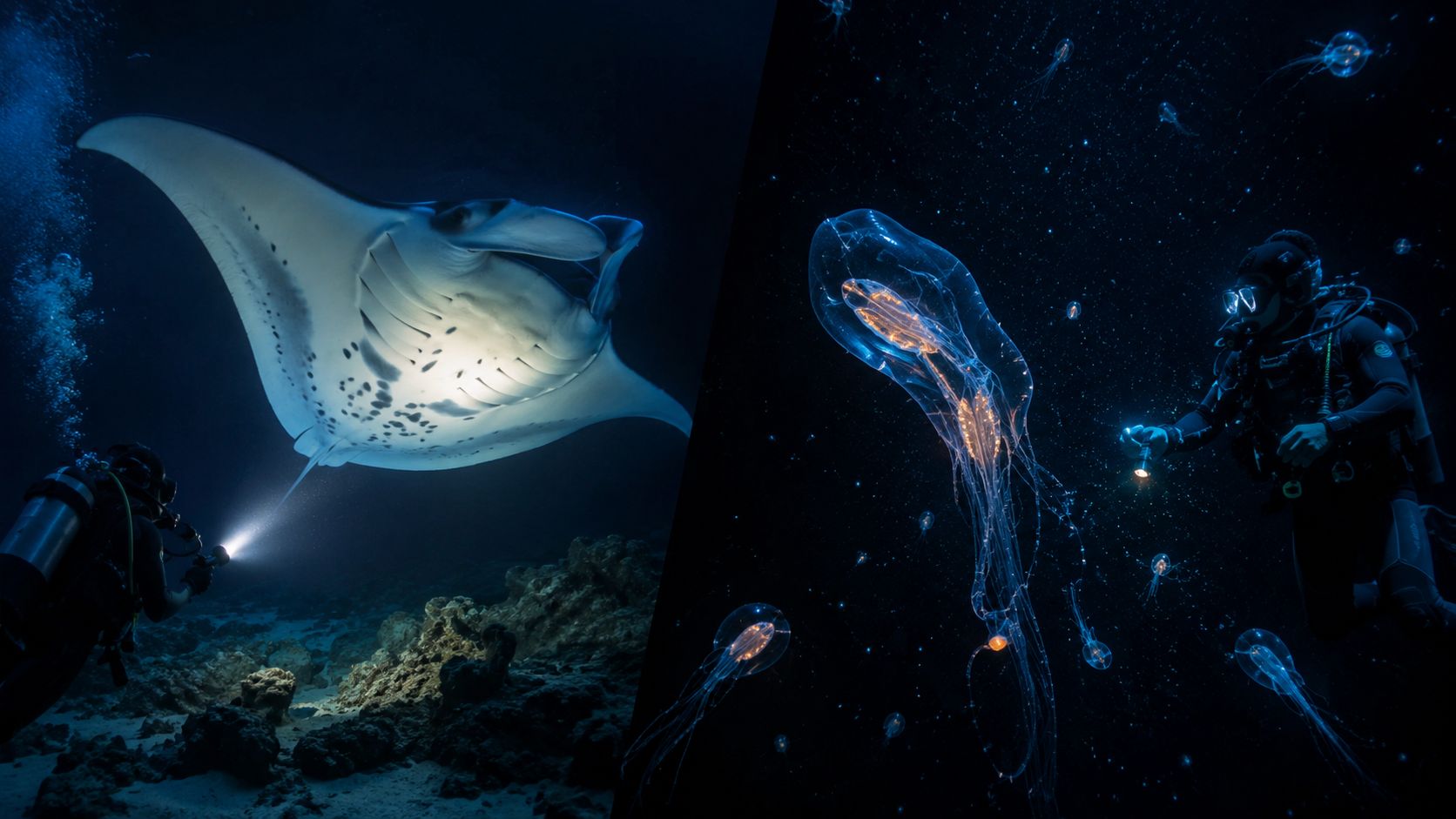
You finish a solid day on Kona's reefs, climb back on the boat, and hear another diver say they came primarily for the night dive. They're right. If you want to judge a kona diving company by the experience that stays with people, look at the manta ray night dive and the blackwater dive. Those trips show you how the operator runs a boat, briefs divers, manages positioning, and matches the dive to the diver.
Why Garden Eel Cove is the right manta site
For manta diving, I'd pick Garden Eel Cove. It gives divers a better shot at a calm, controlled experience because Keahole Point blocks southern swells, creating a more protected viewing area and stronger reef structure, as explained on this page about Manta Heaven at Garden Eel Cove.
That matters on the boat as much as it does underwater. A protected site usually means an easier briefing, steadier descents, and less time fighting surge once you're in position. You spend more of the dive watching mantas feed in the light and less of it correcting your body position.
The manta dive itself runs about 45 minutes, and Kona Honu Divers reports an 80% sighting success rate on its 2 tank manta dive and snorkel tour page, where the underwater “campfire” is set at 35 feet in calm conditions or 55 feet when swell builds. If mantas are your priority, book a dedicated manta ray night dive on the Big Island instead of treating it like an add-on.
There's history in the water too. The oldest regularly seen manta at Garden Eel Cove is Big Bertha, estimated at at least 70 years old in California Diver's write-up on diving with Kona Honu Divers.
Pick the manta trip for site protection, diver positioning, and crew discipline. That is what makes the dive good.
Why blackwater diving stands apart
Blackwater is for divers who want something stranger and far more technical than a standard night reef dive. You're suspended from a 60ft tether over 4,000ft of water at night, according to Big Island Guide's overview of Kona Honu Divers, watching pelagic life rise out of the dark during its nightly vertical migration.
That setup tells you a lot about the operator. A company running blackwater well needs tight procedures, clear light protocols, controlled entries and exits, and a crew that can keep advanced divers calm and organized in open ocean conditions. This is exactly why a divers-only operation matters. The whole boat can stay focused on scuba logistics instead of splitting attention across unrelated activities.
The payoff is worth it. Larval fish, juvenile cephalopods, siphonophores, and other animals you will never see on a standard reef drift through the beam of your light. It feels alien because it is.
If that sounds like your kind of dive, book the Blackwater Dive tour. If you also want a more advanced daytime profile, the premium advanced long-range dive tour is the logical next pick.
Kona Honu Divers Signature Dive Comparison
| Feature | Manta Ray Night Dive | Blackwater Night Dive | Morning 2-Tank Dive |
|---|---|---|---|
| Main appeal | Repeated manta passes in a fixed viewing area | Rare pelagic life in blue water at night | Classic Kona reef and lava diving |
| Best for | Certified divers who want a famous Kona experience | Confident certified divers seeking advanced conditions | Most certified recreational divers |
| Core environment | Protected site at Garden Eel Cove | Open ocean far offshore | Coastal dive sites along the Kona coast |
| Key operational detail | Viewing campfire set at 35 to 55 feet in reported conditions | Tethered at 60ft over 4,000ft of water | Easier entry point for general sightseeing |
| Booking link | Dedicated manta night trip | Blackwater Dive tour | Premium advanced daytime trip |
Daytime Dives and Snorkeling Adventures
You wake up to flat water, clear skies, and a Kona coast that looks made for a morning on the boat. This is the trip a lot of divers should book first. Daytime charters give you the cleanest read on an operator because everything is exposed. Site choice, briefings, pace, entries, exits, and how the crew handles mixed experience levels all show up fast.
Kona Honu Divers runs multi-tank charters to more than 40 marine sites, as noted on the company's Big Island scuba diving overview earlier in this guide. That range matters on the boat, not just on a map. Good crews adjust to swell, current, visibility, and diver ability instead of forcing everyone onto the same plan because it is convenient.
How to choose the right daytime trip
Use a simple filter.
Newly certified diver
Book a standard morning reef charter. You want straightforward entries, reasonable profiles, and a crew that gives clear briefings without turning the morning into a classroom.Comfortable diver with good buoyancy
Add a second specialty trip if you have the time. A daytime reef charter paired with one of Kona's signature night dives gives you a much better feel for what makes this coast special.Non-diver or mixed group
Pick trips by water comfort, not by forcing everyone into scuba. Divers should dive. Snorkelers should get a real snorkel trip with a captain and crew focused on their experience.
For most visitors, the fastest way to compare options is the main Kona diving tours page.
Snorkeling deserves a proper boat and a proper plan
Here, snorkeling is treated as a primary activity. That is the right call. Kona's visibility, lava coast, and protected bays give non-divers a legitimate water day, especially when they are on a trip designed for snorkeling instead of tagging along on a scuba schedule.
If Captain Cook and Kealakekua Bay are on your list, read this guide to Kealakekua Bay snorkeling tours and trip planning before you book. It will help you match the outing to your group instead of guessing from a generic tour description.
Good trip planning matches each person to the right kind of water time. That is how you end up with a better day for the whole group.
What to Expect On Your Dive Trip
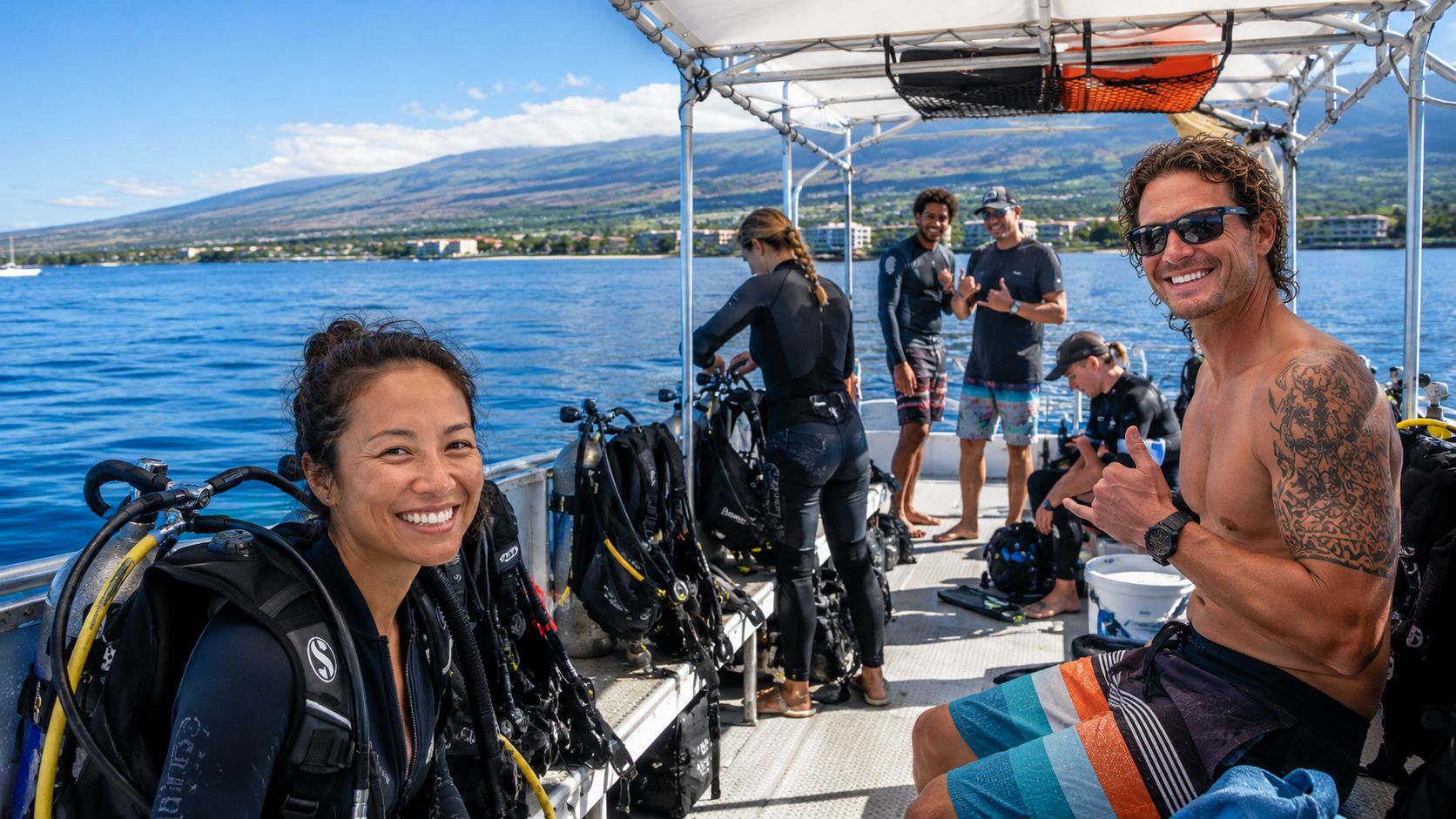
You show up early, coffee in hand, and the tone of the day is obvious within minutes. Good Kona dive ops keep check-in organized, gear handling clear, and the briefing focused on what affects your dive. That matters on the boat, because a crew that runs a tight morning usually runs a better dive day too.
Kona Honu Divers checks in from 74-5583 Luhia St, Ste A12, Kailua-Kona, Hawaii, and operates daily from 7:00 AM to 5:00 PM, as listed on its contact page. That kind of full-service setup helps for a simple reason. Divers are not scrambling in a parking lot trying to solve paperwork, rentals, and last-minute questions at the same time.
The bigger point is how that setup carries onto the boat. A divers-first operation usually means faster departures, clearer roles, and less waiting around while one mixed group tries to do three different activities on one schedule. You feel the difference in the pace of the day, the briefings, and the way the crew handles entries, exits, and surface intervals.
What you should bring
Pack like a diver who wants an easy day, not like a tourist hoping the crew fixes every omission.
- Certification materials: Bring the proof the operator asks for.
- Sun protection: Hat, cover-up, and enough water for a hot Kona morning.
- Warm layer: Boat rides after a dive, especially later in the day, can feel chilly.
- Personal basics: Your own mask if it fits well, your computer if you use one regularly, and any prescription items you need.
Keep it simple. Bring what improves comfort and familiarity.
If you get seasick, deal with it before boarding
Bad seasickness planning ruins good dive days. If you are even mildly prone to it, read this guide on avoiding seasickness before a Kona boat dive and make a plan before you leave for the harbor.
You've got several practical options:
- Patch option: Ship-EEZ Seasickness Patch
- Classic tablet: Dramamine pills
- Another go-to tablet: Bonine pills
- Non-medication choice: Sea Band wristbands
- Simple backup: Ginger chews
Test any medication before your trip. If it makes you sleepy at home, it will make you sleepy on the boat, and that is a poor trade for a dive day.
A Commitment to Safety and Quality Gear
Safety claims are cheap. Every operator says safety comes first. What matters is whether the company can explain how decisions get made when conditions change, when a guest's comfort level doesn't match the plan, or when the original site no longer makes sense.
That's where professional depth matters. Kona Honu Divers is a PADI 5-Star Instructor Development Center with 15 certified PADI instructors, and recent 2025–2026 traveler feedback indicates 34% of first-time divers ask about procedural ambiguities around cancellations and site alternations, according to this discussion of Kona dive questions on Reddit. Those questions are fair. Divers want specifics, not generic reassurances.
What good safety communication sounds like
A solid operation should be able to answer these clearly:
- Weather calls: Who decides whether the trip runs, changes site, or gets cancelled?
- Skill matching: How does the crew handle a diver who isn't ready for the planned profile?
- Substitution logic: If one site is off, what type of alternate site makes sense and why?
- Emergency readiness: What happens if someone has a problem in the water or on the surface?
If those answers are vague, that's a problem. You're not being difficult by asking. You're being a competent diver.
Why gear standards matter
Rental gear doesn't need to be glamorous. It needs to be maintained, predictable, and fit for the dive you booked. The operation also offers courses from Discover Scuba through advanced technical and professional training, which usually tells you the staff has to think about equipment in a disciplined way because students and certified divers depend on it across different trip types.
If you're still building your own kit, this guide to the best scuba gear for beginners is a good starting point before you spend money on equipment you may outgrow.
Ask direct questions about cancellations, alternates, and rental gear. A trustworthy crew won't dodge them.
Booking Your Dive and Maximizing Value
Booking Kona diving should be simple. Pick the right trip for your certification and comfort level, reserve early for specialty dives, and pay attention to the extras that change value instead of just chasing the lowest sticker price.
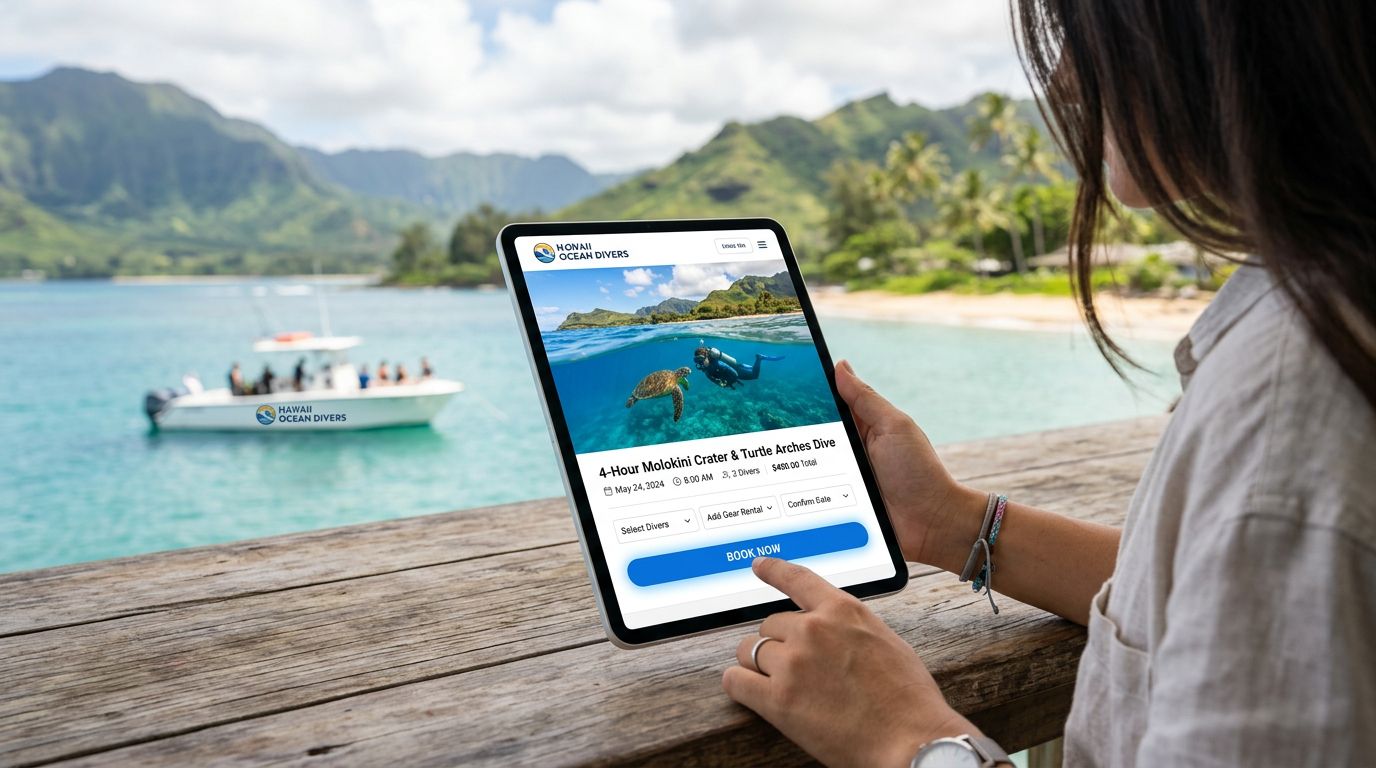
How I'd book it
Start with your absolute must. If you're coming for mantas, lock that in first. If blackwater is your priority, reserve that before building the rest of the itinerary around it. Specialty dives are the ones people regret waiting on.
Then fill in with daytime dives. If you're nitrox certified, note that the company includes free nitrox, and it also offers early diver discounts, as described on the Kona diving page. Those two perks are exactly the kind of value that matters to active divers because they improve the trip itself, not just the invoice.
Value isn't just price
Look at the package as a whole:
- Included perks: Nitrox, rentals, or educational briefings can make a premium charter the smarter buy.
- Trip fit: A cheaper trip that's wrong for your skill level is bad value.
- Operational quality: Smooth logistics preserve vacation time. Confusion burns it.
Answers to Common Questions for Kona Divers
When should you dive Kona
You wake up to calm water, clear skies, and a boat heading straight for the lee side. That is why Kona works so well year-round. The coast stays more protected than many other parts of the island, so the main decision is not whether Kona is diveable. It is which trip you should prioritize while you are here.
Book specialty dives first. Manta night dives, blackwater, and other limited charters fill the schedule faster than standard reef trips, and they shape the rest of your week.
Can non-certified people still get in the water
Yes. The company offers PADI training from Discover Scuba Diving through instructor development on its Big Island scuba training and diving page. That matters on the boat because a good operation does not just squeeze beginners into a certified diver trip and hope for the best. It gives new divers a supervised path that matches their experience, which makes the day safer and far more enjoyable for everyone aboard.
What if I want more than easy reef diving
Choose a charter built for that goal. Advanced divers should book blackwater, long-range, or other experience-appropriate trips instead of expecting a basic reef schedule to turn into something more demanding once the boat leaves the harbor.
That is one of the biggest differences between operators that only list trips and operators that run a disciplined boat. The trip menu tells you what is available. The boat plan tells you who that trip is truly for.
Any local advice beyond diving
Protect your last day. Do not stack altitude, long drives, or rushed travel too close to your final dives.
Kona is better when you leave some room in the schedule. Get good coffee, eat somewhere casual, and watch the sunset without checking the clock every five minutes.
If you want a Kona operator with reef dives, manta trips, blackwater diving, training, rentals, and snorkel options, take a look at Kona Honu Divers. Book the specialty dive first, pick the daytime charter that fits your actual skill level, and build the rest of the trip around a boat experience you will enjoy, not just a service list.