
Picture this: you descend into impossibly clear turquoise water, with sunlight filtering down from above and ancient lava tubes forming a kind of underwater cathedral all around you. This is what Kona diving is all about—a true bucket-list destination for divers from all over the world, famous for its calm, protected waters and one-of-a-kind marine life. Ready to explore the best Kona diving tours?
Discovering the Magic of Kona Diving
The western coast of Hawaii's Big Island isn't just another pretty tropical spot. It’s a world-class diving hub, shaped by volcanic geology and packed with vibrant sea life. Unlike a lot of other dive destinations, Kona is shielded by massive volcanoes. This natural barrier creates incredibly calm and clear conditions almost all year long, giving you unbelievable underwater visibility that often pushes past 100 feet.
This underwater paradise is the direct result of ancient lava flows that carved out a dramatic subaquatic landscape. As a diver here, you get to explore intricate lava tubes, stunning archways, and vast underwater caverns that are just teeming with life. This unique topography provides the perfect home for a huge variety of marine creatures, many of which can only be found in Hawaiian waters.
A Global Diving Destination
It's no secret that Kona is a special place to dive. Its stellar reputation brings in enthusiasts from every corner of the globe. In fact, the Big Island of Hawaii hosts around 100,000 certified scuba dives every single year, which says a lot about its popularity and the quality of the experience.
This thriving scene is supported by more than 50 professional dive shops and charters that cater to over 150,000 dive tourists annually. The whole operation is pretty impressive.
When you're ready to see the Big Island's incredible underwater world for yourself, you'll want to go with a top-rated operator like Kona Honu Divers.
Unforgettable Underwater Encounters
Kona offers a whole spectrum of dive experiences, perfect for any skill level. If you're just getting your fins wet, the gentle reefs offer a calm and beautiful place to build your confidence while surrounded by clouds of colorful fish. For the more seasoned divers, the options are nothing short of spectacular. There are so many reasons Kona is a premier diving location.
A few of the most iconic experiences you just can't miss include:
- The Manta Ray Night Dive: This is a world-famous spectacle. You get to witness graceful giants performing an underwater ballet as they swoop in to feed on plankton attracted by dive lights.
- Blackwater Dives: A truly surreal journey into the open ocean after dark, where bizarre, bioluminescent creatures rise from the deep. It's like diving in outer space.
- Lava Tube Exploration: Navigating through ancient volcanic formations is like exploring a new world, with stunning swim-throughs and arches at every turn.
Think of this guide as your compass for exploring everything Kona has to offer. Whether you’re looking for a peaceful reef dive or a thrilling deep-sea adventure, the underwater world of Kona is guaranteed to give you memories that will last a lifetime.
Why Kona’s Underwater World Is So Unique
So, what’s the big deal about diving in Kona? It all comes down to a powerful combination of volcanic geology and vibrant marine biology. The story of this underwater paradise started millions of years ago, when fiery lava from volcanoes like Hualālai poured into the ocean. That molten rock cooled almost instantly, creating the dramatic underwater landscapes we get to explore today.
This wasn't just random rock formation; it was nature sculpting a masterpiece. The result is a maze of incredible lava tubes, massive archways, and intricate caverns. These aren't just for show—they're the foundation of a bustling ecosystem, providing shelter for countless marine species. Think of it as an underwater city, with volcanic formations for skyscrapers and hidden alleyways.
But the unique topography is only half the story. Kona also has a huge advantage thanks to its location on the leeward (sheltered) side of the Big Island. The massive volcanoes act as a natural shield, blocking the trade winds and leaving the waters exceptionally calm and clear nearly all year long.
Ideal Conditions for Divers
This consistently amazing environment is a massive draw for divers. Water temperatures hover between a comfortable 24°C (76°F) in the cooler months and a balmy 27°C (80°F) in late summer, so you can comfortably dive here any time of year.
The calm surface conditions make for easy and enjoyable boat rides and entries. Better yet, the visibility underwater is often spectacular, frequently exceeding 100 feet. This incredible clarity makes spotting marine life—both big and small—a whole lot easier.
A Sanctuary for Endemic Species
What truly puts Kona on the map is the sheer number of unique creatures you'll find here. The Hawaiian archipelago is one of the most isolated island chains in the world, which allowed its marine life to evolve in a very special way.
This isolation means that roughly 25% of the fish species you'll see in Hawaii are endemic. That's one in every four fish—a local you literally cannot find anywhere else on the planet.
Every dive becomes a treasure hunt for rare sightings. You're not just looking at fish; you're seeing a living piece of natural history. You can learn more about the hunt for endemic marine animals on the Big Island in our guide.
Kona Diving Conditions Throughout the Year
To help you plan your trip, here's a quick look at what you can generally expect from Kona's diving conditions throughout the year.
| Season | Avg. Water Temp | Visibility | Key Marine Life Sightings |
|---|---|---|---|
| Winter (Dec-Feb) | 76°F (24°C) | Excellent (100+ ft) | Humpback whales (singing!), dolphins, turtles |
| Spring (Mar-May) | 77°F (25°C) | Very good (80-100 ft) | Manta rays, reef sharks, endemic fish are active |
| Summer (Jun-Aug) | 79°F (26°C) | Good (70-90 ft) | Warmer waters bring more pelagic species, tiger sharks |
| Fall (Sep-Nov) | 80°F (27°C) | Excellent (100+ ft) | Peak manta ray season, calmest conditions |
While conditions are fantastic year-round, you can see how different seasons bring their own special highlights to the table.

This incredible shot of a solitary manta ray captures the serene, majestic encounters that make Kona diving unforgettable. It’s a perfect example of the magic that happens in these clear, calm waters.
It’s this perfect storm of dramatic volcanic terrain, crystal-clear water, and a high concentration of unique species that creates a truly world-class diving destination. It’s a delicate, powerful mix of geology and biology that makes every descent a new adventure and keeps divers coming back for more.
Experiencing the World-Famous Manta Ray Night Dive
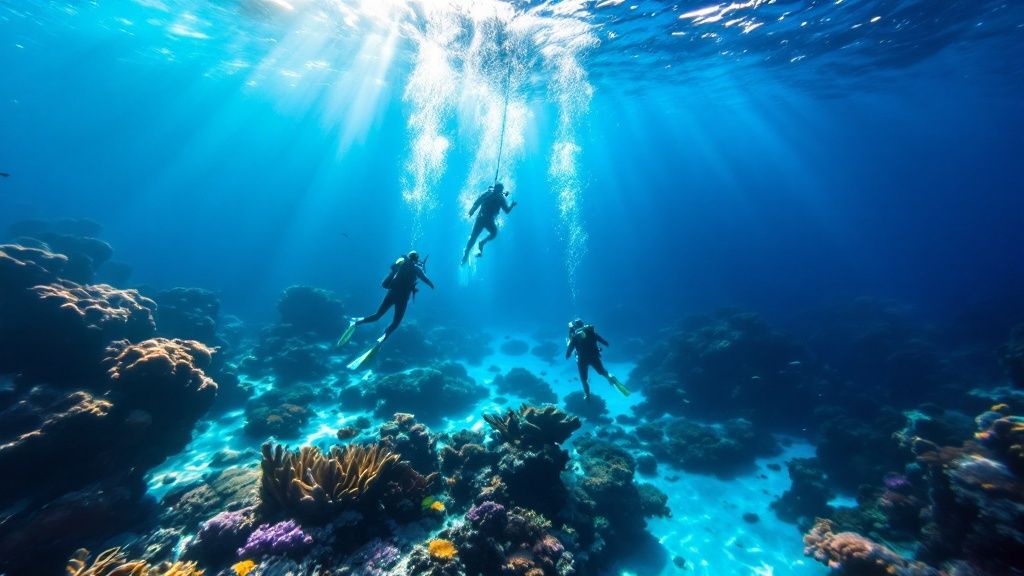
Let’s be clear: this isn't just another stop on a diving tour. The Kona Manta Ray Night Dive is a true spectacle, an underwater performance that has cemented its reputation as one of the most unforgettable dives on the planet. It’s a surreal, silent ballet that unfolds after dark, and for good reason, it sits at the very top of most divers' bucket lists.
The whole thing starts as the sun goes down. You’ll descend in the twilight to a sandy spot on the ocean floor, usually around 30-40 feet deep. Your guides will set up powerful lights that point straight up to the surface, creating what we affectionately call an underwater "campfire." This beacon of light immediately starts attracting tiny plankton—a manta ray's favorite meal.
The Science Behind the Spectacle
So, what makes this dive so reliable and magical? It all comes down to the unique feeding habits of the local reef mantas (Mobula alfredi). These are the second-largest manta species in the world, with incredible wingspans that can stretch up to 18 feet. They're gentle giants, and they've figured out that the dive lights in Kona serve up a concentrated, all-you-can-eat plankton buffet.
This whole phenomenon wasn’t just invented for tourists. It actually started by accident decades ago when a local hotel pointed spotlights into the ocean, unintentionally creating the first feeding spot. Dive operators today simply recreate this effect in a way that’s safe and respectful, giving us a front-row seat to nature's brilliance. The best part? The mantas are locals who stick around all year, so you can count on a fantastic show no matter when you visit.
The Main Event: An Underwater Ballet
Once you’re settled on the seafloor, the real magic begins. A massive shadow will glide out of the darkness, then another, and then another. Before you know it, you're surrounded by these graceful giants as they swoop and soar through the light beams. They perform incredible barrel rolls just inches over your head, their huge mouths wide open to filter the plankton-rich water.
It’s one of those experiences that words can't fully capture. There's something truly humbling about watching a creature the size of a small car move with such elegance and precision. It’s a silent, mesmerizing dance that feels both otherworldly and surprisingly intimate.
There's no chasing involved here. Your job is to simply kneel on the sand and watch the show unfold. The mantas are in charge, and they often get so close it feels like you could reach out and touch them (but please don't!). You can see the curiosity in their big, intelligent eyes as they observe the strange, bubble-blowing visitors below. To get a better idea of what to expect, check out our complete guide on what you should know about the Manta Ray Dive in Kona.
Best Practices for a Respectful Encounter
This incredible interaction has been going on for years, and to keep it safe for the mantas, everyone has to play by the rules. The number one rule is the most important: look, but never, ever touch.
- No Touching: Manta rays have a protective mucus layer on their skin that acts like an immune system. Touching them strips this coating away, leaving them vulnerable to infections.
- Stay on the Bottom: All divers need to stay on or very near the sandy bottom. This keeps the water column clear for the mantas to swim freely without having to navigate around people.
- Lights Point Up: Keep your dive light aimed up at the surface. This helps concentrate the plankton and keeps the "campfire" burning bright for the mantas.
- Mind Your Bubbles: As a manta glides overhead, try to time your breathing so you aren’t blowing a stream of bubbles directly into its path.
Following these simple guidelines ensures the experience stays positive for everyone—especially the rays. It’s an absolute privilege to be a guest in their world, and respecting their home is our responsibility. This dive isn't just another dive; it's a core memory that truly defines the magic of diving in Kona.
Exploring Kona’s Most Beloved Dive Sites
So, where should you get your fins wet? The Kona coast is stacked with over 50 distinct dive sites, and each one offers a completely different experience. Let's move past a simple list and really get a feel for some of the legendary spots, so you can pick the perfect location for your skill level and what you're hoping to see.
Kona's underwater world is a wild mix of dramatic volcanic landscapes and peaceful sanctuaries teeming with life. Every site tells a piece of the Big Island's story, from its fiery creation to the vibrant marine world that calls it home.
Golden Arches: A Photographer's Dream
If you're looking for jaw-dropping scenery, Golden Arches is it. The name comes from the massive lava tube archways you can easily swim through. On a sunny day, the light filters down through the water and creates these incredible, cathedral-like sunbeams inside the caverns. It’s no wonder underwater photographers absolutely love this spot.
But it’s not all just rock formations. Darting in and around the arches, you’ll find huge schools of bright yellow tangs and all sorts of butterflyfish. It’s also common to spot a few whitetip reef sharks just chilling out on the sandy bottom. It's a fantastic intermediate dive that shows off Kona's epic underwater architecture.
Turtle Pinnacle: Where Honu Gather
Just like the name says, this is the place to see Hawaiian green sea turtles, or honu. Turtle Pinnacle is basically a spa for turtles. The top of this underwater pinnacle is a "cleaning station" where turtles line up to let smaller reef fish nibble away algae and parasites.
It's a pretty amazing thing to witness. You can just find a sandy spot, settle in, and watch these calm, ancient creatures go about their day. Since it’s a relatively shallow dive, it’s great for divers of all levels who want a peaceful and unforgettable encounter.
Eel Cove: A Macro Hunter's Paradise
Love the little stuff? Eel Cove is your spot. It’s famous for its huge population of moray eels—you’ll see whitemouth, undulated, and even the elusive dragon moray peeking out from cracks in the reef.
But the eels are just the start. If you go slow and look closely, you’ll find a whole hidden world of tiny critters.
- Frogfish: These guys are masters of disguise. You'll have to look hard to spot one camouflaged against a sponge, waiting for its next meal.
- Nudibranchs: Keep an eye out for these psychedelic-colored sea slugs crawling along the rocks.
- Octopuses: Spotting an octopus in its den is a real treat. Their ability to blend in is incredible, making them a rewarding find.
This site really encourages you to slow down and appreciate the details, which is why it's a favorite for photographers and anyone fascinated by the ocean's smaller wonders. To get a better idea of what you might see, check out our guide to some of the most beautiful Kona diving sites.
Choosing the right dive site can transform a good dive into an extraordinary one. The key is knowing what you want to see—whether it's grand lava formations, specific marine life, or the challenge of finding tiny critters.
No matter where you decide to jump in, the underwater world of Kona is guaranteed to blow you away. Every single dive offers a new window into the island’s one-of-a-kind ecosystem, making each descent a brand new adventure. Exploring these spots isn't just diving; it's a core part of the Kona experience. Ready to see them for yourself?
Ready for More? Advanced and Specialty Dives in Kona
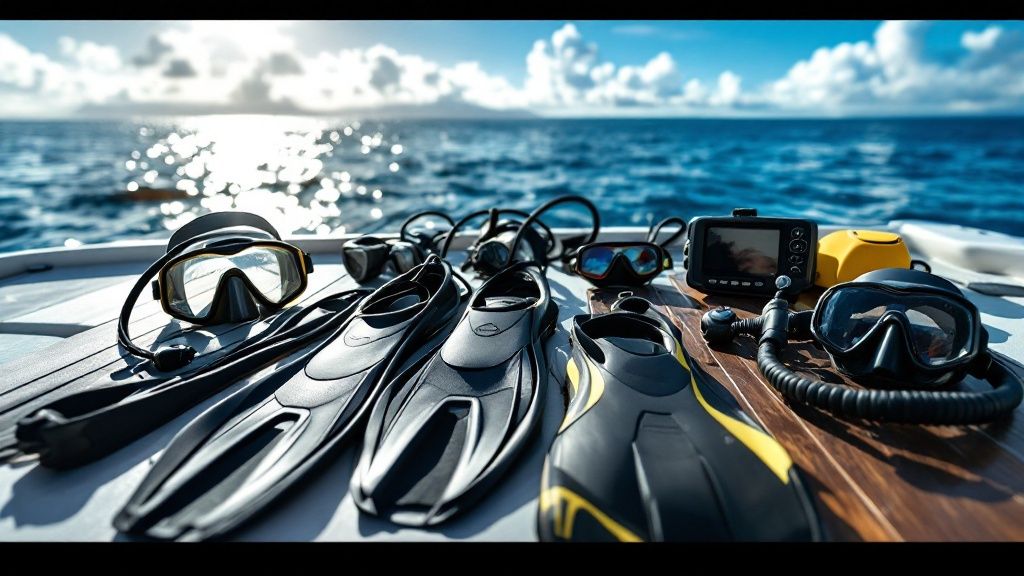
So you've explored the reefs and are itching for the next level of adventure. This is where Kona’s specialty dives come in, offering experiences that are truly unforgettable. These aren't just about going deeper or staying down longer; they're about witnessing a side of the ocean few people ever see.
While the sunlit reefs are incredible, the real magic for many seasoned divers happens in the deep blue—and in the profound darkness after sunset. It's these advanced dives that cement Kona's reputation as a world-class destination, serving up challenges and rewards that will blow away even the most experienced diver.
The absolute pinnacle of these experiences has to be the Kona Blackwater Dive, an otherworldly trip often nicknamed "Pelagic Magic." Forget the reef. On this dive, you'll be tethered to a boat, drifting in the pitch-black open ocean miles from shore, suspended over thousands of feet of water.
The Surreal World of the Blackwater Dive
The closest thing I can compare a blackwater dive to is floating through outer space, surrounded by a galaxy of living stars. As you descend, your dive light cuts through the darkness and illuminates a universe of bizarre, beautiful creatures you’ve likely never seen before.
What you're actually witnessing is one of the planet's largest migrations. Every night, countless tiny, bioluminescent organisms rise from the abyss to feed near the surface, and you get a front-row seat.
You’ll see things that look like they were dreamed up for a sci-fi movie. Many are the larval forms of common reef critters, but at this stage, they're often transparent, alien-like, and shimmering with their own internal lights.
What makes Kona diving so special is this "Pelagic Magic" night dive. You get to witness this incredible vertical migration of tiny, mostly see-through creatures ascending from hundreds, or even thousands, of feet below. Thanks to Kona’s calm seas and deep offshore waters just a short boat ride away, it's a globally recognized experience that many try to imitate but few can match. You can read more about the science behind this unique dive and what makes Kona the perfect spot for it.
Other Advanced Kona Diving Adventures
Beyond the blackwater experience, Kona is full of opportunities for advanced divers to push their limits and explore more rugged underwater landscapes. The same volcanic activity that created the shallow reefs also carved out deeper, more complex structures that are a thrill to explore.
These advanced dives often include:
- Lava Tube Navigation: Many sites have wide, swim-through arches, but some feature more intricate lava tube systems. Exploring these safely requires rock-solid buoyancy control and sharp navigation skills.
- Deep Reef Exploration: Dropping below 100 feet opens up a whole new world. You’ll find different marine life and dramatic underwater terrain, from sheer drop-offs to deep canyons.
- Remote Pinnacle Dives: Some of Kona’s most pristine dive sites are further offshore. These trips require longer boat rides and the skill to handle potentially stronger currents, but the payoff is huge.
These advanced trips are for divers who are truly comfortable in the water and have their fundamental skills dialed in. The reward? Access to less-crowded sites that are absolutely teeming with life and a chance to see Kona's underwater world in a completely new light.
If you’re ready for the challenge, the options are spectacular. The Big Island's unique geology and deep offshore waters have created a genuine playground for advanced divers. Whether you're drifting through the cosmos on a blackwater dive or navigating a lava tube, you’ll find that Kona always has another secret to share.
Ready for a mind-bending experience? Dare to explore the deep with the Kona Blackwater Night Dive. Or, if you're looking to challenge your skills on some epic sites, check out the Premium Advanced 2-Tank Trip.
Your Kona Diving Questions Answered
Planning a dive trip always brings up a few questions. To help you get ready for your Kona adventure, I’ve put together answers to some of the things people ask most often. Think of this as your quick guide to a smooth and unforgettable dive vacation.
When Is the Best Time of Year to Dive in Kona?
Honestly, there's no bad time to dive in Kona. The island’s west coast is naturally sheltered, giving us great conditions almost every day of the year. The water is always inviting, hovering around a pleasant 76°F (24°C) in the winter and warming up to a balmy 81°F (27°C) in late summer.
That said, certain seasons have unique perks. Dive with us from December to March, and you’ll likely hear the incredible songs of humpback whales echoing through the water. Come in the summer, and you might just get lucky with a visit from a massive whale shark.
Do I Need to Be an Advanced Diver to Enjoy Kona?
Not at all! Kona is a fantastic place for divers of all stripes. We have plenty of calm, shallow reef sites that are perfect if you're newly certified. They're a great place to get comfortable underwater while being surrounded by tons of colorful fish.
If you're looking for more of a challenge, we’ve got you covered. Kona offers incredible advanced dives, from exploring deep lava tubes to experiencing the one-of-a-kind Blackwater Dive. Reputable operators like Kona Honu Divers are experts at matching divers to the right sites, so everyone has a safe and amazing time.
What Kind of Wetsuit Should I Bring?
For most dives here, a 3mm or 5mm full wetsuit is just right. Even with our warm water, doing multiple dives in a day can leave you feeling a bit chilly, and you'll definitely appreciate the extra insulation on a night dive.
If you're on the fence, go with a 5mm wetsuit. It’s a solid choice, especially if you get cold easily. For the Manta Ray or Blackwater dives, some people even add a hood or vest to stay perfectly comfortable while watching the show.
Is the Kona Manta Ray Dive Really Worth It?
One hundred percent, yes. It's not just a dive; it's a completely surreal experience that's consistently called one of the best night dives on the planet. The setup is simple: you descend to a sandy spot about 30-40 feet deep and gather around a collection of bright lights often called "the campfire."
These lights attract clouds of plankton, which is dinner for the giant manta rays. You just kneel on the bottom and watch as these gentle giants glide, swoop, and do barrel rolls inches over your head. It’s a humbling, breathtaking spectacle that you’ll be talking about for years.