
Picture this: you descend into calm, crystal-clear water where ancient lava flows have sculpted a spectacular underwater playground. That's Kona diving in a nutshell. It’s an experience built on vibrant coral reefs, insane visibility, and a ridiculous amount of marine life. The Big Island's unique geology has created a sheltered underwater world, making it a true bucket-list spot for divers of any and every skill level.
Why Kona Is a World-Class Diving Destination
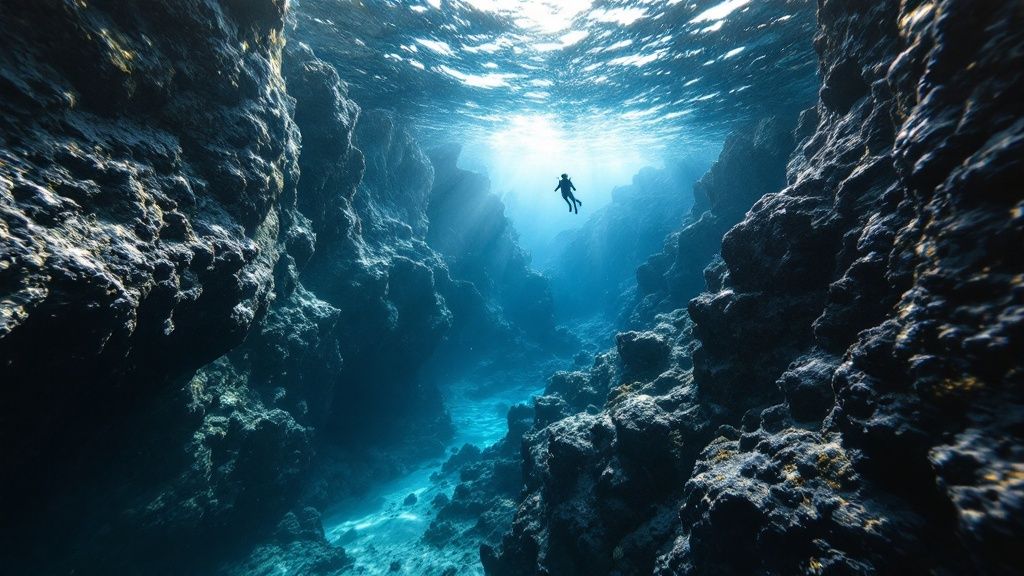
Kona’s reputation as a top-tier dive spot is no accident—it's a direct result of its volcanic origins. The two massive volcanoes, Mauna Loa and Hualalai, act like giant bodyguards, shielding the Kona coast from the powerful trade winds that batter other parts of Hawaii. This natural protection is the secret sauce for consistently calm, clear ocean conditions, where visibility often pushes past 100 feet.
That tranquil environment is exactly what our coral reefs love. Unlike places with sandy bottoms, Kona’s underwater landscape is a dramatic tapestry of lava tubes, massive arches, and submerged craters all formed by ancient lava flows. These complex structures create the perfect high-rise apartment buildings for a staggering variety of marine creatures, turning every single scuba diving Kona, Hawaii tour into an exploration of a bustling underwater city.
A Sanctuary for Marine Life
The sheltered waters along the Kona coast are absolutely teeming with life. From the moment you dip below the surface, you’re almost guaranteed to meet a diverse cast of characters.
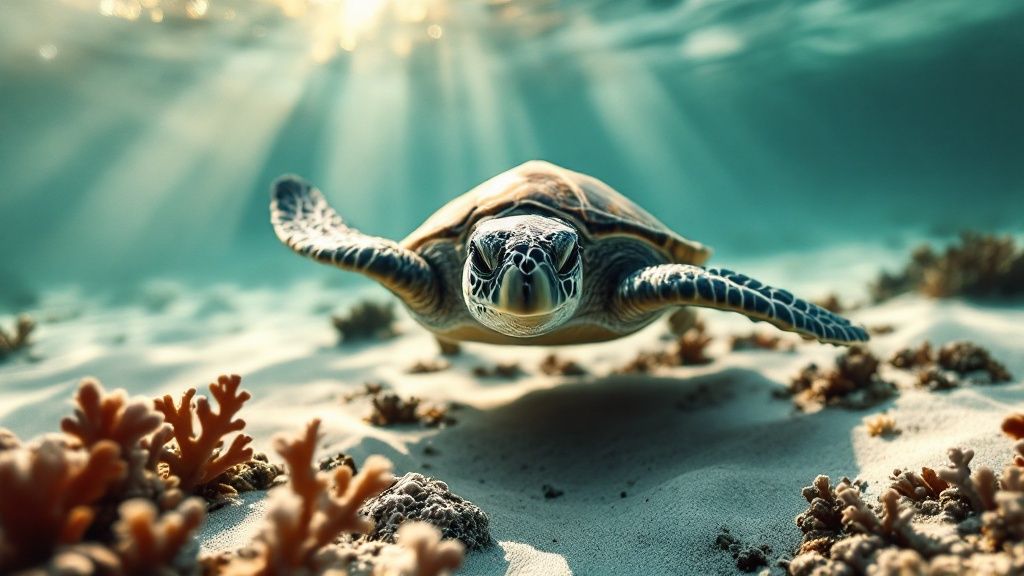
- Hawaiian Green Sea Turtles (Honu): These gentle giants are a common and beloved sight. You’ll often find them cruising by or just chilling out on the reef for a cleaning.
- Spinner Dolphins: Famous for their acrobatic leaps above the water, we frequently see these playful pods traveling along the coastline on our way to and from dive sites.
- Endemic Species: A huge chunk of the fish species here are found nowhere else on Earth. For any diver, that means you're seeing something truly unique every time you get in the water.
This rich biodiversity makes every underwater journey an unpredictable adventure. Whether you're a seasoned pro or just getting your fins wet, the sheer amount and variety of marine life make Kona diving an unforgettable experience. A top-rated operator like Kona Honu Divers can safely guide you through these natural wonders, making sure you see the very best of what these waters have to offer.
Ready to explore? You can check out a full list of our available Kona diving tours to find the perfect underwater trip for you.
The Unforgettable Manta Ray Night Dive
Of all the amazing things you can do underwater in Hawaii, one experience sits in a class all its own. It's the one that puts Kona on the global diving map, the one people talk about for the rest of their lives: the Manta Ray Night Dive.
It’s often called an "underwater ballet," and honestly, that’s the perfect description. This is, hands down, the most iconic adventure in the world of Kona diving.
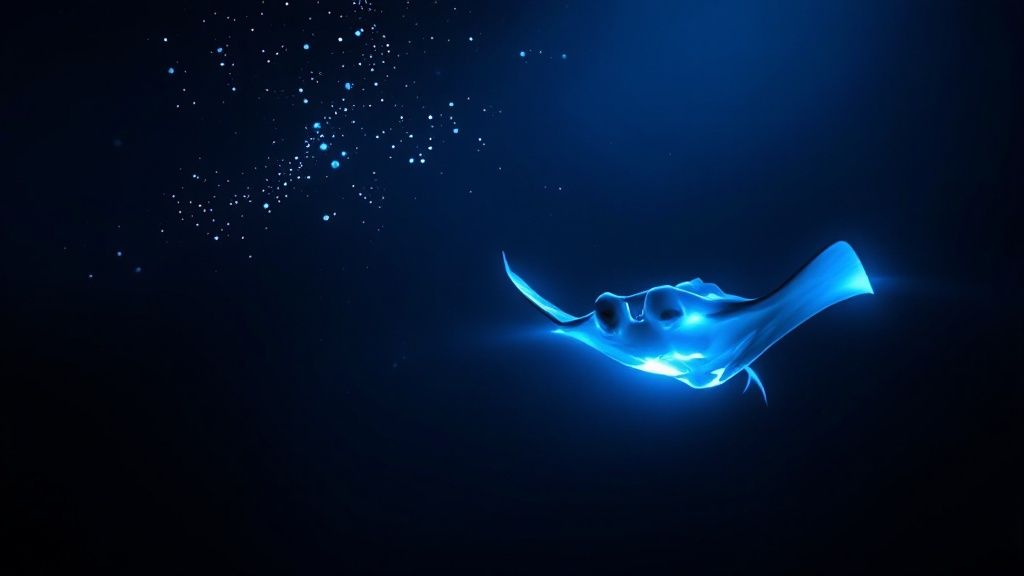
Picture this: The sun has set, and you descend into the warm, dark Pacific. You and your group find a spot on a sandy patch of the ocean floor, aiming your dive lights straight up. The beams cut through the darkness, attracting swarms of plankton that create a glowing, all-you-can-eat buffet.
And then, the show begins.
From the shadows, giant manta rays emerge, some with massive wingspans stretching over 12 feet. They glide effortlessly into the light, performing these graceful, looping barrel rolls as they filter the plankton from the water. They soar right over your head—sometimes just inches away—their huge forms silhouetted against the illuminated water. It's simply magical.
Why This Dive Is a Global Phenomenon
There's a reason Kona is known as the most reliable place on Earth to see this. The area is home to a year-round resident population of about 200 individual manta rays, and each one can be identified by the unique spot patterns on their bellies.
This consistency means sightings are almost guaranteed. On a really good night, divers have seen over 20 different mantas, with some incredible nights logging up to 36 individuals at once! You can discover more about this amazing underwater spectacle here.
This whole encounter is only possible because of carefully managed, responsible tourism. Dive operators like Kona Honu Divers follow strict guidelines to ensure the safety and well-being of these gentle giants.
"Diving with mantas is one of the most satisfying things a person can do in the water. It’s impossible to describe the feeling of watching a massive fish the shape of a stealth bomber coming into vision." – Samuel Beckett, Planet Dive
Ensuring a Safe and Respectful Encounter
Our top priority is your safety and the mantas' welfare. The entire dive is highly structured to be as non-invasive as possible.
- Diver Positioning: We have divers remain on the ocean floor. This creates a safe "viewing arena" and leaves the water column wide open for the mantas to swim and feed freely.
- Snorkeler Positioning: Snorkelers stay up at the surface, holding onto a specially designed floatation board that has lights pointing down.
- Observe, Don't Touch: This is the golden rule. We enforce a strict hands-off policy. Touching a manta ray can remove its protective mucous coating, which leaves it vulnerable to infection.
By following these simple rules, you get to be a respectful guest at one of nature's most breathtaking shows. We provide a safe, thrilling, and unforgettable journey into their world. If you’re ready to experience this incredible Kona diving adventure, book your spot on our world-famous manta ray dive tour today.
Discovering Kona’s Diverse Marine Life
Look, the manta rays absolutely deserve their celebrity status, but they're just the headliners in a much bigger show. What a lot of people don't realize is that Kona diving is so much more than that one incredible experience. Once you drop below the surface, you enter a bustling underwater metropolis, and every single dive introduces a whole new cast of characters.
Think about how this island was formed. Ancient lava flows created this incredible underwater landscape—a maze of caves, canyons, arches, and swim-throughs. It's the perfect real estate for an insane variety of sea life. This unique geology is the foundation for healthy coral reefs, which then attract a whole community of fish and critters.
It's an ecosystem so precious that people are finding new ways to protect it. Cool advancements like using drones in marine conservation are helping researchers keep an eye on things from above, which is vital for preserving this underwater world for years to come.
The Phenomenon of Endemism
Here’s what really sets Kona apart: its mind-boggling number of endemic species. In fact, Kona's waters have the highest recorded rate of endemism for marine life anywhere in the world. What does that mean? It means a huge chunk of the animals you see here can't be found anywhere else on the planet.
You might be swimming right next to a Potter's Angelfish or a Milletseed Butterflyfish, creatures that evolved in total isolation for millions of years. This isn't just watching fish; it's like stepping into a living museum. Every dive becomes a true expedition of discovery. We've got a great guide on finding endemic marine animals on the Big Island if you want to know what to look for.
Kona is also the birthplace of the wild "Pelagic Magic" or blackwater dive. It's an open-ocean night dive where you witness a massive nightly migration of bizarre, often transparent, deep-sea creatures coming up from the abyss. It’s a totally different universe down there.
Kona's Famous Residents and Seasonal Visitors
While you’re out exploring the reefs, you’re pretty much guaranteed to run into some of Kona’s most famous locals. Keep your eyes peeled for more than just the fish!
- Hawaiian Green Sea Turtles (Honu): You'll see these guys everywhere. They're ancient, graceful, and a total joy to watch as they cruise by or just nap on the reef.
- Spinner Dolphins: Often spotted from the boat, these acrobatic dolphins travel in huge pods and love to put on a show.
- Frogfish: Talk about masters of disguise. Spotting one of these weird and wonderful predators is a serious badge of honor for any diver.
- Humpback Whales: If you’re here in the winter (December to March), you won't just dive—you'll dive to a live soundtrack. Hearing the haunting songs of male humpbacks echoing through the water is something you'll never, ever forget.
Every season in Kona offers something different, which is why we never get tired of jumping in. You just never know what you're going to see.
Top Kona Dive Sites for Every Skill Level
With a coastline boasting over 50 unique dive spots, picking just one for your Kona diving adventure can feel like a tough choice. But here's the great news: the Big Island’s underwater landscape truly has something for everyone. It doesn't matter if you're about to take your first breath underwater or if you have hundreds of dives in your logbook.
The real secret is matching the dive site to your comfort and skill level. Thanks to our incredible volcanic topography, you can find everything from calm, protected coves perfect for a chill dive to dramatic, deep-water structures that will get your heart pumping—all just a short boat ride away. This incredible variety means every diver can find their perfect underwater playground. For an even closer look, we've broken down some of the most beautiful Kona diving sites right here.
Choosing the right spot can make or break your dive day. To help you narrow it down, here’s a quick guide to some of our favorites.
Kona Dive Site Guide
| Dive Site | Average Depth | Skill Level | Key Features |
|---|---|---|---|
| Pawai Bay | 20-40 ft | Beginner | Calm, protected bay, vibrant reef, turtles |
| Kailua Bay | 15-35 ft | Beginner | Easy entry, great for training, diverse fish |
| Au Au Crater | 40-70 ft | Intermediate | Submerged crater, lava tubes, archways |
| Blackwater Dive | Open Ocean | Advanced | Pelagic drift, bioluminescence, rare critters |
This is just a small taste, of course. Each site has its own personality, and conditions can change day by day. That's part of the fun!
For the Beginner Diver
If you're new to the sport or just looking for a relaxed, beautiful dive, Kona is loaded with shallow reef sites that are perfect for getting comfortable and building confidence.
-
Pawai Bay: This spot is a classic for a reason. It's a naturally protected bay with almost no current, which means calm, easy conditions. The reef sits at a max depth of around 40 feet and is absolutely packed with colorful fish, moray eels, and you can almost always find a few turtles chilling out.
-
Kailua Bay: Just a stone's throw from town, this site offers a super easy entry and a gentle introduction to what Kona's underwater world is all about. It’s an ideal spot for training dives and long, leisurely explorations.
These sites are all about calm water and big rewards. They let you focus on your breathing and buoyancy while taking in the amazing scenery, without having to worry about tricky navigation or strong currents.
For the Intermediate Diver
Once you've got your fins under you, a whole new world of Kona diving opens up. The island is legendary for its lava tubes, dramatic arches, and incredible underwater structures that are an absolute thrill to explore.
These volcanic formations are the signature of the Big Island. Thousands of years ago, lava flows carved out a complex maze of swim-throughs, caverns, and canyons that are now home to a stunning concentration of marine life.
A site like Au Au Crater is an experience you won't forget. You get to descend into a submerged volcanic crater and glide through massive archways and ancient lava tubes. You’ll often find huge schools of fish seeking shelter inside, and if you look closely, you might spot a few white-tip reef sharks napping on the sandy bottom.
For the Advanced Adventurer
For divers with plenty of experience and a thirst for adventure, Kona delivers some truly unique, heart-pounding dives. These sites demand excellent buoyancy control and a solid comfort level in the water. We run specialized advanced dive tours that take you to some of the most spectacular and less-trafficked spots around the island.
But the ultimate advanced dive—the one people travel from all over the world for—is the legendary Kona Blackwater Dive. This isn't your typical reef dive; it's a journey into the deep, open ocean at night. You'll drift, tethered to the boat, over thousands of feet of water, watching as bizarre and often bioluminescent creatures rise from the abyss on their nightly vertical migration. It's a completely surreal experience that feels more like a spacewalk than a scuba dive.
How to Choose the Right Kona Dive Operator
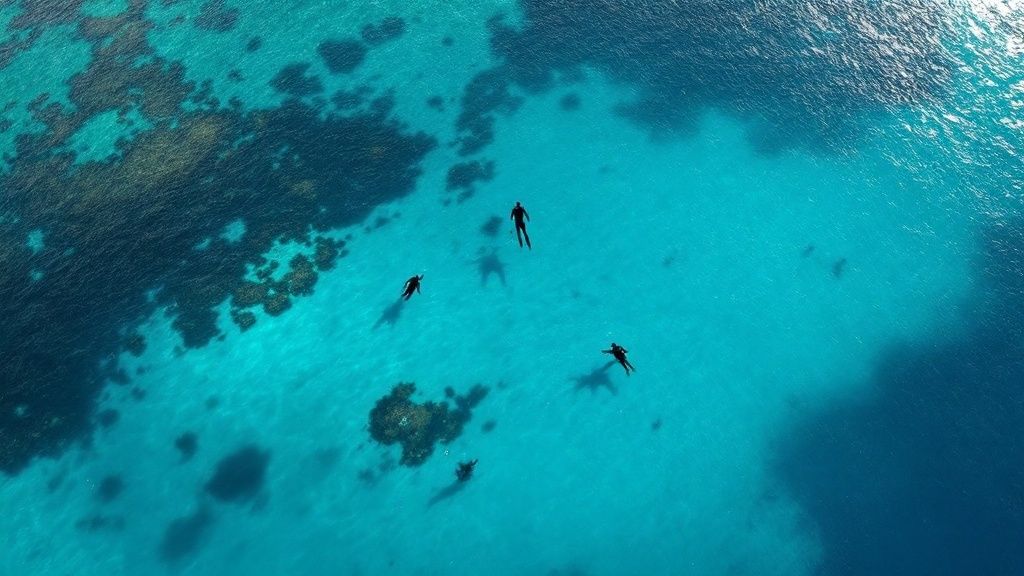
Let's be honest, your dive operator is way more than just a boat ride. They're your guide, your safety net, and the ones who hold the keys to unlocking the absolute best of Kona’s underwater world. Picking the right shop can take your Kona diving trip from just "good" to something you'll talk about for years.
So, with a few outfits to choose from, how do you find the best one for your adventure?
It really boils down to three things: safety, local experience, and a genuine respect for the ocean. A top-tier operator will have an impeccable safety record, full stop. Their guides should be seasoned pros who know the local dive sites like the back of their hand—not just the famous ones, but the hidden nooks and crannies where the cool critters hang out.
Another huge factor? Small group sizes. Getting herded onto a boat with a massive crowd can feel chaotic and impersonal. A smaller group means a more relaxed, personal, and attentive experience, both on the boat and, more importantly, under the water.
What to Look for in a Dive Company
When you're checking out potential operators, these are the details that separate a standard tour from a truly world-class diving experience.
- Proven Safety Record: Look for a company with a long-standing, rock-solid reputation for putting diver safety above all else.
- Experienced Local Guides: The best guides are passionate locals. They're the ones who can spot a rare frogfish from a mile away and navigate intricate lava tubes with total confidence.
- Small Group Philosophy: Fewer divers per guide means more one-on-one attention. It's simply a safer and more enjoyable way to dive.
- Commitment to Conservation: The best operators are stewards of the reef. They actively participate in and promote eco-friendly practices because they care about protecting what we all love.
Here at Kona Honu Divers, we live and breathe these standards. We've built our reputation on being a leader in the Kona community, with a professional crew that's all about creating a safe, memorable, and fun 'ohana' (family) vibe. We set a high bar for what a premier dive operation should be. For a deeper dive, check out our guide on how to choose a Kona dive shop.
Essential Safety Tips for Kona Waters
Kona’s beautiful blue waters are what diving dreams are made of, but let's be real: a safe dive is always the best dive. Keeping safety front and center is how we make sure every single trip underwater is memorable for all the right reasons. The basics of Kona diving safety don't just start when you get on the boat; they begin with being prepared.
It all comes down to knowing your personal limits, having rock-solid buoyancy control, and always, always respecting the marine life and their home. These aren't just suggestions—they're the pillars of being a good, responsible diver. In a way, it’s like any outdoor adventure; preparation is everything. There are some good general safety considerations for outdoor enthusiasts that, while geared toward hiking, drive home the same core message: know your environment before you go.
Understanding Local Conditions and Risks
Here in Kona, the currents and conditions can change on a dime, which is why local knowledge is so important. Before you even think about getting in the water, you need a reliable, up-to-the-minute report on what the ocean is doing. We put together a guide on how to check ocean conditions for the Big Island that's a great place to start.
This is especially critical for snorkelers. Scuba diving has its own set of managed risks, but the statistics reveal a startling gap. Between 2009 and 2018, there were 206 snorkeling-related fatalities in Hawaii. For visitors, the fatality rate was a shocking 13 times higher than the U.S. national average. For comparison, scuba diving saw 28 fatalities in that same decade.
The numbers don't lie, and they tell a crucial story: unfamiliar waters require expert guidance. This is why going out with a professional, chartered operator like Kona Honu Divers makes such a difference. You get boat support, proper safety briefings, and experienced guides who live and breathe these waters. Never go into an unfamiliar ocean environment alone.
Got a few questions before you book? Perfect. Let's run through the most common things people ask us about diving in Kona. This should help you button up those final trip details.
What Is the Best Time of Year to Dive in Kona?
Honestly, there's no bad time to dive in Kona. Thanks to the way the island shelters our coastline, the conditions are fantastic all year round. The water temperature is always comfortable, hovering around 75°F in the winter and a balmy 82°F in the summer.
- Summer (May-October): This is when you'll typically find the absolute calmest, warmest water and crystal-clear visibility. It's prime time for classic Kona diving.
- Winter (November-April): Things cool down just a tad, but this is when the humpback whales arrive. Hearing their songs echo through the water while you're on a dive is something you'll never, ever forget.
What Scuba Certification Do I Need?
For most of our daily Kona dive tours, a standard Open Water certification is all you need to join in on the fun. We've got plenty of sites that are perfect for divers of all levels.
Of course, we also run introductory dives if you're brand new to scuba, as well as advanced charters for experienced divers looking for a bit more of a challenge. For our specialty dives, like the famous Kona Blackwater Dive, you'll need an Advanced Open Water certification and really solid buoyancy control.
Is the Manta Ray Night Dive Guaranteed?
We get this one a lot! While manta rays are wild animals and we can't technically guarantee nature, Kona offers the most reliable manta ray sightings on the entire planet, with a success rate well over 90%.
These aren't just random visitors; we have a resident population of mantas that shows up almost every single night to feed. In the very rare case that the mantas decide to take the night off, reputable operators like us have a simple policy: you can come back and try again on another night, on our dime.
We want to make sure you have the best possible chance to witness this incredible spectacle. Ready to see the show?