
Welcome to Kona diving. If you've ever dreamed of exploring an underwater world defined by calm, crystal-clear water and mind-blowing marine life, you’ve found the right place. The Big Island's Kona coast serves up some of the most memorable and accessible scuba adventures on the entire planet.
We’re talking about the world-famous Manta Ray Night Dive, vibrant coral reefs that explode with color, and even unique deep-water expeditions that feel like visiting another planet.
Why Kona Is a Diver’s Paradise
Picture this: an underwater landscape carved out by volcanoes, where ancient lava tubes, dramatic arches, and massive caverns create a natural playground for divers. That's what's waiting for you here.
The secret to Kona's incredible diving conditions lies with the two massive volcanoes, Mauna Loa and Hualalai. They act as a gigantic natural barrier, shielding the coastline from the powerful trade winds. The result? Exceptionally calm and clear water nearly every single day of the year. This isn't just a lucky break; it's a geological gift.
This means you spend less time fighting currents and more time just soaking in the view. The lava rock foundation has given coral reefs the perfect platform to thrive, and thrive they have. The ecosystem here supports a staggering array of marine life, from tiny, jewel-like reef fish to majestic green sea turtles. This reliable beauty is exactly why Kona has earned its spot as a world-class diving destination.
The Big Three Kona Adventures
While there are dozens of amazing dive sites, Kona is really known for three iconic, can't-miss experiences. Each one offers something completely different.
- The Manta Ray Night Dive: It’s an underwater ballet. Giant, gentle manta rays swoop and glide through the beams of your light, feeding on plankton in a spectacle you will never, ever forget. You can book this incredible manta ray dive tour and see it for yourself.
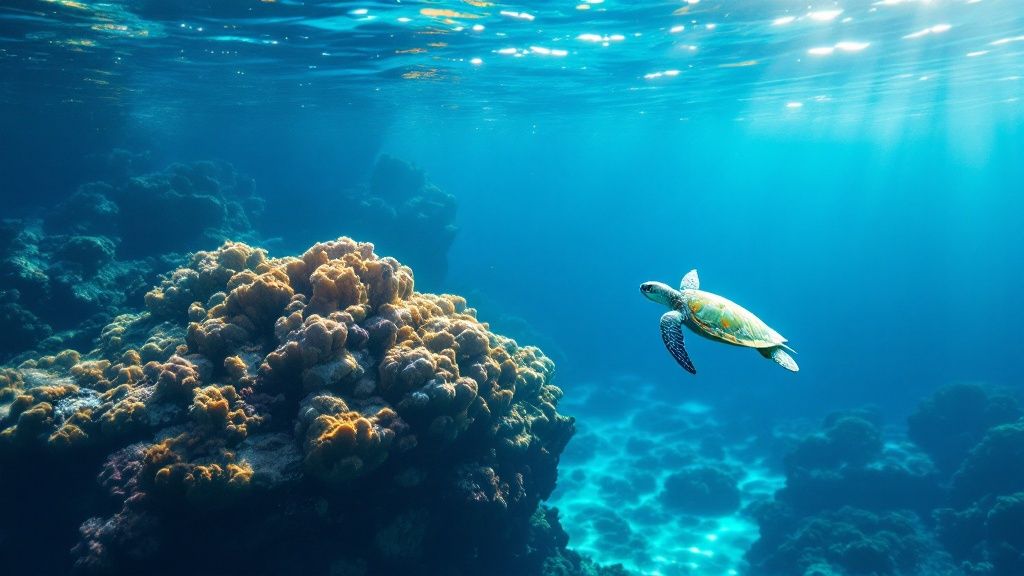
- Daytime Reef Dives: Imagine exploring sun-drenched coral gardens packed with colorful fish, eels, octopuses, and of course, the beloved Hawaiian green sea turtle, or honu.
- The Blackwater Dive: This one is truly surreal. You'll take a nighttime journey into the deep open ocean to witness bizarre and beautiful bioluminescent creatures rising up from the abyss. This unique trip is a must for adventurous divers. You can learn more about the Blackwater Dive tour here.
These unique dives are a huge part of the many reasons to scuba dive in Kona, Hawaii. The local dive scene here has a long, professional history, kicked off by pioneers like Jack's Diving Locker back in 1981. Today, the industry safely guides over 150,000 dive tourists annually, creating a safe, professional, and exciting environment for everyone.
Whether you're a seasoned pro with hundreds of dives under your belt or a curious beginner ready for your first breath underwater, the adventure starts right here.
Kona’s Holy Trinity: The Three Dives You Can’t Miss
Sure, the entire Kona coast is an underwater playground, but there are three legendary dives that really define the Kona diving experience. These aren't just good dives; they're world-famous encounters that people travel across the planet to see for themselves.
Each one offers a completely different window into the magic hiding just below the surface. First, you've got the surreal ballet of the Manta Ray Night Dive. Then there are the sun-drenched reef dives, where volcanic history creates a vibrant underwater city. And for the truly adventurous, there's the blackwater dive—a journey into the abyss.
Let's break down what makes each of these so unforgettable.
The World-Famous Manta Ray Night Dive
People throw the phrase "world-class" around a lot, but the Kona Manta Ray Night Dive truly earns it. It's consistently ranked as one of the best night dives on the planet, and for good reason. It’s absolutely breathtaking.
Picture this: you’re kneeling on a sandy patch of the ocean floor in the dark. Suddenly, graceful giants with wingspans stretching over 12 feet swoop in, gliding inches over your head. It’s a surreal, humbling experience that feels like a perfectly choreographed performance.
So how does it work? Think of it like an underwater campfire. We place powerful, eco-friendly lights on the seafloor that shine upwards. These beams attract huge clouds of plankton, which is dinner for manta rays. The local mantas, knowing a free meal when they see one, show up to feast, performing effortless somersaults and barrel rolls as they filter the plankton from the water.
This isn't just a quick glimpse of wildlife. You get a front-row seat to one of nature's most spectacular feeding rituals. These mantas aren't baited or trained; they're wild animals showing up for a reliable buffet, and we’re just quiet, respectful observers.
Because our mantas are resident animals that stick around, this dive runs year-round with a success rate of over 90%. You're practically guaranteed an incredible show. To get the full story, check out our deep dive into the Kona Manta Dive.
Vibrant Daytime Reef Dives
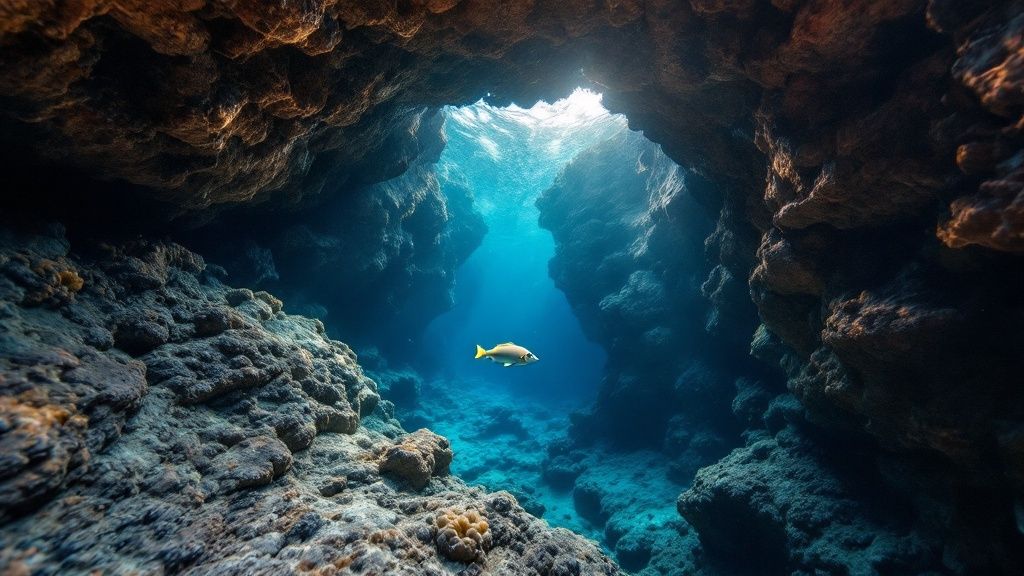
When the sun is up, the Kona coast shows off a totally different kind of beauty. The same volcanic forces that shelter our waters from wind and waves have also created an underwater landscape you won't find anywhere else. The diving here is a maze of ancient lava tubes, dramatic archways, and cool swim-throughs, all covered in healthy, vibrant coral.
This unique underwater architecture is the perfect home for an incredible amount of marine life. On a typical reef dive here, you're almost certain to run into:
- Honu (Hawaiian Green Sea Turtles): These chill reptiles are everywhere, either resting on the reef or cruising by without a care in the world.
- Colorful Reef Fish: The reefs are buzzing with endemic species like butterflyfish, triggerfish, and parrotfish, creating a constant kaleidoscope of color and movement.
- Unique Critters: If you keep your eyes peeled, you can spot octopuses camouflaged against the rocks, moray eels peeking out of their homes, and majestic eagle rays soaring through the blue.
Our calm, clear conditions mean the visibility is usually fantastic. Sunlight streams down, lighting up the reef and making all those colors pop. Exploring these underwater lava formations feels like navigating a submerged sculpture garden that’s absolutely teeming with life.
The Otherworldly Blackwater Dive
For the adventurous souls out there, the Kona Blackwater Dive is something else entirely. It’s hard to even describe. It feels less like scuba diving and more like a spacewalk through the deep ocean. We head miles offshore at night, over thousands of feet of water.
Divers are tethered safely to the boat and drift in the darkness, suspended in the open ocean. Armed with powerful lights, you'll witness one of the largest migrations on the planet as bizarre and beautiful deep-water creatures rise toward the surface to feed under the cover of night.
You’ll encounter organisms that spend their entire lives in the pelagic zone—the vast, open water far from any reef or seafloor. Many of these critters are bioluminescent, creating their own light in the pitch-black, while others are almost completely transparent. It’s a rare chance to see a world of alien-like creatures, from strange jellies to larval fish, that you'd never find on a reef. This dive is a profound reminder of just how much life is packed into the vast, dark spaces of our oceans.
How to Choose the Best Kona Dive Sites
The secret to an unforgettable Kona diving trip is simple: match the dive site to your skill level and what you want to see. With over 50 unique spots scattered along the Big Island's coast, it's easy to feel overwhelmed. But with a little insider knowledge, you can find the perfect underwater playground for your certification, guaranteeing every single dive is as safe as it is spectacular.
Making the right choice means you'll be front and center for the incredible lava formations, healthy reefs, and swarms of marine life that put Kona on the map. Whether you're dreaming of a calm, shallow reef loaded with turtles or a dramatic, deep-water crater, there’s a site here with your name on it.
Dive Sites for Beginner and Novice Divers
If you’re new to the sport or just shaking off some rust, Kona has plenty of spots with calm, protected conditions and easy depths. These sites are perfect for building confidence without sacrificing any of the "wow" factor. You're not getting a watered-down experience; you're getting a world-class dive tailored for comfort.
One of the most requested spots for new divers is Pawaii Bay. We affectionately call it "Turtle Heaven," and for good reason—it almost never disappoints. Depths here hang out between 20 and 50 feet, making for a super relaxing dive where you’re practically guaranteed to see Hawaiian green sea turtles (honu) chilling on the reef. The gentle slopes and cool lava features are a breeze to navigate.
Another fantastic option is Turtle Pinnacle, a classic Kona site famous for its "cleaning station." This is where turtles line up to let smaller reef fish nibble algae off their shells. It’s an incredible thing to witness and a perfect opportunity for photographers to capture some amazing natural behavior.
Intermediate Sites for Certified Divers
For divers who have their buoyancy dialed in, Kona’s intermediate sites open up a whole new world of exciting underwater landscapes. Think stunning lava tubes, dramatic archways, and intricate swim-throughs that show off the island's volcanic soul.
A perfect example is Golden Arches, named for two massive lava rock arches you can safely cruise through. Just north of Honokohau Harbor, this spot is an underwater photographer's dream. When the sunlight streams through the arches, it's pure magic. The reef is packed with schools of soldierfish, moray eels, and the occasional octopus hiding in plain sight.
Then there's Suck ‘em Up Lava Tube. This site has a huge cavern with a "skylight" hole in the ceiling. On days with a bit of surge, water gets pushed into the cavern and then pulled back out the main entrance. It creates this fun, gentle "sucking" sensation that's totally safe and a blast to experience. It’s a great way to feel the dynamic power of the ocean.
While you're planning your dives, remember that some of these incredible spots, like Kealakekua Bay, are also famous for snorkeling. If you have non-divers in your group or just want to see the bay from the surface, this guide to the Captain Cook Snorkel Tour in Kealakekua Bay is a great resource.
Advanced Dives for the Experienced Adventurer
Got an advanced certification and a thirst for something more? Kona delivers. The advanced sites are deep, sometimes challenging, and always rewarding, offering unique geology and a better shot at seeing bigger pelagic animals. More experienced divers should check out our advanced dive tours for a true challenge.
Au Au Crater is the premier deep dive here. It's a submerged volcanic crater with a massive, crescent-shaped wall that drops off into the blue. We typically explore the rim at depths of 80 to 100 feet, keeping an eye out for eagle rays, reef sharks, and sometimes even hammerheads cruising by. Just seeing the sheer scale of the crater makes this a true bucket-list dive.
Kona Dive Sites by Skill Level
To make planning a bit easier, here’s a quick-reference guide to find the perfect Kona dive site based on your certification level and underwater interests.
| Dive Site | Skill Level | Typical Depth | What You Will See |
|---|---|---|---|
| Pawaii Bay | Beginner | 20-50 ft | Green sea turtles, eels, reef fish |
| Turtle Pinnacle | Beginner | 30-60 ft | Turtle cleaning station, vibrant coral |
| Golden Arches | Intermediate | 40-70 ft | Lava arches, soldierfish, octopus |
| Suck 'em Up | Intermediate | 40-60 ft | Lava tube, cavern, unique surge |
| Au Au Crater | Advanced | 80-130 ft | Volcanic crater, eagle rays, sharks |
This is just a small sample, of course. The Kona coast is loaded with incredible spots waiting to be explored.
To see the full range of amazing places we can take you, check out our complete guide to the dive sites Kona Honu Divers will take you to.
Finding the Right Dive Operator in Kona

Picking the right guide for your Kona diving adventure is probably the single most important decision you'll make for your trip. A great dive operator doesn't just motor you out to a site; they shape your entire experience with their expertise, safety protocols, and a genuine love for the ocean. The right crew can single-handedly turn a good dive into a truly unforgettable one.
When you start looking around, it's tempting to just compare prices, but there’s so much more to it. The best shops put safety above everything else, run comfortable and well-maintained boats, and are leaders in sustainable, responsible tourism. These aren't just bonus features—they're the foundation of a fantastic and safe day on (and under) the water.
One of the biggest things that sets operators apart is the group size they take out. Shops that focus on smaller groups, like we do here at Kona Honu Divers, can offer a much more personal and relaxed dive. Fewer divers in the water means more attention from your guide and a better, less crowded view of the incredible marine life.
What to Look for in a Kona Dive Shop
To make sure you have the best time possible, here are a few key things to keep an eye out for when choosing your operator:
- Safety First: Does the shop have a perfect safety record? Do they give detailed pre-dive briefings and have experienced, certified divemasters and instructors leading the trips? This is non-negotiable.
- Boat Comfort and Amenities: You’ll be spending a good chunk of your day on the boat between dives. Look for spacious decks, an easy way to get in and out of the water, freshwater showers for a post-dive rinse, and snacks and drinks to refuel. A comfortable boat makes a huge difference.
- Eco-Conscious Practices: The best operators have a deep respect for the fragile marine environment. They should strictly follow guidelines for things like the manta ray dive, encourage good buoyancy control, and actively participate in conservation.
- Authentic Reviews: Nothing tells the real story like the experiences of other divers. Hunt for recent, detailed reviews that give you a genuine feel for what a day with that crew is really like.
If you want to go a bit deeper, we've put together more great tips on how to choose a kona dive shop in our detailed guide.
Speaking of reviews, operators like Jack's Diving Locker have earned their stellar reputations over many, many years. Below are their live Google Reviews, giving you real-time, unfiltered feedback from fellow divers just like you.
Getting Certified or Advancing Your Skills
If you're not a certified diver yet, you’ve picked an incredible place to learn. Kona's calm, warm, and clear waters are the perfect "classroom" for getting comfortable with the skills you need to explore the underwater world with confidence.
Most local shops offer the Discover Scuba Diving program. Think of it as a test drive. It’s a one-day experience designed to give you a taste of diving without the commitment of a full course. An instructor will teach you the basics in a controlled spot before taking you on a real, supervised reef dive. It’s the ideal way to find out if scuba is your thing.
Ready to take the full plunge? The PADI Open Water Diver course is the world's most recognized scuba certification for a reason. Over a few days, you'll work through the theory, practice skills in calm water, and then complete four awesome open water dives. Once you're done, you'll be certified to dive down to 60 feet (18 meters) anywhere on the planet.
And if you're already certified, the learning doesn't have to stop. Kona is a fantastic place to continue your dive education. Courses like Advanced Open Water, Rescue Diver, and a ton of different specialties are available to sharpen your skills, boost your confidence, and open the door to even more diving adventures.
Getting Your Kona Dive Trip Dialed In
A bit of prep work before you leave home can make the difference between a good dive trip and an incredible one. Think of this as your quick guide to getting the logistics sorted out, so when you touch down on the Big Island, all you have to worry about is getting in the water.
The best part about diving here? It's phenomenal all year long. Kona's waters are known for being consistently calm and clear, but what you see underwater can change with the seasons.
When to Visit for the Best Dives
You really can't go wrong, but some times of the year have a little something extra. The water is always comfortable, hovering around a pleasant 75°F (24°C) in the winter and warming up to a toasty 81°F (27°C) by late summer. Visibility is almost always epic, frequently pushing past 100 feet.
What really makes the timing matter is the big-animal action. While our famous manta rays are here year-round, other giants come to visit.
- December to April: This is humpback whale season, hands down. You don't just see them, you feel them. On nearly every dive, you'll hear their songs echoing through the water. During your surface intervals, you’ll be scanning the horizon for breaches.
- Summer (June – September): This is when we get the warmest, flattest water. If you get chilly easily or just love that glassy, calm ocean vibe, summer is your sweet spot.
- Anytime is a Good Time: Kona's reputation as a world-class dive spot is built on what you can see any month of the year. Our unique "blackwater" or 'Pelagic Magic' dives are only possible because of the deep, clear water so close to shore. We've had whale shark sightings every month of the year. And of course, the humpbacks are a massive draw from December to April (just remember, it's illegal to swim with them). This biodiversity is why people come back year after year. For a deeper dive into what makes this place so special, check out this great piece on Kona's unique marine environment on DAN.org.
What to Pack vs. What to Rent
Packing smart means less schlepping through the airport and more comfort in the water. While we have top-notch rental gear available, a few personal items are non-negotiable.
Your Must-Bring Gear:
- Mask and Snorkel: A leaky mask can ruin a dive. Bring your own that you know fits your face perfectly.
- Dive Computer: This is the single most important piece of safety equipment you own. Always bring it.
- Swimsuits & Rash Guards: Pack at least two of each. Nothing's worse than pulling on a cold, wet suit.
- Reef-Safe Sunscreen: It's the law in Hawaii for a reason. Protect your skin and our fragile coral reefs.
- Reusable Water Bottle: Stay hydrated on the boat and help us cut down on single-use plastics.
- C-Card and Logbook: Don't forget your proof of certification!
Gear You Can Easily Rent:
Save yourself the baggage fees and hassle. Most shops, including ours, have high-quality, well-maintained BCDs, regulators, and wetsuits ready to go. Just let us know your sizes when you book your Kona diving tours, and we'll have it all set for you.
Booking Your Flights & Stay
Getting here is easy. Fly directly into Kona International Airport (KOA).
When you're looking for a place to stay, we recommend finding something near Honokohau Harbor. That's where most of the dive boats (including ours) depart from. Staying close means less time in the car and more time relaxing or exploring on your off days. Book everything a bit in advance, and you'll have a smooth, stress-free start to your Kona adventure.
Staying Safe While Exploring Kona’s Waters

Let's talk about the single most important piece of gear you have: a healthy respect for the ocean. For every jaw-dropping moment you'll have diving in Kona, there's a bedrock of smart, safe practices that make it all possible. When you nail the safety stuff, you can truly relax and just soak in the magic.
This all starts long before your fins hit the water. It’s about being real with yourself—and your guide—about your comfort level and diving within the limits of your certification. It also means listening up during the pre-dive briefings. Your local guide is sharing crucial, site-specific info that you simply won't find in a manual.
Practical Tips for a Safe Dive Day
Beyond the standard procedures, a few simple habits can make a world of difference out here. The Hawaiian sun is no joke, and you’ll be spending a lot of time on the boat.
Staying hydrated is absolutely critical. Gulp down that water all day long, because dehydration can seriously increase your risk of decompression sickness. Just as important is slathering on reef-safe sunscreen. You'd be amazed how fast you can get burned, so apply it generously and reapply it after you come up.
- Dive Within Your Limits: Don't get pressured into a deep dive if you're not trained for it. Kona has plenty of spectacular shallow sites that will blow your mind.
- Master Buoyancy: Nailing your neutral buoyancy isn't just a cool party trick; it's how we protect Kona's fragile coral. A single misplaced fin kick can destroy decades of coral growth.
- Listen to Your Guide: These folks dive these waters day in and day out. They know the currents, the critters, and the quirks of each site. Their advice is gold.
- Know Your Resources: Being a prepared diver means knowing what to do if things go wrong. Understanding things like the importance of hyperbaric chambers for diver safety is part of being a responsible member of the dive community.
Here's a surprising fact about water safety in Hawaii that every visitor should know. While scuba diving has a very strong safety record, snorkeling actually carries significant risks, especially for tourists who aren't familiar with local ocean conditions.
Between 2009 and 2018, Hawaii recorded a staggering 206 snorkeling fatalities, and 189 of those were visitors. Compare that to the 28 scuba-related deaths in the same timeframe. It's a sobering reminder that the ocean's power must always be respected.
Whether you're on scuba or just have a mask and snorkel, understanding the conditions and never overestimating your own abilities is the key. When you make safety your top priority, you guarantee your underwater adventures in Kona will be unforgettable for all the right reasons.
Kona Diving FAQs: Your Questions Answered
Got a few questions before you book? Perfect. We get these all the time, so we've put together some quick, straightforward answers to help you get your Kona dive trip squared away.
When Is the Best Time for the Manta Ray Night Dive?
Good news! The world-famous Manta Ray Night Dive is incredible any night of the year. The manta rays that frequent the Kona coast are residents, not migratory, so they show up for their plankton buffet pretty reliably, regardless of the season.
While the water is warmest from August to October, the visibility is fantastic year-round. Bottom line: there’s no bad time to witness this underwater ballet.
I’m Not Certified. Can I Still Try Scuba Diving in Kona?
You absolutely can! This is one of our favorite things to help people experience. Most Kona dive shops, including us, offer a Discover Scuba Diving program. It's a one-day adventure designed to safely introduce you to the underwater world.
An instructor will teach you the essentials in a calm, controlled setting. Then, you'll head out for a shallow, fully supervised dive on a real reef. It's the perfect way to get your fins wet without committing to a full certification course.
What's the Average Price for a Two-Tank Dive?
For a standard two-tank boat dive in the morning or afternoon, you can expect to pay somewhere between $150 and $220 per person. This price almost always covers your tanks and weights.
Just keep in mind that gear like your BCD, regulator, and wetsuit is often an extra rental fee. Specialty dives, like the Manta Night Dive or a Blackwater Dive, will be priced differently, so always check the specifics for those trips.
You can see all our tour options and current pricing by visiting our comprehensive Kona diving tours page. This makes it easy to compare and find the perfect adventure for your budget.
Besides Manta Rays, What Other Marine Life Will I See?
Kona’s reefs are absolutely buzzing with life. On just about any dive, you'll likely run into Hawaiian green sea turtles (we call them honu), playful spinner dolphins, and all sorts of eels and octopuses hiding in the reef.
The fish life is also off the charts—a huge variety of colorful butterflyfish, triggerfish, and parrotfish are everywhere. And if you get really lucky, you might just spot a tiger shark, a gentle whale shark, or even a rare Hawaiian monk seal cruising by.
Ready to see Kona's underwater magic for yourself? Book your adventure with Kona Honu Divers and let our crew show you why this is one of the best dive destinations on the planet.