
Picture this: you're descending into warm, impossibly clear turquoise water. All around you, vibrant coral gardens cling to ancient volcanic rock formations. This is what diving in Kona is all about. It’s an essential Big Island experience, famous for its calm, protected waters and absolutely world-class underwater adventures.
Whether you're hoping to swim with gentle giants like manta rays or explore underwater lava tubes, the Kona coast has a dive for you.
Welcome to Your Ultimate Kona Diving Guide
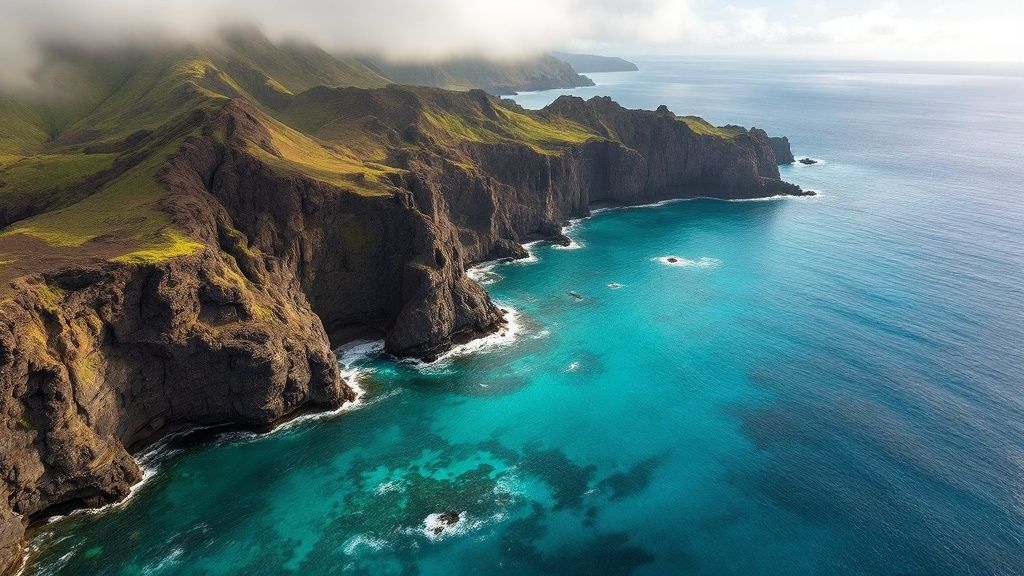
Think of this guide as your personal roadmap to planning an unforgettable underwater trip on the Big Island. It doesn’t matter if you're about to take your first breath underwater or you're a seasoned pro looking for a new thrill—Kona's unique geology and incredible marine life make for the perfect backdrop.
So, what’s the secret? The Kona coast is tucked in the shadow of the massive volcanoes Mauna Loa and Hualalai. These giants act as a natural shield, blocking the powerful trade winds and creating some of the calmest, clearest water you'll ever dive in. Visibility often pushes past 100 feet, revealing a dramatic underwater world sculpted by lava flows.
This means you get to explore a mind-boggling variety of sites without fighting strong currents or murky water. It's a dream for beginners and a playground for advanced divers. The seafloor here is a maze of lava tubes, huge archways, and coral-covered craters.
Before we dive deeper, here's a quick look at what makes Kona a bucket-list destination for divers worldwide.
Kona Diving at a Glance
| Feature | Description |
|---|---|
| Visibility | Regularly exceeds 100 feet due to calm, protected waters. |
| Water Temperature | A comfortable 75-80°F (24-27°C) year-round. |
| Marine Life | Home to manta rays, honu (sea turtles), dolphins, and hundreds of fish species. |
| Topography | Unique underwater lava tubes, arches, and volcanic craters. |
| Skill Level | Excellent conditions for all levels, from discover scuba to technical diving. |
This unique mix of features is why divers come back to Kona again and again.
What Makes Kona Diving Special
Kona is way more than just another pretty place to dive. It's a hub for some of the planet's most unique underwater encounters, consistently landing it on "world's best" lists.
- World-Famous Manta Ray Night Dive: This is the big one. You'll witness an incredible underwater ballet as giant manta rays gracefully feed on plankton attracted to dive lights. It’s a signature Hawaiian experience you just can't get anywhere else.
- Abundant and Unique Marine Life: The waters here are buzzing with life. You'll likely see Hawaiian green sea turtles (honu), playful spinner dolphins, and hundreds of species of tropical fish—many of which are endemic, meaning they're only found in Hawaii.
- Volcanic Topography: You’re not just diving over sand and rock. You're swimming through ancient lava tubes, exploring dramatic archways, and navigating underwater craters left behind by the Big Island's volcanic past.
Kona’s unique combination of calm seas, exceptional visibility, and one-of-a-kind wildlife encounters like the manta ray night dive solidifies its reputation as a premier global diving location.
To really get the most out of these incredible opportunities, you need to go with a top-notch local operator. Shops like Kona Honu Divers live and breathe these waters. They're dedicated to running safe, unforgettable, and eco-friendly diving tours in Kona that truly showcase the best of the Big Island. Their experienced guides make sure every dive is a genuine adventure, not just another tank of air.
Ready to take the plunge?
What Makes Kona a World-Class Dive Destination
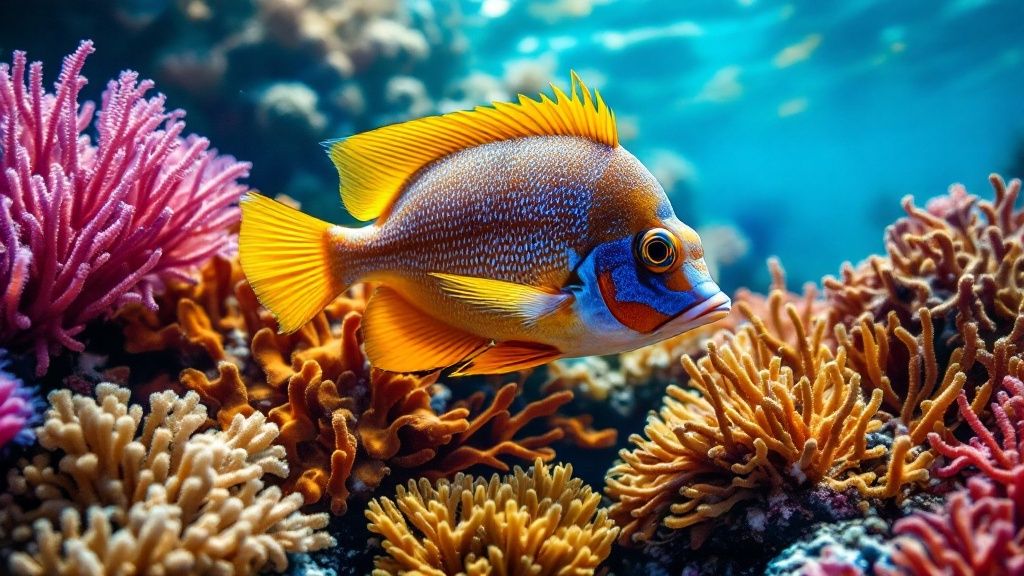
Kona isn't just another pretty spot on the dive map; it’s a truly unique underwater world, shaped by fire and protected by geography. The secret sauce to its famously incredible conditions? Two gigantic volcanoes, Mauna Loa and Hualalai, standing guard over the coastline.
These mountains are so massive they create their own weather system. They act as a natural shield, blocking the strong trade winds that batter other parts of the island. The result is water that’s consistently calm, predictable, and shockingly clear.
Visibility often pushes past 100 feet, opening up an underwater landscape that’s simply breathtaking. This geological shelter has allowed a spectacular world of dramatic lava tubes, massive archways, and ancient craters to thrive, all draped in a blanket of colorful coral.
Volcanic Topography: A Diver’s Playground
The Big Island was born from volcanoes, and that fiery geology doesn't stop at the shoreline. It plunges right into the ocean, creating an underwater playground you won’t find anywhere else. Thousands of years of lava flows have left behind a seascape that is both complex and absolutely captivating.
As a diver, you get to explore structures straight out of an adventure novel. Picture yourself gliding through a huge, hollowed-out lava tube or navigating a series of stunning underwater archways. These aren't just cool to look at; they're the perfect hideouts and homes for a huge variety of marine life. If you want to dig deeper, we've outlined more reasons to scuba dive in Kona right here.
This one-of-a-kind topography is a massive part of what makes a Kona dive so special. Every site tells a story of the island’s powerful, volcanic creation.
A Haven for Diverse Marine Life
When you combine crystal-clear, calm water with all those complex volcanic nooks and crannies, you get a thriving marine ecosystem. The reefs here are just buzzing with life, from the tiniest critters hiding in the rocks to huge pelagic species cruising by in the blue. The coast's protected nature allows fragile corals to flourish, creating a massive buffet and apartment complex for hundreds of fish species.
Kona's calm waters and rich volcanic structures create a perfect nursery and haven for marine life, leading to some of the highest fish biomass and biodiversity in the Hawaiian archipelago.
For divers, this translates into some truly unforgettable encounters. You can expect to see:
- Endemic Species: A huge chunk of the fish here can't be found anywhere else on the planet. Keep your eyes peeled for schools of vibrant yellow tangs, ornate butterflyfish, and the hard-working Hawaiian cleaner wrasse.
- Mega Fauna: Beyond the reef, Kona is famous for its big-ticket animals. It's common to run into Hawaiian green sea turtles (honu), graceful manta rays, and pods of playful spinner dolphins.
- Macro Life: The cracks and crevices of the lava rock host a fascinating miniature world. If you've got a sharp eye, you can spot well-camouflaged frogfish, colorful nudibranchs, and a whole host of different eels.
To really get the most out of these natural wonders—and to do it safely—it pays to go with a guide who knows the area inside and out. Top-rated operators like Kona Honu Divers live and breathe these sites, making sure every single dive is as amazing as it can be. Here’s what other divers have to say about their experience.
Exploring Kona’s Top Dive Sites for Every Level
Kona’s underwater world is a massive playground, with a perfect spot for every diver. Whether you're just getting your fins wet or you're a seasoned pro looking for a new thrill, there's a dive site here that will blow you away. The sheer variety means you'll find something amazing, no matter if it's your first dive or your hundredth.
A big part of what makes Kona so great is how calm and protected the waters are. This creates a safe, welcoming environment where new divers can really build their confidence surrounded by incredible sea life. For the more experienced crowd, the ancient volcanic landscape serves up some seriously rewarding challenges.
Beginner-Friendly Reefs and Calm Coves
If you're new to scuba, Kona has a whole menu of gentle, shallow reefs packed with vibrant fish. These spots are known for their easy-going conditions, barely any current, and fantastic visibility—pretty much the perfect classroom for getting comfortable underwater.
A favorite for beginners has to be Turtle Pinnacle. This isn't just a dive site; it's a natural cleaning station for our beloved Hawaiian green sea turtles, the 'honu'. You can just hang back and watch as multiple turtles line up for their spa day, letting surgeonfish and other little reef fish pick algae and parasites off their shells. With depths from 30 to 60 feet, it's a wonderfully calm place to just observe and snap some photos.
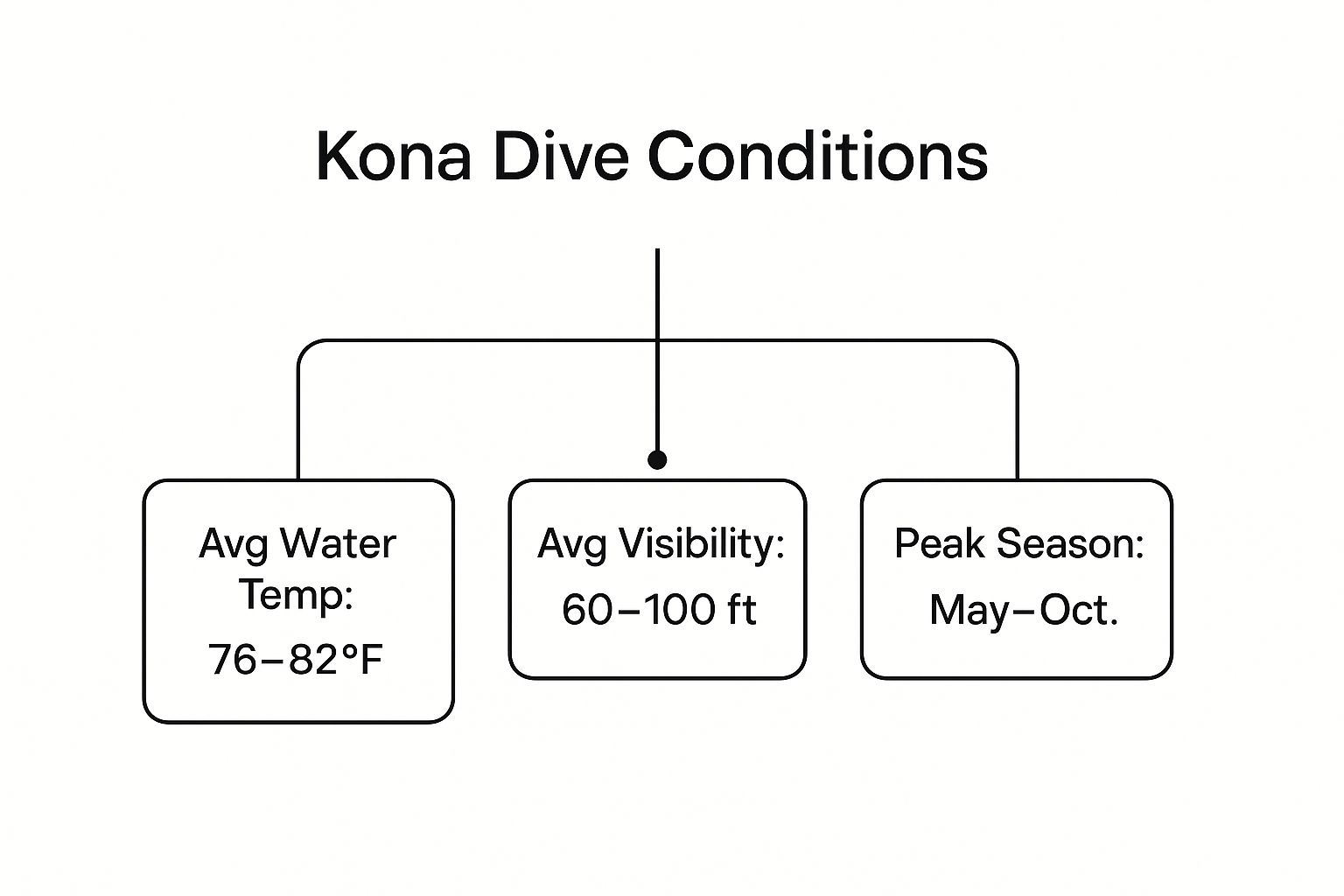
The conditions in Kona—warm water, great viz, and a long peak season—make it an incredibly reliable and comfortable place to plan your diving adventures.
Intermediate Adventures Through Lava Tubes
Once you've got a few dives in your logbook, Kona's volcanic terrain really starts to show off. This is where intermediate divers get to explore dramatic lava tubes, swim-throughs, and massive archways that create a kind of underwater jungle gym.
Sites like Golden Arches or Pawai Bay are famous for these incredible structures. Navigating these formations honestly feels like you're swimming through an ancient, submerged cathedral that was sculpted by flowing lava. They're not just cool to look at, either—they're also a magnet for marine life like eels, octopuses, and huge schools of colorful fish. To get a better sense of what makes these spots so special, check out our guide to the most beautiful Kona diving sites.
Advanced Dives and Unique Challenges
For divers who are looking for a serious adrenaline rush, Kona absolutely delivers. We're talking about unforgettable experiences that really push the limits of recreational diving. These advanced sites demand rock-solid buoyancy control, comfort with deeper profiles, and a cool head.
You've got everything from ripping drift dives along deep volcanic ledges to exploring remote pinnacles that pop up from the abyss. But the ultimate adventure? That has to be the world-famous Kona Blackwater Dive. It's a surreal nighttime experience where you drift in the open ocean, tethered to the boat, watching the bizarre and beautiful creatures of the deep migrate toward the surface under the cover of darkness. It’s a dive you’ll never, ever forget.
The Unforgettable Kona Manta Ray Night Dive

Out of all the incredible diving you can do in Kona, one experience stands above the rest. It's a true, once-in-a-lifetime spectacle: the Manta Ray Night Dive.
This isn’t just another dive. It's a breathtaking underwater ballet, consistently ranked as one of the best night dives on the entire planet. Honestly, it's an ethereal, almost magical encounter that you will remember for the rest of your life.
The concept behind it is ingeniously simple. At sunset, dive boats head out to one of Kona's known manta feeding grounds. Once they get there, powerful lights are submerged on the ocean floor and pointed up toward the surface. This bright light attracts swarms of plankton—the mantas' favorite meal—creating a concentrated, irresistible buffet.
Then, the show begins. Majestic manta rays, with wingspans that can stretch over 12 feet, glide silently out of the darkness. They perform graceful somersaults and barrel rolls through the beams of light, filtering the plankton-rich water with their enormous mouths. It's not uncommon for them to pass just inches from your mask.
What to Expect on Your Manta Adventure
Your adventure kicks off with a detailed briefing from your divemaster. They'll walk you through manta behavior and the strict guidelines for interacting with them. The number one rule is simple: observe only, never touch. Manta rays have a protective mucous coating on their skin, and touching them can strip it away, leaving these gentle giants vulnerable to infection.
Once you're in the water, divers are positioned on the sandy bottom in a semi-circle around the light source. From there, you just settle in and watch in awe as the performance unfolds.
- Duration: Plan to be in the water for about 30-45 minutes.
- Positioning: Divers stay put on the ocean floor. This gives the mantas a clear and safe space to feed overhead.
- Lighting: You'll be asked to shine your dive light straight up to help concentrate the plankton and make the whole experience even better.
This carefully managed encounter is a perfect example of sustainable wildlife tourism. Local operators all work together to ensure the mantas' well-being, sticking to established guidelines that protect these magnificent creatures for generations to come. To get a deeper dive into the mechanics and magic, you can learn more about what the manta ray night dive is and how it became a world-renowned attraction.
Booking Your Front-Row Seat
Because the Kona Manta Ray Night Dive is so famous, booking your spot in advance is absolutely essential, especially if you're visiting during peak season. Going with a reputable operator is key to ensuring you get a safe, respectful, and totally mind-blowing experience.
The Manta Ray Night Dive is more than just watching wildlife; it’s an immersive experience where you become part of the underwater ecosystem, witnessing a natural feeding behavior in a way that feels both spectacular and deeply personal.
At Kona Honu Divers, we offer premier manta ray dive and snorkel tours led by experienced professionals who are passionate about marine conservation. We're committed to safety and small group sizes, which makes for a truly premium adventure.
When to Plan Your Kona Diving Adventure
Let’s be honest, there's really no bad time to dive in Kona. Thanks to the massive volcanoes shielding the coastline, the waters here are famously calm and clear pretty much year-round. It's one of the few places in the world you can count on for great conditions almost any day you show up.
The only thing that changes with the seasons is the "flavor" of your dive. Are you dreaming of glassy, bathtub-warm water? Or is the idea of hearing whale song underwater what really gets your heart pumping?
Peak Season: The Classic Tropical Escape
If you’re chasing that picture-perfect tropical dive, you'll want to aim for May through September. This is when Kona truly shows off. The ocean flattens out, the visibility can stretch well past 100 feet, and the water is as warm as it gets all year.
This is our peak season for a reason. With water temps hovering between 74°F and 80°F (23°C to 27°C), you can spend more time in the water just enjoying the view. The calm conditions are perfect for everything from your first open water certification dive to exploring the intricate lava tubes at sites like Golden Arches. If you want to dive deeper into Hawaii's seasons, PADI has some great info in their guide.
It’s just an all-around fantastic time to be here, whether you're a brand new diver or a seasoned pro.
Winter Magic: The Season of Whale Songs
While summer brings glassy seas, winter—from about November to March—offers something truly magical. The water gets a touch cooler, but the trade-off is absolutely worth it: you get to hear humpback whales.
Thousands of them migrate to Hawaiian waters every winter to breed and have their calves. Seeing one on a dive is the definition of a lottery win, but hearing them is a common, almost guaranteed experience. The sound is incredible. It's this powerful, echoing song that vibrates right through you, a constant reminder of the massive, majestic creatures sharing the ocean with you.
Pausing mid-dive to just float and listen to the haunting songs of humpback whales is an experience that stays with you forever. It's a profound, uniquely Hawaiian moment that many divers say is the highlight of their trip.
What to Pack and When to Book
A little planning goes a long way in making sure you're comfortable.
- Wetsuit Choice: For summer dives (May-Sept), the water is typically 78-80°F (26-27°C), and a 3mm full wetsuit is perfect for most people. For the Manta Ray Night Dive, where you’re not moving much, we usually suggest a 5mm to stay toasty. In winter (Nov-Mar), when the water dips to 75-77°F (24-25°C), a 5mm is a solid choice for all your dives.
- Best Time of Day: Morning charters are almost always the calmest. The winds tend to pick up in the afternoon, so if you want the best shot at those glassy conditions, get on an early boat.
Ready to jump in? It’s always a good idea to book your Kona diving tours ahead of time, especially if you're coming during the busy summer months. This makes sure you get your spot on the boat for the dives you’re dreaming of.
Choosing the Right Kona Dive Operator
Let’s be honest, the dive operator you choose can either make or completely break your entire trip to Kona. It’s the single biggest factor that separates a so-so underwater tour from a genuinely unforgettable adventure led by people who live and breathe diving. Think of it as an investment in your safety, your fun, and the quality of every single minute you spend below the surface.
With a handful of great shops around, how do you pick the right one? The best of the best all share a few non-negotiable traits: spotless safety records, seriously experienced PADI-certified pros, gear that’s in perfect working order, and a real commitment to keeping dive groups small. That last one is a big deal—smaller groups mean more personal attention, a much more relaxed vibe, and a better chance to see the cool stuff.
What Sets a Great Operator Apart
A top-notch dive shop does a lot more than just fill tanks and point the boat in the right direction. They are the guardians of the reef, passionate teachers, and your personal guides to Kona's incredible underwater world. Their love for the ocean is contagious, and their intimate knowledge of the local dive sites means you get to the right spot at just the right time for the best action.
When you pick a reputable operator, you're not just buying a dive trip. You're getting access to years of local know-how, a serious commitment to your safety, and a crew that genuinely wants to share the magic of Kona with you.
As you start looking at your options, keep these key things in mind:
- Safety First: Does the shop have a flawless safety record? Do they give detailed pre-dive briefings and use modern, well-maintained equipment? This is non-negotiable.
- Expert Guides: Are the divemasters and instructors seasoned pros who actually know the local marine life? Are they excited about conservation? You want guides, not just underwater babysitters.
- Boat Quality and Comfort: You'll be spending a good chunk of your day on the boat. A comfortable, spacious ride with things like a marine head (that’s a toilet) and a freshwater rinse makes a huge difference.
- Small Group Philosophy: An operator that purposely limits the number of divers per guide is showing you they care about your individual experience, not just cramming the boat.
For a deeper dive into what to look for, check out our complete guide on how to choose a Kona dive shop.
The Legacy of Kona's Dive Community
Kona’s status as a world-class diving spot didn't just happen. It was built over decades by pioneering dive shops that set the high bar for safety and service the island is known for. Shops like Jack's Diving Locker have been a cornerstone of this history. Founded way back in 1981 by Jack and Tina Clothier, it’s one of the oldest and largest operations on the island, with over 45 years of continuous service. Their big fleet runs multiple trips a day for everyone from first-timers to salty veterans, and they operate one of the island’s most famous manta ray night dives. Learning a bit about the Big Island’s rich scuba diving history really makes you appreciate how special this place is.
But don't just take our word for it—see what other divers have to say:
By going with an operator that has a proven track record and a deep respect for Kona's waters, you're setting yourself up for an adventure that’s safe, thrilling, and one you’ll be talking about for years.
Frequently Asked Questions About Kona Diving
Got questions before you book your Kona dive trip? Perfect. We've put together answers to the most common things divers want to know. Think of this as your pre-dive briefing to make sure your underwater adventure is everything you've dreamed of.
What Kind of Marine Life Can I Expect to See in Kona?
Kona is an absolute magnet for incredible marine life. It's not a question of if you'll see something cool, but what you'll see. Divers here regularly come face-to-face with Hawaiian green sea turtles (we call them honu), pods of playful spinner dolphins, and, of course, the majestic manta rays that make this place famous. The volcanic reefs are also packed with moray eels peering out from their rocky homes and countless species of tropical fish, many of which you can only find here in Hawaii.
On any given dive, keep your eyes peeled for these local celebrities:
- Butterflyfish: You'll see dozens of colorful species flitting around the coral.
- Triggerfish: Keep an eye out for Hawaii's state fish, the Humuhumunukunukuāpuaʻa. Good luck saying that one!
- Wrasses: Everything from tiny cleaner wrasses to the big, munching parrotfish.
And for the really lucky divers? Every so often, a whale shark or tiger shark might just cruise by out in the deep blue. You truly never know what's waiting for you around the next corner.
Do I Need to Be Certified to Go Diving in Kona?
Yes, if you want to join one of the certified scuba diving tours on the Big Island, you'll need at least an Open Water Diver certification from a recognized agency like PADI, SSI, or NAUI. Make sure you bring your certification card or have it available digitally, as you'll be asked to show it.
But what if you're not certified? Don't worry, you don't have to stay on the boat! We offer an introductory experience called "Discover Scuba Diving." It's the perfect way for beginners to try diving in a safe, shallow environment under the direct supervision of a pro instructor—no prior experience or certification needed. It’s your chance to see if you love breathing underwater as much as we do.
What Is the Water Temperature and What Wetsuit Should I Bring?
The water here in Kona is beautiful year-round, which is why it's such a popular dive destination. Temperatures are very comfortable, typically ranging from 75-77°F (24-25°C) in the winter and warming up to a balmy 78-80°F (26-27°C) in the summer months.
For most people, a 3mm or 5mm full wetsuit is the way to go. A 3mm usually does the trick for daytime dives, especially in the summer. If you tend to get cold or you're diving in the winter, a 5mm will keep you much cozier.
A quick pro-tip from us: for the Manta Ray Night Dive, we strongly recommend a 5mm wetsuit. You'll be staying still on the seafloor for a while to watch the show, and that extra insulation makes a huge difference in comfort. You want to be focused on the mantas, not shivering!
At Kona Honu Divers, our mission is to give you the safest, most incredible underwater experience on the Big Island. Whether it's your first time blowing bubbles or you're a seasoned pro, our team is here to show you the best of Kona's amazing marine world. Let's go diving!