
You’re probably in the same place most visitors are when they start planning this part of a Big Island trip. You want one snorkel day that feels worth the early alarm, the boat ride, the packing, and the vacation time. You don’t want to guess wrong and end up on a crowded beach with murky water and tired kids asking when you’re leaving.
Kealakekua Bay is usually the answer for that one signature snorkel. It combines protected water, a reef that still feels alive, and a shoreline that carries real historical weight because of the Captain Cook Monument and the events tied to Captain James Cook’s arrival in 1779. It’s also one of the most visited marine ecotourism sites in Hawaii, drawing between 100,000 and 190,000 visitors annually according to tour operator guides covering the bay’s conditions and access options (Kona Snorkel Trips overview of Kealakekua Bay).
The mistake I see most often is simple. People spend all their time asking whether Kealakekua Bay is worth it, when the better question is which kind of kealakekua bay snorkeling tour fits their group. Boat or kayak. Early departure or later start. Family-friendly trip or a more independent outing. Those choices shape the day as much as the reef itself.
If you’re still sorting out the rest of your Hawaii itinerary, the Approved Experiences Traveler's guide is a useful planning resource because it helps put one standout snorkel day into the bigger vacation picture.
Your Ultimate Hawaiian Snorkel Adventure Awaits
You set the alarm early, load the towels and reef-safe sunscreen, and commit one vacation morning to snorkeling. The payoff depends less on whether Kealakekua Bay is beautiful. It is. The real question is whether you choose the access style and timing that fit your group.
Kealakekua Bay sits inside the state-managed Kealakekua Bay Marine Life Conservation District, a protected area established to conserve reef habitat and marine life, as described by the Hawaiʻi Division of Aquatic Resources on its Kealakekua Bay MLCD page. That protection is the reason snorkelers come here expecting clear water, active reef fish, and a healthier underwater scene than many easy-access shoreline spots along the Kona coast.
I tell guests to make one decision first. Choose the day you want before you choose the operator. A boat tour usually makes the day easier. You get direct access to the better snorkeling area, gear support, flotation, and a crew that can help if someone in your group is nervous in the water. A kayak trip gives you more independence and a stronger sense of earning the bay, but it asks more from you on the front end, including paddling, landing logistics, and comfort managing your own outing.
Timing matters too. Morning trips usually offer calmer water, better visibility, and a lower-stress first snorkel. Afternoon departures can work well for travelers who do not want a predawn start, but they are a better fit for flexible guests who understand that wind and surface chop often build as the day goes on.
That trade-off shapes the whole experience.
Families with younger kids, mixed-ability swimmers, and anyone who wants the smoothest path to good snorkeling usually do better on a boat. Strong paddlers, repeat Hawaii visitors, and travelers who care as much about the journey as the snorkel itself may prefer kayaking. If you are still building the rest of your trip around one standout water day, the Approved Experiences Traveler's guide can help place that choice in the context of the full vacation.
Kealakekua Bay rewards good planning. Pick the right format, and the day feels relaxed from the first briefing to the last look back at the cliffs.
Why Kealakekua Bay is Kona's Crown Jewel for Snorkeling
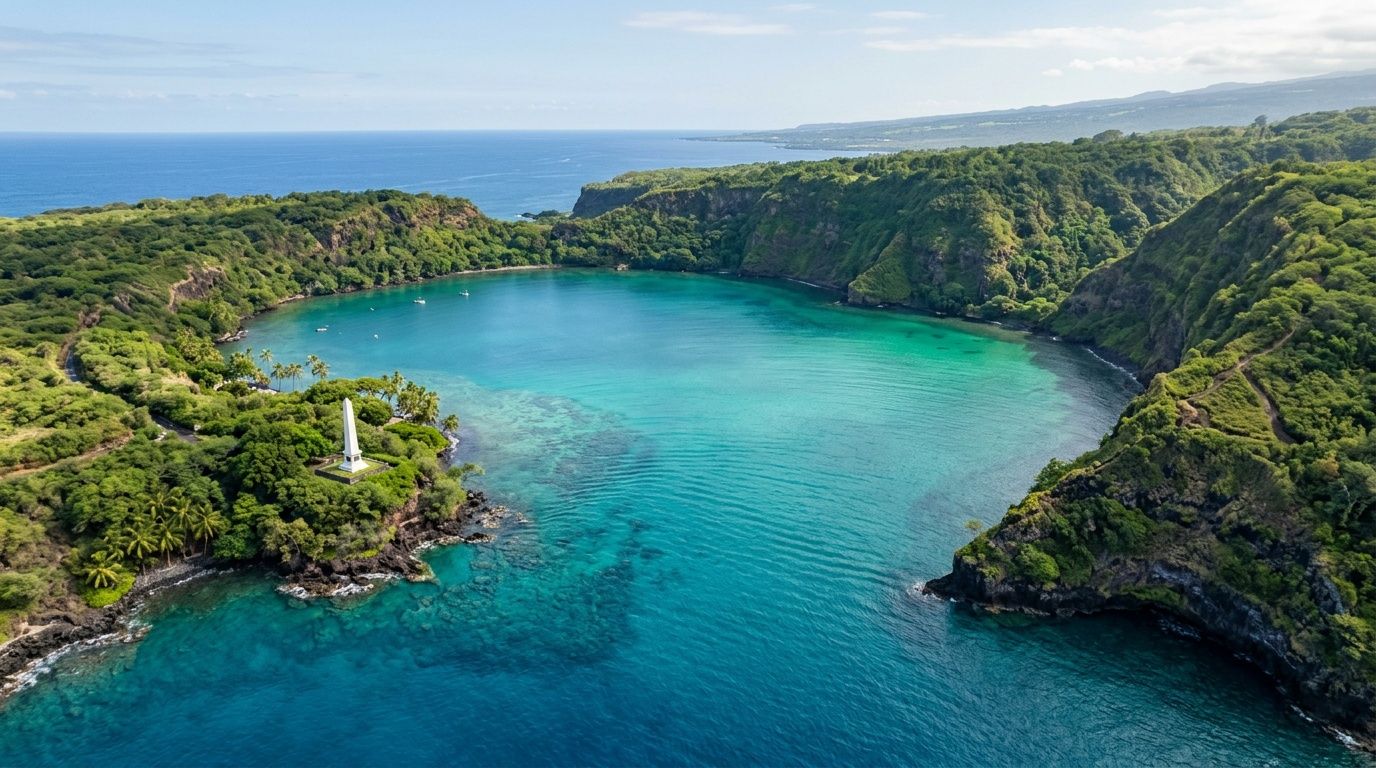
You notice the difference at Kealakekua before you even put your face in the water. The bay is quieter, the surface usually settles earlier, and the shoreline blocks a lot of the wind and swell that can make other Kona snorkel spots feel busy or tiring.
That protection is the foundation of the experience. Kealakekua Bay sits inside a Marine Life Conservation District managed by the State of Hawaii, which helps explain why reef life remains strong and why this bay is treated differently from many easy-access shoreline spots (Hawaii DLNR overview of Kealakekua Bay State Historical Park and protected waters).
Clear water is the first reason snorkelers remember this place. NOAA describes Kealakekua as a sheltered bay with extensive coral reef habitat and generally favorable water conditions for marine life viewing, which matches what experienced Kona crews see day after day on the water (NOAA site description for Kealakekua Bay). For visitors, that means less guesswork once you get in. You can spot the reef structure quickly, track where your group is, and spend more time watching fish instead of adjusting to murky water.
The reef layout helps too.
A good snorkel site needs coral close enough to see from the surface without forcing beginners into surge, depth, or long surface swims. Kealakekua does that well. Coral heads, lava structure, and schools of reef fish are often visible from the top in a way that rewards both first-timers and confident swimmers. That is a big reason many travelers choose a Kona boat tour to Kealakekua Bay even if they have snorkeled elsewhere in Hawaii. The bay gives them a high chance of getting the kind of clear, fish-filled session they came for.
From a guide's perspective, this is what sets the bay apart. It is not just beautiful. It is forgiving when conditions line up.
That does not mean every guest should book it the same way. Travelers who care most about underwater visibility and an easy first snorkel usually get more value here than they would at rougher, more exposed sites. Guests who want dramatic topography, history, and dense reef life in one stop tend to rank it at the top of their Kona trip. People who dislike boat rides, have limited time in the water, or want a very casual beach-entry snorkel may be happier somewhere else.
The historical setting matters as well. Kealakekua Bay is both a marine destination and a significant cultural and historic site, anchored by the Captain Cook Monument and the bay's role in Hawaiian history (National Park Service history of Captain Cook and Kealakekua Bay). You are not choosing between reef quality and setting here. You get both, and that is rare on the Kona coast.
If the goal is choosing the right snorkel day for your group, Kealakekua earns its reputation because it gives strong odds of clear viewing, active reef life, and a setting that feels special before and after the swim.
Getting to the Reef Choosing Your Adventure
You book Kealakekua Bay for the reef, not to arrive tired before your mask is even on. The access choice shapes the whole day. It affects how much energy you have in the water, how much gear handling you take on, and whether the outing works for everyone in your group.
For visitors who want the highest odds of an easy, low-stress snorkel day, boat access usually makes the most sense. The State of Hawaii Division of Aquatic Resources notes that there is no road access to the monument side of the bay, and visitors commonly reach it by boat, kayak, or the trail, each with different physical demands (Kealakekua Bay access information).
The real trade-offs
Online summaries often flatten the decision. On the water, these options are not interchangeable.
| Method | Effort Level | Permit Required | Typical Time | Best For |
|---|---|---|---|---|
| Boat | Low | No | Half-day outing | Families, first-timers, mixed-ability groups |
| Kayak | Moderate | Yes, launch and landing rules can affect planning | Flexible, but slower than people expect | Strong paddlers who want an independent day |
| Hike | High | No | Several hours with a steep return | Fit visitors who treat the approach as part of the challenge |
Boat access
Boat trips protect your energy for the reef itself. You show up, get briefed, and enter the water where the snorkeling is good, without carrying fins, water, towels, and dry gear down a trail or managing a loaded kayak.
That matters more than many visitors expect.
Beginners, kids, older relatives, and mixed-ability groups usually do better with a boat because the day stays simple. Crew support also reduces the small problems that spoil a snorkel. Poor mask fit, uncertainty at entry, and overexertion before the swim are easier to handle on a guided trip than on a self-managed one. If you want to compare trip styles on this coast, these Kona boat tours show the range from snorkel-focused runs to broader coastal outings.
Kayak access
Kayaking can be a good choice for visitors who want a paddle day. That distinction matters. If the kayak is only transportation in your mind, the effort can feel like a tax before and after the snorkel.
The trade-off is freedom versus workload. You set your own pace, but you also handle wind, sun, surf at landing, gear protection, and the return paddle after your swim. I only recommend this route to confident paddlers who are comfortable making ocean decisions without a crew managing the plan.
Hiking access
The hike weeds people out fast. Going down is manageable for many active visitors. Coming back up after snorkeling, in the heat, with wet gear and low legs, is where plans fall apart.
This option fits visitors who want the physical challenge as part of the day, not visitors who just want the easiest way to reach the reef.
Which option fits your group
Use a simple filter.
- Choose boat access if your group includes children, older adults, first-time snorkelers, or anyone who wants a straightforward day with the least physical strain.
- Choose kayak access if you are already comfortable paddling in ocean conditions and you want a self-directed outing.
- Choose the hike if everyone in your group is fit, prepared for the climb out, and fine carrying all gear in and out.
If your priority is reef quality, comfort, and giving your group the best chance to enjoy the bay, boat access is usually the better call. If your priority is independence or a workout, kayak or trail access can still work, but they change the day more than many visitors realize.
A Day on the Water What to Expect on a Boat Tour
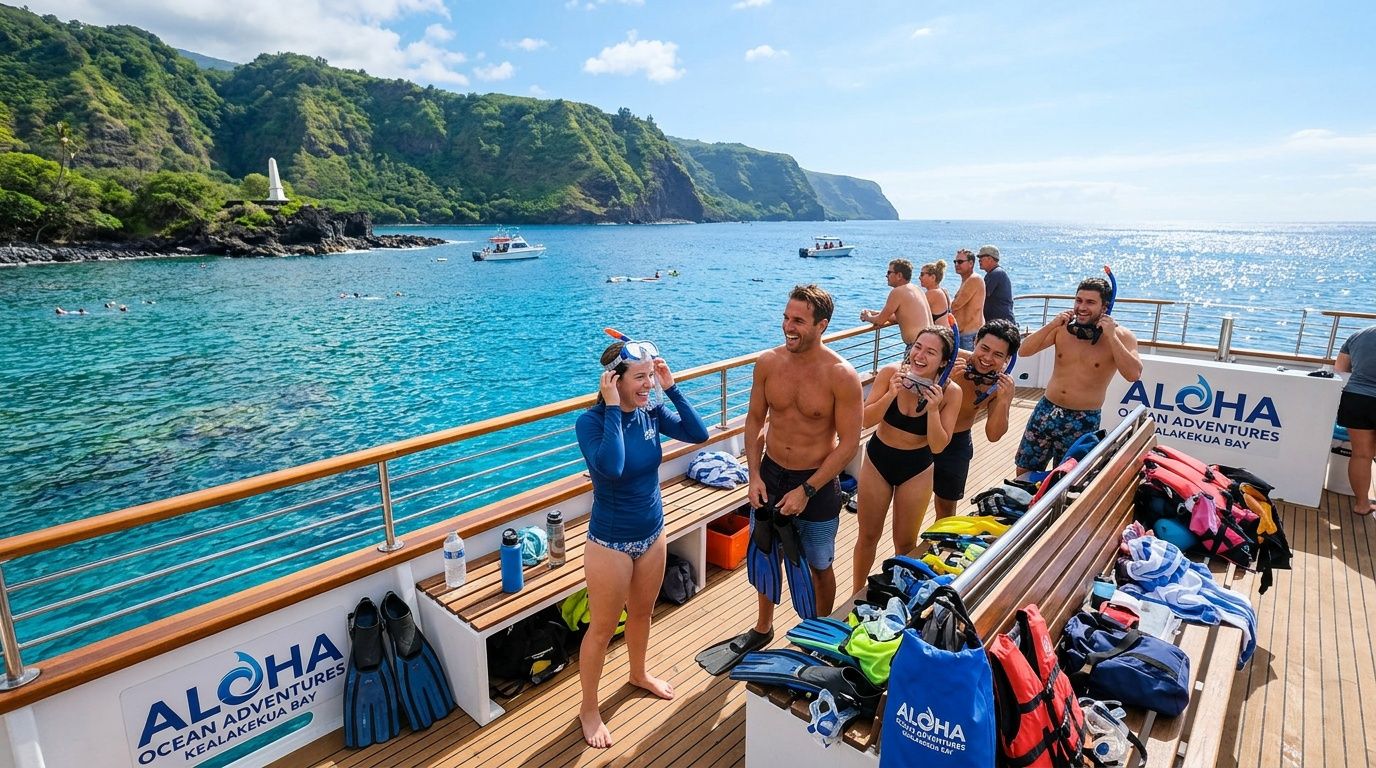
You feel the difference early. The harbor is still cool, the ocean is usually calmer, and the crew has time to sort out masks, fins, and flotation before anyone gets in the water. For families, first-time snorkelers, and mixed-age groups, that early structure is often the reason a boat tour works better than a self-guided day.
Most boat trips follow a simple flow. You check in, board, find a place for your bag, and listen to the safety briefing on the run down the Kona coast. By the time the boat reaches the bay, people usually know how to clear a snorkel, how to use their flotation, where the entry point is, and what to do if they get tired.
That prep matters more than people expect.
A good boat crew fixes small problems before they turn into bad water time. Mask leaking. Fins too loose. A nervous swimmer breathing too fast. On shore-access days, those issues can eat up the first part of the snorkel. On a boat, the crew can usually handle them quickly and keep the group settled.
Boat tours also fit travelers who want quality reef time without turning the outing into a workout. You are not arriving tired from a paddle or thinking about the climb back out. You save your energy for the water itself, which is usually the right trade if your group cares more about snorkeling well than earning the access.
What the ride usually includes
Expect a ride long enough to get organized but short enough that the day still feels focused on the bay. On better-run trips, the transit time is used well.
- Safety briefing: How entries work, where to snorkel, and how to signal for help.
- Gear fitting: Masks, snorkels, fins, and flotation adjusted before the boat stops.
- Water support: Guides in the water or watching entries closely, depending on the operator.
- Basic comfort items: Drinks, snacks, shade, rinse water, and a ladder that makes reboarding easier.
Those details sound minor until you are traveling with kids, older adults, or someone who is unsure in open water.
How to choose the right boat tour
Not every boat tour fits every group. A smaller raft-style trip usually gets in and out quickly and feels more personal, but the ride can be bouncier. A larger boat is often easier for cautious snorkelers, people who want more shade, or anyone who values a stable platform over speed.
Morning departures are usually the safer bet for clearer conditions and a less rushed feel in the bay. Afternoon trips can still be good, but they leave less margin if your group is slow to gear up, gets motion sick, or needs extra coaching before entering the water.
If you are comparing operators, pay attention to crew attention, guest count, entry style, and how much in-water help is provided. A well-run Captain Cook snorkel tour should make those points clear before you book.
If you’re deciding between operators, these two booking pages are the most direct starting points for a Kealakekua Bay outing:
A good boat tour keeps your group focused on the reef, with the crew handling the setup, timing, and support that make the day go well.
The Underwater World of Kealakekua Bay
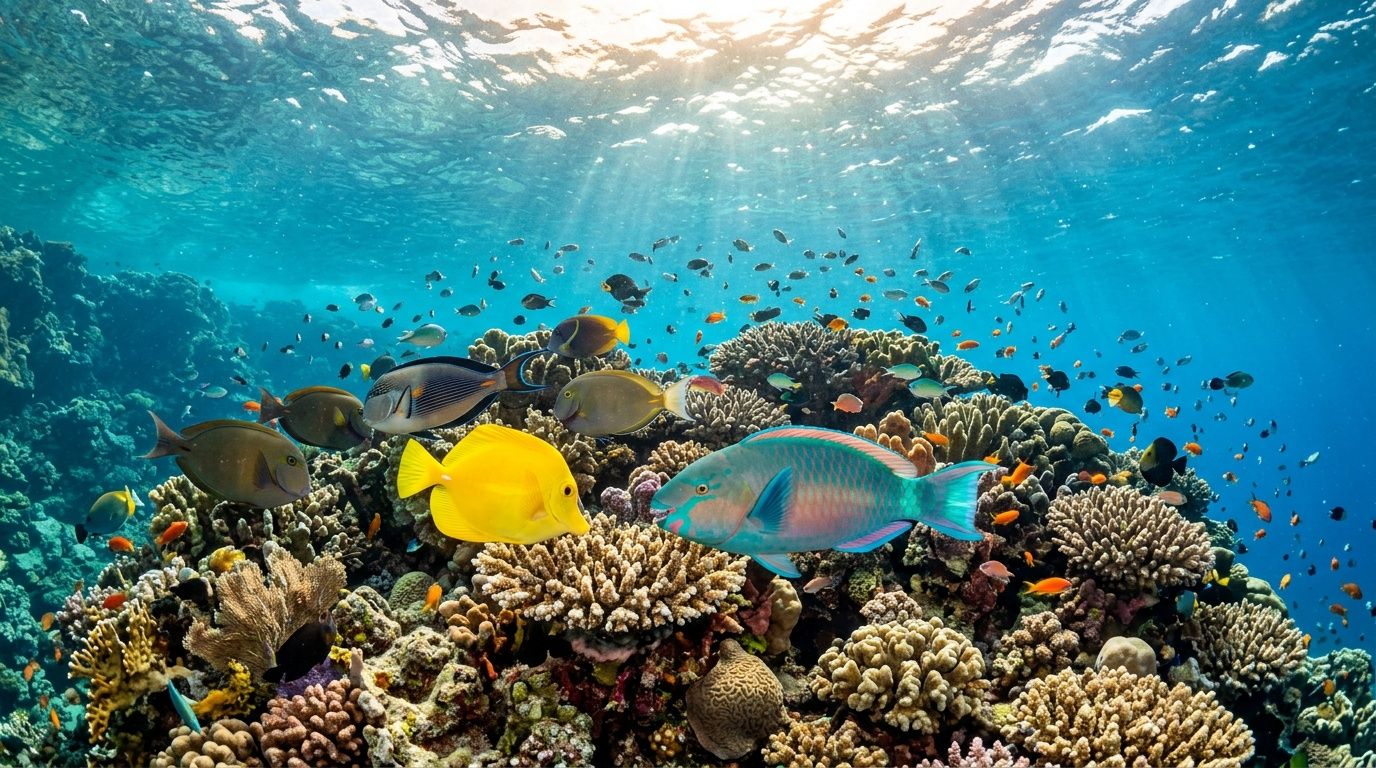
You slip off the boat, put your face in the water, and the bottom is already alive. That first look tells you a lot about Kealakekua Bay. Clear water, healthy coral structure, and enough fish movement that even brand-new snorkelers usually settle down and start pointing within seconds.
What makes this bay different is not just variety. It is how quickly the reef starts. You do not need to swim hard or cover a long distance to see good fish life here. For families, cautious swimmers, and anyone choosing between a short boat snorkel and a longer self-powered outing, that matters. Kealakekua rewards calm floaters more than aggressive swimmers.
Fish you’re likely to notice
The easy sightings usually come first.
- Yellow tang: Bright, fast to spot, and often moving in groups over the reef.
- Parrotfish or uhu: Bigger-bodied reef fish that stand out once you learn their profile.
- Butterflyfish: Common near coral heads, especially if you pause instead of kicking straight through.
- Triggerfish, including humuhumunukunukuāpuaʻa: A regular crowd favorite, though they are not always the first fish people notice.
If your group wants the highest odds of seeing a lot without working for it, this is one reason boat tours make sense. They put you over productive reef quickly, while kayak groups often spend more energy on the transit and have less left for a relaxed snorkel. Strong paddlers may not mind that trade-off. Kids, occasional snorkelers, and mixed-ability groups usually do better when they arrive fresh.
Larger animals and realistic expectations
Spinner dolphins are part of the bay’s reputation, and green sea turtles do show up, but neither should be treated as a promise. Wildlife here is best approached with low expectations and good water time. The guests who see the most are usually the ones who float gently, keep their fins still, and stop trying to chase every shadow.
That same approach helps on busy days. Noise and splashing push animals off and make fish behavior harder to watch. Slow down, look into holes and ledges, and give the reef a minute to come back to you.
If you are comparing Kealakekua with other snorkel sites for the same trip, this guide to the best snorkeling on the Big Island gives useful context on where the bay stands out and where another spot may fit your group better.
How to get more from the snorkel
Good snorkeling here is mostly about pacing.
Enter the water, get your breathing under control, and spend the first minute looking down instead of swimming forward. Scan one patch of reef at a time. Then drift. Fish that looked invisible on the first pass start separating into layers once your eyes adjust.
I also tell guests to save some attention for the surface and current before they get locked onto the coral. Even on an easy day, conditions can change with wind, boat traffic, and swimmer position. A quick review of essential boat safety checks is useful before any ocean trip because it gives you a clearer sense of what prepared operators check before you ever step aboard.
Kealakekua is one of those places where less effort usually gets better results. Float high, move slowly, and let the bay show itself.
Safety and Stewardship Snorkeling Responsibly
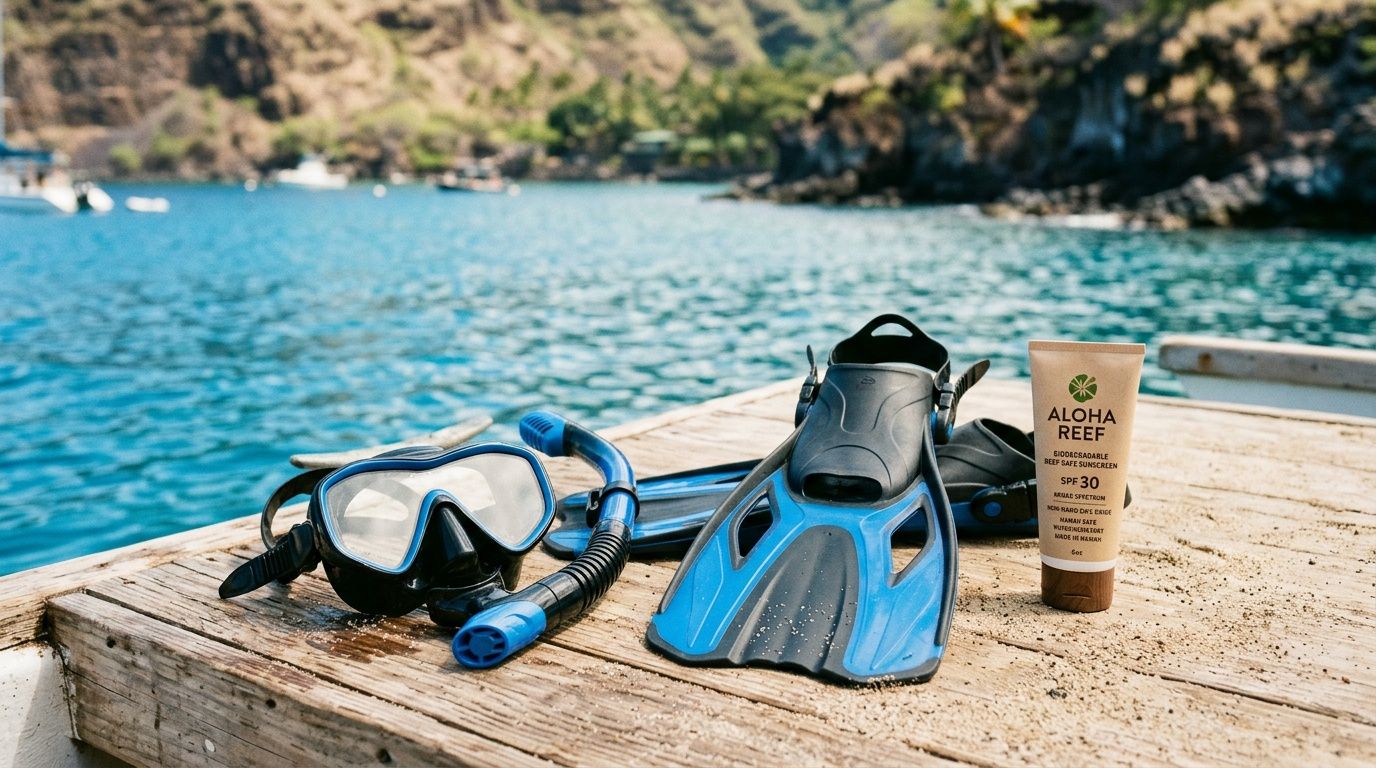
Kealakekua Bay stays special because visitors follow rules that protect both people and reef. If you want the day to go well, think in two tracks at once. Personal safety first. Reef contact never.
What to bring and what to do
Pack light, but pack deliberately.
- Bring a towel and dry clothes: The ride back feels better when you’re not sitting in wet gear.
- Use reef-safe sunscreen: Coral doesn’t need extra stress from careless sun protection choices.
- Carry only what you’ll use: Loose items become clutter fast on a boat.
- Listen to the briefing: Good crews answer the problems people usually create for themselves.
If you want a simple pre-trip refresher on boating basics, this rundown of essential boat safety checks is helpful because it frames the kind of preparation responsible operators take seriously.
For behavior in the water, the rule set is simple. Don’t stand on coral. Don’t touch turtles. Don’t crowd wildlife. Don’t assume clear water means zero risk.
A broader guide to respectful ocean behavior is also worth reading before your trip: responsible and considerate diver etiquette. The same habits apply to snorkelers.
If you’re worried about seasickness
This is the part many people ignore until they’re already uncomfortable. If you know you get motion sick, deal with it before the boat leaves. Not after.
Useful options include Ship-EEZ Seasickness Patch, Dramamine pills, Bonine pills, Sea Band wristbands, and Ginger chews.
The stewardship part that matters most
The bay doesn’t need dramatic heroics from visitors. It needs restraint.
- Keep your fins up: Accidental kicks do real damage.
- Give marine life room: Better encounters happen when animals don’t feel pursued.
- Stay calm if you’re tired: Signal the guide, use flotation, and reset.
Good snorkeling in Kealakekua starts with respect. Safe people protect reefs better. Calm people see more.
Booking Your Tour and Frequently Asked Questions
You usually feel the difference in this decision before you even get in the water. One group books the cheapest option without checking departure time, boat size, or whether the crew works with beginners. Another picks a tour that matches their group, and the morning feels easy from check-in to the ride home.
That second group usually has the better day.
When people ask me where to start, I tell them to compare operators by fit, not just price. Kealakekua Bay works well for a lot of travelers, but the right tour for a confident adult couple is not always the right tour for grandparents, nervous swimmers, or families with younger kids. Crews that run this bay regularly, including Kona Snorkel Trips and Captain Cook Snorkeling Tours, tend to make that difference obvious in how they brief guests, pace the stop, and support people once they are in the water.
If you want more route planning and practical context before you book, this Kealakekua Bay snorkeling guide is a useful companion read.
You can also compare this outing against other island options through this roundup of Big Island snorkeling tours worth comparing before you book.
Can you snorkel from shore at Kealakekua Bay
Yes. It is still the wrong choice for plenty of visitors.
The bay can be reached without a tour, but shore access asks more of you. You need to manage the hike, your own gear, your own timing, and the climb back out after the snorkel. For strong, prepared travelers who want a self-directed day, that can work. For families, casual snorkelers, and anyone who wants an easier entry and exit, a boat is usually the better call.
What’s the best time of day for a tour
Morning is the safer bet for most visitors. Conditions in Kona are often calmer earlier in the day, and many experienced operators build their schedules around that window because it tends to be more comfortable for the boat ride and more pleasant for first-time snorkelers.
Afternoon trips can still be good, especially for travelers who dislike early check-in times or have other plans in the morning. The trade-off is simple. As the day goes on, wind and surface chop are more likely to build, and that can make the ride and the snorkel feel less relaxed.
Are children welcome
Usually, yes, if you book the right format.
Boat tours are often easier for kids because they cut out the long approach and give parents more support from the crew. Look for operators that provide flotation, size-appropriate gear, patient mask help, and a realistic minimum age policy. If a child is nervous in open water, a smaller group tour with attentive guides is often a better fit than a crowded, fast-paced trip.
Are there sharks
You are snorkeling in the ocean, so it is reasonable to ask. Encounters are uncommon on regular bay tours, and what snorkelers usually remember are schools of reef fish, healthy coral structure, and the occasional turtle.
The practical response is the same as it is on any Hawaii snorkel trip. Stay with your group, listen to the crew, and avoid letting exaggerated fear steer the decision more than actual conditions and operator quality.
If Kealakekua Bay is the snorkel you want to get right, choose the tour style that matches your group’s comfort level, not just the marketing. Travelers comparing other Big Island ocean options can also use Kona Honu Divers as a factual starting point for snorkeling and diving choices.