
You're probably planning this trip with a mix of excitement and uncertainty. You know Hawaii has world-class diving, but you also know one wrong booking can turn a dream dive vacation into a rushed boat ride, a site that doesn't fit your experience, or a signature dive you weren't ready for.
That's why good Hawaii scuba diving advice has to be practical. Not just beautiful descriptions of reefs and mantas, but clear guidance on where to dive, what to book, what training you need, what to pack, and how to avoid common mistakes. In Hawaii, the ocean rewards divers who match their goals to the right island and the right operator.
Welcome to Your Hawaiian Underwater Adventure
Hawaii earns its reputation underwater. You're not just diving coral gardens. You're dropping onto volcanic structure, swimming past lava formations, and moving through water that often feels unusually open and bright. That combination gives Hawaii a different personality from many tropical destinations.
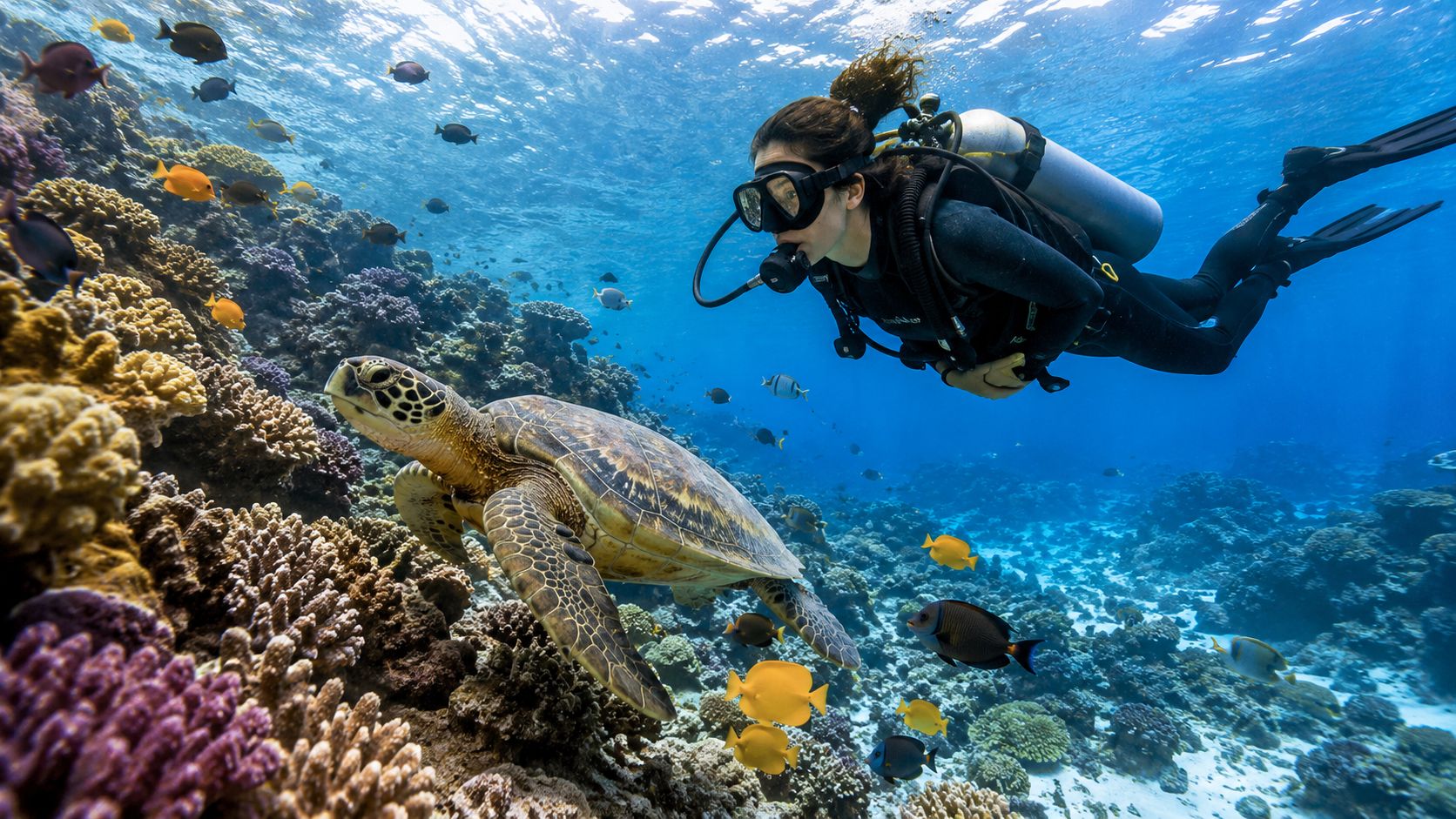
Hawaii is one of the most active dive destinations in the country. It supports over 1.5 million scuba dives every year, with 215+ licensed dive shops statewide, while ocean temperatures typically stay around 75 to 80°F (24 to 27°C) and visibility is often reported at 100 feet or more, according to this overview of scuba diving in Hawaii. Those conditions are a big reason diving here doesn't have a true off-season.
What makes Hawaii different underwater
The first thing many divers notice is the terrain. Volcanic islands produce seascapes with more shape and contrast than a lot of reef-only destinations. Even simple dives can include lava fingers, ledges, and dramatic bottom contours that make navigation and photography more interesting.
The second thing is range. You can come to Hawaii as a first-time diver, a recently certified vacation diver, or someone chasing advanced night dives and still find real options. That's why Hawaii scuba diving on the Big Island and beyond appeals to such a wide mix of travelers.
Practical rule: Don't think of Hawaii as one single dive destination. Think of it as several different dive trips spread across multiple islands, skill levels, and ocean moods.
A smart way to think about your trip
Before you book anything, get clear on the version of Hawaii you want.
- If you want easy logistics, choose an island and operator known for consistent conditions.
- If you want iconic marine encounters, prioritize the dives that are unique to Hawaii rather than trying to copy a general tropical itinerary.
- If you're bringing mixed-experience travelers, plan around the least experienced diver, not the most ambitious one.
- If you haven't dived in a while, treat your first day as a reset, not a test.
That approach works better than chasing the deepest site or the flashiest photo. Hawaii is at its best when the dive plan fits the diver.
When and Where to Dive in the Hawaiian Islands
Choosing where to dive in Hawaii matters more than most visitors expect. The islands don't offer identical conditions, and your trip will feel very different depending on whether you prioritize convenience, signature experiences, or a broad mix of dive styles.
A lot of visitors ask when the “best season” is. The short answer is that Hawaii diving is good year-round. The better answer is that the best timing depends on what trade-offs you're comfortable with, how flexible your schedule is, and whether your trip is centered on one marquee experience or a fuller week of diving.
The islands don't dive the same way
Here's the practical breakdown many divers need before they book:
| Island | Diving character | Best fit |
|---|---|---|
| Big Island | Reliable leeward diving, reef sites, night diving, advanced specialty options | Divers who want the broadest range |
| Maui | Vacation-friendly reef diving and easier pairing with resort travel | Couples and families splitting time |
| Oahu | Variety, training options, busier overall scene | Travelers mixing city and ocean time |
| Kauai | More rugged feel, more condition-dependent planning | Divers who don't mind flexibility |
For many travelers, the Big Island stands out because it combines accessible diving with some of the most memorable specialty dives in the state. If you're comparing islands closely, this guide to which Hawaiian island is best for scuba diving is a useful starting point.
Why Kona gets so much attention
On the Big Island, the Kona coast has a practical advantage. The leeward side is generally more protected, which often translates into calmer water, clearer planning, and a higher chance that your scheduled dive feels like the dive you hoped to book.
That matters on vacation. Most divers don't want to spend precious trip days guessing whether a site will be workable. They want dependable boat operations, strong site selection, and enough variety to keep a multi-day trip interesting.
Good Hawaii scuba diving isn't just about marine life. It's about repeatable conditions that let crews choose the right site for the day instead of forcing a plan that doesn't fit the ocean.
When to go
Instead of chasing a mythical perfect month, use your own priorities.
- Newer divers usually enjoy calmer-feeling days and straightforward boat conditions.
- Photographers often care most about clean water, patient dive pacing, and smart site choice.
- Experienced divers may be happy to trade a little comfort for access to more demanding dives.
- Mixed groups benefit most from islands where divers and non-divers can both have a good day.
If your trip centers on diving from Kona, the most useful move is to book with an operator that offers general diving tours on the Kona coast and then leave some room for the crew to choose the strongest sites for current conditions.
For divers who want more challenge
Not every Hawaii diver wants beginner-friendly reef profiles. Some people come specifically for dives that require tighter buoyancy, more confidence at night, or greater comfort in changing conditions. That's where advanced charters make sense.
If that sounds like your trip, look at advanced long-range dive tours in Kona. These are better suited to certified divers who already know they enjoy more involved diving and don't need a gentle reintroduction to the water.
The mistake I see most often is simple. People choose their island based on hotel plans and then try to fit the diving around that. Strong dive trips usually work the other way around. Pick the island that matches your underwater goals first, then build the rest of the vacation around it.
Hawaii’s Unforgettable Signature Dives
Some Hawaii dives are pleasant. A few are the reason people come back.
If you want the experiences that define diving on the Big Island, focus on dives that are hard to replicate elsewhere. Standard reef dives can be excellent, but Hawaii's signature value comes from a small set of encounters that feel tied to this place and these waters.
The manta ray night dive
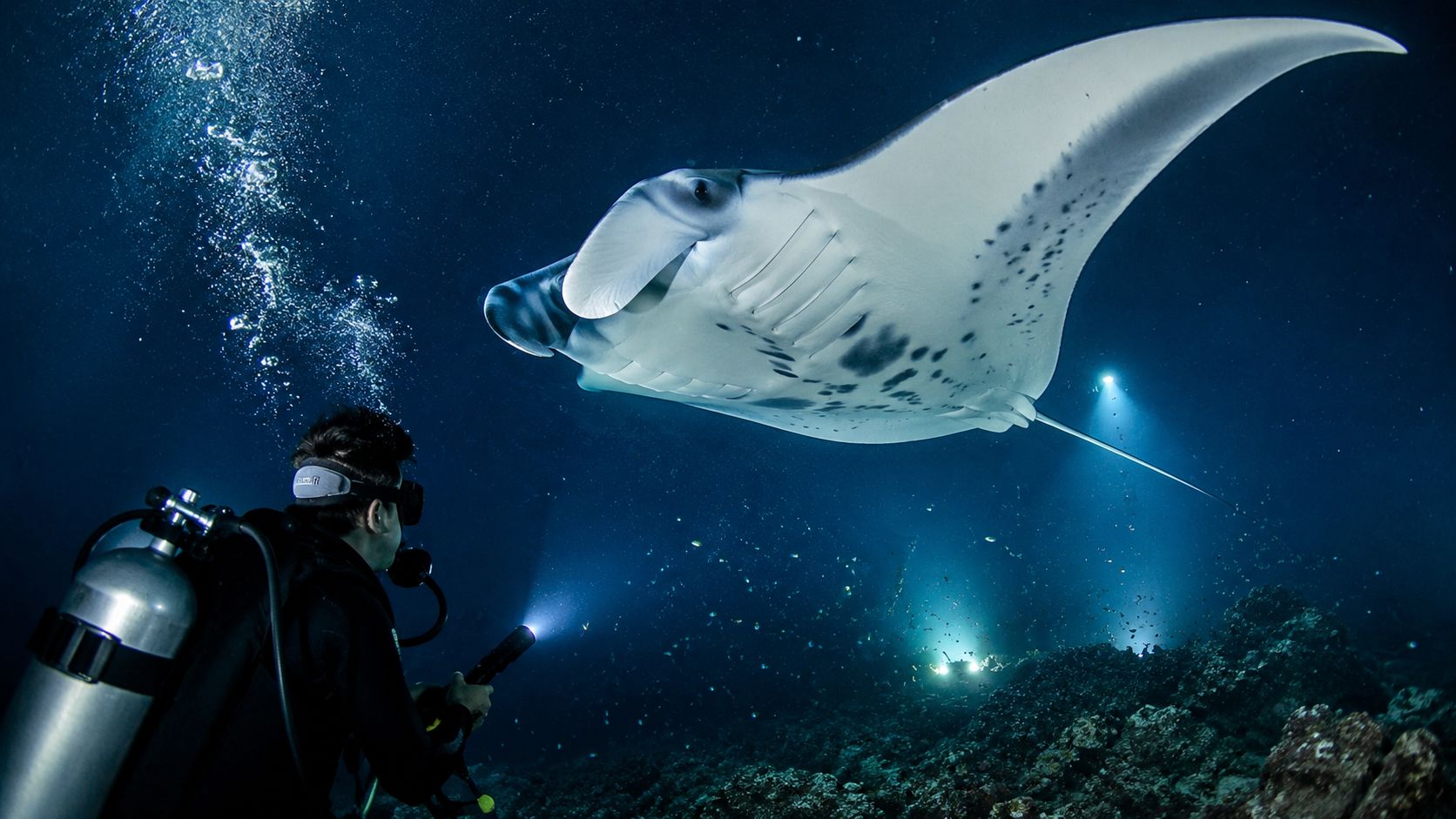
The manta ray night dive is the dive people talk about long after the trip ends. Divers settle in position, lights draw in plankton, and the water column above turns into a feeding zone. When it works well, the movement overhead feels slow, close, and almost unreal.
This is not a beginner add-on. The manta ray night dive off Kona requires certification because of the demands of low-light, deeper-water conditions and the need for stable buoyancy and calm air management, as explained in this overview of scuba diving Hawaii manta procedures. Operators require certification because an untrained diver in dark water can panic, lose orientation, or separate from the group.
For this experience, Garden Eel Cove is the site I'd prioritize. Its protected location, stronger viewing setup, and healthier surrounding reef structure make it the more comfortable and more satisfying choice for many divers. If you're also considering the surface version, you can compare the experience by looking at manta ray snorkeling tours in Kona.
If your goal is the scuba version, book directly through the Kona manta ray dive tour page.
The blackwater dive
Blackwater diving is completely different. There's no reef to orient on, no lava wall to track, and no simple daytime reference. You descend into open ocean at night and suspend over deep water while lights reveal pelagic life rising from below.
This dive isn't for everyone. Divers who need a bottom, a wall, or a strong visual frame often find it mentally demanding. Divers who love unusual marine life and are comfortable in night conditions often find it unforgettable.
The blackwater dive works best for divers who already know they can stay relaxed in open water without needing the reef to reassure them.
If that's your kind of diving, the direct option is the Kona blackwater night dive tour.
Classic reef and lava diving
Not every memorable dive in Hawaii happens at night. Daytime reef diving around the Big Island still delivers what many visitors came for in the first place: clear water, volcanic terrain, healthy fish activity, and easy visual drama.
What works well here is pacing. Don't overload your itinerary with only specialty dives. A strong Hawaii schedule often mixes one iconic night experience with standard reef dives that let you settle in, dial buoyancy back in, and enjoy the underwater environment.
A practical three-part approach looks like this:
- Start with reef dives if you've been out of the water for a while.
- Add the manta night dive once you're comfortable and tuned up.
- Choose blackwater last if you want the most unusual experience on the trip.
That order usually gives divers better results than front-loading the hardest or most mentally demanding dive.
Getting Certified From Novice to Pro
A lot of Hawaii visitors want to dive but aren't certified yet. Others got certified years ago and aren't sure what they're qualified to do now. The good news is that Hawaii works well for both groups, as long as you understand where the limits are.
Start with Discover Scuba Diving if you're new
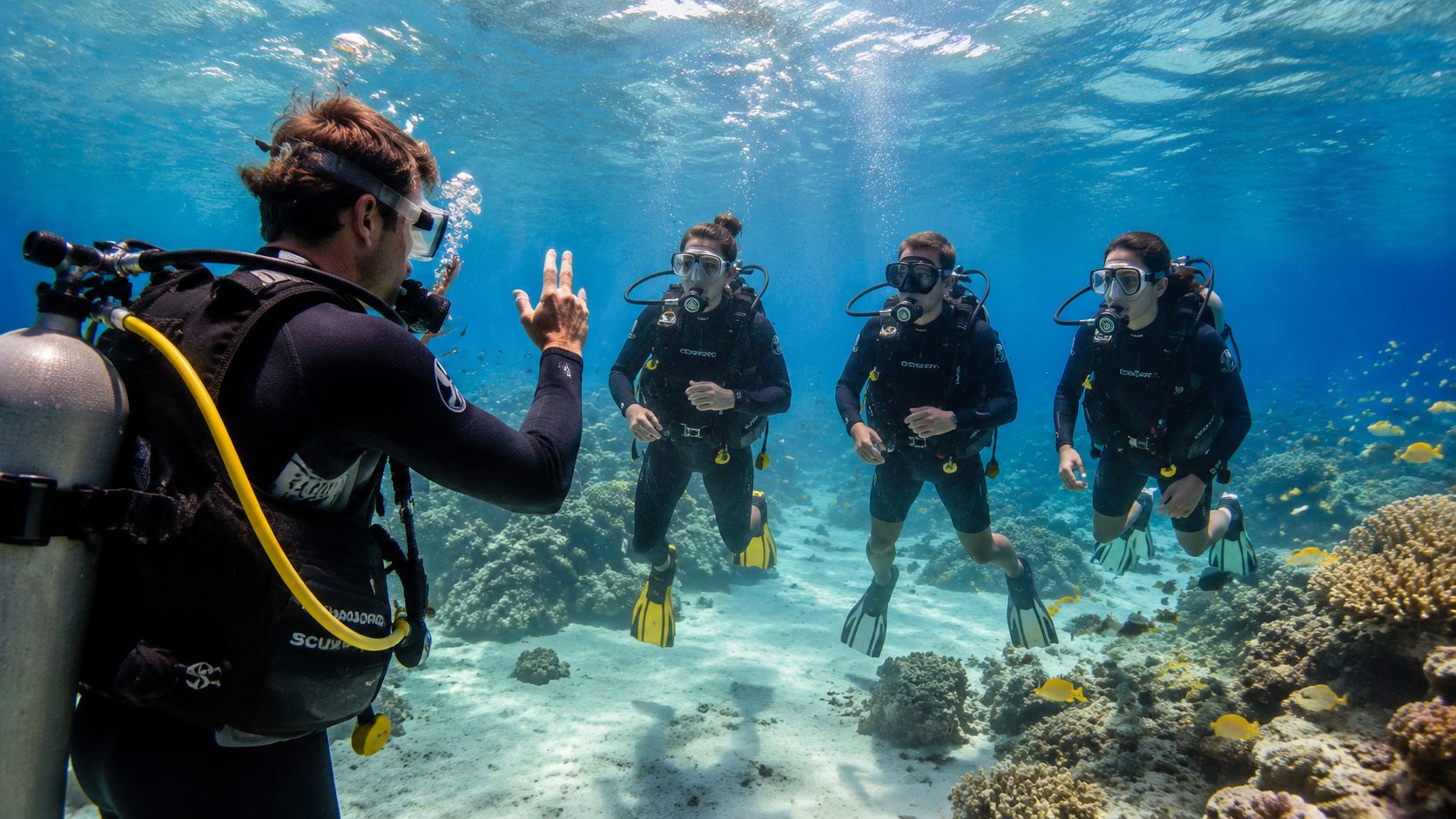
For non-certified divers, Discover Scuba Diving is the standard entry point. It gives you a supervised first experience without requiring full certification first.
The rules matter here. Discover Scuba Diving has a strict maximum depth of 12 meters (40 feet), participants must be at least 10 years old, and they must remain under the direct supervision of a certified instructor, as outlined in this guide to scuba diving in Hawaii without certification. It also does not qualify you to rent gear independently or join regular open-water tours afterward.
That means Discover Scuba is an introduction, not a shortcut.
When Discover Scuba works well
This path makes sense if:
- You want to try breathing underwater once before committing to a course.
- You're traveling with certified friends and want your own controlled first dive.
- You're uncertain about certification and want a low-pressure trial first.
If you already know you want to keep diving after this trip, go further. A one-time experience is fun, but certification opens far more of Hawaii.
Open Water and beyond
Full certification provides the greatest access. Once you complete Open Water training, you can join normal certified-diver trips that are appropriate for your level. That gives you far more flexibility in site choice and future dive travel.
For divers who know they enjoy continuing education, advanced courses are worth considering. Better buoyancy, deeper comfort, stronger navigation, and improved self-management all matter in Hawaii, especially if night diving or more technical-feeling volcanic sites are on your list.
A simple path looks like this:
- Discover Scuba Diving if you're testing the waters.
- Open Water certification if you want full access to recreational diving.
- Advanced training if you want more demanding dives and greater confidence.
If you're deciding between those options, learning to scuba in Kona lays out the progression clearly.
A lot of divers overestimate what they need for easy Hawaiian reef dives and underestimate what they need for low-light or high-task-load diving. Training closes that gap.
The biggest mistake is booking a dive for the story you want to tell rather than your actual skill set. Certification only helps when you're honest about your comfort in the water.
Packing Gear and Preparing for Your Dives
Gear prep can make your Hawaii trip smoother or gradually undermine it. Most dive problems on vacation aren't dramatic. They're small comfort issues that compound across multiple days. A mask that leaks, fins that cramp your feet, or a wetsuit choice that leaves you chilled by the second dive can change the whole mood of the trip.
Bring what affects fit most
If you own gear, I usually recommend bringing the pieces that are hardest to substitute well.
- Mask: A familiar mask is worth packing almost every time. Good fit solves stress fast.
- Computer: If you regularly dive with your own computer, keep your habits consistent.
- Exposure protection: Hawaii is warm, but “warm” feels different to different divers, especially on repeated boat dives.
- Fins if they fit you well: Rental fins can work fine, but badly fitting fins can ruin a day quickly.
For heavier gear like BCDs and regulators, renting is often the practical choice unless you're very particular about your setup or you're building the trip around frequent diving.
Renting versus bringing everything
There isn't one right answer. It depends on how you travel and how attached you are to your system.
| Option | What works | What doesn't |
|---|---|---|
| Bring full kit | Familiarity, consistency, personal setup | More luggage, more hassle, more gear management |
| Rent most gear | Simpler travel, less baggage, easier logistics | Less personalization, fit can vary |
| Hybrid approach | Best balance for many travelers | Requires some planning |
A hybrid approach usually works best. Bring personal comfort gear. Rent bulky equipment from a reputable operator with well-maintained gear and staff who can fit it properly.
Don't ignore seasickness
A lot of divers worry about air consumption or equalizing and forget the most common trip spoiler. Boat motion. Even experienced divers can feel rough on the way out if they skipped breakfast, got dehydrated, or assumed they'd be fine.
If you're prone to motion sickness, plan ahead. Options people commonly use include Ship-EEZ Seasickness Patch, Dramamine pills, Bonine pills, Sea Band wristbands, and ginger chews.
One thing to remember: whatever seasickness strategy you use, test it before your biggest dive day. Vacation morning is a bad time to learn how your body reacts.
A few prep habits that actually help
- Hydrate early: Start the day before the dive, not only that morning.
- Eat light but don't skip food: Diving on an empty stomach often feels worse than eating something simple.
- Tell the crew if you're rusty: Good operators can adjust guidance and attention.
- Pack dry basics: A towel, dry shirt, water, and sun protection improve the surface interval more than commonly expected.
Nitrox can also be worth considering if you're certified to use it and diving multiple days, but the bigger win for most travelers is much simpler. Show up rested, organized, and honest about your comfort level.
Booking Your Trip With the Best Local Operators
Booking well is less about marketing language and more about fit. A good operator matches site choice to conditions, keeps groups manageable, runs clean logistics, and treats safety briefings like part of the dive rather than a formality. That's what separates a smooth dive day from an expensive boat ride.
When you compare operators, ignore the glossy claims first. Look at the actual trip design. How clearly do they describe who the trip is for? Do they distinguish beginner-friendly outings from advanced ones? Do they explain whether a signature dive requires certification? Those details tell you more than adjectives ever will.
What to look for before you book
Use this checklist:
- Clear trip descriptions: You should know whether the dive is beginner-friendly, certification-only, or advanced.
- Strong briefing culture: Good crews explain procedures, not just marine life wish lists.
- Thoughtful scheduling: The day should have enough time for setup, briefing, and surface intervals without feeling rushed.
- Well-matched group composition: Mixed-experience boats can work, but only if the operator manages them carefully.
- Direct booking options: It should be easy to see available charters and choose what fits.
For travelers who want a direct path from planning to booking, Kona dive tours on the Big Island give you that next step without making you dig through multiple third-party pages.
One local option many divers consider is Kona Honu Divers, which offers Kona dive tours, training, manta trips, and blackwater charters from the Big Island. For travelers building an itinerary around diving rather than adding a single vacation excursion, that kind of range can simplify booking.
Sample itineraries that work well
Different travelers should book very different Hawaii scuba diving schedules.
For newer certified divers
Start easy. Book a standard morning reef charter first. See how your buoyancy, weighting, and general comfort feel in Hawaiian conditions. Then decide whether to add a second day or a night experience.
For confident recreational divers
A strong formula is one morning reef day followed by a manta night dive on another day. That keeps fatigue down and gives you time to enjoy both experiences instead of stacking too much into one schedule.
For experienced divers
Build the trip around variety. A reef day, a manta dive, and an advanced or specialty outing usually create a more satisfying trip than repeating similar profiles every day. If you want more challenge, the premium advanced two-tank trip in Kona is the type of charter to look for.
Book the dive you can enjoy at your current skill level, not the one you hope you'll magically be ready for on day one of vacation.
Essential Safety Rules and Marine Etiquette
Good divers in Hawaii do two things well. They manage risk without drama, and they treat the reef like a place they were invited into, not a place they own.
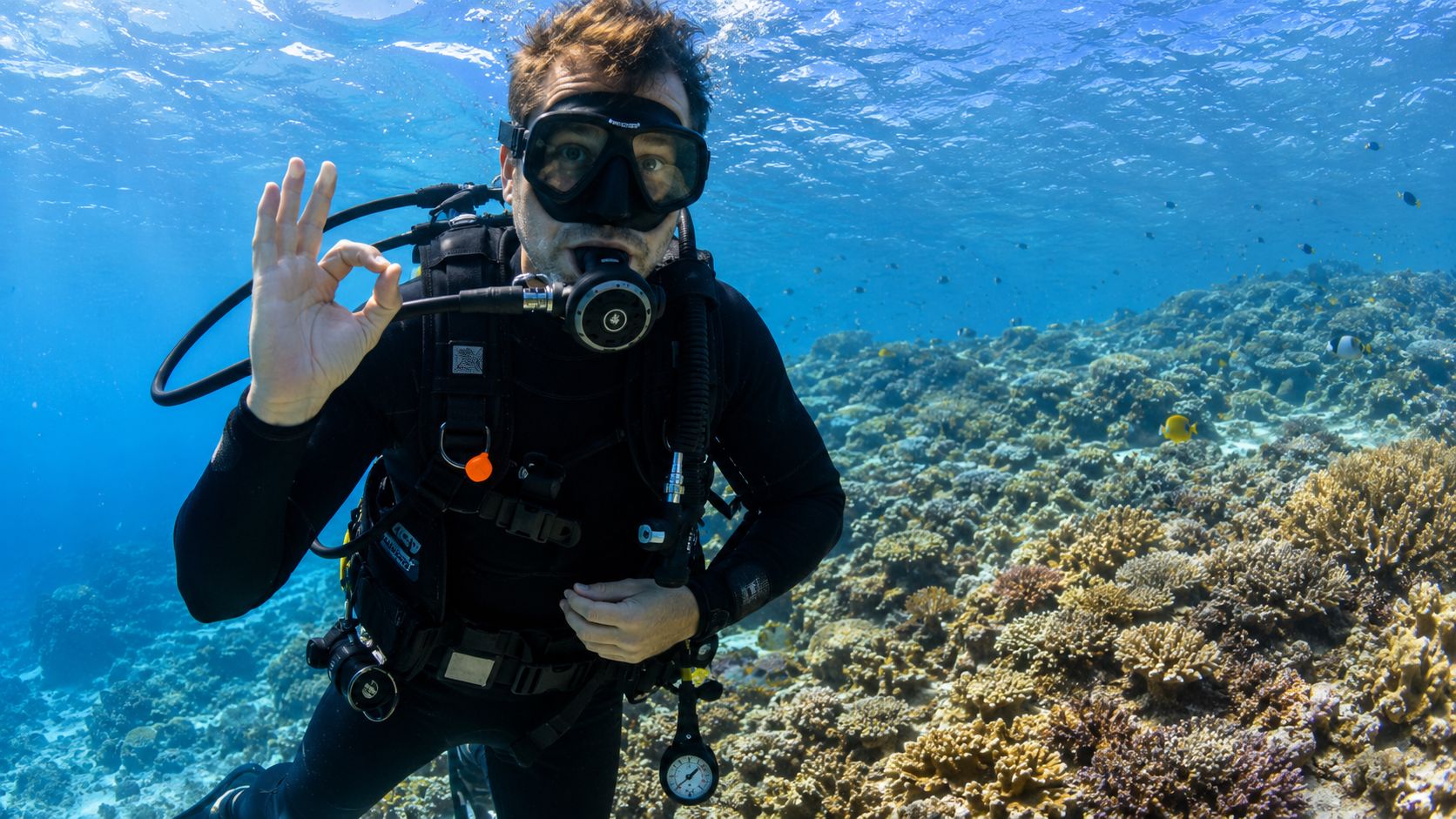
State data cited locally shows Hawaii recorded 28 scuba diving fatalities in the decade before 2020, which averages to fewer than three per year, and Divers Alert Network has noted that scuba has fewer accidents annually than horseback riding, according to this discussion of scuba safety in Hawaii. That's a solid reminder that scuba has a meaningful safety record, but only when divers respect training, physical fitness, and honest self-assessment.
The safety calls that matter most
The biggest practical safety decisions often happen before you hit the water.
- Be honest about your readiness: If you're rusty, say so.
- Don't push medical gray areas casually: Mild asthma, recent surgery, and similar issues shouldn't be self-cleared on the dock. Operators and training agencies use medical screening for a reason.
- Treat post-dive flying conservatively: Travelers ask about inter-island flights all the time, but unless you have direct operator and medical guidance for your specific profile, conservative planning is the smart move.
- Respect certification boundaries: If a dive requires certified divers, there's usually a good operational reason.
The medical and flight questions are where people most want a shortcut. They usually shouldn't take one.
Marine etiquette isn't optional
A responsible diver doesn't just avoid accidents. They also avoid damaging what they came to see.
Use clean buoyancy. Keep fins off coral and rock. Don't chase wildlife for photos. Hold position without grabbing the reef. If an animal changes direction because of you, you're too close. Good crews brief this well, and divers should take it seriously.
For a simple local standard, review this guide to responsible and considerate diver etiquette.
What works underwater
Here's the short version of behavior that consistently works in Hawaii:
- Move slowly: Fast divers miss more and disturb more.
- Watch your trim: Most reef contact comes from poor body position, not bad intentions.
- Keep awareness wide: Don't focus so hard on one turtle or ray that you drift into the reef or another diver.
- Follow the site briefing: Local guidance is there because conditions, current, and terrain matter.
The divers who have the best Hawaii trips usually aren't the most aggressive. They're the calmest, most prepared, and easiest to guide.
If you're ready to turn the planning into a real itinerary, Kona Honu Divers is a practical place to start for Kona reef dives, training, manta trips, and specialty charters on the Big Island.