
You're probably in the same spot most divers hit when they start planning Hawaii. You know you want clear water, warm dives, and reefs or lava formations that don't look like your local quarry. What you don't know yet is which island fits your trip, which dives are worth prioritizing, and how to avoid wasting valuable vacation days on the wrong operator or the wrong conditions.
That matters more in Hawaii than travel brochures admit. This isn't one uniform destination with interchangeable boats and interchangeable reefs. Hawaii supports more than 1.5 million scuba dives per year with more than 215 licensed dive shops, and the water typically stays in the 75 to 80°F range with visibility often reported at 100 feet or more according to this overview of Hawaii's dive market and conditions. That kind of volume only happens because the diving is established, accessible, and in demand year-round.
Introduction
Hawaii scuba diving stands out because the underwater terrain feels like Hawaii. You're not dropping onto soft, flat seascapes and calling it a day. You're moving over volcanic structure, hard edges, lava formations, and reefs that grew on top of a foundation built by fire.
That gives the diving real range. A new diver can enjoy an easy reef in comfortable water, while a more experienced diver can chase specialty dives that feel unlike anything else in recreational scuba.
What works: choose your island and your operator based on how you actually dive.
What doesn't: picking purely from social media photos and hoping the rest sorts itself out.
Travelers don't need a longer list of famous sites. They need a practical way to decide. Which island suits beginners? Which one works for mixed-skill families? Which one gives experienced divers something they can't get elsewhere? Those are the questions that shape a good trip.
Why Hawaii is a World-Class Diving Destination
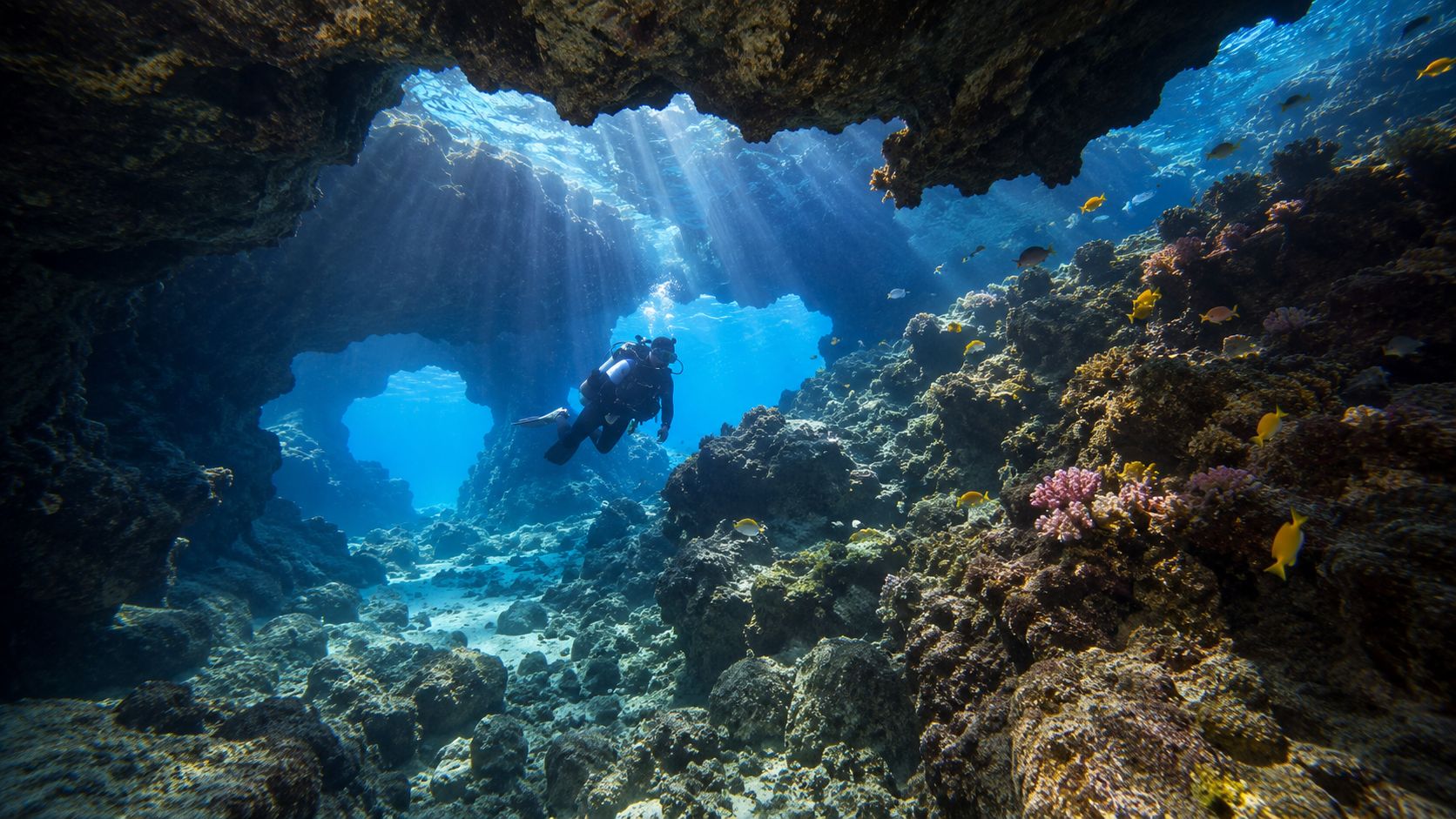
The underwater terrain gives Hawaii its edge
Drop into Hawaiian water and the difference shows up fast. The reef is shaped by lava first, then covered by life. That creates arches, caverns, ledges, overhangs, and sharp volcanic contours that give a dive texture from the first descent to the safety stop.
That structure changes how a dive feels in the water, not just how it looks in photos. You spend less time finning over featureless bottom and more time working around terrain that holds fish, creates dramatic light, and gives each site a clear character. On the Big Island in particular, that volcanic topography is a big reason experienced divers come back after they have already checked Hawaii off their list once.
The diving is varied enough to build a real trip
A world-class dive destination needs more than pretty reef. It needs range.
Hawaii delivers easy reef dives, lava tubes, turtle cleaning stations, pelagic encounters, night diving, and advanced specialty profiles that reward divers with solid buoyancy and good situational awareness. The result is a destination that works for a short vacation and still holds up for divers who want several days in the water without repeating the same experience.
That is also why Hawaii keeps showing up in conversations about the best places to dive in the world. Few places combine warm water, distinctive geology, reliable marine life, and enough site variety to keep both new and very experienced divers interested on the same trip.
It suits different divers, but not in the same way
Hawaii is strong because different types of divers can each find their version of a good trip.
- Newly certified divers can find calm, visually rewarding dives without needing extreme depth or current.
- Intermediate divers get enough topography and marine life to sharpen skills and log dives that feel memorable, not repetitive.
- Advanced divers can target specialty experiences, more exposed conditions, and sites where good air consumption and control make a noticeable difference.
- Mixed-skill groups usually do best in places where the operator can match profiles to the least experienced diver without making the whole boat feel limited.
That last point matters more than travelers expect. Hawaii is easy to book badly. A diver who wants long bottom times on structured volcanic sites should not choose the same island, or the same operator, as a family looking for a light half-day charter with simple conditions.
Kona stands out for serious repeat diving
Every island has good diving. Kona has an unusual concentration of dives that feel distinctly Hawaiian and worth planning around.
The coast is sheltered from the trade winds more often than many visitors realize, which helps operators run a consistent schedule. The site mix is strong. Reef, lava formations, night diving, advanced profiles, and signature experiences are all close enough together that a diver can stack several very different days without burning half the trip in transit. That practical advantage is a big reason divers who want more than one or two casual vacation dives often end up favoring Kona, and operators with a deep local schedule, including Kona Honu Divers, tend to give those travelers more options to match conditions and skill level.
Hawaii earns its reputation because the diving has substance. The scenery is beautiful, but the main draw is choice. You can build the trip around easy reef time, skill progression, or high-value specialty dives, and the destination still holds together.
Choosing Your Island A Diver's Guide
The biggest planning mistake in Hawaii scuba diving is treating the islands as if they offer the same trip with different hotel backdrops. They don't. The better question is which island fits your certification level, tolerance for boats, desired dive style, and how much of the vacation needs to work for non-divers too.
Independent destination coverage often skips this comparison, even though the actual gap involves helping divers choose by skill level, underwater topography, and the tradeoff between iconic experiences and ease of access, especially for families and mixed-skill groups, as noted in this discussion of Hawaii island choice for divers.
Hawaii Dive Island Comparison
| Island | Best For | Dive Style | Signature Experience |
|---|---|---|---|
| Big Island | Divers who want the broadest range | Mostly boat diving with some strong shore options | Manta ray night dive and blackwater |
| Maui | Families blending resort time and diving | Easy vacation-oriented reef diving | Convenient reef days that fit broader travel plans |
| Oahu | Travelers who want city access and variety | Mix of charters, training, reefs, and wreck-style diving | Pairing dives with a wide range of topside activities |
| Kauai | Divers who like a wilder, less polished feel | More condition-dependent and terrain-driven | Rugged scenery above and below the water |
Big Island and Kona
If someone asks for the strongest all-around scuba-focused trip in Hawaii, Kona is the simplest answer. The reason isn't hype. It's that Kona stacks the right advantages in one place. Calm leeward-side diving, reliable boat access, strong visibility on many days, beginner-friendly options, and specialty dives that are distinctive.
This is also where the island-choice question becomes practical instead of theoretical. If your group includes a newly certified diver, a confident night diver, and a non-diving spouse, Kona can handle all three without forcing a clumsy itinerary. For a fuller comparison, see which Hawaiian island has the best scuba.
Maui
Maui works well when diving is part of the vacation rather than the whole point of it. That's not a criticism. For many travelers, that's the right call. You can combine comfortable resort logistics with accessible reef diving and still keep the rest of the family happy.
The trade-off is that if you're chasing bucket-list specialty diving, Maui usually isn't where divers build their most memorable underwater days.
Oahu
Oahu suits travelers who want the most topside variety. You can dive, eat well, explore Honolulu, and build a broad itinerary fast. For some groups that's ideal.
The drawback is focus. If your primary goal is a dive-first trip with fewer compromises, Oahu can feel more split between urban vacation energy and underwater planning.
Kauai
Kauai appeals to divers who like a less packaged feel. The island has a rugged personality that carries into the water. On the right days, that can be excellent.
But Kauai generally rewards flexibility. It's not the island I'd steer a nervous new diver toward if the whole trip depends on smooth execution.
Practical rule: if diving is the centerpiece of the trip, start with Kona. If diving shares space with a resort-heavy family vacation, Maui often makes sense. If city access matters most, look at Oahu. If you enjoy adapting to conditions, Kauai can be very rewarding.
Hawaii's Signature Underwater Experiences
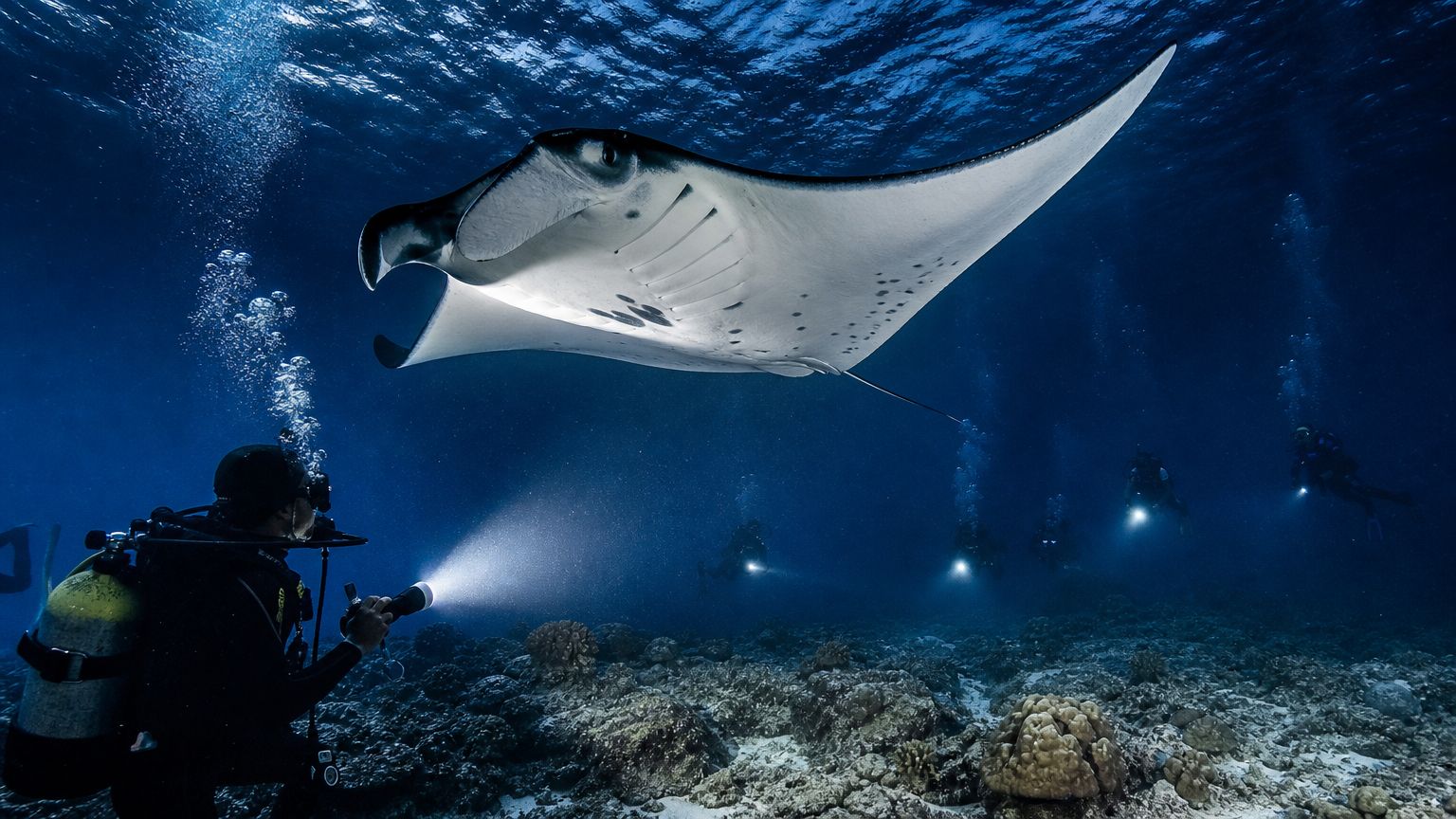
The manta ray night dive
Some famous dives are famous because they photograph well. Kona's manta ray night dive is famous because it delivers underwater. Divers settle into a controlled viewing position, lights attract plankton, and manta rays feed overhead in looping passes. Done properly, it feels less like chasing wildlife and more like entering a behavior pattern that's already in motion.
If you're choosing where to do it, Garden Eel Cove is the stronger setup. The site's protected location usually makes for a better overall experience, the viewing area is well suited to the dive format, and the surrounding reef structure adds quality to the whole outing. If mantas are the main reason you're coming, the manta ray dive tour options are worth reviewing before you lock in your dates.
A lot of travelers also compare diving versus snorkeling for mantas. If you're already certified and comfortable at night, scuba gives you the classic from-below perspective. If you're deciding between formats, this overview of the manta ray night swim helps clarify the difference.
The blackwater dive
Blackwater isn't just another night dive. It's one of the most unusual recreational dives available anywhere. You descend into open ocean at night on a structured system, away from the reef, and watch pelagic and larval life rise from the depths.
This dive rewards calm divers who don't need a bottom reference to feel settled. It's fascinating, surreal, and not the place to discover that you dislike open-water darkness. If that sounds like your kind of dive, the Kona blackwater night dive page lays out the format clearly.
Advanced reefs and lava structure
Experienced divers often come to Hawaii wanting more than easy reef laps. That's reasonable. The better advanced trips usually focus on site selection, conditions, and terrain that justify the extra planning.
Look for operators running dedicated advanced outings instead of putting stronger divers on a standard boat and calling it advanced. If you want deeper structure, more demanding profiles, or broader site range, a premium advanced long-range dive trip is the sort of format worth considering.
Planning Your Trip Seasons Conditions and Certification
Most Hawaii trip planning gets oversimplified into “it's warm all year.” That's only partly useful. Conditions shift enough that diver comfort, ride quality, and how much energy you have on repeated dive days can change with the season. Independent coverage notes that summer water is around 83°F and winter around 76°F, but that alone doesn't capture how surface conditions and logistics affect the trip, as explained in this guide to Hawaii seasonal dive planning.
What season changes in real life
Summer usually feels easier on newer divers and families. Boat rides are often more comfortable, entries tend to feel less intimidating, and repeated dive days are easier to enjoy when the surface interval doesn't leave people chilled and tired.
Winter can still be excellent. It just rewards flexibility more. You may need to accept site changes, rougher rides on some days, or a different pace than the “easy warm-water vacation” label suggests.
For a more trip-focused look at timing, the best months to scuba dive in Hawaii is a useful planning read.
Certification and beginner options
Certified divers have the widest access, especially for standard boat charters and specialty dives. If you haven't been diving in a while, a refresher is often the smartest money you can spend. A calm first day pays you back for the rest of the trip.
If you're not certified yet, beginner programs can still get you underwater under close supervision. What doesn't work is booking a challenging signature dive and assuming enthusiasm will replace training. It won't.
Seasickness planning
Boat motion ruins more Hawaii dive days than cold water ever will. If you know you're susceptible, treat seasickness prevention as part of your dive gear, not an afterthought.
Useful options include:
- Patch option: Ship-EEZ Seasickness Patch
- Traditional medication: Dramamine pills
- Less drowsy favorite for many travelers: Bonine pills
- Non-medication approach: Sea Band wristbands
- Simple backup to keep in the bag: Ginger chews
Go into the trip assuming the boat ride matters. Eat light, hydrate early, and take prevention before you feel bad, not after.
Essential Gear and Packing for Hawaiian Dives
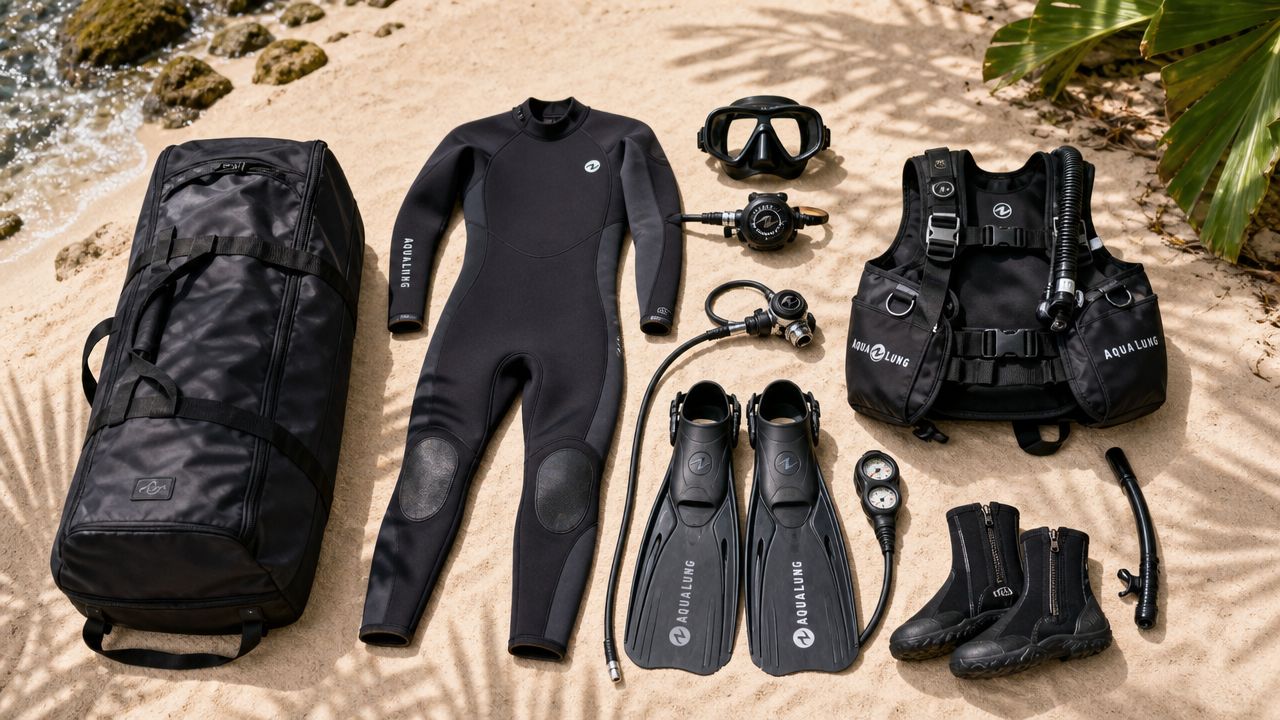
Hawaii's water averages 75 to 80°F (24 to 27°C) year-round, with some planning guidance using 74°F as a baseline. That's why a 3mm to 5mm wetsuit is often sufficient, and it's also why divers sometimes underestimate gas use and buoyancy drift in comfortable conditions, according to PADI's Hawaii diving overview.
What to bring yourself
If you own gear, bring the items that affect comfort and confidence the most.
- Mask: A familiar mask saves trips. Poor fit creates stress fast.
- Dive computer: Hawaii rewards disciplined profiles, especially on repeat dive days.
- Exposure protection: A 3mm works for many divers. If you chill easily or plan multiple dives over several days, a 5mm can be the better call.
- Fins if fit matters to you: Rental fins are fine until they cramp your feet on day one.
What you can usually rent
BCD, regulator, weights, and cylinders are commonly rented without issue through established operators. For many traveling divers, that's the right move. Lugging heavy gear across the Pacific rarely improves the trip unless you have very specific preferences.
The items people forget
These don't sound glamorous, but they make your dive days smoother.
- Reef-safe sunscreen: For surface intervals and boat time.
- Hat and sunglasses: The ride back can feel hotter than the dive felt cool.
- Reusable water bottle: Hydration matters more than people think on multi-dive days.
- Dry bag or simple tote: Keeps the deck chaos manageable.
- Camera only if you can still dive well: Don't turn your first Hawaii descent into a task-loading exercise.
Choosing a Dive Operator and Prioritizing Safety
You feel it as soon as the briefing starts. One crew gives a clear plan, asks about your experience, and explains what the current is doing that morning. Another rushes through hand signals, loads the boat too fast, and treats every diver the same. On a Hawaii trip, that difference often matters more than the price tag.
The right operator does more than get you to a reef. They choose sites that fit the conditions, set a pace that matches the group, and catch small problems before they become stressful ones. That matters even more in Hawaii, where the same island can offer an easy reef dive in the morning and a much more demanding profile by afternoon.
What to look for before you book
Start with how the operation matches divers, not just how it markets dives.
- Briefings with substance: You want entry and exit procedure, likely depth range, current expectations, marine life rules, and a clear turn-pressure plan.
- Group control that makes sense: Newly certified divers, photographers, and highly experienced divers usually do better with different pacing and different site choices.
- Crew attention on the boat: Watch for organized gear handling, help on entries and exits, and staff who notice anxiety, weighting issues, or rushed setup.
- Site selection discipline: Good operators change the plan when ocean conditions call for it. They do not force a marginal site because it looks good in a brochure.
- A real safety culture: Ask how they handle diver recall, out-of-air scenarios, seasick divers, and lost buddy procedures. Serious operators answer directly.
I tell visiting divers to book for fit, not for bragging rights. A famous night dive or advanced offshore trip is only a good choice if the operator is honest about who should be on that boat.
Match the operator to the kind of diving you actually want
Many Hawaii trips go sideways when divers pick an island for a headline experience, then book the first operator with availability. A better approach is to work backward from your goals.
If you want relaxed reef diving with strong marine life odds and straightforward logistics, look for operators that run small groups and have several site options on the same coast. If you want manta, blackwater, or more advanced profiles, ask how often they run those dives, what experience they expect, and whether they cancel or substitute when conditions are off. The answer tells you a lot.
On the Big Island, comparing a few details from a Kona diving company page can help you see what matters in practice, such as trip types, diver prerequisites, and how the crew separates beginner-friendly outings from more advanced ones. One such operator is Kona Honu Divers, which offers day dives, night dives, beginner programs, and advanced-focused outings on the Kona coast.
Kona has one practical advantage that divers appreciate once they are here. The leeward coast usually gives operators more usable dive days and more flexibility in site choice than windward locations elsewhere in the state. That does not remove risk, but it does improve the odds of getting in the water on the kind of trip you had planned.
Safety is also a diver decision
Operator quality matters. So does diver honesty.
Say if you have not dived in a year. Say if you are uncomfortable backing in off a boat. Say if your air consumption is high, your ears are slow, or you are still working on buoyancy. A solid crew can adjust the plan around that. They cannot help with what you hide.
Good Hawaii diving also depends on restraint underwater. Stay off the bottom, keep your fins clear of coral and lava, and do not chase turtles, dolphins, or mantas for a better photo. Better buoyancy is reef protection, but it also means lower gas use, calmer breathing, and more time spent seeing the dive.
FAQs About Hawaii Scuba Diving
Is Hawaii good for beginner divers
Yes, if the dive plan matches the diver. Warm water, strong operator infrastructure, and plenty of accessible reef diving make Hawaii very workable for beginners. The mistake is assuming every famous dive is a beginner dive. New divers do better starting with calm daytime sites and building from there.
Do I need to be certified to scuba dive in Hawaii
For standard certified dive trips, yes. If you're not certified, many operators offer beginner experiences under direct supervision. Those are a good fit if you want to try diving without committing the whole vacation to a full course.
How much should I expect to spend
Costs vary by island, operator, rental needs, and whether you're booking a standard reef trip or a specialty experience such as manta or blackwater. The useful way to think about cost is by value per dive day. Cheap isn't cheap if the boat is crowded, the briefing is weak, or the site choice is poor.
Can I fly after diving
You need to follow the standard no-fly guidance given by your training agency and operator. This is not the place to improvise. If your trip also includes high-elevation sightseeing, ask about that too before booking your final dive day.
What happens if weather changes
Good operators adjust sites, reschedule when needed, and communicate clearly. That's normal in ocean diving. Flexible travelers usually have the best Hawaii trips because they leave room for the crew to make smart decisions instead of forcing a specific site in the wrong conditions.
If you want a trip built around real diving instead of generic vacation marketing, Kona Honu Divers is a solid place to start. Their Kona-based options include beginner-friendly outings, advanced trips, manta dives, and blackwater experiences, which makes it easier to match the dive to the diver instead of forcing everyone into the same itinerary.