
You're probably doing what most divers do at the start of a Hawaii trip. You've opened ten tabs, every island looks good, every operator says they run great dives, and now the whole thing feels harder than it should. One page is pushing wrecks, another is selling manta encounters, and somewhere in the middle you're wondering whether you should base the trip on Maui, Oahu, or the Big Island.
That confusion is normal. Hawaii rewards divers who plan the trip around conditions, training, and the kind of underwater experience they want, not just the prettiest booking photo.
The good news is that the path gets much clearer once you stop thinking of Hawaii as one generic dive destination. It's a chain of islands with very different diving personalities. Some trips work well as a casual add-on to a beach vacation. Others should be built around the diving itself. If your goal is memorable underwater terrain, reliable boat diving, and access to signature experiences that are hard to match anywhere else, the center of gravity shifts fast toward Kona.
A lot of divers land on the Big Island after reading broad travel guides and still don't know how to turn that decision into a solid itinerary. That's where a working diver's perspective helps. The goal isn't to throw a list of sites at you. It's to help you build a trip that fits your certification, your comfort in the water, your budget, and the experience you want when you surface after the last dive.
If you're narrowing options and want a practical starting point, Kona diving resources from a local operator are a useful place to begin.
Your Ultimate Hawaii Scuba Diving Adventure Starts Here
Most Hawaii dive trips start with a simple idea. Warm water, clear visibility, sea turtles, maybe a manta ray if you get lucky. Then reality shows up. You start comparing islands, wondering whether shore diving makes sense, trying to figure out if a manta night dive is right for your certification level, and asking yourself whether you should bring gear or rent it.
That's where divers either build a smooth trip or a frustrating one.
The strongest Hawaii scuba diving vacations usually follow a simple pattern. Start with the island that matches your goals. Pick the kind of diving you care about most. Then choose an operator that runs the sort of trips you'll enjoy, not just the ones that look impressive on a brochure.
The diver I see all the time
A common Kona story goes like this. A diver books Hawaii first, then tries to fit diving into the leftover schedule. They leave only one boat day, cram a night dive before a flight, and choose based on price alone. The trip still works sometimes, but it often feels rushed.
The better version is different.
- Base the itinerary around diving days: Put your ocean days early enough in the trip that weather changes don't ruin the plan.
- Match dives to your real comfort level: A calm reef dive, a manta night dive, and an advanced lava-structure dive are not the same ask.
- Leave room for standout experiences: Kona is one of those places where one well-chosen charter can define the trip.
Good Hawaii diving doesn't happen by accident. Divers who enjoy it most usually planned less around hype and more around fit.
That's the frame for the rest of this guide. Not just where to dive, but how to plan the whole trip so Hawaii feels as good underwater as it looked when you booked the flight.
Why Hawaii Offers a World-Class Diving Experience
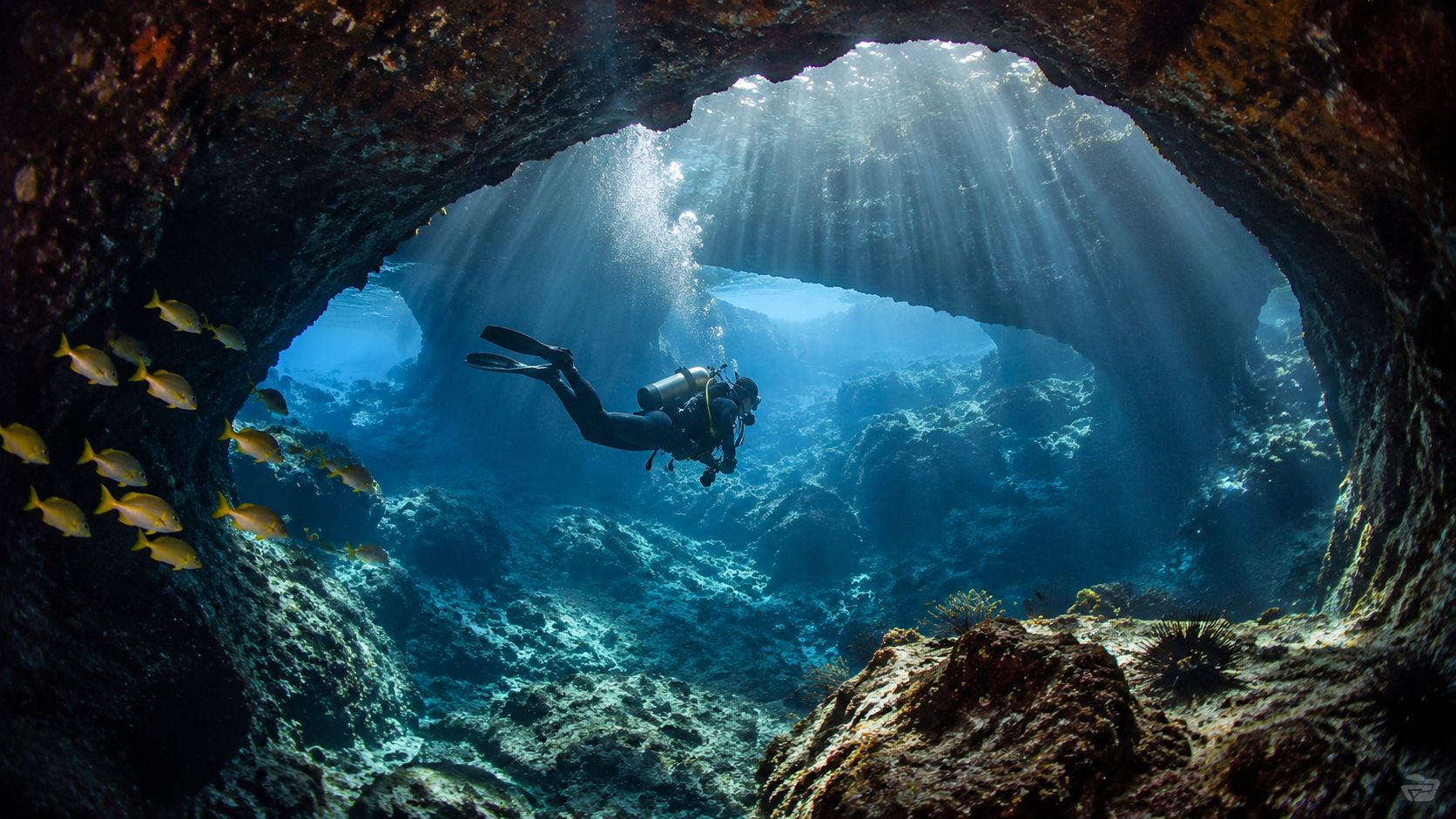
Hawaii earns its reputation underwater for reasons that go beyond pretty reef photos. The diving combines volcanic structure, reliable conditions, and a mature operator network. That mix is why so many divers return.
A hard fact matters here. Hawaii hosts over 1.5 million scuba dives annually and supports that demand with more than 215 licensed dive shops, while water temperatures stay around 75°F to 80°F (24°C–27°C) year-round, according to this overview of how large scuba diving is in Hawaii. That's not a niche scene. It's a full-scale diving destination with enough infrastructure to serve beginners, vacation divers, and very experienced divers on specialized charters.
Volcanic geology changes the feel of every dive
Many tropical destinations give you coral and fish. Hawaii adds shape.
The islands were built by volcanoes, and that history is obvious underwater. Instead of long stretches of similar reef, you get lava tubes, caverns, steep contours, shelves, swim-throughs, and hard-edged formations that make even moderate-depth dives feel dramatic. A site can look simple on paper and still feel visually rich once you're in it.
That geology also changes how you dive.
- Buoyancy matters more: Tight spaces and uneven lava features punish sloppy trim.
- Light placement matters on night dives: Caverns and structure can absorb or redirect your beam.
- Situational awareness matters: Vertical relief can make depth changes happen faster than newer divers expect.
Reliable conditions make planning easier
Hawaii's consistency is a major advantage, especially if you're traveling a long way and don't want to gamble the whole trip on one good weather window. Warm water removes the classic “season opener” feeling that many mainland divers know. You're not waiting for conditions to become reasonable. You're choosing among dive plans that are workable almost all year.
Visibility is another big draw. Hawaii often delivers visibility exceeding 100 feet, and that transforms the experience. Newer divers feel less boxed in. Photographers get more natural light to work with. Guides can run cleaner, calmer dives because everyone can clearly see what's happening around them.
Practical rule: Hawaii isn't special because it's easy. It's special because the conditions let competent operators put more divers in the right water more often.
Marine life is only part of the story
Yes, people come for manta rays, reef life, sharks, and rare open-ocean encounters. But the reason Hawaii scuba diving sticks in your memory is how the marine life interacts with the terrain. A turtle crossing a reef is nice anywhere. A manta gliding through your light in dark water above volcanic structure is different. So is hovering near a lava formation while the visibility stretches far enough that the seascape feels almost oversized.
That combination is what lifts Hawaii out of the “nice tropical dive vacation” category and into the list of places divers plan entire trips around.
Navigating the Dive Regions A Focus on the Kona Coast
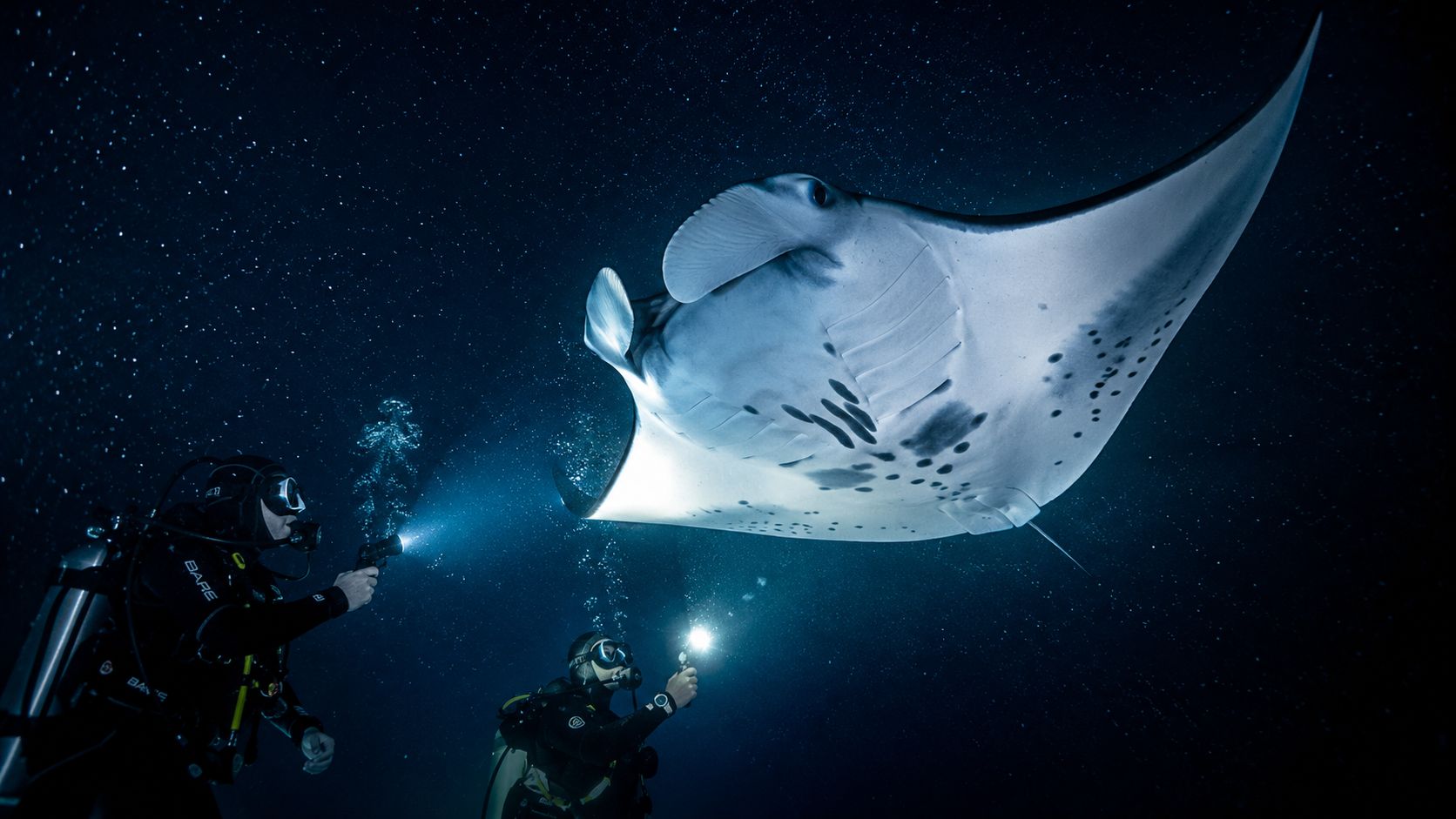
Every major Hawaiian island can give you a good dive. They just don't give you the same trip.
Maui works well for divers who want to mix ocean time with a broader resort vacation. Oahu suits travelers who want lots of operator choice and easy access to urban activities between dive days. Kauai appeals to people who like a rougher-edged island feel and don't mind being flexible.
Then there's the Big Island, and specifically Kona.
If you care most about dependable diving conditions and marquee experiences that are hard to duplicate elsewhere, Kona usually rises to the top. A quick look at Kona scuba diving conditions and local diving style shows why so many divers center their Big Island trip there.
How the islands compare in practical terms
| Island | What it does well | Trade-off |
|---|---|---|
| Maui | Easy vacation pairing, approachable reef diving | Often less dive-focused as a full trip |
| Oahu | Variety, wreck interest, lots to do topside | Busier overall feel |
| Kauai | Distinct character, dramatic setting | Conditions can demand more flexibility |
| Big Island and Kona | Signature night dives, volcanic structure, consistent leeward diving | Strongest when the trip is built around diving |
That last point matters. Kona isn't just another pleasant dive base. It's one of the few places where a diver can do a daytime reef or lava-formation charter, a world-famous manta night dive, and an open-ocean blackwater dive from the same region without turning the whole vacation into a complicated inter-island puzzle.
Why the Kona coast keeps winning the comparison
The leeward side of the Big Island is the key. It's known for calmer, clearer, more workable diving conditions than many exposed coastlines elsewhere in the state. That consistency changes everything from site selection to diver comfort.
Here's what works well in Kona:
- Shorter planning risk: If you only have a few dive days, consistency matters more than a long bucket list.
- Broad skill range: Newer certified divers and advanced divers can both build a meaningful trip here.
- Specialty dive access: Manta dives and blackwater charters are part of the local dive identity, not occasional add-ons.
What doesn't work well is treating Kona like a generic “one morning dive should cover it” destination. The coast rewards sequencing. One easier dive day to settle in, then a night dive, then a more advanced charter if your skills and energy are there.
A smarter way to plan the region
If you're building a Big Island itinerary, think in layers instead of isolated bookings.
Start with one standard boat day. Add one signature experience. Then decide whether you want to stretch into a more technical-feeling or advanced environment after you've had a chance to see how you're handling the local conditions. Divers browsing Kona diving tours for different experience levels usually make better decisions when they compare trip types this way instead of just sorting by price or departure time.
That's a significant Kona advantage. It gives you options, but the options fit together.
Kona's Unmissable Dives Manta Rays Blackwater and More
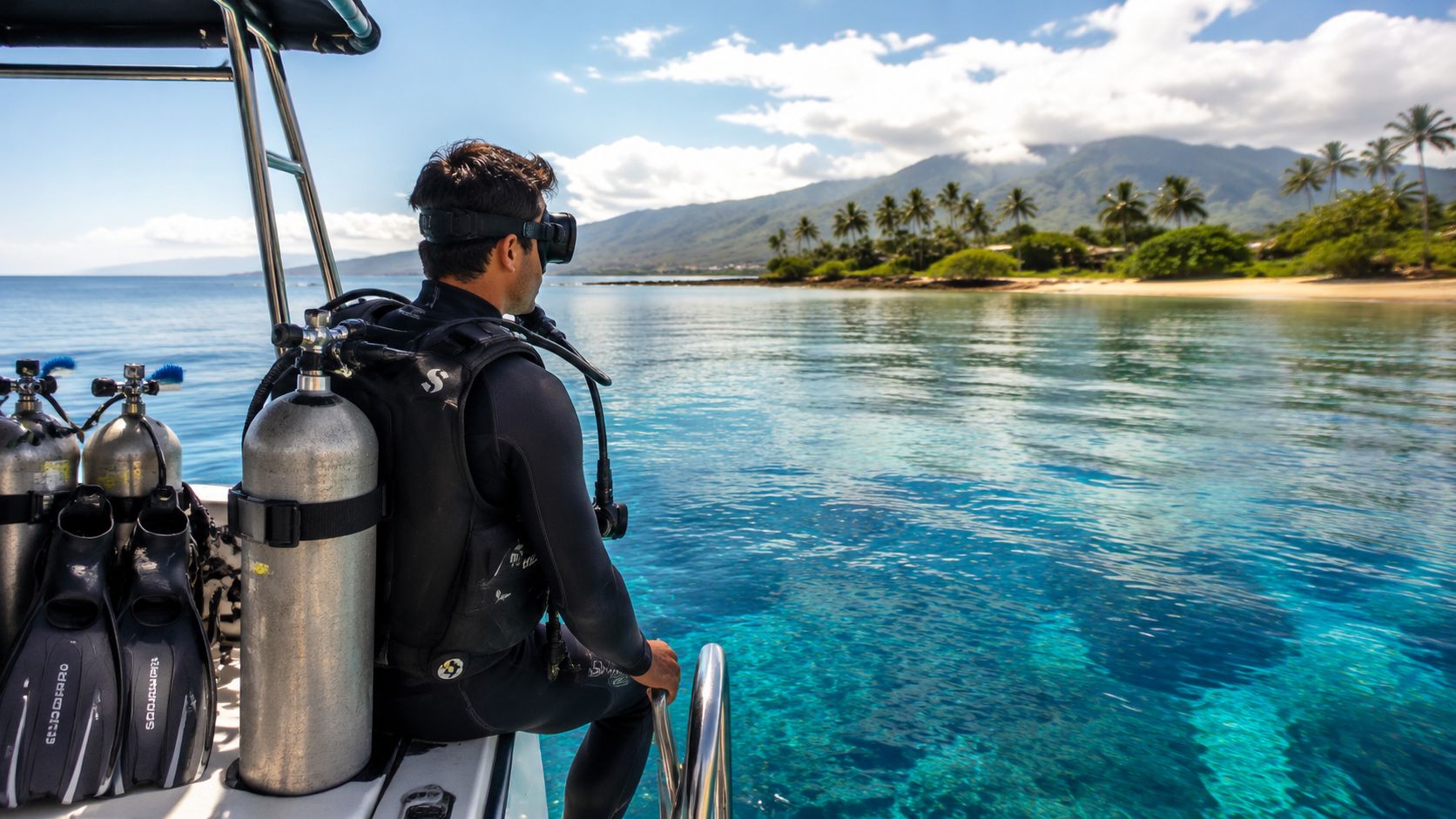
You finish a comfortable morning reef dive in Kona, head back to the harbor, and realize the main decision is still ahead of you. Do you want the famous manta night dive, the strange open-ocean blackwater, or a more demanding day built around advanced sites and stronger profiles?
Those three dives shape a Kona trip more than any generic “top 10 sites” list ever will. Choose the right one for your experience, comfort level, and goals, and the rest of the trip usually falls into place.
If manta rays are high on your list, this guide to the Kona manta ray night dive on the Big Island gives useful context before you commit to a boat.
The manta ray night dive
This is Kona's signature dive because it delivers something few places can. Divers settle in one area, lights draw in plankton, and mantas sweep through the glow overhead. Even divers with hundreds of logged dives still come up from a good manta dive grinning.
The best manta dives are calm, controlled, and well-briefed. Site choice matters, but so does how the crew runs the dive. On the more protected Kona sites, entries and descents often feel easier, the group stays organized, and newer night divers usually have a better first experience because they are not dealing with unnecessary surface commotion.
A few practical points make a big difference:
- Stay still once you are in position.
- Keep your light where the crew instructs.
- Maintain awareness of your fins and gauges.
- Let the mantas control the encounter.
Chasing mantas usually reduces sightings and creates problems for the group. Good operators make that clear before anyone hits the water.
The blackwater dive
Blackwater is the dive experienced divers talk about for years. You are suspended offshore at night over deep water, usually with a lit downline or tethered lighting system attracting larval and pelagic life from below. There is no reef, no wall, and often no visual reference beyond the lights, the team, and the dark water around you.
Some divers love that immediately. Others find out fast that they prefer a night reef with a bottom under them.
That is why blackwater should be chosen judiciously. Strong buoyancy control matters. Comfort in darkness matters. The ability to stay calm while looking at unfamiliar, translucent, fast-moving life matters even more. If a diver gets uneasy without a bottom reference in daylight, blackwater is usually not the right place to test that limit.
For the right diver, though, it is one of the most unusual dives in Hawaii. It feels technical without being a technical dive, and mentally it asks more of you than many deeper daytime profiles.
Advanced and longer-range diving
Kona also rewards divers who want more than a marquee wildlife encounter. Longer-range or more advanced charters can include sharper topography, lava features, deeper walls, stronger current, and sites where trim and gas awareness stop being nice extras and start affecting the whole dive.
These are the dives that expose small weaknesses. A diver who is slightly sloppy with buoyancy on an easy reef may suddenly be stirring up silt in a lava tube entrance or burning through gas while trying to manage depth changes along a wall.
That challenge is part of the appeal, but it should be matched to current skill, not ego. A well-run advanced day feels deliberate. The crew chooses sites that fit conditions, sets clear expectations, and keeps the group from turning an interesting dive into a stressful one.
How to choose between them
For most traveling divers, the smartest order is simple.
Choose manta rays if you want the classic Kona memory and a night dive with a clear payoff, even if you are not usually a night-dive fanatic.
Choose blackwater if you already know you are comfortable in dark water and want something rare that you are unlikely to duplicate on a standard dive vacation.
Choose advanced or longer-range diving if terrain and challenge are the main draw, and you have the buoyancy, air consumption, and situational awareness to enjoy it rather than just endure it.
Kona Honu Divers is one local operator that runs across those categories, including standard day boats, manta charters, blackwater trips, and advanced outings. That range matters when you are building a trip strategically instead of booking dives at random.
Your Dive Trip Blueprint Seasons Courses and Packing
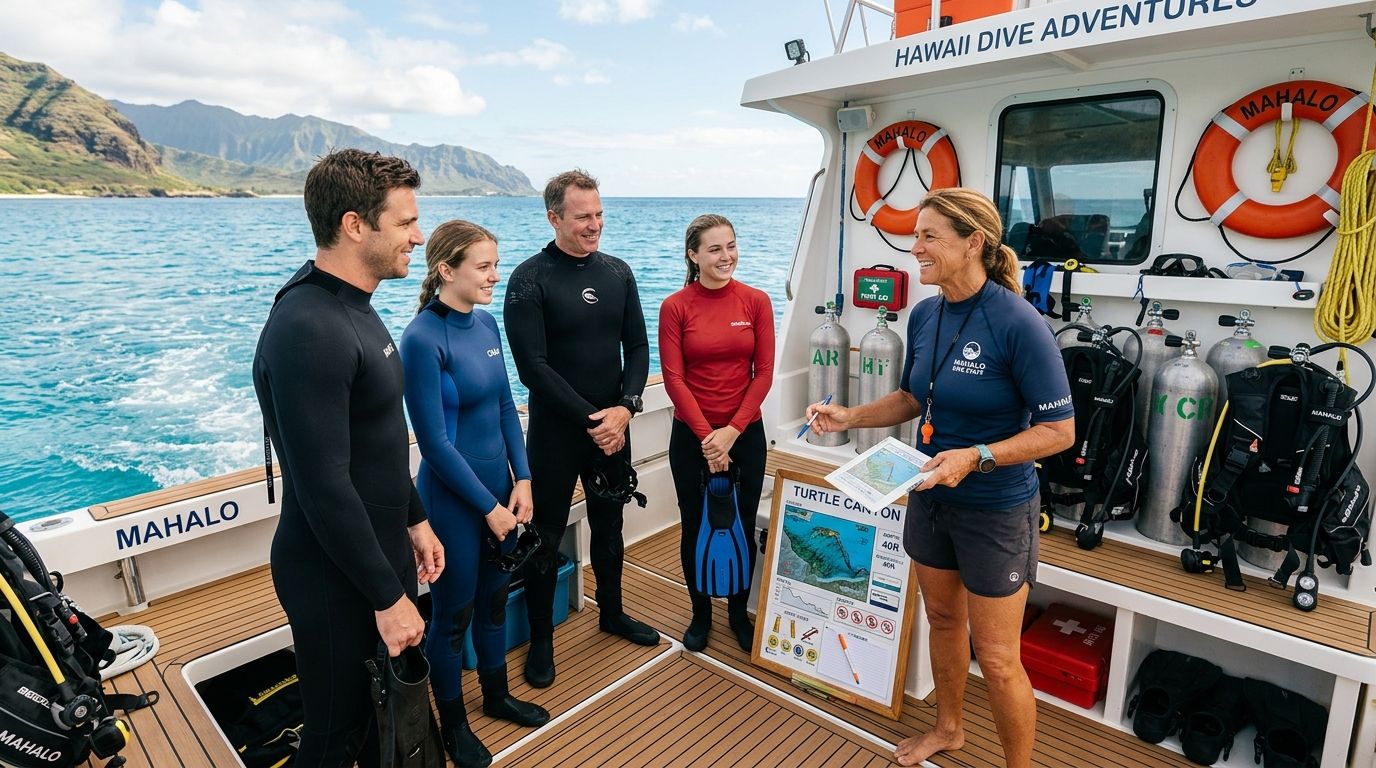
Planning Hawaii scuba diving well has less to do with finding a secret season and more to do with matching your trip goals to the kind of days you want on the boat. Hawaii is diveable all year, so the better question isn't “When can I dive?” It's “What type of diving day am I trying to stack together?”
How to think about timing
If you want the easiest possible trip, favor the periods when the ocean tends to feel calmer and the logistics feel simpler. That usually means easier boat rides, less stress for newer divers, and more comfort on night dives.
If you like a more dynamic ocean and don't mind adapting plans, a different part of the year can still be excellent. Flexible divers usually do well in Hawaii because operators can shift plans around actual conditions.
The strongest approach is simple:
- Put your most important dive early enough in the trip that weather changes don't leave you with no backup.
- Don't schedule your hardest dive first if you haven't been underwater in a while.
- Leave a surface buffer before your flight home so you're not squeezing the trip too tightly.
Certification reality
Open Water certification is enough for plenty of enjoyable Hawaiian diving. But some of Kona's most talked-about experiences are better if your buoyancy, night-diving comfort, and general awareness are already solid.
Here's the practical split:
- Open Water divers: Fine for many standard boat dives and often fine for the manta dive if you're comfortable at night.
- Rusty certified divers: A simple first-day checkout or conservative dive plan can make the whole trip better.
- Advanced-minded divers: If you want more complex terrain or long-range profiles, better buoyancy and more experience pay off immediately.
A vacation is a bad place to discover that your skills are two years older than your confidence.
If you've been considering Advanced Open Water or nitrox training, Hawaii can be a sensible place to do it, especially if the training supports the dives you want to make during the trip.
Packing for the dives you're actually doing
A lot of divers overpack clothing and underthink boat comfort.
Bring the obvious dive basics if you prefer your own fit items, but focus on the pieces that reduce friction across multiple days:
- Mask you already trust: This matters more than almost anything else.
- Exposure layer you know you'll wear: Hawaii is warm, but long boat days and multiple dives can still leave you chilled.
- Layer for the ride in and back: Especially after night dives.
- Reef-safe sun protection: Sunscreen, cover-up, hat, and shade habits all help.
- Dive computer: Strongly recommended, especially if you're doing multiple days or specialty profiles.
- Logbook and certification cards: Digital backups help, but don't assume every check-in goes the same way.
- Dry bag or boat bag: Keep the little things from becoming wet chaos.
The goal isn't to carry everything. It's to arrive with the gear that protects your comfort, because comfortable divers make better decisions underwater.
Choosing a Dive Operator and Prioritizing Safety
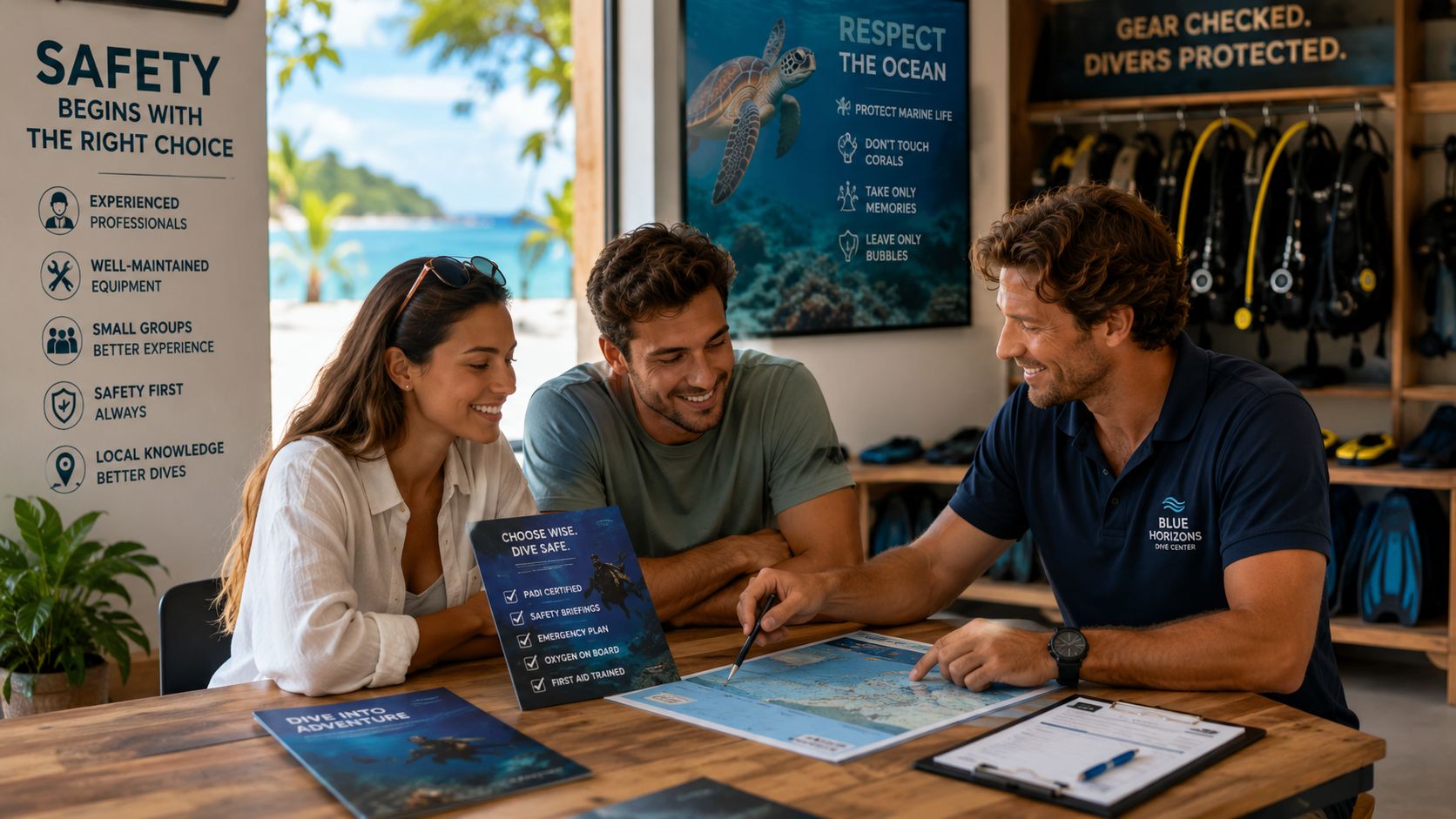
You feel the difference in an operator before the boat leaves the harbor. The crew asks about your recent dives, checks whether your experience matches the site, and gives a briefing that covers current, entry, exit, depth, and what the group will do if conditions change. That is the standard to look for in Kona.
A Hawaii dive trip costs too much to hand over your day to the cheapest seat on the boat. Operator choice shapes far more than the ride out. It affects site selection, how divers are grouped, how problems get handled, and whether a bucket list dive feels organized or rushed. If you want a sense of what a well-run operator offers across day boats, manta trips, and advanced charters, review this Kona diving company trip overview.
What to look for before you book
Good operators usually reveal themselves in practical details.
- Briefings with usable information: You want the actual plan, including route, depth range, conditions, hazards, and lost buddy procedure.
- Honest diver screening: Strong crews ask about certification, recency, air use, and comfort in current or low light. They do not treat every card level as equal.
- Rental gear that looks serviced and fits properly: Bad fit creates stress fast, especially on repeat dive days.
- Boat flow that makes diving easier: Stable entries, reasonable ladder access, and enough room to kit up without chaos matter more than glossy marketing photos.
- Clear standards for specialty trips: Manta and blackwater dives are not the place for vague expectations. The operator should explain who the trip suits and who should sit it out.
Safety starts with that honesty. A diver who is comfortable on an easy reef dive may not be ready for a night profile, blue water exposure, or a charter that expects sharper buoyancy and situational awareness.
If your experience and the dive plan do not match, skip that dive and protect the rest of your trip.
Safety depends on judgment long before the descent
Hawaii diving is very manageable for trained, current divers, but vacation mode can make people casual. I see the same preventable mistakes over and over. Divers overstate recent experience, ignore fatigue, dive with dehydration already building, or push into conditions they would decline at home.
The better approach is simple. Be accurate about your skill level. Ask direct questions before booking. Listen to the briefing. Abort early if something feels off. Good crews respect conservative decisions because they have seen what happens when ego gets involved.
Seasickness can ruin a safe diver's day
Motion sickness is not just a comfort issue. It affects hydration, attention, and gas consumption, and all three matter underwater.
Plan for it before the trip. If you know you get seasick, use the remedy that has worked for you before, whether that is medication, ginger, acupressure bands, or a combination your doctor has already cleared. Then stack the easy habits that help on boat days:
- Eat light before departure: A small breakfast usually works better than a heavy meal or an empty stomach.
- Start hydrating early: Do it before you arrive at the boat.
- Stay where you can see the horizon: Fresh air helps many divers.
- Tell the crew right away: They can often place you in a better spot on the boat and keep an eye on you between dives.
A diver who manages seasickness well usually has a much better second dive than the diver who tried to tough it out in silence.
Be conservative with post-dive flight planning
The no-fly window deserves real respect. Minimum guidance is not the same thing as smart trip planning, especially after multiple dives, deeper profiles, or several days in a row on the boat.
I advise building in a full day between your last dive and your flight home whenever your schedule allows. That buffer reduces pressure at the end of the trip and gives you room to handle delays, fatigue, and any schedule changes without making bad decisions. Conservative planning is rarely the part of the vacation anyone regrets.
Hawaii Scuba Diving FAQ
How expensive is Hawaii scuba diving really
The posted boat rate is only part of the budget. Rental gear, nitrox policies, park or fuel fees on some charters, and specialty dives can change the daily total fast.
On the Kona coast, I tell divers to price the full day, not just the seat on the boat. Ask what is included before you book: BCD, regulator, wetsuit, computer, tanks, weights, and nitrox. That gives you a real apples-to-apples comparison, especially if you are diving several days in a row.
Do I need my own dive computer
For a single easy dive, a rental computer can be fine. For a Hawaii trip with repeated boat dives, I strongly prefer divers to have a computer they already know how to use.
Familiarity matters. You should be able to read no-decompression limits, ascent rate, and surface interval information without fumbling through menus on the boat. If you plan to rent one, confirm availability in advance and set it up before the first briefing starts.
What time of day is best to dive
Morning usually gives you the calmest routine for reef diving and training. The ocean often builds as the day goes on, even when the visibility stays good.
Some of Kona's signature dives happen on their own schedule. Manta night dives and blackwater charters are not add-ons after a casual beach day. They are main events that deserve a rested diver, a light meal, and enough time to check gear carefully.
How far in advance should I book
Book specialty dives first. Build the rest of the trip around them.
That approach works well in Kona because the high-demand charters are the easiest ones to miss. Manta trips, blackwater dives, and limited-space advanced charters can fill well before standard morning boats. If those are the reason for the trip, lock them in early and leave yourself backup dates in case weather shifts the schedule.
Should I bring all my gear or rent
Bring the gear that affects fit and comfort the most. Your mask is first on that list. Exposure protection is next, especially if you run cold or have a hard time finding a good fit.
The rest depends on how you travel and what kind of diving you have planned. Many visitors rent BCDs and regulators with no problem, particularly with a well-run Kona operator that services gear properly. Ask what brands they use, how often they service regulators, and whether computers are included. Good rental gear is completely workable. Bad fit is what ruins dives.
Is Hawaii good for newer certified divers
Yes, if you choose dives that match your current skill level.
Kona is a good place to progress because you can start with straightforward reef dives, get comfortable with entries, buoyancy, and local procedures, then step up to more demanding charters later in the trip. Newer divers get in trouble when they book an iconic dive before they have settled in. A simple first day usually leads to a much better manta night or deeper boat dive later.
How do I choose the right dive operator
Start with fit, not hype. The right operator for your trip depends on your experience level, the dives you want most, and how seriously the crew treats briefings, diver screening, and in-water supervision.
Ask direct questions. Do they separate newer divers from advanced groups when needed? How do they handle computer rentals, nitrox fills, and late changes due to conditions? For Kona-specific goals like manta ray night dives, blackwater trips, and standard two-tank charters, Kona Honu Divers offers all of those trip types, which makes it easier to build a trip plan around a few priority dives instead of booking each day piecemeal.