
You're probably doing what most visiting divers do. You've got flights open in one tab, hotel options in another, and a growing list of “must-do” Hawaiian dives that somehow includes mantas, lava tubes, blackwater, turtles, maybe a shore dive, and maybe another island too.
That's where people make a mess of the trip.
Hawaii scuba diving gets marketed like every island offers the same thing with a different postcard. It doesn't. If your goal is to maximize water time, get the signature experiences, and avoid wasting vacation days on the wrong plan, you should treat this as a strategy problem, not a bucket-list scramble.
Kona is where that strategy gets simple. The diving is consistent, the specialty dives are world-class, and you can build a trip that works whether you're a recently certified Open Water diver or someone who wants a more advanced offshore night dive. If you want the big-picture overview first, start with this broader look at Hawaii scuba diving.
Your Guide to Unforgettable Hawaii Scuba Diving
The most common mistake I see is simple. A diver lands in Hawaii with a vague plan, books whatever still has space, and hopes the ocean sorts out the rest.
Sometimes that works. Usually it leaves people saying the trip was “good” when it could've been unforgettable.
Start with the right island, not the loudest marketing
A lot of first-time visitors split attention across too many islands. That's fine for a general vacation. It's not smart if diving is the priority. Boats, briefing styles, marine life encounters, entry conditions, and underwater terrain all change by island.
If you want the strongest all-around Hawaii scuba diving trip, build around the Big Island, specifically Kona. That decision solves most of the planning friction immediately. You get famous night diving, dependable reef diving, volcanic structure, and advanced options without burning days on inter-island logistics.
Practical rule: If diving is the reason for the trip, choose one island and dive it well.
Match the dive plan to the diver you actually are
A lot of people book based on photos. That's backward. Book based on comfort, certification, and what kind of dive day you enjoy.
Here's the framework I use when advising visiting divers:
- If you're newly certified: Prioritize easy morning reef dives first. Build confidence before adding night dives.
- If you're comfortable at night: Put the manta dive high on the list.
- If you're advanced and calm in open water: Add blackwater.
- If your group has mixed interests: Base in Kona and let divers and non-divers split activities without changing hotels.
This isn't about being conservative for the sake of it. It's about getting more from every dive.
Build the trip around signature experiences
Good Hawaii scuba diving isn't just about seeing fish. It's about putting yourself in the right place for experiences that only work here in this way. Kona gives you that. You can do reef and lava dives by day, watch mantas feed at night, and head offshore for pelagic blackwater if your skills support it.
That's a better trip than trying to “sample everything” and never settling into the rhythm of one coast.
Why Kona is the Epicenter of Big Island Diving
You wake up on the Big Island, check the ocean, and want a real dive day instead of a long debate about wind, surf, and backup plans. That is why serious divers base themselves in Kona.
The west side gives you the most dependable access to the water and the strongest mix of dive styles from one home base. On the east side, conditions can shut things down fast. In Kona, boats run more consistently, shore planning is simpler, and you spend more of your trip diving instead of rearranging it.
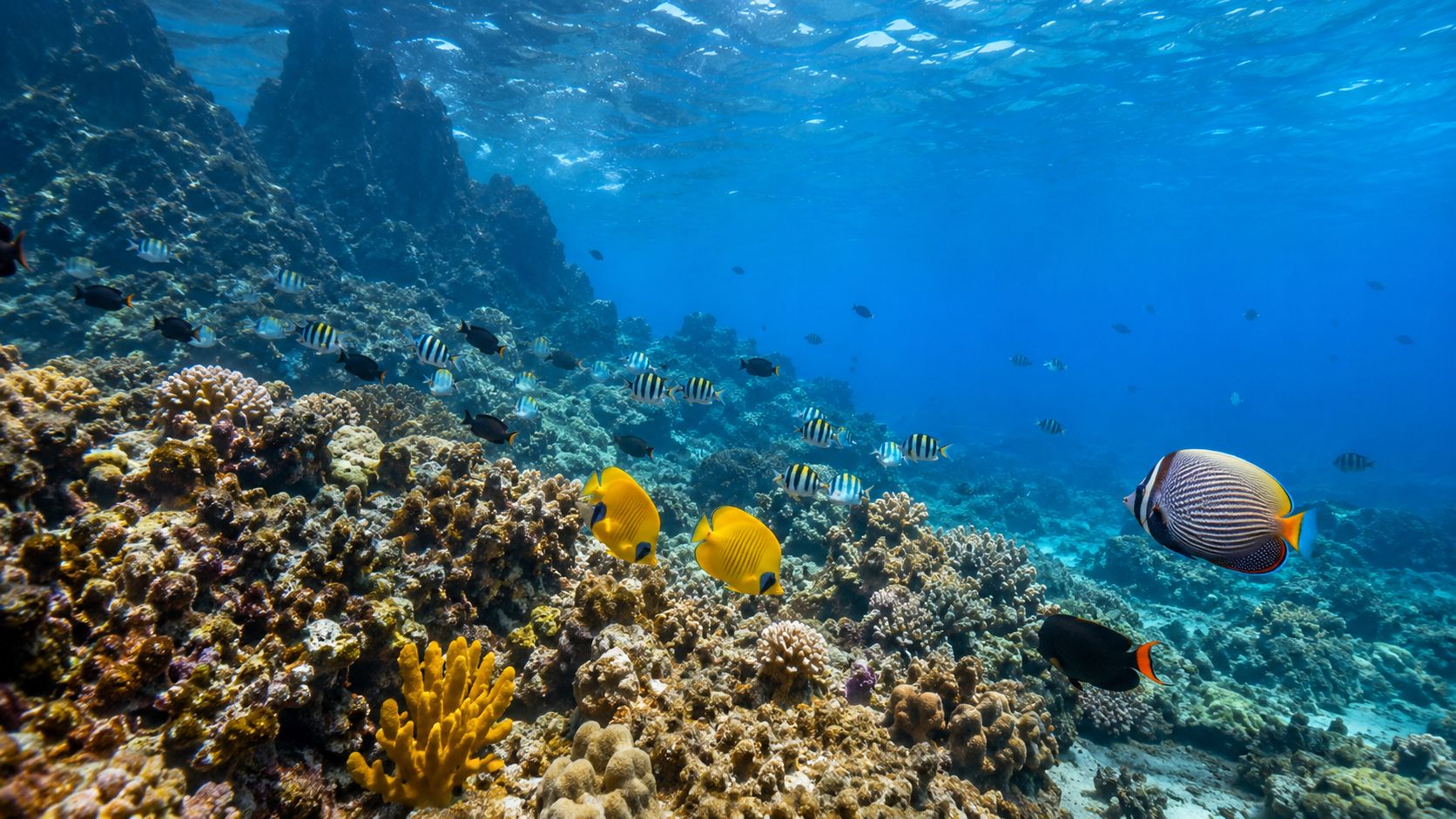
The coastline gives Kona an edge
Kona works because the coast is protected and the underwater terrain has range. You are not looking at one kind of dive repeated all week. You get lava fingers, arches, drop-offs, hard volcanic contours, and reef sections that hold life in every crack.
Scubapro's Hawaii diving overview points out that Hawaii's volcanic geology creates lava tubes and caverns across a wide depth range, with water warm enough to support diving through the year. That matters in practical terms. The structure keeps dives visually interesting, creates shelter for marine life, and gives Kona a much stronger identity than a destination built on flat reef alone.
If you want a clearer sense of why this side of the island dives differently, read what is unique about diving in Kona.
The diving feels distinctly Hawaiian
Kona is not interchangeable with the Caribbean, Mexico, or other Pacific reef trips. The fish behavior is different. The reef layout is different. The lava backdrop changes the entire look of the dive, even on easier sites.
You will notice that fast if you have dived elsewhere.
The point is not to chase a longer species checklist. The point is to choose a place with a clear personality underwater. Kona has one. That matters more than travelers expect, especially if you are building a trip around memorable dives instead of just filling tank time.
Why I send divers to Kona first
If your goal is to get the most from one Hawaii dive trip, Kona is the smart call because it solves several planning problems at once.
| Priority | Why Kona fits |
|---|---|
| Consistent access | The west side usually gives operators more workable days on the water |
| Real variety | You can combine reef dives, lava formations, night dives, and offshore specialty dives from one base |
| Stronger trip design | Signature experiences fit naturally into a multi-day plan instead of feeling tacked on |
| Less wasted time | You avoid bouncing between islands and relearning conditions every day |
That is a significant advantage. Kona is not just a good place to do a few dives. It is the best place on the Big Island to build a full dive trip with a plan.
Signature Kona Dives You Cannot Miss
Your third day in Kona arrives, the ocean is calm, and you realize you still have open spots in your schedule. Book the wrong dives now and you get a pleasant week. Book the right ones and you get the stories that justify flying across the Pacific.
That is the right way to approach Kona. Build the trip around the dives you cannot do well, or at all, in many other places. Then fill the remaining days with reef diving.
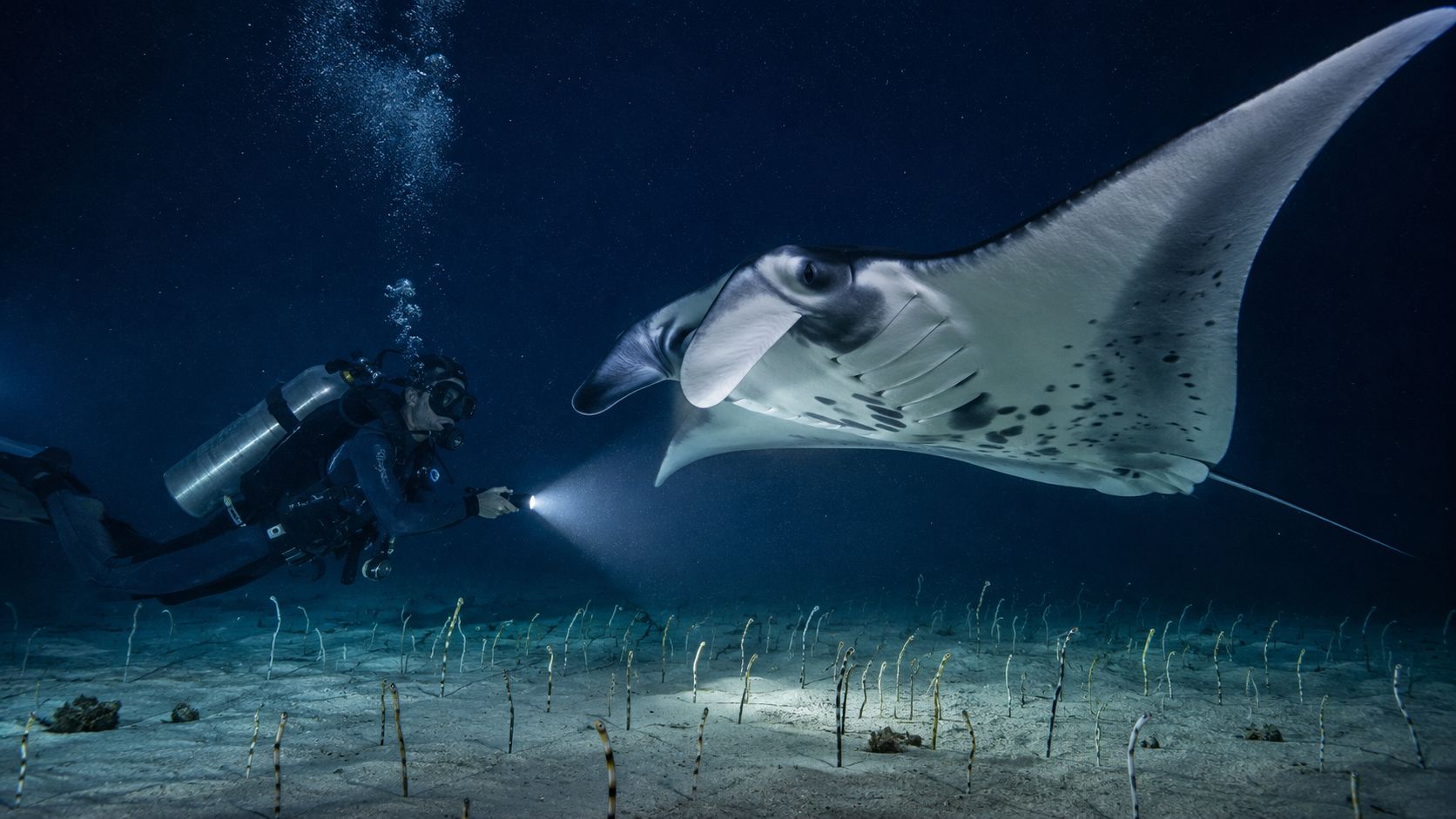
Manta Ray Night Dive
Start here.
The manta night dive is Kona's signature experience because the format is simple and the encounter is unforgettable. You settle onto the bottom, lights pull plankton into the water column, and mantas sweep overhead in tight, repeated passes. Even divers with hundreds of logged dives remember this one clearly.
Site choice matters more than travelers expect. I recommend Garden Eel Cove because the area is more protected, the diver setup is usually cleaner, and the viewing pattern tends to be easier to follow. That gives you a better night underwater and a better chance of staying relaxed, still, and in the right position when the action starts.
Give yourself more than one chance if this dive is the reason you came to Kona. Weather, surge, and animal behavior can all change the night. Smart divers schedule the manta dive early in the trip so there is room to rebook if needed.
If you want a better sense of the experience before you commit, this overview of the manta ray night swim gives useful context.
Stay still, keep your light where the guide wants it, and let the mantas come to you. Chasing them turns a great dive into a sloppy one fast.
Blackwater Dive
Blackwater is the dive I recommend to experienced divers who want something far stranger than a reef at night.
You run offshore after dark, descend on a lit line, and hover over open ocean with no bottom in view. The draw is the life coming up from the depths. Larval fish, pelagic juveniles, transparent animals, and bizarre drifting creatures show up in the lights like a moving science exhibit.
This dive rewards control, not curiosity alone. You need calm buoyancy, good trim, and the ability to stay oriented when the usual reef references are gone. Divers who are uneasy in blue water should skip it. Divers who like unusual marine life and can hold position cleanly should put it near the top of the list.
If that sounds like your kind of night, book the exhilarating Blackwater Dive.
Advanced long-range trips
Long-range trips are the right call for divers who already know they do not want a basic vacation profile.
These runs open up more remote sites and usually attract divers with better awareness in the water. The payoff is not just distance from the harbor. You often get quieter dive sites, more dramatic lava structure, and a day that feels built for divers instead of general sightseeing.
Do not book this just because it sounds advanced. Book it if you have the air consumption, buoyancy, and stamina to enjoy a longer, more demanding day on the boat.
Explore Advanced Long-Range Dive opportunities
My ranking for first-time Kona visitors
If this is your first Big Island dive trip, I would stack the week like this:
- Book first: The manta night dive
- Book next if you are experienced and comfortable offshore: Blackwater
- Add if you have extra days and want a stronger dive day: Long-range advanced sites
That order works because it matches Kona's real strengths. The goal is not to collect random boat dives. The goal is to build a trip around the experiences that make Kona worth choosing in the first place.
Planning Your Dive Trip Seasonality Skills and Safety
You land on the Big Island with four dive days booked, then spend day one realizing your weighting is off, your ears are tight, and the trip you planned around advanced dives would have been better with a check dive first. I see this all the time. The divers who get the best Kona week are the ones who plan the whole trip around conditions, skill level, and recovery, not just a wishlist of famous dives.
Choose the season for the kind of trip you actually want
Kona works year-round, but the right month depends on what you want out of the water and what you can handle on the boat.
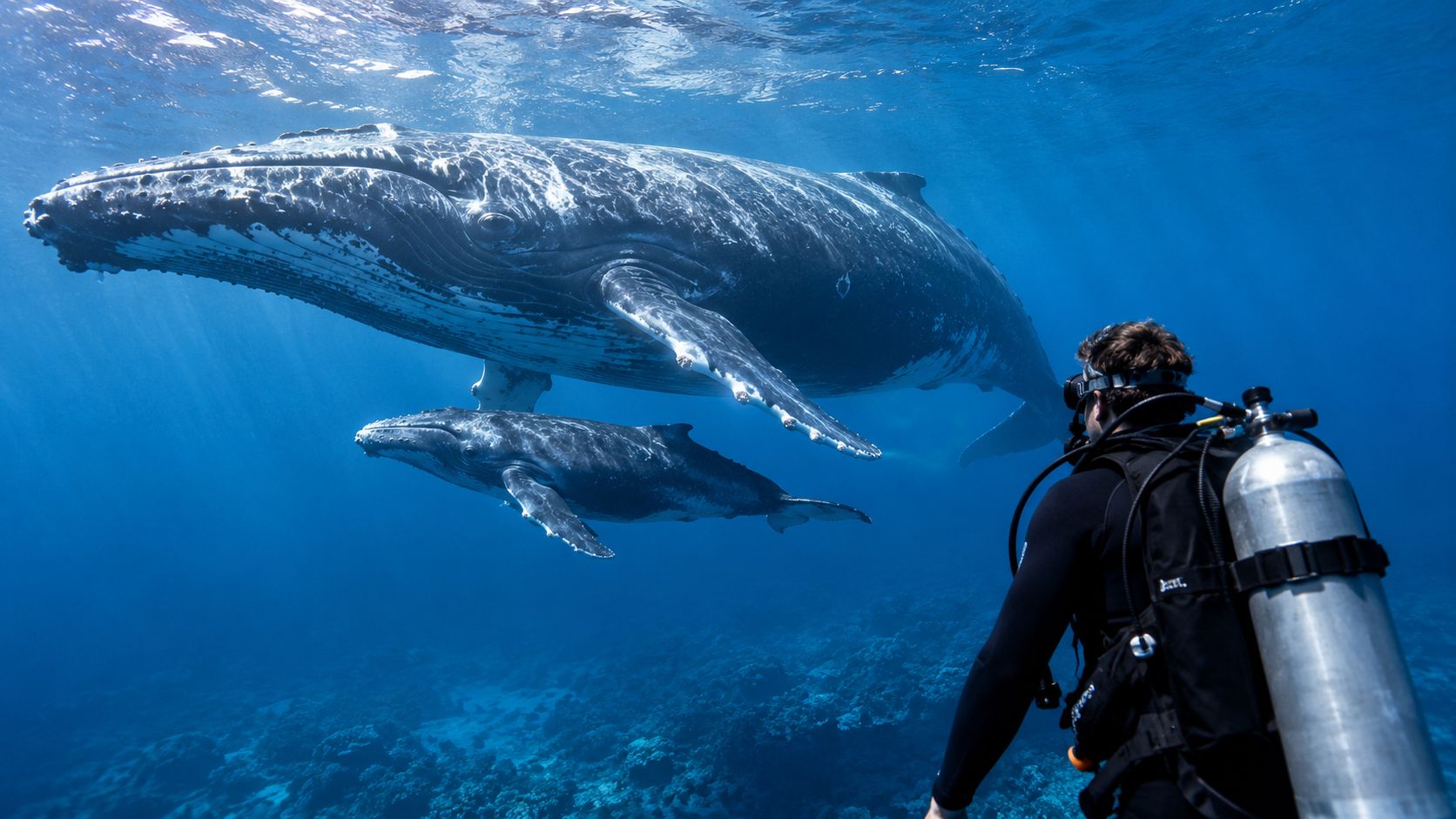
Winter brings whale season. You may hear humpbacks during your dives, and that changes the whole mood underwater. It is a great time to visit if you want the full Hawaii feel, but boat days can be less forgiving for divers who get seasick or hate schedule changes.
If your group wants simpler planning, calmer expectations, and a wider margin for comfort, build the trip around operator flexibility instead of locking yourself into exact site names months in advance. Kona rewards divers who stay flexible and let the crew pick the right side of the coast for the conditions that day.
If you want help choosing dates, read the best months to scuba dive in Hawaii.
Match the dive to your real skill level
Certification card first. Ego second.
Kona offers famous dives at very different difficulty levels, and smart trip planning means stacking them in the right order. Start with easy daytime reef or lava dives if you are new to local conditions, then add specialty dives once you know how you are handling buoyancy, entries, current, and motion on the boat.
Use this baseline:
- Open Water divers: Book standard reef dives first. Add a night dive only if the operator is comfortable with your recent experience and control in the water.
- Advanced divers: Blackwater and other demanding profiles make sense if you already hold depth well, stay calm in open water, and follow a line and light discipline without drifting off task.
- Rusty divers: Treat day one as a skills day. Fix weighting, trim, air use, and buoyancy before you spend money on the more technical or more famous dives.
- Divers bringing family or mixed experience groups: Do not force everyone onto the same schedule. Split the trip if needed so newer divers get enjoyable dives and stronger divers get the dives they came for.
This is the planning mistake visitors make most often. They book the hardest dives first because those are the ones they read about.
Treat safety as part of the itinerary
Good dive safety starts before the briefing. Show up hydrated. Sleep enough. Do not ignore a cold, sinus congestion, or a long layoff from diving. Physical condition matters in Hawaii because entries, exits, current, surge, and night profiles get harder fast when you are tired or out of shape.
For incident trends and annual case summaries, use a credible safety source such as DAN's diving incident reports and research, not a random video recap.
A few rules keep people out of trouble:
- Speak up before the dive starts. If a briefing sounds beyond your comfort level, say it on the boat.
- Do the buddy check slowly. Rushed setup causes easy-to-avoid problems underwater.
- Respect shore diving rules. A diver flag is required for shore diving in Hawaii.
- Call the dive early if needed. There is no prize for pushing through stress, nausea, ear trouble, or bad gas consumption.
Honesty beats bravado every time.
Plan for seasickness before you leave the harbor
If you get motion sick, handle it before the boat moves. Eat light, hydrate, avoid alcohol the night before, and take your preferred remedy early enough to work. Waiting until you feel sick is poor planning.
Useful options include Ship-EEZ Seasickness Patch, Dramamine pills, Bonine pills, Sea Band wristbands, and Ginger chews.
If you vomit underwater, keep the regulator in your mouth and breathe through it. DAN explains the procedure clearly in its seasickness prevention and treatment article. It is unpleasant. It is still the right move.
Plan your Kona trip like a diver, not like a tourist filling empty vacation days. Pick the season that fits your goals, book dives that match your current ability, and leave enough room in the schedule to adjust once you see the ocean in person.
How to Choose the Best Hawaii Dive Operator
You can book the right island, the right season, and the right signature dive, then still have a mediocre trip if you choose the wrong crew.
In Kona, the operator shapes the whole day. Good crews screen divers thoroughly, brief the site clearly, and adjust the plan to conditions instead of forcing a schedule. Weak crews do the opposite. That difference shows up fast on a crowded deck, during a rushed entry, or halfway through a dive that never should have been assigned to your group.
What to check before you book
Start with fit, not marketing. The right operator for a first Kona boat dive is not always the right operator for a manta night dive, and definitely not the right one for blackwater.
Check these points before you hand over your card:
- Safety culture: Ask how they screen for experience, how briefings are handled, and whether they separate divers by ability.
- Boat setup: You want space to gear up, sensible exits and entries, and a crew that keeps the deck organized.
- Guide standards: Local judgment matters. A guide who knows Kona's lava topography, surge zones, and wildlife behavior will give you a better dive than a crew reading a generic script.
- Trip match: Choose operators based on the actual dive you want to do. Manta, blackwater, training, long-range charters, and relaxed reef diving are different products with different demands.
- Environmental discipline: Look for operators who control buoyancy problems early, protect the reef, and set clear expectations around marine life interaction.
Responsible operators protect your trip and the reef at the same time.
What I recommend in practice
If you want to keep the trip simple, using one Kona operator for your day dives and specialty nights usually makes planning easier. It cuts down on paperwork, reduces confusion about check-in times and gear preferences, and gives the crew a better sense of your skill level as the trip goes on.
Kona Honu Divers is one of the companies that offers that kind of full-trip coverage, with daytime charters, manta trips, blackwater dives, and training under one roof. If you want a broader comparison before choosing, this guide to the top Kona diving companies ranked is a useful place to start.
Red flags that should make you walk away
| Warning sign | Why it matters |
|---|---|
| Vague skill requirements | Specialty dives require honest screening, not optimistic sales talk |
| Crowded-feeling boat setup | Stress starts on deck, and clutter usually means weaker supervision |
| Weak environmental briefing | Poor reef etiquette often leads to poor in-water control |
| No clear answer on site selection | Good operators choose sites based on conditions, not convenience |
My rule is simple. If an operator cannot explain who a trip is for, how they manage mixed experience levels, and why they picked that site, keep looking. That is not picky. That is smart trip planning.
Sample Kona Dive Itinerary and Booking Tips
Most visitors don't need more options. They need a cleaner schedule.
If you stack too many high-demand activities too close together, you turn the trip into logistics. If you spread things correctly, Kona feels easy.
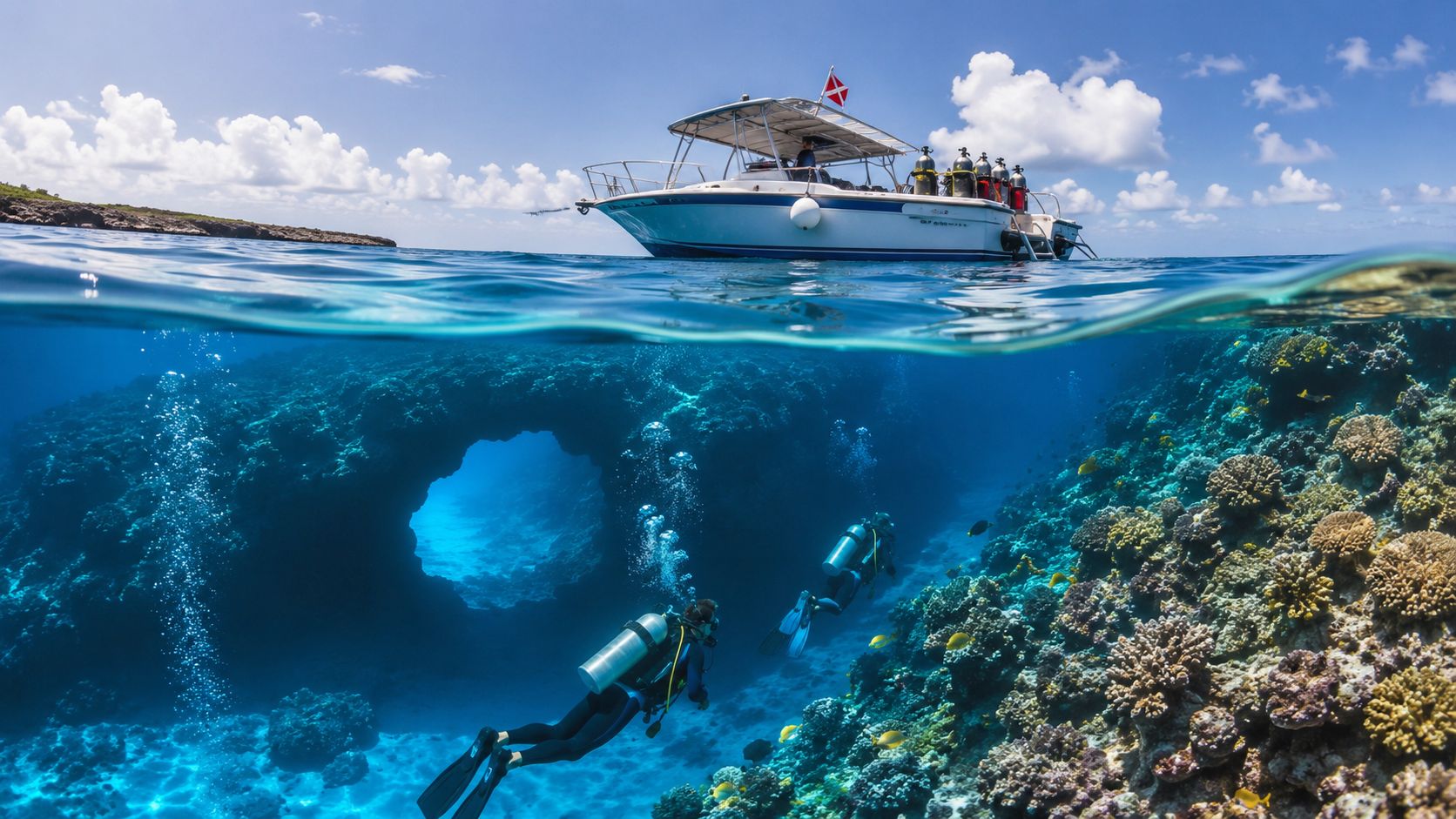
A solid three-day dive plan
This is the short trip I'd give most certified visitors.
Day 1
Start with a standard two-tank morning boat dive. Get your weighting sorted, settle into Kona conditions, and enjoy the lava structure without pressure.
Day 2
Keep the daytime light. Rest, hydrate, eat properly, and do the manta night dive that evening. Don't cram in extra activity and show up tired.
Day 3
If you're an advanced diver, make this your blackwater night. If you're not, do another morning reef dive and enjoy the fact that you're not forcing the trip into something it shouldn't be.
A stronger five-day Big Island plan
If you've got more time, this is the better version.
- First two days: Standard boat dives to settle in
- Third day: Manta night dive
- Fourth day: Advanced long-range trip or another day boat dive, depending on skill
- Fifth day: A non-scuba ocean day for balance
For that last day, Kealakekua Bay is an excellent call. If Captain Cook snorkeling is on your list, book with specialists through Kona Snorkel Trips or Captain Cook Snorkeling Tours.
Booking advice that saves headaches
Book the specialty dives first. Build the rest of the week around them.
Three practical rules:
- Reserve mantas and blackwater early. Those are the dives that shape the trip.
- Tell the operator the truth. Certification level, last dive, comfort at night, all of it.
- Leave one flexible slot. Kona rewards travelers who let the ocean make one decision for them.
Frequently Asked Questions About Hawaii Scuba Diving
What is the water temperature like in Hawaii
Warm enough for year-round diving, but don't confuse warm with “you'll never get chilled.” Hawaii's water is stable compared with many destinations. Earlier in this guide, the cited source noted an average of 74°F, with warmer summer periods and cooler winter conditions. Most divers do well in a 2.5mm to 3mm wetsuit, and some prefer a little more insulation if they get cold easily on repeat dives.
Do I need to be certified to scuba dive in Hawaii
For standard boat dives, yes, you'll generally need scuba certification. If you're not certified and want to try diving, a discover scuba experience with an instructor is the sensible route. Don't book advanced or specialty dives first and assume enthusiasm will cover the gap. It won't.
What kind of marine life will I see in Kona
Expect Hawaiian reef life with a distinct local feel. Turtles, eels, octopus, reef fish, and on the right trip, manta rays are all realistic possibilities. What makes Hawaii special isn't just abundance. It's that a meaningful share of the marine life is unique to the islands, which makes even common-looking reef dives more interesting than they appear at first glance.
Is shore diving a good option in Kona
It can be, but it's not the automatic choice I'd give a visiting diver. Shore diving here rewards local knowledge, careful entries, and attention to conditions. Boat diving is usually the smarter vacation move because you save energy, get access to stronger sites, and let the crew handle logistics. If you do shore dive, follow the local rules and use the required diver flag.
Should I book diving on multiple islands in one trip
Usually no. If diving is the priority, you'll get a better trip by staying put and diving one region well. Inter-island moves eat time, compress schedules, and reduce flexibility. Kona has enough range to fill a serious dive vacation without forcing you to relocate.
If you want a Hawaii scuba diving trip that's organized around the right dives, realistic skill matching, and smart local planning, book directly with Kona Honu Divers. They make it easy to line up reef dives, manta nights, blackwater, and training without turning your vacation into a scheduling puzzle.