
You're probably doing the same thing most divers do before a Hawaii trip. You've got too many tabs open, every island claims to have the “must-do” dive, and now you're trying to figure out what's worth booking before the good boats fill up.
Start with a simple truth. Hawaii scuba diving is not one thing. It's lava tubes off Kona, crater walls off Maui, reef and wreck options around Oʻahu, and dramatic volcanic terrain across the state. The right plan depends on your certification, your comfort in current, whether you want easy reef life or advanced blue-water encounters, and how much boat time you can tolerate.
Introduction to Hawaii Scuba Diving
You land in Hawaii, open five tabs, and every island looks like the right answer. That is how divers waste good trip days. Start with the essential question instead. What kind of diving are you here to do, and how much boat time, current, and complexity do you truly want?
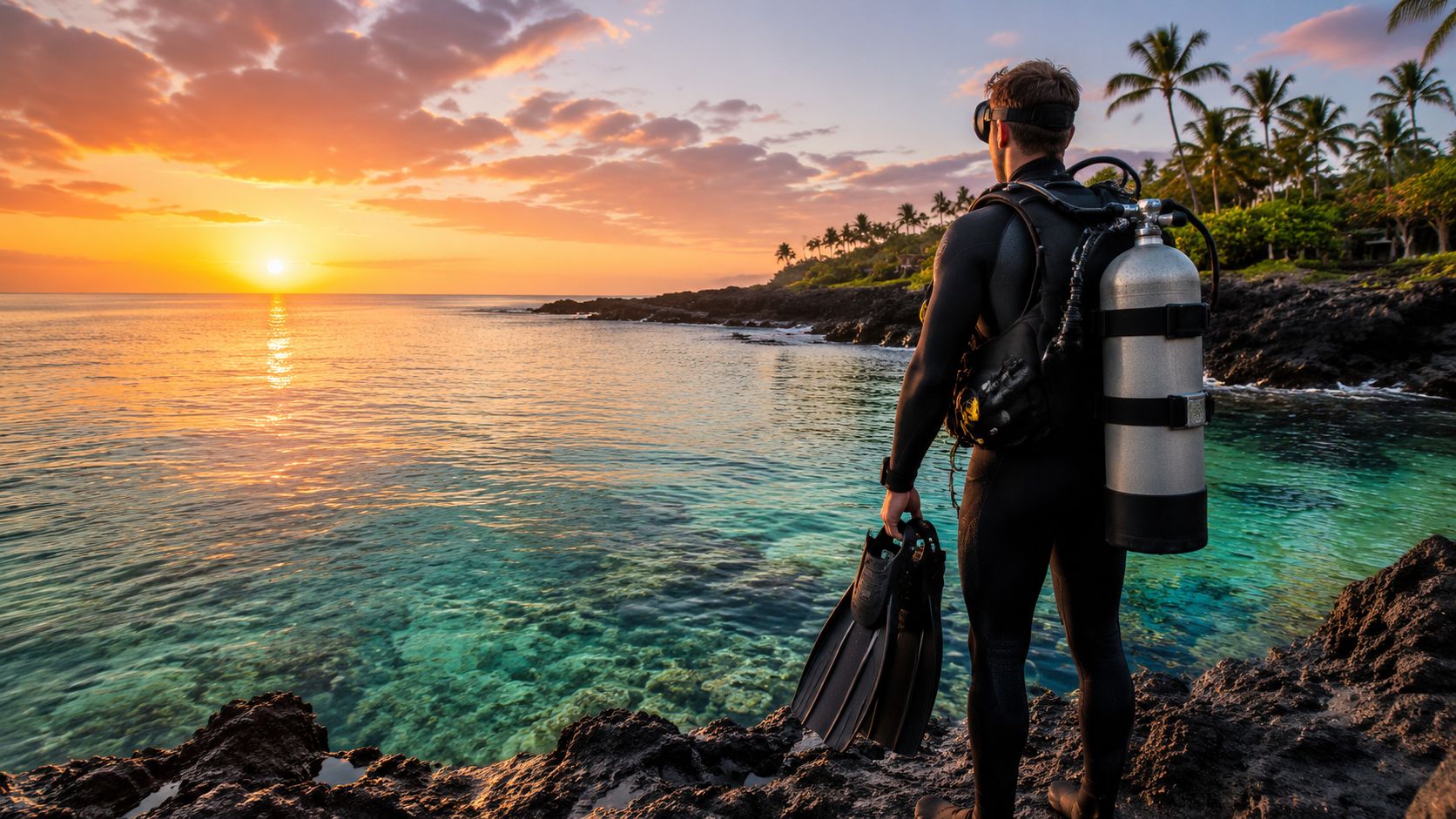
Hawaii earns its reputation because the diving feels distinct from the first drop. You are not coming for endless coral gardens alone. You are coming for lava structure, sharp relief, caverns and arches in the rock, strong visibility on good days, and the fact that one trip can include easy daytime reef dives and a world-famous night dive if you plan it right.
That last part matters. Hawaii is popular, which means you will have plenty of operators to choose from and plenty of average ones to avoid.
Book the island first. Then book the operator. Do it in that order.
A smart plan starts by matching the island to your priorities. Kona works well for divers who want the broadest menu, especially volcanic topography, reliable boat diving, and signature manta night dives. Maui appeals to travelers who want to pair diving with a resort-heavy vacation. Oʻahu gives you a mix of reefs and wrecks. Kauaʻi suits divers who want a quieter pace. If you are still deciding, this breakdown of which Hawaiian island is best for scuba diving will save you time.
The next mistake is treating dive operators as interchangeable. They are not. In Hawaii, the boat, briefing, site selection, and guide judgment shape the day as much as the reef itself. Pick crews that dive their home water constantly, run clear check-in and certification policies, and offer trips built around specific conditions instead of generic marketing promises.
Kona Honu Divers stands out here for a simple reason. Their lineup reflects how people typically build a Hawaii dive trip. Newer divers can book forgiving reef-focused outings. Certified divers looking for a signature experience can lock in the manta night dive. More experienced guests can stack daytime charters around Kona and avoid wasting vacation days guessing which sites are worth the ride.
Keep your expectations practical. Hawaii is not one uniform dive destination, and it should not be booked like one. Choose the island based on the experience you want, reserve the signature dives early, and use an operator with local judgment instead of the cheapest available seat. That approach gives you a better trip before you ever hit the water.
Top Dive Sites Across the Islands
You shouldn't pick an island based on airfare alone. Pick it based on the kind of diving you want to do. Some divers want forgiving shore entries and lava structure. Others want a crater experience, a wreck, or a mix of reef and pelagic potential.
The cleanest way to compare options is side by side.
Overview of Hawaii's top dive sites
| Island | Dive Site | Highlight | Skill Level |
|---|---|---|---|
| Big Island | Kona Coast shore and boat sites | Lava tubes, volcanic structure, easy access to signature night diving | Beginner to advanced |
| Big Island | Garden Eel Cove area | Famous manta-focused night diving environment | Certified divers, night-ready divers |
| Maui | Molokini Crater | Clear water and iconic volcanic crater setting | Beginner to intermediate |
| Oʻahu | South shore reef and wreck options | Mix of marine life and man-made structure | Intermediate to advanced depending on site |
| Kauaʻi | Reef and lava formations along accessible coastal zones | Scenic terrain and quieter dive pace | Beginner to intermediate |
For a broader island-by-island breakdown, this guide on which Hawaiian island is best for scuba diving is worth reviewing before you lock in lodging.
Big Island for volcanic terrain and range
If you want the widest spread of signature scuba experiences, the Big Island is the most flexible choice. Kona is the main draw because it gives you shore diving, day boats, manta night diving, and blackwater opportunities from one base. That means less wasted time driving or inter-island hopping and more time diving.
It's also the island I'd recommend to divers who don't want to gamble on a one-note trip. You can do simple reefs one day and a highly specialized night dive the next.
Maui for the classic postcard dive
Maui's headline site is Molokini Crater, and there's a reason it stays famous. The appeal is straightforward: volcanic crater setting, clear water, and a dive that feels visually polished from the minute you descend. It suits vacation divers who want a recognizable bucket-list site without needing advanced logistics.
That said, don't go to Maui expecting it to replace Kona's specialty night diving menu. It won't. Maui is strong for scenic day diving. It's less compelling if your trip revolves around unusual advanced experiences.
A good dive destination matches your trip goals. A famous destination only matches your expectations if you picked it for the right reason.
Oʻahu for variety beyond reef-only diving
Oʻahu is a solid choice for divers who like having non-diving activities close at hand and want underwater variety mixed into a broader vacation. Depending on the site, you can find reefs, deeper profiles, and wreck-oriented diving that feels very different from the lava-focused experience on the Big Island.
Oʻahu makes sense if your group includes non-divers. It's less ideal if the whole trip is centered on maximizing scuba days. For that, the Big Island usually gives you a cleaner, more dive-focused setup.
Kauaʻi for a quieter pace
Kauaʻi appeals to divers who care as much about the island atmosphere as the dive slate. The diving can be beautiful, but it tends to fit travelers who want a slower rhythm rather than a packed schedule of specialized charters.
Here's the blunt recommendation:
- Choose the Big Island if diving is the main reason you're coming.
- Choose Maui if you want an iconic day-dive destination with easy vacation appeal.
- Choose Oʻahu if your group wants city access and mixed activities.
- Choose Kauaʻi if you want a quieter island and diving is one part of the trip, not the whole point.
Most divers trying to maximize underwater time end up happiest on Kona.
Signature Experiences You Can't Miss
You've got three open days in Kona, one night slot, and a limited weather window. Book the wrong trip first and you can waste your best conditions on an ordinary reef dive. Book the right trips in the right order and Hawaii delivers the kind of diving people plan a second trip around.
In Kona, two experiences belong at the top of the list: the manta ray night dive and blackwater diving. They are completely different dives, built for different divers, and you should plan around them early instead of treating them as extras.
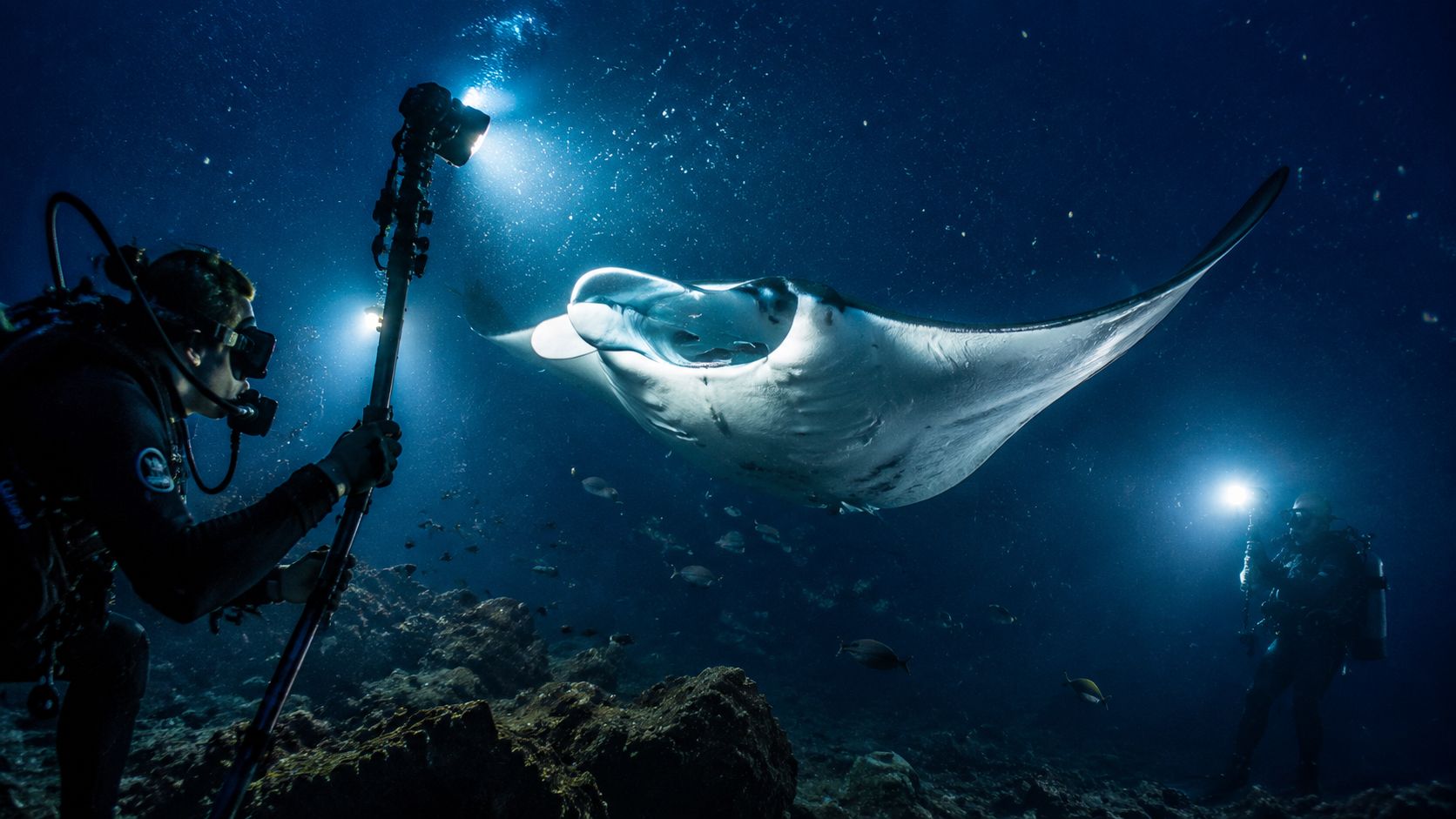
Manta ray night dive
If you book one signature dive in Hawaii, make it the manta dive.
Kona gets this right because the operation matters as much as the animals. Site choice, current protection, briefing quality, and light setup all affect whether the dive feels organized or sloppy. Garden Eel Cove is the standard recommendation for good reason. It gives operators a more controlled setup and gives divers a better view of the action once the plankton collects in the lights.
If you want the practical details, start with this manta ray diving in Hawaii guide.
My advice is simple. Put the manta dive early in your itinerary, not on your final night. Weather shifts, boats fill, and tired travelers cancel late. Give yourself room to reschedule if needed.
Kona Honu Divers is worth shortlisting here because they run this as a structured wildlife experience, not a rushed novelty stop. That matters. A clean briefing and disciplined in-water positioning usually make the difference between a memorable dive and a messy one.
Blackwater diving
Blackwater is the trip experienced reef divers underestimate.
You are suspended offshore at night over deep water, usually with no bottom reference and very little visual structure beyond the light array. The draw is real. You can see pelagic juveniles, larval animals, and behavior you will never get on a standard reef charter.
But blackwater is not your “why not” booking.
If your buoyancy still drifts when task-loaded, if darkness spikes your stress, or if you need frequent guide intervention to hold position, skip it. Book better daytime diving instead. You will enjoy Hawaii more, and you will avoid turning a specialized trip into an endurance test.
If blackwater is on your list, reserve the actual Blackwater Dive tour. Do not substitute a generic night dive. Operators who run blackwater well treat it as its own discipline, with specific procedures, staffing, and briefing standards.
How to prioritize them
Here's the order I recommend for most dive-focused trips in Kona:
- Book the manta dive first if you want the iconic Hawaii experience and you are traveling with mixed skill levels.
- Book blackwater second if you already know you are calm, controlled, and comfortable in open water at night.
- Leave a buffer day after your most important charter so weather or fatigue does not wreck the plan.
- Avoid stacking too many demanding dives back-to-back if you have not been diving recently.
For divers who want more than the standard charter circuit, the advanced long-range dive tour is a smarter add-on than another routine reef run. It gives strong divers a better shot at a genuinely different day on the water.
For the manta side specifically, this manta ray dive tour page is the one to check.
Certification Requirements and Who Can Dive
You land in Hawaii, walk onto the boat, and then the crew asks for your certification card, your recent dive history, and whether you've done night dives before. If you guessed your way through the booking, your plan falls apart right there. Sort out your training level before you reserve anything.
Entry level options
Uncertified travelers can still get in the water, but only on the right program. Introductory dives are built for first-timers. Certified charters are not. If you book the wrong trip, the operator either turns you away or spends the morning fixing a problem you created.
If you need the practical breakdown, read this guide on diving in Hawaii without certification.
For certified divers, the baseline is straightforward:
- Open Water certification qualifies you for many standard recreational dives.
- Recent experience matters as much as the card in your wallet.
- A refresher class is the right call if you have been out of the water for a while.
Rusty divers slow down the whole boat. They burn gas fast, miss details in the briefing, and struggle with buoyancy on reefs that deserve better.
Night and advanced requirements
Advanced trips need honest self-assessment. A manta dive may be manageable for a wider range of certified divers, depending on the operator's standards and the site plan. Blackwater, deeper profiles, and current-sensitive dives are different. Those trips expose weak habits immediately.
Do not assume a vacation destination lowers the bar. Good operators in Kona screen for skill, comfort, and recent experience because they know the difference between a fun challenge and a bad fit. Kona Honu Divers, for example, is known locally for matching divers to the right charter instead of stuffing mixed ability levels onto specialized trips.
Night diving deserves extra respect. If you have never handled task loading, low-light communication, and clean buoyancy after sunset, get proper training first or choose a simpler charter. The smart move is to build skills in daylight, then progress.
Before you book anything
Use this filter before you hand over a credit card:
- Bring proof of certification. Operators need to verify your training.
- State your real recent experience. Ten years since your last dive is not “a little rusty.”
- Handle medical clearance before the trip. Vacation days are a terrible time to chase paperwork.
- Match the diver to the charter. Intro divers, newly certified divers, and experienced night divers should not all be booked on the same kind of trip.
- Ask the operator how they separate skill levels. This is one of the fastest ways to spot a well-run shop.
Training is not paperwork. Training determines which Hawaii dives you should book now, which ones you should save for later, and which operator is taking your safety seriously.
Families and mixed groups can still plan this well. Put uncertified divers on intro programs or snorkel options. Put certified divers on charters that fit their actual experience. Build the itinerary around the least flexible booking first, then fill in the easier days around it. That is how you avoid wasting a dive day on preventable mistakes.
Seasonal Conditions Visibility and Rules
Book a manta night dive on the wrong night, or plan shore dives without checking swell, and Hawaii will punish sloppy planning fast. The islands are diveable year-round. They are not equally easy year-round, and they are definitely not interchangeable from one coast to another.
Water temperature and visibility
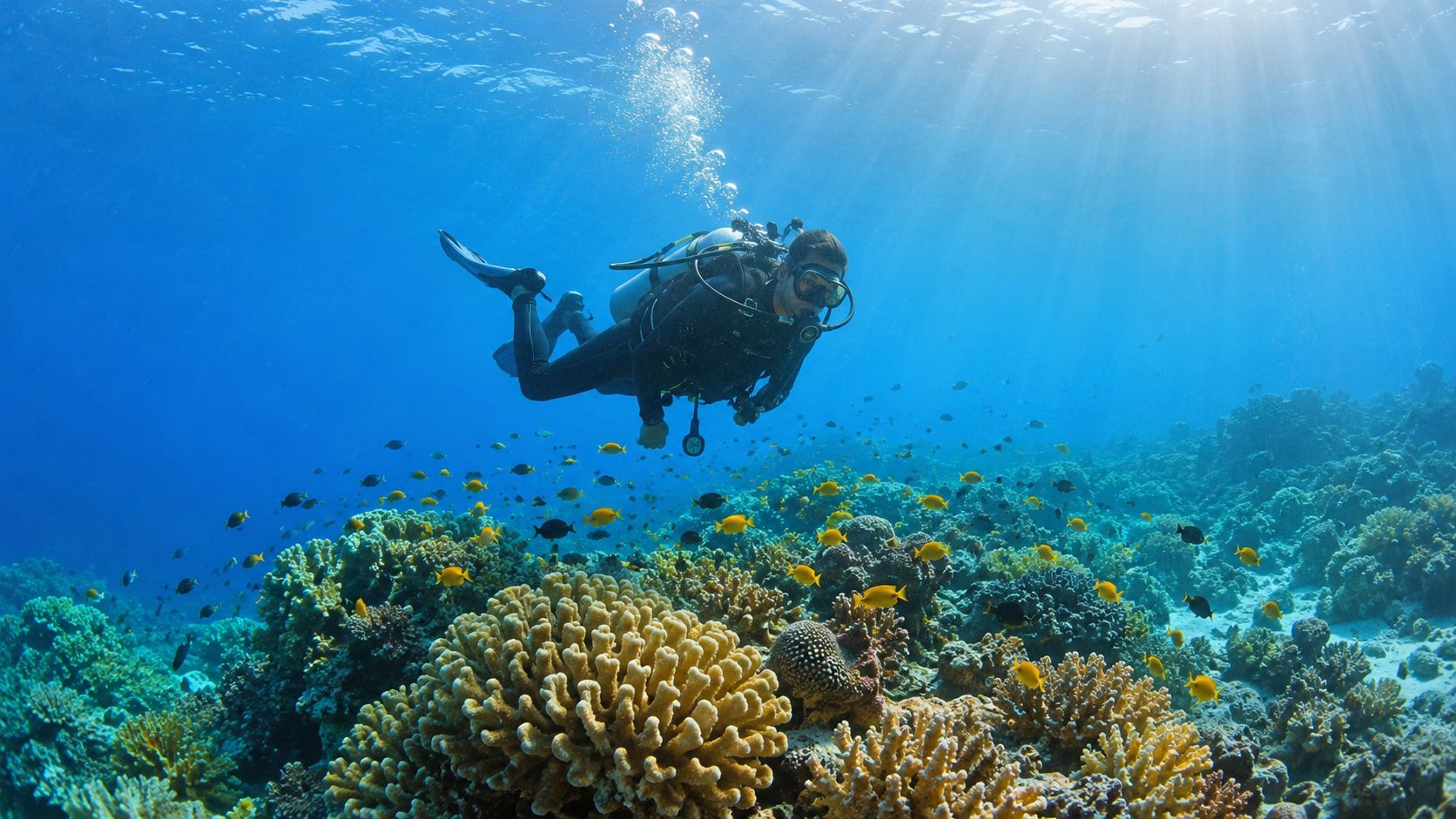
Expect warm water by mainland standards and enough visibility on good days to spoil you for other destinations. Still, many visiting divers get cold by the second tank, especially on boat-heavy itineraries or evening dives. Pack exposure protection for time in the water, not just for the number on a weather app.
Visibility is one of Hawaii's biggest selling points, but don't treat it as guaranteed. Wind, swell direction, recent rain, and site choice matter more than broad vacation-season labels. Kona often gives divers the most reliable conditions because the leeward coast is protected and charter boats can reach sites that stay cleaner when other areas get knocked around. That matters if you are trying to fit in manta dives, blackwater, and daytime reef diving on a tight schedule.
If you are building a multi-day plan, leave your highest-priority dives early enough in the trip to allow a weather reshuffle. That is how experienced travelers protect the dives they care about most.
Seasonal planning that actually helps
Skip the generic advice about “best months.” Match the island and the operator to the kind of diving you want.
- For dependable boat diving, prioritize Kona. It gives you the strongest odds of clean water, protected sites, and backup options when conditions shift.
- For shore diving, be stricter. Lava rock entries can be simple in one swell pattern and a bad idea in the next.
- For manta night dives, build in flexibility. Do not book it on your final night if it is the one experience you will be upset to miss.
- For mixed groups, choose operators that adjust sites and diver flow well. A rigid schedule works poorly when weather changes.
- For budget planning, compare trip type, not just headline price. Two-tank day boats, advanced charters, and signature night dives are priced differently. This breakdown of what scuba diving costs in Hawaii gives you a useful planning baseline.
One smart move that many guides miss. Put your weather-sensitive signature trip first, then fill the easier dive days around it. If you are diving with Kona Honu Divers, ask which days are best for manta, blackwater, and standard reef charters instead of picking dates blindly online. Good operators know which order gives you the best shot at a strong week.
Reef conduct and local rules
Hawaii is not a place to be casual about reef contact. Keep your fins off the bottom, keep your hands to yourself, and stop pretending poor trim is harmless.
Use these rules every dive:
- Stay off coral and lava structure
- Hold neutral buoyancy instead of kneeling
- Keep fin kicks tight near the reef
- Give turtles, rays, and other wildlife space
- Abort the site if conditions exceed your control
Operators will also have site-specific procedures, especially on night dives and wildlife-focused trips. Follow the briefing exactly. On manta dives, that usually means staying in your assigned position and keeping lights where the crew tells you. On boat charters, it means listening to entry, exit, and current instructions instead of relying on habits from home.
Good divers protect the site without being told twice.
That standard also helps you choose the right operator. Shops that give clear briefings, enforce spacing, and reject sloppy behavior usually run better charters across the board. Shops that rush briefings or tolerate reef contact are telling you something. Believe them, and book elsewhere.
Gear Rentals Costs and Seasickness Tips
Bring what you trust. Rent what's bulky or easy to replace. That's the right approach for most Hawaii trips.
What to pack and what to rent
Pack your mask, computer, and any exposure gear you know fits well. Those items affect comfort and awareness more than anything else. If your mask leaks or your computer interface annoys you, every dive gets worse.
Rent the larger kit if you don't want to haul it:
- BCD and regulator set if your home gear is overdue for service or painful to travel with
- Tanks and weights because there's no reason to travel with them
- Wetsuit if you don't already have one suited to Hawaii's temperature profile
If you want a pricing baseline for planning, this page on how expensive scuba diving is in Hawaii is a useful starting point. Don't chase the cheapest rental package blindly. Poor fit and neglected gear ruin dives faster than almost anything else.
Seasickness prevention that works
Boat nausea can wreck a dive day before you ever hit the water. The fix is timing and position, not wishful thinking.
Seasickness medication should be taken approximately two hours before the boat ride, and divers should bring extra doses to take as often as directions allow according to this seasickness timing advice.
Where you sit matters too. The center of the boat is the most stable area, while upper decks and enclosed lower areas are worse choices, as explained in this boat-position seasickness guide.
Ginger helps many divers settle their stomach, and hydration matters if nausea starts, based on this diver-focused seasickness article on ginger and fluids.
Use the tools that fit how you travel:
- Patch option: Ship-EEZ Seasickness Patch
- Tablet option: Dramamine pills
- Less drowsy option: Bonine pills
- Non-medication option: Sea Band wristbands
- Stomach-soothing backup: Ginger chews
My recommendation
If you're even slightly prone to seasickness, medicate before departure, sit mid-boat, stay in fresh air, and carry ginger as backup. Don't wait to “see how you feel.” By then you're already behind.
How to Choose a Dive Operator and Sample Itineraries
You land in Kona with three dive days, one night dive on your wish list, and five browser tabs full of operators that all look the same. In this scenario, people often waste time and make poor bookings. Pick the shop that matches the diving you want to do, then build the trip around the hardest-to-book charter first.
Safety comes first, but don't judge it by marketing language. Judge it by how the operator runs a boat day. Good shops give site-specific briefings, ask smart questions about your recent diving, sort divers by ability, and keep the pace organized instead of chaotic. If the operation feels rushed on land, it usually feels worse in the water.
Use these filters before you book:
- Trip lineup: Choose an operator with the exact dives you want, not a generic menu. Manta night dives, blackwater charters, long-range trips, and easy reef dives belong on different schedules and often attract different divers.
- Group size and boat flow: Smaller groups usually mean cleaner entries, better guide attention, and less crowding at the site.
- Guide quality: You want guides who call conditions accurately, adjust for diver skill, and brief the site well instead of reciting a script.
- Rental gear standards: Look for clean, maintained gear and staff who take time with fit and setup.
- Itinerary convenience: One operator that can cover training, day diving, manta, and advanced charters makes planning much easier and cuts down on wasted travel and paperwork.
If you're sorting through local options, this Kona diving company comparison helps narrow the field.
Kona Honu Divers is a practical choice if you want to keep your itinerary tight and book several styles of diving through one shop. They run standard day boats, manta trips, blackwater charters, training, and longer-range options. That matters because Hawaii dive planning goes sideways when divers book each experience with a different operator and end up juggling check-ins, locations, and inconsistent briefings.
Sample three day itinerary
For a short trip, stay disciplined. Don't cram every high-profile dive into back-to-back slots.
Day one
- Check in and get settled
- Book an easy two-tank day dive or refresher
- Use this day to dial in weighting, buoyancy, and comfort
Day two
- Morning off or light topside activity
- Evening manta dive at Garden Eel Cove
Day three
- Morning two-tank charter if your flight schedule allows
- Keep a proper no-fly interval before departure or any altitude travel
Sample five day itinerary
Five days gives you room to plan this properly. Start easy, put signature dives in the middle, and leave margin before flying.
- Day one: Refresher or simple reef dives
- Day two: Two-tank coastal boat dive
- Day three: Manta ray night dive
- Day four: Light day diving or a rest block
- Day five: Blackwater charter for qualified divers, or another two-tank day dive if blackwater is beyond your experience level
Book the limited-capacity trips first. In Kona, that usually means manta and blackwater. Fill the open days with standard reef diving after those are locked in.
If your group has mixed experience levels, split the plan. New divers should not be dragged onto advanced schedules, and strong divers should not spend the whole trip waiting on people who need slower, simpler diving.
Conclusion and Next Steps
The smart way to plan Hawaii scuba diving is simple. Pick the island for the type of diving you want, match trips to your certification and comfort level, protect your dive days with solid gear choices and seasickness prep, and book signature experiences before the ordinary ones.
Kona is the easiest place to build a serious dive itinerary because it combines flexible day diving with standout night options. If that's your target, get your training sorted, choose your operator carefully, and lock in the dives that matter most first.
If you're ready to stop comparing tabs and start diving, book with Kona Honu Divers. They offer day diving, manta trips, blackwater charters, training, and advanced options from Kailua-Kona, which makes it easy to build one clean Hawaii dive itinerary without piecing the trip together operator by operator.