
You're probably here with the same mix of excitement and uncertainty I hear from visiting divers every week. You've seen the photos of clear blue water, lava arches, turtles, and manta rays. You're also trying to answer the practical questions before you book. Which island has the diving you want? Is Hawaii good for beginners? Will the reefs look like the Caribbean? Which experiences are worth building a trip around?
Hawaii rewards divers who arrive with the right expectations. The underwater world here is dramatic, clean, and full of life, but it's shaped by volcanoes first and coral second. That's exactly why so many divers fall in love with it.
Your Hawaiian Underwater Adventure Awaits
A lot of first-time visitors picture one perfect Hawaii dive. Warm water. Long visibility. A reef that starts the moment you descend. A green sea turtle moving past a lava ledge while schools of reef fish fill the blue. That version of Hawaii does exist, especially on the calmer west side of the islands, but its true magic is broader than one postcard scene.
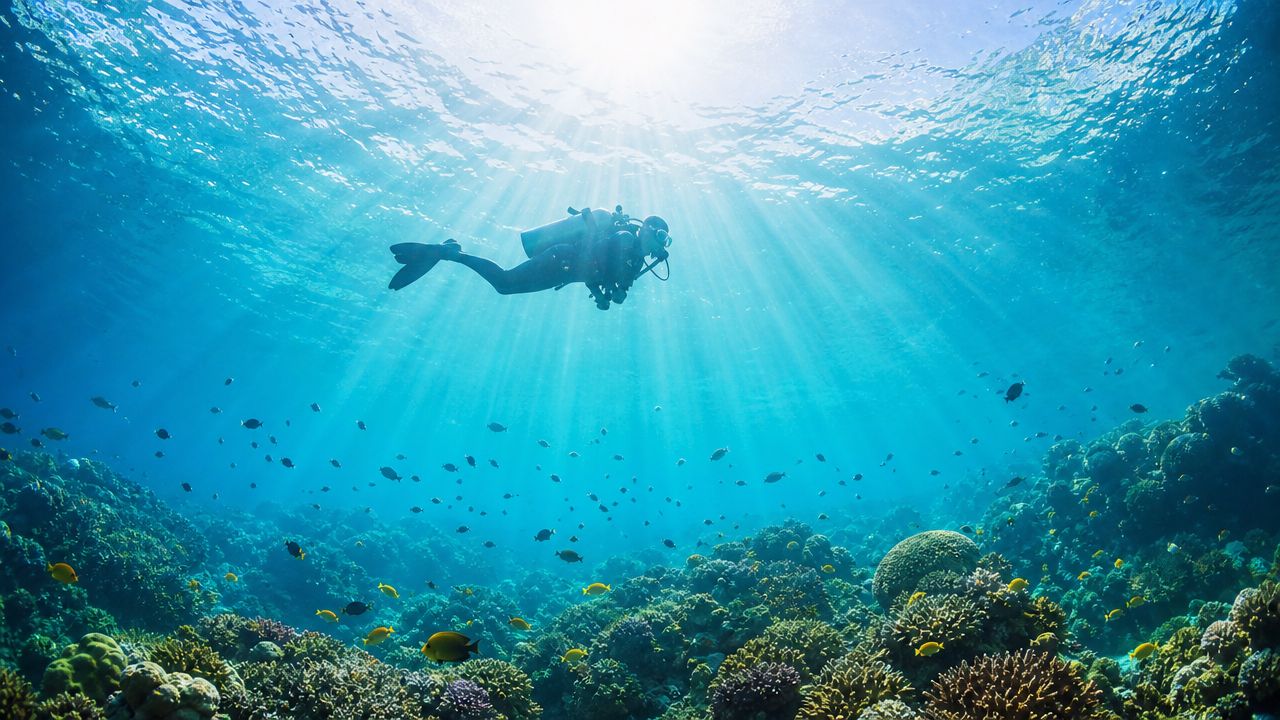
Hawaii has the scale and reliability that make trip planning easier. Hawaii supports over 1.5 million scuba dives annually through more than 215 dive shops, and the water frequently offers visibility exceeding 100 feet with temperatures in the 75 to 80°F range year-round, according to this Hawaii diving overview. That combination is a big reason so many travelers choose the islands for both first dives and return dive vacations.
Why Hawaii keeps divers coming back
The appeal isn't just warm water. It's the mix of accessibility and signature encounters. On one trip, you can drift over lava formations in clear daylight, spend an evening under lights with manta rays, and still have enough variety left for another week of diving.
Many travelers start broad, then narrow their plans once they understand each island's personality. If you want a strong overview before deciding where to base your trip, this guide to scuba diving in Hawaii is a helpful starting point.
Practical rule: Pick your island based on the type of diving you want most, not just the hotel rate or flight schedule.
What separates Hawaii from other tropical trips
Hawaii doesn't win on tropical reef density alone. It wins on clarity, volcanic structure, endemic marine life, and distinctive dives you can't easily replicate elsewhere. That matters if you want more than a generic “nice reef” holiday.
The strongest trips happen when you match your island, your skill level, and your must-do experiences before you book. That's where the rest of the planning gets easier.
Comparing the Best Dive Islands in Hawaii
The short version is simple. Kona on the Big Island is the easiest all-around recommendation for most divers. Oahu suits travelers who want wrecks, easy urban access, and a mix of diving and city time. Maui appeals to visitors splitting time between beaches, road trips, and a few memorable dives. Kauai tends to attract divers who already know they want a greener, wilder island experience and are comfortable building the trip around conditions.
Hawaii Dive Island At a Glance
| Island | Best For | Signature Dives | Skill Level |
|---|---|---|---|
| Big Island | Variety, reliable conditions, signature night dives | Lava formations, manta night dive, blackwater | Beginner to advanced |
| Maui | Vacation balance, scenic reef diving | Volcanic reef dives, turtle encounters | Beginner to intermediate |
| Oahu | Wrecks and mixed land-based itinerary | Wreck diving, south shore reefs | Intermediate to advanced, with beginner options |
| Kauai | Rugged island atmosphere and selective dive planning | Lava topography, dramatic terrain | Intermediate to advanced depending on conditions |
The Big Island and Kona
If someone asks where to go for the most dependable Hawaii scuba diving trip, Kona is usually the first place I'd point them. The leeward coast is protected, the volcanic terrain creates visually interesting sites, and the dive menu is broad enough that beginners and experienced divers can both build a strong itinerary.
That's also where many of Hawaii's most memorable specialty dives happen. If you're comparing destinations specifically for diving, this breakdown of which Hawaiian island has the best scuba is worth reading before you commit.
For travelers who want to dive the Big Island, Big Island dive tours make it easier to bundle morning dives, night dives, and training without juggling multiple operators.
Maui and Kauai
Maui can be a very good choice if diving is one part of a broader vacation. It's a practical island for mixed groups where some people want beach time, some want snorkeling, and some want to dive a couple of days rather than every day. The trade-off is that many divers who come strictly for underwater variety eventually wish they had spent more of the trip on the Big Island.
Kauai is different again. It feels more rugged and weather can shape the plan more directly. When conditions line up, the underwater terrain can be striking, but it's not usually the island I'd send a first-time Hawaii dive traveler to unless they already know they want Kauai for the topside experience too.
Oahu for wrecks and mixed itineraries
Oahu works well when divers want wrecks and a city-based vacation. It's the island for travelers who want to combine serious water time with restaurants, nightlife, Pearl Harbor, Waikiki, and easy logistics.
If your group also wants snorkeling on Oahu, Living Ocean Tours is the first place I'd look.
The volcanic reality most brochures skip
This is the expectation reset that helps people enjoy Hawaii more once they hit the water. Hawaii's reefs are predominantly drab volcanic rock with encrusting corals, not lush tropical carpets. However, that same topography supports remarkable biodiversity, with 30% of its fish species found nowhere else on Earth, as discussed in this diver conversation about Hawaii conditions.
Don't judge Hawaii by how much soft coral you expected. Judge it by lava structure, water clarity, fish life, and the encounters that happen around that terrain.
If you arrive expecting Caribbean-style coral gardens, daytime dives can feel underwhelming. If you arrive expecting lava shelves, arches, rock contours, and endemic fish, Hawaii often overdelivers.
A smart add-on for Big Island snorkelers
Even dedicated divers often want one easy snorkel day with family or non-diving friends. On the Big Island, Captain Cook and Kealakekua Bay are the obvious choices for that kind of outing. These two options are practical starting points:
Hawaii's Signature Underwater Experiences
Most destinations have nice reef dives. Hawaii stands out when you build your trip around the experiences that are hard to duplicate anywhere else.
The manta ray night dive
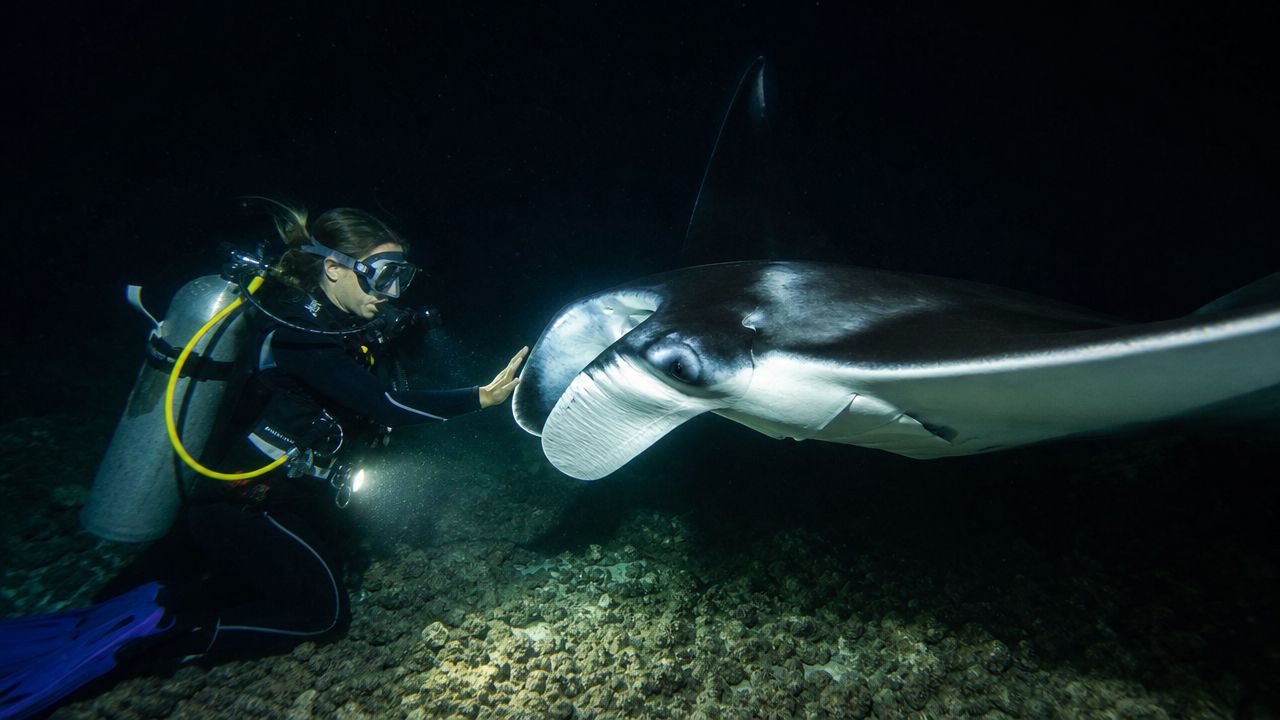
If you only have room for one iconic Hawaii scuba diving experience, make it the manta night dive. It's one of those rare dives that feels just as memorable for seasoned divers as it does for newer ones. You settle in, the lights draw plankton, and manta rays move through the glow overhead.
For this dive, Garden Eel Cove is the stronger choice because its protected location generally creates a better viewing setup and better surrounding reef structure for the experience. If manta rays are high on your list, look at manta ray dive tours on the Big Island and this guide to manta ray tours on the Big Island.
The blackwater dive
Blackwater isn't a reef dive at all. That's why it feels so different. You head offshore at night, suspend over deep ocean, and watch larval and pelagic life rise from the depths. It's part dive, part biology lesson, part outer-space experience.
This is the kind of dive that appeals to photographers, marine life fanatics, and experienced divers who've already logged plenty of conventional reef time. If that sounds like your kind of adventure, Blackwater night dive trips are the right place to start.
Some divers remember blackwater for the whole trip. Not because it's comfortable or familiar, but because nothing about it feels ordinary.
Long-range and advanced diving
Experienced divers often make a mistake in Hawaii. They book only the famous headline dives and miss the deeper value of more selective site access. Longer-range trips can open up different terrain, less-frequented sites, and a stronger sense that you're exploring rather than following a standard vacation schedule.
If you want that style of day, advanced long-range dive trips are a better fit than a basic charter.
How to choose between them
If your schedule is tight, prioritize like this:
- For broad appeal: Book the manta dive first. It's the signature experience that works for many visiting divers.
- For novelty: Choose blackwater if you want something you probably haven't done before.
- For experienced divers: Add a long-range day if your goal is less repetition and more exploration.
A lot of excellent Hawaii trips combine one classic daytime reef outing, one manta night, and one advanced or unusual experience. That mix gives you the clearest sense of what makes the islands different underwater.
Dive Trip Planner Certification Seasons and Safety
Planning gets easier once you answer four practical questions. Are you certified? How much supervision do you want? How comfortable are you on boats? And are you building your trip around one marquee dive or several days in the water?
Can beginners dive in Hawaii
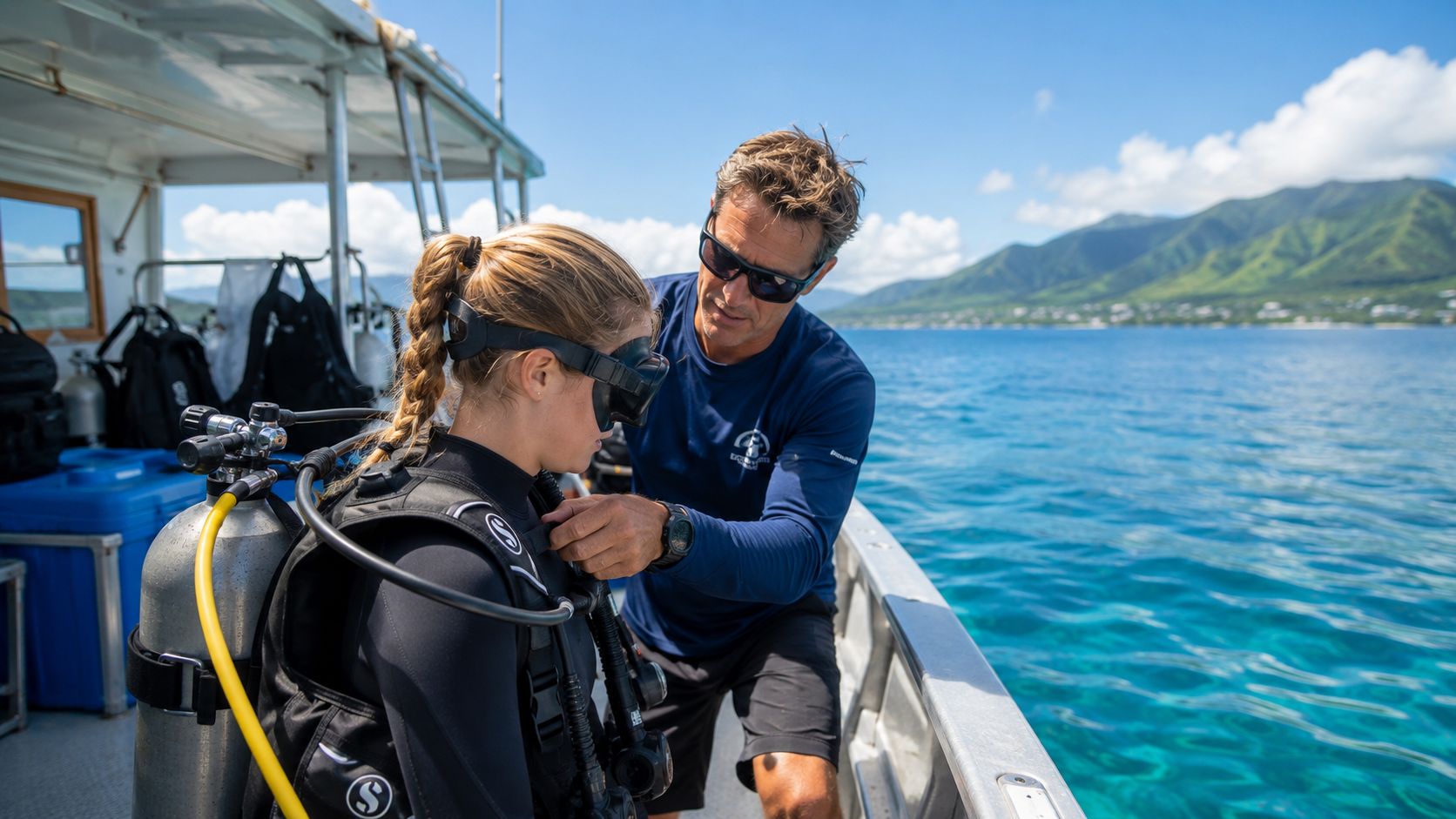
Yes, beginners can absolutely dive in Hawaii, but the details matter. Scuba diving in Hawaii is statistically very safe, with fewer than three fatalities per year on average over the last decade, a rate lower than horseback riding. For uncertified divers, PADI standards limit depth to 12 meters (40 feet) under direct instructor supervision, according to this Hawaii scuba safety discussion.
That should reassure nervous first-timers, but it shouldn't make anyone casual. Hawaii rewards honest self-assessment. If you haven't dived in a long time, say so. If you're anxious, say so. If you're not certified, book the right introductory experience instead of pretending you'll “figure it out.”
Age and depth limits matter
For families, Hawaii follows clear training standards. This overview of diving in Hawaii without certification lays out the limits clearly:
- Uncertified participants: Discover Scuba Diving is limited to 12 meters (40 feet) with direct arm's-length instructor supervision.
- Ages 10 to 11: Certified depth limit is 12 meters (40 feet).
- Ages 12 to 14: Certified depth limit is 18 meters (60 feet).
- Ages 15 and up: Divers may go to 40 meters+ depending on certification level.
If you're booking for a family, don't choose a trip first and ask about suitability later. Match the diver to the dive, then book.
What works for safety in Hawaiian conditions
The divers who have the smoothest trips usually do a few simple things right:
- Be accurate about experience: Guides can adapt a plan to your comfort level. They can't help if you overstate your ability.
- Treat the briefing as part of the dive: Entry style, surge, current, and exit procedures matter more on volcanic coastlines than many visitors expect.
- Do a refresher if needed: A rusty diver with a card isn't automatically more prepared than a cautious beginner.
- Dress for repeated exposure: Kona water can feel warm on a single dive and cool on multi-day schedules, especially with night diving.
If you're debating whether you need a refresher, you probably do.
Seasickness prevention that actually helps
Boat diving gets ruined more often by motion sickness than by marine conditions. The best prevention starts before you step onto the boat.
A verified approach for Hawaii dive trips is to start 1g of ginger root extract 4 to 6 hours before departure, then apply Sea-Band acupressure wristbands 1 hour prior, which can prevent sickness in up to 67% of cases without medication, according to this seasickness prevention guide for Hawaii dive trips.
If you prefer medication, Bonine (meclizine) is commonly used and is recommended about one hour before boarding in this motion sickness recommendation for divers. Boat choice also matters. Divers Alert Network notes that a larger boat, preferably a catamaran, offers better stability, and it's smart to avoid single-hulled sailboats and choose sites relatively close to shore when possible in this DAN seasickness prevention article.
Useful options to pack:
- Patch option: Ship-EEZ Seasickness Patch
- Classic medication: Dramamine pills
- Popular non-drowsy choice: Bonine pills
- Pressure bands: Sea Band wristbands
- Easy pre-boat backup: Ginger chews
Sample Dive Itineraries and What to Pack
A good Hawaii dive trip doesn't need to be complicated. It needs a realistic pace, enough flexibility for weather and energy, and at least one experience you'll remember years later.
Long weekend dive blitz
Arrive, settle in, and avoid forcing too much into day one. On your first full day, do a daytime two-tank dive to get comfortable with local conditions and buoyancy in the volcanic terrain. On another day, make the manta night dive the anchor of the trip.
Use the remaining time for either a second reef day or one more distinctive experience if your comfort level and schedule allow it. This kind of short trip works best when you stay disciplined and don't try to cram every famous dive into one weekend.
Diver's dream week
A full week gives you room to dive smarter. Start with an orientation-style reef day, then add a signature night dive once you're settled. Midweek is a good spot for a rest afternoon or full rest day so you're not stacking fatigue on top of excitement.
The second half of the week is where experienced divers usually benefit from adding more selective trips. You can mix reef structure, marine life-focused outings, and one specialty dive without feeling rushed.
Build one open slot into a weeklong trip. That free space becomes your weather buffer, rest block, or chance to repeat the dive you loved most.
What to pack for Hawaii scuba diving
Bring less than you think for clothing and more than you think for dive comfort.
- Exposure basics: Your preferred wetsuit if you're picky about fit, plus a hooded vest or extra layer if you chill easily on repeated dives.
- Surface comfort: A beanie or warm cap after night dives, dry clothes, and a light wind layer for the boat ride back.
- Dive essentials: Certification card, logbook, mask if you have one you trust, and any personal computer or SMB you prefer to use.
- Boat-day helpers: Reef-safe sunscreen, water, small snacks, and your chosen seasickness preventive.
- Small fixes: Spare mask strap, defog, and a dry bag for phone, wallet, and keys.
The easiest pack list to follow is the one that reduces friction. If something makes you more comfortable in the water or on the boat, it's probably worth carrying.
Why Choose Kona Honu Divers for Your Big Island Adventure
On the Big Island, operator choice shapes the trip more than many visitors expect. The island has great diving, but your experience also depends on briefing quality, boat comfort, guide judgment, and whether the schedule fits the kind of diving you want to do.
What matters when choosing an operator
The basics matter first. You want a crew that takes check-ins seriously, runs clean logistics, and doesn't blur the line between a confident diver and an unprepared one. After that, convenience starts to matter more than people admit. Good scheduling, rental support, and a boat layout that doesn't feel chaotic can make a multi-day trip much more enjoyable.
Kona Honu Divers, at their main site, offers the range most visiting divers are looking for on the Big Island, including day charters, manta dives, blackwater dives, training, rentals, and travel support. The company also notes over 200 years of combined experience, custom dive boats, early diver discounts, and complimentary nitrox as part of its offering.
Why that mix works on a Big Island trip
That combination is useful for travelers because it reduces the need to split bookings across multiple businesses. If you're planning a reef day, a night dive, and an advanced outing in one trip, keeping those elements under one roof usually simplifies the whole vacation.
It also helps newer divers. A shop that regularly handles both introductory and experienced guests tends to be more practical about matching people to conditions instead of forcing everyone into the same mold.
Reviews and booking
If you want to see how other guests describe the operation, the review feed below is a practical place to start.
Book Your Unforgettable Hawaii Dive Today
The strongest Hawaii scuba diving trips come from a few smart choices made early. Pick the island that matches your goals. Be honest about your skill level. Plan around the signature experiences instead of chasing a generic list of sites. And arrive expecting volcanic structure, clean water, and marine life that feels distinctly Hawaiian.
For many divers, the Big Island offers the most complete package. You can combine approachable daytime diving with famous night experiences and still leave room for more advanced outings if that's your style. Families, newer divers, and experienced divers can all build a workable plan there without making the trip feel disjointed.
If you're ready to move from comparing options to locking in dates, book early enough to get the dives you want, especially if manta or blackwater is on your list.
A Hawaii dive trip is one of those vacations that stays vivid long after you unpack. If you're ready to book reef dives, a manta night, or a more advanced outing, start with Kona Honu Divers.