
You're probably in the same spot most divers hit before booking Kona. You've seen the manta videos, heard people rave about blackwater, and now you're trying to figure out what's worth your time, money, and air.
Here's the short version. If you want the strongest underwater trip on the Big Island, build it around Kona. Don't spread your dives randomly around the island and hope it works out. The west side gives you the signature experiences, the cleaner logistics, and the kind of underwater terrain that makes each dive feel different instead of repetitive.
Welcome to the Underwater Paradise of Kona
The first drop in Kona usually settles the question fast. You back roll into warm blue water, level off, and the whole reef opens beneath you with clean sight lines, lava structure, and fish life that doesn't need exaggeration to impress. This is why divers come back.
The Big Island has range. Kona has focus. If your goal is diving Kona Big Island the right way, you're looking at a destination that combines easy access, comfortable water, dramatic volcanic topography, and two of the most memorable specialty dives anywhere in Hawaii.
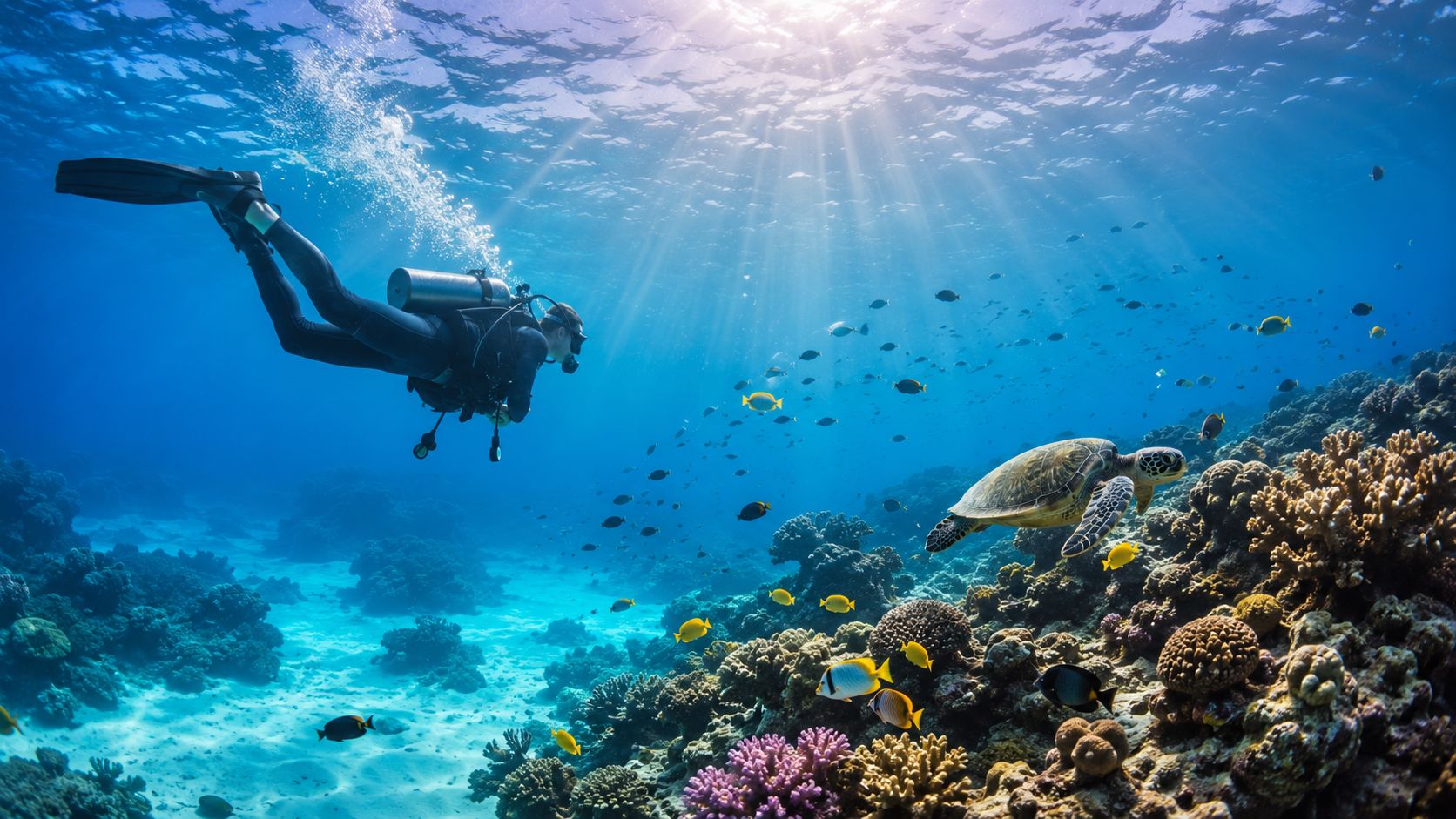
Some divers come for classic reef dives and end up obsessed with the manta night dive. Others arrive for mantas and realize the blackwater dive is the one they can't stop talking about later. That's the pull of Kona. It gives you both the reliable daytime beauty and the strange, unforgettable night experiences. If you want a quick overview of what local diving looks like, start with this guide to Kona scuba diving.
What makes the first day memorable
You don't need a complicated itinerary to have a great start in Kona. A simple plan works:
- Daytime reef dive first: Get comfortable with the visibility, lava contours, and local pacing.
- Night dive after that: Once you've settled in, add mantas or another night option.
- Keep one day flexible: Kona rewards divers who leave room for conditions and skill-based choices.
The best Kona trips don't feel rushed. They feel well-timed.
You can browse all available diving tours in Kona before locking in your schedule.
Why Kona is a World Class Diving Destination
Kona isn't famous by accident. The place works because geography, ocean conditions, and biology all line up in a way that few dive destinations can match.
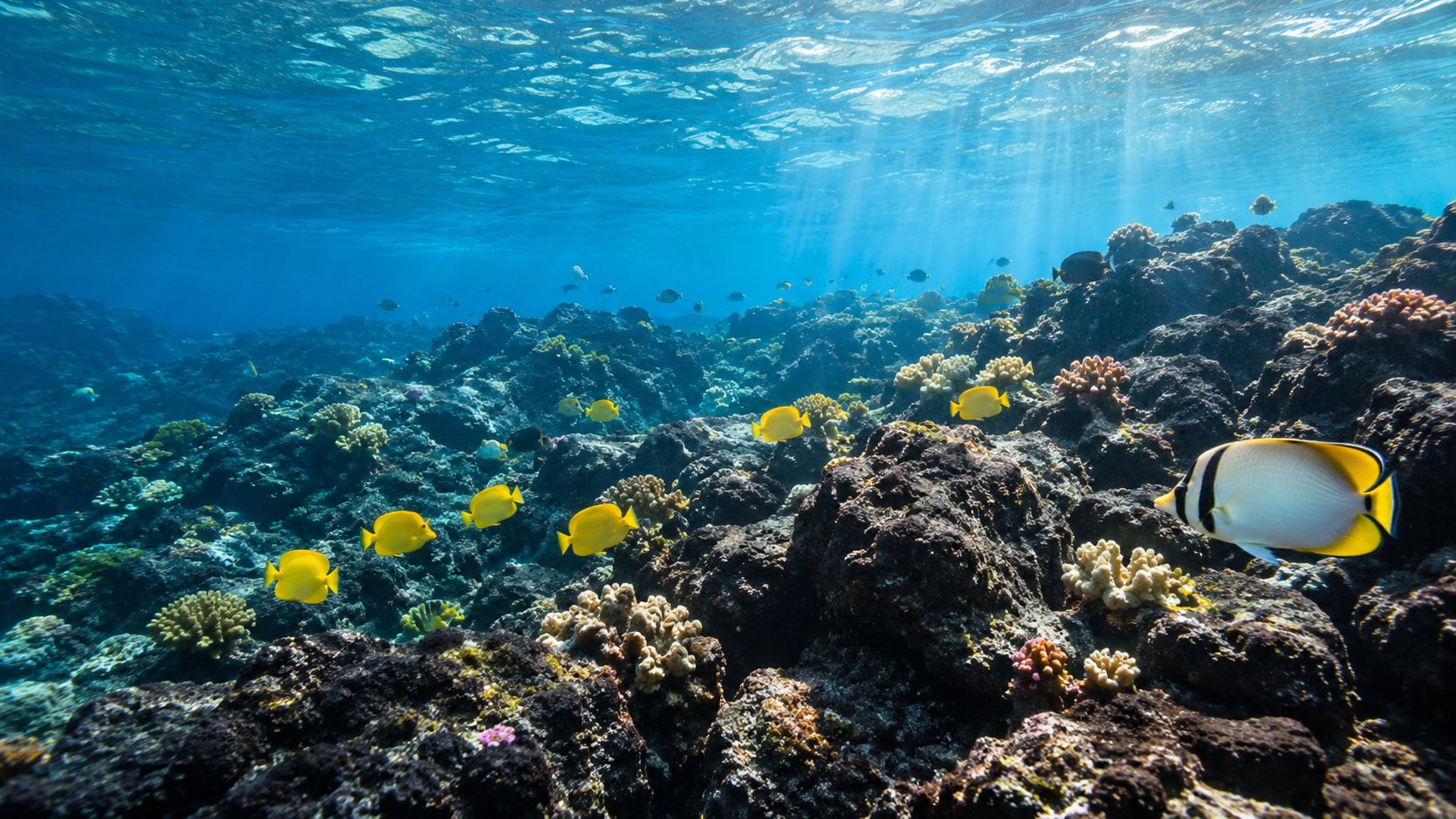
The most important advantage is consistency. The Kona coast sits in a protected position that filters in clear blue water, and that creates the calm, readable conditions divers notice right away. It's easier to descend relaxed, easier to stay oriented, and easier to appreciate the terrain when the ocean isn't fighting you.
The science behind the appeal
Kona has more than pretty water. According to this DAN feature on Kona, Hawaii, Kona is scientifically recognized for having the world's highest rate of endemism for both marine fish and invertebrates, driven by its location in the lee of two massive seamounts that filter clear blue water from the open Pacific. The same source notes that the Manta Pacific Research Foundation has identified more than 270 distinct manta rays within their Kona study area.
That matters for divers because you're not just looking at a healthy reef. You're diving in a marine system with unusual evolutionary isolation and serious scientific significance.
Why the underwater terrain feels different
Kona reefs aren't flat sightseeing routes. Volcanic structure gives the dives shape. Lava fingers, ledges, caverns, and abrupt contour changes create natural pathways and stronger visual drama than many reef destinations.
A good Kona dive feels organized without being artificial. You can read the site. You can orient yourself. You can move through terrain that looks built for divers, even though it's entirely volcanic.
| Kona advantage | Why it matters underwater |
|---|---|
| Clear blue water | Easier navigation, better fish viewing, less stress |
| Protected leeward coast | More dependable boat diving and calmer entries |
| High endemism | Species combinations you won't see elsewhere |
| Deep ocean close to shore | Access to specialty dives other places can't run as well |
Kona is one of the few places where beginners can enjoy the conditions and experienced divers still feel like the location has real depth.
Kona's Signature Dives You Cannot Miss
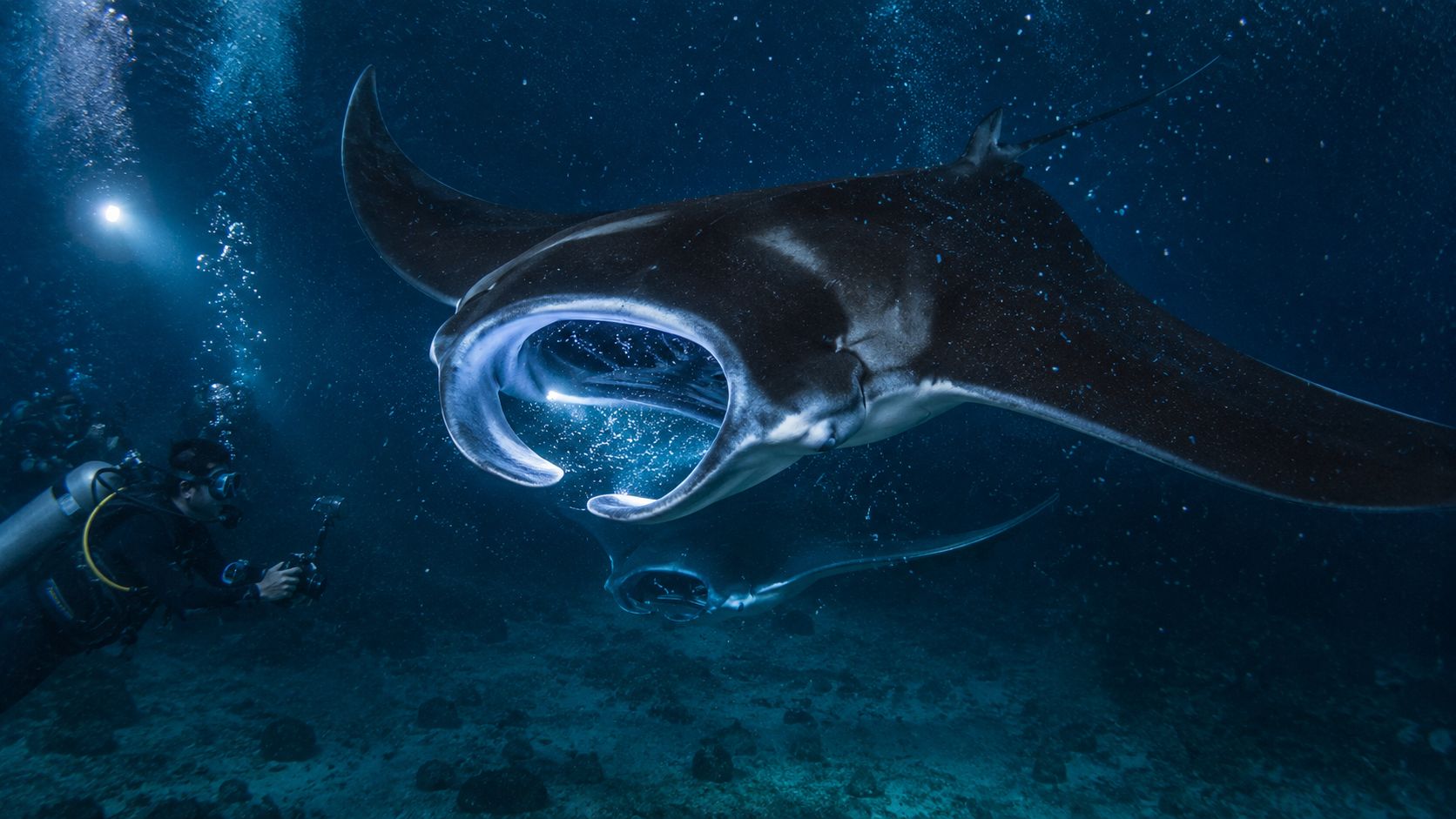
You drop into warm black water, settle onto the bottom, and a manta the size of a small car sweeps inches overhead in the light. That is the Kona dive people talk about for years. If you want the best version of diving Kona Big Island, start with the manta night dive at Garden Eel Cove. Then add blackwater if your buoyancy and night-diving skills are solid.
The manta night dive at Garden Eel Cove
Garden Eel Cove gets my vote every time. It is the stronger manta site because the setup is cleaner, the viewing is more consistent, and the dive feels like a real Kona reef dive instead of a single-purpose stop.
The format is simple. Divers settle in place near the bottom while lights draw in plankton. The mantas do the rest. Good operators keep the group organized, control the site well, and give the animals room to feed naturally. That is exactly why experienced divers tend to prefer going with Kona Honu Divers. The operation is built around diver control, clear briefings, and clean in-water execution.
This dive rewards discipline. Stay still. Keep your fins off the bottom. Hold your light position if instructed, and let the mantas come to you. Divers who stay calm usually get the closest, longest passes.
If mantas are your priority, book early and read the details on the manta ray night swim experience in Kona. Spots go fast for a reason.
How to get the most out of the manta dive
A few habits make a huge difference:
- Dial in your weighting before the dive: Heavy divers kneel poorly, stir up sediment, and work harder than necessary.
- Treat buoyancy as part of etiquette: Stable divers protect the site and improve the experience for everyone.
- Keep your head on a swivel: Mantas can approach from behind, above, or off to the side.
- Choose the right operator: Site management matters on this dive more than almost anywhere else.
My rule: If you have one night dive on your Kona trip, make it Garden Eel Cove with a crew that runs the site cleanly.
The blackwater dive
Blackwater is Kona's other signature experience, but it is for a different diver.
You descend on a lit line into open ocean at night with no reef, no wall, and no bottom reference. Then the pelagic larvae, jellies, and strange transparent life start rising through the beam of your light. It feels alien in the best way. It also exposes every weakness in your trim, breathing, and awareness.
This is not the dive to book because it sounds edgy. Book it because you are comfortable in open water at night, you can hold position without chasing depth, and you like observing small, bizarre life that few divers ever notice. Divers who fit that profile usually rank blackwater among the most memorable dives of their lives.
If that is you, go straight to the Blackwater Dive tour page.
Which one should you prioritize
Here's the straightforward call.
If you only have time for one signature Kona dive, do the manta night dive.
If you have a second specialty slot and the skills to match, add blackwater.
| Dive | Best for |
|---|---|
| Manta night dive | Divers who want Kona's top wildlife encounter with high payoff and a clear structure |
| Blackwater dive | Divers with strong buoyancy and real curiosity about rare pelagic life |
My opinion is simple. Mantas first. Garden Eel Cove over the alternatives. Kona Honu Divers if you want the experience run the right way.
Planning Your Kona Dive Trip A Practical Guide
Good Kona trips don't happen by accident. A few smart choices make the difference between a smooth dive week and one that feels overbooked, underprepared, or physically miserable.
The broad condition picture is strong. The Big Island has over 1,000 diverse dive sites, with water temperatures typically staying between 75°F and 85°F and visibility frequently exceeding 100 feet, according to this Big Island diving overview. That gives you a lot of flexibility, but flexibility isn't the same as a plan.
When to go and how to think about seasons
Kona works year-round. That's the practical answer.
If you want warmer water and easier-feeling conditions for marquee night dives, summer is an especially attractive window for many divers. If your dates are fixed, don't overcomplicate it. Kona is one of the few destinations where “when can I go?” is less important than “what should I book first?”
Book your priority dives first. Then build the rest around them.
The planning mistakes I see most often
These are the errors that cost divers comfort and water time:
- Booking specialty dives too late: Manta and blackwater should go on the calendar first.
- Stacking demanding dives back to back: Leave some breathing room between intense nights and long boat days.
- Underestimating motion sensitivity: A calm forecast doesn't guarantee your stomach agrees.
If you're prone to seasickness, read this guide on how to avoid sea sickness before you travel.
What to pack and what to handle before the dock
Bring the gear that affects comfort and control. Mask, computer, exposure protection you already trust, certification card, towel, water, and a dry layer for the ride in.
For seasickness prevention, practical options people commonly use include Ship-EEZ Seasickness Patch, Dramamine pills, Bonine pills, Sea Band wristbands, and Ginger chews. Pick your approach before the trip, not while you're already queasy at the harbor.
Go into the water settled. Seasickness, bad weighting, and rushed setup all snowball fast on night dives.
My practical trip setup
- Arrival day: Don't schedule your hardest dive immediately after travel.
- First dive day: Start with a daytime reef dive.
- Second or third day: Add manta.
- After you've settled in: Add blackwater or another advanced option if it suits your skill level.
Dive Experiences for Every Skill Level
A great Kona trip matches the dive to the diver. Get that right, and the island feels generous. Get it wrong, and even famous sites become stressful.
For beginners and returning divers
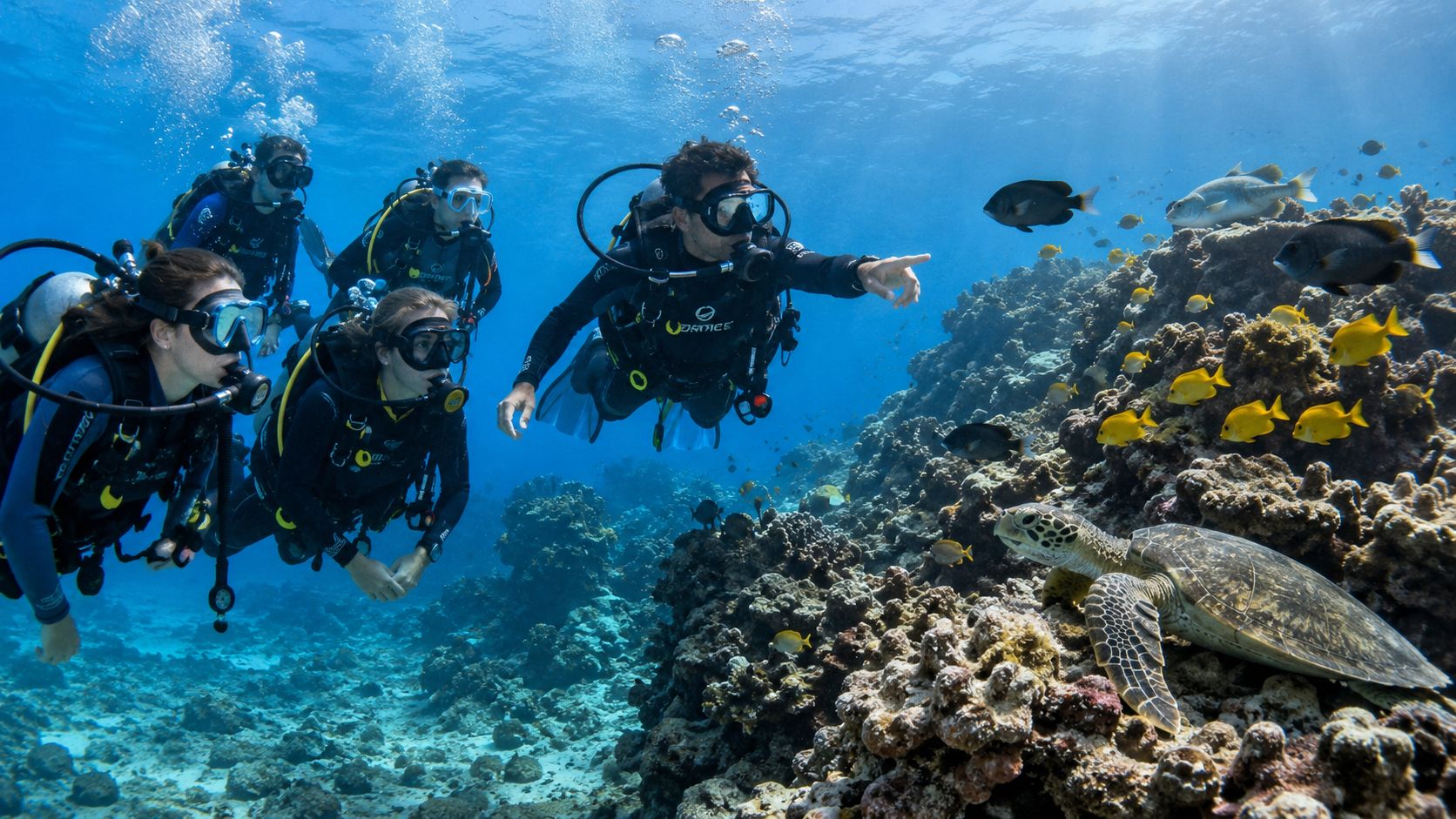
Start with easy reef diving and a crew that knows how to slow the day down. That is the best way to build confidence in Kona.
The leeward coast often gives newer divers exactly what they need. Clear water, straightforward entries, and sites where you can focus on breathing, buoyancy, and enjoying the fish instead of fighting conditions. If you are sorting out the right first step, this guide to beginner scuba diving on the Big Island points you in the right direction.
My advice is simple. Skip any operator that treats beginners like an afterthought. You want patient briefings, sensible site choice, and guides who notice small problems before they become big ones. Kona Honu Divers has a strong reputation for that kind of diver care, which matters far more than flashy marketing.
For experienced divers
Experienced divers should book dives that reward skill, not ego.
Kona does that well. Strong buoyancy, good trim, calm problem-solving, and comfort in low-light conditions open up the dives that make this coast special. Blackwater is the clearest example. You are suspended in open ocean at night with no reef below you, so control and awareness need to be sharp from descent to ascent.
That same mindset applies to advanced reef and lava tube diving. The divers who enjoy Kona the most are usually the ones who stay relaxed, follow the brief, and choose profiles that fit their real ability.
Which type of diving fits you
| Diver type | Best match in Kona |
|---|---|
| First-timer | Discover scuba or an easy guided reef dive |
| Certified but rusty | Calm daytime charter with extra attention on setup and buoyancy |
| Confident recreational diver | Manta night dive at Garden Eel Cove and classic Kona reef dives |
| Experienced and very comfortable at night | Blackwater and longer-range advanced trips |
If you want deeper terrain, more demanding profiles, and a boat day built for stronger divers, the premium advanced long-range dive tour is the right call.
The best Kona itinerary is not the hardest one. It is the one you can dive cleanly, safely, and with enough margin left to enjoy every minute underwater.
Why Choose Kona Honu Divers for Your Adventure
When you pick a dive operator in Kona, look at the things that change your day. Boat comfort. Crew judgment. Small details in briefing quality. How well the operation handles specialty dives. Whether certified divers can use Nitrox. Whether the whole experience feels organized instead of chaotic.
That's the framework I'd use. Everything else is marketing noise.
What I'd prioritize in an operator
Some things matter every single trip:
- Boat design: You want a setup that handles gear, entries, and surface intervals comfortably.
- Guide quality: Local knowledge matters more in Kona than people realize.
- Specialty experience: Manta and blackwater should be routine for the crew, not occasional add-ons.
- Diver fit: The operation should offer sensible options for both new and experienced guests.
One operator that covers day dives, manta trips, blackwater dives, courses, and gear support is Kona Honu Divers. For many visitors, the practical appeal is keeping most of the trip with one crew and one booking system instead of patching everything together.
Why this matters more in Kona
Kona rewards consistency. A well-run operation makes the destination easier to enjoy because you spend less time guessing and more time diving. That matters most on night dives and advanced charters, where comfort and discipline have a direct effect on how the dive feels.
Sample Kona Diving Itineraries
Most divers don't need more ideas. They need a usable schedule. Here are two that work.
Three day dive blast
This plan is for divers who want highlights without overloading the trip.
Day 1
Book an easy daytime reef charter. Shake off travel fatigue, get your weighting sorted, and settle into Kona conditions.
Day 2
Choose your more ambitious daytime dive. If you're experienced, this is the right spot for a stronger site profile or long-range option.
Day 3
Finish with the manta night dive. It's the cleanest trip finale because it feels special without demanding the same kind of concentration as blackwater.
Five day immersion
This is the better schedule if diving is the point of the vacation.
- Day 1: Easy reef diving after arrival buffer.
- Day 2: Signature manta night dive.
- Day 3: Recovery-style daytime diving. Keep it scenic and simple.
- Day 4: Blackwater for qualified divers, or another daytime charter if blackwater isn't your style.
- Day 5: One final daytime boat dive, then shift into dry-land mode before departure.
The logic is simple. Front-load comfort, place marquee dives when you're settled, and avoid stacking your most demanding dives too tightly.
If you want a Kona trip that's easy to book and hard to forget, start with Kona Honu Divers. Lock in the dives that matter first, build the rest around your actual skill level, and let Kona do what it does better than anywhere else in Hawaii.