
You're probably in one of two places right now. Either you've already booked Hawaii and you're trying to figure out which dives are worth your limited vacation days, or you're still deciding whether diving in Hawaii is as good as people say.
The short answer is yes, but only if you plan it like a diver, not like a tourist.
A lot of visitors build their trip around one photo they saw online. That's how people end up booking a blackwater dive when they really wanted a relaxed reef day, or skipping a manta dive because they assume all night diving feels the same. Hawaii rewards good matching. Match the island to the experience you want. Match the dive to your actual skill level. Match the operator to the kind of day you want to have on the boat.
Welcome to a Diver's Paradise
The descent that often hooks divers in Hawaii is usually simple. Warm water. Blue that stays bright deeper than expected. Lava rock taking shape below you. Reef fish moving in clean water instead of a haze of stirred-up sand. Then you look across the site and realize you can still see your buddy far off to the side without squinting.
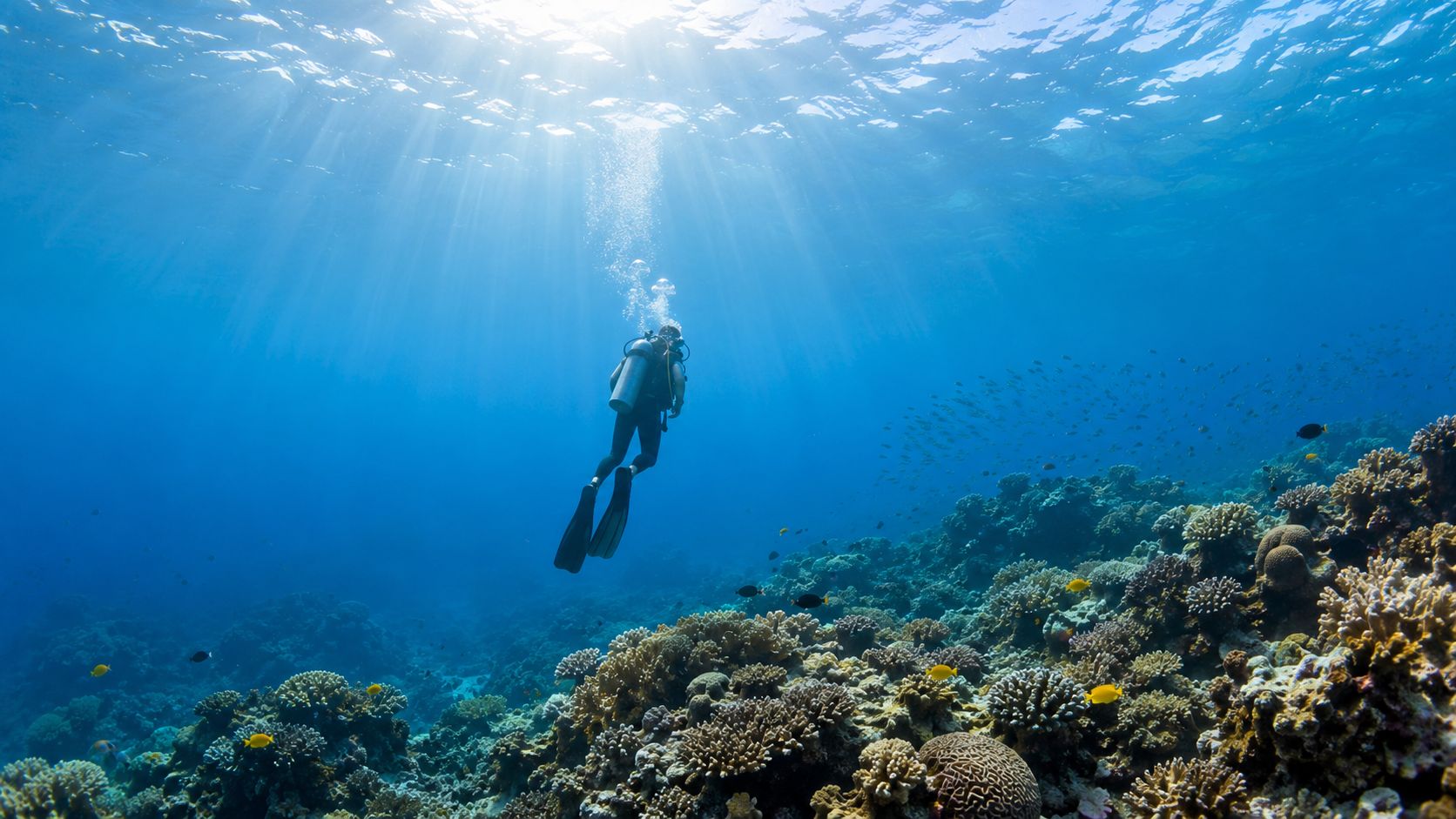
That first impression isn't marketing. Hawaii supports over 1.5 million scuba dives annually through more than 215 licensed dive shops, with water temperatures consistently at 75–80°F (24–27°C) and visibility frequently exceeding 100 feet, which is why diving conditions don't really have an off-season for most travelers, as outlined in this overview of Hawaii as a major scuba destination.
Why Hawaii feels different underwater
A lot of tropical destinations sell color. Hawaii gives you structure.
The underwater terrain comes from volcanic island geology, so dives often feel more dramatic even when they're easy. You're not just hovering over coral heads. You're moving across lava shelves, ridges, arches, cracks, and old formations that give each site a sense of place.
That matters on every kind of trip:
- New divers get warm water and approachable conditions.
- Experienced divers get terrain that stays interesting even after multiple days.
- Mixed groups get a destination where diving can be the centerpiece without making the whole vacation revolve around it.
Practical rule: The best Hawaiian dive trip isn't the one with the longest list of famous sites. It's the one where every dive matches your comfort level and energy on that day.
What makes Hawaii easy to plan
Hawaii works well for dive travel because conditions are steady enough that you can build a real itinerary without gambling everything on one weather window. That doesn't mean every site is perfect every day. It means there's usually a good option if you've chosen the right island and operator.
For most divers, that's the difference between a bucket-list trip and a stressful one. Warm water is nice. Clear water is nice. Reliable diving is what makes people come back.
Hawaii's Underwater Worlds A Tour of the Islands
Every Hawaiian island has a different underwater personality. If you treat them all like the same dive destination, you'll miss what each one does well.
The Big Island and why most divers start here
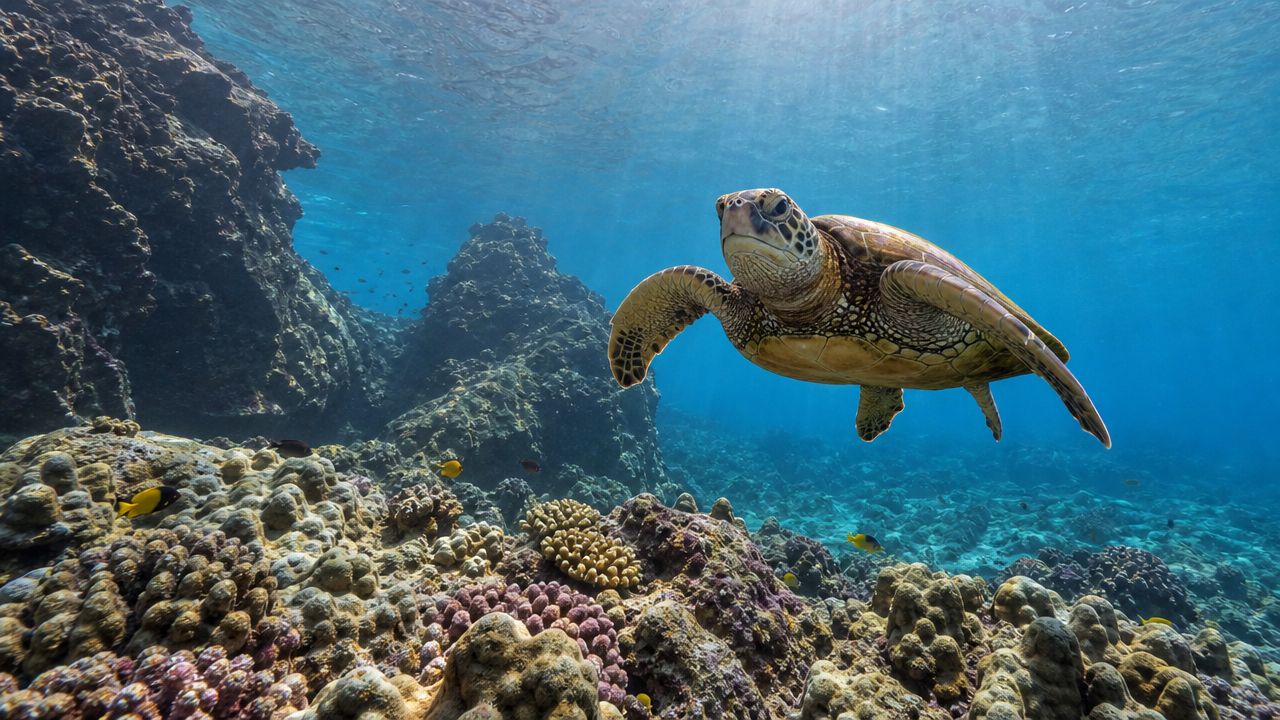
The Big Island gives you the broadest range of scuba experiences in one place. Reef dives, lava formations, night dives, and advanced specialty options all sit within a practical trip radius. If you want the fastest path to a dive-focused vacation, this is usually the cleanest choice.
You can browse Big Island diving tours along the Kona coast if you want a sense of what a dive-centered itinerary looks like in practice. For a broader comparison, this guide to which Hawaiian island is best for scuba diving is useful when you're still deciding where to base the trip.
What stands out on the Big Island isn't just marine life. It's how much variety you can access without changing hotels, ferries, or flights.
Maui for easier vacation pacing
Maui works well when scuba is part of the trip, not the whole trip. That's a good fit for families, couples, and travelers splitting time between beaches, restaurants, road trips, and a few dive days.
The diving can be beautiful, but the trip rhythm is different from Kona. On Maui, many visitors want a balanced holiday with a dive day folded into a broader resort schedule. That's fine if that's your goal. It's less ideal if you wake up wanting to spend most of the week underwater.
Oahu for mixed groups
Oahu makes sense when some people in your group dive and others don't. There's plenty to do above water, and that matters if you're traveling with family or friends who won't be on every boat.
If your group is leaning more toward snorkeling than scuba on Oahu, Living Ocean Tours is the one I'd point people to first for turtle snorkeling and general ocean tours. If the trip calls for an evening on the water instead of another early departure, Sunset Cruise Waikiki fits that role well.
Kauai and the more flexible trip
Kauai tends to suit divers who don't mind adapting plans to conditions and who like a rougher-edged island feel. It can be rewarding, but it isn't where I'd send someone who wants the most straightforward first Hawaii dive trip.
Here's the simple version:
| Island | Best fit | What it does well |
|---|---|---|
| Big Island | Dive-focused travelers | Broadest range of scuba experiences |
| Maui | Vacation-first travelers | Easy pairing with resorts and land activities |
| Oahu | Mixed groups | Strong non-diver options and snorkeling add-ons |
| Kauai | Flexible planners | Rugged feel and less structured pace |
If the goal is to maximize actual dive quality over vacation convenience, the Big Island is usually the easiest recommendation.
Signature Dives The Experiences of a Lifetime
Some Hawaii dives are good. Some are the reason people book a flight.
The manta ray night dive
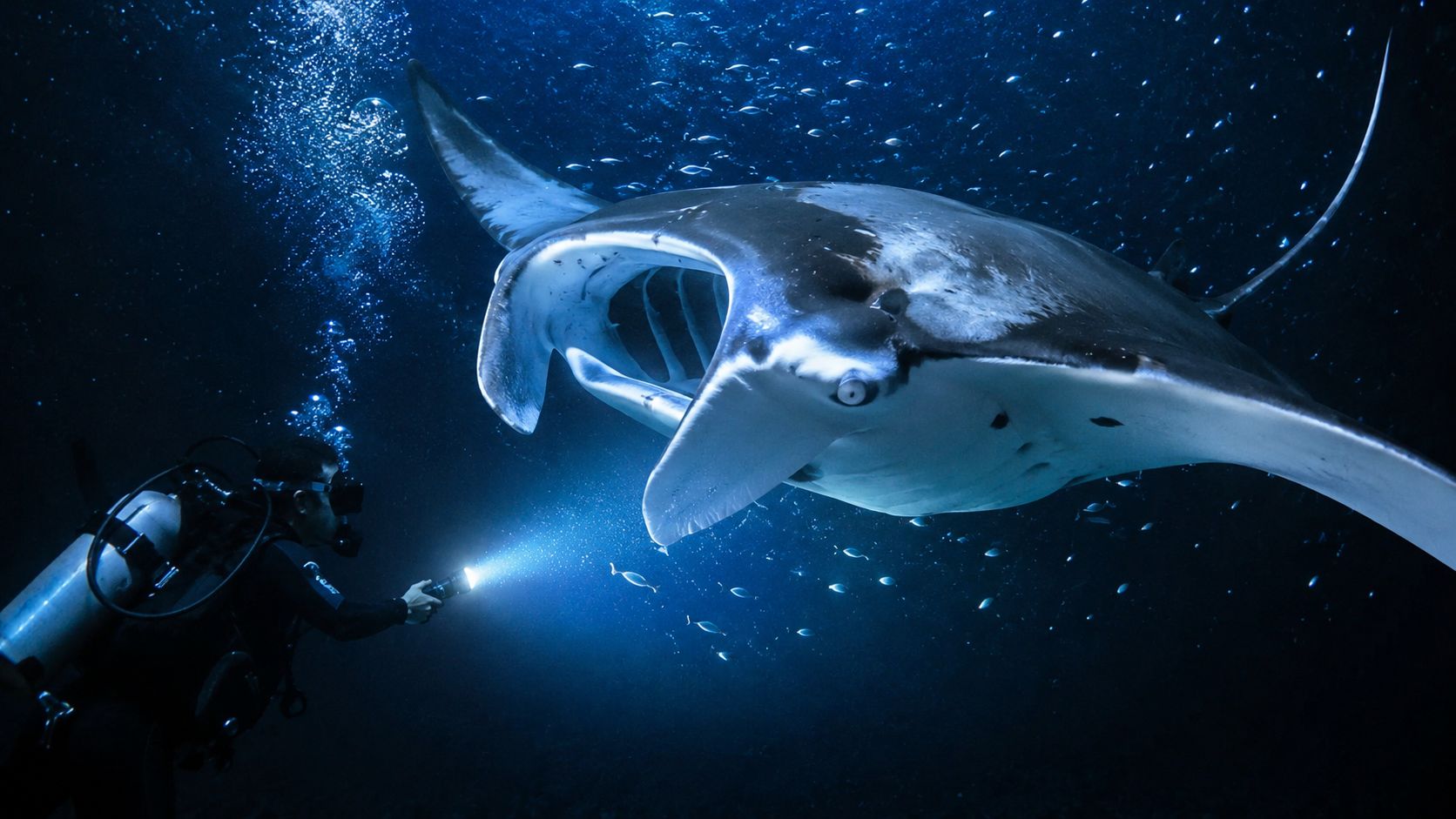
The manta dive deserves its reputation. It's one of the rare famous dives that still feels special when you're there.
For scuba, I'd choose the manta ray night dive tour that uses Garden Eel Cove, because the protected location, stronger viewing setup, and better surrounding reef make it a more complete experience. If you want context on profile and depth before booking, this guide on how deep the Kona manta ray dive is helps set expectations.
What works on a manta dive is calm positioning and discipline. You settle in, keep your light where the guide wants it, and let the animals come to the plankton bloom. What doesn't work is treating it like a moving reef dive and trying to chase the action.
The blackwater dive
Blackwater diving is completely different. No reef. No wall. No bottom reference that settles your brain.
Most travel content treats it like just another night dive. It isn't. As explained in this discussion of scuba diving in Hawaii and blackwater challenges, the black water dive involves drifting offshore at night to observe deep-ocean creatures rising and demands advanced depth discipline at 80–130 ft plus solid equalization skills. That's exactly why it's so memorable and why it shouldn't be booked casually.
If that style of diving is what you're after, use a dedicated Kona blackwater dive tour, not a generic “night dive” listing.
Blackwater is for divers who stay composed without a bottom reference. If you already know that open water at night makes you tense, don't force this to be your vacation breakthrough dive.
Lava tubes, arches, and advanced terrain
The daytime dives that stay with experienced divers are often the lava sites. Not because they're the most photographed, but because they reward control. Good buoyancy turns a lava formation into a graceful dive. Sloppy trim turns it into constant course correction.
That's also where advanced trips make sense. If you want deeper profiles, more demanding topography, and a little more range in site selection, look at advanced long-range dive options.
A simple way to choose among the signature experiences:
- Pick manta rays if you want a classic Hawaii memory with a clear focal point.
- Pick blackwater if you already enjoy night diving and want something strange, offshore, and mentally demanding.
- Pick advanced lava diving if terrain matters more to you than a single marquee animal encounter.
Planning Your Trip Seasons Skills and Safety
The trip usually goes wrong before the first giant stride. A diver books Hawaii for manta rays or blackwater, stacks the week with ambitious dives, skips the easy checkout day, then discovers on the boat that surge, current, or motion affects them more than expected.
Good planning fixes that.
Choosing the right season for your comfort
Hawaii has workable diving all year, but the right month depends less on a generic “best season” and more on what kind of diving day you handle well for a full week. Water stays warm enough for consistent diving, yet repeated boat dives can feel very different in cooler months, windier periods, or on days with more surface motion. A diver who is perfectly comfortable on one vacation day can get worn down by day three if thermal protection, boat tolerance, and site difficulty were all underestimated.
A month by month guide to the best months to scuba dive in Hawaii helps, but the better planning question is simpler. What conditions let you dive well, not just get through the dive?
A practical way to match the season to the diver:
- Newer diver: Pick the time of year and island plan that gives you the easiest first two days.
- Experienced diver: Build the trip around one or two high-value dives, then leave room for flexibility if conditions shift.
- Photographer: Favor calmer days and easier entries over trying to force a famous site into a rough schedule.
- Cold-prone diver: Plan for cumulative chill, not just the temperature on paper.
Matching the dive to your certification and current ability
Certification card and actual readiness are not always the same thing. That matters in Hawaii because some of the most memorable dives also ask for calm decision-making, good buoyancy, and enough reserve attention to deal with surge, lava structure, darkness, or blue-water exposure.
Open Water divers have plenty of strong options here. Many reef and boat dives are enjoyable without pushing limits. The mistake is treating Hawaii like a place where every famous dive should be attempted in the same week.
If you have not dived recently, use day one to get your weighting, trim, and breathing settled again. Divers who do that usually enjoy the rest of the trip more, consume less gas, and make better decisions about whether they are ready for a demanding night or offshore profile.
This is one place where operator choice matters. A good crew will ask what you have done lately, not just what card you hold, and they will steer you toward the dives that fit your real comfort level. That is how experienced Kona crews keep a trip on track instead of turning it into a string of recovery dives after one over-ambitious booking.
Safety and boat comfort
Hawaii diving has a strong safety record when divers stay within training, listen to briefings, and speak up early about problems. The state's annual review of ocean recreation incidents, including scuba fatalities, is tracked by the Hawaii Department of Land and Natural Resources in its Ocean Recreation and Coastal Areas Program reports.
The pattern is familiar. Trouble usually starts with simple mistakes. Diving beyond recent experience, poor gas awareness, weak buoyancy around structure, or ignoring fatigue after several days in a row.
Keep the safety plan basic and honest:
- Tell the crew your recent dive history: “Advanced certified” is not useful by itself. “Twenty dives total, none in the last two years” is useful.
- Treat the briefing as site-specific instruction: Hawaiian sites can change quickly with surge, current, and topography.
- Leave margin in your schedule: Do not book your hardest dive on the first day or after a long travel day.
- Fix seasickness before you are nauseated: Prevention works better than recovery on a moving boat.
For motion sickness, use the method that has already worked for you if you have one. Common options include Ship-EEZ Seasickness Patch, Dramamine pills, Bonine pills, Sea Band wristbands, and Ginger chews. Kona Honu Divers also outlines a practical pre-boat routine in this guide on how to avoid sea sickness before a Hawaii dive trip. DAN also reviews the evidence for ginger and other prevention methods in its article on seasickness prevention and treatment for divers.
One final planning rule saves a lot of vacations. Do not build your whole Hawaii trip around the hardest dive you saw online. Build it around the dives you are ready to enjoy well.
Gearing Up A Practical Packing List
You feel the difference in Hawaii on day one. The diver with a well-packed bag steps onto the boat ready to listen, gear up, and dive. The diver who packed for every possible scenario usually spends the morning sorting through extras they never needed.
The goal is simple. Bring the items that affect fit, warmth, and task loading. Rent the bulky gear unless you have a clear reason to use your own.
What should be in your bag
Start with the pieces that can make or break a dive day because they are personal.
- Certification card and trip paperwork: Keep them easy to access, not buried in checked luggage.
- Mask: A mask that fits your face well is worth packing on almost every Hawaii trip.
- Dive computer and logbook: Bring your computer if you use one regularly. Your recent dive history also helps the crew place you on the right dive plan.
- Exposure layer: Rash guard, wetsuit, or both, based on how easily you get cold and how many days you plan to dive.
- Sun and boat items: Water, sunglasses, a hat, reef-conscious sun protection, and a small towel go a long way.
- Any motion-sickness remedy you already trust: Bring it with you instead of hoping the marina shop has your preferred option.
Exposure protection and what actually makes sense
Hawaii does not require heavy exposure protection, but warm water on paper and warm water after several dives are not the same thing. Repetitive boat diving, wind on the ride back, and long bottom times can leave even experienced divers chilled.
A lot of visiting divers are comfortable in a 3 mm full suit. Some run warm and prefer a shorty or rash guard in the warmer months. Divers who chill easily should pack for that reality instead of for the air temperature. If you want a more detailed breakdown by season and cold tolerance, this guide on what wetsuit is best for diving in Hawaii lays it out well.
Bring it or rent it
The right answer depends on how much you care about familiarity versus convenience.
| Item | Bring it if | Rent it if |
|---|---|---|
| Mask | It fits well and never gives you trouble | You do not own one you trust |
| Wetsuit | You know your cold tolerance and fit matters to you | You want to save bag space |
| Computer | You dive often and know your settings | You only dive a few times a year |
| BCD and regs | You prefer your own setup and travel with gear regularly | You want lighter, simpler travel |
For Hawaii specifically, I tell divers to protect the three things that affect comfort fastest: mask fit, thermal comfort, and familiarity with your computer. Everything else is a trade-off.
What people overpack
Full save-a-dive kits, extra fins, multiple exposure options, and backup accessories often make sense for instructors or very gear-specific divers. They rarely make sense for a one-week vacation built around recreational boat diving.
Rental BCDs and regulators are usually the easiest items to leave at home. A bad mask fit is the problem I see ruin otherwise good dives. That is the item I would pack first.
How to Choose the Best Dive Operator in Hawaii
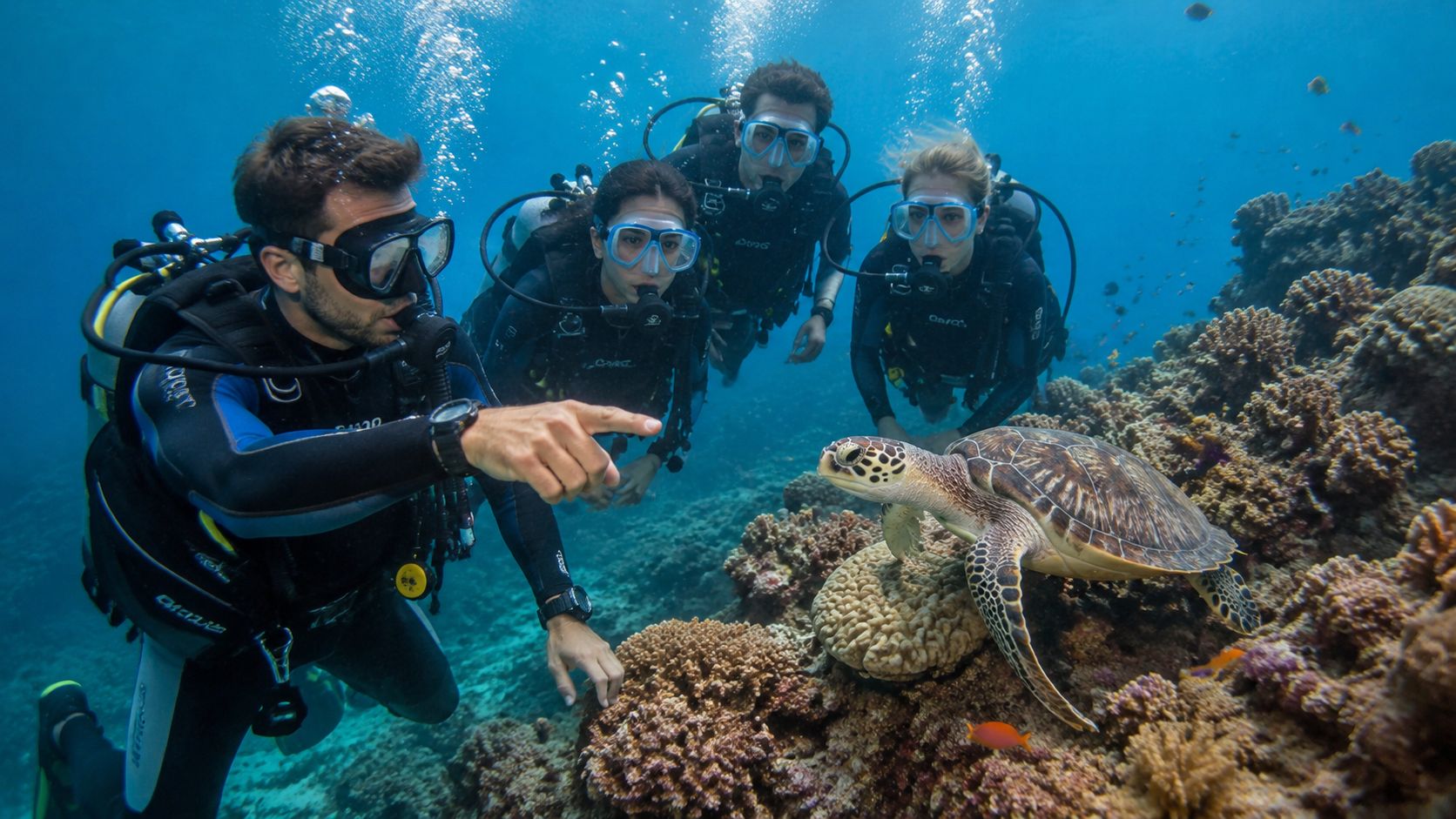
A Hawaii dive trip usually goes sideways for predictable reasons. The diver books on price, picks a boat with a famous photo gallery, then ends up on a charter that is wrong for their experience level, goals, or pace. The operator matters because the operator controls the part of the trip that shapes your day underwater: site choice, diver grouping, briefing quality, entry timing, and how problems get handled when conditions change.
What to check before you book
Start with fit, not price.
A good operator asks what you have done recently, not just how many dives are in your logbook. Fifty easy resort dives do not prepare someone for every Hawaiian dive profile. That matters even more if you are considering a manta night dive, drift diving, or blackwater.
Check four things before you hand over a credit card:
- Safety culture: Crews should ask about recency, air consumption, comfort in current, and any weak spots in your skills. If a company sells every diver the same trip without questions, that tells you something.
- Site selection: Good operators match the site to the group and the conditions. They do not force a marginal plan because it is the famous one.
- Guide judgment: Strong guides spot stress early, adjust the pace, and know when a diver needs simpler conditions instead of more encouragement.
- Boat organization: Clear briefings, sensible seating, easy gear flow, and disciplined roll calls make the whole day calmer.
If you want a broader comparison before narrowing your list, this review of top Kona diving companies is a useful starting point.
Why operator quality shows up fast in Kona
Kona's diving is forgiving in some ways and demanding in others. Visibility is often excellent on the leeward coast, as noted earlier, and that tends to make divers feel more comfortable than they really are. Clear water helps. It also exposes sloppy operations.
Poor diver matching becomes obvious quickly. So does a rushed briefing, weak current planning, or a guide who lets the group spread too far. On a well-run boat, those same conditions work in your favor. You get more relaxed descents, cleaner wildlife encounters, and dives that feel controlled instead of crowded.
That trade-off is the primary planning framework for Hawaii. Do not choose an operator based only on where they go. Choose based on whether they run the kind of day that fits your skill level and the dives you want to build toward.
One practical Big Island option
Kona Honu Divers is a good fit for divers who want to book several different experiences through one operator, including reef dives, manta trips, blackwater dives, training, and rental support. That matters if you are trying to plan a full week instead of filling one open morning.
From a working divemaster's perspective, the advantage is consistency. The crew already knows the local sites, can tell you which dives pair well in the same week, and can help you decide whether a demanding experience should happen early in the trip or after you have settled in. That is especially useful for blackwater, which is unforgettable for the right diver and a poor choice for the wrong one.
Sample Itinerary and Booking Your Adventure
The easiest way to plan a Hawaii dive trip is to stop thinking in terms of “all the famous things” and start thinking in terms of energy. One big dive day usually pairs best with either a lighter day before it or a lighter day after it.
A workable Big Island week
Here's a schedule that fits how many divers feel by midweek:
Day 1
Arrival day. Don't force a dive if travel left you tired or dehydrated.
Day 2
Easy two-tank morning dive. Use this day to dial in weighting, buoyancy, and comfort in local conditions.
Day 3
Surface interval day with snorkeling instead of scuba. If you want to visit Captain Cook, book a dedicated trip through Kealakekua Bay Captain Cook Monument snorkeling or Captain Cook Snorkeling Tours.
Day 4
Advanced morning dive if your training and comfort support it. Manta night dive that evening if you still feel fresh and focused.
Day 5
Rest day, beach day, or topside exploring.
Day 6
Second reef day or blackwater, depending on how the week has gone and how solid you feel in the water.
Day 7
Keep this flexible. Divers always appreciate one uncommitted day.
Booking habits that save trips
The specialty dives fill first. Manta and blackwater shouldn't be left to the last minute if they matter to you.
A few habits make life easier:
- Book signature dives early: Then build the rest of the week around them.
- Leave one flex day: Weather and your own fatigue don't always respect your spreadsheet.
- Don't stack stress: A blackwater dive after several hard days can feel very different than it would earlier in the week.
Frequently Asked Questions About Diving in Hawaii
A lot of Hawaii dive questions come down to trip fit. The right answer depends on your comfort in the water, how many days you have, and whether you want easy reef diving or a more demanding specialty trip.
Do I need to be certified to try scuba in Hawaii
No. Introductory scuba programs let beginners try diving under close supervision, and they work well for travelers who want a real underwater experience before committing to a full course.
What marine life should I be cautious around
Respect distance, keep your hands off the reef, and control your buoyancy. In Hawaii, divers get into trouble more often by crowding animals, kneeling on coral, or losing position in surge than by anything "attacking" them. Good habits prevent nearly all of it.
Can a non-diving partner come along
Often, yes. That depends on the boat, the site, and how the operator runs mixed groups, but it is common for one person to dive while another snorkels or rides along.
Is Nitrox worth using
For certified divers doing several days in the water, often yes. It is a practical choice for conservative profiles on repetitive dives, but only if you are trained, analyzing your tank correctly, and diving within the mix you confirmed.
If you are putting together a Big Island dive trip, start by matching the experience to your current skill level. Reef dives suit a wide range of divers. Manta night dives are approachable for many certified divers. Blackwater requires much stronger situational comfort, especially if you have never spent time in open water at night with no visual bottom.
Kona Honu Divers is a solid starting point because the operation covers that full range, from training and straightforward reef diving to manta trips and advanced profiles. Book the dives that matter most first, leave room in the schedule for weather or fatigue, and choose the week you can dive well, not the version of the week that only works if everything goes perfectly.