
You're probably planning this trip with a dozen browser tabs open. One tab has flight prices, another has hotel maps, and a third has someone arguing online about which Hawaiian island has the best diving. That's normal. Hawaii can be simple for divers once you know one key truth: each island offers a different underwater style, and your best choice depends on what you want to see, how much experience you have, and how much boat time you're comfortable with.
A sunrise departure off the Kona coast is a good example of why diving in Hawaii sticks with people. The boat ride is short, the lava shoreline glows in early light, and once you roll in, the water often feels warm enough that you're not bracing for impact. Below you, the reef doesn't look like a soft tropical shelf. It looks volcanic, carved, and dramatic. That difference shapes almost everything about Hawaiian diving, from visibility to marine life to the kind of buoyancy control certain sites demand.
Introduction to Diving in Hawaii
You step off the boat, look down through blue water, and realize the reef below does not resemble the postcard version of a tropical dive. Hawaiian sites often look sculpted rather than soft. Lava rock forms ledges, bowls, arches, and long fingers of reef that can change how you descend, where you shelter from surge, and what kind of buoyancy control feels comfortable. If you want a broad starting point before choosing an island, this overview of scuba diving in Hawaii helps frame the options.
That volcanic structure is one reason Hawaii feels so different underwater. A Caribbean reef often reads like a garden path. Many Hawaiian dives feel more like following a trail across old lava terrain, with sharper contours and more dramatic changes in depth. For new divers, that usually means paying closer attention to entries, exits, and how the bottom profile changes during the dive. For experienced divers, it often means more interesting navigation and more varied site character from one island to the next.
Marine life adds to that sense of place. Hawaii's isolation shaped a reef community with species and behavior patterns that feel distinctly local, not like a copy of another warm-water destination. Green sea turtles, reef fish found only in Hawaii, and famous encounters such as manta ray night dives give the islands a personality of their own. That matters when you build an itinerary, because a trip focused on manta encounters calls for a different plan than one built around lava tubes, turtle cleaning stations, or relaxed introductory shore dives.
A simple way to choose is to match the island to your diving style, the way you would match a hiking route to your fitness and comfort on uneven ground. Some travelers want short boat rides and predictable conditions. Others want more advanced profiles, stronger topography, and signature wildlife encounters. The best Hawaii plan usually mixes excitement with restraint. Pick sites that fit your certification and recent experience, then leave room in the schedule for surface intervals, weather shifts, and at least one day built around conservation-minded choices such as reef-safe sunscreen, good buoyancy habits, and operators who brief guests on marine life distance and no-touch practices.
Cost matters, but the smarter first question is value. Hawaii dive prices vary by island, boat format, and whether you are booking shore dives, specialty dives, or multi-day packages. Instead of treating every charter as interchangeable, compare what is included, how far the boat runs, the group size, rental gear quality, and whether the operator's briefings support both safety and reef protection. That approach leads to a trip that is more enjoyable and usually more efficient too.
Understanding Hawaiian Diving Conditions
Step off the boat on a calm Kona morning and Hawaii can seem almost too forgiving. The surface looks flat, the water feels warm, and visibility may stretch so far that the reef appears close enough to touch. New visitors sometimes read that as a promise that every site will dive easily. It is better to read it as an invitation to plan carefully, island by island and season by season.
Hawaii offers year-round diving comfort, but comfort and conditions are not the same thing. Water temperature stays fairly stable compared with many mainland destinations, which is why many trips can be scheduled in any month. If you want a practical baseline for exposure protection, this guide to Kona water temperatures through the year helps set expectations.
Seasonal water temperature and visibility
| Season | Temperature (°F) | Visibility (ft) |
|---|---|---|
| Winter | 75 | Often very good, but more variable by swell and weather |
| Spring | 75–80 | Frequently high on protected coasts |
| Summer | 80 | Often exceeds 100 |
| Fall | 75–80 | Frequently high, with many calm days |
The table gives you the broad pattern. The essential planning work comes from understanding what changes and what does not.
Water temperature changes modestly. Visibility, surge, and entry conditions can change much more. A good comparison is driving the same road in different weather. The route is still there, but rain, glare, and traffic change how easy the trip feels. In Hawaii, the route is the dive site. Swell direction, wind exposure, and island geography determine how approachable it feels that day.
That is why leeward coasts matter so much. Shores protected from prevailing wind and swell often deliver calmer surfaces and clearer water, while exposed sides can become uncomfortable even when the air feels pleasant on land. This distinction matters for trip design. Travelers building eco-conscious itineraries often do better with a few well-chosen protected dives than with a packed schedule that forces long runs into marginal conditions and leaves little room for reef-friendly briefings or careful buoyancy work.
Why Hawaiian water often looks so clear
Hawaiian visibility comes from open-ocean water, limited river runoff at many sites, and underwater terrain that drops away quickly. On volcanic coasts, there is often less fine sediment hanging in the water than divers expect. The result is water that can feel almost architectural. Lava fingers, arches, and ledges appear in full shape rather than fading into haze.
Clear water helps with orientation, but it can also trick divers.
A site with 100-foot visibility can still have surge at the entry, current along a point, or depth changes that outpace a diver who has been out of the water for a while. Good visibility is like bright lighting in a stairwell. You can see every step, but you still need to place your feet carefully.
Seasonal questions divers commonly ask
Visitors often ask whether summer is always better than winter. The better answer is that each season shifts the odds rather than guaranteeing a result. Summer and early fall often bring the cleanest windows on protected coasts. Winter can still produce excellent dives, but swell can affect more exposed areas and narrow your site choices.
Another common question is whether warm water means thin exposure protection is always enough. Not always. A 75 to 80°F range sounds warm on paper, yet repeated dives, long bottom times, boat wind, and night dives can cool you down faster than expected. Many travelers are happier with slightly more neoprene than they first planned, especially if they are doing multi-day packages.
Use these guidelines when comparing islands and dates:
- For easy entries and steadier conditions: prioritize protected leeward sites and ask operators which coast is most reliable in your travel month.
- For the clearest water: target calm-weather windows, especially in summer and fall, and confirm whether your chosen island has a protected side that holds visibility well.
- For comfort across several dive days: pack or rent exposure protection for the coolest part of your itinerary, not just the warmest afternoon dive.
- For reef-friendly planning: choose operators who adjust sites to conditions instead of forcing a marginal plan, since rushed entries, heavy finning, and poor trim often lead to unnecessary reef contact.
The practical takeaway is simple. Hawaii does not have one set of diving conditions. It has several, shaped by season, coast, and site type. Once you understand that pattern, you can build a trip that pairs clear-water excitement with sensible safety margins and lower impact on the reef.
Top Dive Regions and Sites
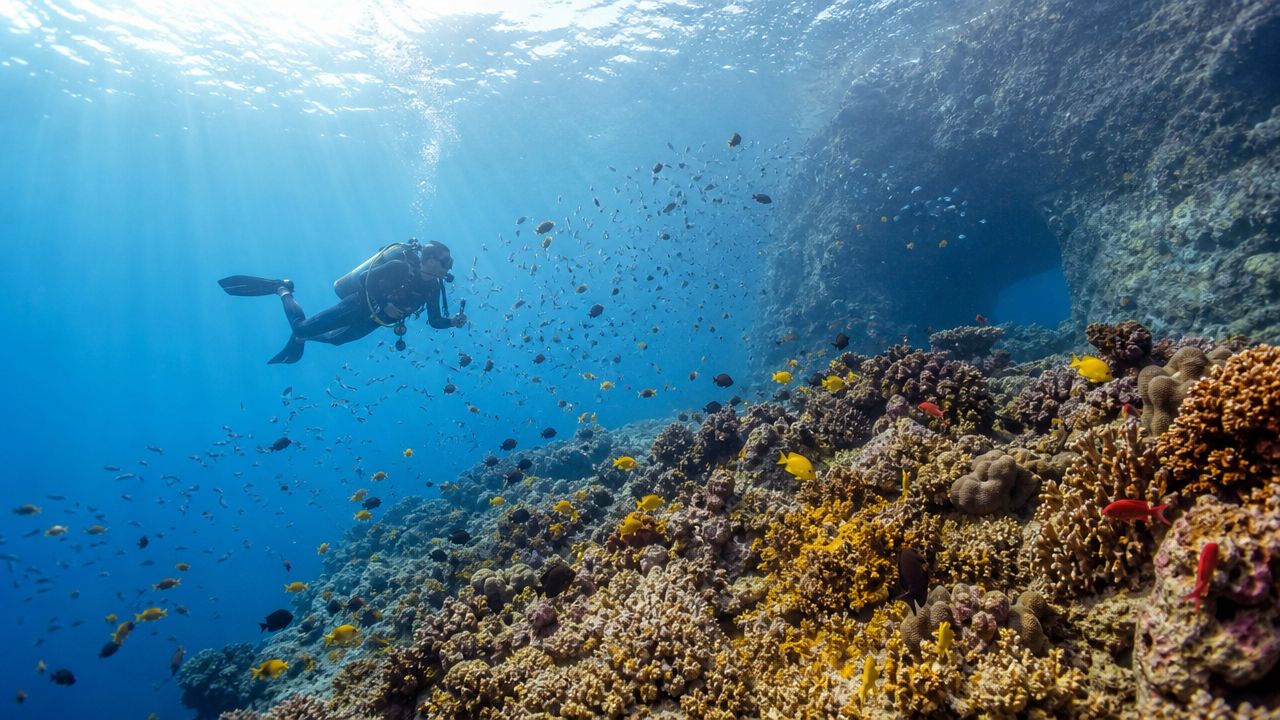
You wake before sunrise, load your gear, and head for the harbor. The boat briefing starts, and one choice shapes the whole day. Reef or wreck. Protected lava coast or more exposed shoreline. Signature wildlife encounter or a forgiving site for newer divers. Hawaii rewards travelers who choose an island the way divers choose an entry point. Match the site to the conditions, your experience, and the kind of memory you want to bring home.
That is why island choice matters more here than in many tropical destinations. Each major island has a different underwater personality. For west-side trip planning, site styles, and local logistics, this guide to diving Kona and the Big Island is a useful starting point.
Big Island and Kona
Kona is the island many experienced divers build a trip around. The leeward coast often offers clear water, reliable boat access, and lava formations that feel less like soft coral gardens and more like swimming through the bones of a volcano. Arches, ledges, and old flow lines give dives a strong sense of shape, which helps even newer divers read the site more easily underwater.
Two areas stand out for different reasons.
- Kealakekua Bay area: A strong choice for reef life, lava structure, and wide-open visibility on good days. It often suits divers who want a classic Hawaii look without making the dive feel overly technical.
- Garden Eel Cove: Known to many travelers because of the manta encounter, but the site also matters as a protected, well-known location where positioning and site management can reduce stress on both divers and marine life.
Kona also fits travelers planning several dive days in a row. Many boats can rotate among sites based on weather and goals, which makes package planning easier and can help you avoid forcing a marginal site just because it looked good on a map. That flexibility supports conservation too. Operators who shift plans with conditions usually reduce reef contact, heavy finning, and crowding at sensitive areas.
Maui
Maui works well for travelers balancing diving with a broader vacation. If one person wants two tank mornings and another wants beaches, hiking, or a resort day, Maui often handles that mix well.
Molokini is the headline name, and it earns that reputation because the crater setting gives divers an offshore feel that is different from a shoreline reef. The appeal is easy to understand. You get a recognizable signature site, good photo appeal on clear days, and dive profiles that can suit a wide range of comfort levels depending on the operator and exact location.
For itinerary planning, Maui is often a practical middle ground. It can give certified divers a memorable site list without making the whole trip revolve around advanced conditions or long boat schedules.
Oahu
Oahu has a different rhythm underwater. It is often the strongest match for wreck-focused divers, travelers staying near Honolulu, and groups that want short transfers between hotel, harbor, and evening plans.
Wreck diving changes the mental task of the dive. On a reef, your attention often spreads outward to fish life and scenery. On a wreck, your attention narrows. You watch depth, orientation, and structure more carefully, the way a hiker pays closer attention on a steep ridge than on a broad trail. That makes Oahu especially appealing to divers who enjoy a little more structure in the dive itself.
Oahu is also easy to package with non-diving activities. If your group is mixed, that convenience can matter as much as the site list.
Kauai
Kauai tends to attract travelers who want a quieter pace and are comfortable being a little more flexible. The island often feels less like a dive trip built around marquee names and more like a trip for people who enjoy the full setting, from dramatic topside scenery to lower-key reef dives.
That flexibility is important here. Conditions can affect site selection more noticeably, so Kauai often rewards divers who book with realistic expectations and leave room for operator judgment. For eco-conscious travelers, that mindset is useful. A good Kauai plan is usually less about checking off one famous site and more about choosing the safest, lowest-impact option available that day.
A quick way to choose
| Island | Best fit for | Typical appeal |
|---|---|---|
| Big Island | Divers building the trip around underwater highlights | Lava topography, clear-water reputation, manta-focused planning, multi-day boat diving |
| Maui | Families and mixed-interest groups | Signature crater diving, approachable reef sites, easy pairing with resort activities |
| Oahu | Wreck fans and city-based travelers | Wreck structure, convenient logistics, strong balance of diving and land activities |
| Kauai | Flexible travelers who want a quieter trip | Scenic setting, lower-key reef diving, relaxed itinerary style |
A simple way to compare the islands is to treat them like four different kinds of dive days. Kona is the specialist. Maui is the all-rounder. Oahu is the structure-and-convenience choice. Kauai is the scenic wild card. If you use that frame, it becomes much easier to build a Hawaii itinerary that matches your certification level, preferred conditions, and conservation priorities instead of chasing the same site list everyone else copies.
Unique Underwater Experiences
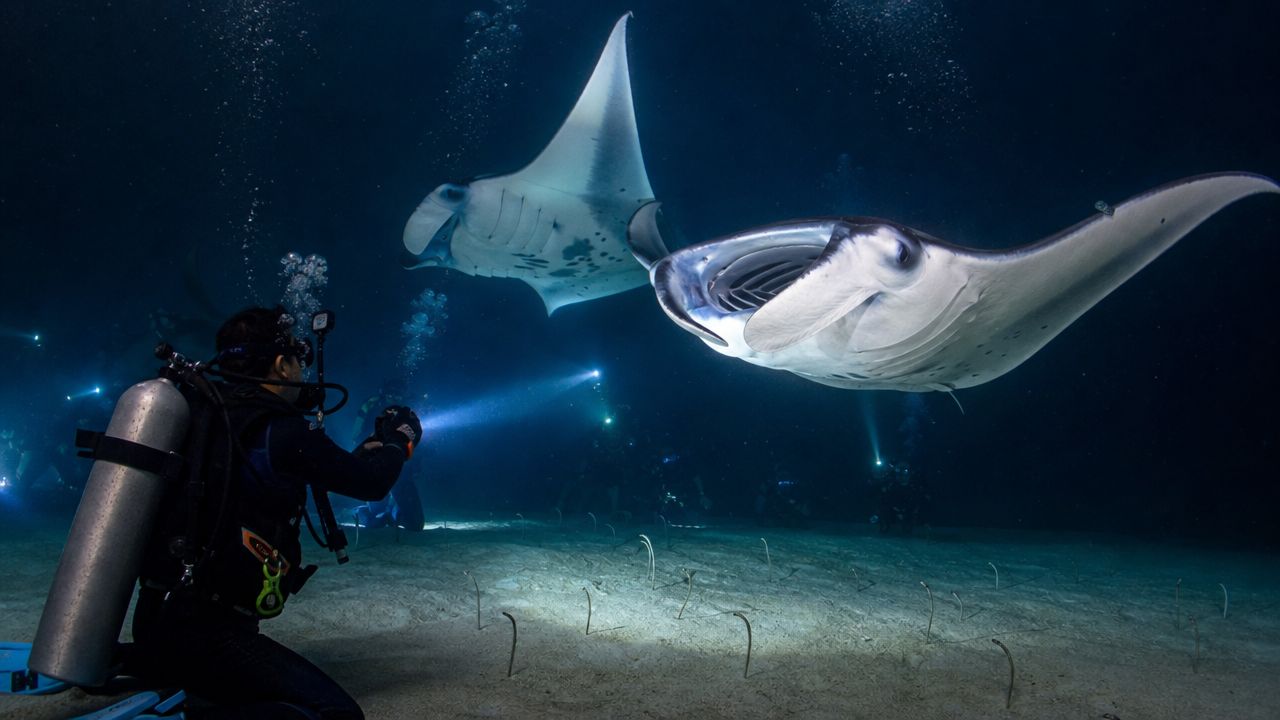
Your light settles on the sand, you kneel, and the water above you turns into a slow-moving ceiling of wings. A few minutes later, a manta ray passes overhead and the whole dive changes shape. Hawaii has plenty of good reef diving, but a few experiences feel built around behavior, geology, and timing in a way that is hard to copy elsewhere. This is where island choice and season matter, especially if you want a trip that is exciting without putting extra pressure on wildlife or fragile sites.
Manta ray night diving
The manta night dive is the best-known example, and for good reason. Divers usually stay in one area with their lights aimed to attract plankton, while mantas sweep through the beam to feed. The setup works like an underwater campfire. You do not chase the animals. You create the conditions that may bring them in.
If you want a clearer sense of how the encounter is organized from the water, manta ray night swim information gives useful context. For travelers planning an eco-conscious itinerary, that detail matters. A well-run manta dive is less about getting close at any cost and more about holding position, controlling buoyancy, and letting the animals choose the distance.
Garden Eel Cove on the Big Island is widely associated with this experience because its protected layout often supports more orderly briefings, steadier light placement, and easier viewing for both divers and snorkelers. That makes it appealing to photographers, but it also helps newer night divers. Fewer moving parts usually means less task loading.
Kona blackwater diving
Blackwater diving asks for a different mindset entirely. Instead of settling near a reef, you descend on a line in open ocean at night and hover over water so deep that the bottom is irrelevant to the dive. Small drifting creatures rise from the depths, and many look transparent, oversized-eyed, or barely finished with their adult form.
The challenge is psychological as much as physical. Reef diving gives you walls, coral heads, and sand channels to measure distance and movement. Blackwater removes those reference points. Divers who stay relaxed, breathe slowly, and keep a tidy position in the water usually enjoy it far more than divers who arrive expecting a standard night dive.
For an example of how operators present that format, the Blackwater Dive tour page shows the kind of trip available off the Big Island.
Lava tubes and volcanic structure
Day dives in Hawaii can feel just as unusual when volcanic terrain takes over the scenery. Lava tubes, arches, and swim-throughs change the dive from a fish-spotting cruise into something closer to flying through an old lava drainage system. The geology shapes the dive plan. Your route, your spacing, and even your fin kicks matter more when ceilings and walls are close.
That is also where conservation becomes practical, not abstract. Good buoyancy protects coral on any reef, but in lava structure it also protects the experience itself. One diver who bumps along a ceiling can turn clear water into a cloud and make a dramatic site feel cramped and chaotic for everyone behind them.
Advanced divers often build a day around sites with more structure and longer boat runs, and the advanced long-range dive tour reflects that style of planning.
How to fit these into a trip
Specialty dives reward smart sequencing. If manta night dives are your priority, place them early in the trip so weather changes do not erase your one chance. If blackwater is on the list, avoid stacking it right after a demanding travel day. It is a better experience when you are calm, warm, and mentally settled.
Season matters too. As noted earlier in the article, calmer summer periods often make it easier to string together manta dives, blackwater charters, and daytime volcanic sites in one Big Island itinerary. That pairing between seasonal visibility patterns and island-specific specialties is what makes Hawaii trip planning more than a simple site checklist. Done well, it becomes a custom package of conditions, wildlife timing, and lower-impact choices that fits your training and your goals.
Certification Levels and Experience Recommendations
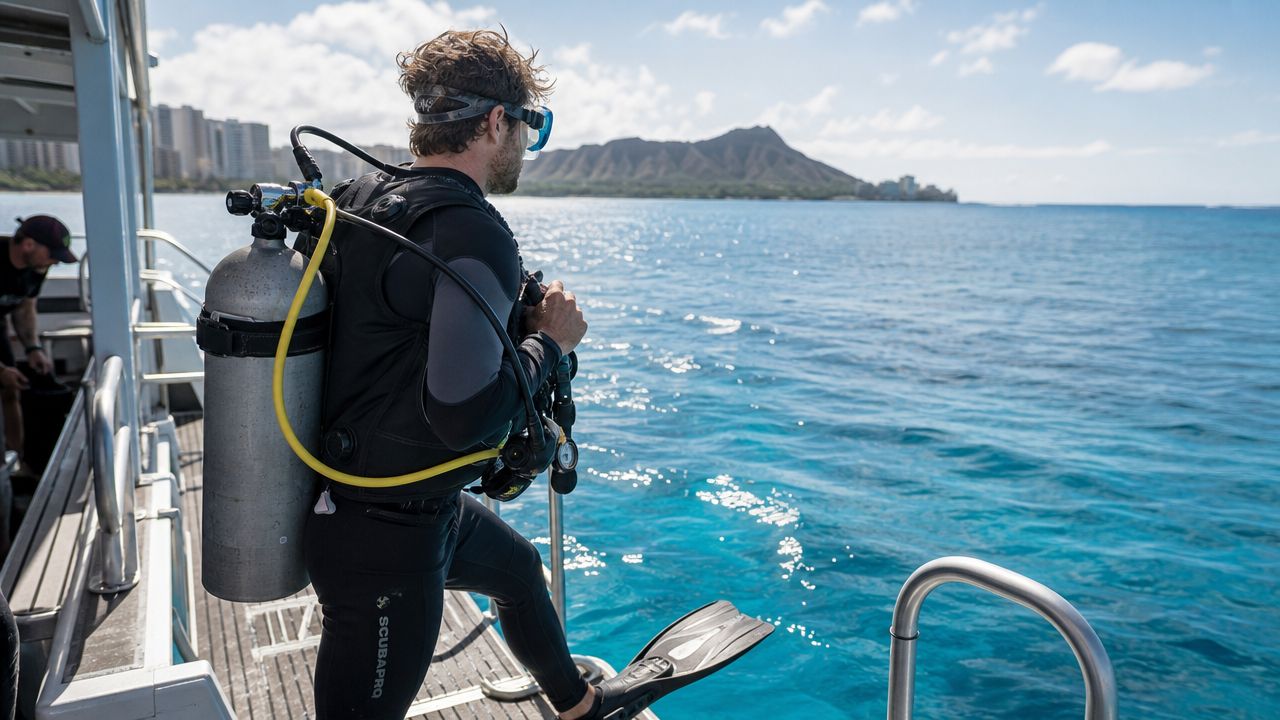
A certification card in Hawaii works like a trail map, not an all-access pass. It tells you which routes you are trained to handle, but the right choice still depends on current, depth, entry style, and how comfortable you are in open water or around volcanic structure.
That matters more in Hawaii than some travelers expect. One island may offer gentle reef dives that suit a newer diver well, while another day may involve deeper profiles, surge near lava rock, or a site where buoyancy errors quickly affect both safety and reef health. Matching training to the site helps you enjoy the dive and supports the lower-impact trip planning that makes Hawaiian itineraries better over several days.
Open Water
Open Water certification is enough for many Hawaiian dives, especially guided reef dives with moderate depth and straightforward conditions. Clear water often helps newer divers stay oriented, keep visual contact with the group, and reduce the stress that can come from low visibility destinations.
Still, "easy to see" does not mean "easy to dive." Surge can move you back and forth like a slow underwater escalator, and even a shallow site can feel busy if entries, descents, or boat procedures are new to you. Divers who have been certified recently, or who have not dived in a while, often benefit from starting with the simplest site on the itinerary and building from there.
Advanced Open Water
Advanced Open Water opens more of Hawaii in a practical sense. You are better prepared for deeper dives, stronger navigation demands, and sites where the terrain changes quickly from open reef to ledges, arches, or lava formations.
That extra training pays off because Hawaiian sites are not interchangeable. A diver who is comfortable holding depth, managing gas calmly, and adjusting position without sculling with their hands will have a much better experience on island sites with more structure. It also reduces accidental contact with coral and lava rock, which fits the broader goal of planning exciting dives without treating the reef like a training platform.
Rescue and beyond
Rescue training improves judgment before it ever gets used in an emergency. You notice stress sooner, check on buddies more naturally, and make cleaner decisions about ending a dive early when conditions are not lining up with the plan.
For travelers booking several days of diving, that skill set matters. Fatigue, sun exposure, seasickness, and ambitious scheduling can turn a good itinerary into a sloppy one. Rescue-trained divers usually manage those variables better, which makes them stronger candidates for more demanding charter schedules and specialty outings.
Technical or highly specialized preparation belongs to a smaller group. If a dive involves tight overhead-style volcanic structure, complex night procedures, or equipment choices beyond standard recreational setup, treat that as a separate category with separate training. Hawaii offers those opportunities, but they should be selected the same way you would plan a mountain hike. You do not choose the route because the view looks good in a brochure. You choose it because your skills match the terrain.
A simple matching guide
- Choose Open Water for guided reef dives, moderate depths, and vacation-focused diving where simplicity is part of the appeal.
- Choose Advanced Open Water if your itinerary includes deeper sites, stronger navigation demands, or more dramatic lava topography.
- Add Rescue training if you want better situational awareness, smoother buddy skills, and more confidence across multi-day dive plans.
- Pursue technical or specialty training only for dives that involve overhead-style environments, advanced night protocols, or nonstandard equipment.
If you are building skills on the Big Island, Kona Honu Divers offers courses and guided dive trips that match training to local conditions. That kind of pairing matters in Hawaii because the best itinerary is rarely the one with the longest site list. It is the one that lines up season, island, experience level, and conservation-minded choices so each dive is both exciting and responsible.
Gear Essentials Rental Options and Safety Tips
A Hawaii dive day usually starts long before you roll into the water. You are on a boat at sunrise, the wind is up a little, and everyone is setting up gear while the deck moves under your feet. If your mask pinches, your computer is still in the wrong mode, or you skipped motion-sickness prep, small problems pile up fast. Good preparation works like a clean pre-dive buddy check. It removes friction before the ocean adds its own variables.
What to pack, what to rent, and what to inspect
Bring the items that depend heavily on personal fit. Rent the items that are easy to verify on site. That approach keeps luggage lighter without turning the first dive into a gear experiment.
A well-fitting mask sits at the top of that list. In Hawaiian water, where visibility can be excellent and the scenery pulls your attention in every direction, a leaking mask is like trying to watch a movie through a dripping window. You can still see the show, but you spend the whole time managing the distraction.
Fins matter too, especially on boat dives around reef and lava formations. You do not need the hardest kick in the group. You need control. Short, efficient finning helps you hold position, avoid stirring up bottom sediment, and stay clear of coral.
For regulators, BCDs, and computers, rentals are often perfectly reasonable if you inspect them early. Check hose routing, inflator response, tank strap security, and computer settings before the boat leaves the harbor. A rocking deck is the worst classroom for figuring out an unfamiliar menu system.
Exposure protection causes confusion for warm-water travelers. Hawaii sounds tropical, so many visitors assume a rash guard will cover every dive. For one short midday dive, that may be fine for some people. For repeat dives, longer bottom times, winter trips, or night charters, a wetsuit often makes the day far more comfortable. Earlier seasonal temperature notes in this guide can help you match suit thickness to island, season, and dive schedule.
If you want to simplify those decisions, some Hawaii scuba diving packages that bundle guided dives and logistics make it easier to match rental gear, trip length, and experience level before you arrive.
Effective seasickness prevention
Seasickness is easier to prevent than to fix.
The main rule is timing. If you wait until the boat is already pitching, you are behind. Eat lightly, hydrate, avoid a heavy greasy breakfast, and use your preferred remedy before boarding. Wristbands, ginger products, and over-the-counter medication all have their place, but they work best when tested at home first. A vacation dive boat is not the place to learn that a medication makes you drowsy or dries you out more than expected.
Medication timing matters enough to plan the night before. Girls That Scuba's guide to seasickness medication timing explains why common options such as Bonine and Dramamine are often more effective when taken well before departure rather than at the dock.
If you know you are prone to motion sickness, tell the crew. They can often suggest the most stable place to sit, help you gear up later in the ride, or recommend keeping your eyes on the horizon until the site comes into view.
Safety habits that protect both divers and reefs
Hawaii rewards calm, tidy diving. It also exposes sloppy technique quickly.
Start with buoyancy. Good buoyancy is reef protection, but it is also self-protection. Lava rock, coral heads, and surge do not leave much room for careless fin tips or dangling gauges. Keep your profile compact, secure accessories close to the body, and use slow movements. Underwater, that works like hiking on a narrow trail with fragile plants on both sides. Control matters more than speed.
Choose reef-safe sunscreen and apply it with the same care you give to camera prep or gas checks. The point is not just personal routine. It is part of building an itinerary that leaves less impact on the places you came to see.
Marine life also deserves space. Do not chase turtles for a closer photo, corner octopus in holes, or crowd resting animals because everyone on the boat wants the same shot. Hawaiian dives are often at their best when you pause, hover gently, and let the scene settle around you.
One more safety point trips up visitors. Scuba, snorkeling, and freediving are all ocean activities, but they do not share the same risk pattern. A diver who is relaxed on scuba should not assume that breath-hold diving is automatically similar. Civil Beat's report on Hawaii dive safety warnings is a useful reminder that surface and breath-hold incidents can develop quickly. Stay with a buddy, respect your training, and keep each activity in its own lane.
A well-planned Hawaii gear setup should feel boring in the best possible way. Nothing pinches, nothing surprises you, and nothing pulls your attention away from the water. That is what opens room for the good part. Clear lava formations, healthy reef life, and a trip that is both exciting and responsible.
Planning Dive Itineraries and Package Deals
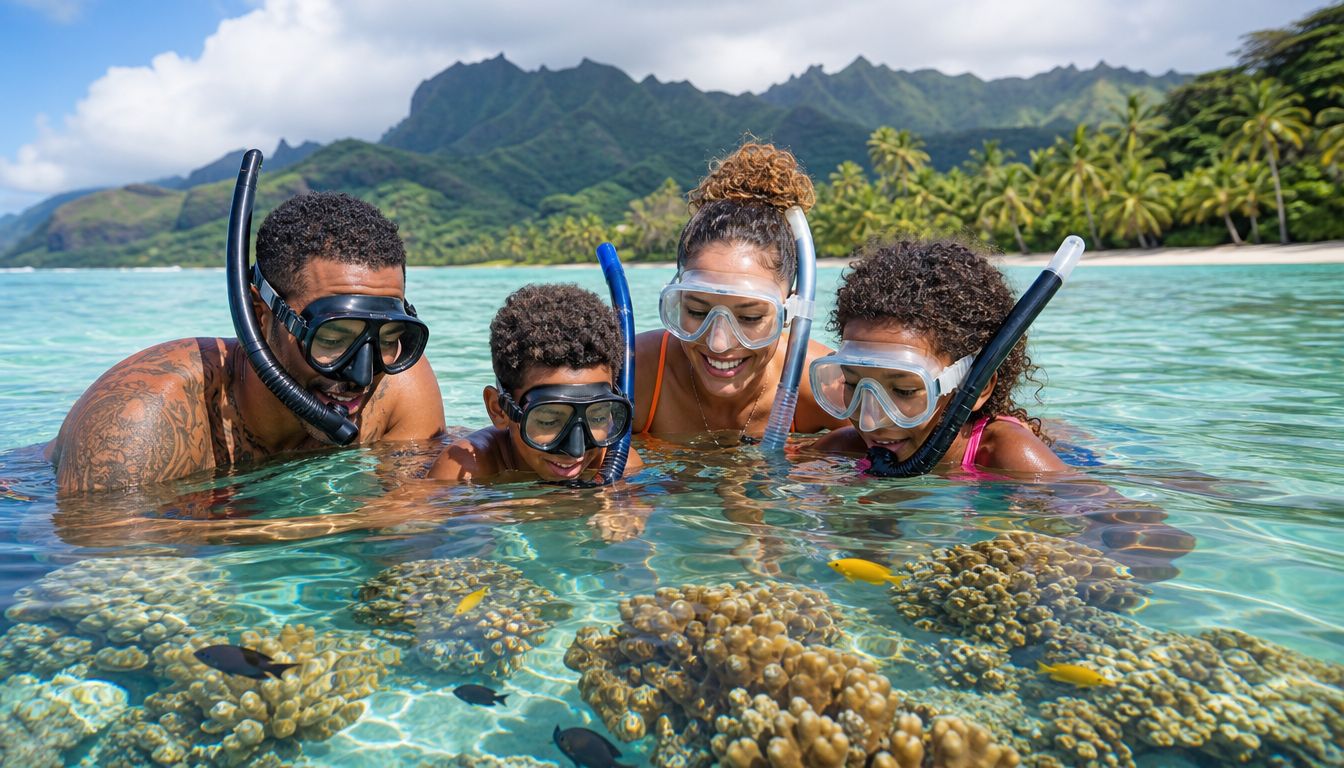
You land in Hawaii with five dive ideas, one short vacation, and a group that does not all want the same day. That is where a good itinerary earns its keep. The best plan works like a tide chart. It shows what to do, when to do it, and what to leave open so weather, energy, and sea conditions do not turn a fun trip into a rushed one.
Start by choosing the backbone of the trip. Some visitors want easy reef diving with room for snorkeling and shore time. Others are building around manta rays, blackwater, or longer boat days. If you want a packaged starting point, these Hawaii scuba diving vacation packages can help you combine training, standard charters, and specialty dives in a cleaner order.
A three-day family-friendly plan
This format suits mixed groups, especially when one or two divers are newly certified and others may snorkel or sit out a day.
Day 1
Book a simple morning reef dive. Treat it like a checkout lap on a new trail. You are not chasing the hardest site yet. You are learning how Hawaiian entries, boat briefings, and rental setup feel in real conditions.
Day 2
Plan another daytime dive with easy profiles and good odds of clear water. Keep the afternoon open for rest, a beach stop, or a non-dive activity. Families do better when the schedule has breathing room.
Day 3
Split the day by interest and skill. Divers can repeat a comfortable boat trip or try a slightly different reef zone, while non-divers choose snorkeling or a shore excursion.
That pacing helps confidence build in the right order. New divers often improve faster on trip day three than trip day one, not because the ocean changed, but because the diver did.
A week for experienced divers
Advanced divers usually get more from Hawaii when the week has a middle, not just a start and finish. Put your most technical or mentally demanding dives after you have adjusted to local conditions and before your final no-dive buffer for flying.
A strong advanced plan might look like this:
- Arrival day or next-morning checkout dive to dial in weighting, trim, and exposure protection.
- Two daytime dives on reef or lava structure to get used to volcanic topography and local surge patterns.
- A signature night dive once the group is comfortable with the operator, the boat routine, and Hawaiian conditions after dark.
- A lighter recovery day with no night schedule stacked on top of it.
- A second specialty dive, such as blackwater, when everyone is rested and thinking clearly.
- A longer or more selective boat day based on visibility, current, and how the group has performed all week.
- A flexible final day for weather changes, a favorite-site repeat, or a full no-dive day before travel.
This approach also helps with island-specific planning. Kona is often the center of gravity for travelers building around manta and blackwater experiences, while other islands may fit better if your priority is shore access, wrecks, or a broader family vacation. Match the island to the dives you care about most instead of assuming every island delivers the same menu.
How to book without overbooking
Use three filters before you commit money and calendar space.
- Match the package to current skill, not vacation ambition. A trip goes better when everyone can enjoy the dives they booked.
- Space out demanding nights. Night dives and early morning departures can stack fatigue quickly, especially after travel days.
- Place your must-do dives in the middle of the trip. That gives you room for weather shifts and usually improves the odds that your buoyancy, comfort, and awareness are at their best.
One more planning habit matters in Hawaii. Build conservation into the package, not as an afterthought. Choose operators and dive sequences that reduce unnecessary boat transfers, avoid pressuring wildlife encounters into tight schedules, and leave time for site briefings that explain how to observe reef life without turning a great dive into a harmful one.
Conclusion and Next Steps
Good diving in Hawaii starts with a clear match between island, conditions, and skill level. Warm water and clear visibility make the state approachable, but the true magic comes from choosing the right experience. Kona suits divers who want volcanic structure and iconic night dives. Other islands work well when your trip priorities lean toward wrecks, family flexibility, or a quieter pace.
Preparation makes the difference. Bring the right exposure protection, handle seasickness before the boat leaves the harbor, respect marine life distance, and don't confuse scuba planning with freediving safety. If manta rays, blackwater, or advanced lava formations are on your list, schedule them thoughtfully instead of cramming them into the busiest day of your trip.
If you're ready to turn research into actual dive days, Kona Honu Divers is a straightforward place to book Kona reef dives, manta ray trips, blackwater outings, training, and multi-day Hawaii dive packages.