
You're probably in one of two spots right now. Either you've already decided Hawaiʻi is the trip, and now you're trying to figure out whether the Big Island is really where the serious diving is. Or you already know Kona has the reputation, but you're trying to sort out which dives are worth your limited vacation days, which ones fit your certification level, and which ones will feel good in the water instead of just looking good on a brochure.
That's the right question to ask.
A lot of Big Island dive content stops at “here are some famous sites.” That's not enough. Good trip planning for diving the Big Island means matching the dive to the diver. Some people want a relaxed reef morning with easy entries, long fish watching, and no drama. Some want the manta night dive. Some want lava tubes, some want open ocean weirdness, and some are happiest when they're far from the most advertised experience on the coast.
Welcome to the Underwater World of the Big Island
You drop in off the Kona coast, look down, and the reef does not read like a flat garden. Lava shelves, fingers, arches, and broken ledges come into view in layers. For newer divers, that visibility usually lowers stress right away. For experienced divers, it opens up better situational awareness, better photography angles, and more interesting route choices.
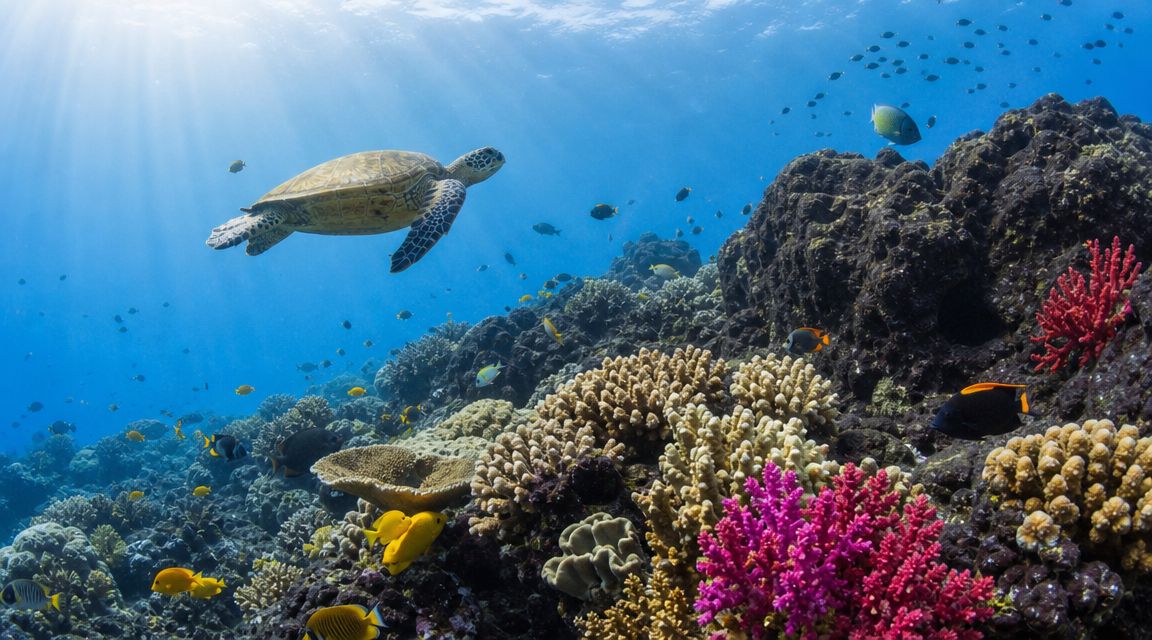
The Big Island rewards divers who plan with intention. Conditions are often inviting, but the main draw is variety. You can do an easy morning reef, a signature night dive, or a site with enough lava structure to keep an experienced diver busy for the whole profile. Hawaiʻi also has a strong local identity underwater, with marine life and bottom structure that feel different from Caribbean or South Pacific diving. If you want a quick primer on the character of this coast, what makes diving in Kona different from other destinations is a good place to start.
Why the island feels different underwater
Volcanic coastline shapes the whole experience. Instead of long, uniform reef stretches, divers get terrain that changes quickly. One section may be a calm coral garden suited to a checkout dive. A few minutes later, the same site can tighten into lava pockets, swim-throughs, and sharper contours that reward good buoyancy and attention.
That range is what makes the island so useful for trip planning. It suits:
- divers who want a low-stress first day in warm, clear water
- travelers who came for one headline experience and need the rest of the trip to fit around it
- underwater photographers looking for both wide-angle structure and smaller reef life
- experienced divers who would rather skip the busiest boat and spend time on a quieter, better-matched site
The main planning mistake is treating every famous dive as a required stop. A better approach is to match the dive to the diver. Night comfort, recent experience, interest in marine life versus topography, and tolerance for crowds all matter.
How to plan smarter
Start with your real first day, not your idealized one. If you have not been in the water for a year, book a forgiving daytime charter first. If your group has mixed experience levels, choose operators and sites that do not force the least comfortable diver into a stressful profile. If mantas are the priority, protect that part of the schedule and build the rest of the trip around it.
This is how local crews plan good dive weeks. Strong trips are usually sequenced well, not just packed with famous names.
I tell visiting divers to choose three things before they book anything: the experience they most want, the conditions they are happiest in, and how much boat traffic they are willing to accept for an iconic site. That framework leads to better decisions than a generic top-ten list. It also makes it easier to spot the operator who can fit the trip to your skill level and goals, which is one reason many divers book with Kona Honu Divers when they want a Kona-focused schedule built by people who know the trade-offs site by site.
The Unforgettable Dives of Hawai'i Island
Some dives on the Big Island are famous for good reason. Others are better than famous. They fit a certain diver so well that they become the dive people talk about long after the trip is over.
The manta ray night dive
If your goal is one iconic Big Island experience, this is the one most visitors circle first. The Kona manta ray night dive is typically run at 25–35 ft, and operator guides report 90%+ manta sightings, with some animals reaching 16 ft wingspans, as noted in this Kona manta night dive guide. For a broad overview of how people compare marquee dives on this coast, this guide to the best dive in Kona is helpful.
What matters in practice is not just “manta dive yes or no.” It's which manta setup.
Garden Eel Cove is the stronger choice because the site is more protected, the viewing area is better organized for the experience, and the surrounding reef quality adds something to the dive instead of making it feel like a one-note stop. For divers, that usually means less stress and a cleaner viewing rhythm once everyone is settled. If mantas are on your list, the manta ray dive tour at Garden Eel Cove is the logical place to start.
Practical rule: Book the manta dive early in your trip if you can. If weather shifts or you want to repeat it, you'll have room to adjust.
Blackwater for divers who want something stranger
The blackwater dive is not a reef dive at night. That distinction matters.
You're in open ocean, suspended over deep water, watching pelagic and larval life rise through the beam field. It's one of the most unusual dives available anywhere, and it appeals to a specific kind of diver. If you like neat categories, predictable terrain, and a visual reference in every direction, this may not be your favorite. If you love the feeling of entering a different part of the ocean entirely, it can be unforgettable.
The Blackwater night dive trip makes the most sense for divers who are already relaxed with buoyancy, darkness, and task loading. Newer divers often think they want “advanced” because it sounds exciting. Blackwater rewards comfort, not bravado.
Day reef diving and lava structure
Most visitors should not build the whole trip around only one headline night dive. Daytime reef diving is where the Big Island becomes a complete destination instead of a single-experience destination. It offers the volcanic architecture, the fish behavior, the slow pacing, and the chance to settle into local conditions.
Look for these qualities rather than obsessing over site names:
- Lava tubes and archways if you enjoy geology and terrain
- Healthy reef sections if your goal is relaxed marine life observation
- Longer, quieter profiles if you're shaking off rust
- Mixed-depth site plans if you're diving with both newer and experienced buddies
Advanced and longer-range trips
Some of the best days in Kona don't come from the most promoted sites. They come from going farther, diving with a stronger group, and spending time where fewer casual vacation divers choose to go.
That's especially true for photographers and experienced divers who value experience quality over checking a famous dive off a list. An advanced or long-range option can be a better use of one premium dive day than repeating the most marketed site on the coast. If that sounds like your style, the advanced long-range dive tour is the right category to consider.
Big Island signature dives compared
| Dive Type | Best For | Skill Level | What You'll See |
|---|---|---|---|
| Manta ray night dive | Bucket-list travelers, marine life lovers, divers comfortable at night | Open Water divers who are comfortable with basic night procedures | Manta rays feeding above the lights in a shallow fixed-site setting |
| Blackwater night dive | Advanced divers, photographers, ocean nerds | Best for experienced divers with strong buoyancy and night comfort | Pelagic and larval life in open ocean darkness |
| Morning reef and lava dive | First-day arrivals, mixed groups, relaxed vacation diving | Open Water and up | Lava formations, reef life, broad reef scenery |
| Advanced long-range dive | Divers who want quieter, more selective experiences | More experienced and advanced divers | Less-trafficked sites, stronger terrain, a different pace than standard charters |
The trade-off is simple. Famous dives are famous because they deliver. They also attract attention. Quieter dives often deliver a better personal experience if your priorities are space, focus, and time in the water without the feeling of being part of a procession.
Planning Your Dive Trip When to Go and What to Expect
Season matters on the Big Island, but not in the same way it does in places where diving shuts down or becomes highly unreliable. Kona diving is more about choosing the better side of the island and understanding what conditions do to your day than chasing a tiny perfect-weather window.
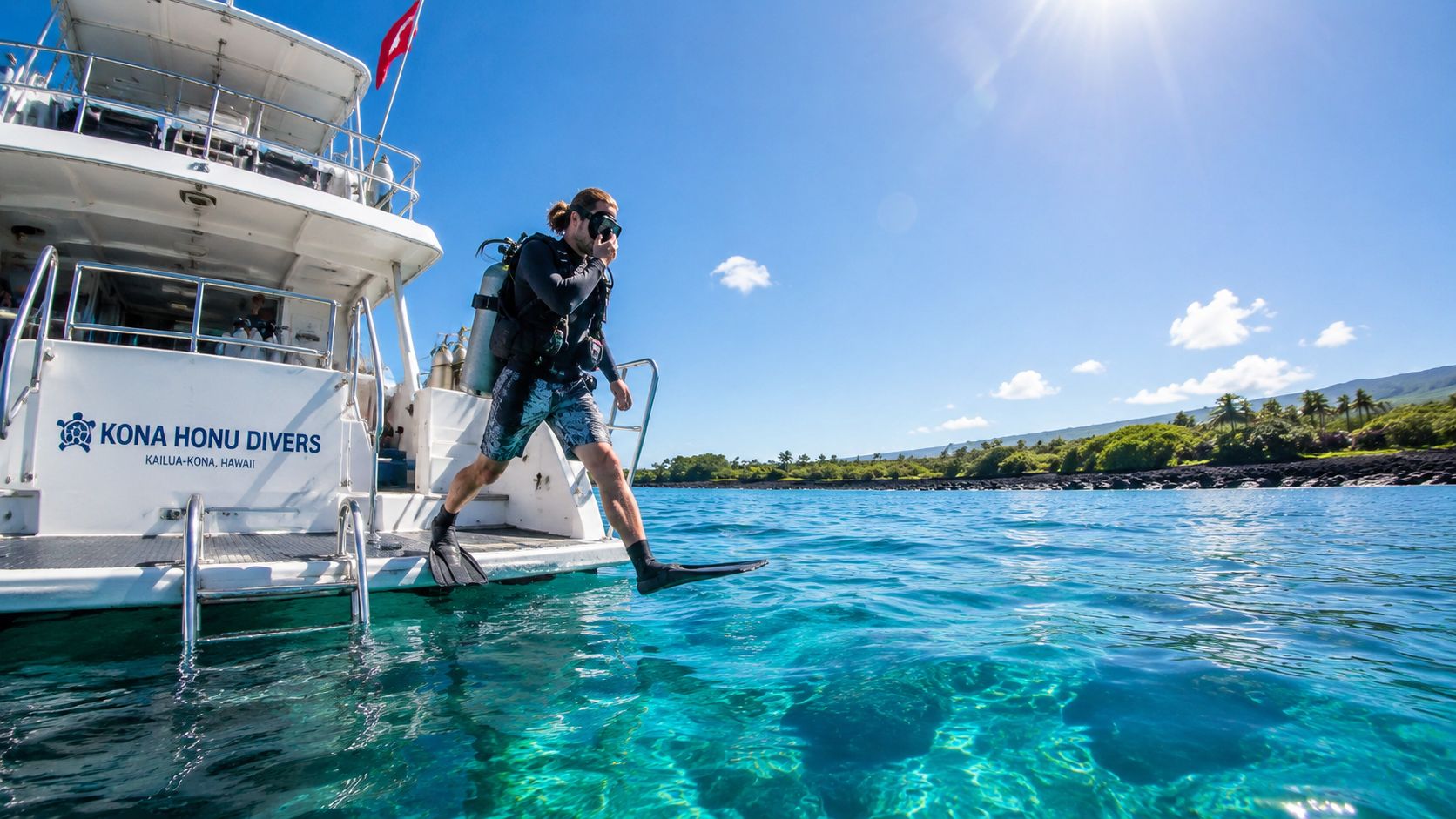
The west side is where most visitors should focus. Big Island diving is strongly site-dependent on the Kona side, where clearer water and lower rainfall typically produce 100+ ft visibility, and conditions are generally best from spring through fall, according to this seasonal Big Island scuba guide. For a month-by-month planning angle, these best months to scuba dive in Hawaii help frame expectations.
When conditions work in your favor
Spring through fall usually gives you the easiest planning. Lower surf means less sediment kicked up into the water, and that improves more than photos. It improves orientation, marine life spotting, and general comfort in the water.
That said, “best season” doesn't mean every day is identical. Good operators still choose sites based on the actual conditions that morning. Smart divers stay flexible and pack for a range of boat comfort, not just water temperature.
Exposure and comfort
Most divers are comfortable in standard tropical exposure protection, but your personal cold tolerance matters more than pride. Long second dives, night dives, and wind on the ride back can change how warm you feel.
A few practical calls:
- Bring your own hooded vest if you run cold easily
- Don't underestimate night chill even after warm daytime diving
- Use a save-a-dive kit if you travel with your own mask, fins, and small accessories
Bring the exposure protection you know you'll actually wear. The best wetsuit choice is the one that keeps you comfortable enough to stay focused.
Seasickness preparation
Even when the Kona coast is calm, some divers get motion sick from early wakeups, coffee on an empty stomach, or rolling while geared up. Don't wait to see how you feel after leaving the harbor.
If you know you're susceptible, prep before the trip with options like Ship-EEZ Seasickness Patches, Dramamine pills, Bonine pills, Sea Band wristbands, or ginger chews.
A few habits help too:
- Eat lightly: A small breakfast is usually better than none.
- Hydrate early: Start before boarding, not after you feel off.
- Watch the horizon: If you're queasy, don't stare down at gear bags or your phone.
- Say something soon: Crews can help more before you're fully seasick.
Certification Training and Essential Gear
You feel it fast on the Big Island. A diver who is relaxed, properly weighted, and honest about their current skill level usually has a much better trip than someone chasing a site that looks good on social media.
Conditions along the Kona coast are often friendly, but the right plan still depends on matching the dive to the diver. That matters more here than collecting certifications for their own sake. An Open Water card can be enough for many daytime reef dives. A night charter, a deeper profile, or a dive with more task loading calls for better buoyancy, stronger awareness, and a calmer pace under pressure.
What certification level fits which trip
For newer divers, the smart move is usually simple. Start with easy reef dives, get a read on your air consumption and comfort, then decide whether to add something more ambitious later in the week. That approach protects the trip. It also helps you avoid booking an iconic dive too early, then spending the whole dive managing stress instead of enjoying it.
Advanced training helps, but experience quality matters just as much as the card in your logbook. I would rather see a diver with fewer recent, well-controlled dives than someone with a higher cert and rusty habits. On Hawaiʻi Island, the best choice is often the dive you can do well, not the most famous one on the schedule.
Getting trained on the island
The island is a strong place to sharpen skills because the payoff is immediate. A refresher before your first boat day can clean up buoyancy and air use. An Enriched Air course can make a multi-day schedule more flexible. A checkout with an instructor can also tell you whether you should book that night dive now or save it for the next trip.
If you want to sort out refreshers, entry-level training, or continuing education before you arrive, learn to scuba on the Big Island with local training options.
Rent the heavy gear. Bring the gear you know best
Traveling divers usually do better with a split approach.
Bring your own:
- Mask, because fit problems ruin dives fast
- Dive computer, because familiarity lowers mistakes
- Fins, if you are particular about stiffness or fit
- Small personal items, such as defog, backup mask strap, or save-a-dive basics
Rent locally:
- BCD
- Regulator
- Tanks and weights
- Wetsuit, unless you care a lot about exact fit or warmth
That setup keeps bags lighter and protects the pieces that have the biggest effect on comfort and awareness underwater.
Nitrox and fatigue management
Nitrox makes the most sense for certified divers doing several boat dives over multiple days. It is not a shortcut for poor habits. It is a useful tool for divers who already manage their profiles well and want a little more conservatism in the schedule.
Operator policy matters here. Some boats treat nitrox as a paid upgrade. Kona Honu Divers includes nitrox for certified divers on its dive tours, which is worth factoring into the total value of a multi-day trip.
Use the gas wisely if you are certified for it. If you are not, focus on the basics first: good trim, controlled ascents, solid hydration, and enough surface interval to stay sharp for the next dive.
How to Choose the Best Big Island Dive Operator
A dive operator shapes more of your experience than the site name does. Same reef, different briefing quality, different guide attention, different group pace, different outcome. That's why experienced travelers ask about operations before they ask about fish lists.
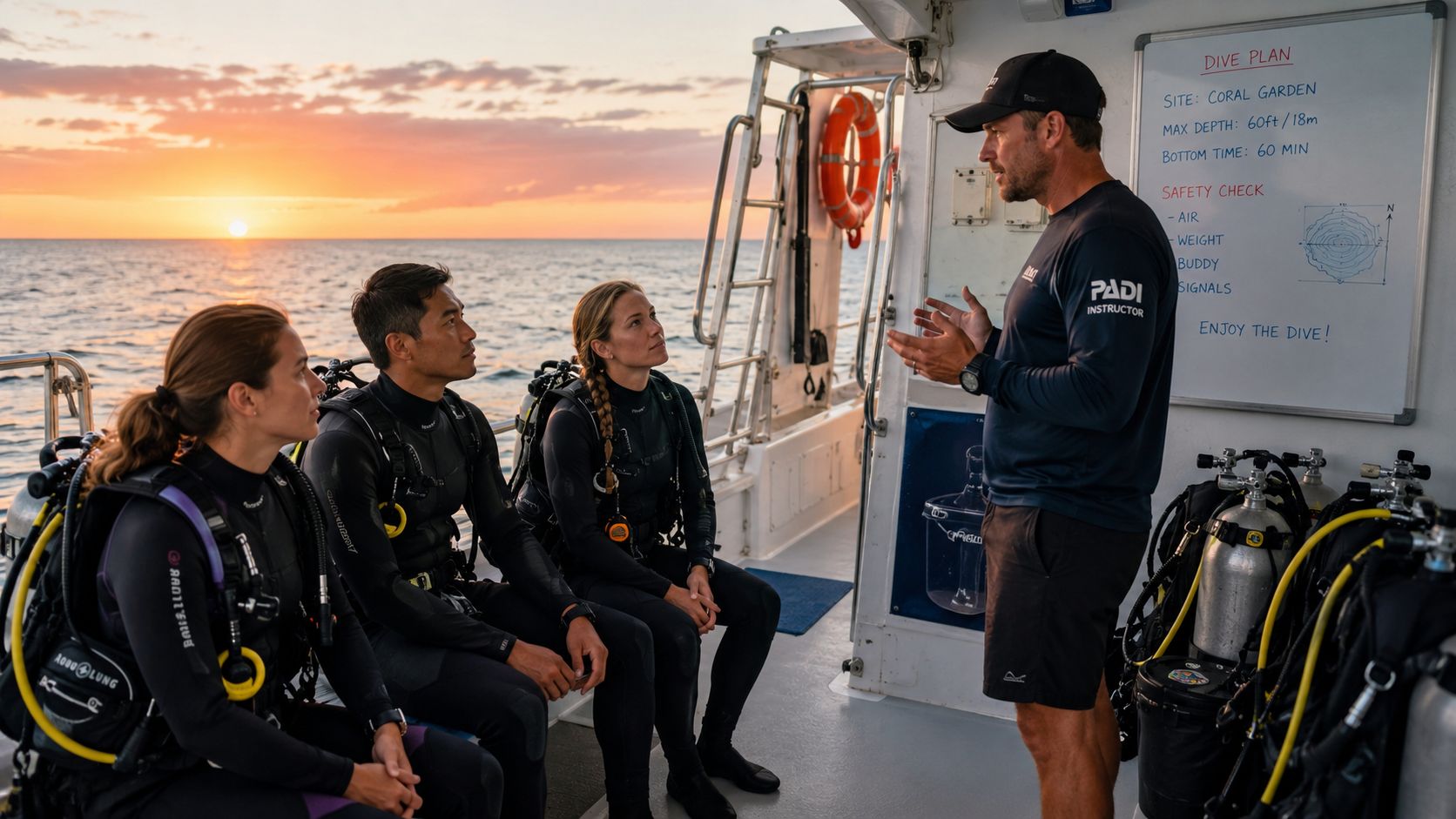
The most useful planning insight on the Big Island is that best known doesn't always mean best fit. For photographers and advanced divers, less-trafficked sites or exploratory-style trips can be more valuable than the headline manta dive, and many public-facing guides don't compare experiences by diver volume or experience quality, as discussed in this analysis of Big Island scuba trade-offs. If you want to vet one company in more detail, this Kona diving company page shows the kind of specifics you should look for.
What to evaluate before you book
Use practical filters, not marketing language.
- Safety culture: Listen for clear policies, realistic screening, and detailed briefings.
- Guide attention: Smaller groups usually mean better pacing, better marine life spotting, and faster help when someone needs it.
- Boat design: Easy exits, shade, thoughtful seating, and a diver-friendly deck make a bigger difference than people expect.
- Site matching: Good operators choose sites for actual conditions and diver ability, not just for brochure recognition.
- Night-dive discipline: For mantas or blackwater, organization matters as much as enthusiasm.
Red flags divers ignore too often
A lot of people focus on the destination and forget the human side of the day. That's backwards.
Watch for signs like rushed check-ins, vague answers about group ratios, pressure to book dives above your comfort level, or a dismissive attitude toward rusty divers who need a refresher. A good operation doesn't shame caution. It plans around it.
If an operator can't explain how they handle mixed skill levels, current changes, or night-dive organization in plain language, keep looking.
Why crowd management matters
This is most obvious on iconic dives. Mantas can still be magnificent, but the feel of the experience changes when logistics are sloppy. Entry timing, diver placement, in-water control, and briefing quality all influence what you remember. The dive site is only half the product.
That's why many seasoned divers eventually become less impressed by “world-famous” and more interested in “well-run.” The right operator protects the feel of the dive, not just the schedule.
Sample Itineraries and Booking Your Adventure
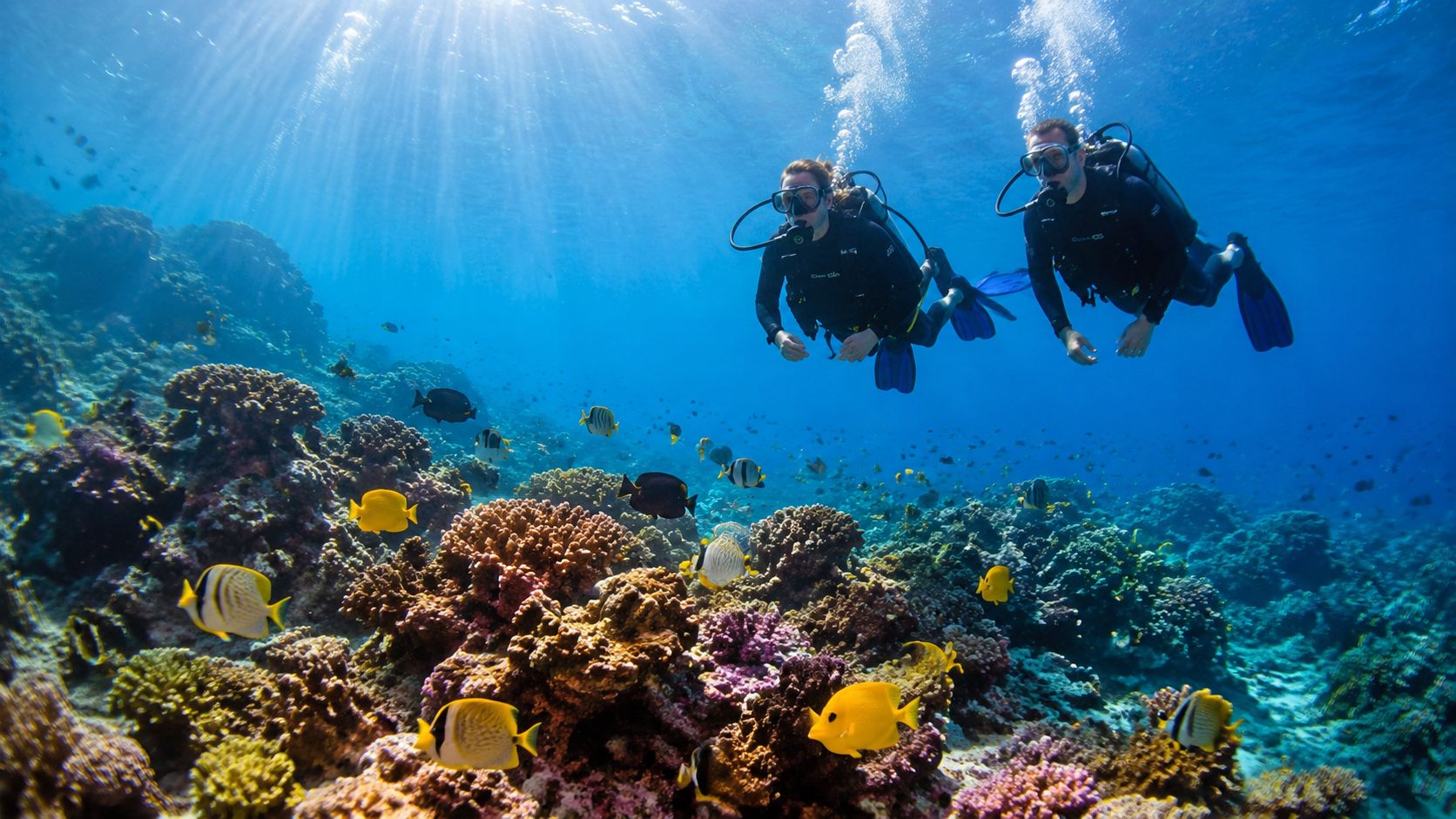
Most divers don't need more options. They need a usable plan. The easiest way to build a strong Big Island dive trip is to decide how much intensity you want in each day and avoid stacking your hardest dives back-to-back just because they're available.
A simple half-day plan
This works well for vacationers who want to dive without structuring the entire trip around scuba.
Choose a classic two-tank morning reef charter. It gives you enough water time to feel satisfied, keeps the afternoon open, and usually makes the first dive day easy on families or mixed-interest travel groups.
Best fit:
- Recently arrived travelers who don't want a late night
- Rusty divers who want a calm re-entry to ocean diving
- Groups with non-divers who have other plans later in the day
A full-day diver's day
If you came for a signature experience, pair daytime reef diving with an evening manta dive. That gives you variety without repeating the same underwater mood.
The key is pacing. Don't burn yourself out between charters. Eat, hydrate, rest, and keep the afternoon light. The manta dive is shallow, but night diving still asks for attention and composure.
A strong week for dedicated divers
For a longer trip, alternate high-focus days with easier ones. A balanced week might look like this:
- Arrival buffer and easy reef day
- Two-tank reef charter
- Manta night dive
- Rest morning or light topside day
- Advanced or long-range charter
- Blackwater dive for qualified divers
- Final easy dive day with conservative planning
That rhythm helps divers enjoy more of the trip. It reduces the common mistake of front-loading every exciting booking into the first couple of days.
What to pack besides dive gear
A few small items make boat diving smoother:
- Reef-safe sunscreen: Apply it early, before boarding if possible.
- Reusable water bottle: Boats usually provide hydration support, but your own bottle helps.
- Dry layer or light jacket: You'll appreciate it after wet exits or night dives.
- Hat and sunglasses: Surface intervals can be bright and hot.
- Certification card and dive computer: Keep both easy to access.
Book early, then stay flexible
Popular charters don't reward last-minute planning. If a dive is important to your trip, reserve it ahead of time, especially for marquee night experiences and specialized advanced trips. Then leave yourself some room to adjust the rest of the week around energy level and conditions.
Diving with Aloha Safety and Ocean Stewardship
Good divers don't just collect experiences. They protect the places that make those experiences possible.
On the Big Island, that starts with simple discipline. Listen to the briefing. Dive within your limits. Don't let vacation energy push you into a profile you wouldn't choose at home. Most preventable problems in Kona start with rushing, overconfidence, or a diver being too embarrassed to say they're not comfortable.
The second part is mālama i ke kai, caring for the ocean. That means no touching reefs, no chasing wildlife, and no treating the underwater world like a stage set built for your vacation photos. Hawaiʻi's marine life deserves space, especially protected species such as sea turtles and monk seals.
A few habits matter every day:
- Keep good trim: Fin kicks into coral are often bad control, not bad intent.
- Hold position carefully: Night dives and surge can make people grab what they shouldn't.
- Watch your spacing: Give wildlife a path. Don't box animals in.
- Follow local guidance: Rules and etiquette exist to protect both divers and the ecosystem.
The divers who leave the best impression in Hawaiʻi are usually the quiet ones. They move slowly, control their gear, and leave the reef exactly as they found it.
The reward for doing this right is bigger than a safe logbook. You get a better dive. Marine life behaves more naturally around calm divers, and the whole day feels more grounded in the place you came to visit.
If you want a well-run way to explore the Big Island underwater, Kona Honu Divers offers day dives, manta trips, blackwater diving, training, and gear support for visitors planning a Kona-focused dive trip.