
You're probably in the same spot most Big Island dive travelers hit before they book. You know Hawaii sounds amazing, but the island choice feels fuzzy, the operator list is long, and every website claims the same things.
Kona is where that confusion usually clears up fast. If you want reliable conditions, signature dives you can't easily replicate anywhere else, and a trip that works for both brand-new and seasoned divers, the west side of the Big Island is the cleanest answer.
A good Kona trip isn't just about picking a random two-tank charter. It's about matching your certification level, your comfort on boats, your non-diving travel partner's expectations, and your must-do experiences. That's what makes the difference between a decent dive vacation and one you'll talk about for years.
Why the Big Island is Hawaii's Diving Paradise
A lot of visitors start with the dream version of Hawaii diving. Warm water, clear blue visibility, sea turtles on the reef, lava formations, and a boat ride that doesn't turn into a survival exercise. On the Big Island, that dream is realistic, especially on the Kona coast.
The reason is geography. Kona sits in the lee of the island's volcanoes, which shield much of the coast from the trade winds that can rough up other areas. That protection is a major reason diving here feels dependable across the year.
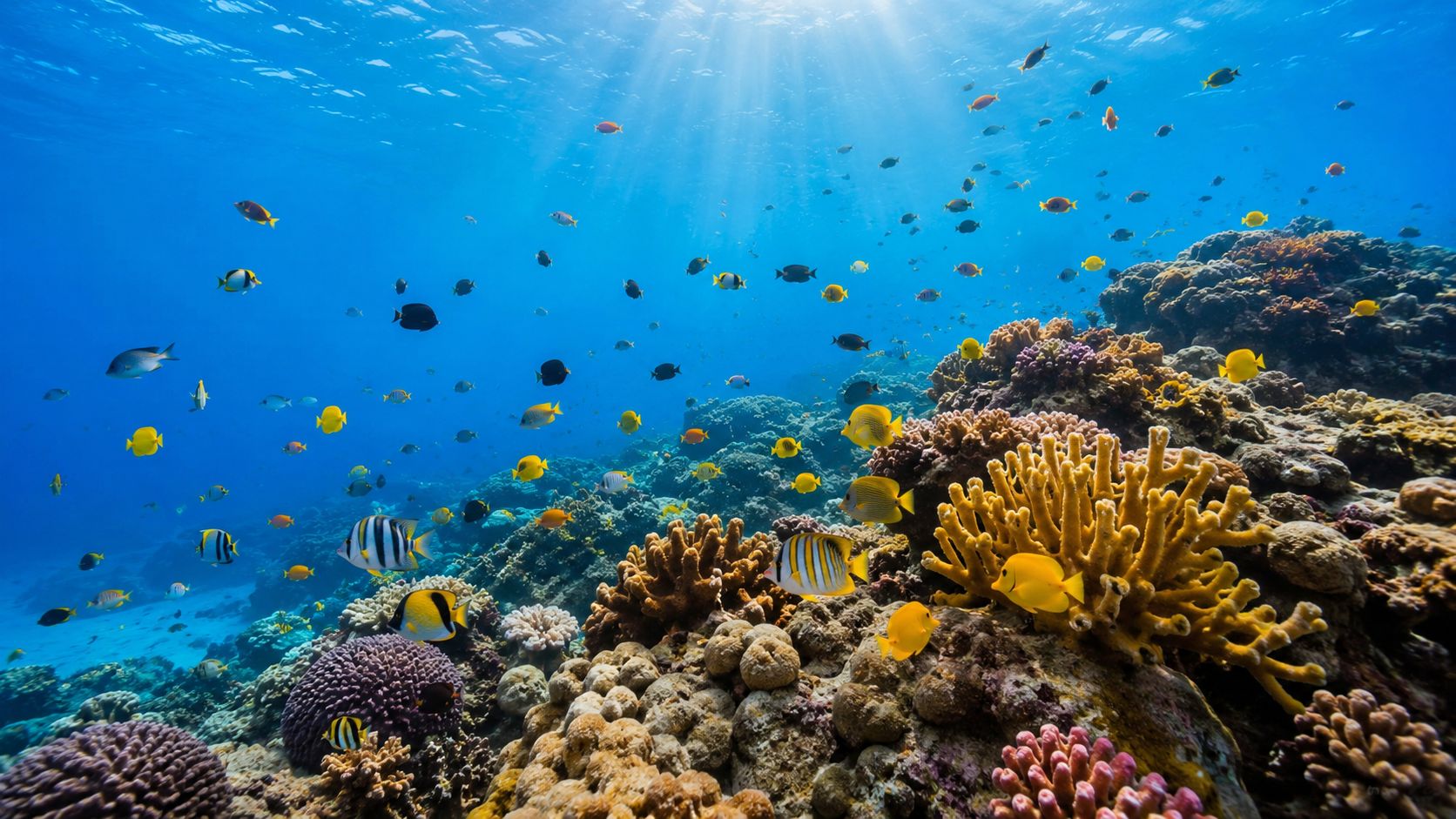
According to this Big Island scuba overview, the Kona coast hosts approximately 100,000 certified dives annually, with underwater visibility that frequently exceeds 100 feet, more than 50 distinct dive sites, and regular encounters with green sea turtles, spinner dolphins, and endemic fish species. That's why diving Big Island waters, especially along Kona, feels less like gambling on conditions and more like choosing a proven dive destination.
If you're deciding whether Kona is the right fit, this overview of Big Island Hawaii scuba is a useful starting point.
What that means for your trip
For beginners, it means you can usually focus on buoyancy, breathing, and enjoying the reef instead of fighting rough water.
For experienced divers, it means you can stack a trip with variety. Easy reef dives one day. Manta night dive the next. Blackwater or more advanced profiles after that.
Practical rule: If you want the highest chance of a smooth, low-drama dive vacation on Hawaii Island, base your plan around Kona first and build outward from there.
Why Kona keeps winning divers over
Other places can offer one or two standout sites. Kona offers a whole trip's worth of them. The reefs are close to deep water, which creates unusual opportunities for advanced excursions without turning your vacation into a long-range expedition.
That's the advantage. You can bring a newly certified diver, an underwater photographer, and a non-diving spouse on the same trip and still keep everyone happy.
The Unforgettable Dives You Can Only Do Here
You can spend a full week in Kona doing pleasant reef dives and go home happy. You will still miss the experiences that make divers book a return trip before they have rinsed their gear.
These are the dives that shape the whole trip plan. They also create the biggest skill, operator, and packing decisions, which is why they matter far beyond a simple site list.
Manta ray night dive
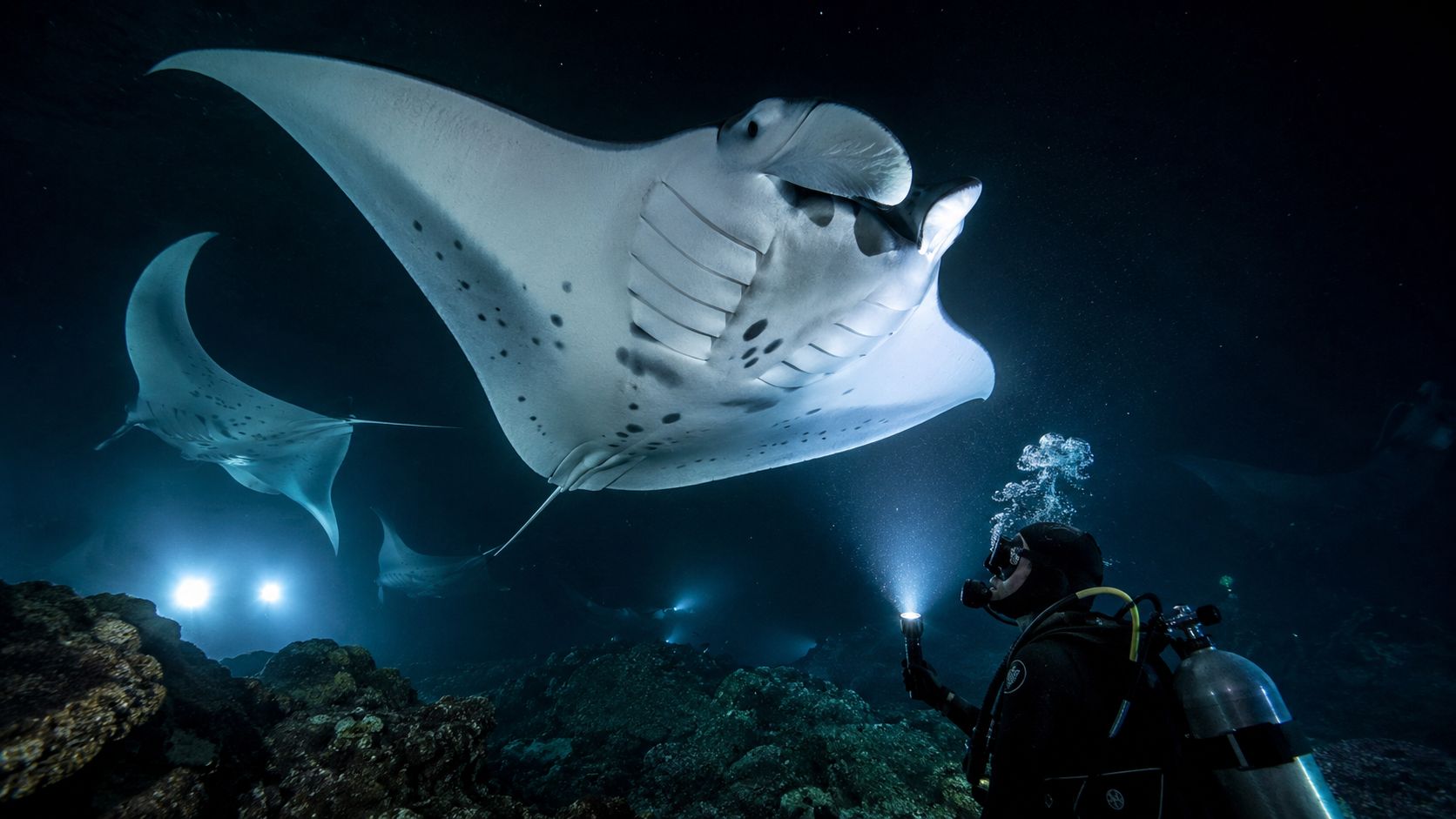
The manta night dive is Kona's signature experience because it delivers something very few places can. Divers kneel or settle low on the bottom, lights pull in plankton, and manta rays sweep through the beam again and again to feed. It feels dramatic, but the good operators run it with a very controlled structure.
The appeal is obvious. Giant animals pass close, often overhead, and the dive asks less from you physically than many people expect. The challenge is composure. Divers who chase mantas, fidget with cameras, or drift out of position usually get less from the dive and create problems for everyone else.
For a first manta dive, I tell people to judge the operation on briefing quality, bottom positioning, and how clearly the crew manages diver behavior once the lights are on. That matters more than glossy marketing. If you want background on why this experience works so well here, read this guide on what is unique about diving in Kona.
Why site choice matters
Visitors often hear two things. “A manta dive is a manta dive,” and “just book the cheapest seat.” Neither is good advice.
Some sites give you a calmer setup and cleaner viewing. That usually means an easier descent, less task loading at night, and fewer distractions once the mantas arrive. Newer divers, rusty vacation divers, and anyone prone to anxiety in the dark should care about that.
One more trade-off. This dive can be magical for photographers, but it can also be a frustrating camera dive. If your lights are weak, your settings are off, or you are stuck worrying about footage, you miss the best part. On your first manta night, I recommend treating photos as a bonus and the animal encounter as the main event.
Blackwater dive
Blackwater is the dive experienced visitors talk about for years.
The boat runs offshore over deep ocean at night. Divers descend on a suspended line system into open water with no reef, no bottom reference, and very little visual comfort. You are there for pelagic larval life, transparent predators, drifting jellies, and animals that look more like spacecraft than fish.
This is not the right add-on for every diver, even if the photos tempt you. Good buoyancy, calm breathing, and the ability to stay oriented without clinging to a reef matter a lot here. Divers who get uneasy in blue water, struggle at night, or have not dived in a while usually do better waiting until later in the trip, or skipping it entirely.
For the right diver, though, blackwater is one of the most unusual dives in Hawaii. It turns a vacation into a real dive trip.
Lava tubes, caverns, and archways
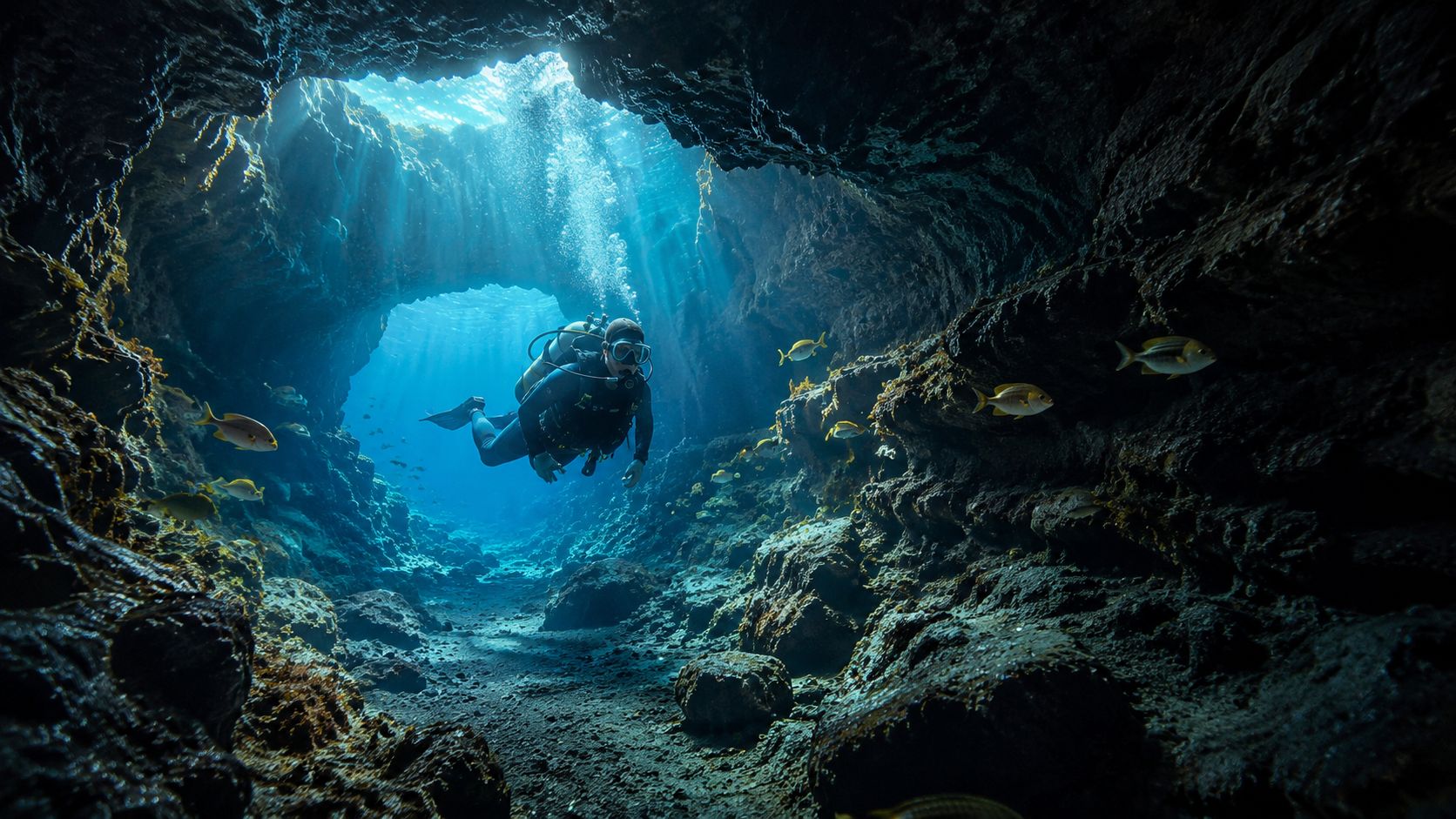
Kona's volcanic structure changes the feel of everyday diving in ways visitors notice fast. Reef gives way to ledges, swim-throughs, arches, and lava formations that break up the dive into distinct sections instead of one long cruise over coral.
That topography is fun, but it comes with real trade-offs. Overhead-style features can tempt divers to push beyond their comfort level. Light changes quickly inside lava structure. Surge can feel stronger in tighter spaces than it does out on the open reef.
A good operator will tell you which swim-throughs are casual sightseeing and which ones are better left to divers with sharper buoyancy and situational awareness. Listen to that briefing. In Kona, a site can look easy in photos and still punish sloppy finning, poor trim, or bad buddy spacing.
How to choose among these signature dives
The smart way to plan this part of the trip is by matching the experience to the diver, not by trying to cram every famous dive into two days.
- Choose the manta night dive first if you want the classic Kona experience and you are comfortable with basic night diving procedures.
- Choose blackwater if you already dive regularly, stay relaxed in open water, and want something rare rather than conventionally scenic.
- Choose lava features and reef structure if you want daytime variety, photography, and a strong sense of Kona's volcanic terrain without the intensity of an offshore night dive.
For many visitors, the best sequence is simple. Start with an easy daytime reef dive, do the manta night once you are settled, and save blackwater for later only if your buoyancy, comfort, and energy level say yes. That is how divers build a memorable Kona trip without turning a vacation into a test.
Top Kona Dive Sites for Every Skill Level
A diver who is perfect at the manta site may still struggle on a lava shoreline, and a diver who loves shore entries may hate hanging in blue water offshore. Kona rewards honest self-assessment. Pick sites by skill, recent experience, and comfort in the water, not by how famous the name sounds.
Beginner-friendly picks
Newly certified and rusty divers usually have the best dives on sheltered reef sites with simple descents, mild current, and an easy visual reference back to the boat. That lets you settle your breathing, dial in buoyancy, and enjoy the reef instead of spending the whole dive managing stress.
Boat diving is often the smarter first choice in Kona. Crews handle the drop, the pickup, and the site brief. You enter the water ready to dive, not tired from carrying gear over black lava rock.
Shore diving can still be excellent. 2-Step is the name visitors hear first for good reason. The reef is beautiful, but the entry and exit are less forgiving than beginners expect. If you have not done a shore entry in a while, be realistic about that.
A shallow site can still be the wrong site.
Intermediate divers who want more than a pretty reef
Once buoyancy is steady and your gas awareness is automatic, Kona opens up. The reef starts to read differently. You notice lava fingers, archways, ledges, and cleaning stations instead of just depth and bottom time.
This is the range where many visitors get the most out of the island. One day can be an easy reef with long fish life passes. Another can focus on topography and swim-throughs that are fun without becoming technical. If you are building a balanced trip, this guide to the best dive sites in Kona for different goals and experience levels helps sort out which sites fit your diving style.
A good intermediate plan usually includes variety without stacking the hardest dives back to back:
- A relaxed first day to shake off travel rust
- A site with more lava structure once buoyancy feels solid
- A signature night or specialty dive only after you know how you are feeling in local conditions
That pacing matters. I have seen divers burn themselves out by treating every charter like a final exam.
Advanced divers should be selective, not reckless
Experienced divers have more options in Kona, but the right move is not only booking the deepest or most demanding profile available. Choose dives that match the kind of experience you want. Some advanced visitors want longer reef profiles with more complex structure. Others want offshore pelagic water, blackwater, or long-range trips that leave the standard circuit behind.
Those dives reward calm divers with sharp buoyancy, clean ascents, and good situational awareness. They also depend heavily on operator procedure. Briefing quality, current assessment, pickup discipline, and team supervision matter a lot more out there than they do on a casual reef dive.
For divers looking at more ambitious charters, this advanced long-range dive tour shows the kind of trip profile worth comparing. Look closely at prerequisites, site selection, and how the crew screens guests. A professional operator will tell you when a diver is not the right fit for that day.
A practical site-planning filter
| Diver type | Best match | Watch-outs |
|---|---|---|
| New or rusty | Protected boat reefs, simple descents, easy guided profiles | Lava entries, task loading, skipping a refresher |
| Comfortable recreational diver | Reef walls, lava structure, mixed day diving | Too many demanding dives in consecutive days |
| Advanced diver | Long-range charters, deeper profiles, specialty offshore dives | Booking for ego instead of current skill and comfort |
The best Kona itinerary usually starts easier than people expect, then builds. That approach gives you better dives, better photos, and a much safer trip.
Planning Your Big Island Dive Trip Logistics
The trip gets easier once you stop treating it like a generic Hawaii vacation. Diving Big Island waters works best when the dive schedule drives the rest of the plan, not the other way around.
Travel and timing
If diving is the priority, stay on the Kona side and keep your morning commute short. Early boat departures are standard, and a long drive before check-in is a poor way to start a dive day.
Kona works year-round, which is one of its biggest advantages. You don't need to overcomplicate seasonal planning unless you're adding non-dive activities that depend on very specific conditions.
A few scheduling habits help:
- Front-load your key dives: Book your must-do dives earlier in the trip in case weather or personal fatigue forces changes.
- Leave cushion after arrival: Don't plan your most demanding dive the same day you land.
- Protect your final day: Keep enough time after your last dive before flying or heading to altitude.
Certifications that make the trip better
You don't need every card in your logbook wallet to enjoy Kona. For standard scuba charters, an Open Water certification is the basic starting point.
Still, some training pays off fast on this island:
- Advanced Open Water: Useful if you want more comfort with depth, navigation, and night diving.
- Enriched Air Nitrox: Helpful for repetitive diving schedules.
- Refresher training: Smart if you haven't been underwater in a while.
For uncertified family members, introductory scuba programs can make sense. For certified divers, though, it's usually better to spend your vacation diving rather than doing pool work unless you need the refresher.
Boat diving versus shore diving
This choice matters more than many visitors expect.
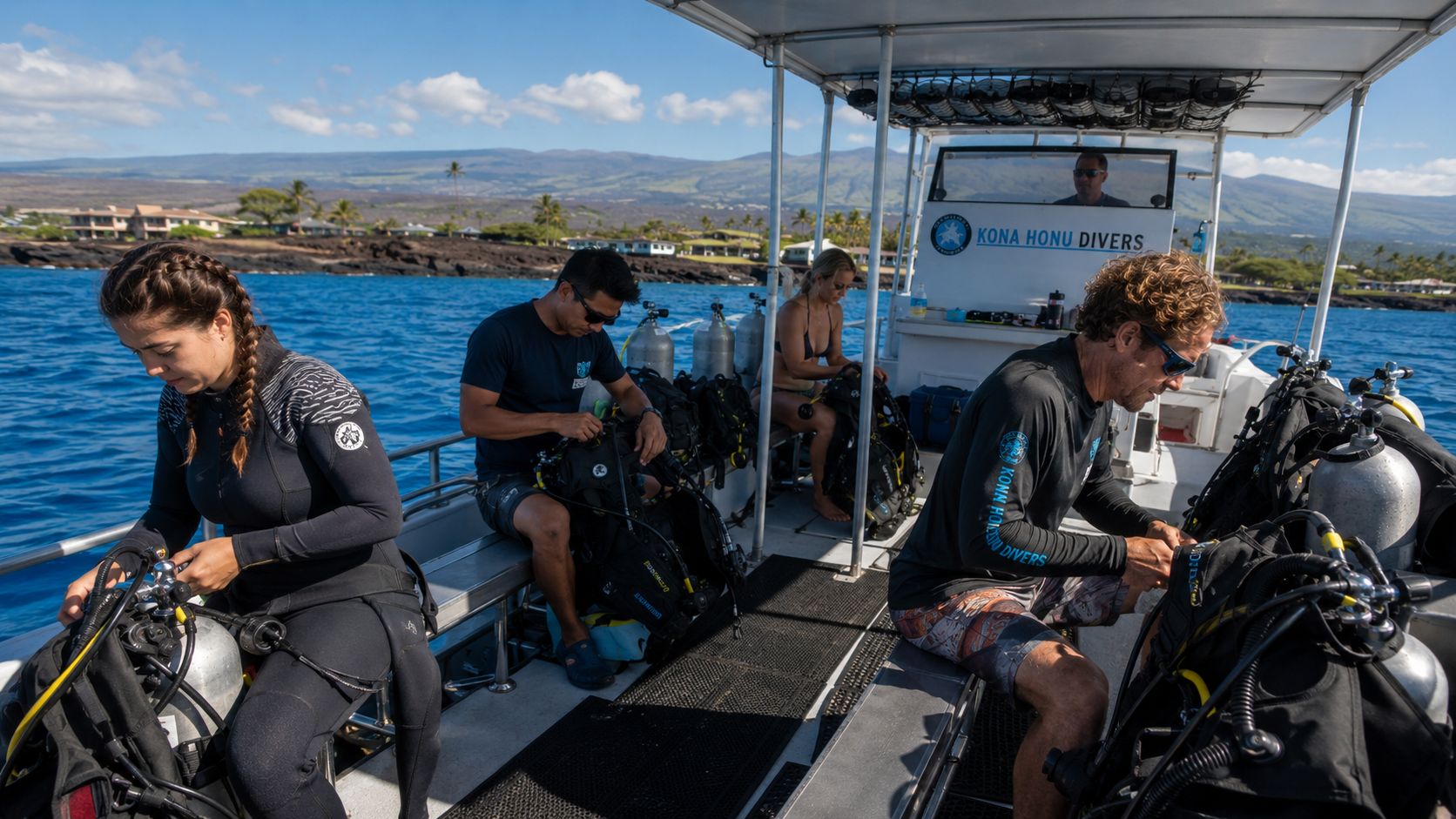
Boat diving is the better fit for most vacation divers. It cuts out the lava entry, gets you to cleaner site access, and reduces the cognitive load on the day. You show up, gear up, follow the briefing, and dive.
Shore diving can be fantastic if you know the site, understand surge and entry timing, and want independence. It can also punish sloppy planning fast.
Managing seasickness before it ruins the day
Seasickness is one of the few things that can derail a perfect Kona dive trip before you even hit the water. It doesn't care whether you're a new diver or a technical veteran. It also tends to hit harder when people wait until they feel sick to act.
A local prevention guide reports that a regimen starting 4 to 6 hours pre-departure with 1 gram of ginger root extract, followed by Sea-Band acupressure bands 1 hour prior, can prevent seasickness in up to 67% of cases without medication, according to this seasickness prevention article.
Here's the practical version:
- Start early: Don't take ginger at the dock and expect much.
- Use acupressure before boarding: Timing matters.
- Eat light: An empty stomach can be just as bad as a heavy one.
- Stay hydrated: Dehydration makes everything worse.
If you want over-the-counter options or backups, these are common purchase choices:
- Ship-EEZ Seasickness Patch at Ship-EEZ Seasickness Patch
- Dramamine pills at Dramamine pills
- Bonine pills at Bonine pills
- Sea Band wristbands at Sea Band wristbands
- Ginger chews at Ginger chews
If you're prone to motion sickness, solve it before the boat leaves the harbor. Trying to fix it mid-roll is usually too late.
How to Choose the Right Kona Dive Operator
Your dive trip can go sideways before the first giant stride. I've seen divers book a cheap charter that looked fine online, then spend the day squeezed onto an overcrowded boat with a rushed briefing, weak site selection, and a crew trying to manage mixed experience levels as one group. Kona rewards good planning, and your operator is a big part of that.
Start with fit, not marketing. The right operator for a first-time manta diver may not be the right operator for someone stacking morning reef dives, a blackwater trip, and Nitrox fills over several days. A good shop should be clear about who each charter is built for, how they screen divers, and what happens if conditions change.
What to check before you book
A well-run Kona operator usually makes a few things obvious within the first conversation or email exchange:
- Safety habits: Clear briefings, honest checkout questions, and no pressure to dive beyond your training or comfort level.
- Boat setup: Easy exits, stable ladders, organized gear stations, shade, and enough deck space that entries do not turn into a traffic jam.
- Crew awareness: Guides who catch weighting problems, air issues, current stress, and task loading before they become bigger problems.
- Trip design: Separate products for beginner reef dives, manta charters, and advanced trips instead of stuffing everyone into one schedule.
Then ask the questions that reveal how the operation really runs.
- How are divers grouped underwater?
- What experience level do you expect for this specific charter?
- Do you choose sites based on the day's conditions?
- How do your manta and blackwater procedures differ from regular night dives?
- If one diver in the party is less experienced, what are the realistic options?
Those answers matter more than glossy photos.
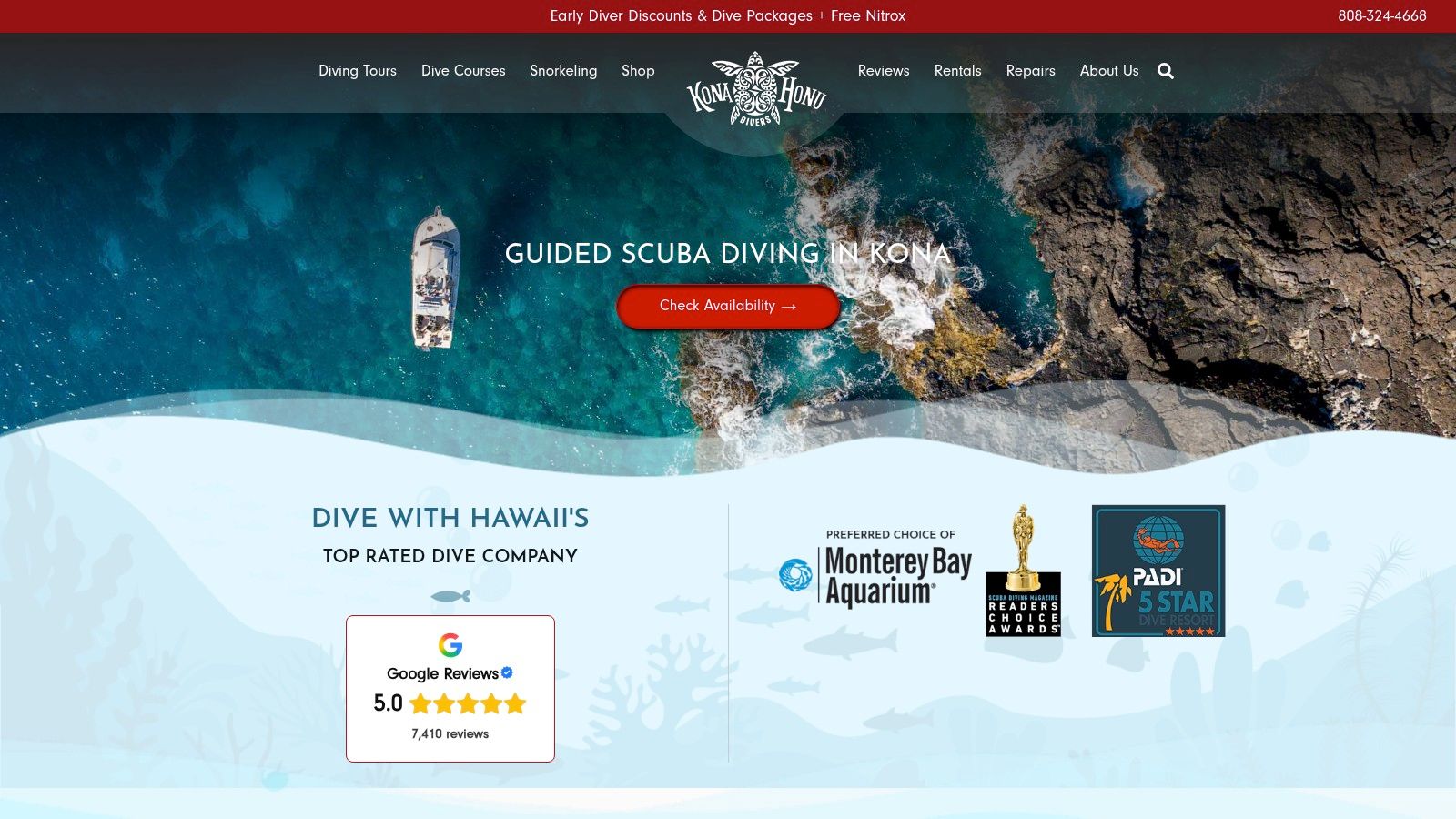
One operator many visitors research is Kona Honu Divers. They run a range of boat charters that cover standard reef diving as well as specialty trips like manta and blackwater dives. That matters if you want one shop to handle different parts of the same vacation without changing crews, paperwork, and briefing styles every day.
Match the operator to the trip you actually want
Mixed-skill groups need communication more than ambition. If one person is newly certified and another wants long profiles on advanced charters, ask how the shop handles that split before you hand over a credit card. Some operators do this well. Some say yes to everything and sort it out on the boat.
Advanced divers should look for procedural discipline. In Kona, that matters most on deeper dives, driftier days, and specialty charters after dark. The right shop will explain expectations in plain language, turn divers away from trips they are not ready for, and adjust the plan to the ocean instead of forcing the ocean to fit the brochure.
That is the ultimate test. Choose the operator that gives you the safest, clearest path to the kind of Big Island diving you came here to do.
Your Essential Packing and Itinerary Guide
Most Big Island dive mistakes happen before anyone gets wet. People pack too much of the wrong stuff, forget the one item they care about underwater, or build an itinerary that burns everyone out by day three.
What to pack yourself
Bring the gear that affects comfort and confidence most directly.
- Your mask: A rental mask can work, but a familiar mask prevents a lot of irritation.
- Dive computer: If you own one, bring it. You already know how it displays information and alarms.
- Exposure protection you like using: Kona is warm, but comfort still matters on repetitive diving.
- Certification cards and log info: Digital backups help.
- Dry bag and reef-safe sun protection: Boat days are wet, bright, and messy.
What you can usually rent
Leave the bulky items home unless you have a strong preference.
A well-run Kona operator can typically provide BCDs, regulators, tanks, and weights. Renting those items makes travel simpler and cuts down on airline stress. If you're attached to your own fins or regulator setup, bring them. If not, save the baggage space for comfort items.
Packing for a non-diving partner
Many group trips become lopsided. One person plans an underwater pilgrimage. The other person wonders what they're supposed to do for half the vacation.
Good non-diving additions include:
- Coffee farm visits
- Beach days on the Kona side
- Town time for food, shopping, and sunset
- A manta snorkel or boat ride if they're comfortable on the water
- Relaxed sightseeing on your off-gas day
Build at least one day that has no scuba agenda at all. Divers enjoy the trip more when every morning doesn't feel like a mission briefing.
A sample five-day flow that works
Here's a practical rhythm for many visitors:
| Day | Plan |
|---|---|
| Day 1 | Arrival, check-in, easy dinner, early sleep |
| Day 2 | Morning reef diving, relaxed afternoon |
| Day 3 | Non-diving sightseeing or light beach day, manta dive in the evening if energy is good |
| Day 4 | Advanced charter or second reef day depending on skill level |
| Day 5 | Coffee, coastline, shopping, and no-fly buffer planning |
You can shift that around, but the pattern matters. Alternate high-energy days with lower-demand ones. Your ears, your back, and your travel partner will all appreciate it.
Diving Safety and Ocean Conservation
A great Kona dive day often comes down to restraint. The divers who have the smoothest trips are usually the ones who slow down, listen to the briefing, stay within their real skill level, and leave the reef exactly as they found it.
That matters even more here because some of the Big Island's signature dives can push people out of their normal routine. Manta night dives, blackwater trips, current-sensitive sites, and lava ledges all reward calm decision-making over ambition.
Core safety habits that matter
Good safety habits are not dramatic. They show up in small choices made early.
Start the day hydrated. Do a real buddy check, not a quick tap on the shoulder. Confirm weighting before you commit to a deeper or more task-loaded dive. If the site briefing covers surge, entries, or a specific ascent route, pay attention. Kona conditions can change from comfortable to awkward fast, especially on night dives and at sites with uneven lava terrain.
A few rules solve a lot of problems:
- Dive the conditions in front of you, not the trip you hoped to have
- Review hand signals and light signals before the entry
- Call the dive early if you are cold, stressed, overworked, or unsure
- Treat night diving and blackwater diving as separate skills, not just regular dives after sunset
- Keep your buoyancy clean so you do not grab rock or coral when surge picks up
If you have not done a night dive in a while, do an easier one before booking a more advanced experience. If you have never done blackwater, go with an operator that gives a detailed briefing, strong supervision, and a clear diver-to-guide plan. That trade-off is worth it. A slightly shorter adventure with better oversight beats a stressful one every time.
If you get sick underwater
This is one skill every diver should understand before they need it. If you feel sick underwater, keep the regulator in your mouth and vomit through it while continuing to breathe. It is unpleasant, but losing your air source creates the bigger problem.
After that, signal your buddy and the guide. Slow the dive down. In mild cases, a controlled ascent and ending the dive is the right call. If the problem is paired with panic, dizziness, confusion, or unusual pain, treat it as a serious incident and get professional evaluation.
Protecting mantas and reefs
Kona's marine life is the reason many visitors book this trip in the first place. Mantas, turtles, reef fish, and small critters on the lava all do better when divers act predictably and keep good control.
That means no touching mantas, no chasing turtles for a photo, no kneeling on coral, and no finning carelessly over bottom habitat. On manta dives, stay where the briefing puts you and let the animals choose the interaction. On reef dives, watch your gauges and your trim so your attention does not narrow to the camera in your hands.
If you want a solid refresher, this guide to responsible and considerate diver etiquette matches the standards good Kona crews expect on the boat.
Kona rewards divers who plan well, stay honest about their limits, and protect what makes this coast special. Kona Honu Divers is one of the local operators many visitors consider when building a trip around reef diving, manta rays, blackwater opportunities, and practical local guidance.