
The Big Island of Hawaii offers a scuba diving experience unlike anywhere else on Earth, where volcanic topography meets a vibrant marine ecosystem. Its western Kona coast, shielded from trade winds by massive volcanoes, boasts exceptionally clear and calm waters, creating a premier global destination for divers. This unique geology results in a dramatic underwater landscape of lava tubes, arches, and ancient lava formations that are now home to thriving coral reefs. Planning a trip around these natural wonders is key to a successful adventure.
This guide is designed to be your comprehensive resource for diving Big Island. We will explore the absolute must-do underwater experiences, from the world-renowned Manta Ray Night Dive to the surreal, open-ocean Blackwater Dive. We will break down the top dive sites, identify the best tour operators for each adventure, and provide practical tips for planning, gear, and safety. You'll gain insights into not just what to see, but how to see it, ensuring your trip is both safe and unforgettable. Whether you are a newly certified diver or a seasoned professional looking for advanced diving opportunities, this listicle provides the essential information to navigate Hawaii's incredible underwater world.
1. Manta Ray Night Dive at Kona
Consistently ranked as one of the best night dives in the world, the Manta Ray Night Dive is the signature underwater experience when diving the Big Island. This isn't just another dive; it's a profound, almost surreal encounter with dozens of gentle giants. The experience happens at one of a few established sites off the Kona coast, where dive operators have placed underwater lights, affectionately called the "campfire," on the ocean floor.
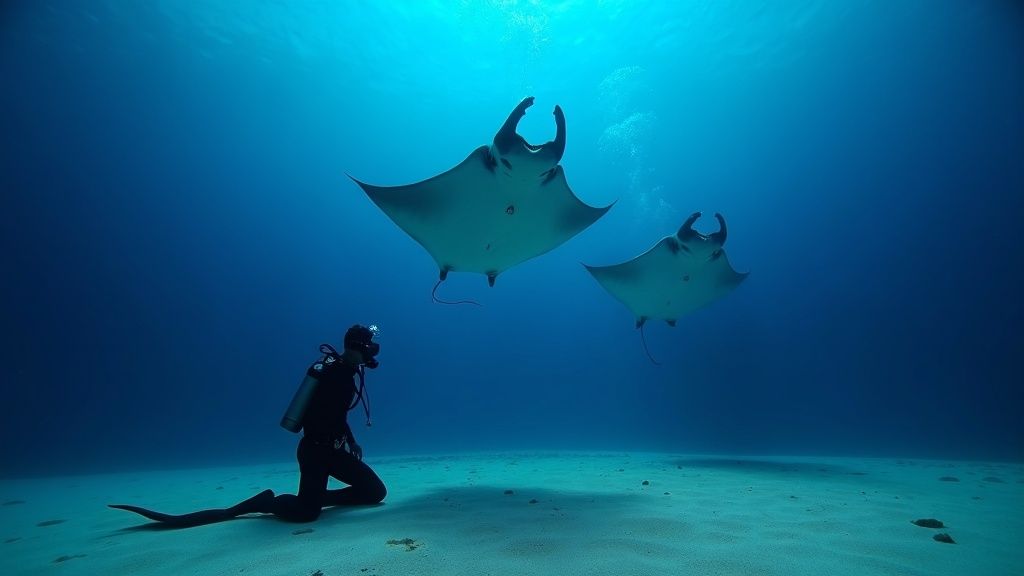
These powerful lights attract vast clouds of plankton, the primary food source for manta rays. After sunset, divers descend to a sandy bottom at around 30-40 feet, find a spot around the light array, and simply wait. Soon, the show begins as giant manta rays, with wingspans reaching up to 16 feet or more, glide in from the darkness. They perform an acrobatic underwater ballet, soaring and somersaulting just inches above your head as they feed on the plankton.
Why It's a Must-Do Experience
The predictability and proximity of the encounter make this dive unparalleled. While manta sightings are special anywhere, the Kona dive offers a near-guaranteed, up-close performance that has been featured in documentaries by National Geographic and the BBC. It is an incredibly moving and humbling experience to witness these majestic creatures in their natural feeding environment.
For a premier and highly-rated trip, consider a reputable operator like Kona Honu Divers, known for its commitment to safety and manta conservation. You can explore their specific manta ray dive tours and see why they receive such high praise.
Practical Tips for Your Dive
- Book Well in Advance: This is the most popular activity for diving Big Island. Tours fill up weeks, sometimes months, ahead of time, especially during peak tourist seasons.
- Practice Buoyancy: You will be stationary on or near the bottom for most of the dive. Having excellent buoyancy control is crucial to avoid disturbing the sand and to remain stable for the best viewing.
- Choose Small Groups: Opt for an operator that limits group sizes. A less crowded "campfire" provides a more intimate and unobstructed view of the mantas.
- Listen to Your Briefing: Pay close attention to your divemaster. They will explain the strict rules for interacting with the mantas, such as no touching, to ensure the animals' safety and continued return to the site.
2. Lava Tubes & Caverns (The “Cathedrals” Experience)
While Maui's famed "Cathedrals" are iconic, the Big Island offers its own spectacular version of this geological wonder. Formed by ancient lava flows, the island's coastline is riddled with breathtaking lava tubes, archways, and caverns that create a similar "cathedral-like" experience. This type of topography makes diving Big Island a unique adventure, offering dramatic swim-throughs where shafts of light pierce the volcanic darkness.
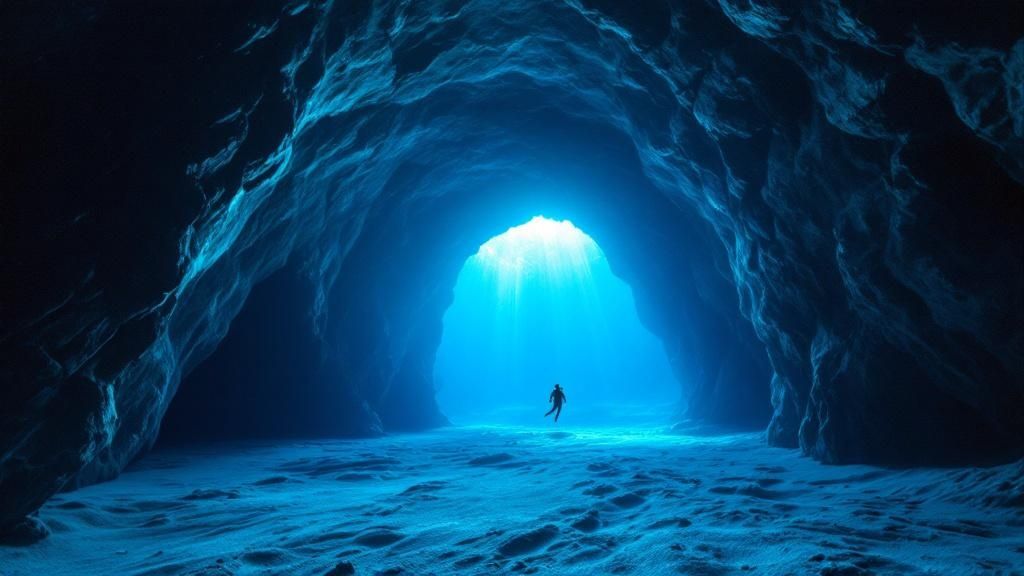
Exploring these formations is like navigating a submerged labyrinth designed by nature. As you glide through wide tunnels, you'll see walls decorated with vibrant sponges and corals. The unique environment attracts a different array of marine life, including reclusive creatures like Hawaiian turkeyfish, spiny lobsters, and various shrimp species seeking shelter in the crevices. Sites like those in the Puako Bay reef area or the Black Rock lava tubes near Kailua-Kona provide excellent examples of these incredible underwater structures.
Why It's a Must-Do Experience
Diving in and around lava tubes offers a profound sense of exploration and discovery unmatched by open reef diving. The play of light and shadow, combined with the sheer scale of the volcanic architecture, creates an awe-inspiring atmosphere. It’s a chance to witness the raw power of the island's creation firsthand and is an essential experience for any diver looking to see the full diversity of Hawaiian underwater landscapes.
For divers with solid buoyancy skills looking to explore these advanced environments, Kona Honu Divers offers specialized advanced dive tours that often visit sites with these incredible features.
Practical Tips for Your Dive
- Master Buoyancy: Overhead environments demand precise buoyancy control. Practice in an open-water setting before attempting a lava tube swim-through to avoid kicking up silt or bumping into delicate formations.
- Carry Redundant Lights: Always dive with a primary and a backup dive light, even during the day. The inside of a cavern or tube can be much darker than you expect.
- Stay with Your Buddy: The buddy system is non-negotiable in an overhead environment. Always stay close, maintain visual contact, and follow your pre-dive plan.
- Trust Your Guide: Listen carefully to the divemaster's briefing. They know the site's layout, potential hazards, and points of interest and will guide you through safely. Never enter an overhead environment without a qualified guide.
3. Kealakekua Bay Marine Life Conservation District
More than just a stunningly beautiful bay, Kealakekua Bay is a protected Marine Life Conservation District and a site of immense historical significance, marking where Captain James Cook first landed on the island. For those interested in diving the Big Island, this sanctuary offers some of the most pristine and vibrant coral reefs in all of Hawaii. The water clarity is often exceptional, and the bay's protected status has allowed marine life to flourish in incredible numbers.
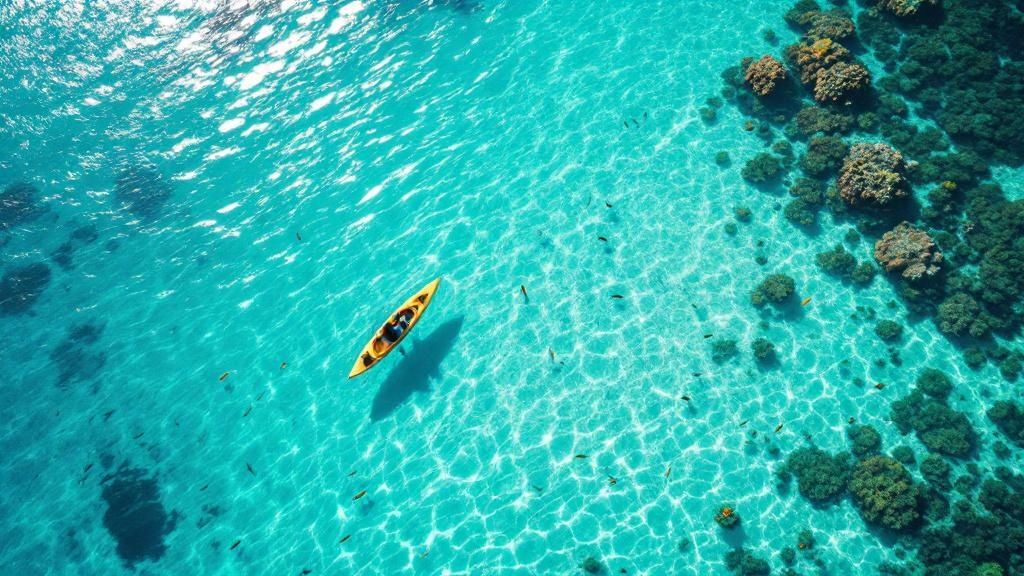
The diving here is diverse, centered around the iconic Captain Cook Monument on the bay's northern shore. Divers can explore shallow, sprawling coral gardens in 20-40 feet of water, teeming with schools of yellow tang, parrotfish, and butterflyfish. Further out, the seafloor slopes dramatically into a deep drop-off, creating a wall dive that descends well past 130 feet, attracting larger pelagic species and offering a different kind of underwater adventure.
Why It's a Must-Do Experience
The health of the ecosystem is the main draw. Because it's a protected area, the coral is remarkably dense and healthy, creating a complex habitat for an astounding variety of reef fish, eels, and invertebrates. The calm, sheltered conditions of the bay make it an accessible and rewarding dive for all skill levels, from beginners to seasoned veterans. It's not uncommon to encounter spinner dolphins resting in the bay, adding another layer of magic to the experience.
Due to the bay's protected status, access by boat is limited, making guided tours the best way to experience its underwater wonders. You can learn more about the best ways to see this pristine area with a Captain Cook snorkeling tour to understand what makes this location so special.
Practical Tips for Your Dive
- Access is Regulated: The easiest and most common way to dive the monument area is by a permitted boat tour. Kayaking is another option, but requires a permit and a strenuous paddle. Driving down is not a viable option for visitors.
- Go Early: Morning tours usually experience the calmest water and best visibility. The bay also becomes more crowded with snorkelers as the day progresses.
- Respect the Sanctuary: This is a strictly protected area. Do not touch, chase, or harass any marine life. Do not touch or stand on the coral. Adherence to these rules is critical for its preservation.
- Use Reef-Safe Sunscreen: To protect the delicate coral ecosystem, only use mineral-based sunscreens (zinc oxide or titanium dioxide). Chemical sunscreens are prohibited and harmful to the reef.
4. Blackwater Diving off Kona Coast
For divers seeking an experience that feels like exploring another planet, Blackwater Diving is one of the most unique and cutting-edge adventures available when diving the Big Island. This is not a reef dive; instead, the boat travels several miles offshore over thousands of feet of water. Divers are tethered to the boat and descend to about 40-60 feet, suspended in the vast, dark ocean as the daily vertical migration of deep-sea creatures rises toward the surface.
Powerful lights attached to the tether line attract an incredible array of bizarre and beautiful pelagic life that is rarely seen by humans. You'll witness everything from larval fish and invertebrates in various stages of development to strange gelatinous creatures like Pyrosomes and salps. The bioluminescent displays and hunting behaviors on display create a mesmerizing and otherworldly spectacle in the pitch-black water.
Why It's a Must-Do Experience
Blackwater diving is the ultimate treasure hunt for marine life enthusiasts and underwater photographers. Every dive is different, and the creatures you encounter are often unidentified or in a life stage that is almost unrecognizable from their adult form. It's a true exploration into the unknown, offering a glimpse into the mysterious deep-ocean ecosystem that makes up the largest animal migration on Earth.
This advanced dive was pioneered and popularized in Kona by renowned operators like Jack's Diving Locker and underwater photographers who captured its alien beauty. Today, specialized trips with operators like Kona Honu Divers offer a safe and expertly guided way to experience this phenomenon. You can discover more about their specialized Blackwater Dive tour and prepare for a truly unique dive.
Practical Tips for Your Dive
- Master Buoyancy: Excellent buoyancy and the ability to hover motionless are essential. You will be suspended in mid-water with no visual references besides the downline and your dive light.
- Be Patient and Look Closely: Many of the creatures are tiny and transparent. Move slowly, let your eyes adjust, and you will be rewarded with incredible sightings.
- Consider Seasickness Medication: The boat will be miles offshore in open ocean swells. If you are prone to seasickness, take medication beforehand to ensure a comfortable trip.
- Bring a Good Camera: For photographers, a macro lens is a must to capture the intricate details of the miniature pelagic life.
5. Turtle Pinnacle and Turtle Heaven
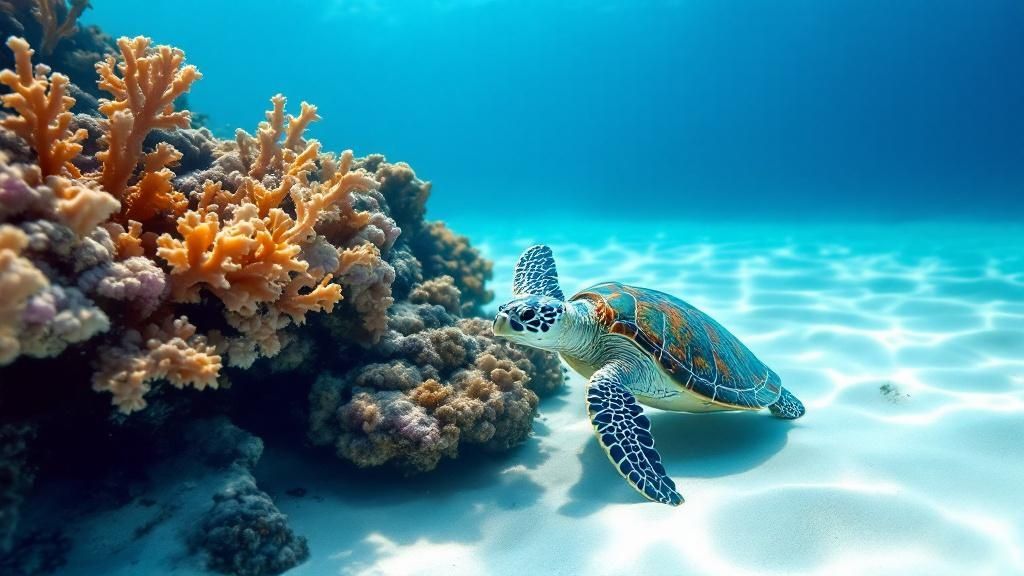
For divers whose bucket list includes a serene encounter with the Hawaiian Green Sea Turtle (Honu), Turtle Pinnacle and its nearby sister site, Turtle Heaven, are essential stops. Located along the South Kona coast, these sites are renowned "cleaning stations" where turtles gather to have parasites and algae removed by reef fish like the Hawaiian Cleaner Wrasse. This symbiotic relationship makes for incredible, predictable viewing opportunities.
Unlike a fleeting glimpse, these dive sites offer extended observation of turtle behavior. Divers can watch as Honu patiently queue for their turn at the cleaning station, rest peacefully within coral formations, or graze on algae-covered rocks. The topography often consists of lava rock fingers and coral heads rising from a sandy bottom, typically at depths of 40-60 feet, making it an accessible and fascinating dive for all skill levels. The sheer number of turtles you can see on a single dive is what makes these sites a highlight of diving the Big Island.
Why It's a Must-Do Experience
These locations provide one of the most reliable chances to see large numbers of Honu in a completely natural and relaxed state. Watching the intricate cleaning process up close is a lesson in underwater ecology and a truly memorable moment. The calm conditions and excellent visibility common to the Kona coast make it perfect for underwater photography, allowing you to capture stunning images of these ancient mariners.
Many local operators, including Pacific Rim Divers, frequent these spots due to their consistency and beauty. Seeing these magnificent creatures thriving in their protected habitat is both a privilege and a powerful reminder of the importance of marine conservation.
Practical Tips for Your Dive
- Approach with Respect: Always approach turtles slowly and from the side to avoid startling them. Maintain a respectful distance and never block their path to the surface.
- Hands-Off Policy: It is illegal and harmful to touch Hawaiian Green Sea Turtles. The oils from human skin can damage their protective coating and cause stress. Observe passively.
- Be Patient and Still: Find a good vantage point, maintain neutral buoyancy, and remain still. The turtles are accustomed to divers and will often go about their business right in front of you if you are calm.
- Bring a Wide-Angle Lens: To capture the entire turtle and its reef environment in one shot, a wide-angle lens is your best tool. Remember to shoot upwards to get that beautiful blue water background.
6. Puako Bay Reef System
For those who love the freedom of shore diving, the Puako Bay Reef System along the Kohala Coast is an absolute gem. This extensive reef offers some of the healthiest and most vibrant coral gardens accessible from the shore when diving the Big Island. Its series of coves and entry points provides incredible variety, from shallow, sunlit coral fields teeming with reef fish to dramatic lava formations and swim-throughs.
Divers can explore different sections of the reef from various access points, like the popular Puako Boat Ramp or the protected waters near 69 Beach (Waialea Bay). The underwater topography is a classic Hawaiian seascape: lava rock fingers extend out into the sea, separated by sandy channels. The shallow reef tops, often in just 15-30 feet of water, are packed with cauliflower and finger corals, creating a bustling metropolis for butterflyfish, parrotfish, and Moorish idols. Visibility is often excellent, making it a paradise for underwater photographers.
Why It's a Must-Do Experience
The sheer accessibility and diversity make Puako a standout location. It’s a perfect spot for divers who want to explore on their own schedule, allowing for long, relaxed dives without the constraints of a boat tour. The reef is remarkably healthy, and patient divers are often rewarded with sightings of green sea turtles, spotted eagle rays, and even the occasional whitetip reef shark resting in a lava tube. It perfectly captures the essence of classic Hawaiian shore diving.
For those looking for a guided shore diving experience in this area, local operators like Kohala Divers offer tours and valuable insight into the best entry points and current conditions. You can get more in-depth information on this and other sites by exploring guides on the best shore diving on the Big Island.
Practical Tips for Your Dive
- Check Conditions: The Kohala coast can be exposed to wind and swell. Always check surf reports and ocean conditions before heading out, as entries can become hazardous.
- Wear Reef Shoes: The entries are almost exclusively over lava rock, which can be sharp and uneven. Sturdy reef shoes or booties are essential for a safe entry and exit.
- Respect Private Property: Many access points are adjacent to residential homes. Be respectful of the local community by parking legally, keeping noise to a minimum, and leaving no trace.
- Bring a Dive Flag: As a shore diver, it is crucial to tow a dive flag to alert boat traffic to your presence in the water.
Making Your Big Island Dive Trip a Reality
The volcanic origins of Hawaii's Big Island have sculpted an underwater world unlike any other. Its dramatic lava tubes, vibrant coral gardens, and sheer underwater cliffs create a dynamic and endlessly fascinating environment for divers. As we've explored, the sheer variety of experiences available makes diving Big Island a truly world-class endeavor.
From the ethereal, silent ballet of the Manta Ray Night Dive to the alien-like creatures that ascend from the abyss during a Kona Blackwater Dive, the Kona coast offers encounters that will redefine your understanding of marine life. The protected waters of Kealakekua Bay teem with colorful fish, while sites like Turtle Pinnacle promise serene interactions with gentle honu. Each dive spot presents a unique chapter in the island's aquatic story.
Key Takeaways for Your Dive Adventure
To make the most of your trip, remember these essential points:
- Plan for Diversity: Don't limit yourself to one type of dive. The magic of diving Big Island lies in its variety. Mix a famous night dive with a classic reef exploration and perhaps an advanced drift dive to get a complete picture of the marine ecosystem.
- Prioritize Professional Guides: Local knowledge is invaluable. A reputable dive operator not only ensures your safety with thorough briefings and well-maintained equipment but also knows exactly where to find the most incredible marine life and how to navigate conditions. Their expertise transforms a good dive into an unforgettable one.
- Respect the ʻĀina (Land and Sea): The health of Hawaii's reefs depends on responsible diving practices. Maintain neutral buoyancy, never touch coral or marine animals, use reef-safe sunscreen, and follow all local conservation guidelines. Your mindful presence helps preserve this paradise for future generations.
Your Next Steps
With the knowledge of top dive sites and safety protocols in hand, your path forward is clear. Start by assessing your certification level and dive interests. Are you drawn to the thrill of a deep, advanced dive or the tranquil beauty of a shallow reef?
Use this guide to earmark your must-see sites. Then, research and connect with a trusted local dive shop like Kona Honu Divers. Their team can help you build an itinerary that matches your skill level and bucket list, whether you're looking for a relaxing diving tour or a challenging advanced trip. Booking in advance, especially during peak seasons, is crucial to securing your spot on these popular charters.
Below the surface of the Big Island, a vibrant, living world is waiting to be discovered. The planning you do now is the first step toward plunging into that world and creating memories that will last a lifetime.
Ready to experience the best diving Big Island has to offer? The expert team at Kona Honu Divers provides safe, fun, and eco-conscious charters to the most iconic sites along the Kona coast. Visit Kona Honu Divers to explore their wide range of scuba diving tours and book your underwater adventure today.