
The Big Island of Hawaii is a world-class destination for scuba diving, offering a vibrant underwater world shaped by volcanic activity. From the legendary manta ray night dive to deep blackwater explorations, diving Big Island provides unparalleled adventures for every skill level. This guide walks you through the essential sites, unique experiences, and expert tips to help you plan the perfect dive trip.
Whether you're a seasoned pro looking for advanced opportunities or just getting your fins wet, the Kona coast's crystal-clear waters and diverse marine ecosystems are waiting. We will cover prime dive locations, must-do specialty dives like the manta and blackwater experiences, and what makes this island a top-tier diving hotspot.
1. Kailua-Kona: The Epicenter of Big Island Diving
For anyone planning a trip focused on diving Big Island, Kailua-Kona is the undisputed hub of all underwater activity. Located on the island's leeward side, the Kona coast is naturally shielded from the powerful trade winds, resulting in exceptionally calm and clear waters year-round. This protection allows for incredible visibility, which often surpasses 150 feet, making it an ideal environment for both novice and experienced divers.
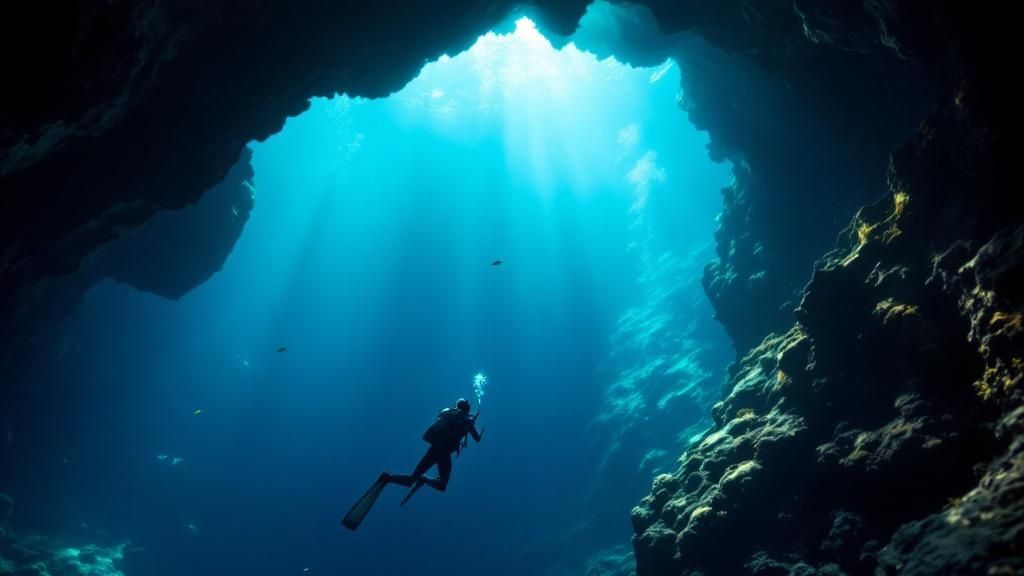
The town itself is home to a high concentration of top-tier dive operators like Kona Honu Divers, providing easy access to a vast array of world-renowned sites just a short boat ride from the Honokohau Harbor. This convenience makes it the perfect basecamp for your adventures. Whether you're interested in the world-famous Manta Ray Night Dive, a surreal Black Water Dive, or exploring ancient lava tubes, Kailua-Kona is the launchpad for Hawaii's most iconic underwater experiences. You can find more details in this complete guide to diving on the Big Island on konahonudivers.com.
Practical Tips
- Book Ahead: Unique tours like the manta ray and black water dives are extremely popular and have limited space. Reserve your spot well in advance.
- Stay Local: Lodging in or near Kailua-Kona minimizes travel time to dive shops and boat departures, maximizing your time in the water.
- Respect Wildlife: Maintain a safe and respectful distance from all marine creatures, especially turtles and manta rays. Never touch the coral or marine life.
2. Big Island Divers Professional Dive Services
As one of the most established and reputable operators, Big Island Divers has earned its place as a cornerstone of the Kona diving community. They offer a comprehensive suite of services that cater to every level of diver, from those taking their first breath underwater with an Open Water certification to seasoned divers looking for a private charter. Their professional operation and deep local knowledge make them a consistently reliable choice for any diving Big Island adventure.
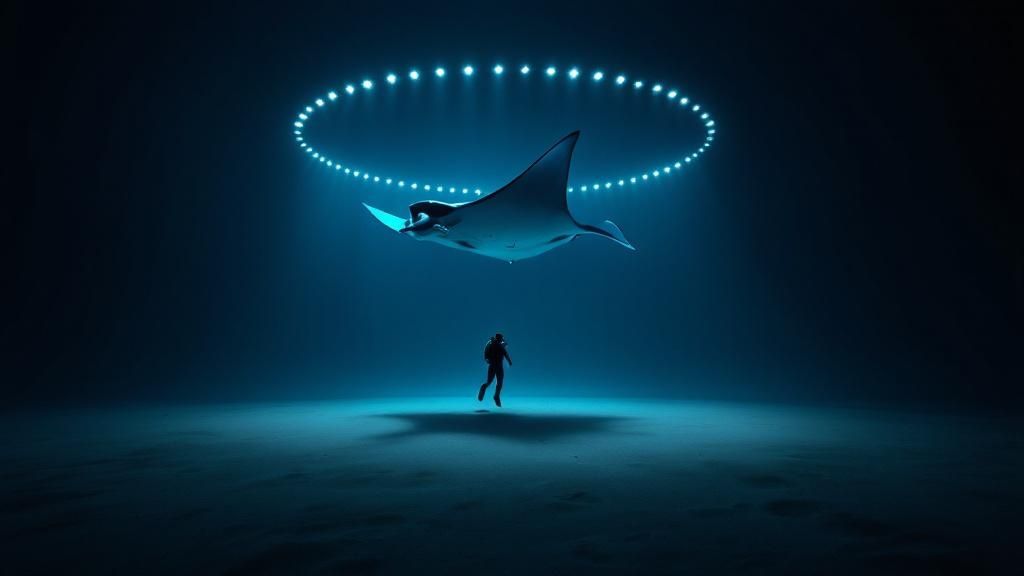
Operating daily two-tank morning boat dives and the famous Manta Ray Night Dive, their schedule provides ample opportunity to explore Kona's vibrant reefs. Their commitment to safety is evident in their well-maintained boats and thorough briefings. When choosing a dive company, it’s wise to consider their adherence to safety protocols, including those related to essential marine communication practices and VHF radio licensing. Big Island Divers' long-standing positive reputation, bolstered by top ratings on platforms like TripAdvisor, speaks to their dedication to providing a world-class experience.
Practical Tips
- Book Manta Dives Early: Their manta ray night dive is incredibly popular and often sells out weeks in advance.
- Ask About Packages: If you plan on multiple days of diving, inquire about potential package deals to save on costs.
- Arrive Early: Give yourself plenty of time before departure for a stress-free equipment fitting and check-in process.
- Use Reef-Safe Sunscreen: Help protect Hawaii's delicate coral ecosystems by using only reef-safe sun protection.
3. Manta Ray Night Diving
Often hailed as one of the world's most spectacular wildlife encounters, the Manta Ray Night Dive is a quintessential Big Island experience. This unique dive isn't about exploring reefs but about witnessing a mesmerizing feeding spectacle. Dive operators set up powerful underwater lights on the seafloor, which attract vast clouds of plankton. In turn, these plankton draw in the majestic and gentle manta rays.
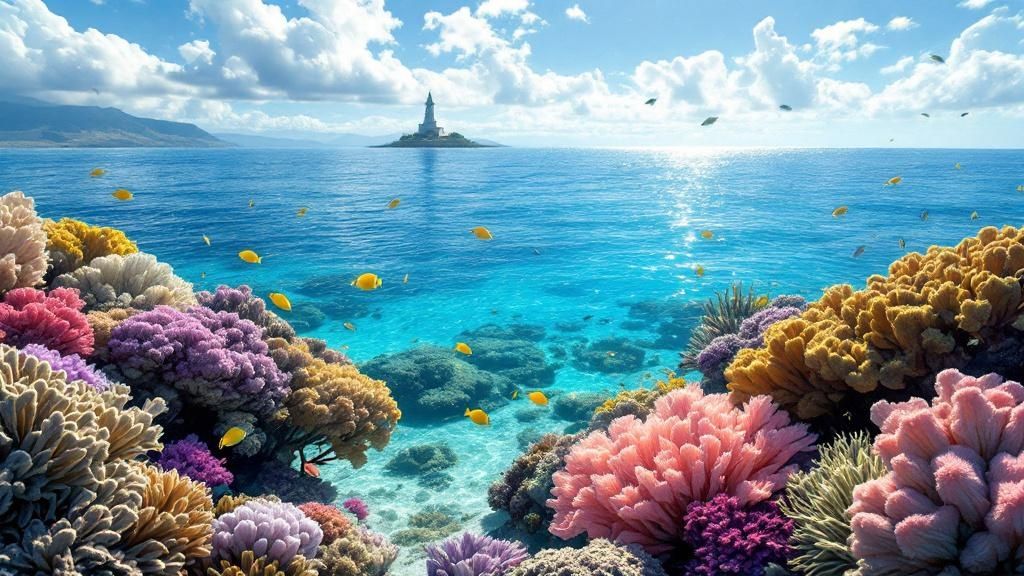
Divers settle on the sandy bottom and watch as these graceful giants, with wingspans reaching up to 20 feet, perform an aquatic ballet, swooping and barrel-rolling just inches above their heads. Popular and reliable sites like "Manta Heaven" and Garden Eel Cove provide consistent encounters, making this a top reason for diving Big Island. Booking a dedicated manta ray dive tour is essential for this unforgettable adventure.
Practical Tips
- Stay Grounded: Remain stationary on the sandy bottom as instructed by your dive guide to avoid disturbing the mantas' feeding patterns.
- Lights Off, Hands In: Avoid shining your personal dive light directly at the mantas and keep your hands close to your body. Never touch these protected animals.
- Master Buoyancy: Good buoyancy control is crucial for staying in place and ensuring a safe and enjoyable experience for both you and the wildlife.
- Book Early: This is one of the most popular dives in the world. Secure your spot on a tour well in advance, especially during peak travel seasons.
4. Kealakekua Bay Marine Life Conservation District
As a protected marine sanctuary, Kealakekua Bay is one of the most pristine and historically significant locations for diving Big Island offers. The bay's calm, exceptionally clear waters harbor some of Hawaii’s most vibrant coral gardens teeming with life. Its protected status ensures the reef ecosystem remains healthy and robust, creating a haven for spinner dolphins, sea turtles, and a kaleidoscope of tropical fish. The conditions here are ideal for both divers and snorkelers looking for an unparalleled underwater experience.
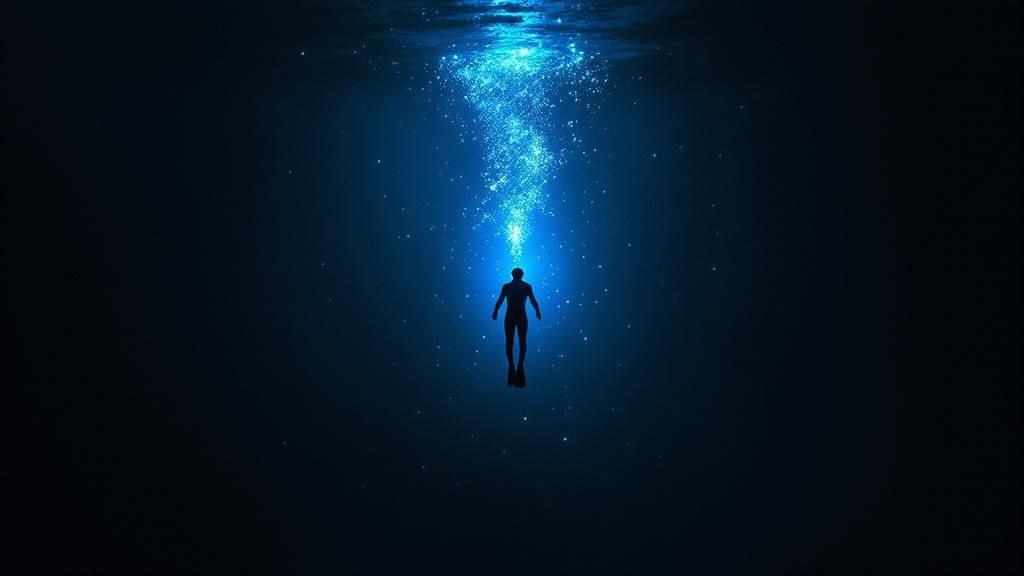
The bay is also famous for the Captain Cook Monument, which marks a popular dive site with steep underwater drop-offs. Because of its remote location and protected status, accessing the bay is typically done via a licensed boat tour, which helps preserve its pristine condition. This exclusivity makes a trip here feel like a true escape into a thriving aquatic wilderness. You can read more about what makes this area special in our guide to Kealakekua Bay snorkeling on konahonudivers.com.
Practical Tips
- Access by Tour: The easiest and most common way to reach the best dive spots is by boat tour, as the alternative is a very challenging hike.
- Respect the Rules: As a Marine Life Conservation District, strict rules apply. Do not touch or disturb any marine life or coral.
- Reef-Safe Sunscreen: Only use reef-safe sunscreen to help protect the delicate coral ecosystem from harmful chemicals.
- Bring Supplies: There are no facilities in the bay, so be sure your tour provides or you bring everything you need, including water and snacks.
5. South Point (Ka Lae) Advanced Diving
For experienced divers seeking a raw, untamed underwater adventure, South Point (Ka Lae) is the ultimate destination. As the southernmost point of the United States, its remote location and convergence of currents create challenging but immensely rewarding conditions. This is where diving Big Island gets truly wild, with dramatic underwater cliffs, deep walls, and the chance to encounter large pelagic species like sharks and rays drawn in by the powerful ocean movements.
The diving here is not for the faint of heart and is strictly for those with advanced certifications and experience in drift and deep diving. The payoff is access to some of the most pristine and untouched marine environments in Hawaii. Due to its exposure and strong currents, these dives are only possible on the calmest days and must be undertaken with a knowledgeable local guide. You can explore other demanding dives in this guide to the best shore diving on the Big Island on konahonudivers.com. For guided, challenging charter experiences, consider an advanced dive tour with a professional crew.
Practical Tips
- Advanced Divers Only: This area's conditions, including strong currents and depth, are suitable only for highly experienced divers.
- Go with a Pro: Never attempt to dive South Point without a local expert who understands the unpredictable weather and ocean patterns.
- Monitor Conditions: Dives are entirely dependent on favorable weather. Always have a backup plan in case conditions are unsafe.
- Be Self-Sufficient: The location is remote. Bring all necessary dive gear, safety equipment, and supplies for the day.
6. Black Water Night Diving: Exploring the Abyss
For a truly unique and otherworldly experience while diving Big Island, the Black Water Night Dive is an absolute must. This advanced dive takes you several miles offshore where you drift tethered in the deep, open ocean. As darkness falls, a daily vertical migration brings countless strange and bioluminescent creatures from the deep abyss toward the surface to feed, creating a spectacle often compared to diving in outer space.
The Kona coast's deep offshore waters make it one of the premier locations in the world for this activity. Operators like Kona Honu Divers pioneered this dive, offering a safe and structured way to witness rare pelagic species, larval-stage fish, and bizarre invertebrates that are rarely seen. Underwater photographers flock to this dive for the chance to capture images of these incredible, often translucent, organisms. You can learn more about this one-of-a-kind adventure on the Black Water Night Dive tour page.
Practical Tips
- Certification Required: This is an advanced dive. Most operators require an Advanced Open Water certification and excellent buoyancy control.
- Photography Gear: Bring a good macro lens and powerful lighting to capture the small, fast-moving, and often transparent subjects.
- Trust Your Guide: Stay close to the tether system and your divemaster. This dive requires strict adherence to safety protocols.
6 Key Dive Sites and Services Comparison
| Item | Core Features / Characteristics | User Experience / Quality ★★★★☆ | Unique Selling Points ✨ | Target Audience 👥 | Price Points 💰 |
|---|---|---|---|---|---|
| Kailua-Kona Diving Sites | Calm protected waters, 100-200+ ft visibility, lava tubes | Consistent year-round, suitable for all levels | World-class manta ray encounters 🏆 | All divers & snorkelers | Higher cost vs other islands 💰💰 |
| Big Island Divers Pro Services | PADI 5-Star center, daily trips, certification courses | Personalized small groups, high safety standards | Extensive courses, gear rental & marine conservation | Beginner to advanced divers | Premium pricing 💰💰💰 |
| Manta Ray Night Diving | Guaranteed manta sightings, year-round, underwater lights | Unique wildlife encounter, popular among photographers | Premier manta experience worldwide 🏆 | Certified divers & snorkelers | Higher cost than regular dives 💰💰 |
| Kealakekua Bay Conservation | Protected marine sanctuary, pristine coral reefs, spinner dolphins | Untouched environment, excellent underwater photo ops | Historical + ecological significance ✨ | Nature lovers, snorkelers & divers | Moderate to high, access limited 💰💰 |
| South Point Advanced Diving | Southernmost US dive, pelagic species, dramatic cliffs | Remote, challenging conditions for skillful divers | Unique geographic location, large pelagic encounters 🏆 | Advanced & experienced divers | Variable, specialized service 💰💰 |
| Black Water Night Diving | Deep ocean night dive, bioluminescence, pelagic species | Rare marine life, excellent photography | Exclusive night macro & pelagic encounters ✨ | Advanced certified divers | Specialized gear, premium cost 💰💰💰 |
Ready to Take the Plunge?
The Big Island’s Kona coast offers an underwater ecosystem unlike any other on the planet. From the dramatic lava tubes and vibrant coral gardens of its daytime dive sites to the world-renowned Manta Ray Night Dive, the opportunities for adventure are as deep and varied as the Pacific itself. Diving Big Island isn't just about what you see; it's about the unique experiences you'll have, like witnessing the mesmerizing ballet of manta rays or encountering the bizarre, bioluminescent creatures of a blackwater dive.
This guide has equipped you with the knowledge to navigate the island’s premier dive locations and specialized tours. The key takeaway is that planning is essential. By understanding the different dive profiles, seasonality, and the expertise offered by local operators, you can tailor a dive vacation that perfectly matches your skill level and sense of adventure. Whether you are a newly certified diver or a seasoned pro seeking a new challenge, the waters here hold countless discoveries. Your next step is to transform this knowledge into action. Choose your must-see sites, select a trusted dive operator, and prepare for an unforgettable descent into Hawaii’s aquatic paradise. The vibrant world beneath the waves is waiting for you.
Ready to experience the best scuba diving the Big Island has to offer? The expert team at Kona Honu Divers provides safe, sustainable, and awe-inspiring tours for every type of diver, from the iconic Manta Ray Night Dive to thrilling advanced excursions. Explore their award-winning diving tours and book your adventure today.