
The Big Island of Hawaii isn't just a paradise of volcanoes and lush rainforests; it's a world-class destination for scuba divers. The Kona coast, sheltered from the trade winds, offers crystal-clear waters, vibrant coral reefs, and encounters with unique marine life found nowhere else on earth. Whether you're a novice looking to get certified or a seasoned expert seeking a new thrill, planning your adventure is the first step.
This guide breaks down the top 7 must-experience sites and activities for diving Big Island, providing the essential details you need to choose the perfect underwater journey. From the iconic manta ray ballet and unique black water dives to accessible shore entries teeming with life, we'll cover what makes each location special. We'll detail the what, where, and why for each spot, helping you navigate the island's diverse offerings. Let's dive into what makes this island a top-tier diving hotspot and plan your unforgettable sub-aquatic exploration.
1. Kealakekua Bay (Captain Cook Monument)
Kealakekua Bay, a designated Marine Life Conservation District, is arguably the most iconic spot for underwater exploration on the Kona coast. Its protected status has cultivated an incredibly vibrant and healthy reef ecosystem, making it a premier destination for anyone interested in diving the Big Island. The bay’s calm, exceptionally clear waters provide visibility that often exceeds 100 feet, creating a stunning backdrop for the abundant marine life.
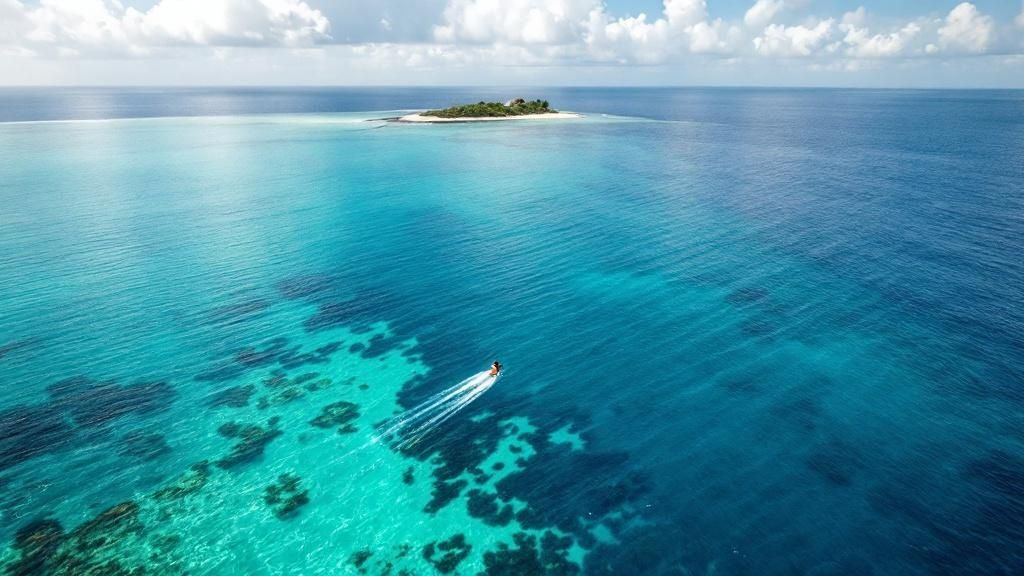
Divers can explore sloped coral gardens that drop from shallow snorkeling depths of 10 feet to around 40 feet, with deeper sections available further out. This gradual depth change makes it suitable for both novice divers and snorkelers, while still offering plenty for experienced divers to admire.
Why It's a Top Dive Site
This site is a must-dive because of its sheer density of marine life and pristine coral formations. You are almost guaranteed to encounter large pods of spinner dolphins, which frequent the bay to rest, especially in the mornings. Green sea turtles (honu) are also a common sight, often seen grazing on algae along the reef. The bay is teeming with endemic Hawaiian fish species, such as the Achilles Tang and the Ornate Wrasse, offering a unique underwater photography opportunity.
Practical Tips for Your Visit
- Access: The easiest and most common way to access the dive site near the monument is by boat. Several local operators offer guided diving and snorkeling tours.
- Timing: Aim for an early morning trip to experience the calmest conditions and potentially witness the spinner dolphins.
- Conservation: As a protected area, touching coral, chasing marine life, and using non-reef-safe sunscreen are strictly prohibited. Respect the ʻāina (land) and the kai (sea).
Because access can be challenging, many divers opt for a guided experience. You can learn more about Captain Cook Monument snorkeling tours to understand your options.
2. Manta Ray Night Dive Experience
The world-famous manta ray night dive is an unforgettable spectacle and a signature experience for anyone diving the Big Island. This unique underwater ballet is consistently ranked among the best night dives globally. Divers descend in the dark and gather around a set of underwater lights placed on the ocean floor, which attract immense clouds of plankton. This plankton buffet, in turn, draws in dozens of gentle giant Pacific Manta Rays, some with wingspans stretching over 15 feet.
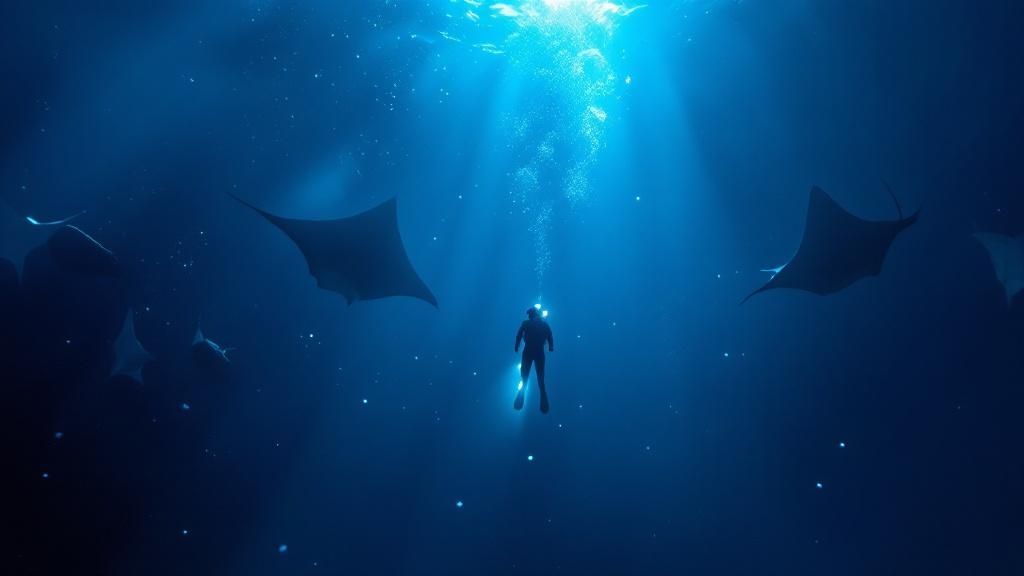
Divers settle on the sandy bottom, between 30 to 40 feet, and watch as these majestic creatures perform graceful barrel rolls and swoop just inches above their heads to feed. It’s a completely passive viewing experience that allows for an incredibly close and personal encounter without disturbing the animals. The sight of up to 40 mantas gliding through the beams of light is a truly magical and humbling moment.
Why It's a Top Dive Site
This isn't just a dive; it's a world-class wildlife encounter. The reliability and sheer number of manta rays that appear make it a must-do. The Kona coast has one of the most robust and well-studied manta ray populations, and this dive provides a front-row seat to their natural feeding behavior. The experience is both thrilling and serene, creating lifelong memories and phenomenal photo and video opportunities.
Practical Tips for Your Visit
- Book with Experts: Choose a reputable operator that follows strict Manta Ray Green List guidelines to ensure the animals' safety.
- Motion Sickness: The boat is moored for the duration of the dive. If you are prone to seasickness, consider taking medication beforehand.
- Buoyancy is Key: Maintain neutral buoyancy and stay low to the seafloor. Never reach out to touch the mantas, as this can harm their protective slime coat.
- Go Hands-Free: Let the mantas control the encounter. Simply relax on the bottom and enjoy the show unfolding above you.
This incredible experience is offered by several top-tier local companies. You can explore manta ray dive tours to find the perfect trip for your adventure.
3. Black Water Diving (Pelagic Night Diving)
For a truly unique and otherworldly experience, Black Water Diving offers an adventure unlike any other on the Big Island. Pioneered in the deep offshore waters of Kona, this advanced dive involves descending into the open ocean at night. Divers are tethered to the boat and suspended over thousands of feet of water to witness the planet's largest daily migration, as deep-sea creatures ascend towards the surface to feed under the cover of darkness.
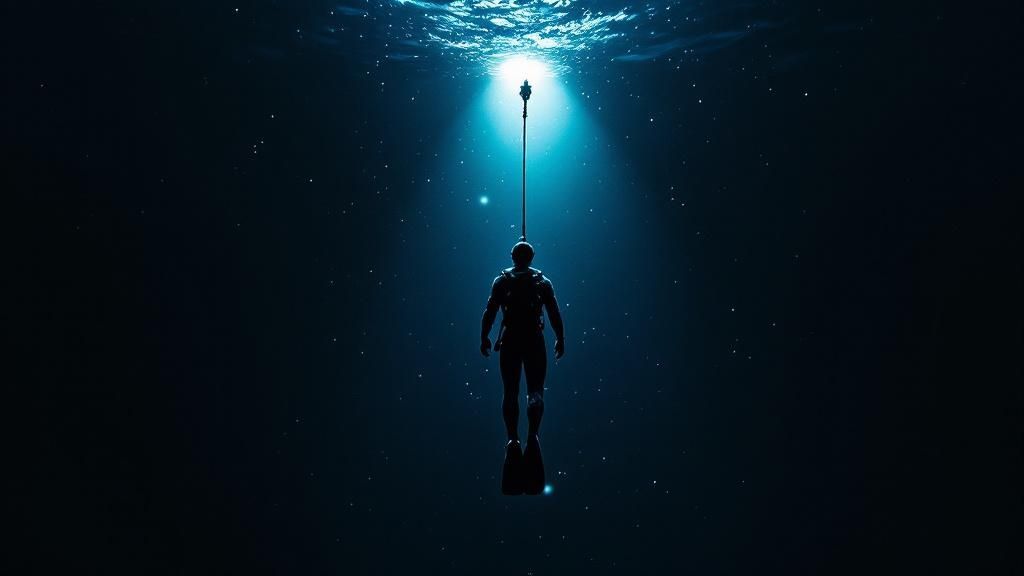
This isn't a reef dive; it's a sensory immersion into the vast, dark expanse of the open ocean. Illuminated only by your dive light, you'll float in the blackness and watch as bizarre and beautiful bioluminescent organisms drift by. It’s an opportunity to see life forms that are rarely, if ever, seen during the day or in shallower waters.
Why It's a Top Dive Site
This dive is a must for any adventurous diver seeking the extraordinary. It’s a chance to encounter incredible pelagic life, from translucent larval fish and mesmerizing siphonophores to the elusive paper nautilus. The sheer strangeness and beauty of the creatures, many of which create their own light, make for an unforgettable spectacle that feels more like a journey into outer space than an underwater dive. This is the cutting edge of recreational diving.
Practical Tips for Your Visit
- Certification: This is an advanced dive. Most operators require an Advanced Open Water certification and excellent buoyancy control.
- Mindset: Stay calm and relaxed. Your movements should be slow and deliberate to avoid startling the delicate creatures that float past you.
- Equipment: A powerful primary dive light and a backup are essential. This is also an incredible opportunity for underwater macro photography.
This highly specialized activity is best experienced with expert guides. You can learn more about a guided Kona blackwater dive to prepare for this incredible adventure.
4. Puako Reef and Tide Pools
A true hidden gem on the Kohala Coast, Puako offers some of the best and most accessible shore diving on the Big Island. This area features an extensive, healthy reef system that begins just feet from the shoreline, making it a paradise for both divers and snorkelers. The coastline is dotted with ancient tide pools and lava rock formations, creating a unique and ruggedly beautiful entry point into a vibrant underwater world.
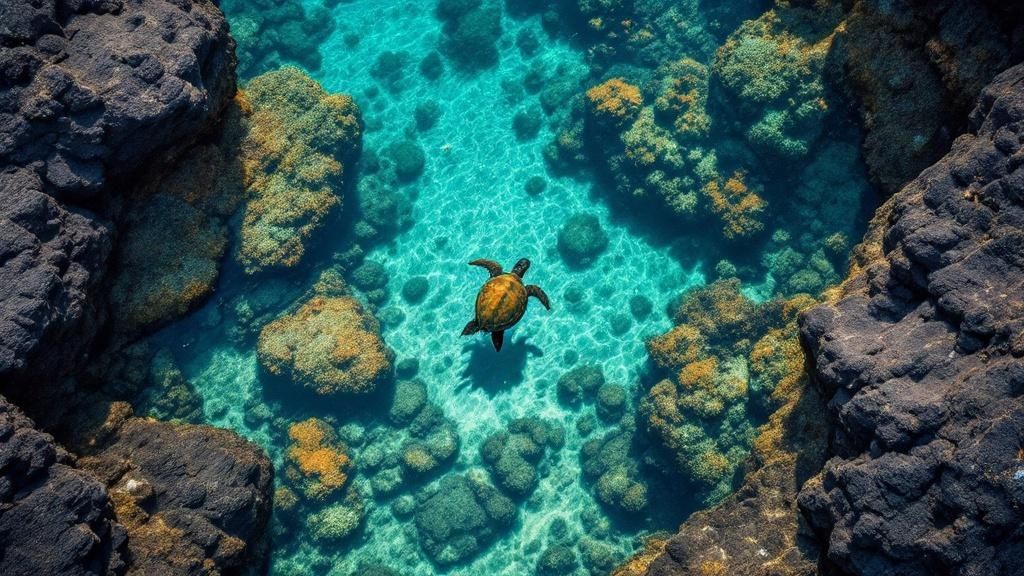
Divers can explore a shallow reef flat that gently slopes down, revealing intricate coral structures, small caverns, and lava tubes. The ease of access combined with the sheer diversity of marine life makes Puako a standout location for anyone wanting to experience premier shore diving.
Why It's a Top Dive Site
Puako is renowned for its high concentration of green sea turtles (honu), which are often seen feeding in the seagrass beds close to shore. With over 150 species of fish documented, the reef is a kaleidoscope of color and activity. Its shallow depths and excellent visibility on calm days make it an ideal spot for underwater photography and long, relaxing dives. The combination of easy access, cultural significance with nearby petroglyphs, and abundant wildlife solidifies its place as a top-tier dive site.
Practical Tips for Your Visit
- Access: Entry is via public shore access points along Puako Beach Drive. A rocky entry requires caution.
- Gear: Reef shoes or sturdy booties are essential for navigating the rocky shoreline safely.
- Conditions: Always check surf and tide reports before entering. The best conditions are typically during calm seas and an incoming tide for better visibility.
- Respect: This area is culturally significant. Do not touch or disturb marine life or any historical sites.
Because shore diving requires planning, many divers prefer guided diving tours that handle all the logistics for you.
5. Honaunau Bay (Two Step/City of Refuge)
Honaunau Bay, renowned for its easy shore access and calm, protected waters, is one of the most beloved spots for diving on the Big Island. Located adjacent to the culturally significant Pu'uhonua o Honaunau National Historical Park, this site offers an exceptional combination of natural beauty and historical context. The popular entry point, a smooth lava rock formation known as "Two Step," allows divers and snorkelers to effortlessly slip into the vibrant underwater world.
The bay features a shallow, sandy bottom that gradually slopes into a thriving reef system with depths from 15 to 40 feet, and dropping off further out. Visibility is typically excellent, making it an ideal location for divers of all skill levels, especially beginners practicing their buoyancy or those who prefer a relaxed shore dive without the need for a boat.
Why It's a Top Dive Site
Two Step is celebrated for its incredible biodiversity and consistently clear conditions. The bay is a haven for Hawaiian green sea turtles (honu), which are frequently seen resting on the sandy bottom or feeding on the reef. The coral gardens are in fantastic health, hosting a colorful array of marine life including parrotfish, triggerfish, and various species of tangs and wrasses. The easy access and shallow depths make it perfect for underwater photography and long, leisurely dives.
Practical Tips for Your Visit
- Access: This is a shore dive. Enter via the "Two Step" lava rock formation. Be mindful of your footing and check ocean conditions before entering.
- Timing: Arrive early in the morning to secure a parking spot and enjoy the calmest water before the afternoon crowds arrive.
- Cultural Respect: Combine your dive with a visit to the adjacent National Park, and remember this is a sacred area. Be respectful of the cultural significance of the place.
For those who prefer a guided experience or want to explore multiple sites, many local operators offer comprehensive diving tours that showcase the best of the Kona coast.
6. Kailua-Kona Shore Diving Sites
For divers who appreciate convenience and independence, the Kailua-Kona coastline offers a fantastic array of shore diving sites. These easily accessible spots allow you to dive on your own schedule without needing a boat charter, making them a popular choice for both locals and visiting certified divers. The sites vary in difficulty, from calm, protected bays ideal for beginners to more complex entries and deeper profiles for experienced divers.
Many of these locations, like Kahalu'u Beach Park, feature shallow reefs perfect for training or a relaxed dive, while others like Old Airport Park provide intriguing lava tube formations. This variety ensures that shore diving the Big Island provides diverse underwater landscapes right from the beach.
Why It's a Top Dive Site
The primary appeal of Kona's shore dives is their unparalleled accessibility and cost-effectiveness. You can simply park your car, gear up, and walk into the water. These sites offer a surprising density of marine life, including green sea turtles, eels, and large schools of reef fish, often just a short swim from the entry point. This makes them perfect for impromptu dives, night diving, or for divers who want to build confidence and hone their navigation skills in a less structured environment.
Practical Tips for Your Visit
- Conditions: Always check the surf and current reports before heading out. Conditions can change rapidly, and entry/exit points can become hazardous.
- Skill Level: Start with easier sites like Kahalu'u Beach Park before attempting more challenging entries. If you're new to the area, consider hiring a local guide for your first few dives.
- Respect: These are public parks and beaches. Be mindful of others, follow all posted park rules, and practice good dive etiquette.
Exploring these locations is a rewarding aspect of diving the Big Island. You can learn more about the best shore diving on the Big Island to plan your underwater adventures.
7. Advanced Wreck and Drift Diving Sites
For experienced divers seeking a more thrilling challenge, the Big Island offers several advanced sites that test skills and reward with unique underwater encounters. These dives often involve deeper depths, stronger currents, or specialized environments like wrecks, requiring advanced certification and a solid understanding of dive planning. These sites provide access to dramatic underwater topography and larger pelagic species.
Drift dives along the Kona coast’s steep drop-offs allow divers to effortlessly cruise past pristine deep coral formations while watching for sharks and schooling fish in the blue. Artificial reefs, such as intentionally sunk vessels, become incredible habitats for marine life, creating a complex structure for exploration. These dives offer a different perspective on the vibrant ecosystem of Hawaii.
Why It's a Top Dive Site
These advanced sites are a must for certified divers looking to expand their experience beyond standard reef tours. The potential to see larger animals like eagle rays, hammerhead sharks, and massive schools of jacks increases in these deeper, current-swept environments. Wreck sites offer a fascinating glimpse into how nature reclaims man-made objects, with coral and sponges colonizing every surface.
Practical Tips for Your Visit
- Certification: An Advanced Open Water certification or higher is typically required. Recent dive experience and excellent buoyancy control are essential.
- Guidance: Always dive with a reputable local operator who is experienced with these specific sites. Their knowledge of currents and conditions is invaluable.
- Equipment: Carry a surface marker buoy (SMB) and a signaling device. A dive computer is mandatory for managing decompression limits on deeper dives.
To explore these exhilarating environments safely, consider booking a guided trip with experts. You can learn more about advanced dive tours and find an excursion that matches your skill level.
Big Island Diving Sites Comparison
| Dive Experience | Core Features / Highlights | User Experience & Quality ★★★★☆ | Value & Price 💰 | Target Audience 👥 | Unique Selling Points ✨ |
|---|---|---|---|---|---|
| Kealakekua Bay (Captain Cook) | Marine conservation, crystal-clear water, historic | Excellent visibility, calm conditions | Moderate | Beginners to intermediate divers | Protected bay, rich history, diverse reefs 🏆 |
| Manta Ray Night Dive | Year-round manta encounters, night dive, special lights | Nearly guaranteed manta sightings | Higher cost | Intermediate to advanced divers | World-famous manta ray interaction ✨🏆 |
| Black Water Diving | Deep pelagic night dives, tethered system, rare species | Cutting-edge, intimate, science-focused | Premium, specialized | Advanced to expert divers | Witness unique deep-sea migration ✨🏆 |
| Puako Reef & Tide Pools | Shore entry, ancient fishponds, rich biodiversity | Good visibility, less crowded | Free access | Beginners to intermediate divers | Cultural sites & easy beach access 🏆 |
| Honaunau Bay (Two Step) | Lava rock entry, calm waters, diverse marine life | Excellent visibility, family friendly | Moderate | Beginners and families | National historical park proximity ✨ |
| Kailua-Kona Shore Diving | Multiple shore entries, varied skill levels | Convenient, urban access | Moderate | All skill levels | Urban shore diving, lifeguards at sites |
| Advanced Wreck & Drift Diving | Deep dives, strong currents, technical diving | Dramatic underwater landscapes | Premium | Advanced and technical divers | Unique topography, pelagic life, technical dives ✨ |
Choosing Your Ideal Big Island Dive Adventure
The Big Island of Hawaii presents an unparalleled underwater canvas, a place where volcanic landscapes plunge into the Pacific to create a diver’s paradise. As we've explored, the sheer variety is astounding. You can glide through the historically rich and vibrant reefs of Kealakekua Bay, feel the humbling presence of giant mantas on a world-famous night dive, or brave the inky depths to witness the bizarre and beautiful creatures of the pelagic zone on a blackwater dive. From the accessible and rewarding shore dives at Honaunau Bay to the challenging drifts for advanced divers, every experience offers a unique window into Hawaii's marine ecosystem.
The key takeaway is that successful diving big island adventures are built on thoughtful planning. Understanding your own skill level, knowing the seasonal nuances, and selecting the right dive profile are crucial first steps. Whether you are captivated by the intricate macro life hiding in coral gardens or the adrenaline of a deep-water drift, Hawaii’s Kona coast has a dive site perfectly suited to your aspirations. Your next step is to transform this knowledge into action. Review the sites that sparked your interest, consider what kind of marine life you most want to see, and decide if you prefer the convenience of a boat charter or the independence of a shore dive.
Ultimately, the most critical decision is choosing a professional, safe, and conservation-minded dive operator to guide you. An expert crew not only ensures your safety but also enhances the entire experience by sharing local knowledge and pointing out marine life you might otherwise miss. They handle the logistics of gear, tanks, and transport, allowing you to focus purely on the breathtaking beauty of the underwater world. By aligning your goals with the right dive plan and a trusted operator, you’re not just planning a dive; you’re crafting a memory that will last a lifetime. The vibrant reefs, ancient lava tubes, and majestic creatures of the Big Island are waiting.
Ready to experience the best diving Big Island has to offer? The expert team at Kona Honu Divers specializes in creating safe, unforgettable underwater adventures, from the iconic Manta Ray Night Dive to advanced charters. Let their passion and professionalism guide you beneath the waves.