
You're probably staring at a trip calendar, comparing dive shops, wondering how many days you need, whether the manta dive is worth the hype, and if blackwater is amazing or just intimidating. That's the right way to approach diving the Big Island. Kona rewards a little planning.
The west side of Hawaiʻi Island is different from a lot of tropical dive destinations. The volcanoes shelter the Kona coast from the trade winds, which is why conditions are so often calm and clear. That protection is a huge reason so many divers come back year after year. It's also why the area supports a serious dive culture instead of just a few vacation charters.
Welcome to the Diver's Paradise of Kona
A lot of divers arrive expecting pretty reef diving and leave talking about how easy the whole coast feels to dive. Entry and exit are often simpler than people expect. Boat rides are manageable. Briefings are usually focused on marine life and site structure instead of weather problems. That changes your whole trip. You spend more time diving and less time dealing with rough water.
The hard numbers back up Kona's reputation. The coast's volcanic geography helps create consistently calm, clear water with visibility often exceeding 100 feet, and this stretch of shoreline sees over 100,000 certified dives annually across more than 50 unique dive sites according to this Kona diving overview. That's not just a pretty place to dive. It's a mature, heavily used dive destination with the infrastructure and variety to support new divers, photographers, families, and experienced repeat visitors.
If you want the short version of why diving here feels different, this look at what makes Kona diving unique gets to the heart of it. The coast combines reef structure, lava topography, dependable conditions, and open-ocean access in a way few places do.
What that means for your trip
Some destinations force you to choose between easy diving and memorable wildlife. Kona often gives you both. You can do a relaxed reef dive in the morning, then an iconic night dive later without feeling like you spent the whole day battling current or swell.
Here's the practical takeaway:
- If you're newly certified, Kona is forgiving enough to build confidence.
- If you're experienced, the coast has enough range that you won't get bored.
- If your group has mixed skill levels, it's one of the easier places to keep everyone happy.
Practical rule: The best Big Island dive trips aren't built around cramming in the most dives. They're built around matching the right dives to the right energy level.
Two Dives You Absolutely Cannot Miss
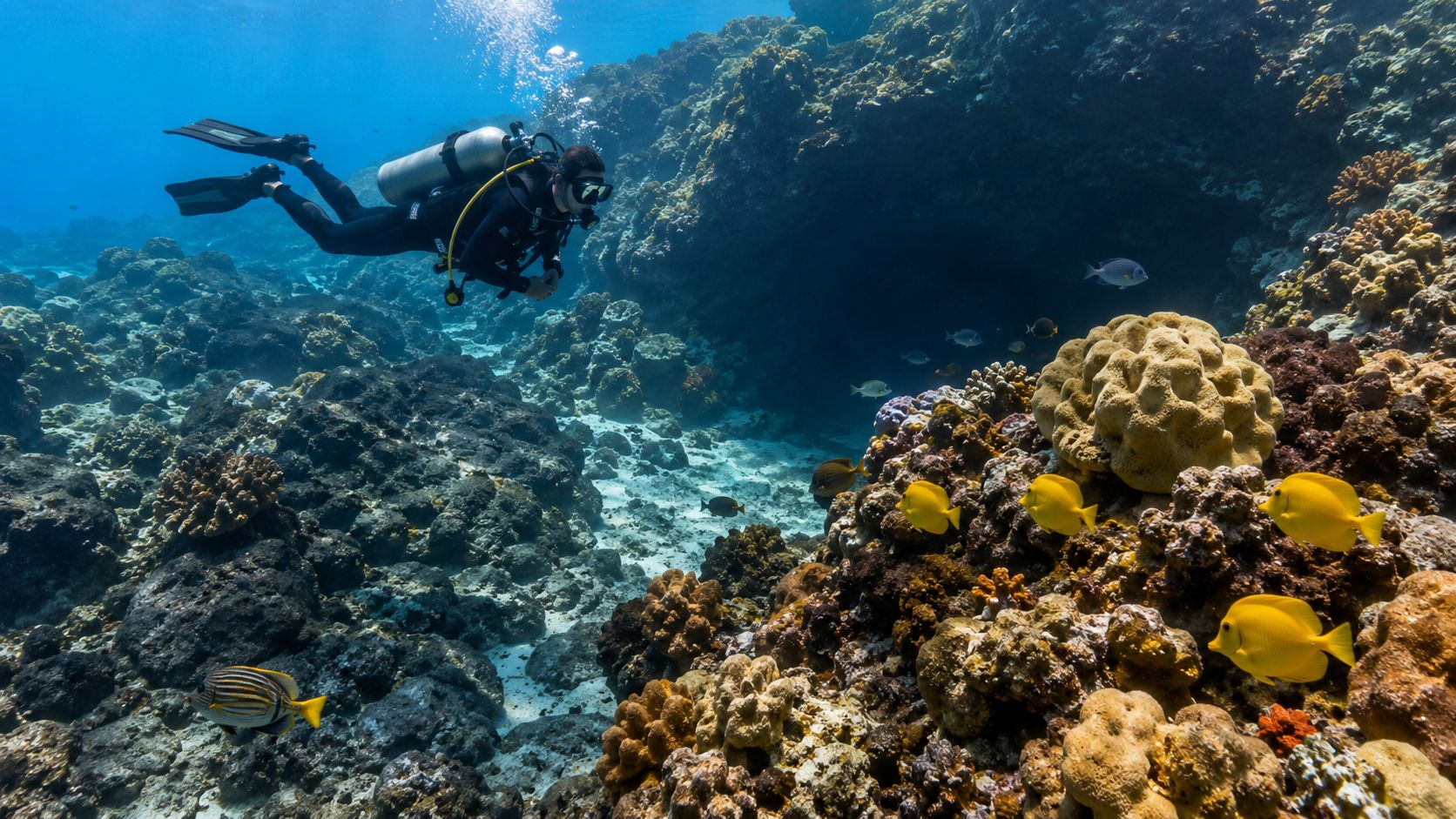
If you only remember two names when planning a Big Island dive trip, make them the Manta Ray Night Dive and the Blackwater Dive. They are completely different experiences. One is smooth, theatrical, and accessible to a broad range of divers. The other feels like drifting in space and demands much more composure.
The manta ray night dive
The manta dive is famous for a reason, but there's a right way to choose it. The dive typically takes place at 30 to 40 feet, where light boards attract plankton and trigger the manta feeding behavior known as the campfire effect. That setup produces a 95% encounter rate, with 10+ manta rays per session documented, and some rays reach wingspans of up to 12 feet, as described in this Kona manta dive explanation.
That's the mechanics. The practical side matters just as much.
Divers need to stay low, remain predictable, and avoid chasing the animals. The best manta dives happen when the group settles in quickly and lets the rays work the light field. If divers keep shifting position, the encounter becomes shorter and more chaotic.
For site choice, Garden Eel Cove is the superior option. It's better protected, the viewing area is stronger, and the surrounding reef makes the full dive feel better before the mantas even arrive. If your trip includes this experience, I'd lean toward operators who run it there rather than treating all manta sites as interchangeable.
If you want to understand the experience before booking, this overview of the manta ray night swim is a useful primer. For a direct booking option, the dedicated manta ray dive tour page is the page to check.
Stay still, keep your bubbles steady, and watch the water column above the lights. That's where the magic happens.
The blackwater dive
Blackwater isn't just “a night dive in deep water.” That description undersells it badly.
On the Kona Blackwater Dive, the boat drifts over water deeper than 3,300 feet (1,000 meters) while divers tether to a 55-foot (16-meter) line hanging beneath a sea anchor. The whole point is to observe the nightly vertical migration of pelagic life into the illuminated water column, including zooplankton, larval fish, siphonophores, pelagic sea horses, and free-swimming pyrosoma that can emit bioluminescence, as described in this Big Island blackwater overview.
That environment changes everything about how you dive.
There's no bottom reference. No reef. No wall. No obvious sense of distance beyond the line and the lights. Divers who rely on terrain for comfort can feel disoriented. Divers with strong buoyancy and a calm head usually love it.
Who should do which dive
Use this simple comparison when planning:
| Dive | Best for | What works | What doesn't |
|---|---|---|---|
| Manta Ray Night Dive | Most certified divers | Staying low, staying still, following light etiquette | Fidgeting, finning around, trying to get closer |
| Blackwater Dive | Experienced divers who are comfortable in open water | Excellent buoyancy, patience, narrow visual focus | Treating it like a reef night dive |
If you're interested in booking the open-ocean option, use the dedicated Blackwater Dive tour page.
Exploring Kona's Diverse Underwater Landscapes
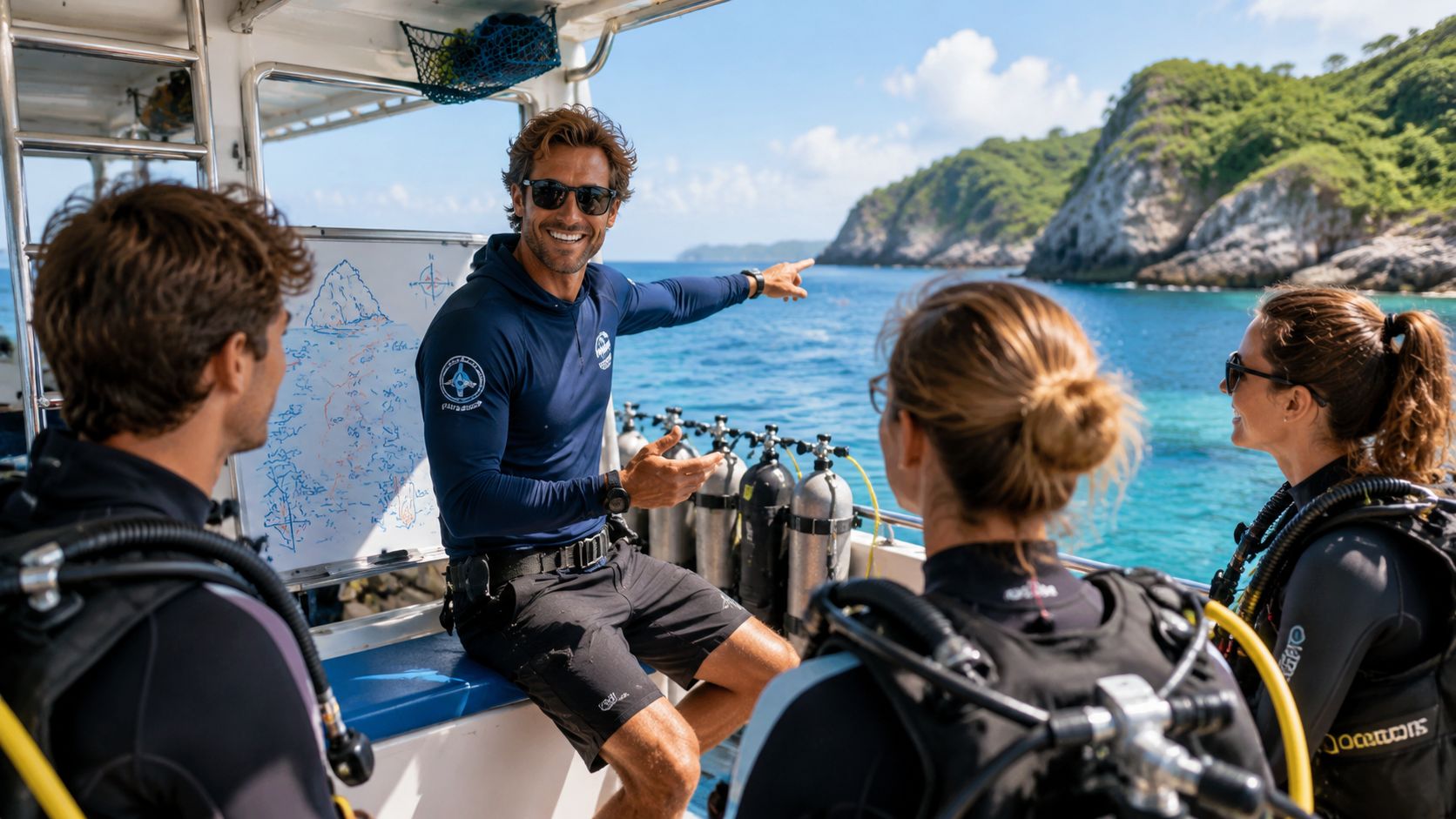
Kona is deeper than its two headline dives. The smart way to plan the rest of your trip is to group sites by the kind of diving you enjoy, not by whatever sounds most dramatic in a brochure.
For newer divers and easy confidence
The shallow reef side of diving Big Island is where many visitors settle in. These dives are usually the right place to check weighting, get comfortable with local conditions, and start noticing the details that make Hawaiian reefs different. Turtle encounters, reef fish, lava structure, and good natural light make these dives especially strong early in a trip.
This is also where many mixed-experience groups do well. The diving is engaging without making less experienced buddies feel rushed.
For divers who want structure and terrain
Kona's lava topography is the actual backbone of the coast. Arches, caverns, ledges, and old volcanic formations give the dives shape. That matters more than people realize. Interesting terrain can make a moderate-depth dive far more memorable than a deeper site with less character.
If blackwater has your attention but you're not quite sure you're ready, reading more about the Kona black water dive helps separate curiosity from actual readiness.
For advanced divers and wildlife-focused trips
Some divers want longer rides, less common sites, or more advanced profiles. That's where choosing the right operation matters. A general Big Island diving tours page is a good starting point if you want to compare standard day diving with more specialized outings. Divers looking for more ambitious profiles should look at an advanced long-range dive tour instead of trying to force a regular trip to deliver the same experience.
One of Kona's most talked-about shore encounters is at Honokohau Harbor. The site is known for a predictable meeting with a 14-foot tiger shark called Laverne, but that reliability comes with a responsibility. According to this Big Island dive guide, the sustainability of that encounter depends on strict diver etiquette so people don't disrupt the shark's natural patterns.
That point gets skipped too often. A “predictable” shark does not mean a managed attraction. It means divers need to behave better, not looser.
- Good judgment looks like this: controlled movement, no crowding, no touching, no attempts to manufacture a closer pass.
- Poor judgment looks like this: treating a wild animal like a photo prop because the site has a reputation.
- A significant trade-off: easy access can make people casual. Casual divers around a tiger shark are not helping the future of that encounter.
Wild encounters stay special when divers protect the conditions that made them possible.
How to Choose the Right Big Island Dive Operator
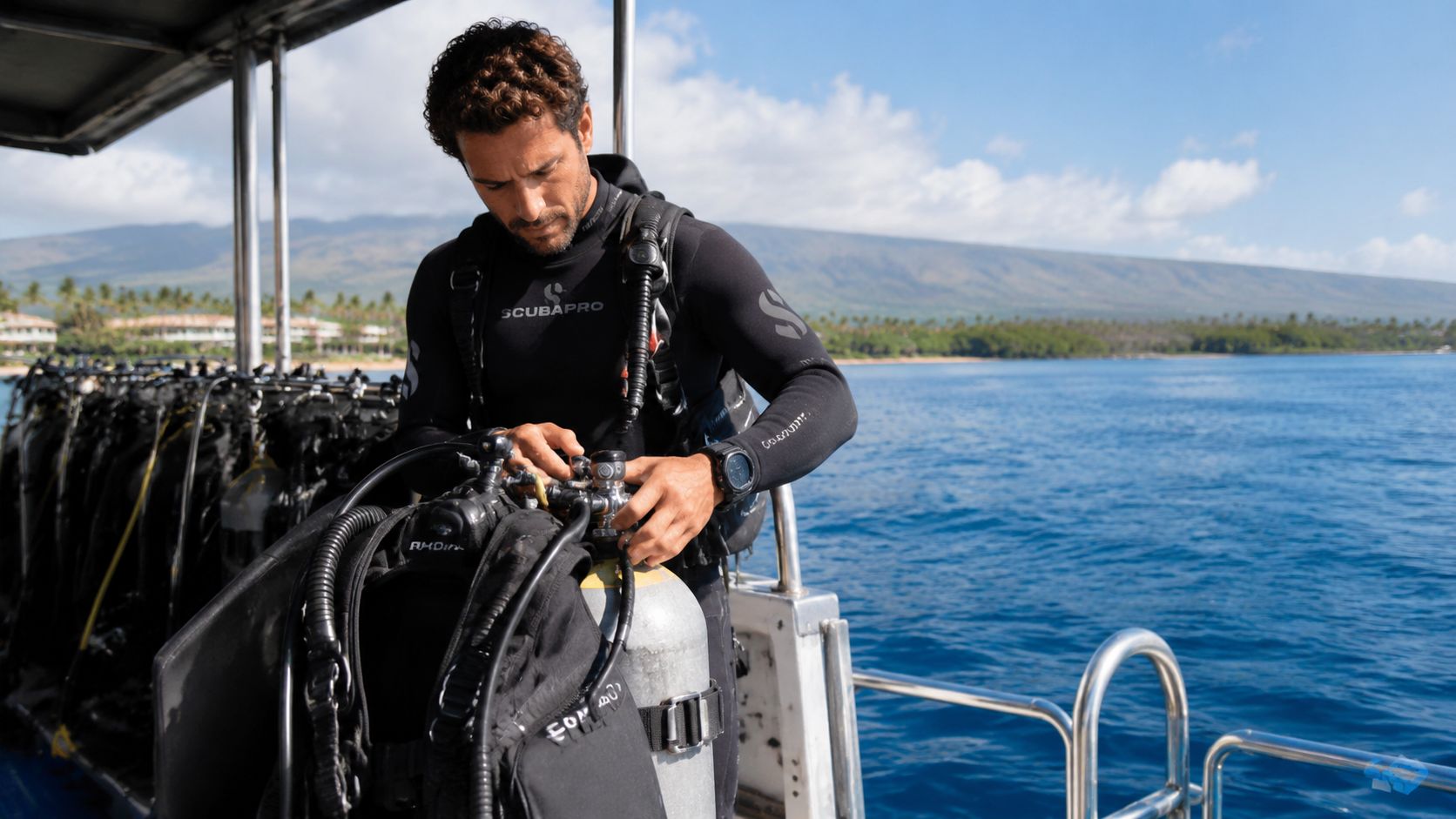
Most dive disappointments on the Big Island don't come from the ocean. They come from booking the wrong operation for the dives you want to do. A diver books based on price alone, ends up on a boat that doesn't match their goals, and leaves saying the island was overhyped. Usually the island wasn't the problem.
Match the operator to the dive type
A manta dive, a basic reef charter, a blackwater trip, and a more advanced offshore outing should not be treated as the same product. Some boats are set up for comfort and broad appeal. Some crews are stronger with nervous divers. Some operations are more dialed in for advanced logistics.
Use this checklist before you book:
- Safety culture: Listen for clear briefings, behavioral expectations, and site-specific procedures.
- Boat fit: Shade, entry setup, space to gear up, and how crowded the deck feels all affect the day.
- Crew style: The best crew for one diver might not be the best for another. Some people want coaching. Others want efficiency.
- Trip design: Ask whether the operator runs the specific experience you want regularly or just occasionally.
- Group matching: Similar experience levels on the same trip usually produce better diving for everyone.
What separates a solid operation from a weak one
A good operator tells you when a dive isn't a match for your current skill or comfort level. A weak one tells everyone yes and sorts it out on the boat.
I'd also pay attention to whether the shop gives you useful answers or vague reassurance. If you ask about current, site profile, or blackwater prerequisites and get a fluffy answer, keep looking.
One option many divers consider is Kona Honu Divers, which offers reef dives, manta trips, blackwater dives, courses, rentals, and advanced outings. Other commonly known names in the area include Jack's Diving Locker and Big Island Divers. The important part isn't brand familiarity by itself. It's whether that operator consistently runs the kind of diving you came for.
Questions worth asking before you hand over a credit card
Ask these directly:
- How do you screen divers for blackwater or advanced trips?
- What's your briefing like for the manta dive?
- How do you handle mixed experience levels?
- Is gear setup done for you, assisted, or fully self-service?
- If conditions change, how do you decide on alternate sites?
Those answers will tell you more than polished marketing copy ever will.
Essential Trip Planning and Safety Tips
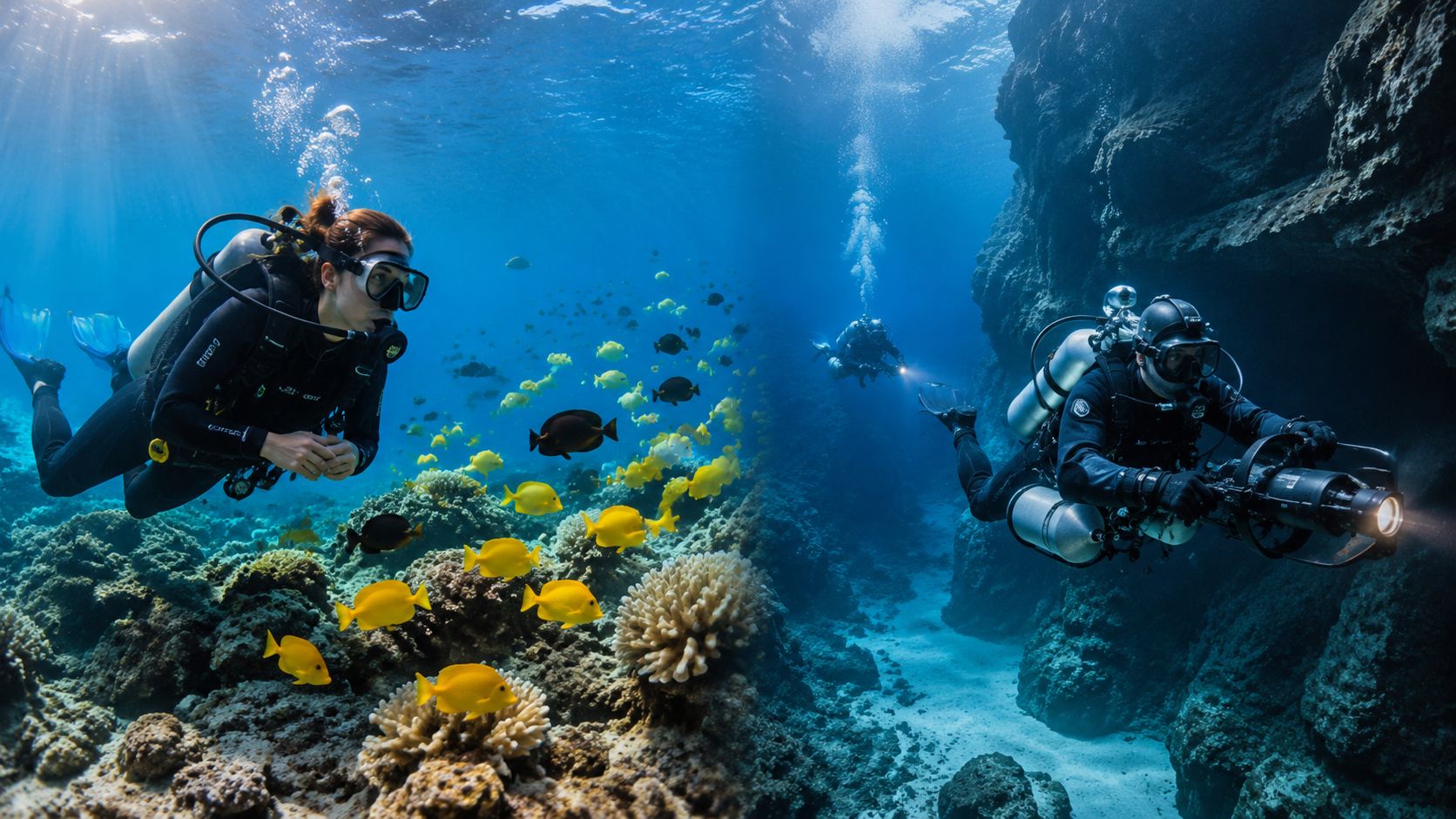
Trip planning for diving Big Island gets easier when you stop treating every day as interchangeable. Put your highest-priority dives earlier in the trip, leave room for weather or schedule shifts, and don't stack your most demanding dives back-to-back unless you know you handle fatigue well.
Certification and gear decisions
Most reef charters are a straightforward fit for certified recreational divers. Blackwater is different. You should be comfortable with buoyancy, calm in low-reference environments, and honest about whether open-ocean night diving suits you.
For gear, bring the pieces that affect your comfort most if you already know what works for you. Mask, computer, and exposure protection are the usual priorities. Renting full gear is fine for many visitors, but unfamiliar masks and fins can turn an easy dive into an annoying one.
Seasickness prevention that actually helps
Boat motion ruins more dive days than bad air consumption or bad photography ever will. If you're prone to nausea, deal with it early instead of hoping for the best.
A verified non-medication approach is to take 1g of ginger root extract 4 to 6 hours before departure and apply Sea-Band acupressure bands 1 hour prior, which can be effective in up to 67% of cases according to this Kona seasickness guidance. For a deeper breakdown, this guide on how to avoid sea sickness is worth reading before your trip.
If you want purchase options, these are commonly used:
- Patch option: Ship-EEZ Seasickness Patch
- Classic medication: Dramamine pills
- Another medication option: Bonine pills
- Acupressure bands: Sea Band wristbands
- Simple ginger backup: Ginger chews
On-the-boat advice: Eat light, stay hydrated, and get your prevention in place before the boat leaves the harbor. Waiting until you feel bad is usually too late.
If you start feeling sick underwater
One of the most useful pieces of dive advice for Kona boat diving comes from DAN. If you begin feeling ill underwater, ask to be one of the first divers to enter the water. Once submerged, your body often stops receiving the same conflicting motion signals, and nausea can ease within minutes according to DAN's seasickness prevention and treatment advice.
That sounds backward to nervous divers, but it often works.
Sample Itineraries and Dive Packages
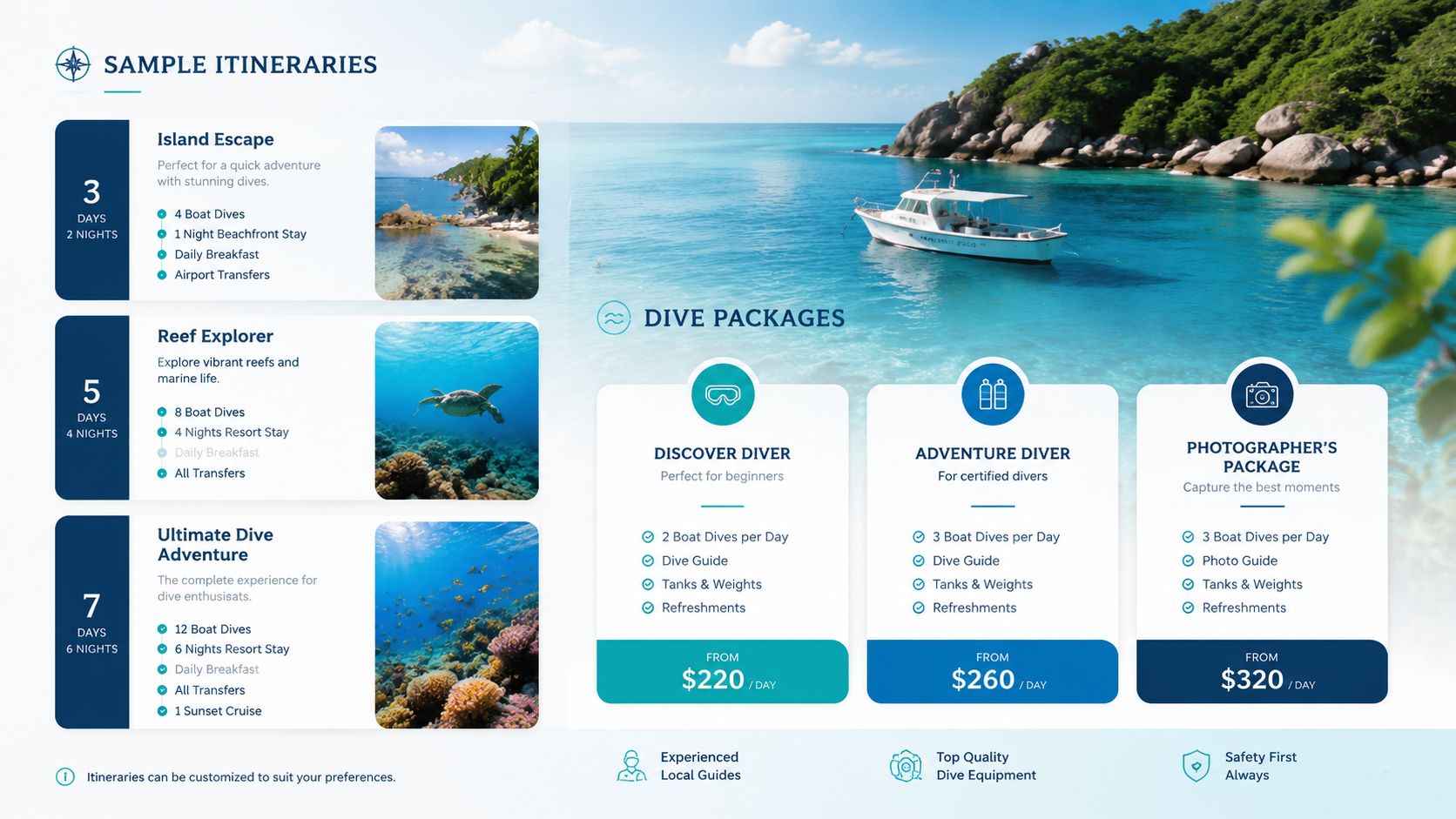
A good Kona trip has rhythm. Your first dives should settle you in. Your marquee dives should happen when you're comfortable, rested, and not still fumbling with rental straps. The strongest itineraries build confidence first, then layer in the experiences you came for.
Long weekend plan for newer divers
If you've got three or four days and want a balanced trip, keep it simple.
Day 1
Start with an easy reef charter. Get your weighting sorted out, adjust to local visibility, and shake off travel stiffness. Don't make your first ocean dive after a long flight the most demanding one on your schedule.
Day 2
Do another daytime reef dive or a relaxed two-tank morning. This is the day to settle your buoyancy and camera habits if you brought one. Divers who do this tend to enjoy the night dives more because they aren't still adapting.
Day 3
Book the manta dive. By this point you're relaxed, your ears and trim are dialed in, and you're much more likely to stay still and enjoy the show instead of task-loading yourself.
Full week plan for experienced divers
A longer trip gives you room to sequence the high-value experiences better.
Try this flow:
- Arrival phase: easy reef diving first, especially if you haven't dived recently
- Mid-trip highlight: manta night dive once you're settled
- Experienced-diver window: blackwater after a day where you felt sharp and comfortable
- Big-finish option: add a longer-range or more advanced charter near the end of the dive portion of the trip
That sequencing works because blackwater asks for attention and control, not just enthusiasm. It also leaves you space to repeat your favorite experience rather than feeling locked into a rigid plan.
How to think about packages
Packages work when they reduce friction, not when they pressure you into overbooking. The right package helps with scheduling, repeat diving, and fitting in one signature night dive without scrambling for separate reservations.
Some divers also look specifically for practical extras such as early diver discounts or complimentary Nitrox. If you use Nitrox and understand your computer settings, that can be a useful perk on a multi-day plan.
Frequently Asked Questions About Kona Diving
What marine life can I expect besides manta rays
Plenty. The coast is known for green sea turtles, spinner dolphins, and many endemic fish species. On blackwater, the focus shifts toward pelagic larval life and gelatinous drifters. On reef dives, you're usually watching the structure and fish community together, not just hunting for one big animal.
Is Nitrox available, and should I use it
Many Kona divers prefer Nitrox on multi-day trips because it can fit well with repetitive recreational profiles. Whether you should use it depends on your certification, your computer setup, and the actual dive plan for the day. If you're certified and comfortable analyzing tanks and setting your computer correctly, it's often worth considering.
Is Kona good for newer divers
Yes, often more than people expect. The sheltered west coast and generally manageable conditions help a lot. That said, “new diver friendly” does not mean every dive is for every diver. A standard reef trip and a blackwater night dive are completely different asks.
What's the biggest mistake visitors make
They overschedule. People try to do every famous dive in too few days, then end up tired, mildly seasick, and less present underwater. Give yourself room to adjust, repeat a favorite site, or move a demanding dive if your body says no.
Should I do shore diving or boat diving
That depends on your priorities. Shore diving can be flexible and rewarding if you know the entries and conditions. Boat diving is usually the better fit if you want smoother logistics, guided site selection, and access to marquee experiences like manta and blackwater.
How many days should I plan for diving
More than you think, if diving is the main reason you came. A short trip can absolutely work, but Kona gets better when you have enough time to combine easy day diving with one or two specialty dives without rushing every decision.
If you're ready to build a dive trip around the right mix of reef dives, manta, and blackwater, Kona Honu Divers is a practical place to start comparing schedules, tours, and training options.