
You're probably in one of two places right now. You've either booked a Hawaii trip and want to know which dives are worth your time, or you're staring at a list of Kona options and realizing that “Big Island diving” can mean anything from an easy reef cruise to a night drift over deep ocean.
That's where most divers get stuck. Not because the Big Island lacks choices, but because it has so many different experiences packed into one coastline. Newer divers want warm water, easy entries, and something memorable without getting in over their heads. Experienced divers want the unusual stuff. Mantas, blackwater, advanced long-range runs, and dives that don't feel like the same reef day repeated five times.
The good news is that diving the Big Island rewards clear decision-making. Pick the right trip for your comfort level, and Kona can feel effortless. Pick the wrong one because it sounded cool on social media, and you can spend your vacation stressed, seasick, or underwhelmed.
Welcome to an Underwater Paradise
You land on the Big Island, step into warm air, and the pace changes fast. Kona doesn't feel like a place where you rush. The lava coastline is stark above water, then you drop below the surface and it turns into a very different world. Coral heads, lava fingers, turtles on the reef, schools of fish moving through blue water, and night dives that don't look like anything on a standard tropical vacation.
That contrast is what pulls people into diving Big Island year after year. The surface looks rugged and volcanic. Underwater, the west side of the island often feels calm, open, and welcoming. You can spend one day on an easy daytime reef dive, then do a completely different experience after dark.
A lot of visitors start with broad plans. “We want to dive Kona.” That's not enough. The better question is what kind of dive day you want. Some people want relaxed wildlife encounters and long, easy boat rides. Others want signature experiences with a stronger mental component, especially at night.
One of the easiest ways to get oriented is to start with a local operator that lays out the actual options clearly, like Kona dive and snorkel planning through Kona Honu Divers. Once you understand the menu, the Big Island gets easier to explore.
The best Big Island trips aren't built by cramming in every famous dive. They're built by matching the dive to the diver.
If you do that well, the island gives a lot back. Calm mornings. Warm water. Excellent visibility. Big animal encounters. And enough variety that beginners, photographers, families, and veteran divers can all leave happy on the same trip.
Why Kona is a World-Class Diving Destination
Kona earns its reputation from conditions, not hype. The west side of the Big Island sits in a leeward position, so it's protected from prevailing trade winds. That protection is a big part of why the Kona coast offers underwater visibility that regularly exceeds 100 feet (30 meters) on clear days and keeps those conditions reliable through the year, along with water temperatures of 75°F to 85°F (24°C to 29°C), according to Love Big Island's overview of Big Island scuba diving.
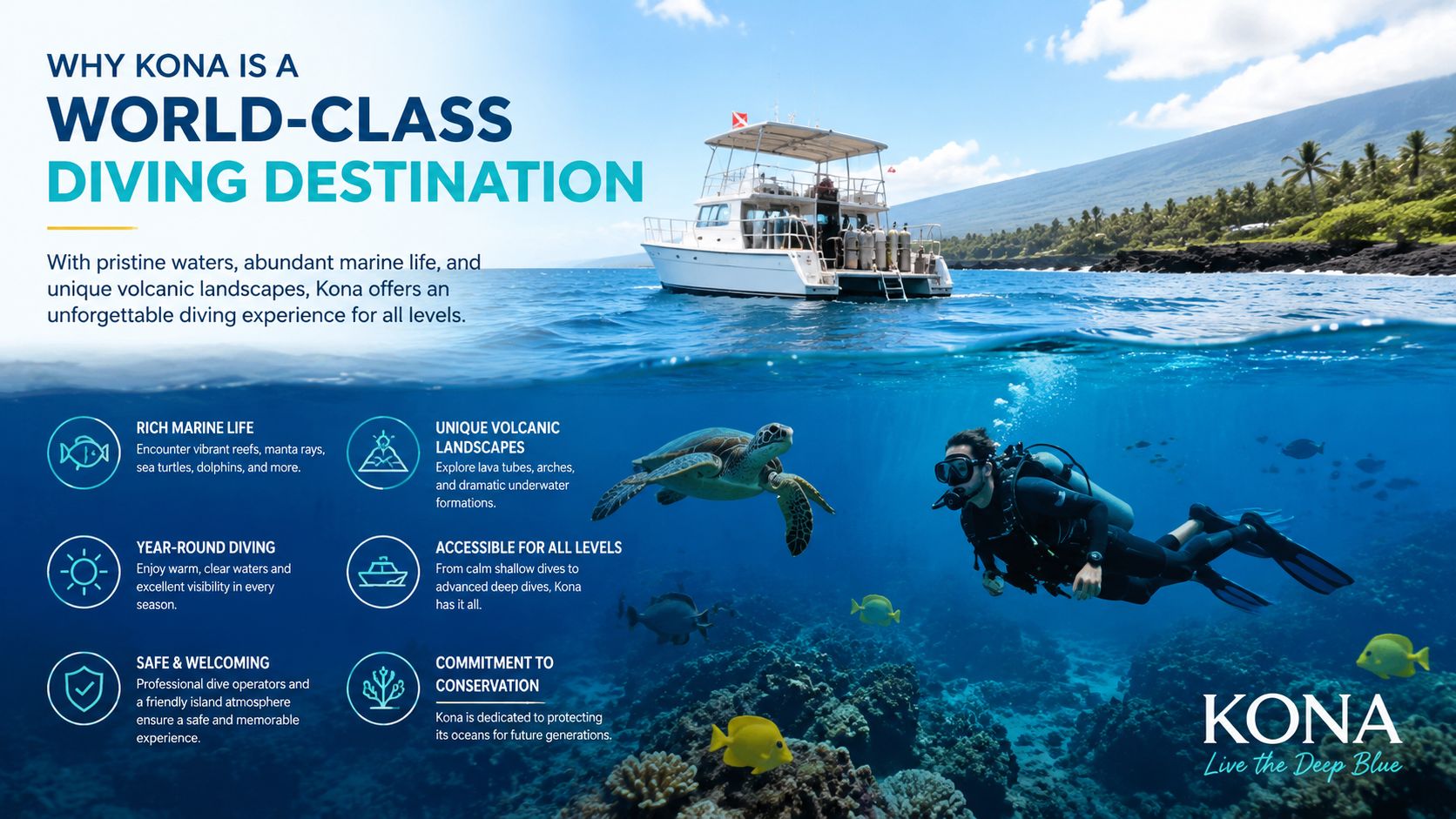
Those numbers matter because they change the entire feel of a dive. New divers burn less mental energy when they can see clearly and don't have to fight rough surface conditions. Experienced divers get more out of every site because visibility improves navigation, photography, and situational awareness.
The geology helps more than most visitors realize
Kona's volcanic coastline does some quiet work in the background. The lack of significant river runoff and limited sediment suspension help keep the water clean and clear. That's a major reason the diving feels so consistent compared with destinations where rain and runoff can change the day in a hurry.
The lava topography also creates structure. Marine life uses those ledges, cracks, arches, and reef edges in ways that make dives feel active without being chaotic. You're not just looking at a flat reef. You're moving through habitat.
The marine life has real character
The Big Island supports one of the world's highest rates of endemism for marine fish and invertebrates, which makes Kona more than a pretty-water destination. You're not only seeing tropical marine life. You're seeing a place with its own biological identity.
For practical trip planning, that means Kona works for several kinds of divers:
- Newly certified divers who need forgiving conditions
- Wildlife-focused travelers who care more about animals than depth
- Photographers who want clean water and strong ambient light
- Returning divers who are tired of destinations that look similar from site to site
A good background read on that local character is what makes diving in Kona unique.
Local takeaway: Big Island diving feels easy on a good day, but that ease comes from geography. Warm water and protection from the wind are doing a lot of the work.
That's why Kona has range. You can treat it as a comfortable dive vacation, or you can use those reliable conditions as the platform for much more unusual dives.
The Big Island's Signature Dives You Cannot Miss
Your first night in Kona can go two very different ways. One diver drops onto a sandy bottom, looks up, and spends the dive laughing into a regulator while manta rays barrel roll through the lights. Another hangs in black open water offshore, focused on breathing rate, trim, and the strange small creatures drifting up from the deep. Both are signature Big Island dives. They are not the same decision.
That distinction matters more than the site names. The best choice depends on what you want from the dive, how comfortable you are at night, and whether you enjoy spectacle, observation, or a little mental pressure.
Manta ray night dive for divers who want a high-reward first night dive
The manta night dive is Kona's marquee experience for a reason. The profile is usually manageable for a wide range of certified divers, the viewing is concentrated, and the payoff can be huge. Divers settle near the light source while plankton gathers in the beam. The mantas come in to feed, often passing close overhead again and again.
For many visitors, this is the right first signature dive because the task load stays fairly contained. You are not covering a lot of ground. You are not managing a complex descent over featureless water. You get to focus on buoyancy, awareness, and the animals.
Site selection still matters. Garden Eel Cove is a strong choice for divers who want a more organized layout and a setting that often feels calmer than a more exposed option. Newer divers, anxious night divers, and underwater photographers usually appreciate that.
If you want a clearer sense of how the experience is structured, review what the manta ray tour experience is like in Kona.
Blackwater for divers who are calm in the dark and curious enough to enjoy it
Blackwater is the dive I advise people to choose, not bravely.
You descend at night over deep ocean, usually clipped into a downline system, and spend the dive suspended in open water watching larval fish, pelagic drifters, squid, and other animals most reef divers never notice. It is one of the most unusual dives offered anywhere in Hawaii. It is also the one most likely to expose a mismatch between a diver's certification card and actual comfort level.
The challenge is rarely gas consumption or depth. The challenge is psychological control. Divers who do well on blackwater tend to have steady buoyancy, good situational awareness, and no need to constantly look at the bottom for orientation, because there is no bottom in sight. If darkness, blue-water exposure, or loss of visual reference already raises your heart rate, this is a dive to postpone, not force.
That trade-off is real. For the right diver, blackwater can be the most memorable dive of the trip. For the wrong diver, it can feel long before it feels interesting.
Blackwater rewards calm, patient divers. It punishes people who book it because it sounds bold.
Advanced daytime diving is the better pick for some experienced divers
A lot of experienced visitors fixate on the famous night dives and overlook how good Kona's daytime boat diving can be. That is a mistake, especially for divers who prefer covering ground, reading reef structure, and building the day around overall dive quality rather than a single headline moment.
Advanced daytime trips often suit photographers, fish nerds, and seasoned recreational divers who want lava tubes, arches, reef edges, and the chance of pelagic action without the mental load of a night pelagic dive. If your favorite part of diving is the whole dive, not only the big encounter, this may be the smartest use of a vacation day.
Here is the quick sorting tool I use with visiting divers:
| Dive Type | Best For | Experience Level | What You're Really Choosing |
|---|---|---|---|
| Manta Ray Night Dive | Wildlife lovers, first-time night divers, families or buddies with mixed experience | Broadly suitable for certified divers with decent buoyancy | A structured, high-probability animal encounter |
| Blackwater Dive | Divers who want rare pelagic life and are mentally comfortable in dark open water | Advanced comfort level, plus operator prerequisites | An unusual midwater experience with a real psychological component |
| Advanced Daytime Boat Diving | Experienced recreational divers who value site quality and variety | More experienced divers | A fuller day of classic Kona diving with stronger profiles and less novelty-driven pressure |
How to choose without overthinking it
Choose manta if you want a signature Kona dive that feels exciting without asking for a lot of mental bandwidth.
Choose blackwater if open water at night sounds fascinating, not intimidating.
Choose advanced daytime diving if you would rather spend your energy on great reef diving, cleaner profiles, and site variety.
One last local tip. Divers sometimes book blackwater first because they do not want to miss the “harder” experience. I usually recommend the opposite. Start with the dive that lets you settle in, confirm your weighting and comfort, and get a feel for Kona at night. Confidence improves the trip. Bravado usually shortens it.
Shore Dives vs Boat Dives Which Is Right for You
Some divers arrive assuming they should do everything by boat. Others show up convinced shore diving is the more authentic way to explore. Both approaches can work. The question is what kind of day you want to have.
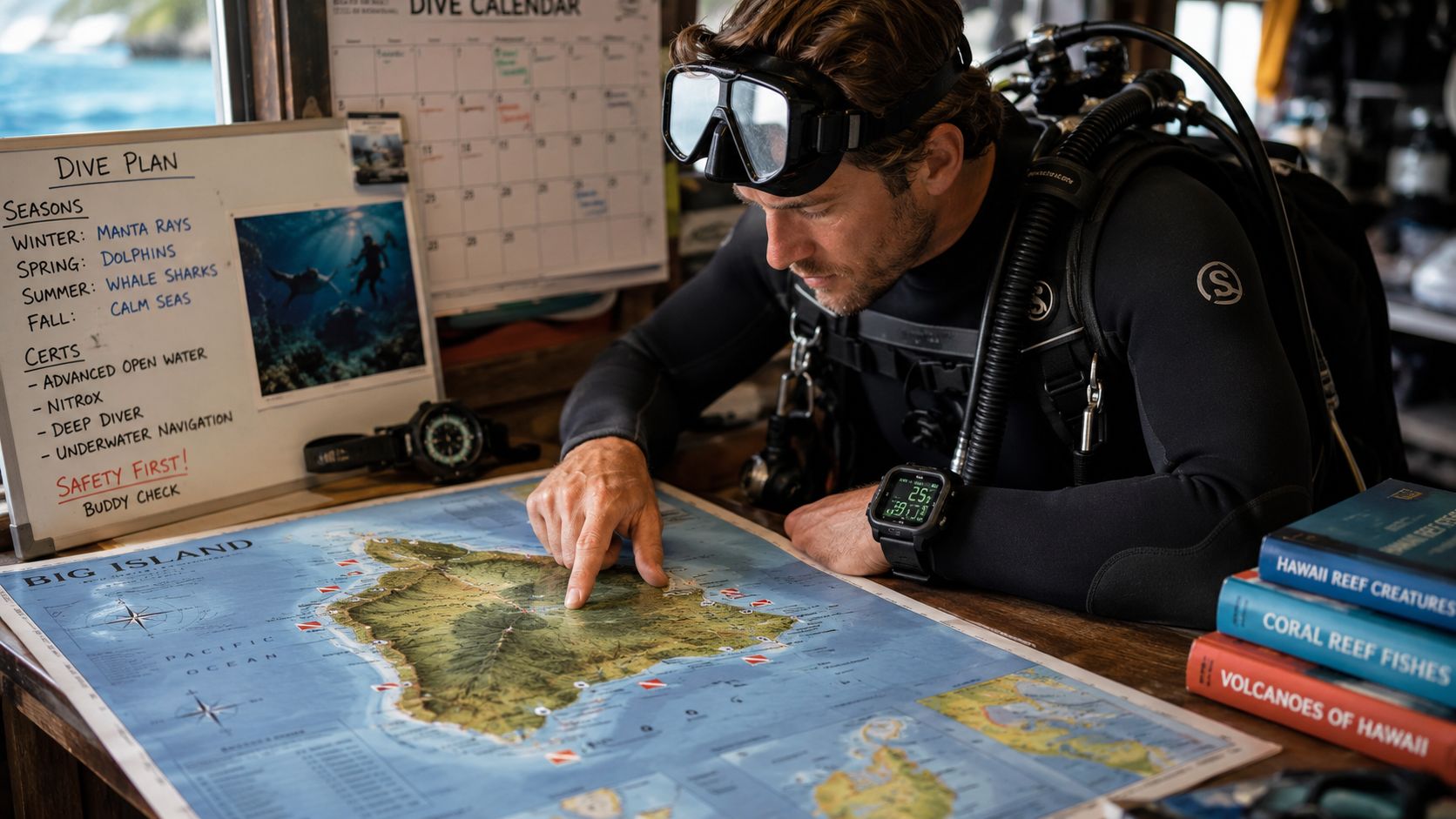
Shore diving gives you flexibility and work
Shore diving suits confident divers who don't mind planning entries, carrying gear, evaluating conditions, and taking responsibility for navigation from the start. It can be satisfying because you're moving at your own pace. If you like independence, that matters.
It also has a cost. Entries can be awkward. Surf and surge can change your stress level before the dive even begins. A shore dive that looks simple online can turn into a gear-hauling project if you haven't been there before.
For people considering this route, it helps to review a local breakdown of Big Island shore diving options and conditions.
Boat diving removes friction
Boat diving gives you access, support, and recovery. You don't have to carry tanks across lava rock, guess at the best line to the site, or manage the whole day alone. Crew support also improves the surface interval. That matters more than people think, especially on vacation when they want to dive, rest, and still enjoy the island.
Boat diving is often the better fit for:
- Newer certified divers who want less task loading
- Families or mixed-ability groups who need smoother logistics
- Photographers who prefer easier entries and exits
- Visitors with limited time who want to maximize actual underwater time
Good boat diving buys back mental bandwidth. You spend less energy on logistics and more on buoyancy, marine life, and enjoying the dive.
A simple decision filter
Use this quick framework:
| If you value this most | Better fit |
|---|---|
| Independence and flexibility | Shore dive |
| Access to harder-to-reach sites | Boat dive |
| Lower complexity on vacation | Boat dive |
| Self-directed pace and planning | Shore dive |
The mistake is treating shore and boat diving as opposing camps. On the Big Island, plenty of divers enjoy both. A boat day for your marquee dives. A shore dive day if you know the entries, trust your buddy, and want something more self-directed.
Planning Your Trip Seasons Itineraries and Certifications
The smartest Big Island dive trips start with restraint. Don't book every ambitious dive on day one. Leave yourself room to adjust based on weather, fatigue, confidence, and how your body handles the boat.

Match the trip to your actual diving profile
A new Open Water diver should build around easy reef diving first, then add a night dive only if the first days feel comfortable. An experienced diver can be more aggressive with scheduling, but even then, stacking advanced dives back to back isn't always the smartest move.
Try something like this:
Short trip approach
One daytime reef trip early in the visit, one signature dive later, and one non-diving day before departure.Weeklong dive-focused approach
Mix easier reef dives, one manta night, one advanced day if appropriate, and only add blackwater if your comfort and energy stay high.Mixed family vacation approach
Schedule dives every other day so non-divers can join beaches, snorkeling, or town days without feeling like the whole trip revolves around tanks and wetsuits.
Certifications matter less than comfort until they don't
For standard reef diving, an Open Water certification is enough for many trips. For blackwater, the bar is more specific. That dive requires a minimum of 25 logged dives, and that prerequisite exists for a reason. Open-ocean darkness, depth beneath you, and a lack of reference points can unsettle divers who are perfectly comfortable on reefs.
Psychological preparation matters here as much as skill. If you dislike descending without a visible bottom, if darkness tightens your breathing, or if drift conditions make you uneasy, blackwater may not be the right dive for this trip.
Reality check: Plenty of capable divers skip blackwater and still have an outstanding Kona trip. Passing on a dive that doesn't fit your headspace is good judgment, not weakness.
A few planning habits that work well
- Book sought-after dives early because manta and advanced schedules can fill before general reef trips.
- Ask about Nitrox and packages if you're certified for it and diving multiple days. Some operators, including Kona Honu Divers, offer free Nitrox and package-style options such as early diver discounts.
- Leave buffer time before flights and avoid building a trip that ends with rushed final dives.
- Keep one flexible slot in the itinerary so you can repeat your favorite kind of dive instead of forcing a backup plan.
There isn't one perfect season for diving Big Island. The better approach is to decide what kind of trip you want, then build a schedule that fits your certification, your comfort, and your tolerance for fatigue.
Essential Dive Safety and Seasickness Prevention
A common Kona trip pattern goes like this. A diver feels great at the harbor, skips any seasickness prep because the water looks calm, then spends the ride to the first site getting pale, quiet, and distracted. By the time it is time to gear up, the problem is no longer comfort. It is judgment, hydration, and whether that diver should enter the water at all.
Seasickness is the issue I see disrupt more dive days than air use, equalizing trouble, or current. The good news is that it is usually preventable with early decisions, not stubbornness.
Medication works best before the boat leaves. DAN's guidance on seasickness prevention and treatment notes that common options such as Dramamine and Bonine are more effective when taken in advance, and scopolamine patches need time on your system before boarding. If you use medication, test it at home first. Some divers get drowsy or dry-mouthed, and that matters on a multi-dive day.
If you want local, diver-specific advice, read these Kona seasickness prevention tips for dive boats.
A few habits consistently help before departure:
- Take your preferred remedy early so motion does not get the first punch.
- Eat a light, familiar meal. A totally empty stomach can feel bad, but a greasy breakfast is often worse.
- Start hydrated and keep drinking water in small amounts.
- Set up your gear before the boat gets moving so you are not crouching over bags and overheating.
Once symptoms start, the goal is to settle your system fast and make a clean decision about the dive. Move where you can see the horizon, get air on your face, and stop staring down into your lap or camera tray. The Hawaii Guide's boat-tour seasickness advice gives the same practical direction. Looking out, cooling off, and speaking up early works better than trying to tough it out in silence.
Social dynamics also matter. If your stomach is turning, tell the crew right away and avoid sitting shoulder-to-shoulder with another miserable passenger if you can help it. Anxiety spreads fast on small boats. Calm, direct communication helps just as much.
Safety decisions on the Big Island are usually simple if you make them early. If you are nauseated, overheating, rattled by surface conditions, or mentally behind the dive, sitting one out is often the smart call. Kona offers plenty of dives. Forcing one bad entry can cost you the next two days.
The same decision framework from the rest of this guide applies here. Choose the dive that fits your condition today, not the one you hoped to do when you booked the trip. Check your gear carefully, listen to the briefing, stay within your training, and call the dive if something feels off. Divers who stay conservative usually enjoy more of Kona, not less.
Booking Your Big Island Dive Adventure
Once you know what fits your comfort and goals, booking gets simpler. You don't need every dive on the menu. You need the right mix of reef time, one or two signature experiences, and enough breathing room to enjoy the island.
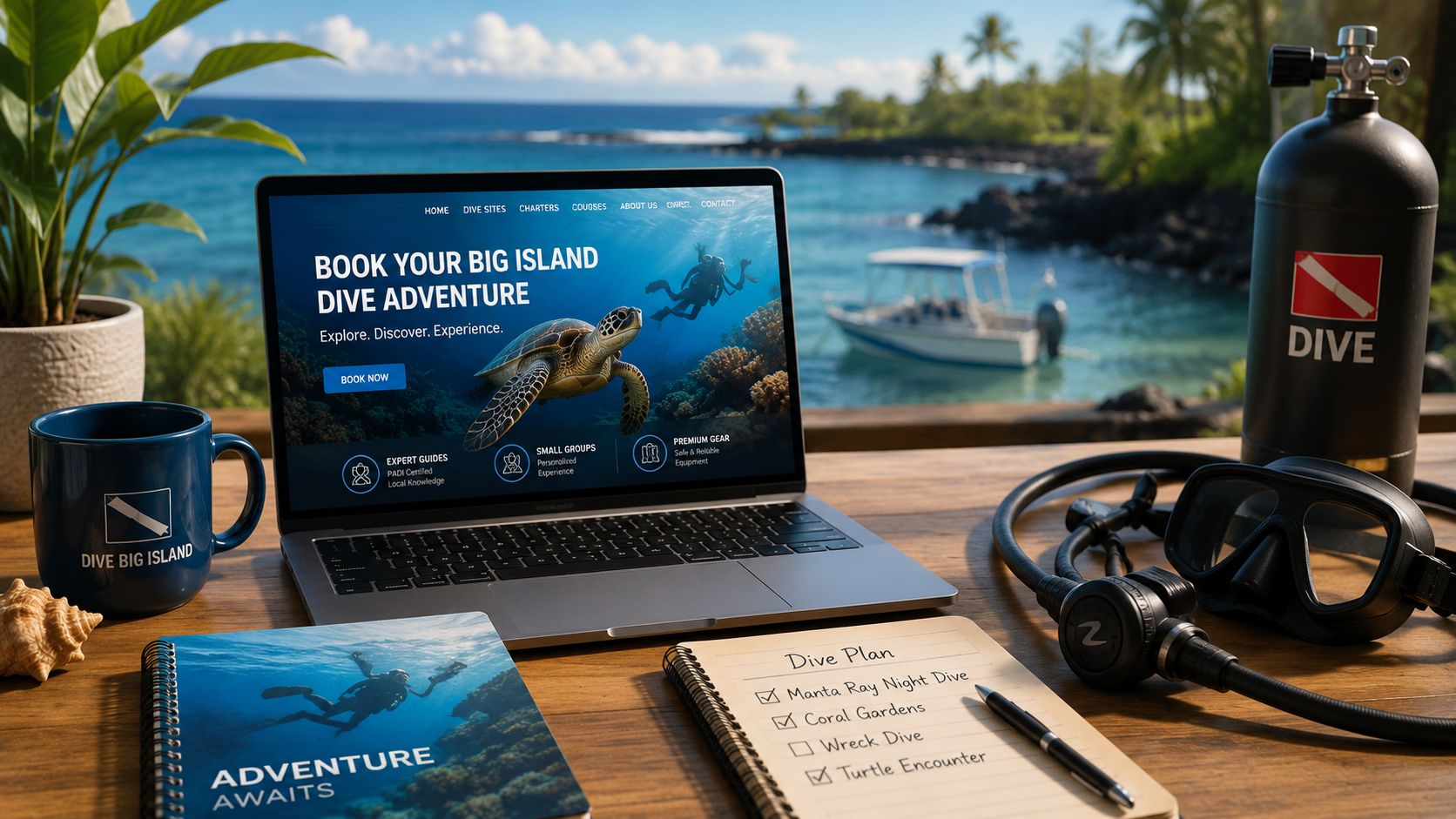
A practical place to start is the full list of Big Island diving tours. That gives you a clean way to compare reef dives, manta nights, blackwater trips, and advanced outings in one place.
If you're booking for a group, decide one thing first. Is the trip built around the strongest diver, the least experienced diver, or a shared middle ground? Most smooth vacations happen when the group chooses the middle ground and lets the advanced diver add one specialty trip rather than dragging everyone into a schedule they won't enjoy.
Frequently Asked Questions About Big Island Diving
Is the Big Island good for beginner divers
Yes. Kona's calm, protected coast and clear water make it one of the easier places for newer divers to build confidence. Beginners usually do best on straightforward daytime reef dives before adding night dives or more specialized trips.
What if I'm traveling with non-divers
That's common. Non-divers can snorkel, enjoy beaches, or book separate ocean activities while divers are on the boat. If your group wants water time together, Kona Snorkel Trips is a useful starting point for snorkeling options.
What's the best dive for underwater photography
That depends on what you shoot. Daytime reef dives are better for ambient light, fish behavior, and reef composition. The manta night dive is better if your priority is a single dramatic subject and you're comfortable managing lighting in darkness.
Should I do blackwater on my first Hawaii trip
Only if your experience and mindset line up with it. Blackwater is not just another night dive. Divers who enjoy it tend to be calm in open water, steady on buoyancy, and comfortable without a bottom reference.
If you're ready to turn the planning into actual dive days, take a look at Kona Honu Divers and choose the trips that fit your experience, your curiosity, and the kind of underwater memories you want to bring home.