
Diving the Big Island offers some of the most diverse and spectacular underwater experiences in the world, from vibrant coral reefs to unique volcanic formations. The Kona coast, in particular, is sheltered from the trade winds, creating calm, clear conditions ideal for year-round diving tours. This guide is designed to be your comprehensive resource for planning the ultimate dive trip. We will break down everything you need to know, moving beyond simple descriptions to provide practical insights.
Inside this listicle, you’ll discover the top dive sites, including must-do experiences like the world-famous manta ray night dive and the surreal black water dive. We'll analyze what makes each location unique, typical conditions you can expect, and the marine life you’re likely to encounter. Furthermore, we’ll cover essential logistics, from choosing the right dive operator and understanding gear requirements to critical safety protocols for diving Big Island waters. This resource will help you confidently select the best adventures for your skill level and interests.
1. Kealakekua Bay State Historical Park – Captain Cook Monument
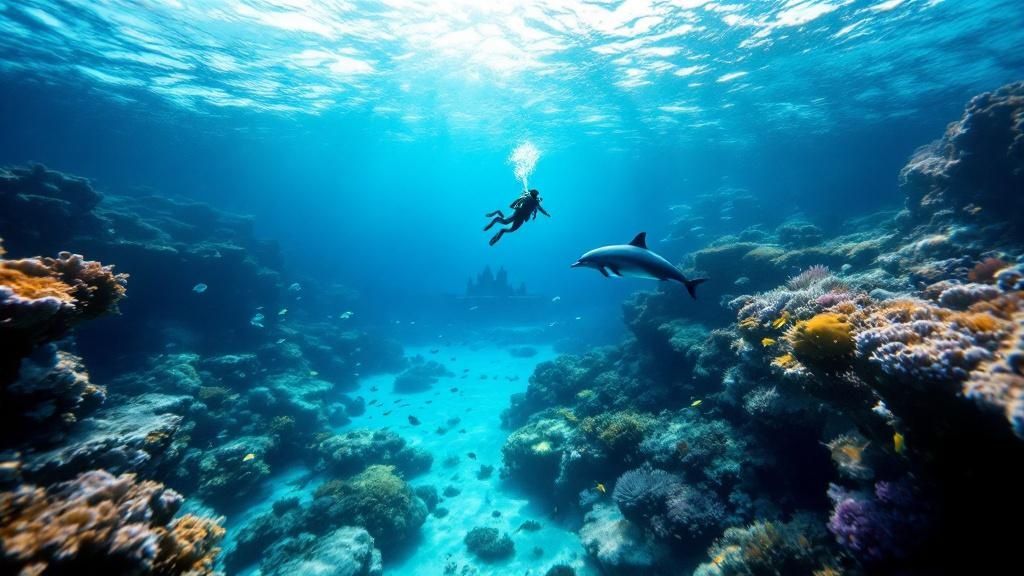
Kealakekua Bay is more than just a dive site; it's a pristine Marine Life Conservation District (MLCD) and a place of immense historical significance. Located on the Kona coast, the bay is protected from ocean swells, resulting in exceptionally calm and clear water almost year-round. This makes it a premier destination for both novice divers and seasoned snorkelers looking for an unparalleled underwater experience. The vibrant coral gardens are some of the most spectacular in Hawaii, teeming with colorful reef fish, moray eels, and often visited by spinner dolphins.
Why It's a Top Big Island Dive Spot
The main draw for divers is the incredibly healthy and dense coral reef that slopes gently from the shoreline near the Captain Cook monument. Depths typically range from a shallow 15 feet to around 60 feet, making it an ideal profile for a relaxed, extended bottom time. The strict protections of the MLCD mean the marine ecosystem is robust and thriving. Divers can expect to see huge schools of yellow tang, parrotfish, triggerfish, and the occasional green sea turtle gliding by.
Access to the prime diving area is almost exclusively by boat, which helps preserve the site's pristine condition. Reputable tour operators like Fair Wind Cruises and Body Glove offer daily excursions that often combine diving and snorkeling, making it a perfect outing for mixed groups. Learn more about the unique experience of a Captain Cook snorkeling tour to understand why this protected bay is a must-visit.
Practical Tips for Diving Kealakekua Bay
- Book in Advance: Due to its popularity and protected status, boat tours fill up quickly, especially during peak seasons.
- Go in the Morning: For the best visibility and calmest conditions, choose a morning departure.
- Reef-Safe Sunscreen Only: To protect the delicate coral ecosystem, only mineral-based (zinc oxide or titanium dioxide) sunscreens are permitted.
- Listen to Your Guide: The area is culturally and historically significant. Your divemaster will provide important context and safety information.
2. Manta Ray Night Dive – Kona Coast
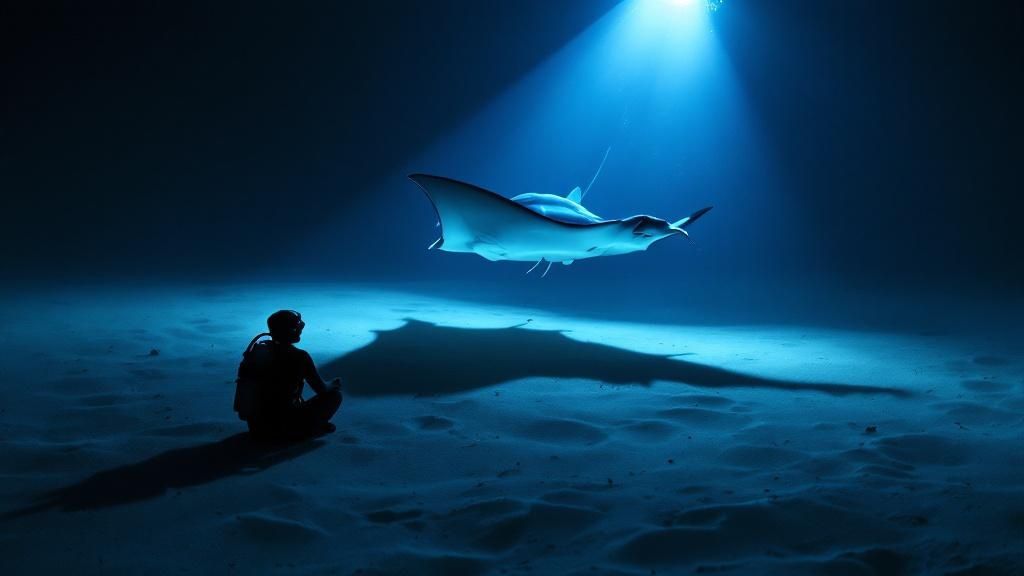
Often cited as one of the world's most unique and unforgettable underwater encounters, the Manta Ray Night Dive is a signature experience of Big Island diving. This incredible spectacle involves descending to a shallow, sandy "campfire" area after sunset. Powerful lights are placed on the ocean floor, attracting massive blooms of plankton. In turn, this plankton draws in the majestic Pacific manta rays, which glide, barrel-roll, and soar just inches above the divers' heads in a mesmerizing feeding ballet.
Why It's a Top Big Island Dive Spot
This isn't just a dive; it's a front-row seat to one of nature's most graceful performances. The Kona coast is one of the only places on earth where this activity can be reliably experienced year-round. These gentle giants, with wingspans that can exceed 16 feet, are completely wild but have become accustomed to the nightly feeding routine, creating a safe and predictable interaction. The experience is shallow, typically around 30-40 feet, allowing for long bottom times and accessibility for divers of various skill levels.
Pioneered and popularized by researchers like Keller Laros of the Manta Pacific Research Foundation, the dive is now offered by several highly-rated operators. Companies such as Big Island Divers and Jack's Diving Locker run specialized nightly tours that adhere to strict eco-friendly guidelines. Booking a manta ray dive tour ensures a well-managed and respectful encounter with these magnificent creatures.
Practical Tips for the Manta Ray Night Dive
- Stay Still: Find a spot on the sandy bottom and remain as stationary as possible. This allows the mantas to get comfortable and glide closely overhead without feeling threatened.
- No Touching: It is crucial for the health of the mantas that you do not touch them. Let them initiate any close encounters.
- Manta-Safe Operators: Choose a company that follows Manta Ray Green List guidelines to ensure the animals' welfare is the top priority.
- Bring a Camera: The photo and video opportunities are unparalleled. Ensure your camera is set up for low-light conditions and night diving.
3. Cathedrals I & II – Lanai (Accessible from Big Island)
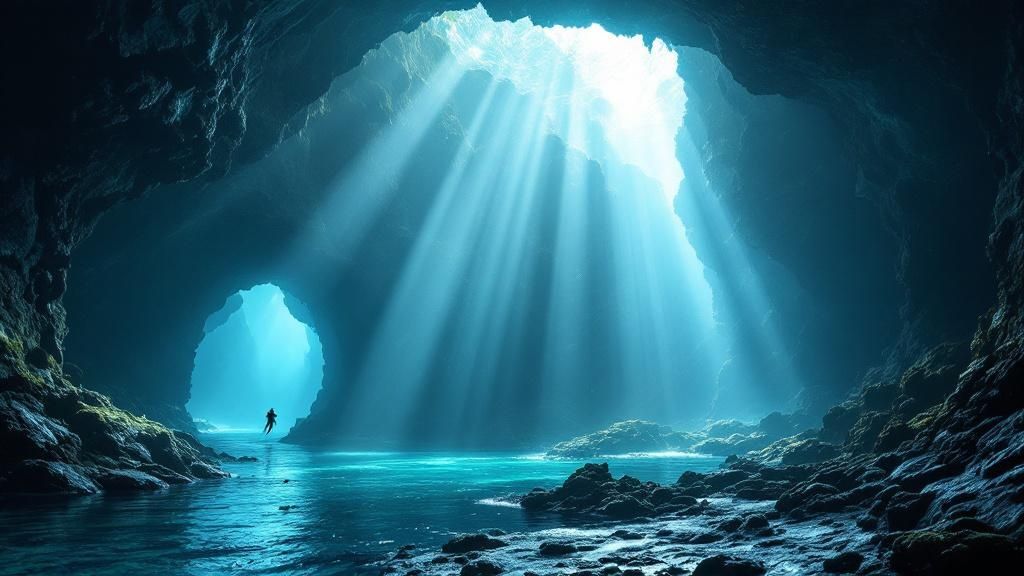
For divers seeking a truly unique and dramatic underwater landscape, the Cathedrals off the coast of Lanai are an unforgettable destination. Though not on the Big Island itself, these world-renowned sites are accessible via specialized inter-island dive charters. The "Cathedrals" are immense underwater lava caverns where parts of the ceiling have collapsed, allowing shafts of sunlight to pierce the darkness and create an ethereal, stained-glass window effect. This interplay of light and shadow within the massive, arching lava formations is what gives these sites their name and legendary status.
Why It's a Top Big Island Dive Spot
Cathedrals I and II offer an adventure that goes beyond typical reef diving, focusing on incredible topography and geological wonder. Divers can swim through massive archways and explore caverns that feel like submerged grottos. The main chamber of First Cathedral is a two-story cavern with a maximum depth of around 60 feet, making it accessible to many certified divers. Marine life, including turtles, whitetip reef sharks, and various eels, often use these caverns for shelter. This type of cavern and swim-through experience is a highlight for those looking for more advanced diving opportunities diving Big Island has to offer.
Accessing these sites requires a dedicated full-day trip, as operators must cross the Alenuihaha Channel. This exclusivity means the sites are less trafficked and remain in excellent condition. This journey is an adventure in itself, often featuring sightings of pelagic species along the way. Divers looking for a truly epic day on the water will find the trip to Lanai well worth the effort.
Practical Tips for Diving Cathedrals I & II
- Book a Full-Day Charter: These sites require a long boat ride, so plan for an all-day excursion.
- Check Conditions: The channel crossing is weather-dependent. Trips can be canceled if conditions are too rough, so have a backup plan.
- Bring a Wide-Angle Lens: To capture the scale and stunning light rays inside the caverns, a wide-angle camera setup is essential.
- Confirm Your Certification: Ensure you meet the operator's certification and experience requirements, as these can be considered advanced dives.
4. Black Water Diving – Kona Pelagic Zone
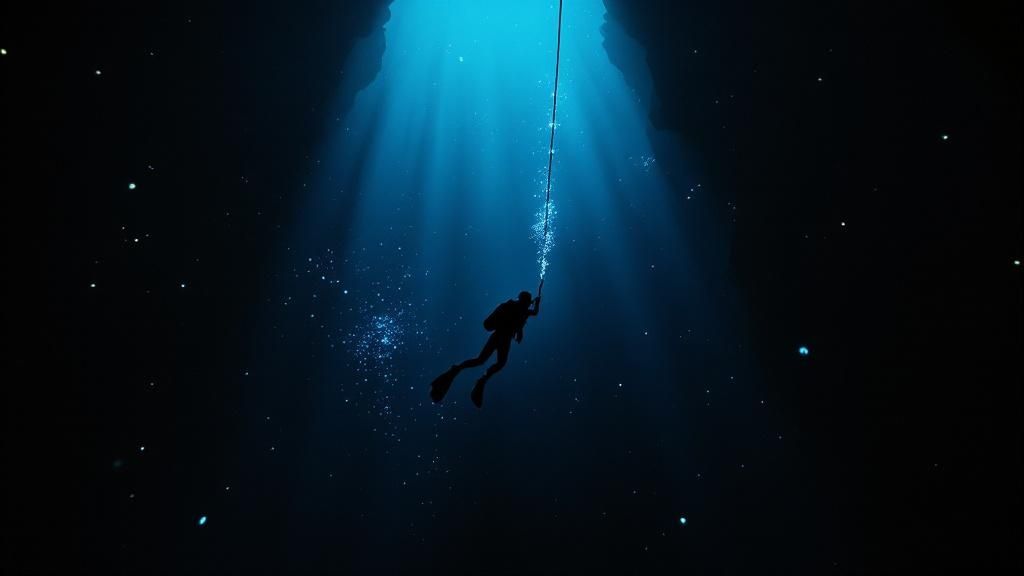
For the truly adventurous and experienced diver, Black Water Diving offers an experience unlike any other on Earth. This unique night dive takes you miles offshore over thousands of feet of water. Divers are tethered to the boat and descend to about 50 feet, where a powerful downline of lights illuminates the darkness. This light attracts a bizarre and mesmerizing collection of pelagic organisms that migrate from the deep ocean toward the surface after sunset, a phenomenon known as diel vertical migration.
Why It's a Top Big Island Dive Spot
The Kona coast is a world-renowned destination for this highly specialized type of diving due to its deep offshore waters located just a short boat ride from the harbor. This dive is less about coral reefs and more about witnessing the alien-like creatures of the abyss. You'll encounter translucent larval fish, vibrant jellies, and bizarre cephalopods that are rarely, if ever, seen during the day or in shallower waters. It's an unparalleled opportunity for macro photographers and marine biology enthusiasts to observe a part of the ocean's food web that remains largely mysterious.
This is considered one of the most advanced and unique dives when diving Big Island. Operators like Kona Honu Divers and Jack's Diving Locker have perfected the safety protocols for this incredible adventure. To fully grasp what this dive entails, you can learn more about the unforgettable Kona blackwater dive experience. The sheer novelty and the chance to see true deep-sea life make this a bucket-list dive for serious divers. Check out a Blackwater Dive tour for a unique experience.
Practical Tips for Black Water Diving
- Advanced Certification is a Must: Most operators require a minimum of an Advanced Open Water certification and often a significant number of logged dives.
- Master Buoyancy: Excellent buoyancy control is non-negotiable, as you will be suspended in open water in complete darkness with no bottom for reference.
- Bring a Good Camera: If you're into photography, a macro lens is essential to capture the intricate details of the tiny creatures you'll encounter.
- Stay Calm: The experience of being in the vast, dark open ocean can be mentally challenging. Trust your gear, your guide, and the process.
5. Puako Reef System – Coral Gardens
Stretching for several miles along the sunny Kohala coast, the Puako Reef System is a massive and incredibly healthy network of coral gardens. This area is known for its calm, protected waters and shallow depths, making it an accessible and rewarding destination for divers of all skill levels. The extensive reef is one of the Big Island's most vibrant ecosystems, offering a maze of lava rock formations, finger corals, and cauliflower corals that provide a habitat for an immense diversity of marine life.
Why It's a Top Big Island Dive Spot
The main appeal of Puako is its accessibility and biodiversity. With depths typically ranging from 10 to 45 feet, divers can enjoy long bottom times exploring the intricate reef structure. The clear, warm water is often teeming with butterflyfish, wrasses, and large schools of convict tangs. It's also a fantastic place to spot Hawaiian green sea turtles resting on the bottom or feeding on algae.
As one of the premier locations for diving Big Island from the shore, it offers a sense of adventure and freedom. Divers can access the reef from multiple points, including Puako Beach Park and Waialea Bay (69 Beach), each offering a slightly different underwater landscape. For a comprehensive overview of how to approach this site and others like it, explore this guide on the best shore diving on the Big Island.
Practical Tips for Diving Puako Reef
- Mind Your Entry: The shoreline consists of lava rock and coral rubble. Sturdy reef boots are essential for a safe and comfortable entry and exit.
- Go Early: The best conditions, with minimal wind and the calmest water, are found in the early morning.
- Respect Property: Many access points are adjacent to private homes. Be mindful of residents and only use public access ways.
- Bring a Dive Flag: As a popular shore diving area with potential boat traffic, a dive flag is mandatory for safety.
6. Lava Tube Systems – Underwater Caverns
The Big Island's volcanic origins have created a mesmerizing underwater world unlike any other, featuring extensive networks of lava tubes, caverns, and dramatic archways. Formed by ancient lava flows, these geological structures offer a unique type of diving that feels like exploring a submerged cathedral. Sunlight filtering through openings in the rock creates breathtaking light beams, illuminating the spacious swim-throughs and chambers that are now home to a diverse array of marine life. This is a must-do experience for adventurous divers.
Why It's a Top Big Island Dive Spot
Exploring these underwater caverns offers a completely different perspective on diving Big Island. The thrill of navigating through ancient geological formations is unmatched. These tubes and caverns provide shelter for species you might not see on the open reef, such as resting white-tip reef sharks, large crustaceans, and unique nudibranchs. Popular sites like Golden Arches and Turtle Pinnacle feature spectacular formations where divers can safely swim through while observing the vibrant ecosystem within. The play of light and shadow, combined with the sheer scale of these structures, creates a truly surreal and memorable dive.
For those with the proper training, these sites represent the pinnacle of Kona's diverse underwater topography. Certified divers looking for a guided experience through these incredible environments can explore options like a premium advanced dive tour, which often includes visits to these unique sites.
Practical Tips for Diving Lava Tubes
- Certification is Key: An advanced open water or cavern diver certification is often required. Always dive within the limits of your training.
- Hire a Local Guide: Never enter an overhead environment without an experienced local guide who knows the layout, potential hazards, and exit points.
- Bring a Dive Light: A primary and a backup dive light are essential for illuminating the darker corners and appreciating the vibrant colors of the invertebrates inside.
- Master Buoyancy: Excellent buoyancy control is critical to avoid kicking up silt, which can reduce visibility, and to prevent contact with the delicate lava rock formations.
Big Island Diving Sites Comparison
| Dive Experience / Site | Core Features / Highlights | User Experience & Quality ★★★★☆ | Value Proposition 💰 | Target Audience 👥 | Unique Selling Points ✨ |
|---|---|---|---|---|---|
| Kealakekua Bay State Historical Park | Protected marine area, 10-60 ft depth, coral & lava tubes | Exceptional visibility (100+ ft), rich marine life | Moderate; boat access required, some restrictions | Snorkelers & all divers | Historical site 🌺, spinner dolphins, clear water |
| Manta Ray Night Dive – Kona Coast | Night dives, 30-35 ft, LED lighting, guaranteed manta sightings | Unforgettable & safe, suitable for all levels | Premium pricing for unique encounter | All certified divers | Close manta ray encounters 🏆, night diving magic |
| Cathedrals I & II – Lanai | Lava tube caves, arches, 35-65 ft, light beams | Stunning visuals, intermediate+ difficulty | Higher cost; inter-island trip | Intermediate & advanced divers | Dramatic geological formations ✨, photography gem |
| Black Water Diving – Kona Pelagic Zone | Deep night dives (600+ ft), tethered, plankton attractor | Cutting-edge, rare fauna, small groups | Expensive specialty dive | Advanced certified divers | Rare pelagic species, pioneering technique 🏆 |
| Puako Reef System – Coral Gardens | Extensive shallow reef, 10-45 ft, shore accessible | Calm waters, beginner-friendly, vibrant coral/fish | Great value, free shore access | Beginners, snorkelers, recreational divers | Healthy reef system, multiple entries ✨ |
| Lava Tube Systems – Underwater Caverns | Natural lava tubes, various difficulties | Unique cave dives, requires special training | Variable; certification & guide needed | Certified cavern/cave divers | Geological wonders, overhead environment ✨ |
Final Thoughts
From the volcanic lava tubes and pristine coral gardens of Puako Reef to the historic underwater landscapes of Kealakekua Bay, the options for diving Big Island are as diverse as they are breathtaking. The Kona coast, protected from the prevailing trade winds, offers consistently clear and calm conditions, making it an accessible paradise for divers of all skill levels. Whether you are embarking on your very first dive or you're an experienced diver seeking a new frontier, this unique Hawaiian island delivers unforgettable underwater encounters.
The true magic, however, lies in its signature experiences. Witnessing the silent, graceful ballet of giant manta rays on the world-famous night dive is a bucket-list moment that redefines marine interaction. For the truly adventurous, plunging into the abyss on a black water dive reveals a hidden universe of bizarre and beautiful pelagic creatures, offering a glimpse into the ocean's deepest secrets. These specialized dives transform a great dive trip into an extraordinary one, showcasing the unparalleled biodiversity that makes diving Big Island a world-class pursuit.
Your next step is to match your skill level and interests with the incredible sites we've covered. Review the conditions, consider the unique marine life at each location, and decide if you're ready for the thrill of a Manta Ray Night Dive or the advanced challenge of a Black Water Dive. Planning ahead and choosing a reputable operator is the key to a safe and spectacular adventure. The vibrant reefs, ancient lava formations, and unique pelagic life are waiting to be explored.
Ready to experience the best diving Big Island has to offer? The expert crew at Kona Honu Divers is dedicated to providing safe, fun, and eco-conscious tours to the most iconic sites. Let their local knowledge and passion for the ocean guide your next unforgettable underwater adventure.