
The Big Island of Hawaii isn't just a land of active volcanoes and lush rainforests; it's a world-class diving destination offering unparalleled underwater adventures. The Kona coast, in particular, is sheltered from trade winds, creating calm, crystal-clear waters ideal for exploration year-round. This unique volcanic geology has sculpted a dramatic underwater landscape of lava tubes, arches, and massive coral gardens teeming with life found nowhere else on Earth.
From the legendary Manta Ray Night Dive to deep, pristine reefs and the surreal Blackwater Dive, diving the Big Island provides a diverse range of experiences for every skill level. This guide serves as your comprehensive resource, detailing the top must-see underwater locales and providing the essential information needed to plan your dive trip. We will explore everything from beginner-friendly bays to advanced drift dives, ensuring you know exactly where to go and what to expect.
Whether you're a seasoned diver seeking a new challenge or just getting your fins wet, this listicle breaks down the best diving the Big Island has to offer. We'll cover specific sites like Kealakekua Bay, the mysterious lava tube "Cathedrals," and unique experiences available right from the Kailua-Kona shore. While this guide focuses on scuba, many locations are also spectacular for snorkelers; to discover more prime underwater locations beyond diving, consider these Top 15 Best Snorkeling Spots on the Big Island. This article is your ultimate tool for planning your underwater adventure with Kona Honu Divers, a top-rated company with the local knowledge to make your trip unforgettable.
1. Kealakekua Bay Marine Life Conservation District
Kealakekua Bay is more than just a beautiful spot; it's a living underwater museum and a cornerstone of the diving Big Island experience. As a protected Marine Life Conservation District (MLCD), its ecosystem has been allowed to flourish, resulting in exceptionally clear water and a density of marine life that is hard to match. The bay is historically significant as the place where Captain James Cook first landed on the island in 1779 and was later killed.
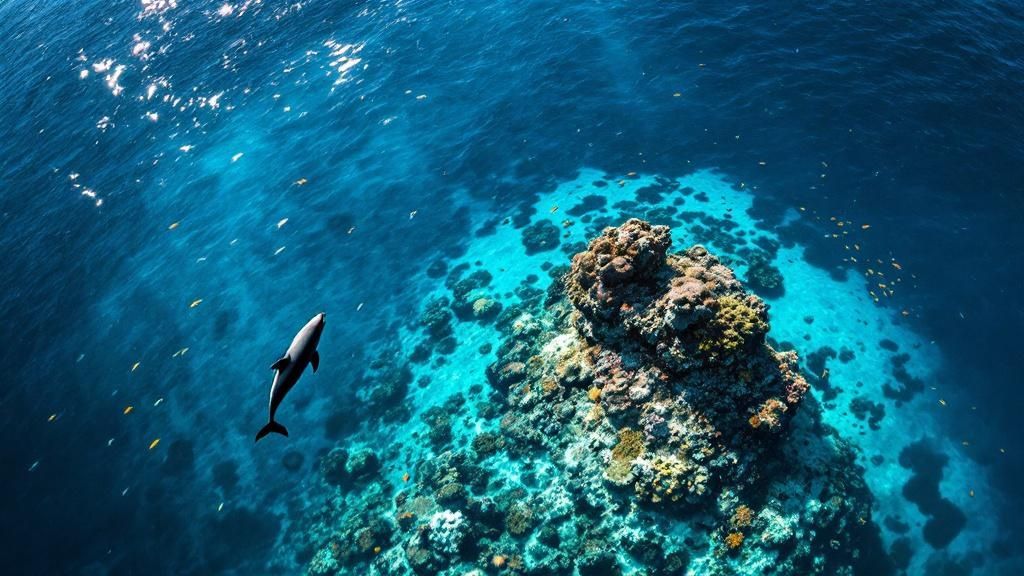
For divers, the bay offers dramatic underwater topography. The reef starts shallow near the shore and drops off steeply to depths well over 100 feet, creating a stunning wall dive. The coral gardens here are among the most vibrant on the Kona coast, teeming with colorful fish like yellow tangs, parrotfish, and butterflyfish. It’s also a common place to spot spinner dolphins resting in the calm, protected waters. For those interested in exploring Kealakekua Bay's rich marine life from the surface, a detailed Captain Cook Snorkel Tour guide can provide valuable insights into its history and ecology.
### Why It's a Top Dive Site
Kealakekua Bay’s protected status is the primary reason for its pristine condition. Fishing is heavily restricted, which means fish populations are healthy and accustomed to the presence of snorkelers and divers, allowing for incredible up-close encounters.
- Exceptional Visibility: Water clarity frequently exceeds 100 feet, providing breathtaking, wide-angle views of the underwater landscape.
- Rich Biodiversity: The healthy coral reef supports a massive array of marine life, from tiny nudibranchs to larger creatures like moray eels, turtles (honu), and occasionally manta rays.
- Unique Topography: The site features a dramatic drop-off, offering a classic wall dive experience alongside shallower reef explorations, making it suitable for various skill levels.
### Practical Considerations for Your Visit
Access to the prime diving area near the Captain Cook monument is almost exclusively by boat, which helps limit crowds and preserve the environment. Several local operators, including Fair Wind Cruises and Body Glove Cruises, offer snorkeling tours, while dive charters provide dedicated scuba excursions. Kayaking is another popular way to reach the monument, but it requires a permit and a strenuous paddle.
To make the most of your trip, consider these tips:
- Book in Advance: Boat tours are the best way to experience the bay and they fill up quickly, especially during peak tourist season.
- Go Early: Morning tours often experience the calmest water and best visibility before the afternoon winds pick up.
- Respect the Sanctuary: As a protected area, it is crucial to use reef-safe sunscreen, avoid touching coral, and maintain a respectful distance from all marine life.
The combination of historical importance, protected status, and incredible marine density makes Kealakekua Bay an essential destination for anyone diving the Big Island. Explore what makes this location so special with a guided tour of Kealakekua Bay.
2. Manta Ray Night Dives
The Manta Ray Night Dive is arguably the most famous and unforgettable underwater experience Hawaii has to offer, making it a pinnacle of diving Big Island. This iconic adventure allows divers and snorkelers to witness dozens of majestic reef manta rays, some with wingspans stretching over 15 feet, as they gracefully feed on plankton. The spectacle unfolds at designated sites where powerful lights are placed on the ocean floor, attracting a dense concentration of plankton and, consequently, the mantas for a mesmerizing nocturnal ballet.
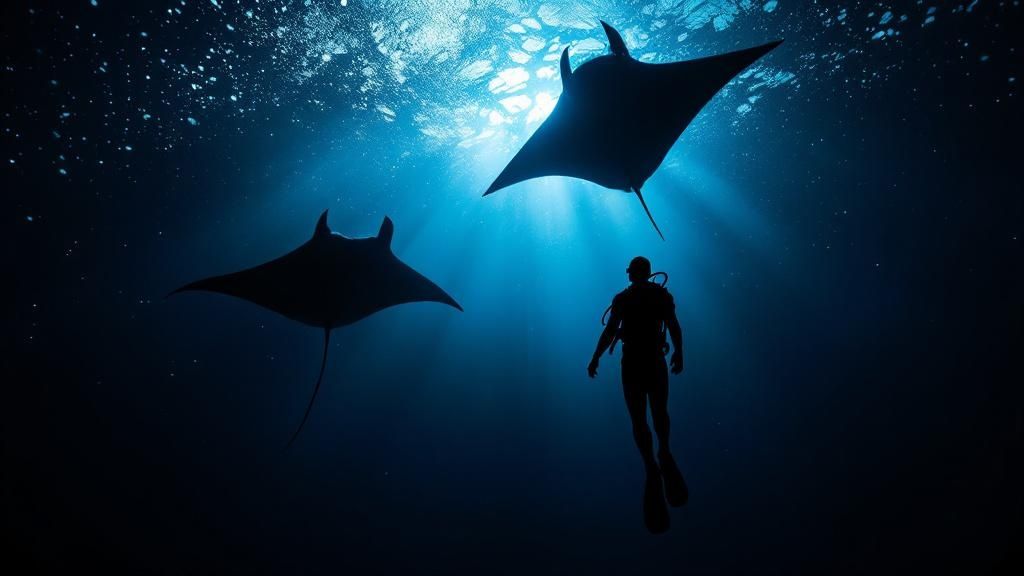
Divers settle on the sandy bottom in a circle around the light source, known as "the campfire," and watch as the rays perform somersaults and barrel rolls just inches overhead. The experience is not just a dive; it's an immersive and often emotional encounter with one of the ocean's most gentle and intelligent giants. Pioneered by figures like Keller Laros of the Manta Pacific Research Foundation, this dive has become a world-renowned model for sustainable marine tourism, supported by reputable operators like Jack's Diving Locker and Big Island Divers who have helped make it accessible to thousands.
### Why It's a Top Dive Site
The Manta Ray Night Dive is a unique intersection of predictable natural phenomena and responsible tourism. The Kona coast is one of the few places in the world where these encounters are reliable year-round, thanks to the established feeding sites and conservation efforts.
- Guaranteed Spectacle: Unlike many wildlife encounters, the manta ray dive has an exceptionally high success rate, offering a reliable chance to see multiple rays up close.
- Intimate Encounters: The rays are habituated to the lights and divers, allowing for incredibly close and personal interactions as they glide effortlessly within arm's reach.
- Accessible to All: The experience is available to certified divers, snorkelers, and even those on a boat ride-along, making it an ideal activity for groups with mixed skill levels.
### Practical Considerations for Your Visit
This highly popular activity requires booking with a professional dive operator. The two primary sites are "Manta Village" near Keauhou Bay and "Manta Heaven" near the Kona International Airport. While both offer fantastic experiences, the location can depend on conditions and the operator. Companies like Kona Honu Divers are known for their commitment to manta-safe practices and providing educational briefings.
To make the most of your manta ray dive, follow these essential tips:
- Book Well in Advance: This is the Big Island's premier attraction, and spots on reputable boats like the ones for the manta ray dive tours fill up weeks or even months ahead.
- Prioritize Conservation: Choose an operator that is a Manta Tour Operator Standard Supporter. These companies follow strict guidelines to ensure the safety and well-being of the mantas.
- Stay Passive: To avoid disturbing the rays, divers are instructed to remain stationary on the bottom and snorkelers flat on the surface. Avoid reaching out to touch the mantas, as this can harm their protective mucus coating.
- No Flash Photography: The bright, sudden flash from cameras can disorient the rays. Use video lights or ambient light for photos.
This bucket-list dive is an essential component of any trip focused on diving the Big Island, delivering a truly awe-inspiring connection with the marine world.
3. South Point (Ka Lae) Diving
For the adventurous diver seeking a truly wild and remote experience, South Point (Ka Lae) offers some of the most dramatic and rewarding diving Big Island has to offer. As the southernmost point of the entire United States, this area is exposed to powerful ocean currents that have carved a breathtaking underwater landscape. This is not a dive for the faint of heart; it is a challenging environment that promises pristine reefs and encounters with unique marine life for those with the requisite skill and experience.
The underwater topography at South Point is defined by steep drop-offs, lava tubes, underwater arches, and deep canyons. The constant flow of nutrient-rich water from the deep ocean fuels an incredibly vibrant ecosystem. Divers can expect to see large schools of pelagic fish, such as jacks (ulua) and rainbow runners, which are less common in the calmer, more protected sites along the Kona coast. The strong currents mean this is almost always a drift dive, where divers descend, are carried by the current along the reef, and ascend for the boat to pick them up.
### Why It's a Top Dive Site
South Point's allure lies in its raw, untamed nature. It is a place where divers can witness the powerful forces that shape the Hawaiian islands both above and below the surface. The challenge is a significant part of its appeal, rewarding advanced divers with an unparalleled sense of exploration.
- Pristine Conditions: Due to its remote location and challenging conditions, the reefs are largely untouched and in spectacular health.
- Unique Marine Life: The currents attract larger pelagic species, and it's a known habitat for Galapagos sharks, oceanic whitetips, and occasionally even whale sharks.
- Dramatic Geology: Divers can explore stunning underwater lava formations, including sheer walls, caves, and canyons that provide a geologically fascinating backdrop to the dive.
### Practical Considerations for Your Visit
Diving at South Point is highly conditional and requires careful planning. It is exclusively for experienced, advanced divers who are comfortable in strong, unpredictable currents and deep water. There are no regular dive charters that visit this area; trips are typically arranged as private charters with operators who are intimately familiar with the site's complexities.
To ensure a safe and successful dive, keep these points in mind:
- Advanced Certification is a Must: Dive shops will require proof of advanced open water certification, a high number of logged dives, and recent experience in challenging conditions.
- Hire Local Expertise: Never attempt to dive South Point without a local guide or operator. Their knowledge of the currents, entry points, and weather patterns is essential for safety.
- Check Conditions Rigorously: Trips are often canceled due to unsafe ocean conditions. Flexibility is key when planning a dive here.
- Be Self-Sufficient: The area is remote with limited facilities. Bring all your own gear, water, and supplies.
For those with the necessary skills, a dive at South Point is an unforgettable adventure. Experienced divers looking for similar challenging and rewarding sites should explore the advanced dive tour options available from specialized operators on the Big Island.
4. Black Sand Beach (Punaluu) Area Diving
While the Kona coast is famous for its boat dives, the southeastern side of the island offers a completely different and dramatic underwater environment, making it a unique stop for anyone diving Big Island. The area around Punaluu Black Sand Beach provides a rare opportunity to dive over a volcanic landscape where black sand seafloors meet vibrant coral gardens. This stark contrast creates a visually stunning experience, unlike the typical white-sand tropical dive.
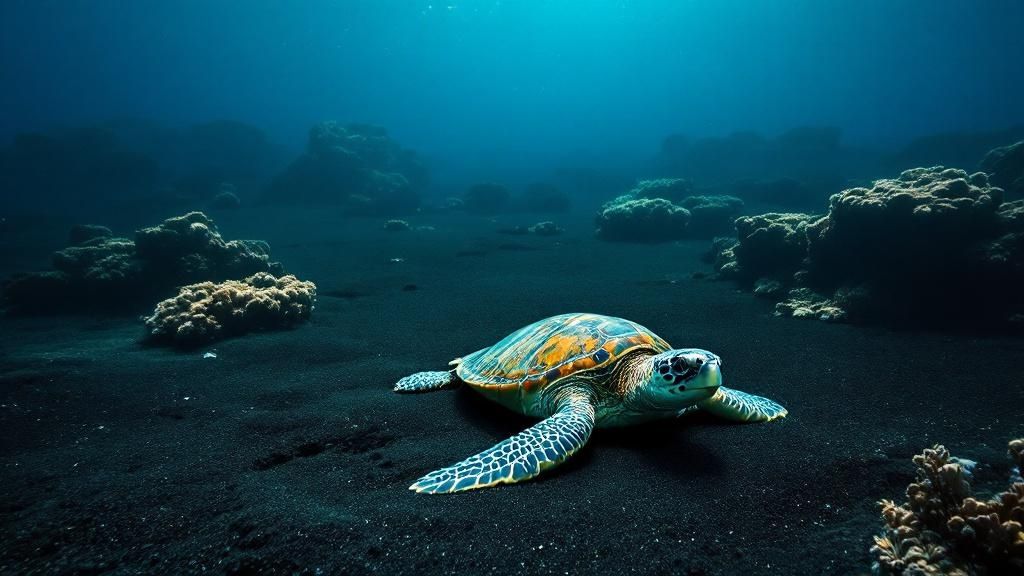
Divers exploring the Punaluu area will discover underwater lava formations, such as archways and small caverns, remnants of past volcanic activity. The main attraction, however, is the high concentration of Hawaiian green sea turtles (honu) that frequent the area to feed on algae and rest on the warm black sand. This location provides incredible opportunities for underwater photographers to capture images of colorful marine life against the unique, dark volcanic backdrop. It’s a rewarding challenge for divers looking for a self-guided shore diving adventure.
### Why It's a Top Dive Site
Punaluu stands out for its unique geology and its role as a critical habitat for green sea turtles. It offers a memorable shore diving experience that feels wild and distinctly Hawaiian, far from the bustling dive boats of Kona.
- Unforgettable Scenery: The contrast between the jet-black volcanic sand, vibrant coral, and colorful fish is breathtaking and provides a surreal diving canvas.
- Abundant Turtle Sightings: Punaluu is one of the most reliable places on the Big Island to see green sea turtles both in the water and resting on the beach.
- Unique Volcanic Topography: Explore underwater lava tubes, arches, and ridges that have been shaped by volcanic flows meeting the ocean.
### Practical Considerations for Your Visit
Diving at Punaluu is primarily shore-based and requires more planning than a typical boat dive. This site is best for experienced divers who are comfortable with shore entries over lava rock and navigating without a guide. The nearest dive shops are in Kona or Hilo, so you must bring all your own gear.
To make the most of your trip, consider these tips:
- Check Conditions: The southeastern coast can experience rough surf and strong currents. Only enter the water when conditions are calm and safe.
- Protect Your Feet: The entry points are over sharp lava rock. Sturdy, thick-soled booties are absolutely essential for a safe entry and exit.
- Respect the Wildlife: Never touch or disturb the turtles, either in the water or on the beach where they may be nesting. Maintain a respectful distance at all times.
- Plan Your Dive: Talk to locals if possible and have a clear dive plan, as there are no dive shop services available on-site.
For divers seeking an independent adventure, Punaluu offers a rewarding experience. You can find more details on this and other shore dives in this guide to the best shore diving on the Big Island.
5. Cathedrals of Big Island (Various Lava Tube Sites)
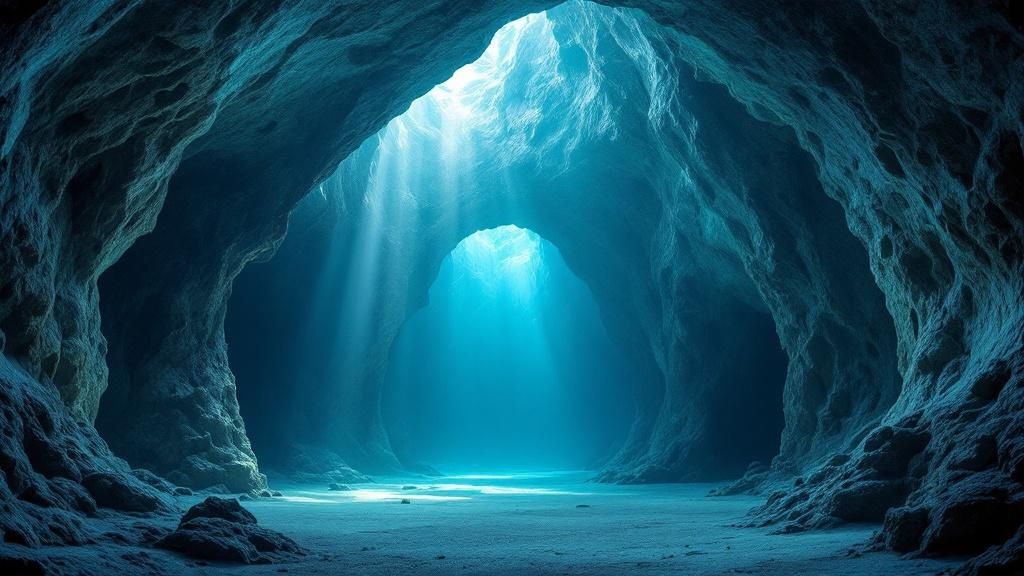
The Big Island’s volcanic origins have created a subterranean wonderland for divers, featuring dramatic lava tubes, arches, and caverns that form natural underwater cathedrals. These unique geological formations are a hallmark of the diving Big Island experience, offering a thrilling sense of exploration and discovery. As ancient lava flows cooled and hardened, they left behind a network of tunnels and vast, open-ceiling caverns that now host a surprising diversity of marine life.
For divers, navigating these structures is like exploring a submerged architectural marvel. Beams of sunlight pierce through openings in the cavern ceilings, creating breathtaking, cathedral-like lighting effects that dance across the rock walls. These overhead environments provide shelter for species not commonly seen in the open reef, such as resting white-tip reef sharks, large helmet shells, and various crustaceans. Sites like Turtle Pinnacle, Arches, and Golden Arches are prime examples, offering swim-throughs and caverns suitable for certified open-water divers. For those with advanced training, these sites provide a glimpse into the more technical side of cavern and cave diving.
### Why It's a Top Dive Site
The lava tube and cavern dives offer an experience that goes beyond typical reef exploration. It's an adventure that combines geology, biology, and the thrill of navigating an overhead environment in a safe and controlled manner.
- Unique Underwater Architecture: The volcanic formations are unlike anything else, with massive archways, intricate tunnels, and spacious caverns creating an unforgettable underwater landscape.
- Dramatic Lighting: The way sunlight penetrates the openings creates spectacular photo opportunities and an almost spiritual atmosphere inside the "cathedrals."
- Shelter for Unique Marine Life: These protected spaces attract shy or nocturnal creatures, offering divers a chance to see marine life that often remains hidden on the open reef.
### Practical Considerations for Your Visit
Diving in and around overhead environments requires a specific skill set and adherence to strict safety protocols. While many of the larger caverns are accessible to open-water divers, it is crucial to do so with an experienced local guide who understands the site's layout and potential hazards.
To make the most of your lava tube dive, consider these tips:
- Dive with a Reputable Guide: Never enter an overhead environment without a professional guide. Local operators know the safest routes and points of interest.
- Master Your Buoyancy: Excellent buoyancy control is essential to avoid stirring up silt, which can ruin visibility, and to prevent contact with the lava rock formations.
- Carry a Light: Even in well-lit caverns, a dive light is crucial for peering into dark crevices and revealing the true colors of the marine life hiding within.
- Know Your Limits: More complex lava tubes may require advanced certifications like Cavern Diver. Always stay within the limits of your training and comfort level.
Exploring these volcanic structures is a highlight for many advanced divers. For those seeking to push their skills and see these incredible formations, a dedicated advanced dive tour is the best way to experience the cathedrals of the Big Island safely.
6. Kailua-Kona Shore Diving Sites
While boat trips offer access to remote locations, the convenience and freedom of shore diving make it a fantastic option for diving Big Island. The Kona coast is dotted with numerous accessible entry points leading to vibrant underwater worlds, allowing certified divers to explore at their own pace. These sites range from calm, shallow reefs perfect for beginners to more complex environments suited for advanced divers.
From the easy, sandy entries at Kahalu'u Beach Park to the dramatic volcanic ledges at Puʻuhonua o Hōnaunau (Place of Refuge), Kona's shore dives offer incredible diversity. Divers can encounter everything from sprawling coral gardens and intricate lava tube formations to bustling cleaning stations where turtles (honu) and eels congregate. This accessibility provides a unique opportunity to log multiple dives in a day without the constraints of a boat schedule, making it a favorite for many local and visiting divers. For a comprehensive overview of what the Kona coast has to offer, you can explore the variety of Big Island scuba diving opportunities.
### Why It's a Top Dive Site
Kona's shore diving is exceptional due to its convenience and the sheer quality of the underwater environments just steps from the road. The volcanic coastline creates a rugged and interesting topography that supports a healthy and diverse marine ecosystem.
- Ultimate Flexibility: Shore diving allows you to set your own schedule, avoid boat charter costs, and spend as much time as you want exploring a single site.
- Diverse Environments: Sites range from beginner-friendly sandy beaches to challenging rocky entries, offering something for every skill level and interest.
- Abundant Marine Life: Even close to shore, you can find a high concentration of Hawaiian endemic fish, green sea turtles, moray eels, and occasionally even spinner dolphins or manta rays.
### Practical Considerations for Your Visit
Proper planning is key to a safe and enjoyable shore dive. Conditions can change rapidly, and entry and exit points are often over uneven volcanic rock. Always prioritize safety and dive within your limits.
To make the most of your trip, consider these tips:
- Check Conditions: Always check the surf, tide, and weather forecasts before heading out. The Kona coast is generally calm, but swells can create hazardous conditions.
- Protect Your Feet: Sturdy dive booties are essential for navigating the sharp lava rock common at most entry points.
- Dive with a Buddy: Never shore dive alone. Ideally, dive with someone familiar with the specific site's entry, exit, and potential hazards.
- Respect the 'Aina (Land): Many dive sites are culturally significant. Be respectful, park only in designated areas, and leave no trace behind.
Big Island Diving Sites Comparison
| Dive Site / Experience | Core Features ✨ | User Experience ★★★★☆ | Target Audience 👥 | Unique Selling Points 🏆 | Pricing & Value 💰 |
|---|---|---|---|---|---|
| Kealakekua Bay Marine Life District | Pristine sanctuary, 100+ ft visibility, rich reefs | Calm waters, rich history, wildlife spotting | Snorkelers & divers, nature lovers | Protected area, Captain Cook Monument | Moderate – boat/kayak access costs |
| Manta Ray Night Dives | Night dive, manta ray encounters, year-round | High success (95%+), unforgettable wildlife | Certified divers & snorkelers | Iconic night dive, multiple sites | Premium – higher cost, exclusive |
| South Point (Ka Lae) Diving | Steep drop-offs, lava tubes, strong currents | Adventure-focused, less crowded | Advanced/expert divers only | Unique dive topography, nutrient-rich waters | Higher – specialized trips |
| Black Sand Beach (Punaluu) Diving | Volcanic lava formations, turtle sightings | Easy shore access, calm bay, free entry | Shore divers, turtle enthusiasts | Volcanic underwater scenery, free access | Best value – free shore diving |
| Cathedrals of Big Island | Underwater lava tubes, swim-throughs | Dramatic lighting, overhead environment | Advanced divers with overhead training | Unique natural underwater architecture | Specialized – training required |
| Kailua-Kona Shore Diving Sites | Multiple shore entries, diverse marine life | Flexible timing, beginner to advanced options | All skill levels, convenience seekers | No boat needed, consistent marine life | Cost-efficient – shore access only |
Your Ultimate Big Island Dive Adventure Awaits
The underwater world of Hawaii's Big Island is a symphony of geological marvels and vibrant marine life, a destination that truly sets itself apart in the global diving community. As we've explored, the sheer variety of experiences available is staggering. From the protected, coral-rich sanctuary of Kealakekua Bay to the thrilling, current-swept seascapes at South Point, every dive offers a unique chapter in the island's story. The volcanic topography has sculpted an underwater playground filled with lava tubes, archways, and dramatic drop-offs that are simply unparalleled.
But diving Big Island is about more than just the incredible terrain. It's about the encounters that define a trip and create lifelong memories. Imagine the ethereal, silent ballet of giant manta rays gliding overhead during the world-famous Manta Ray Night Dive, a spectacle that feels both otherworldly and deeply moving. Or consider the adrenaline and mystery of a Black Water Dive, where you suspend yourself in the deep ocean at night, witnessing the bizarre and beautiful creatures of the pelagic zone as they rise from the abyss. These are not just dives; they are profound connections with the ocean's most enigmatic residents.
Key Takeaways for Your Dive Planning
To make the most of your adventure, remember these crucial points:
- Diversity is the Draw: The Big Island isn't a one-note destination. Plan your itinerary to include a mix of experiences: a calm reef dive, a challenging drift dive, and at least one signature night dive.
- Volcanic Topography Rules: The underwater landscape is the star. Focus on sites known for unique lava formations like "Cathedrals" or "Turtle Pinnacle" to fully appreciate the island's geological heritage.
- Conditions Vary: While the Kona coast is generally calm and protected, conditions can change. Always dive with a reputable, experienced operator who understands local weather patterns and current systems.
- Conservation is Key: The health of these ecosystems is fragile. Practice excellent buoyancy, follow "look but don't touch" principles, and choose operators who are committed to marine conservation.
Turning Knowledge into Action
Understanding the what, where, and when of diving Big Island is the first step. The next, and most critical, is choosing the right guide to bring this underwater world to life for you. A skilled, knowledgeable, and safety-conscious dive operator is the difference between a good dive and an extraordinary one. They not only ensure your safety but also enhance your experience by pointing out cryptic marine life, sharing local knowledge, and managing all the logistics so you can simply relax and enjoy the magic beneath the waves.
For an operator that embodies all these qualities, we wholeheartedly recommend Kona Honu Divers. Their reputation for professionalism, safety, and a genuine passion for the ocean is well-earned. Their experienced crew, top-tier boats, and deep commitment to the 'aloha spirit' create a welcoming and thrilling environment for divers of all levels. Whether you're booking your very first discovery dive or seeking an advanced adventure, they have the expertise to make it unforgettable.
From the iconic Manta Ray Night Dive to the pioneering Kona Blackwater Dive, they offer a comprehensive suite of diving tours that showcase the very best of the Kona coast. Don't just dream about your perfect dive trip, take the plunge and make it a reality.
Ready to explore the unparalleled underwater world of Hawaii? Trust your adventure to the experts at Kona Honu Divers, who have been guiding divers through the best sites the Big Island has to offer with an unmatched focus on safety, fun, and conservation. Visit the Kona Honu Divers website to view their full range of dive trips and book your spot today.