
You're probably in the same spot a lot of visiting divers are in when they start planning Hawaiʻi. You want warm water, good visibility, and dives that don't all blur together into the same reef tour you could have booked somewhere else. You also want to know what's worth your time once you land, especially if you only have a few dive days and don't want to waste one on the wrong site, the wrong operator, or the wrong conditions.
That's where diving the Big Island stands apart.
This island gives divers something much more distinctive than a standard tropical vacation. You can spend one day weaving through volcanic structure, another hovering under manta rays at night, and another doing a calm reef dive that feels completely different from the one before it. The terrain changes the whole experience. The entries, the profiles, the marine life encounters, and even the way guides choose sites each morning all reflect the fact that this is a young volcanic island, not a broad old reef system.
That variety is what keeps experienced divers interested and helps newer divers find dives that fit their comfort level. If you're planning a trip and trying to sort out what's famous, what's practical, and what's a smart fit for your training and confidence, this guide will save you time.
An Underwater Paradise Awaits
A lot of divers arrive with a loose mental picture of Hawaii. Blue water. Turtles. Maybe a manta ray if they get lucky. Then they get to the Big Island and realize the underwater world here is far more specialized than that.
The first surprise is usually the geology. Big Island dives don't feel like long, gentle swims over flat reef. They feel sculpted. You drop onto lava formations, move through arches, look into cracks and ledges, and follow contours that can change the character of a dive in a matter of minutes. That volcanic structure gives the island a completely different personality underwater.
The second surprise is how many different types of diving you can stack into one trip. You can make this a mellow vacation with easy reef dives and a manta night dive. You can also build it around more technical profiles, deeper offshore water, and advanced site selection. That range is why the Big Island works so well for mixed groups. One diver may want a relaxed checkout-style first day, while another wants something more challenging by day two.
The Big Island rewards divers who plan for variety, not just bucket-list moments.
If you're new to diving Hawaii, the key is not chasing every famous name on the map. The key is matching the right experience to the right day. Calm boat dive first. Shore entry only if you're comfortable with it. Manta on a night when you're not already fatigued. Advanced profiles only with an operator that adjusts sites to conditions rather than forcing a schedule.
That practical mindset makes the trip better from the start. It also helps you appreciate what makes diving the Big Island special. This isn't just a warm-water destination. It's a place where volcanic topography, marine life behavior, and daily ocean conditions shape every decision in the water.
Why the Big Island Is a Diver's Dream
A lot of places give you one or two standout dives. The Big Island gives you a full week of good decisions if you plan it correctly.
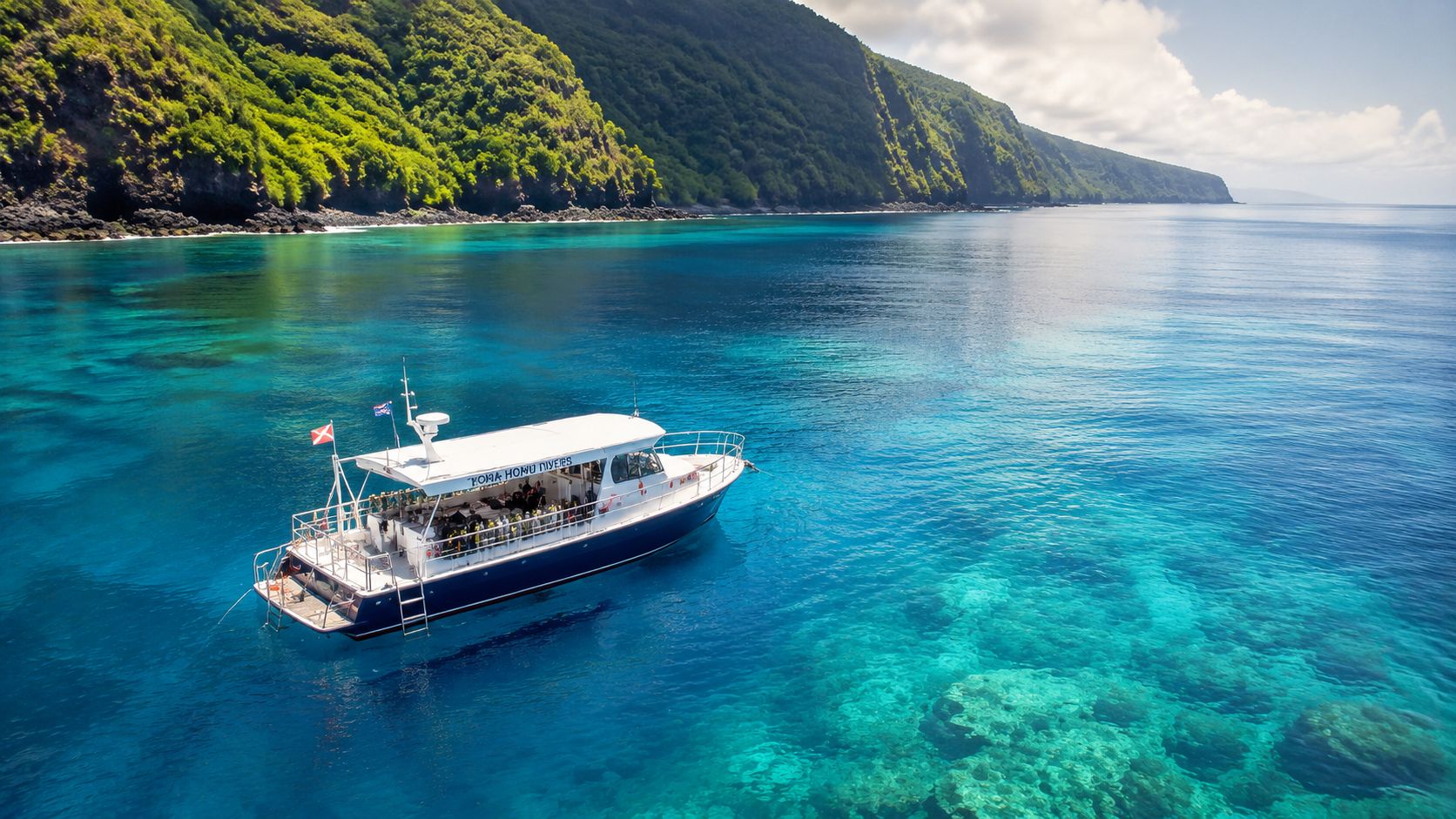
The biggest advantage is concentration. On the west side, you can choose from a large number of sites without spending the whole day running long distances by boat. According to this Big Island diving guide, the island has more than 1,000 dive sites, warm water that typically sits between 75°F and 85°F, and visibility that often pushes past 100 feet on clear days. That same guide explains why so much diving centers on Kona and the Kohala Coast. The leeward side is usually more protected from wind and swell, which gives operators more workable days and more site options.
That flexibility matters more than first-time visitors realize. A destination can have famous sites and still deliver a mediocre trip if the ocean keeps forcing cancellations or limits everyone to the same backup plan. Kona usually gives captains room to adjust. If one area is lumpy, another may still be calm enough to run comfortably.
That is a major reason I tell visiting divers to choose their base before they choose individual dives. If your priority is variety, easier logistics, and a better chance of getting in the water every day, Kona diving on the Big Island is the stronger starting point. If your trip is built around resort convenience farther north, Kohala can still work well, but the menu is narrower.
The underwater terrain is the second reason this island stands out. Big Island diving is shaped by young volcanic structure, not broad, uniform reef. You drop along lava fingers, swim past ledges and cutbacks, and peek into holes that hold life instead of just looking dramatic from a distance. The topography keeps dives interesting for experienced divers, but it also helps newer divers because there is usually a clear visual reference and a stronger sense of where the site begins and changes.
Operators who know the coast use that structure day by day. Site selection is not about chasing the name a diver saw on social media. It is about matching current, surge, entry and exit conditions, diver skill, and the kind of dive the group will enjoy. That daily adjustment is the difference between a smooth dive day and a frustrating one.
If you are planning for the broadest range of abilities, these patterns hold up well:
- Newly certified divers usually have a better first day on guided west side boat dives than on shore entries with surf and slick lava.
- Divers who have not been in the water for a while should schedule easy profiles early, then build toward specialty dives.
- Experienced divers get the most from the island when they leave space for site rotation instead of locking the whole trip around one fixed list.
- Mixed groups usually fit Kona better because it is easier to combine simple dives, advanced options, and memorable specialty trips in one area.
If manta rays are high on your list, the west side is also where many visitors focus their planning, including Kona manta ray diving options.
One operator many divers consider for west side boat diving is Kona Honu Divers, which runs day trips and specialty charters on the Big Island.
Signature Dives You Cannot Miss
A lot of visitors arrive with one famous dive in mind, then realize the Big Island rewards a smarter plan. The standout dives here are different from each other in a way that matters. One is still and disciplined. One is open-ocean and mentally demanding. One gives you the lava topography that makes Kona diving feel like Kona.
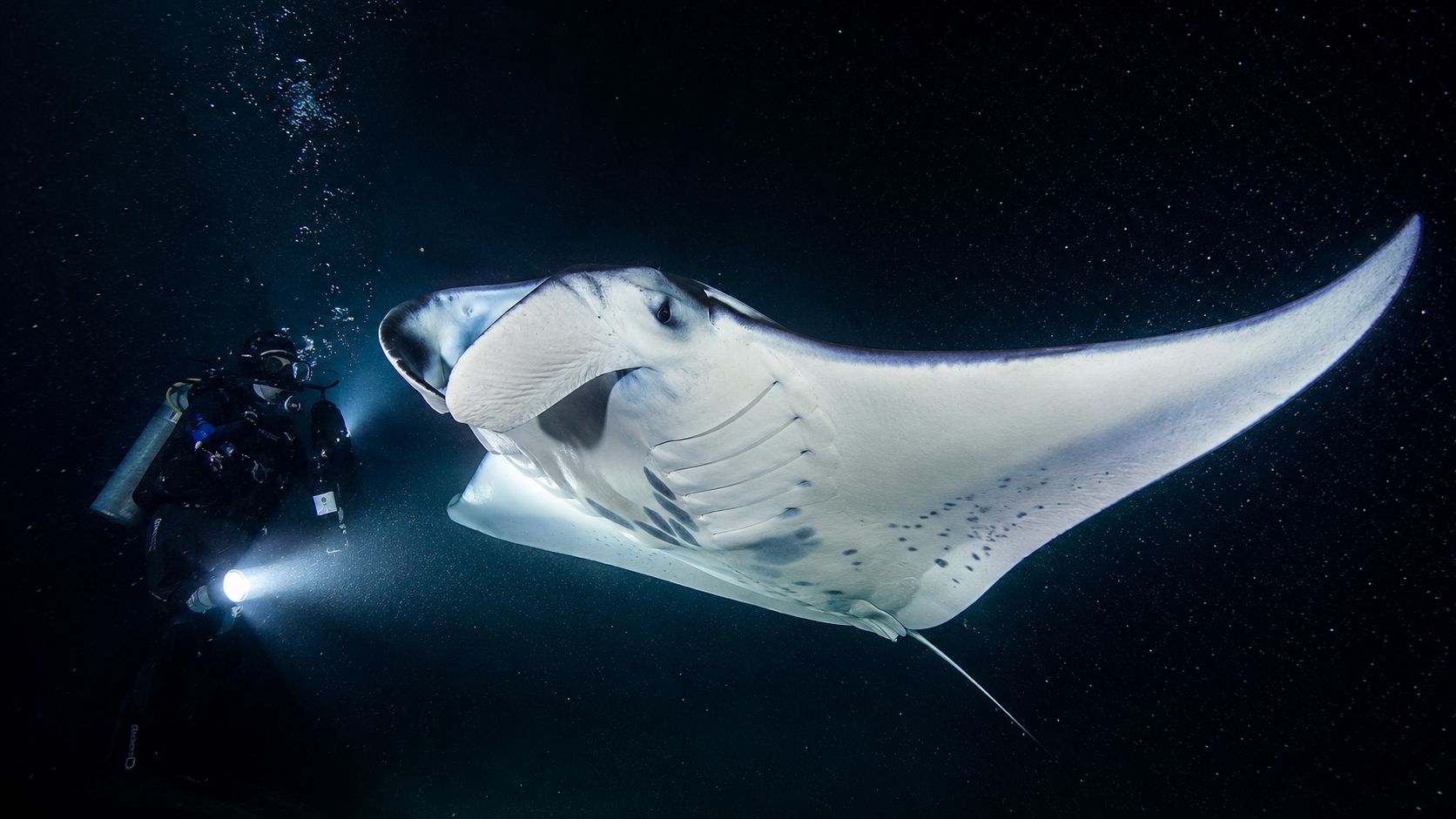
Manta ray night dive
This is the dive guests ask about first, and it earns the attention.
The setup is simple. Divers settle on the bottom in relatively shallow water while lights draw in plankton and mantas sweep through the beam. According to this guide to diving the Big Island, the usual profile keeps divers around 25 to 35 feet while the mantas make repeated passes overhead.
The divers who enjoy this dive most are usually the calm ones, not the athletic ones. Good manta technique means staying low, keeping your fins and hands under control, and resisting the urge to chase. If everyone holds position, the viewing stays clean and the animals keep coming through the light field instead of getting pushed off pattern.
For site choice, I would put Garden Eel Cove ahead of the other common option for most divers. It is more protected, the viewing layout tends to work better, and the reef itself is more interesting before the show starts. This combination creates a calmer, more comfortable dive. From a guide's perspective, that usually means better body position, less silting, and less stress for newer night divers.
If you are deciding between a manta dive and a manta snorkel, certified divers who are comfortable at night should dive it. The underwater view is better, the experience lasts longer, and you are part of the light station instead of watching from the surface.
Practical rule: Strong buoyancy and the discipline to stay still matter more here than speed or air consumption.
Blackwater night dive
Blackwater sits at the opposite end of the spectrum.
You descend over deep water at night, clip in near a suspended downline, and spend the dive watching larval fish, pelagic juveniles, jelly life, and other strange midwater creatures drift through the lights. There is no reef to reference and no lava structure to frame the dive. The water column is the point.
This is one of the most unusual dives you can do anywhere in Hawaii, but it is not the right call for every certified diver. Guests who do well are already comfortable on night dives, can manage buoyancy without staring at a bottom, and stay relaxed when the visual references disappear. Divers who are still working on trim, task loading, or basic confidence usually have a better trip by saving blackwater for later.
If that style of diving appeals to you, look at a dedicated Kona blackwater night dive tour.
Lava tubes and daytime reef dives
These dives are the core of a good Big Island trip.
Visitors sometimes treat daytime reef diving as the filler around manta or blackwater. That is a mistake. The volcanic structure on this coast gives you archways, folds, caverns, lava fingers, and reef edges that can be relaxed or surprisingly dramatic depending on the site and the conditions.
This is also where operator judgment shows up fast. A good crew rotates to the right site for the day instead of forcing the same stops every trip. Some mornings call for an easy reef with simple entries into the blue. Other days are better for structure, swim-throughs, and more terrain-focused profiles. If shore diving is part of your plan too, this rundown of the best shore diving on the Big Island helps clarify what belongs on a boat day versus a shore day.
A practical way to sort the daytime options:
- Easy reef profiles for new divers, rusty divers, or anyone who wants a low-stress first dive day
- Lava-structure dives for guests who want the classic Kona topography
- Night specialties for divers chasing a signature experience
- Advanced offshore profiles for divers with stronger comfort, awareness, and control
Which one should you prioritize
If the schedule is tight, do not book by hype alone. Book by fit.
| Diver type | Best first choice | Best second choice |
|---|---|---|
| Newly certified | Daytime reef boat dive | Manta ray night dive |
| Rusty but certified | Calm daytime guided dive | Manta after a comfortable first day |
| Experienced recreational diver | Lava-structure day dives | Blackwater or manta |
| Advanced-focused visitor | Challenging day profiles | Blackwater |
That order is practical for one reason. Divers who start the trip settled and comfortable usually get more out of the unusual dives later, especially at night.
How to Plan Your Big Island Dive Trip
Planning a solid dive trip here is less about finding one famous site and more about choosing the right base, the right style of diving, and the right sequence for your skill level.
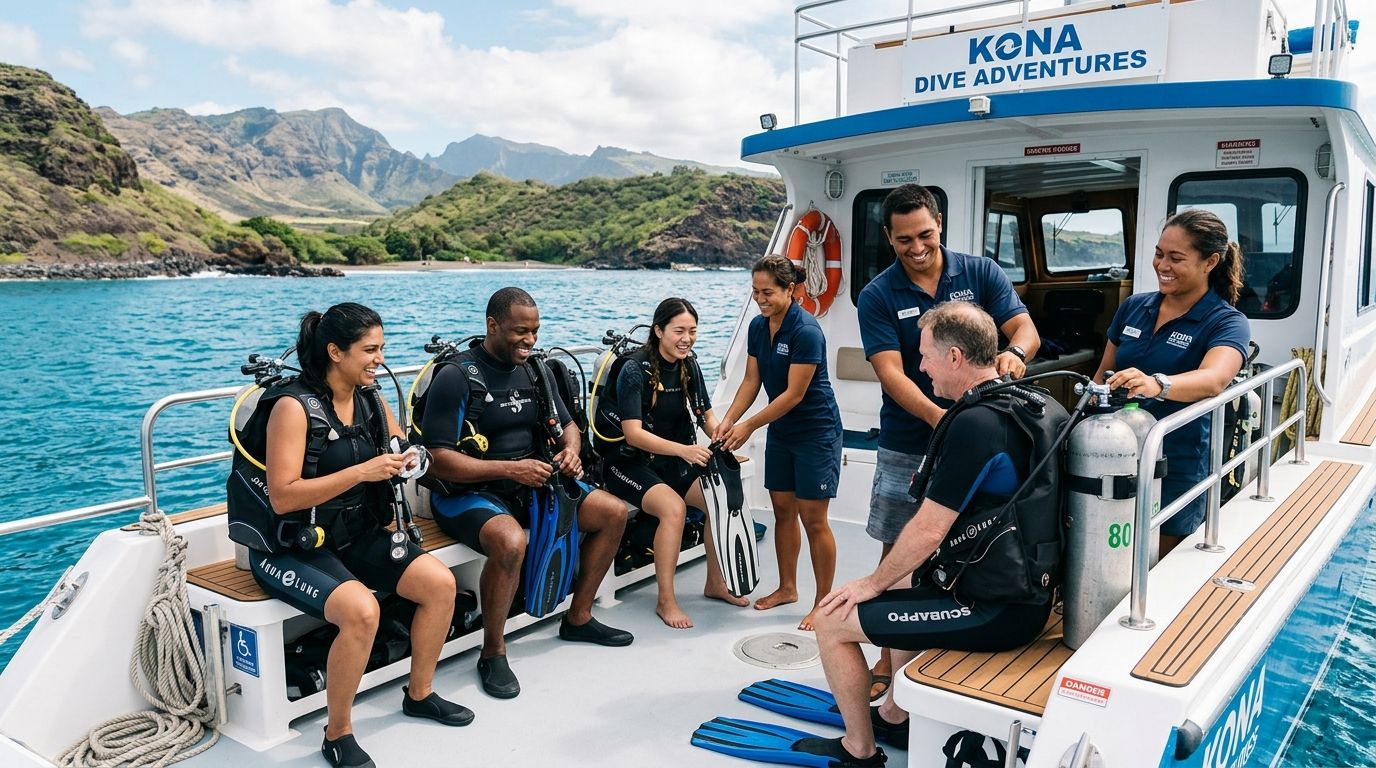
A lot of visitors default to Kona because that's where most of the signature boat diving happens. That's usually a smart call, but not automatically the right one for every diver.
A major gap in most trip planning advice is exactly this comparison. Scuba Diving magazine's Big Island guide notes that travelers often need help choosing between Kona and Kohala or other Big Island entry points based on certification level, surface conditions, and logistics, especially when trying to compare boat diving with shore-accessible options or decide what suits rusty or newly certified divers.
Kona or Kohala
Here's the short version.
Kona is the better base if you want the broadest menu. That includes specialty dives, more boat-based options, and simpler access to the marquee experiences most divers fly in for.
Kohala can be a good fit if you're staying farther north and want to keep drive times down, especially if your group includes non-divers or resort-based travelers. It can also appeal to divers who want west side conditions without being in central Kona.
A practical comparison
- Choose Kona if you want manta, blackwater, and the widest range of guided charters.
- Choose Kohala if your lodging is already there and convenience matters more than access to every signature specialty.
- Choose guided boat diving over shore diving if you're newly certified, rusty, or unfamiliar with lava entries.
- Choose shore diving selectively if you're comfortable evaluating entry and exit conditions and don't mind adapting plans.
If shore diving is on your radar, this overview of Big Island shore diving is useful for understanding what makes a site practical versus merely famous.
If you're debating between a long drive to a “must-do” shore site and a well-run boat dive that matches the conditions, the boat dive usually wins.
Matching the trip to your certification
Not every diver should book the same week of diving.
For newer divers, the best trip usually starts simple. A guided day boat dive lets you settle weighting, check your breathing rate, and regain ocean comfort before adding any specialty profile.
For experienced divers, the better strategy is to leave room in the schedule for more ambitious options after the first dive day. If you know you want more demanding conditions or site profiles, look at a premium advanced two-tank trip.
What not to do
Don't overpack the first two days. Don't make shore diving your backup plan if you haven't assessed the entry. And don't schedule every headline dive back-to-back without considering fatigue, travel, and comfort in the water.
A good Big Island dive plan feels balanced. One easy day. One signature night. One more ambitious outing if conditions and energy line up.
Booking Your Adventure with the Right Operator
You feel this choice on the boat, not on the website. A good operator adjusts the plan to the actual ocean that morning, gives a briefing that matches the site, and runs the day in a way that keeps newer divers comfortable without boring experienced ones.
On the Big Island, that judgment matters more than in destinations where every boat ties into the same fixed mooring. Kona diving changes with wind, swell, current, and visibility. The volcanic topography also changes how a site dives. Arches, lava fingers, abrupt depth changes, and variable entries all affect how a crew should brief, guide, and sequence the day. Choosing an experienced operator is critical.
What to look for
Start with how the operator makes decisions.
A strong crew does not force a famous site when conditions say otherwise. They explain why they picked the site, who it suits, and what the dive will feel like underwater. That is the difference between a day that merely checks a box and a day that fits your skill level, gas consumption, and comfort in the water.
A few signs usually separate a solid operation from a mediocre one:
- Site selection discipline based on conditions, not hype
- Briefings with real local detail on navigation, marine life behavior, and exit procedures
- Boats and rental gear that are clearly maintained
- Guide ratios that allow actual supervision and help when needed
- Honest screening for specialty dives, especially manta and blackwater trips
If you're comparing companies, this profile of a Kona diving company gives a useful sense of what to evaluate.
What to ask before you book
Ask questions that affect the dive itself, not just the checkout process.
- How do they choose sites when conditions change?
- What trips make sense for your certification level and recent experience?
- How are manta and blackwater dives supervised?
- What rental gear is included, and what should you bring yourself?
- What happens if someone in your group is prone to seasickness?
That last one gets overlooked all the time. If boat motion has ended a dive day for you before, read these practical tips for avoiding seasickness on dive boats before you book. It can change which departure time, boat style, and trip length make sense.
Kona Honu Divers is one operator many visitors consider for guided scuba trips on the Big Island, including daytime boat dives, manta night dives, and training. The useful part is not the menu of trips by itself. It is whether the crew puts you on the right one.
Timing matters
Book the specialty dive first.
If manta is a priority, reserve it early and build the rest of the schedule around it. I also recommend leaving some margin in the trip instead of stacking every must-do dive back-to-back. Weather shifts, fatigue is real, and your best dive day is often the one you did not overcomplicate.
Morning two-tank charters usually give you the most options. Specialty trips and specific group dates fill faster, especially if you need several spots together.
Safety, Etiquette, and Essential Gear
Good diving Big Island habits are simple, but they matter. The island rewards divers who stay honest about skill level, follow briefings carefully, and treat marine life encounters as observation, not interaction.
Safety in the water
The best safety rule here is also the least glamorous. Dive the conditions you have, not the conditions you hoped for.
Boat diving is often the easiest way to control that variable because the crew can adjust locations. Shore diving asks more from you. Entries over lava, changing surge, and unfamiliar exits can turn a casual plan into a bad one quickly if you're not comfortable reading the water.
A few basics are essential:
- Listen to the briefing because local site-specific advice matters.
- Do a real gear check before entering, not a rushed glance at your setup.
- Stay within your training even if the water looks inviting.
- Call the dive early if you're cold, uncomfortable, or off your game.
Marine life etiquette
The right approach is passive observation. Watch closely, move carefully, and don't try to manufacture an encounter.
That matters with everything, from reef fish to turtles to manta rays. Touching, crowding, or trying to redirect an animal ruins the experience for everyone and can stress the wildlife.
Leave marine life enough space that your presence doesn't change its behavior.
Use reef-safe sun protection, keep your fins and gauges off the bottom, and hold good trim around structure. The island's underwater features are durable rock, but the living surfaces on and around them still need care.
Seasickness prevention
If you know you're prone to motion sickness, deal with it before the boat leaves the harbor. Waiting until you feel bad is usually too late.
Helpful options include:
- Patch option with Ship-EEZ Seasickness Patch
- Classic medication with Dramamine pills
- Another common choice with Bonine pills
- Non-medication support with Sea Band wristbands
- Simple backup with Ginger chews
If you want a deeper rundown on what tends to help divers most, this guide on how to avoid sea sickness is worth reading before your trip.
What to pack
Bring the items that affect comfort and familiarity most.
- Certification materials if your operator asks to see them.
- Your dive computer if you own one and know it well.
- A mask that fits your face because rental masks are hit or miss.
- Any personal exposure gear that makes you more comfortable.
- Dry clothes and water for after the dive.
Most operators can handle tanks, weights, and standard rental gear. Personal fit items are where your own kit really helps.
Frequently Asked Questions About Big Island Diving
How young can someone dive on the Big Island
Children can start scuba through junior certification pathways, but the right age in practice depends on comfort in the water, ability to follow instructions, and the kind of dive being considered. Families should talk through the actual dive plan, not just the minimum age.
What if I'm not certified
You may still have options through an introductory or discover-style scuba experience with a professional guide. That can be a good fit for travelers who want to try diving without committing to a full certification course during the trip.
How far ahead should I book
Book specialty dives early. Manta, blackwater, and date-specific plans are the first things I'd lock in. Standard morning dives often offer more flexibility, but the shortest path to disappointment is assuming a night specialty will still be open once the rest of your itinerary is set.
Is shore diving worth it
Yes, for the right diver. No, for the wrong mindset.
Shore diving on the Big Island can be excellent, but it's not automatically the easiest or safest choice just because there's no boat involved. Lava entries, swell, surge, and exit timing all matter. Experienced local knowledge helps a lot. If you're visiting, guided boat diving is usually the cleaner, lower-stress option.
Do I need to be advanced to enjoy diving the Big Island
Not at all. Newer certified divers can have a fantastic trip here. The key is choosing dives that match your comfort and building up rather than trying to do the most demanding experience first.
If you want a reliable place to start planning, Kona Honu Divers offers guided Big Island scuba trips, including daytime charters and specialty dives that make it easier to match the right experience to your skill level and schedule.