
The Big Island of Hawaii isn't just a paradise of volcanoes and lush rainforests; it's a world-class destination for underwater exploration. Its volcanic origins have sculpted dramatic underwater landscapes, complete with lava tubes, arches, and pristine coral reefs. For this reason, diving Big Island offers an unparalleled adventure for every skill level, from novice snorkelers to seasoned technical divers.
From the tranquil, aquarium-like conditions of Kealakekua Bay to the heart-pounding thrill of the world-famous Manta Ray Night Dive, the Kona coast provides a spectacular backdrop for unforgettable aquatic encounters. The diversity is staggering. One day you could be floating peacefully above vibrant coral gardens, and the next, you might be venturing into the deep open ocean for a blackwater dive to witness creatures that migrate from the abyss.
This comprehensive guide is designed to be your ultimate resource for planning your underwater journey. We will navigate you through the premier diving and snorkeling experiences the Big Island has to offer, providing the essential details you need to choose the right adventure. We'll cover everything from iconic, beginner-friendly reefs to challenging advanced dives that push the boundaries of exploration. Whether you're looking to book a diving tour or simply learn what makes this island so special, you'll find the practical information required to plunge into Hawaii's crystal-clear waters. Let's explore the best diving the Big Island has in store.
1. Kealakekua Bay Marine Life Conservation District
Kealakekua Bay is more than just a beautiful spot on the Kona coast; it is a designated Marine Life Conservation District (MLCD), offering some of the most protected and pristine conditions for diving big island has to offer. This special status means the bay's ecosystem is carefully preserved, resulting in exceptionally clear water, vibrant coral gardens, and a dense population of marine life that is comfortable with human presence. Its sheltered position protects it from heavy surf, creating calm, gin-clear conditions with visibility often exceeding 100 feet.
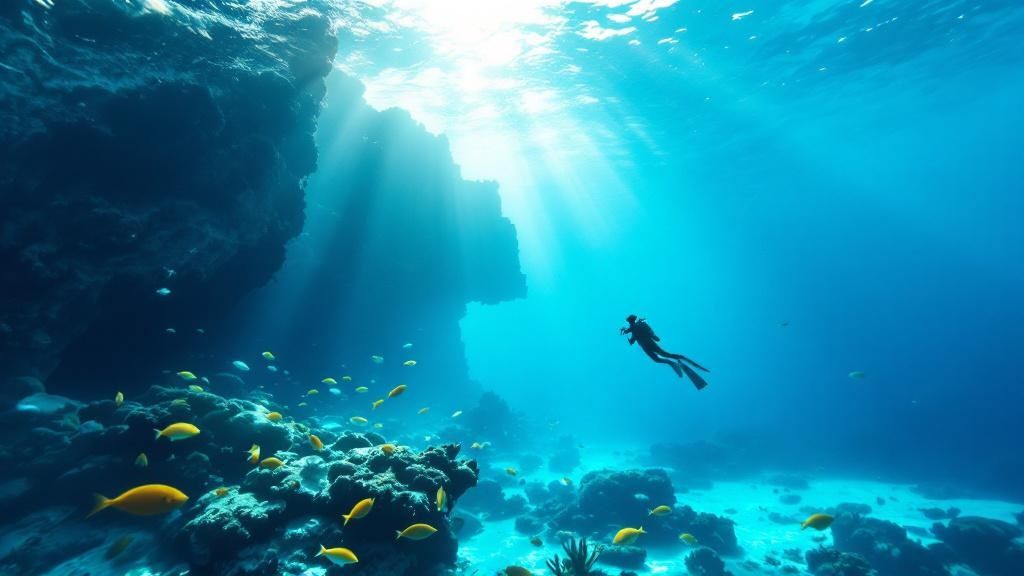
The bay's combination of historical significance, marked by the Captain Cook Monument, and its thriving underwater world makes it a top-tier destination for divers of all levels. The coral reefs here slope gently from the shore before dropping off into deeper waters, providing varied topography to explore. You can expect to encounter large schools of spinner dolphins, yellow tang, and parrotfish, as well as the occasional green sea turtle or eagle ray gliding by.
Why It's a Top Dive Location
The primary draw for Kealakekua Bay is the health and density of its reef system. Because it is an MLCD, fishing is restricted, allowing marine populations to flourish without pressure. This creates an underwater environment that feels truly wild and untouched. The bay’s geography protects the reef from strong currents, making it a relatively easy and relaxing dive suitable for beginners while still captivating seasoned divers with its sheer biodiversity. For specific recommendations on popular snorkeling locations in the region, including options for 2025, you can explore the 6 top spots for Captain Cook snorkeling adventures in 2025 which provides great insight into the area's highlights.
How to Access the Bay
Accessing the prime diving spots in Kealakekua Bay requires some planning, as the best areas are not easily reachable from shore.
- Boat Tours: The most common and recommended method is via a guided boat tour. Operators like Kona Diving Company offer dedicated trips that moor near the Captain Cook Monument. This is the most efficient way to access the best reefs and ensures you have all necessary gear and safety support.
- Kayak Rentals: For the more adventurous, renting a kayak and paddling across the bay is an option. This gives you more freedom but requires a permit and a significant physical effort.
- Shore Diving: Limited shore access is available from Napo'opo'o Beach Park, but this entry point is further from the monument and the most pristine sections of the reef.
Practical Tips for Your Visit
To make the most of your trip, consider these tips:
- Book in Advance: Boat tours are incredibly popular, especially during peak tourist season. Secure your spot well ahead of time.
- Arrive Early: If you plan on kayaking or attempting shore access, an early start is crucial to find parking and avoid the midday sun.
- Protect the Reef: Use only reef-safe sunscreen and practice excellent buoyancy control to avoid touching the fragile coral. Remember, it's a protected area.
Diving in Kealakekua Bay is a highlight experience on the Big Island, offering a glimpse into what Hawaiian reefs can be at their most vibrant. The combination of easy conditions and prolific wildlife solidifies its place as an essential destination. You can find more information about the experience on this Captain Cook snorkeling tour page on konahonudivers.com.
2. Manta Ray Night Dive
Arguably the most famous and unforgettable experience when diving big island, the Manta Ray Night Dive is a world-renowned underwater ballet. This unique spectacle takes place just after sunset off the Kona coast, where dive operators use powerful underwater lights to attract immense clouds of plankton. In turn, this plankton feast attracts the majestic, gentle giants of the sea: giant Pacific manta rays, which can have wingspans exceeding 15 feet.
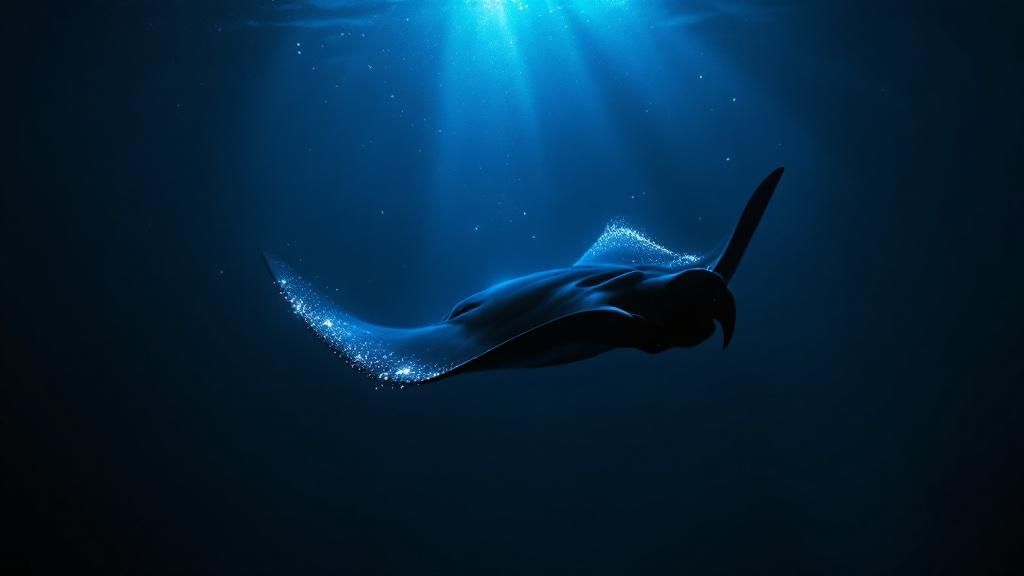
Divers settle on the sandy bottom in a "campfire" circle around the lights and watch in awe as these graceful creatures perform barrel rolls and glide inches overhead, mouths agape to filter the plankton from the water. It's a surreal, humbling, and utterly mesmerizing encounter that consistently ranks as one of the top night dives on the planet. This activity is not just for scuba divers; snorkelers can also participate, floating on the surface and looking down at the incredible show below.
Why It's a Top Dive Location
The primary reason this dive is legendary is the reliability and proximity of the manta ray encounters. The Kona coast has several well-established sites, like "Manta Heaven" and "Manta Village," where these interactions have been happening for decades, making sightings nearly guaranteed. Unlike viewing animals in a zoo, this is an authentic wildlife interaction in the mantas' natural habitat. The experience is managed by local operators with a strong commitment to conservation, ensuring the dives are safe for both the participants and the rays. Esteemed operators such as Kona Honu Divers, Jack's Diving Locker, and Big Island Divers have perfected the logistics, creating a safe and magical environment.
How to Experience the Manta Dive
Participating in this dive is straightforward, as it is almost exclusively done through guided tours.
- Scuba Diving Tours: This is the most immersive option. Certified divers descend to a depth of around 30-40 feet and position themselves on the ocean floor to watch the show from below.
- Snorkeling Tours: For non-divers or families, snorkeling provides an equally stunning view from the surface. Snorkelers hold onto a custom-built floating board equipped with lights, watching the mantas swoop up from the depths.
- Combined Trips: Many operators offer combination trips that allow both divers and snorkelers to go on the same boat, making it a perfect activity for groups with mixed certification levels.
Practical Tips for Your Visit
To ensure a safe and respectful experience, keep these guidelines in mind:
- Book Well in Advance: This is the Big Island's most popular tour. Reservations, especially during peak travel seasons, should be made weeks or even months ahead of time.
- Remain Calm and Still: Once you are in position on the ocean floor, stay put. The mantas are accustomed to divers, and your stillness allows them to approach comfortably. Avoid reaching out or trying to touch them.
- No Flash Photography: Bright, sudden flashes can disorient and stress the manta rays. Use a video light or ambient light from the tour for your photos and videos.
- Choose a Reputable Operator: Select a tour company that follows the Manta Ray Green List standards for sustainable and responsible interaction.
The manta ray night dive is more than just a dive; it's a profound connection with one of the ocean's most magnificent creatures. It is an essential, once-in-a-lifetime experience for anyone visiting the Big Island.
3. Black Water Diving
For a truly otherworldly experience, Black Water Diving offers a glimpse into one of the ocean's most mysterious phenomena. This advanced specialty dive takes place miles offshore at night, over thousands of feet of water. Divers are tethered to the boat and drift in the dark, suspended in the water column, using powerful lights to witness the largest daily migration on Earth as deep-sea creatures rise from the abyss to feed near the surface. The diving big island offers for this activity is world-class, thanks to the island's steep underwater drop-offs that provide easy access to the deep ocean.
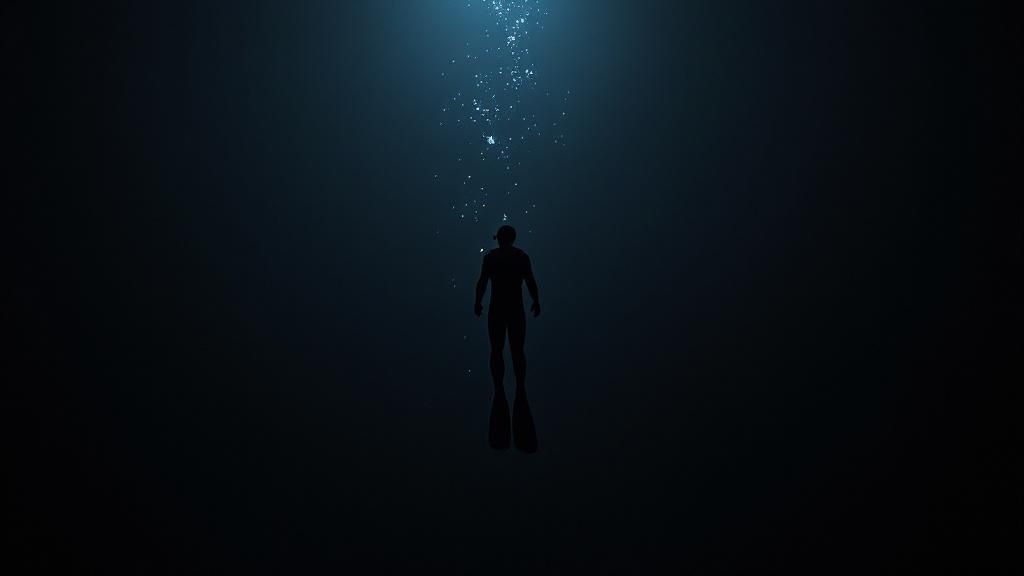
This unique dive is not about reefs or topography; it is about encountering bizarre and beautiful pelagic life that is rarely seen by humans. You will float in the inky blackness and watch as larval fish, translucent squids, and bioluminescent jellies drift past your lights. The experience has been described as floating through outer space, surrounded by alien life forms. It is an adventure specifically geared toward experienced divers looking for something entirely different from a typical reef dive.
Why It's a Top Dive Location
The Kona coast is one of the premier black water diving destinations in the world. Its proximity to extremely deep water means that dive operators can reach the ideal locations quickly without a long boat ride. Minimal coastal light pollution ensures the environment is as dark as possible, which is essential for attracting deep-sea organisms. Operators like Kona Honu Divers and Jack's Diving Locker have pioneered and perfected this type of expedition, establishing safe and effective procedures that have made the experience accessible to qualified divers.
How to Experience a Black Water Dive
Due to its specialized and high-risk nature, Black Water Diving is only available through a few highly experienced local dive shops.
- Guided Expeditions: This is the only way to do a black water dive. Companies such as Kona Honu Divers and Jack's Diving Locker offer dedicated charters. They provide the boat, an expert crew, a specialized tether system, and high-powered lights required for the dive.
- Prerequisites: This is not a dive for beginners. Most operators require an Advanced Open Water certification and a significant number of logged dives, including recent night dives. Excellent buoyancy control is mandatory.
Practical Tips for Your Visit
Proper preparation is key to a successful and enjoyable black water dive.
- Verify Your Skills: Be honest about your comfort level with night diving and open ocean conditions. This can be disorienting, and you must be calm and in control.
- Invest in Photography Gear: If you are a photographer, this is a bucket-list opportunity. Ensure you have the right macro lens and lighting equipment to capture these tiny, fast-moving subjects.
- Listen Carefully: Pay close attention to the pre-dive briefing. The procedures for tethering, managing your equipment, and signaling are critical for safety. You can learn more about what to expect on this Kona Blackwater Dive tour page.
Black Water Diving is the ultimate adventure for seasoned divers, offering a surreal journey into the planet's hidden ecosystems. For those who are qualified, it is an unforgettable experience that highlights the incredible diversity of marine life in the deep waters off the Big Island. For more detail on this experience, you can find information on the official Black Water Dive page on konahonudivers.com.
4. Big Island Dive Company Professional Training
For those looking to take their passion for the underwater world to the next level, the Big Island offers world-class professional scuba diving training. The island's diverse marine environments provide the perfect natural classroom for everything from foundational certifications to advanced technical skills. Pursuing professional training while diving big island waters means learning in real-world conditions, from calm, protected bays to sites with challenging currents and unique topography.
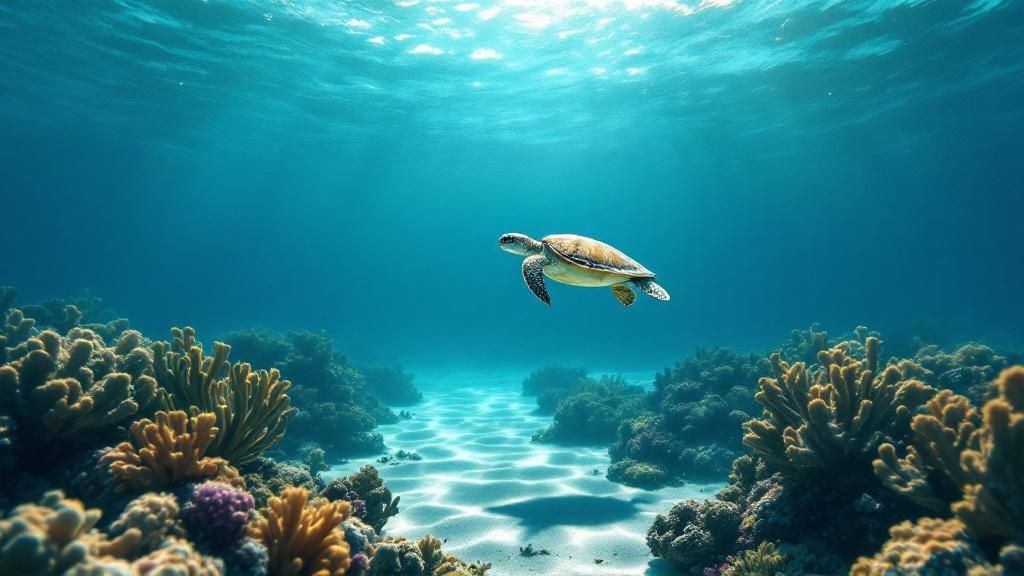
Whether you're a complete novice aiming for your Open Water certification or an experienced diver seeking to become a Divemaster or instructor, the island's reputable dive centers provide comprehensive programs. Companies like Big Island Divers, Kona Diving Company, and Jack's Diving Locker have built strong reputations for their thorough and safety-conscious training. These courses combine classroom theory with extensive practical application in the ocean, ensuring you become a confident and competent diver.
Why It's a Top Dive Location
The Big Island is a premier destination for scuba certification because of its ideal and varied training conditions. The calm, clear waters of the Kona coast are perfect for entry-level courses, allowing new divers to build skills without battling difficult surf or poor visibility. For advanced training, the island presents more complex environments, including deep lava tubes, wall dives, and sites with mild currents that are essential for developing higher-level abilities.
Learning here also means being surrounded by an incredible abundance of marine life, making every training dive an exciting adventure. This combination of top-tier instruction and an inspiring underwater setting creates a memorable and highly effective learning experience. You can find more details about available scuba classes on konahonudivers.com.
How to Access the Training
Enrolling in a professional training course is straightforward, with numerous established operators offering a wide range of certifications.
- PADI Open Water Diver: This is the starting point for most new divers. The course typically takes 3-4 days and covers essential theory, confined water skills, and four open water training dives.
- Advanced Open Water: This course is for certified divers looking to expand their skills. It involves five adventure dives, including a deep dive and an underwater navigation dive, plus three electives of your choice.
- Professional Development: For those aspiring to work in the industry, courses like Rescue Diver, Divemaster, and Instructor Development Courses (IDC) are available at several of the island's larger dive centers.
Practical Tips for Your Visit
To ensure a smooth and successful training experience, consider the following advice:
- Complete eLearning in Advance: Most agencies offer an online theory component. Finishing this before you arrive saves valuable vacation time for the in-water portion of your training.
- Book Courses Early: Certification courses, especially during peak season, fill up quickly. Reserve your spot well in advance.
- Invest in Key Gear: While rental gear is provided, having your own well-fitting mask and fins can significantly improve your comfort and performance in the water.
- Be Prepared: Ensure you are in good health and have basic swimming skills before beginning a course.
Dedicating part of your trip to professional training is a fantastic way to deepen your connection with the ocean and open up new opportunities for exploring the world beneath the waves.
5. Puako Reef and Coral Gardens
Stretching along the sun-drenched Kohala Coast, the Puako Reef system offers one of the most accessible and rewarding shore diving big island experiences. This extensive network of coral gardens is famous for its easy entry points and relatively shallow depths, making it an ideal location for divers of all skill levels, from those taking their first breaths underwater to seasoned veterans seeking a relaxed exploration. The area is particularly well-known for its high concentration of Hawaiian green sea turtles (honu) that frequent the reef to rest and feed.
The underwater topography at Puako consists of a series of finger-like coral reefs extending out from the shore, creating fascinating channels, small caverns, and swim-throughs to navigate. The clear, calm waters typical of the Kohala Coast provide excellent visibility, allowing divers to fully appreciate the vibrant coral formations and the diverse array of marine life, including parrotfish, butterflyfish, moray eels, and crustaceans hiding within the reef's crevices.
Why It's a Top Dive Location
Puako's main appeal is its unparalleled accessibility combined with rich biodiversity. Unlike many premier dive sites that require a boat trip, multiple entry points along Puako Bay Drive allow divers to simply park and walk into the water. This convenience makes it a favorite spot for independent buddy teams and for dive shops like Kohala Divers conducting PADI Open Water training dives. The shallow reef system, with depths often ranging from 20 to 50 feet, allows for extended bottom times and is perfect for honing buoyancy skills or for underwater photography in well-lit conditions. The consistent presence of green sea turtles makes nearly every dive a memorable encounter.
How to Access the Reef
Accessing Puako Reef is straightforward, which is a significant part of its charm. The best approach depends on your experience level and comfort with shore diving.
- Independent Shore Diving: For certified divers with a buddy, numerous public shore access points are located along Puako Bay Drive. Simply find a suitable entry, gear up, and walk in. This method offers the ultimate freedom and flexibility.
- Guided Shore Dives: Many local operators, including Kohala Divers, offer guided shore diving tours. This is an excellent option if you are unfamiliar with the area, as a local guide can lead you to the best spots and point out hidden marine life.
- Training Dives: Due to its calm conditions and easy entry, Puako is a primary site for dive shops conducting certification courses.
Practical Tips for Your Visit
To ensure a safe and enjoyable dive at Puako, keep the following tips in mind:
- Check Conditions: Always check the surf and current conditions before entering the water. While usually calm, conditions can change.
- Wear Booties: The shoreline entry consists of lava rock and coral rubble. Sturdy dive booties are essential for protecting your feet.
- Respect Wildlife: Maintain a safe and respectful distance from sea turtles and other marine life. Never touch the coral or animals.
- Dive with a Buddy: Always follow the buddy system and let someone on shore know your dive plan and expected return time.
Puako Reef embodies the spirit of classic Hawaiian shore diving: simple, beautiful, and teeming with life. Its ease of access and gentle conditions make it an unmissable destination for anyone looking to explore the underwater world of the Big Island at their own pace.
6. Cathedrals Dive Sites (Lanai – Big Island Excursions)
While technically located off the coast of Lanai, the legendary Cathedral dive sites are a sought-after adventure for experienced divers visiting Hawaii. These incredible underwater lava formations are often accessed via special inter-island excursions from the Big Island, offering a unique full-day trip that expands the scope of what diving big island can mean. The sites, First Cathedral and Second Cathedral, are vast, two-story caverns where parts of the lava tube ceilings have collapsed, allowing dramatic shafts of sunlight to pierce the darkness, creating an ethereal, stained-glass window effect.
This unique topography creates a breathtaking underwater spectacle unlike any other dive in Hawaii. The swim-throughs and large openings are suitable for those with proper training, and the caverns are home to a variety of marine life seeking shelter, including lobsters, nudibranchs, and ghost shrimp. The combination of awe-inspiring geology and abundant sea life makes the long boat ride a worthwhile endeavor for those seeking a truly memorable dive.
Why It's a Top Dive Location
The Cathedrals offer a unique cavern diving experience that cannot be found off the Big Island itself. The main attraction is the dramatic play of light and shadow within the massive lava structures, which creates unparalleled photo opportunities and a sense of wonder. Because these sites are more remote and require a longer journey, they are less frequented than typical Kona coast sites, resulting in pristine conditions. This trip is an ideal adventure for divers looking to explore more advanced topography and see a different side of Hawaii's underwater world. If you're building your skills for more challenging dives like this, consider exploring the advanced dive tour options available on the Big Island.
How to Access the Cathedrals
Accessing Lanai's Cathedrals from the Big Island is a logistical undertaking that requires booking a specialized, full-day excursion.
- Inter-Island Charters: The primary way to visit is through dive operators that specifically offer these long-range trips. This is not a common offering from Big Island shops, but some may arrange it as a special charter. These are not daily tours and must be booked far in advance.
- Private Charters: For groups of experienced divers, arranging a private charter may be a viable option. This provides maximum flexibility but comes at a premium cost. It's essential to coordinate with a Big Island operator willing and equipped to make the crossing.
Practical Tips for Your Visit
A trip to the Cathedrals is a serious excursion that requires careful preparation.
- Book Well in Advance: These trips are rare and fill up quickly. Plan your dive months ahead of your visit to secure a spot.
- Certification is Key: An Advanced Open Water certification is typically required due to the depth and overhead environments. Operators will verify your experience level.
- Prepare for a Long Day: Pack everything you might need for a full day on the water, including sun protection, extra layers, and any personal snacks or drinks.
- Seasickness Prevention: The channel crossing between islands can be rough. Take seasickness medication beforehand if you are prone to motion sickness.
- Practice Buoyancy: Excellent buoyancy control is crucial to avoid stirring up silt inside the caverns and to protect the delicate marine life that inhabits the walls.
Diving the Cathedrals is an ambitious but highly rewarding addition to a Big Island dive vacation, offering an unforgettable glimpse into the powerful volcanic forces that shaped the Hawaiian Islands.
Top 6 Big Island Diving Sites Comparison
| Experience / Site | Core Features / Highlights | User Experience & Quality ★ | Value Proposition 💰 | Target Audience 👥 | Unique Selling Points ✨ |
|---|---|---|---|---|---|
| Kealakekua Bay Marine Life Conservation District | 100+ ft clear waters, protected sanctuary, calm conditions | ★★★★☆ Clear waters, abundant life | 💰 Free access, multiple tour options | 👥 Beginners to intermediate | 🏆 Historical site, diverse snorkeling & diving |
| Manta Ray Night Dive | Night dive, close manta encounters, year-round sightings | ★★★★★ Iconic, 95% encounter rate | 💰 Premium pricing due to night ops | 👥 Certified divers & snorkelers | 🏆 World-famous night dive, manta ray feeding spectacle |
| Black Water Diving | Deep ocean, rare pelagic life, advanced night technique | ★★★★★ Unique rare encounters | 💰 Higher cost, niche advanced experience | 👥 Advanced to expert divers | ✨ Exclusive deep-sea night dives, scientific interest |
| Big Island Dive Company Professional Training | PADI/NAUI certs, multiple locations, experienced instructors | ★★★★☆ Comprehensive training | 💰 Course fees, equipment rental extra | 👥 All levels from beginner to pro | 🏆 Full certification spectrum, local expertise |
| Puako Reef and Coral Gardens | Shallow reef, easy shore access, sea turtle cleaning stations | ★★★★☆ Consistent marine life | 💰 Free public access, low cost | 👥 Beginners & casual divers | 🏆 Accessible shore diving, ideal for training |
| Cathedrals Dive Sites (Lanai) | Lava cathedral formations, caverns, >80 ft visibility | ★★★★☆ Unique underwater topography | 💰 Higher cost, full-day boat excursion | 👥 Intermediate to advanced | ✨ Rare inter-island dive, dramatic swim-throughs |
Ready to Dive into Your Big Island Adventure?
The volcanic slopes of Hawaii's Big Island plunge into the Pacific, creating an underwater landscape as dramatic and diverse as the island itself. From the sun-dappled coral gardens of Kealakekua Bay to the profound, inky blackness of a Black Water Dive, the opportunities for discovery are virtually limitless. This guide has journeyed through the premier experiences that make diving Big Island a world-class pursuit, showcasing a spectrum of adventures suited for every diver.
We've explored the calm, protected waters teeming with life at sites like Puako Reef, ideal for those seeking serene beauty and intricate coral ecosystems. We’ve also highlighted the adrenaline-pumping, once-in-a-lifetime encounters that define Kona diving. The Manta Ray Night Dive isn't just a dive; it's a mesmerizing ballet of gentle giants, an experience that consistently ranks among the best night dives on the planet. For the truly adventurous, the Black Water Dive offers a glimpse into a rarely seen world of pelagic drifters and bizarre, bioluminescent creatures rising from the deep. These unique dives are not just activities; they are profound connections to the ocean's most mysterious cycles.
Key Takeaways for Your Dive Planning
Mastering your Big Island dive plan means aligning your skills, interests, and expectations with the right underwater environment. Here are the most critical takeaways to ensure your trip is a success:
- Match Dives to Your Skill Level: While many Kona sites are accessible to beginners, signature experiences like the Kona blackwater dive demand advanced buoyancy control and comfort in open-ocean, night conditions. Be honest about your experience to ensure both safety and enjoyment. For those looking to push their limits, pursuing an advanced certification can open up a new world of deeper, more challenging sites.
- Book in Advance: The Big Island's top-tier experiences, especially the Manta Ray Night Dive, are incredibly popular. To secure a spot with a reputable, small-group operator like Kona Honu Divers, booking well ahead of your travel dates is essential. This is particularly true during peak seasons like winter and summer.
- Embrace the Unique: Don't limit yourself to standard reef tours. The Big Island’s geology and location create unparalleled opportunities. Prioritize at least one of its signature dives. Whether it's the manta rays or the blackwater experience, these are the memories that will define your Hawaiian diving adventure.
From Planning to Plunging: Your Next Steps
With this knowledge, you are no longer just a tourist; you are an informed explorer ready to make the most of your underwater journey. The next step is to transform this information into action. Review the dive sites and experiences we've covered. Which one ignites your curiosity the most? Is it the vibrant history and marine life of Kealakekua Bay or the advanced challenge of a deep lava tube?
Once you've identified your must-do dives, the most crucial decision is choosing the right guide. A great dive charter does more than just transport you to a site; they enhance the experience through expert knowledge, impeccable safety standards, and a genuine passion for marine conservation. They are your gateway to the hidden wonders of the Kona coast. For a truly exceptional experience across a wide range of diving tours, from the iconic manta ray dive to exclusive advanced dive trips, consider an operator known for its commitment to small groups and personalized attention.
The vibrant reefs, majestic mantas, and mysterious creatures of the deep are waiting. Your unforgettable Big Island dive adventure is just a decision away.
Ready to experience the best of Big Island diving with a top-rated, safety-focused crew? Kona Honu Divers specializes in small-group tours that provide a personal and unforgettable connection to Kona’s underwater world. Visit Kona Honu Divers to explore their full range of dive trips and book your adventure today.