
Dive Kona is not one kind of trip. It's a stack of different underwater environments along one coastline, and the wrong match can make a great dive feel ordinary. NOAA's reef monitoring in Hawaiʻi shows why that matters, because coral-community structure, fish populations, temperature, pH, oxygen, and water flow all shape what you see, and those conditions can change independently of visibility (NOAA coral reef monitoring in Hawaiʻi).
If you've only heard Kona described as “clear water and easy diving,” that's incomplete. A manta night dive, a blackwater drop, a lava-reef morning, and a sheltered cove session all ask for different timing, gear, and comfort levels. The smart way to dive Kona is to pick the environment first, then the operator and site second.
Why Kona Is Several Dive Worlds in One
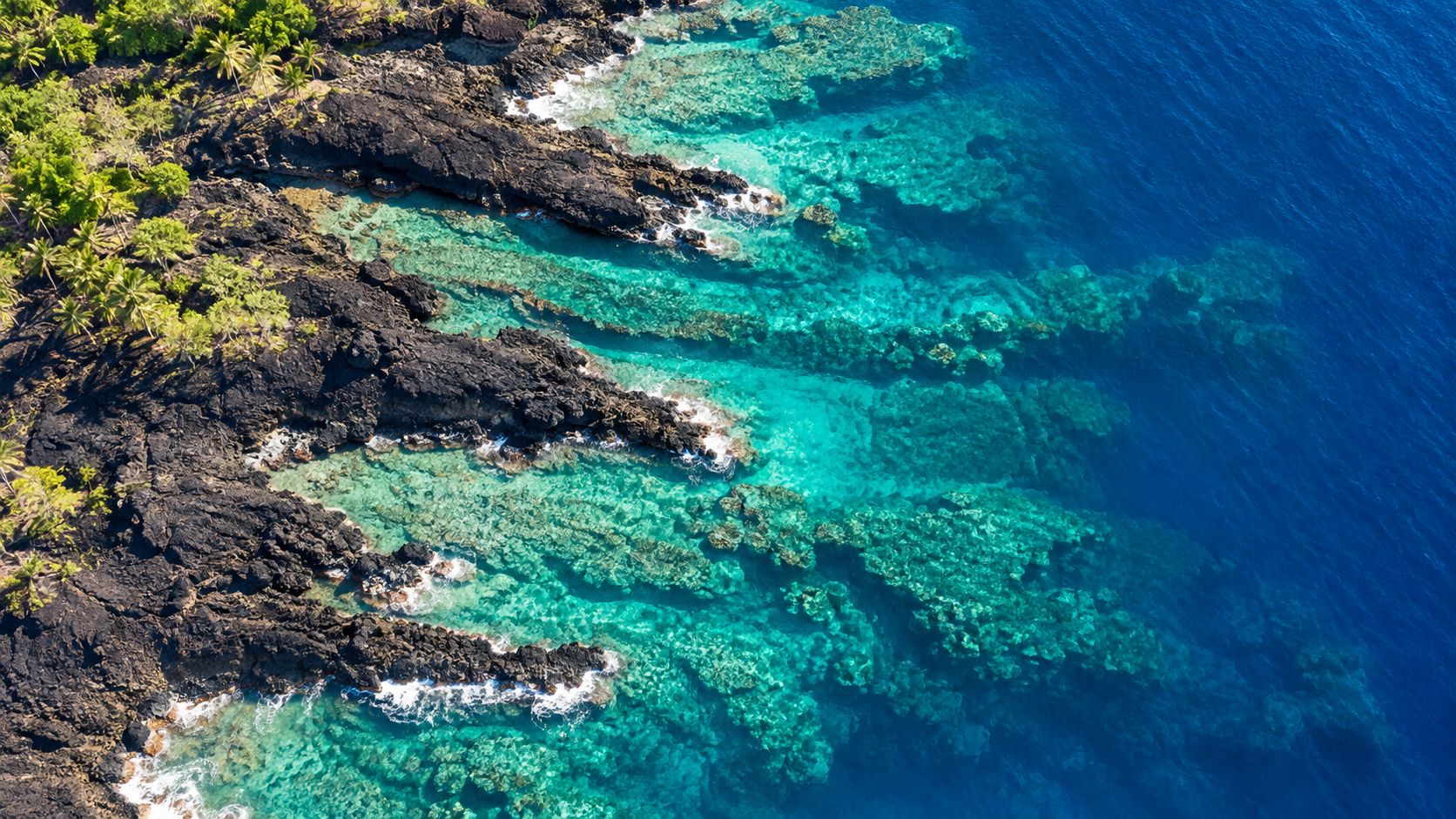
Dive Kona as a coastline with layers, not a single destination. Volcanic geology has built lava fingers, arches, tubes, and abrupt drop-offs, while the west side's shelter often keeps the water calmer than visitors expect. That mix is why one harbor can support mellow reef touring, manta nights, and advanced open-ocean profiles without treating them as the same dive.
The reef, the drop-off, and the sheltered shore
At Old Kona Airport, the state describes numerous shallow lava fingers extending offshore to about 50 feet, then a rapid drop into very deep water (Hawaiʻi Old Kona Airport MLCD). That topography explains the coast's range. A site can look relaxed from the surface and still hide a steep edge, surge, or current that changes the plan fast.
A good Kona operator reads the ocean each morning and picks the site that matches it. The goal is to match the day's conditions, not fill a boat on a fixed route. That matters because lava coastlines do not behave like uniform reef flats. For a closer look at the area's mix of reef structure, current exposure, and dive styles, the overview of what is unique about diving in Kona is useful context before you book.
Practical rule: In Kona, a memorable site is often the one that matches the day's conditions, not the one with the biggest name.
The trip types that actually define the coast
The signature experiences are different enough to deserve separate lanes. Manta night dives are about controlled observation, blackwater dives are about deep pelagic night structure, lava tube and pinnacle dives suit certified and buoyant divers, and shallow reef dives fit newer guests or mixed groups. The wrong booking can turn the day into a fight against depth, current, or motion.
That is why volcanic coastal structure matters as much as visibility. The coast is built for variety, and each environment asks for different timing, gear, and comfort level. A sheltered cove can be the right call for one diver and the wrong choice for another who wants more depth, more exposure, or more current.
Kona works as several dive worlds in one, and the best trip starts by choosing the world you want to enter first.
How to Read Kona's Coast and Conditions
Kona rewards divers who read the coast first and the itinerary second. The shoreline is not a uniform reef line, it is a set of pockets, shelves, and exposed corners, and wind, swell, and current decide which of those pockets is worth diving on a given day.
The west side is sheltered, but not identical everywhere
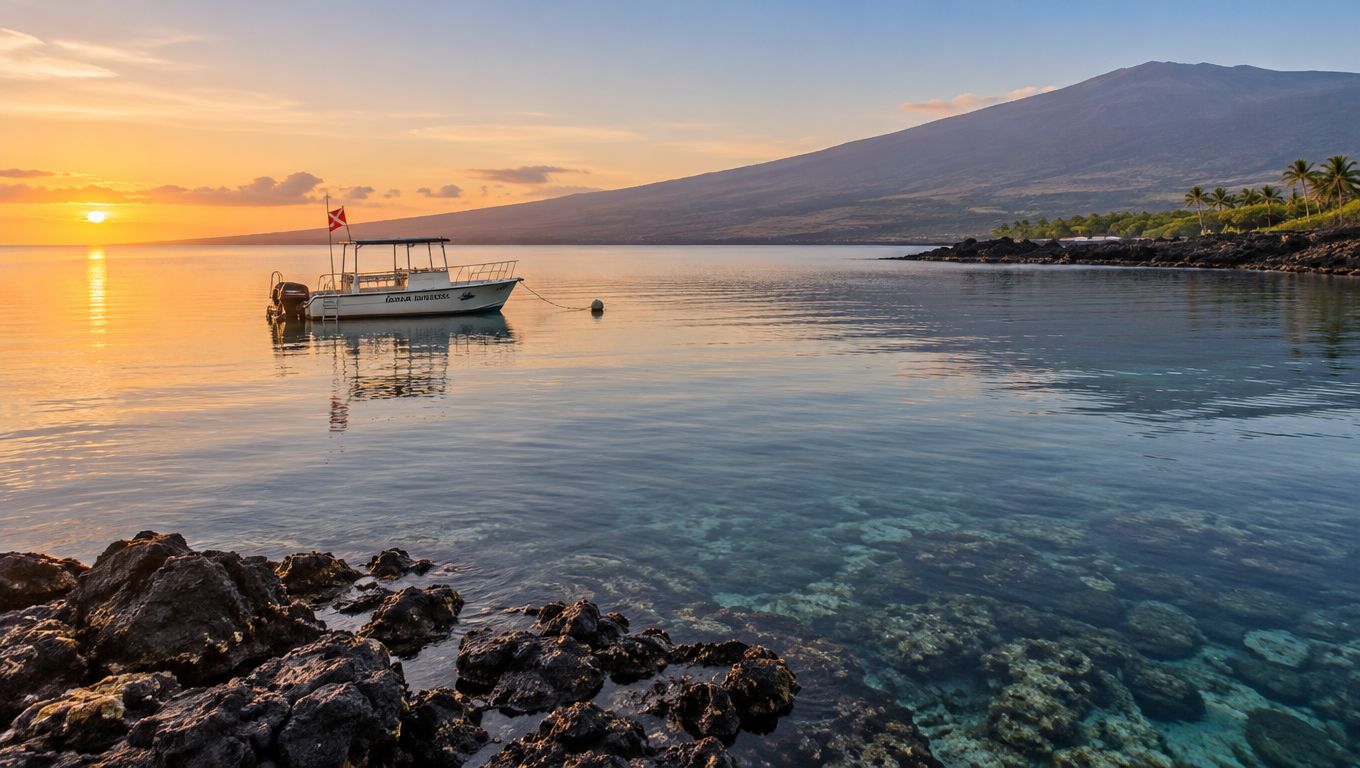
Kona sits on the leeward side of the island, so it is often protected from the prevailing trade winds. Kailua Bay and Keauhou can look nearly flat while a different stretch of coast has chop, surge, or a rough entry. Calm water on the surface does not promise easy shore access, and it does not mean every site will offer the same underwater visibility.
That difference matters in practice. A morning can start glassy and still become a poor shore-entry choice if swell, tide, and surge line up badly on a lava shelf. On a boat, the same morning may be fine for a protected reef, because a good captain can shift away from the roughest corner of the coast.
Seasonal rhythm changes what divers notice
Winter and summer are not just temperature labels. The Big Island visibility guide at Big Island scuba visibility conditions is a useful reminder that surface conditions, swell windows, and site choice are tied together here. Winter often brings more swell, while summer usually gives divers easier surface conditions and more predictable time on the water.
Read the day in layers. Check the surface first, then the exposure of the site, then the style of dive you booked. A sheltered morning reef dive can be the smarter call than a famous site if the ocean has more energy than you want to spend fighting.
A clear day onshore does not mean a clear underwater plan. Read swell, tide, and current the same way you read depth and air, as part of the dive, not as background noise.
What this means before you book
Newer divers should choose the most protected option and ignore pressure to chase a big-name site that does not fit the conditions. Experienced divers should look for a site where structure, current, and depth reward their skills. The best Kona choice is usually the one that respects both the coast and the day.
Signature Kona Experiences Worth Planning Around
Kona works because each dive format asks something different of the diver. Match the site, depth, and time of day to your level, and the coast opens up. Pick the wrong one, and the trip turns into compensation instead of enjoyment.
Manta nights are about controlled observation, not guaranteed behavior
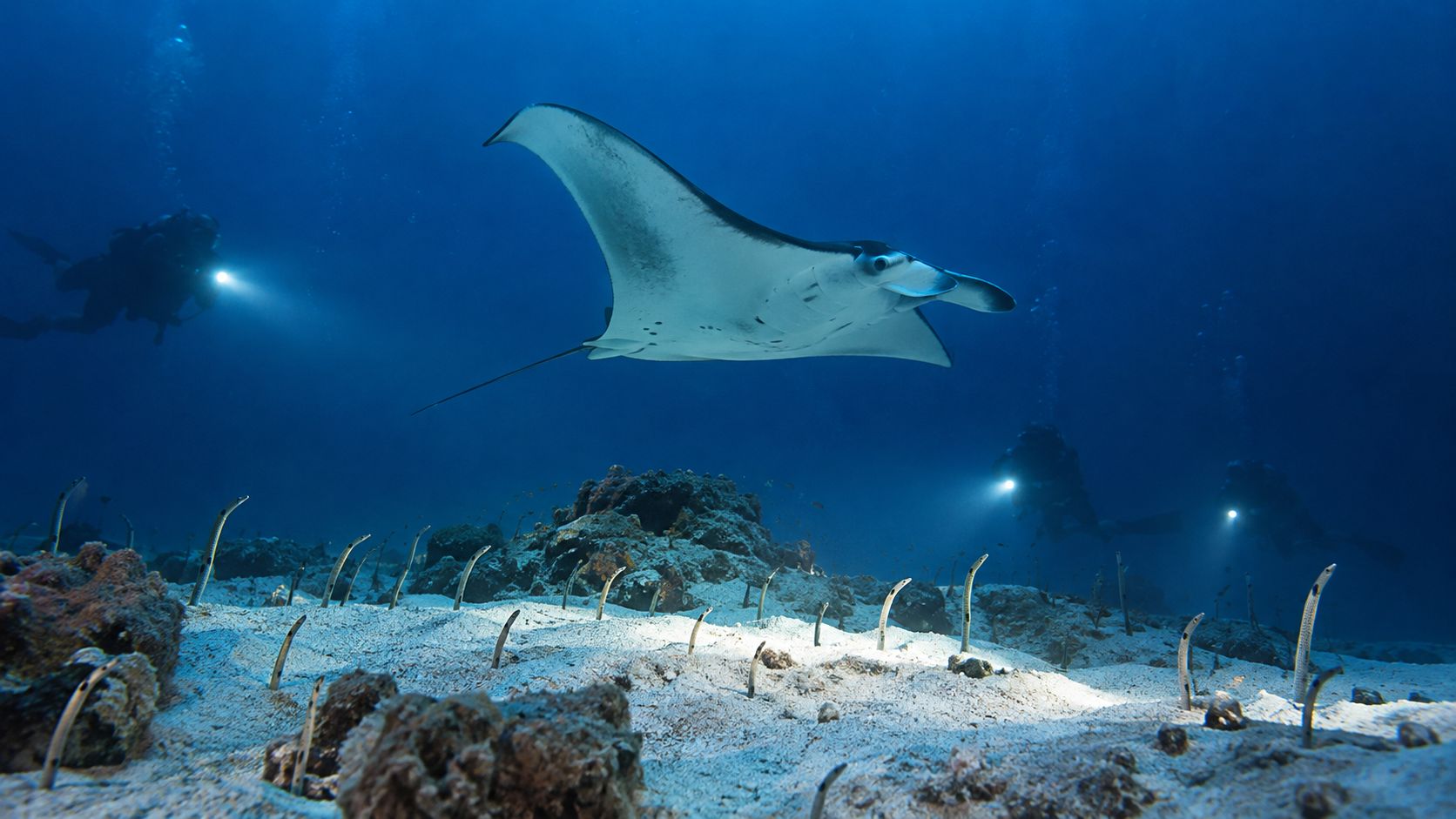
The manta night dive is famous for a reason, but it still follows wildlife behavior, not a schedule. Reef manta rays are specialized zooplanktivores, and a recent review notes that their diet can include deeper-water prey as well as near-surface zooplankton (Frontiers in Marine Science, 2025). Bright lights help draw plankton into view, but they do not promise mantas on cue.
For divers comparing options, Garden Eel Cove is the manta site that usually makes the most sense because the setting supports better positioning and cleaner viewing. Use the manta ray dive tours page to compare tour formats, and read the broader diving with manta rays guide before you book.
Blackwater is a different category entirely
A blackwater night dive is an open-ocean pelagic dive, so the appeal is the water column itself, not a reef or a predictable animal encounter. It suits advanced divers who stay calm on a tether, keep good buoyancy in darkness, and communicate cleanly when visibility feels abstract rather than reassuring.
Pack a seasickness plan before any night or open-ocean trip; see the preparation checklist below.
Reef mornings and technical profiles solve different problems
A classic two-tank morning reef dive fits relaxed sightseeing, turtles, and broad reef life. Lava tube and pinnacle dives ask more from the diver. They reward certification, trim control, and comfort around structure and depth, and they punish sloppy finning or rushed ascents.
If you want the full range of trip formats in one place, start with the diving tours hub and choose the style that fits your skill, not your wish list.
Top Dive Sites Around Kailua-Kona
The best Kona sites aren't interchangeable. Access, depth, structure, and crowding all change the experience, and the protected status of some areas affects where operators can legally place boats and divers. That's why site choice should be part of planning, not an afterthought.
Old Kona Airport is protected, shallow, and more technical than it looks
The Old Kona Airport Marine Life Conservation District extends seaward 500 yards from the shoreline between Keahuolū Point and Kailua Lighthouse, anchoring is prohibited, motorized vessels may not operate in the No Boating Zone except for emergencies or enforcement, and commercial operations require authorization or must fit the district rules (DLNR regulated areas). That matters because boat access isn't just a convenience issue, it shapes the whole day.
The state also describes the site as having substantial coral cover and a diverse reef-fish population, but the shoreline has sharp coral and lava rock, so entry and exit deserve respect (Hawaiʻi Old Kona Airport MLCD). In practice, this is a place where boat support or very careful shore planning makes more sense than casual assumptions about an easy beach dive.
Treat Old Kona Airport as a managed reef, not an open swimming area. The protection status changes how you move, where you anchor, and what you can touch.
Protected coves and deeper structures reward different divers
Manta cove sites are more about interaction lanes than coral walls, so they suit photographers and first-timers who want a controlled night experience. Keauhou's deeper structures work better for divers who can hold position, manage buoyancy, and stay relaxed when the reef drops away. Offshore pinnacles are where advanced divers get the most value from good trim and situational awareness.
For a broader map of the coast's sites and access patterns, the Big Island scuba diving sites page helps narrow the field without guessing.
Protected sites mean protected behavior
Hawaiʻi's Marine Life Conservation District framework is built to conserve and replenish resources, and in Old Kona Airport the taking, injuring, killing, possessing, or removing marine life is generally prohibited, along with removing sand, rocks, coral, or other geological material (Hawaiʻi Marine Life Conservation Districts). That's not just a legal note, it's the operating culture a responsible diver needs to respect.
When you plan around site rules as well as marine life, you make better choices before the dive starts. You also avoid showing up at a protected site with the wrong expectations about anchor use, shore access, or what's fair game to handle.
Gear, Rentals, and What the Boat Provides
Kona gear planning should be boring in the best way. The right setup keeps you warm enough, neutral enough, and organized enough to enjoy the dive instead of fiddling with kit. If your equipment is wrong, even a beautiful site feels messy.
Wetsuit choice should follow season, not ego
A 3mm wetsuit is the normal starting point for most Kona diving, and a 5mm or hooded layer makes sense when you run cold or plan to spend more time on the boat between dives. That advice lines up with local operator guidance that most divers are comfortable in a 3mm, while some prefer more insulation in cooler months (Big Island dive guide).
If you're renting, don't overthink it, but do ask for gear that's been serviced proactively. A well-run shop checks hoses, regulators, seals, and inflator function before the boat leaves, because fixing a gear issue at sea burns the same daylight you paid for.
What a quality Kona boat should have
A good dive boat changes the day more than people admit. Look for hot showers, shaded seating, dry storage, and an organized tank setup that keeps deck flow simple. Those details matter on the second dive, when sun, spray, and tired shoulders start to matter more than the brochure photo.
Kona Honu Divers is one operator that includes free nitrox for certified divers, and its boat setup is built around exactly those comfort details. That matters most for repeated profiles or for divers who want a more efficient day without extra dock-side friction.
Use the right rental level for the dive you booked
| Kona Gear Picks by Experience Level | Beginner | Experienced | Notes |
|---|---|---|---|
| Wetsuit | 3mm full suit | 3mm or 5mm | Ask for a hooded layer if you chill easily |
| Mask | Simple, low-volume mask | Prescription or preferred fit | Fit beats price every time |
| Fins | Comfortable open-heel fins | Stiffer fins for control | Control matters more on current or blackwater |
| Computer | Simple rental computer | Personal computer | Know your ascent and no-stop limits |
| Exposure protection | Basic full coverage | Layered coverage | Bring more if you run cold on boats |
If you want to sort gear before departure, the scuba rentals page is the obvious next step.
Certifications, Courses, and Where You Belong
Your card should match the dive you want, not the other way around. Kona has enough range that beginners can get into the water safely, but the more specialized the dive, the more your training matters. That's especially true for night dives, deeper reefs, and any profile that asks you to stay calm while the environment gets less familiar.
Beginner options are real, but they're not the same as full certification
A true beginner can still get underwater through Discover Scuba Diving or a resort course, which gives you a guided intro without requiring a full certification card. That's a good fit if you want one supervised ocean dive and don't want to spend several vacation days on a course.
An Open Water certification is for the traveler who wants independence later, not just a single experience now. Once certified, you can book more of Kona's boat dives and choose trips with more confidence instead of asking the crew to translate every decision for you.
Advanced training maps directly to Kona's stronger experiences
Advanced Open Water helps if you want deeper profiles, better navigation, and more comfort on less sheltered sites. Enriched Air Nitrox is useful if you're doing multiple dives or longer boat days, because it gives certified divers a cleaner way to manage fatigue and bottom time planning.
Specialty classes also line up neatly with the local menu. Night diving supports manta trips, deep diving helps with offshore structure, and blackwater training makes the pelagic night format feel structured instead of chaotic. If you've got a gap in your recent diving, a refresher is the most honest fix because it rechecks buoyancy, mask clearing, ascent control, and gear routine before you're in open water.
A refresher isn't about embarrassment. It's about removing the small mistakes that become expensive once you're offshore or underwater after dark.
If you're still deciding whether to book a tour or a course first, use one question. Do you need a card to enjoy the trip, or do you need the trip to justify the card? That answer usually tells you where to spend the first day.
Reef Reality and Responsible Diving in a Changing Climate
Kona's reefs can look healthy from the boat and still be under pressure below the surface. Visibility, fish life, and coral condition do not always line up, so a clean-looking dive is not the same thing as a healthy reef. Hawaiʻi assessments make that clear, and they also show how local reef stress can be uneven from site to site (Hawaiʻi reef stress assessment).
Healthy-looking water isn't the same as healthy reef
A reef can still be dealing with macroalgal overgrowth, tissue loss, or other signs of stress even when the water looks excellent. That matters for divers who assume clear water means little impact. It also means the most important field skill is not optimism, it is restraint.
Stay off the bottom, keep your trim under control, and give animals room. Those habits reduce sediment, prevent accidental contact, and make the site better for the next diver as well.
Research in Hawaiʻi has also emphasized that much of the routine attention has centered on shallower reef zones, while reef habitat extends deeper. That leaves some parts of the system less observed than divers might expect, especially on sites that get most of their traffic from boats and guided groups.
Small choices matter more than people think
Use reef-aware sunscreen practices, avoid touching coral or marine life, and skip a site if crowding or surge makes good buoyancy harder than usual. That is especially true around shallow lava terrain, where one sloppy fin kick can scrape coral or send you into sharp rock.
I tell divers the same thing I tell local boats: the goal is not to prove you can stay underwater anywhere. The goal is to dive accurately, stay light-handed, and leave enough margin that the reef, and your own error rate, both stay intact.
Planning, Booking, and Making the Most of Your Kona Trip
The best Kona trip is the one you plan around the water, not around a generic itinerary. Pick the season that fits the kind of diving you want, match the trip to your certification and motion tolerance, and leave enough room in the schedule to enjoy the dives instead of forcing too much into one day.
Build the trip around the dive, not the other way around
Morning reef dives are the cleanest fit when you want calmer water and an easy run back to the harbor. Manta night dives fit divers who want a controlled wildlife encounter. Blackwater dives are for experienced divers who already know they are comfortable in darkness and open water.
For mixed-skill groups, private charters reduce compromise. That matters for photographers too, because a boat that can slow down for framing and buoyancy usually gives you better results than one keeping a large group on a fixed pace.
Seasickness prep should happen before you board
Motion-sensitive divers need a plan before they step on the boat. The practical options are the Ship-EEZ Seasickness Patch (patch), Dramamine pills (Dramamine), Bonine pills (Bonine), Sea Band wristbands (Sea Band), and ginger chews (ginger chews). Open-ocean trips and night dives are where poor preparation shows up fastest.
Use your camera like a diver, not a chaser
Underwater photography works better with a wide lens, slow movement, and a stable shooting position. Ambient light or red-light techniques help keep the scene natural. A calm body position matters more than fancy housing if you want sharp images.
| Diver Profile | Best Trip | Why |
|---|---|---|
| First-time visitor | 2-tank morning reef dive | Simple, broad reef life, less night complexity |
| Certified manta fan | Manta night dive | Strong wildlife focus and controlled viewing |
| Advanced buoyancy diver | Blackwater or deep reef trip | Rewards trim, calm, and self-reliance |
| Mixed-skill family | Private charter | Keeps pace and comfort under one plan |
| Photographer | Manta or private reef charter | Better control over framing and position |
If you want to compare the more advanced options, the advanced dive tour page lays them out clearly.
Kona Honu Divers runs the kinds of trips this coast asks for, from morning reef dives to manta nights, blackwater runs, courses, rentals, and private charters. If you want a Kona dive plan that matches the site, the season, and your certification level, visit Kona Honu Divers and choose the trip that fits the water you want to be in.