
You’re probably looking at a few tabs right now and trying to answer the same questions most visitors ask. Is Captain Cook worth the effort? What’s the safest way to get there? And if you only do one snorkel trip on the Big Island, should this be it?
Short answer: yes. Captain cook hawaii snorkeling is one of the standout water experiences on the island, but it’s best when you approach it with realistic expectations and local-style planning. The bay is beautiful, protected, historically important, and still one of the easiest places for many visitors to have a memorable reef snorkel. It’s also a place where the wrong access choice can turn a great day into a rough one.
Welcome to Hawaii's Snorkeling Paradise Kealakekua Bay
The version people imagine before they book a Hawaii snorkel day is usually the same. Clear blue water. Calm enough to float without fighting chop. Reef fish moving below you instead of one or two scattered sightings. A shoreline that still feels dramatic and wild.
Kealakekua Bay is one of the few places that regularly delivers that picture. The bay draws about 190,000 visitors annually and contributes to Hawaii’s snorkeling economy, which brings in about $100 million annually, according to Kona Honu Divers’ Kealakekua Bay overview. That kind of demand tells you two things. First, this isn’t a hidden local secret. Second, people keep coming because the site earns its reputation.
Its protected status as a Marine Life Conservation District is a big reason the experience still feels special. The bay has held onto the conditions that make snorkeling here so rewarding. Clean water, active reef structure, and a setting that feels more preserved than many easier-to-reach shoreline spots.
If you want a broad look at what a guided day on the water looks like, Kealakekua Bay snorkeling tours from Kona give a useful starting point for trip planning.
Why this bay stays on people’s shortlist
Some snorkel sites look good in photos but become average once you’re in the water. Kealakekua Bay usually works the other way around. The cliffs, the monument area, and the protected feel of the bay all come together once you’re floating over the reef.
Three kinds of visitors usually leave happy here:
- First-time Hawaii snorkelers who want calm water and easy fish spotting
- Families and mixed-ability groups who need a site with a good chance of a smooth day
- Experienced ocean people who still appreciate clean visibility and healthy reef structure
The bay is popular for good reason, but popularity also means timing and access method matter more than most visitors expect.
What to Expect in Kealakekua Bay's Legendary Waters
Kealakekua Bay’s reputation comes down to three things working together. Clarity, protection, and reef layout. When all three line up, the snorkeling feels easy in the best way.
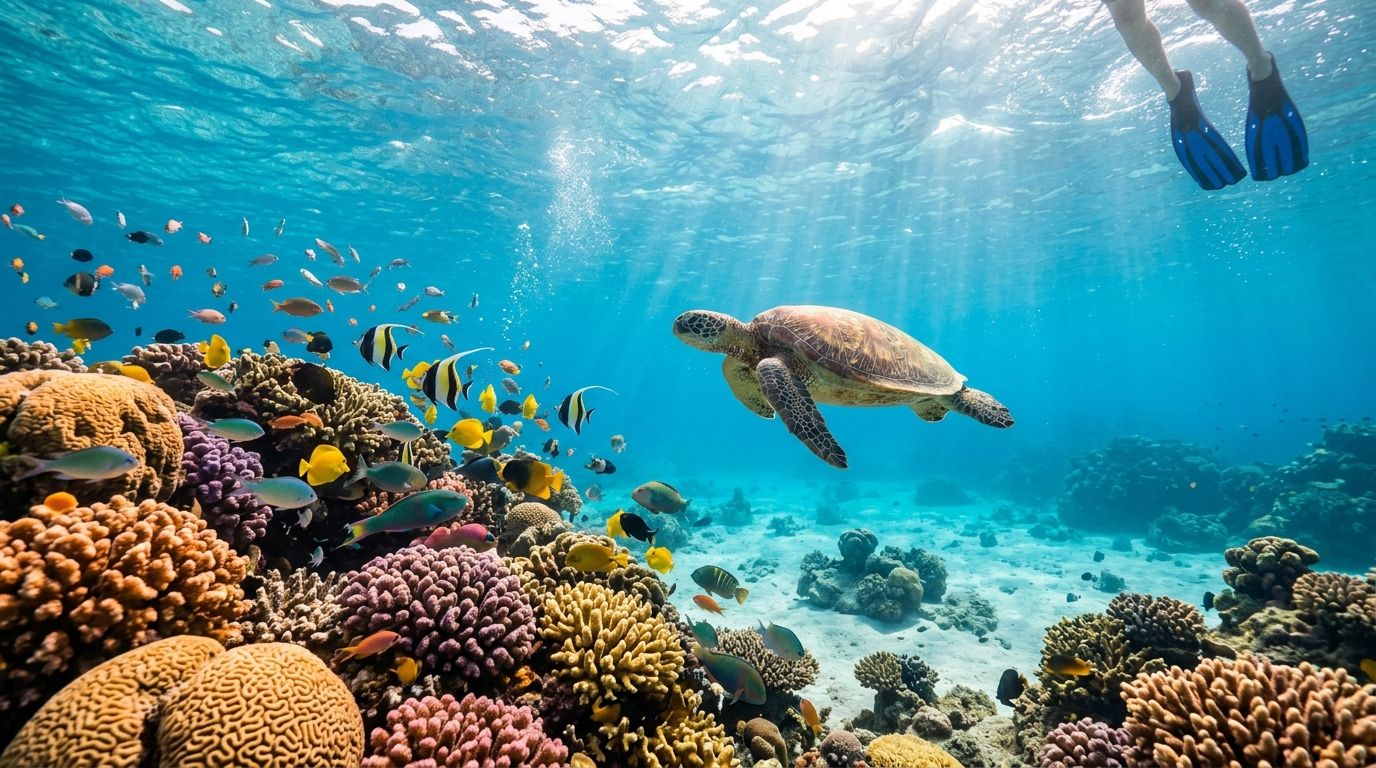
According to this Captain Cook snorkeling conditions guide, Kealakekua Bay boasts visibility consistently reaching 100 feet, with depths around 10 to 20 feet near the monument and over 60 feet at the drop-offs. That depth profile is a big part of what makes the bay interesting. You can stay over comfortable shallows and still look out toward deeper blue water just a short distance away.
Why the visibility matters
Good visibility isn’t just about pretty water. It changes how relaxed people feel in the ocean. Beginners waste less energy when they can see the bottom clearly, track their position, and keep visual contact with the boat or guide.
On a calm morning, the bay can feel almost like an open-air aquarium. You’re not squinting into haze and hoping shapes turn into fish. You’re usually seeing the reef clearly enough to enjoy the underwater environment itself, not just the marine life moving through it.
What the underwater layout feels like
The easiest water for most snorkelers is usually near the monument side, where the shallower reef gives you plenty to look at without needing to dive down. As the bottom slopes away, the scenery changes. That contrast is part of the appeal, but it’s also why people should respect the site.
A simple way to think about it:
- Shallower sections are better for relaxed surface snorkeling and fish watching
- Sloping reef edges add drama and more depth perception
- Drop-off zones are beautiful, but they can make new snorkelers feel more exposed
Clear water can fool people into thinking everything is easy. Visibility helps, but depth still affects comfort, orientation, and energy use.
What works best for most visitors
If your goal is the best possible experience, stack the conditions in your favor. Morning tends to be the right call because the bay is often calmer early, before wind builds. Good gear also matters more than people think. A leaking mask or fins that don’t fit can ruin what should be a simple snorkel.
The payoff is straightforward. When the water is settled and your gear fits, Captain cook hawaii snorkeling becomes less about effort and more about observation. You float, look down, and the bay does the rest.
How to Access Captain Cook A Guide to Your Options
Most visitors focus on the snorkel itself. Locals usually focus on how you’re getting there. That’s the decision that shapes the whole day.
You have three practical access methods. Boat tour, kayak, or hike. All three can reach the bay area, but they’re not equal in effort, safety, or usefulness for the average traveler.
The biggest mistake I see is people underestimating the trail. The hike down to the bay is not a casual add-on. According to this Captain Cook access and visibility guide, the route is a 2-mile hike with a steep 1,200 ft elevation change, rescue incidents have risen 15%, and boat tours have a 95% lower injury rate, making them the safest access method.
Captain Cook Access Methods Compared
| Method | Best For | Difficulty | Safety | Recommendation |
|---|---|---|---|---|
| Boat tour | Most visitors, families, mixed-skill groups | Moderate logistics, easy experience | Safest overall option | Strongest choice for most people |
| Kayak | Confident paddlers who understand local rules | Moderate to high | More variables than a boat tour | Works for a narrow group, not the average visitor |
| Hike | Fit, prepared hikers who know what they’re taking on | High | Highest risk of the three | Usually not the right call for casual visitors |
Boat access makes the day simpler
A boat tour removes most of the friction. You don’t spend the day managing heat, hauling gear, or saving energy for the climb back out. You arrive with support, flotation, and a crew that’s watching conditions.
That matters more at Kealakekua than people assume. This is a bay with easy-looking water and a setting that encourages overconfidence. A good boat crew cuts down on avoidable mistakes before they happen.
Boat access is usually the better choice if you:
- Travel with kids or older relatives
- Want to spend your energy snorkeling, not commuting
- Prefer onboard shade, gear help, and a clearer safety structure
- Don’t know the bay well enough to judge conditions on your own
Kayaking sounds simple, but it isn’t simple for everyone
Kayaking appeals to independent travelers because it feels flexible and adventurous. Sometimes it’s a good fit. Sometimes it becomes a lot of extra work before the snorkeling even starts.
The trade-off is effort and planning. You’re managing launch logistics, wind, your own paddling ability, and whatever gear you bring. If you’re already comfortable with ocean paddling and understand access restrictions, that may be fine. If you’re not, kayaking can turn a mellow snorkel goal into a transportation problem.
Hiking is the most overrated option for average visitors
The trail gets talked about like it’s a badge of honor. For some people, it is. For many others, it’s the hardest part of the day and the reason they don’t enjoy the water once they reach it.
The problem isn’t just getting down. It’s getting back up after sun exposure, carrying gear, and spending time in the water. People handle the descent, have a decent snorkel, then realize the uphill return is where the day starts to unravel.
Practical rule: If your main goal is snorkeling, don’t choose the access method that burns your legs and hydration before you even start.
The real trade-off
If you want independence, kayak or hike may still appeal to you. But if you want the best overall Captain Cook snorkel day, boat access wins on safety, ease, and energy management.
That isn’t hype. It’s just the most practical read of the bay.
Choosing the Best Captain Cook Snorkeling Tour
Once you decide to go by boat, the next question is which kind of operator fits your day. I’d keep the decision simple. Look for a crew that runs this route regularly, keeps the process organized, and treats safety as part of the experience instead of an afterthought.
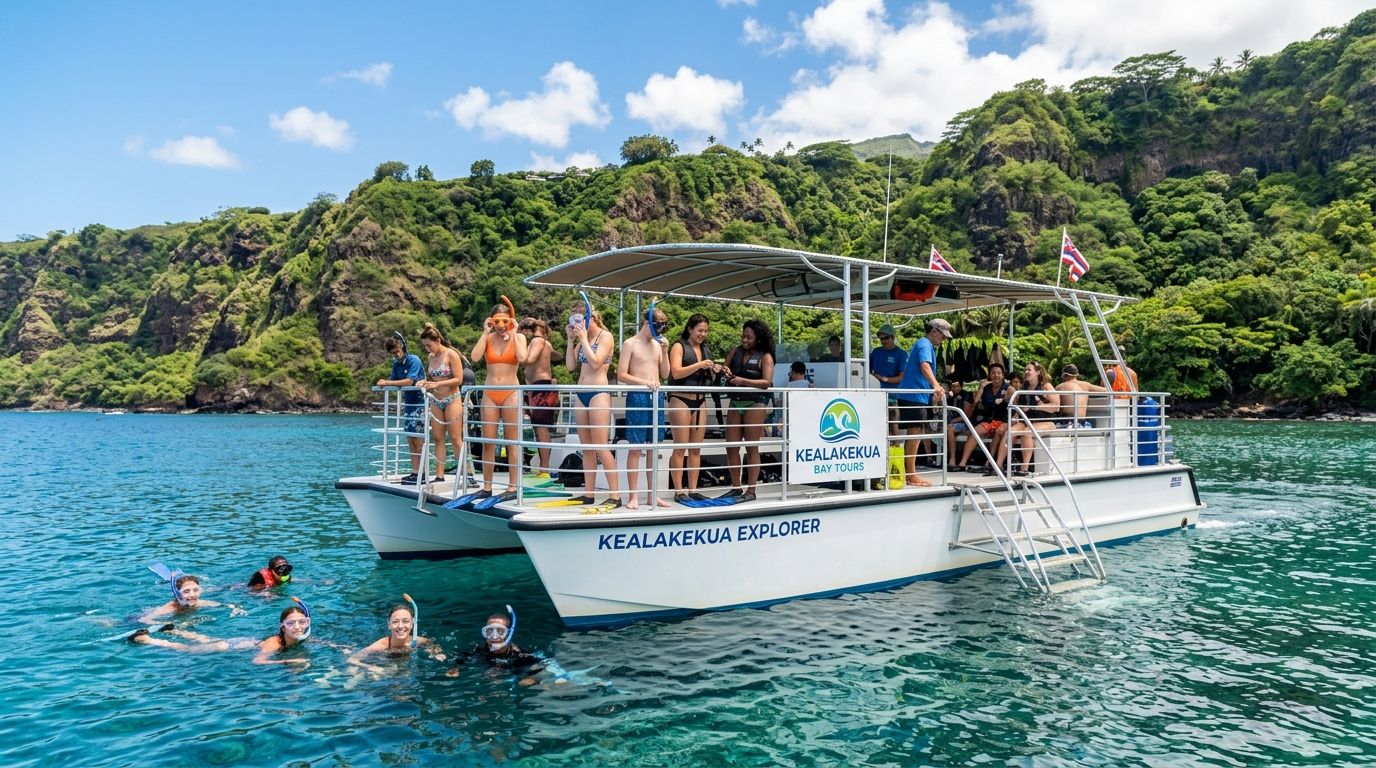
Two straightforward places to start are Kona Snorkel Trips’ Kealakekua Bay Captain Cook Monument tour and Captain Cook Snorkeling Tours. Both focus on the experience people usually want here, which is getting to the bay efficiently and spending the day centered on snorkeling, not guesswork.
If you’re comparing operators more broadly, Captain Cook snorkel tour options from Kona Honu Divers are another factual reference point when you want to compare format, timing, and trip style.
What to look for before booking
Don’t overcomplicate the screening process. A few details matter more than long marketing descriptions:
- Crew quality matters more than boat hype. A calm, attentive crew improves the trip.
- Gear handling matters. Guests need help with mask fit, fins, and water entry.
- Trip flow matters. Smooth boarding and clear briefings reduce stress.
- Group feel matters. Some people want a social boat. Others want a quieter trip.
A good tour should make the bay feel more accessible, not more hectic.
Reviews and operator snapshots
Book the tour style that matches your group’s comfort level. The “best” trip on paper isn’t the best trip if half your group feels rushed or uneasy in the water.
Essential Safety Tips for a Worry-Free Snorkel
Captain Cook is friendly by Hawaii standards, but it’s still open ocean. The people who enjoy it most aren’t always the strongest swimmers. They’re the ones who prepare well, listen to the briefing, and stay inside their lane once they hit the water.
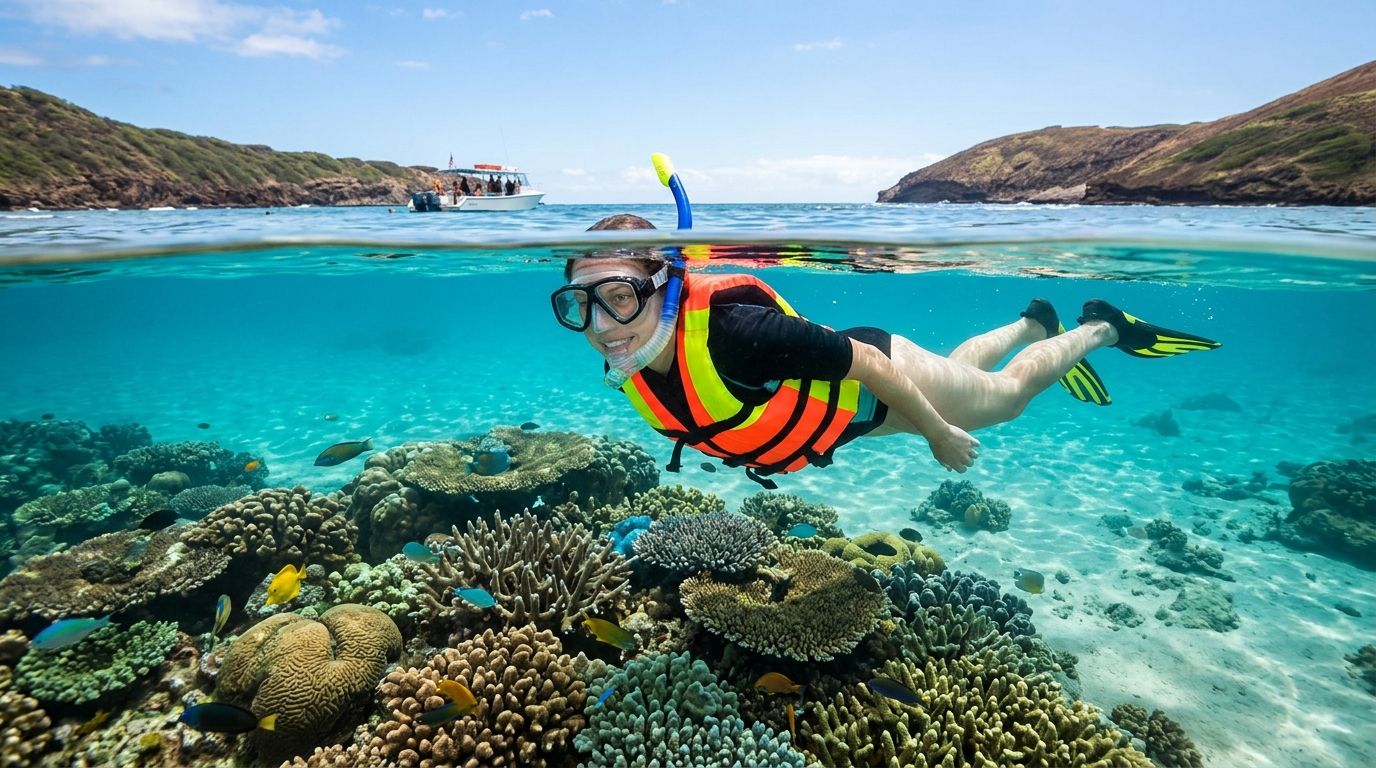
According to this swim requirements guide for Captain Cook snorkel tours, basic swim proficiency, including treading water for 5 to 10 minutes, is essential for handling mild currents. Reputable tours also provide flotation devices, and solid gear can improve both safety and comfort.
If seasickness is on your mind, this practical guide on how to avoid sea sickness is worth reading before your trip.
Know your real swim ability
A lot of people say they can swim when what they mean is they’re comfortable in a pool. That’s not the same thing as being relaxed in the ocean with a mask on, fins on, breathing through a snorkel.
The safer approach is simple. If you’re not fully confident, use flotation from the start. Don’t wait until you’re tired.
- Use the vest or noodle early if you’re even slightly unsure
- Stay close to the guide or boat line instead of drifting wide
- Keep your head down and movements slow so you don’t spike your breathing
- Call it early if you’re tired, cold, or feeling stressed
Sun and boat safety matter more than people think
Most rough snorkel days start before anyone gets in the water. People show up dehydrated, underfed, or already a little sunburned from the previous day. Then the boat ride and bright reflection off the water finish the job.
Bring water. Wear a hat before and after your snorkel. Use reef-safe sunscreen and reapply as directed. If your tour gives an entry briefing, listen closely. Getting in and out of the water from a boat is easy when you follow the sequence the crew gives you.
If something feels off in the first few minutes, it usually doesn’t improve by pretending it’s fine. Signal the crew and reset.
Managing seasickness before it starts
You don’t need to be “someone who gets seasick” to feel lousy on a boat. Light swell, heat, nerves, and an empty stomach can do it. Prevention works better than trying to fix it once you’re already green.
Common options people use include Ship-EEZ Seasickness Patch, Dramamine pills, Bonine pills, Sea Band wristbands, and Ginger chews. Pick one approach ahead of time instead of guessing the morning of your trip.
A few habits also help:
- Eat lightly before departure rather than boarding on an empty stomach
- Look at the horizon if you start feeling off
- Stay in fresh air instead of sitting low and enclosed
- Tell the crew early if you’re getting nauseous
Practice Malama Protecting the Bay for Future Generations
Kealakekua Bay is still worth snorkeling because enough of it remains worth protecting. That’s the right mindset to bring with you. Not just “what can I see here,” but “how do I leave this place with as little impact as possible?”
The pressure on the reef is real. According to this Kealakekua Bay reef health article, live coral cover has declined 12% since 2023 due to bleaching and visitor pressure. That doesn’t mean the bay isn’t worth visiting. It means careless snorkeling has a cost, and visitors need to act like it.
What low-impact snorkeling actually looks like
A lot of people think they’re being careful because they don’t intentionally grab coral. That’s a low bar. Good reef behavior is more active than that.
The basics are simple:
- Never stand on coral, even if you think it looks like rock
- Keep your fins up in shallow areas so you don’t kick the reef
- Don’t chase turtles or other marine life
- Use reef-safe sunscreen and apply it before boarding when possible
- Choose operators that support no-touch habits and enforce them
The bay responds to visitor behavior
Protected status helps, but protection on paper doesn’t stop daily damage. The visitors in the water decide a lot. Poor fin control, crowding, grabbing rock for balance, and treating wildlife like a photo prop all add up.
The better approach is to snorkel with margin. Give yourself space above the reef. Slow down. If you need to rest, float horizontally instead of putting your feet down.
A useful read on respectful in-water behavior is this guide to responsible and considerate diver etiquette. It’s written for divers, but the habits translate cleanly to snorkelers.
The healthiest way to experience Kealakekua Bay is to move through it like a visitor, not an owner.
Choosing the right kind of tour helps
Low-impact tours usually feel different. The crew corrects bad habits. People get briefed on spacing, wildlife distance, and reef contact before they enter the water. That kind of management isn’t restrictive. It protects the site and usually produces a calmer experience for guests too.
If you want captain cook hawaii snorkeling to stay worthwhile, mālama can’t be a slogan. It has to show up in how you kick, float, watch, and leave.
Your Complete Captain Cook Snorkeling Checklist
Packing for Captain Cook doesn’t need to be complicated. Visitors often bring too much of the wrong stuff and forget one or two basics that matter.
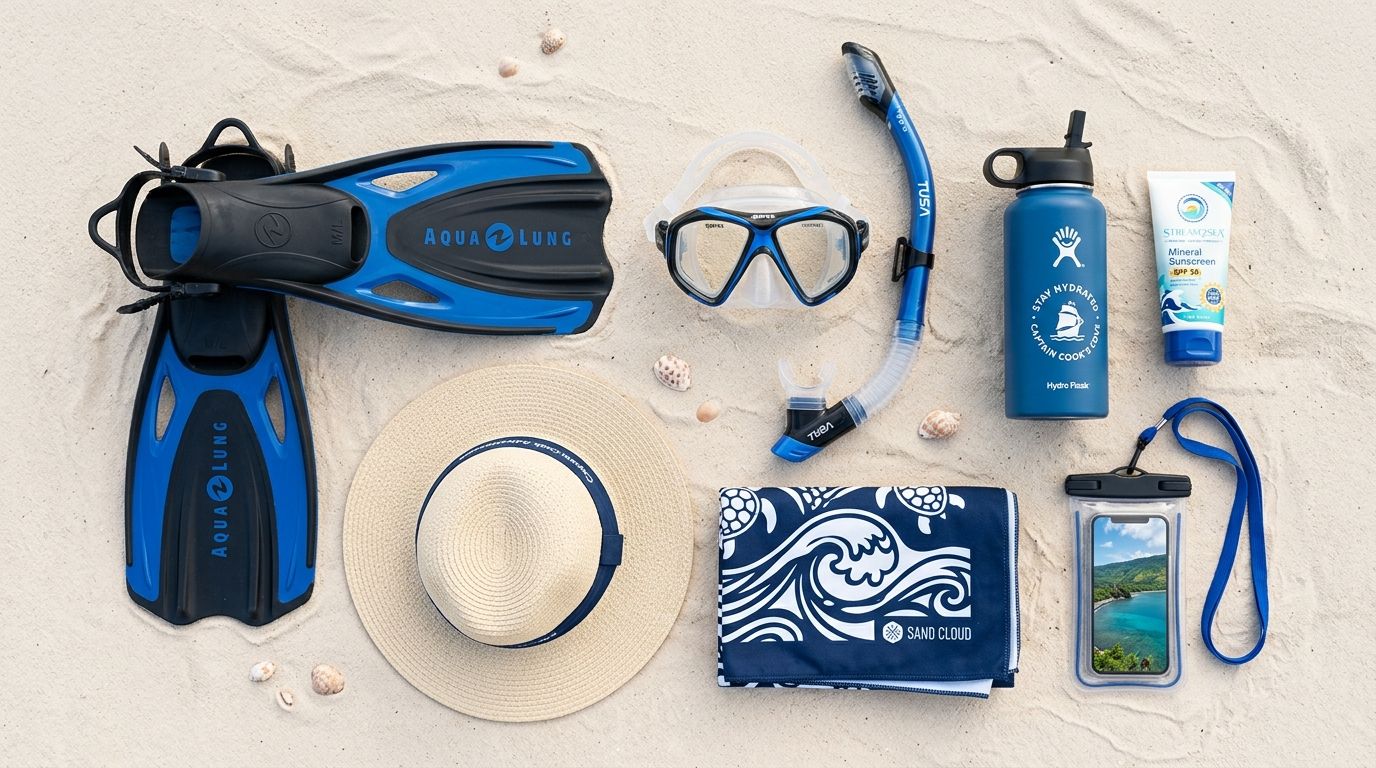
If you want a trip-specific packing reference, this guide to essential gear for Captain Cook is useful because it stays focused on what helps on a boat-based snorkel day.
What to wear
Start with the obvious. Wear your swimsuit under your clothes so check-in is easy. Add a rash guard or other sun layer if you know you burn easily.
A hat and sunglasses matter more after the snorkel than during it. That’s when people sit wet in full sun and gradually get cooked.
What to bring
Keep your bag light and functional:
- Towel for the ride back
- Reusable water bottle so you stay ahead of dehydration
- Reef-safe sunscreen for skin protection that aligns with reef care
- Dry clothes for comfort after the trip
- Waterproof phone case or camera if you want photos
- Any personal meds you don’t want to be without on the boat
For a broader gear overview, this Kona water gear article helps sort out what’s worth bringing yourself versus what’s usually better to borrow.
What your tour will likely provide
Most reputable boat tours usually cover the core in-water gear, which lowers the stress for visitors who don’t snorkel often.
That often includes:
- Mask and snorkel
- Fins
- Flotation devices
- Basic instruction and safety briefing
If you already own a mask that fits your face perfectly, bring it. Otherwise, tour gear is usually the more practical choice because you won’t have to travel with a full snorkel setup.
Frequently Asked Questions About Captain Cook Snorkeling
What’s the best time of day to go
Morning is usually the smart choice. The water is often calmer, the light is better for spotting reef structure, and it is typically more comfortable before midday heat sets in.
Is Captain Cook good for beginners
Yes, if beginners choose the right format. The bay is far more forgiving when accessed by a well-run boat tour with flotation, a clear briefing, and crew support. It’s much less forgiving when beginners try to turn it into a self-guided mission.
Are there sharks in Kealakekua Bay
This is open ocean in Hawaii, so marine life moves through. Most visitors won’t have a notable shark encounter, and the bay is known far more for reef snorkeling than for anything threatening. The right response is respect, not fear.
Can you land at the Captain Cook Monument from a boat tour
Most boat tours focus on snorkeling from offshore moorings rather than landing. If being on shore at the monument is your main goal, that’s a different planning question than wanting the best snorkel.
Are there facilities at the bay
If you arrive by tour boat, the boat setup is usually your support system. Shore access near the monument is limited and not something I’d plan around for comfort.
Is the hike worth it just to save money
Generally, no. The trail adds serious effort and risk to a day that should center on being relaxed in the water. If your budget is tight, it still makes sense to weigh the actual cost in heat, fatigue, gear carrying, and the uphill exit.
What’s the single best tip for a better day
Choose the access method that lets you snorkel fresh. That usually means booking a boat, taking the earliest practical departure, and arriving hydrated.
If you want a professionally run option for planning your day on the water, Kona Honu Divers is a solid place to start for Big Island snorkeling and underwater trip planning.