
You're probably here in the planning stage that every Hawaii diver knows well. Flights are open in one tab, certification cards are buried somewhere in your luggage drawer, and you're trying to figure out whether the Big Island is really as good as people say.
It is, but not for the vague reasons most travel guides give.
Big Island scuba diving stands out because the underwater experience is shaped by the island itself. Kona's coast was built by volcanoes, carved by lava, and sheltered by massive mountains that change what the ocean does on the surface and below it. That's why one day can include a calm morning reef dive, a manta night dive after sunset, and, for the right diver, a blackwater drop into open ocean over water that's 6,000 feet deep.
The part many visitors miss is that the same volcanic terrain that creates world-class diving also creates very real hazards. Lava shelves, sharp entries, and unstable footing deserve just as much attention as mantas and visibility. A diver who understands both sides of the island usually has a much better trip.
Your Adventure in the Underwater Heart of Hawaii
A lot of divers arrive on the Big Island expecting tropical blue water and a few easy reef dives. Then they roll backward off the boat on the Kona coast and realize this place feels different almost immediately. The water often looks cleaner. The terrain feels younger and more dramatic. Even the coastline above the surface reminds you that everything here started with fire.
That first impression matters because Kona isn't a one-note dive destination. A new diver might spend the morning on a relaxed reef with calm conditions and end the trip talking nonstop about their first close pass from a manta ray. An experienced diver might build the whole vacation around lava tubes, advanced long-range sites, and the surreal open-water experience described on this Big Island manta ray dive overview.
What makes the island so rewarding is the range. You can dive for easy conditions, marine life, unusual topography, night diving, or technical challenge, and the west side gives you a credible option for each.
Big Island scuba diving works best when you plan for the specific experience you want, not just “a dive day in Hawaii.”
That means thinking beyond the postcard version of the trip. Are you choosing Kona because you want reliable boat diving? Are you coming specifically for mantas? Are you tempted by shore diving because it looks simple online? Those choices shape everything from where you stay to what gear you bring to whether you should book an easy two-tank charter or hold out for something more specialized.
Why Kona's Diving is Unlike Anywhere Else
At briefing time, divers usually notice the same thing first. The forecast may call for wind elsewhere on the island, but the Kona coast often stays workable, with clear water tucked under a wall of volcanic mass. That consistency is not luck. It starts with the island itself.
The volcanoes create the conditions
Kona sits on the lee side of massive volcanoes, and that shelter shapes almost every part of the dive experience. Trade wind swell gets blocked. Surface conditions are often calmer than visitors expect. Visibility is often excellent because this coastline has less river runoff and sediment than many tropical dive destinations. The result is the kind of reliable boat diving that lets operators run everything from beginner reefs to advanced profiles on a regular schedule.
That reliability is the main story. Divers come here for mantas, lava tubes, and dramatic topography, but the geology is what makes those dives consistently accessible. A good explanation of what makes Kona diving different starts with that volcanic shelter.
Young lava makes the underwater terrain feel different
A lot of reef destinations are built around coral structure spread across broad, gradual bottoms. Kona feels sharper and younger underwater because much of the structure began as lava. You see it in ridges, cracks, arches, fingers, and steep drop-offs where the bottom changes fast over a short distance.
That terrain affects more than the scenery. It creates pockets where reef life concentrates, swim-throughs that require better buoyancy than new divers expect, and site layouts that can feel dramatic without requiring extreme depth. It also helps explain why Kona dives often have an open-ocean feel even when you are still close to shore.
Deep water sits near the coast here. Blue water pushes in tight. That is a big reason pelagic encounters feel plausible on an ordinary dive instead of sounding like a rare bonus.
Shore entries deserve more respect than they get
Visitors often assume shore diving here will be simple because the water can look calm from the parking lot. The volcanic shoreline is where judgment matters most. Entry points are frequently uneven, sharp, and surge-sensitive. A site that looks manageable at low surge can become a poor choice once waves start lifting divers onto rock ledges or pulling fins out from under them.
Boat diving removes a lot of that risk. If you do shore dive, treat the entry and exit as the hardest part of the dive. Watch the water for several minutes before gearing up. Time your steps. Protect your hands. Use booties with real sole support, not thin tropical slippers. If the exit looks questionable before you start, it usually gets worse when you come back tired with less gas and a camera in one hand.
The manta night dive makes geological sense
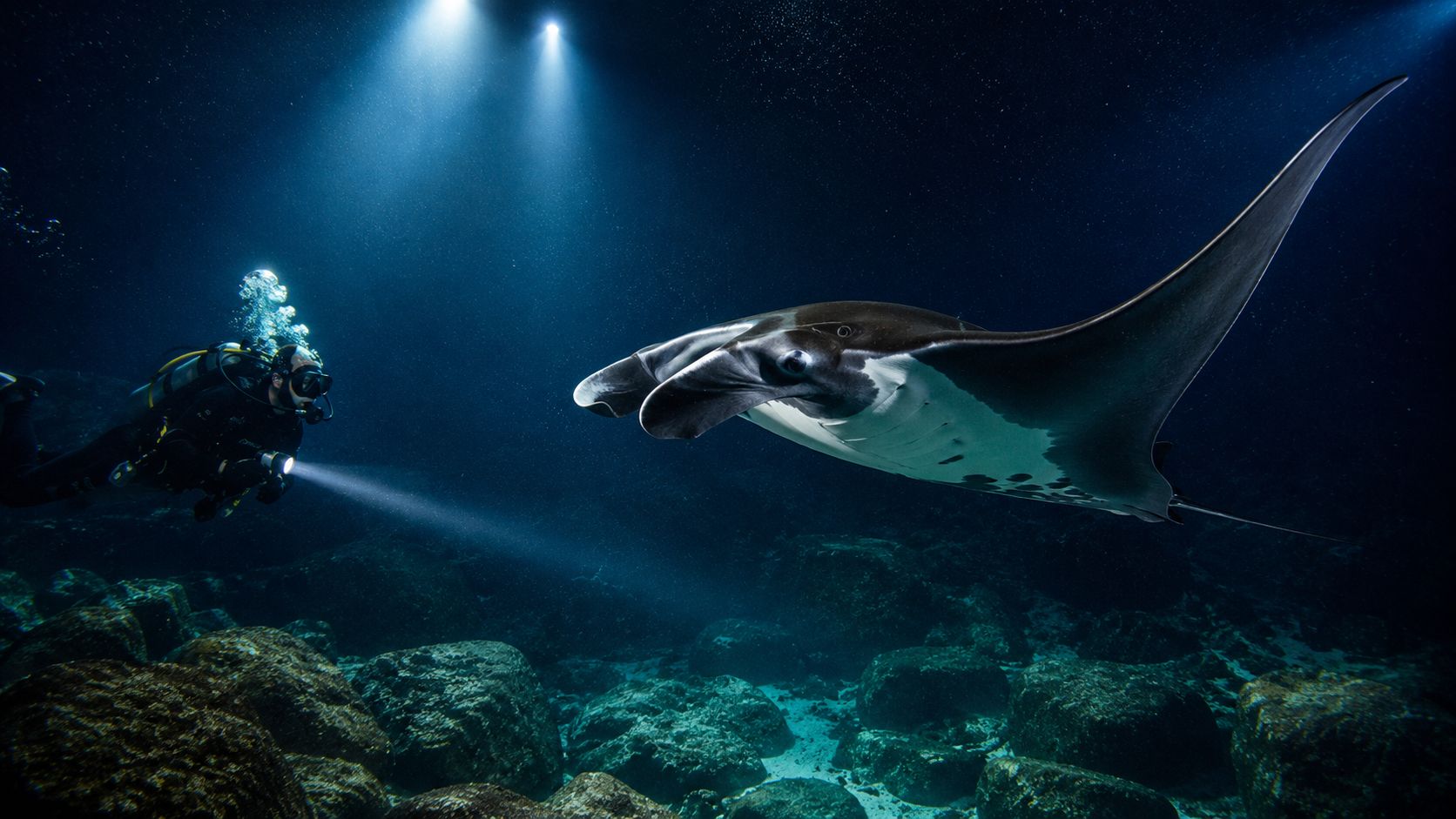
Kona's famous manta dive works because the coast supports repeatable operations in conditions that are often calm enough to run safely. The setup is simple. Lights attract plankton, and mantas come in to feed. What feels magical underwater is still grounded in site selection, shelter from swell, and a coastline that gives crews dependable access to the right spots.
That is the pattern across Kona diving as a whole. Fire built the island. The island shaped the coastline. The coastline created a west side where clear water, steep volcanic structure, and dependable access come together in a way very few places can match.
The Big Island's Most Iconic Dives
Some destinations have one signature dive. Kona has several, and they appeal to very different divers.
The manta ray night dive
If you only do one iconic dive on the Big Island, this is usually the one. Divers settle on the bottom, lights bring in plankton, and mantas pass overhead in repeated feeding loops. It feels theatrical the first time you see it, but the experience works because the food source is real and the site conditions support it.
For this dive, Garden Eel Cove is the stronger choice. Its protected location helps keep the experience more comfortable, the viewing area is better organized for watching mantas overhead, and the surrounding reef is better than what many visitors assume from the photos alone. If manta diving is the priority, it makes sense to book a trip built specifically around that site through this manta ray dive tour page.
A few practical notes matter more than people expect:
- Stay low and still: Divers who fidget, kick, or drift upward usually get a worse view.
- Control your light discipline: Follow the crew's instructions. The lighting setup isn't random.
- Don't chase mantas: The best encounters happen when divers become part of the scene instead of trying to pursue the animals.
The blackwater dive
This is one of the most unusual dives available anywhere, and it's not a novelty booking for someone who just wants to “try something wild.” The Kona Blackwater Dive is a technically demanding night excursion requiring Advanced Open Water certification and a minimum of 50 logged dives because divers need excellent buoyancy control, comfort in open dark water far from the reef, and the ability to climb a floating vertical ladder unassisted while wearing full SCUBA gear, as explained in this Kona blackwater experience guide.
The setting adds to the seriousness. This dive is conducted over ocean where the bottom is 6,000 feet below, and it targets the nightly migration of deepwater planktonic life rising from hundreds to thousands of feet at sunset. Expect strange larval fish, transparent jellies, and light-emitting organisms such as Pyrosoma. Operators limit the dive to 45 minutes underwater and cap air usage at 700 psi or 60 minutes for safety in an environment with no bottom to stand on and no reef as a reference. If that style of diving is what you came for, book a dedicated Blackwater Dive tour.
This is what works and what doesn't on blackwater:
| Works | Doesn't work |
|---|---|
| Calm trim and precise buoyancy | Constant finning to “find” orientation |
| Comfort in darkness | Treating it like a reef night dive |
| Immediate response to guide cues | Wandering off visual references |
| Good ladder confidence at the end | Discovering boat-exit weakness after the dive |
If open ocean at night already sounds stressful on land, it won't feel easier once you're suspended in it.
Lava tubes, reefs, and advanced site hunting
Kona's everyday reef diving is stronger than many first-time visitors expect because the volcanic terrain adds shape and personality to standard daytime dives. Instead of one long flat reef, you often get fingers of lava, swim-throughs, shelves, cracks, and sudden changes in structure that make navigation more interesting and fish life easier to observe.
For divers who already know they want more demanding profiles and less standard site selection, long-range and advanced charters are often the better call. They're a good fit for divers seeking stronger topography, deeper profiles, and sites chosen for experience level rather than broad appeal. This advanced long-range dive tour is the type of trip to look at when basic two-tank reef diving isn't the goal.
For a broader view of signature experiences, this guide to the best dive in Kona is useful because it helps match the dive to the diver rather than pretending one site fits everyone.
Planning Your Dive Trip Logistics and Itineraries
The easiest way to improve a Big Island dive trip is to stop treating logistics as an afterthought. On this island, trip quality depends on choosing the right style of diving for your skill, schedule, and comfort level.
Boat diving versus shore diving
Boat diving is the cleaner choice for most visitors. It removes the hardest part of many Big Island entries, gets you to sites selected for the day's conditions, and usually gives you a more relaxed start and finish. If you're comparing trip styles and budget, this look at scuba diving costs in Hawaii helps frame the trade-offs.
Shore diving has real appeal. You control your own timing, can move at your own pace, and don't need to organize around a departure schedule. But the “freedom” part gets oversold.
According to Scuba Diving's Big Island guide, over 30% of shore-dive injuries in Kona occur during entry and exit due to improper footing on volcanic rock. That's the part many casual guides gloss over. They mention difficult entries but skip the mechanics that keep people safe.
The volcanic rock problem most visitors underestimate
Sharp lava, uneven shelves, surge, and unstable footing can turn an easy dive into a bad day before you even descend. What works is practical and simple:
- Wear booties with real grip: Thin sole protection isn't enough on abrasive lava.
- Stage the entry first: Don't walk to the edge overloaded and then improvise.
- Use team-assisted protocols: Hand fins down, steady one another, and decide who enters first and why.
- Watch a full cycle of water movement: Don't rush because the ocean looks calm for one moment.
- Plan the exit before the dive starts: Exit decisions made while tired are usually poor ones.
Shore diving on the Big Island isn't automatically unsafe. Unplanned shore diving is.
Building a workable itinerary
A short trip should stay simple. One morning boat charter and one evening manta dive is a strong format because it gives you both daytime reef structure and Kona's most famous night experience without overloading the schedule.
A longer trip can be more selective:
Arrival day
Keep it light. Handle check-in, gear prep, and any refresher needs.Core reef days
Use boat dives early in the trip while energy is high and buoyancy settles in.Specialty day
Slot in mantas or blackwater depending on interest and qualifications.Optional shore day
Only if conditions are right and everyone in the group understands entry and exit mechanics.
If you want to compare options in one place, browse these Big Island diving tours. It's the fastest way to map your dive days to your actual goals instead of trying to force every famous experience into one rushed itinerary.
Essential Diver Prep What to Know Before You Go
The diver who has the easiest Kona trip usually is not the one with the most gear. It is the one who shows up hydrated, current, and realistic about local conditions. On this coast, the volcanic terrain gives us clear water, steep drop-offs close to shore, and fast access to good sites. It also means sharp lava, uneven footing, and shore entries that punish sloppy timing.
A little preparation fixes a lot of the problems I see on dive boats and at lava entries.
What to pack and confirm
Start with the items that can stop a dive day before it starts.
- Certification documents: Bring your certification card and nitrox card if you use enriched air.
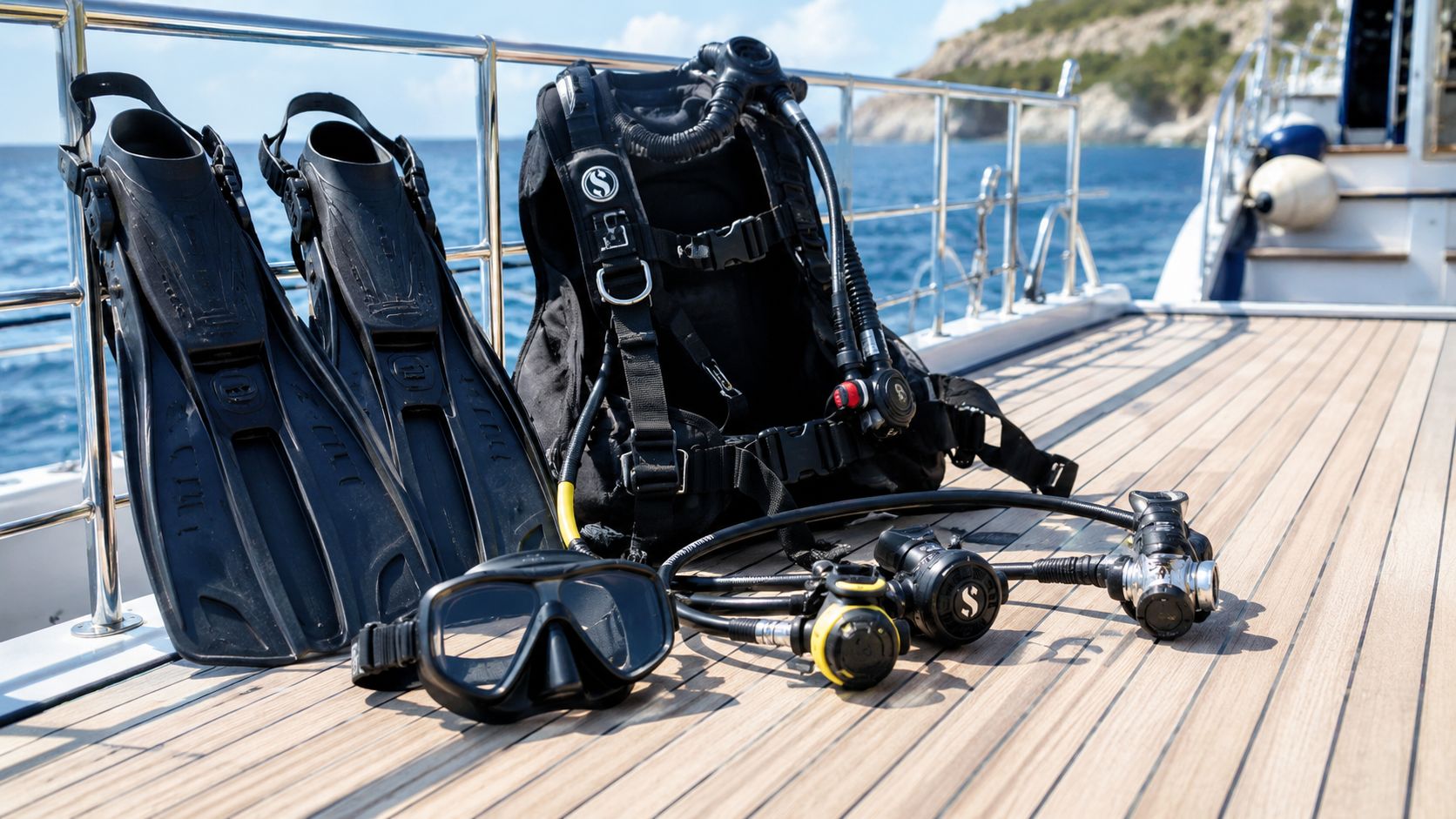
- Personal gear that affects comfort: A well-fitting mask, your own computer, and exposure protection you already trust.
- Boat-day basics: Reef-safe sun protection, water, and a light meal or snack that sits well.
- Dry clothes: A towel, dry shirt, and warm layer for the ride in or a second dive later in the day.
If it has been a while since your last dive, say so early and book a refresher. Divers who do that usually settle in faster and enjoy Kona more, especially on the first day.
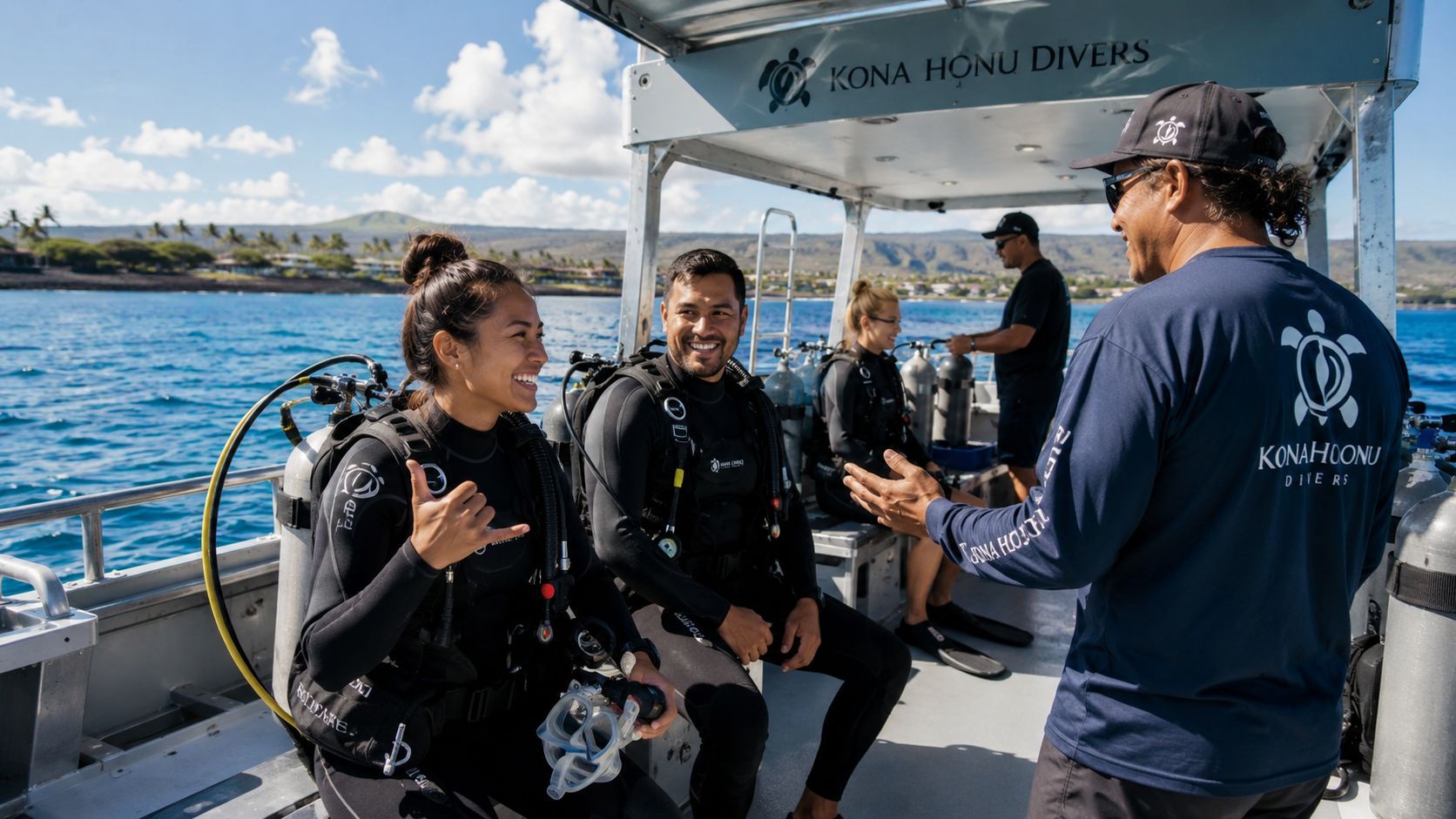
Operator fit matters too. A crew with a strong safety culture makes a noticeable difference here, especially if you are balancing boat dives with local conditions and experience level. You can get a sense of that by reading about the Kona Honu Divers team and operation.
Prepare for volcanic entries, even if you plan to dive from a boat
A lot of visitors assume shore entries are simple because the water can look calm from the parking area. That is where the lava coast fools people.
Black lava absorbs heat, dries rough, and breaks into sharp, unstable edges. Surge rebounds off the rock instead of rolling gently over sand. A small timing mistake at the waterline can mean a cut hand, a twisted ankle, or a broken fin strap before the dive even starts.
Good prep for Big Island diving includes:
- Hard-soled booties if you expect any shore diving
- Gloves only if your training agency, operator, and local rules allow them
- A conservative mindset about entry points
- A willingness to skip a shore dive when the exit looks questionable
That last point matters. Kona's geology is a big reason the diving is world-class, but the same volcanic structure creates technical entries that are less forgiving than a sandy beach.
Seasickness prevention that actually helps
If you are prone to motion sickness, handle it before boarding. The best result usually comes from prevention, not waiting to see how you feel once the boat starts moving.
Common options include:
- Medication route: Bonine pills or Dramamine pills
- Patch option: Ship-EEZ Seasickness Patch
- Pressure bands: Sea Band wristbands
- Natural backup: Ginger chews
Kona Honu Divers also gives practical timing advice in its seasickness prevention guide for Kona diving. Follow the label instructions for any medication you use, and test anything new before a dive trip, not on the morning of a charter.
Seat choice helps more than people expect. Midship on the lowest practical deck usually has the least motion. Keep your eyes on the horizon, stay out of exhaust, and do not show up dehydrated after a heavy breakfast or a late night.
If nausea starts anyway
Tell the crew early. That gives them time to help before you are fully miserable and behind the rest of the group on setup.
Ginger can settle the stomach for some divers. Girls That Scuba's seasickness article also covers one underwater point every diver should know. If you vomit underwater, keep your regulator in your mouth and purge as needed after.
Hoping it passes on its own is a poor plan.
Final pre-dive check
Use this the night before, not in the parking lot.
| Check | Why it matters |
|---|---|
| Certification card packed | Avoids delays at check-in |
| Mask and computer packed | Personal fit and familiarity matter underwater |
| Seasickness plan ready | Prevention works better than catching up |
| Hydration and light food sorted | Helps with comfort on both boat rides and surface intervals |
| Warm layer and dry clothes ready | Wind and repeat dives can leave you colder than expected |
Why Kona Honu Divers Offers the Premier Experience
Operator choice matters more on the Big Island than many visitors realize. The boats may all leave from the same general coast, but the in-water experience changes a lot depending on group size, crew habits, and how much attention each diver gets.
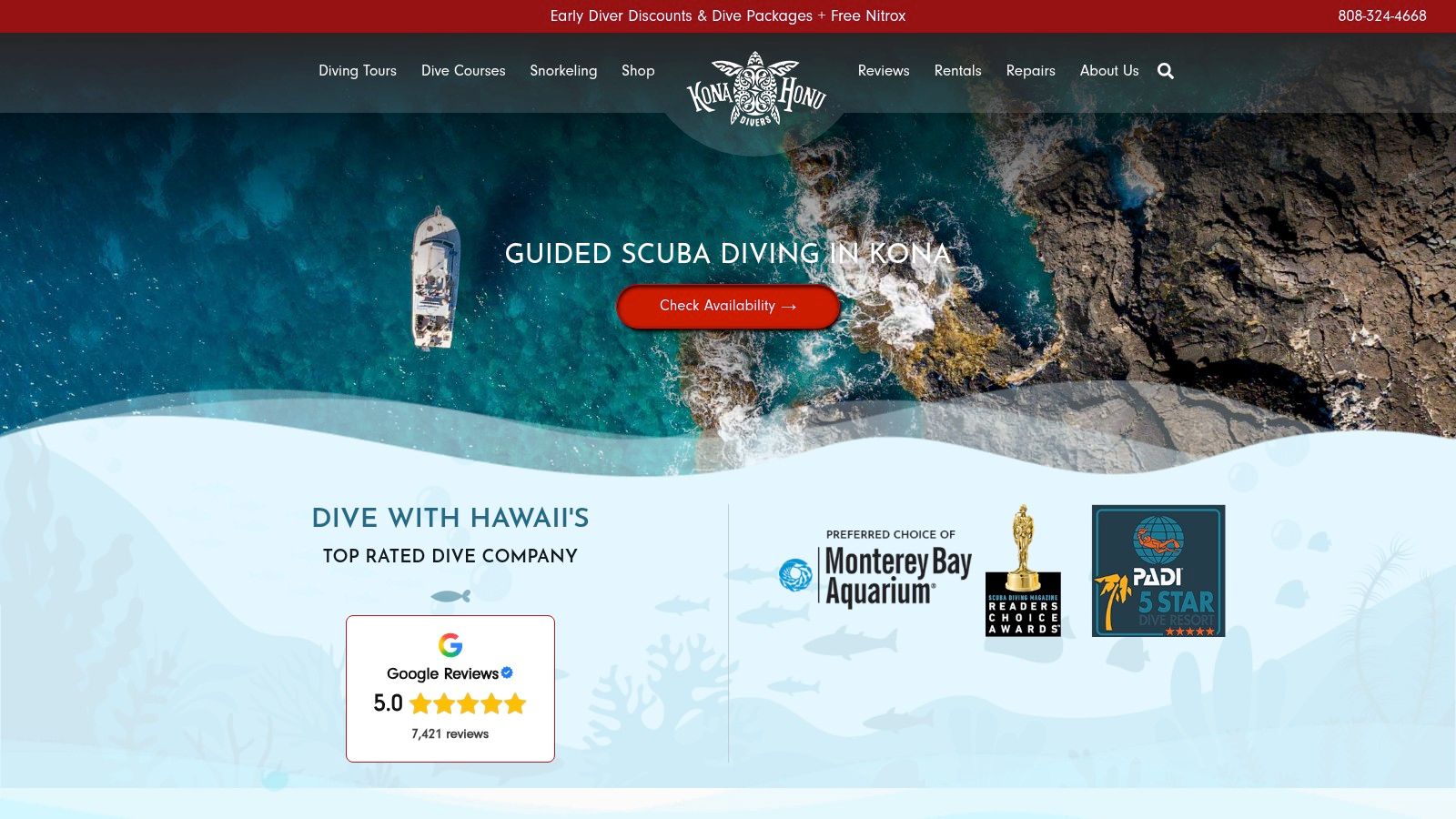
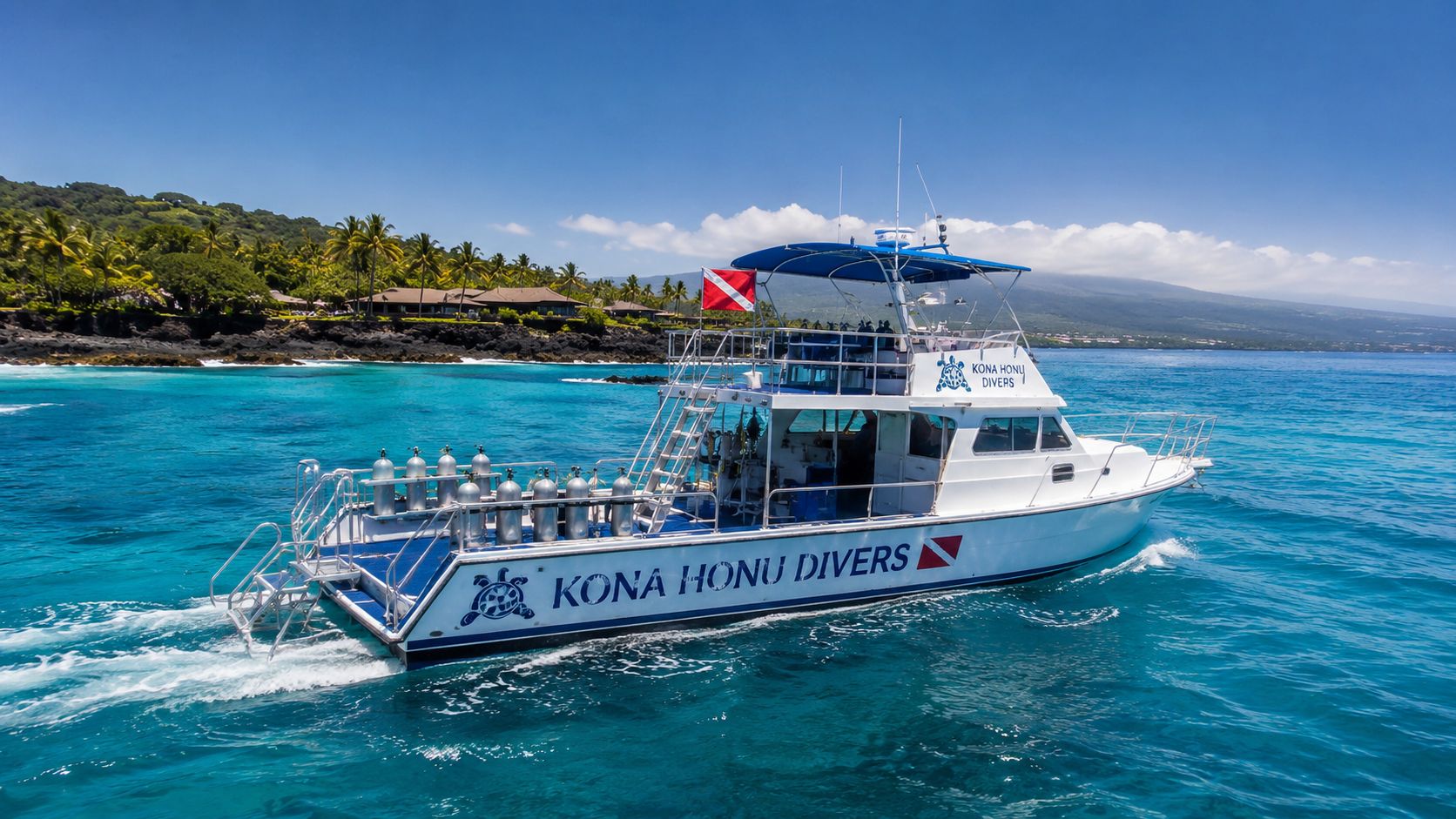
One practical option to consider is Kona Honu Divers. The company offers Big Island scuba diving tours, courses, manta trips, blackwater dives, early diver discounts, and free nitrox for certified divers. It also states that its crew brings over 200 years of combined industry experience and operates custom dive boats built for comfort and safety.
Those details matter because they affect the dive day in direct ways:
- Free nitrox for certified divers can make repetitive dive schedules more comfortable.
- A broad trip lineup makes it easier to combine standard reef dives with mantas or blackwater through one operator.
- Experienced crews and purpose-built boats usually show up in smoother briefings, safer sequencing, and less confusion on deck.
Frequently Asked Questions About Big Island Diving
Can I try scuba diving on the Big Island if I'm not certified
Yes. A Discover Scuba Diving experience is the usual starting point. It lets non-certified visitors try scuba with direct professional supervision, and it's a much better choice than pretending a full ocean dive is something to improvise on vacation.
Is Big Island scuba diving good for families
Yes, if the family matches activities to age and comfort in the water. Younger kids often start with Bubblemaker options, and older children can work toward Junior Open Water certification. Families do best when they choose operators and trip lengths that fit the least experienced person in the group.
What's the best time of year to dive in Kona
Kona is a year-round destination because the coast is naturally protected. If your priority is the smoothest conditions for manta diving, summer is often especially appealing because surge is lighter. In winter, some divers enjoy the chance to hear humpback whales underwater during the season.
Should I do shore diving on my first Big Island trip
Usually not unless you already have solid shore-entry judgment and are comfortable on volcanic rock. For most visitors, boat diving is the smarter first move because it cuts out the most injury-prone part of self-guided diving on this island.
Is the blackwater dive for any advanced diver
Not automatically. An advanced certification alone doesn't make someone ready for blackwater. The dive is a real skills test in darkness, buoyancy control, and open-water composure. If you're unsure, wait until you know you can stay calm and precise without bottom reference.
If you want a trip built around reliable reef diving, manta nights, blackwater opportunities, and crews who know Kona's conditions well, take a look at Kona Honu Divers and choose the dives that match your experience level and the kind of underwater day you want.