
You're probably staring at flight tabs, hotel maps, and a dive operator shortlist, trying to figure out how to build one Kona trip that suits the kind of diver you are. That's the right way to approach Big Island scuba diving, because this island rewards planning.
A lot of destinations give you one or two standout dives and ask you to forgive the rest. Kona is different. You can build a trip around calm reef dives, a manta night dive, and advanced offshore diving without spending your whole vacation chasing conditions. The mistake I see most often is treating every charter as interchangeable. They aren't.
If you want the ultimate trip, think less about collecting site names and more about matching the right dives, the right schedule, and the right operator to your skill level. That's how you get more bottom time, less stress, and a much better week in the water.
Why Kona Is a World-Class Diving Destination
You drop onto a Kona reef on your first morning, look up from 40 feet, and can still see the boat clearly. Below you, black lava fingers cut through the reef, schools of yellow tang sweep across the rock, and then you start noticing fish that do not show up on a standard tropical checklist. Kona gets your attention fast, but what keeps experienced divers coming back is how much range this coastline packs into one trip.
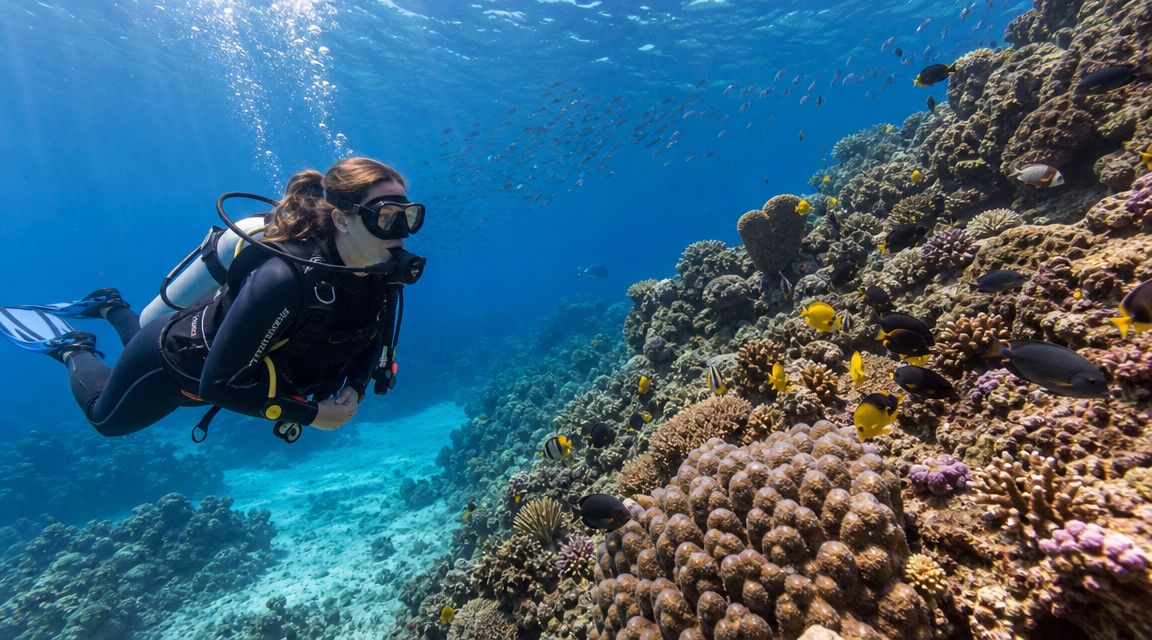
The setting does a lot of the work. The Kona coast sits in the island's lee, so it often gets calmer water than many visitors expect from Hawaii. Add warm water, frequent high visibility, and reef structure shaped by lava instead of broad sand flats, and you get dives that are both visually dramatic and logistically reliable. That combination is a big reason divers can plan a full week here with confidence instead of building the whole trip around one weather window.
The marine life is the other half of the story. Divers Alert Network notes in DAN's Kona diving overview that the Kona coast stands out for exceptional endemism. Endemism changes the value of every dive. Even on an easy morning charter, you are seeing a reef community with species found only in Hawaii, which gives routine site choices more weight than they would have in many Caribbean or Indo-Pacific destinations.
That changes how smart divers plan their time in Kona.
Photographers get Hawaiian subjects that are worth a careful second pass, not just a quick wide-angle lap. Repeat divers get more out of the same coast because small differences in lava topography, current, and depth can change what they find. Newer divers benefit too. A forgiving site still feels rich, which takes some pressure off the idea that every dive has to be a marquee dive to be worthwhile.
If you want a clearer sense of the reef, lava structure, and endemic life that make this coast different, this guide to what makes diving in Kona unique is a useful primer.
A practical point matters here. Kona rewards patience. Divers who try to stack only the famous sites often miss what makes the destination so strong in the first place, which is the consistency of the day-to-day diving.
That consistency also shapes operator quality. On this coast, a well-run boat can keep your trip efficient with shorter runs to many sites, sensible scheduling around conditions, and a mix of easy and more advanced profiles across the week. That is one reason experienced visitors pay attention to crew standards, site selection, and how the operator structures the day, not just the headline dive. If you want to start comparing actual charter formats, the main Kona diving tours page lays out the options clearly.
Kona earns its reputation because it gives you more than one reason to dive here. The conditions are usually workable, the underwater terrain has character, and the marine life keeps rewarding attention long after the first giant stride.
The Unforgettable Big Island Dive Experiences
The trip starts to make sense on the first full dive day. You roll out for a calm morning reef charter, spend the afternoon drying gear and grabbing food in town, then head back out after sunset for mantas or an offshore blackwater. Few destinations let you stack experiences like that without wasting hours in transit or spending the whole week chasing one marquee dive. Kona does, if you plan the order well.
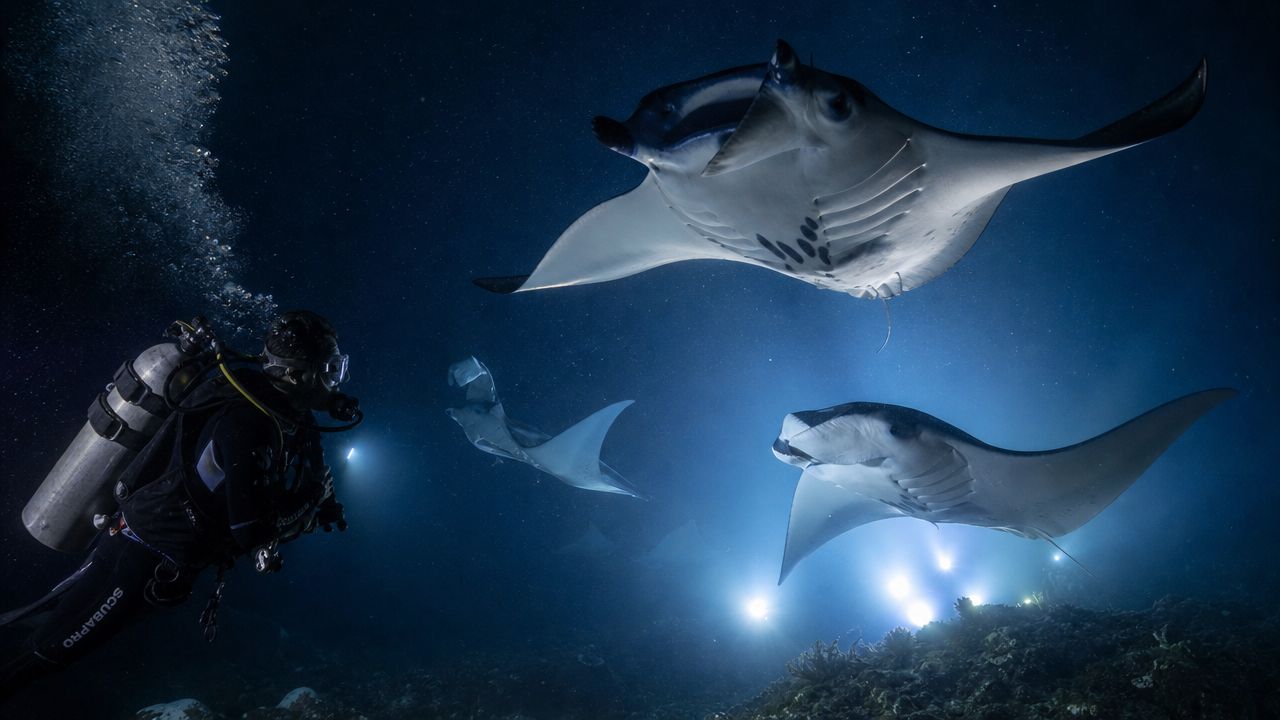
The manta ray night dive
For many divers, this is the signature Big Island experience. You descend onto the site after dark, settle into position, and let the lights draw in plankton. Once the first manta starts looping overhead, the whole group usually goes quiet for the same reason. There is nothing else in recreational diving that looks quite like a 12-foot animal banking inches above your mask.
Site choice matters. Garden Eel Cove usually gives the most dependable overall setup because it is relatively protected, the viewing area is organized well, and the dive itself stays manageable for a broad range of certified divers. That combination is a big part of why experienced crews use it so often. In the dark, simple logistics and calm supervision improve the dive more than bravado ever will.
A few habits make a noticeable difference:
- Stay planted: The calmer the group is, the closer the mantas tend to work.
- Watch your fins: Good fin control keeps sand out of the lights and preserves visibility.
- Keep your hands to yourself: Touching or reaching for mantas disrupts the encounter and stresses the animal.
If this is the one experience you do not want to miss, review the timing, boat format, and diver versus snorkeler options on the Big Island manta ray night tours and dive options.
On a good manta dive, the divers who see the most are usually the ones doing the least.
The blackwater dive
Blackwater has a reputation for a reason. It is one of the most unusual dives you can do anywhere, and it asks more of you than a standard reef night dive.
The boat runs offshore over very deep water. Divers descend on a suspended reference system, usually around mid-water, with no reef, no bottom, and no wall to help with orientation. Your world shrinks to your gauges, your light beam, and whatever rises out of the dark. Larval fish, pelagic juveniles, translucent jellies, and strange drifting animals show up in front of you like they were designed by a different ocean.
That environment rewards a specific kind of diver. Good buoyancy is the first requirement. Calm focus is the second. If a diver already struggles to hold depth on a daytime reef, blackwater tends to expose it fast. The same goes for divers who have very little night experience or who get uneasy without a visual reference.
Kona Honu Divers runs this dive with a dedicated format and clear screening, which is exactly how it should be handled. This is a dive where the operator's standards directly affect comfort and safety.
Here's who usually gets the most from blackwater:
- Divers with steady buoyancy: You should be able to hover without chasing depth.
- Divers comfortable with task loading: Light use, positioning, and awareness all matter at once.
- Divers who already like night diving: Offshore darkness feels different from reef darkness.
If that profile fits you, the dedicated blackwater night dive trip lays out the requirements clearly.
The classic daytime reef dives
These dives are the backbone of the trip. Treating them as filler is a mistake.
Kona's daytime diving gives you the rhythm that the special dives do not. Lava tubes, fingers, arches, ledges, and broken volcanic structure make even straightforward profiles feel like real exploration instead of a swim over flat reef. Marine life changes with the site and the pace of the dive. One morning might be turtles on a cleaning station and tight schools over dark rock. Another might be eels in the cracks, octopus tucked under ledges, and long runs of hard coral and lava relief that keep the whole dive visually sharp.
This is also where trip planning gets practical. Newer divers usually do better when they start with daytime reefs, get comfortable with the local feel, then add mantas. Advanced divers often mix in a blackwater or a longer-ranging charter after they have a day or two in the water. The best Kona trips are rarely built around one famous dive. They are built around sequence.
For divers who want more demanding site selection and a longer-range profile, the advanced long-range dive tour is the logical next step.
How to choose between them
For a first Big Island trip, start with morning reefs and book the manta night dive early in the week. If weather forces a schedule change, you still have room to adjust.
Choose blackwater only if your night skills and buoyancy are already solid. It is worth doing for the right diver. It is not the place to test whether you like open-ocean darkness.
The main planning mistake I see is divers trying to collect experiences instead of building a good week. Kona rewards a smarter approach. Use the reef dives to settle in, add mantas for the classic night, and book blackwater if your skills match the profile. That is how the island goes from a famous dive destination to a memorable one.
Planning Your Dive Trip Conditions and Certifications
You land in Kona with five dive days, a manta reservation, and one ambitious idea like blackwater or a long-range charter. Good trip planning starts with one question. What can you dive well on day one, not what sounds impressive on paper.
Kona gives you usable diving in every season, which is one of the reasons people can build strong trips here without chasing a narrow weather window. Conditions still shift week to week. The west side usually offers protected water, but surface chop, surge, current, and night comfort can all change the kind of diving that feels enjoyable.
What the seasons actually change
Summer often brings calmer surface conditions and an easier boat ride. That matters if you are prone to seasickness, if you want manta night diving to feel relaxed, or if you are traveling with a newer diver.
Winter can be excellent too. The water stays comfortable by tropical standards, but swell direction matters more, and some days call for more careful site selection. Good operators adjust. Kona Honu Divers does this well because the crew builds the day around conditions instead of forcing a fixed plan.
The practical takeaway is simple. Pick your trip dates around your schedule first, then match your dive menu to the conditions you are likely to get.
| Season | Typical feel | Best fit | Recommended cert level |
|---|---|---|---|
| Summer | Smoother surface conditions are more common | Manta, reef diving, comfortable multi-day schedules | Open Water for standard reef dives, advanced training for advanced profiles |
| Winter | More variable swell and site-by-site judgment | Reef diving with flexibility, advanced profiles on the right days | Open Water for standard reef dives, advanced training for advanced profiles |
Matching certification to the dive
Certification gets you in the door. Recent experience decides what you should book.
Open Water divers can have an excellent week in Kona on standard reef charters. Recently certified divers should treat the first one or two dives as checkout dives, even if they feel excited and physically fresh. Get your weighting right, settle your breathing, and clean up buoyancy before adding a night profile.
Advanced divers have more room to choose demanding dives, but the card is not the whole story. A diver with 80 recent dives in current and low light is usually better prepared than someone with an Advanced card and three years out of the water.
Blackwater proves the point. It rewards calm trim, strong situational awareness, and comfort in open water at night. It is a poor place to rebuild rusty skills.
If you need a refresher or want to map out the right training before your trip, this guide to Big Island scuba certification options and skill pathways is a useful place to start.
Your certification card shows the maximum you were trained for. Your last 10 dives show what you should book this week.
What works in practice
The cleanest plan is to start with a morning reef charter and treat it as a systems check. Confirm weighting. Check SAC rate. Make sure your mask, fins, and computer setup all feel right in the water you are diving, not the water you remember from your last trip.
Then build from there.
What causes trouble is stacking specialized dives too early. A diver flies in tired, skips the easy start, books manta the first night, and adds blackwater before figuring out whether basic buoyancy is sharp. That is how a trip gets expensive and frustrating.
A better week uses progression. Start simple, assess your skills, then add the signature dives that fit your skill level and the current conditions.
A Typical Week of Diving in Kona
The best Kona dive weeks have rhythm. You dive enough to feel immersed, but you don't cram every demanding profile into consecutive days. That usually leads to fatigue, sloppy buoyancy, and shorter enjoyment.
Here's a sample way to structure a week.
Day by day flow
Day 1
Arrive, hydrate, assemble gear, and do not plan anything ambitious. If your travel day was long, keep the evening easy.
Day 2
Start with a two-tank morning reef dive. This is your systems check. Dial in weighting, reacquaint yourself with your computer, and let your body settle into boat diving in Kona.
Day 3
Do another morning charter if the first day felt strong. If manta is high on your list, put the manta night dive here or on the following evening rather than on your first night in town.
Day 4
Keep the daytime light. Walk, eat well, and rest. Experienced divers who are handling the trip well can consider an advanced profile later in the day or evening.
Building in range without burning out
Day 5
This is a good slot for blackwater if you're qualified and comfortable. By now you should know whether your buoyancy, night comfort, and energy levels are where they need to be.
Day 6
Return to reef diving. After a specialized dive, a daytime charter often feels even better. You'll be more relaxed and more observant.
Day 7
Leave this flexible. If you've had perfect weather and got everything done, use the day to recover and enjoy the island. If conditions forced a shuffle earlier in the week, this buffer gives you options.
The planning principle behind the schedule
This format works because it layers complexity. Reef dives first. Signature night dive after that. Advanced offshore profile only once you know you're moving well in the water.
The trips that go sideways usually have the same flaw. Divers build the schedule around excitement instead of sequencing. In Kona, a smart order beats an aggressive one every time.
How to Choose the Best Kona Dive Operator
You feel the difference before the first giant stride. The crew has your paperwork sorted, asks about your recent diving, checks whether you are rusty or current, and gives a briefing that tells you exactly how the morning will run. In Kona, that kind of organization matters as much as the reef itself.
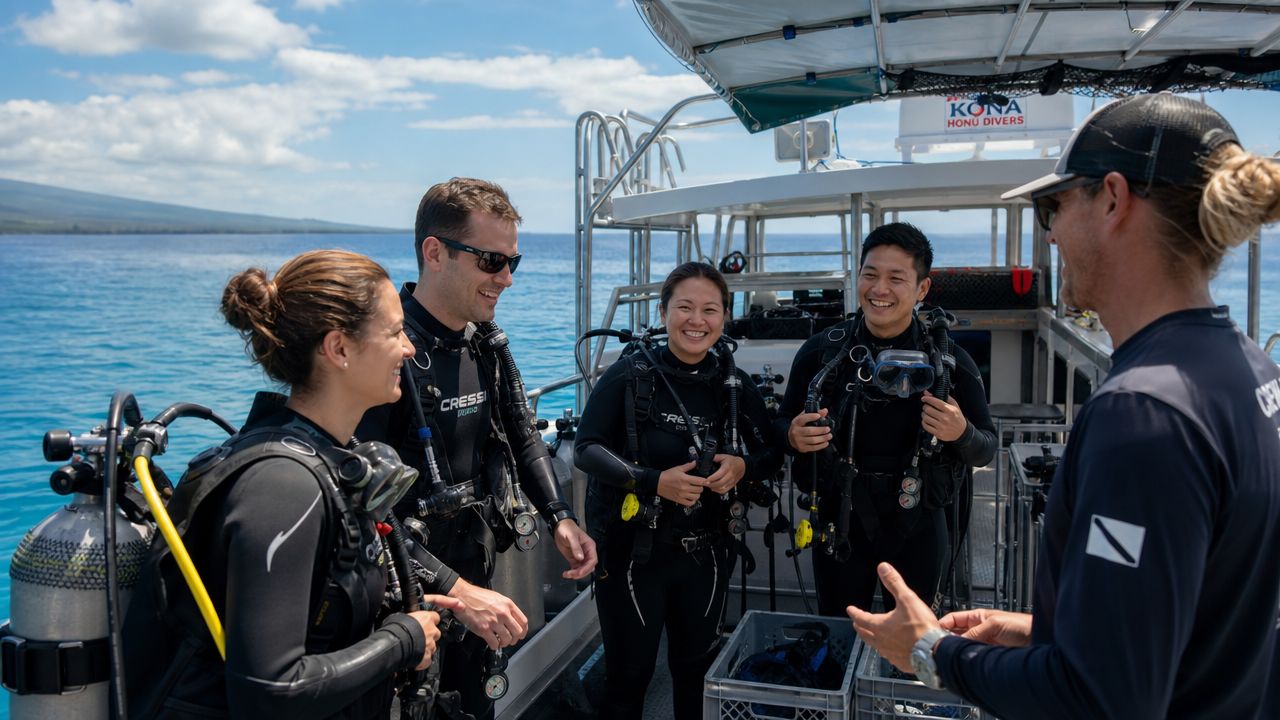
A lot of visitors compare operators by site names alone. That is a weak filter. On this coast, the better question is how a crew handles conditions, diver mix, deck flow, and the small decisions that affect stress underwater. The same reef can feel average with one operator and excellent with another.
Start with the parts that shape your actual day on the boat.
- Safety culture: Briefings should cover the dive plan, currents, entry and exit, buddy procedures, and what happens if you get separated. Clear and calm is the standard.
- Boat setup: Look for easy exits, enough shade, a layout that keeps fins and cameras from turning the deck into a traffic jam, and staff who can move divers in and out of the water without confusion.
- Group control: Smaller guide ratios usually mean better supervision and less chasing the group.
- Rental gear quality: Well-serviced regulators, BCDs that fit correctly, and exposure protection in good condition remove a lot of preventable friction.
- Judgment: Good operators change sites when conditions call for it and are willing to say no to a plan that does not fit the divers onboard.
The strongest crews also watch people. If someone is over-weighted, breathing hard, or task-loaded on dive one, they adjust the recommendation for dive two. That is what experienced boat diving looks like in practice.
Kona Honu Divers is one example many traveling divers look at because the operation covers a wide range of trip styles, from standard reef charters to more advanced options, and free Nitrox for certified divers can help with repetitive-dive planning over a full week. Their custom boats and trip variety are also useful if your group has mixed goals and you want one shop that can support more than a single checkout-style morning. For a practical side-by-side view, see this ranking of Kona dive companies.
A good operator improves your diving, not just your transportation.
Red flags are usually obvious once you know what to watch for. A crowded deck at the dock often turns into a sloppy entry offshore. Thin briefings usually signal weak standards, not efficiency. If every caller gets pushed toward the same trip regardless of certification, recent experience, or comfort in current and at night, that shop is filling spots first and sorting out fit later.
Reviews still matter, but they come after the operational basics. Use them to confirm patterns such as whether the crew stays patient with newer divers, how weather changes are handled, and whether the shop runs on time without making the morning feel rushed.
Your Dive Gear and Marine Life Safety Checklist
Good trips get easier when you pack for the dives you're doing, not the dives you imagine you might do. Kona doesn't require hauling every piece of gear you own, but a few personal items make a real difference.
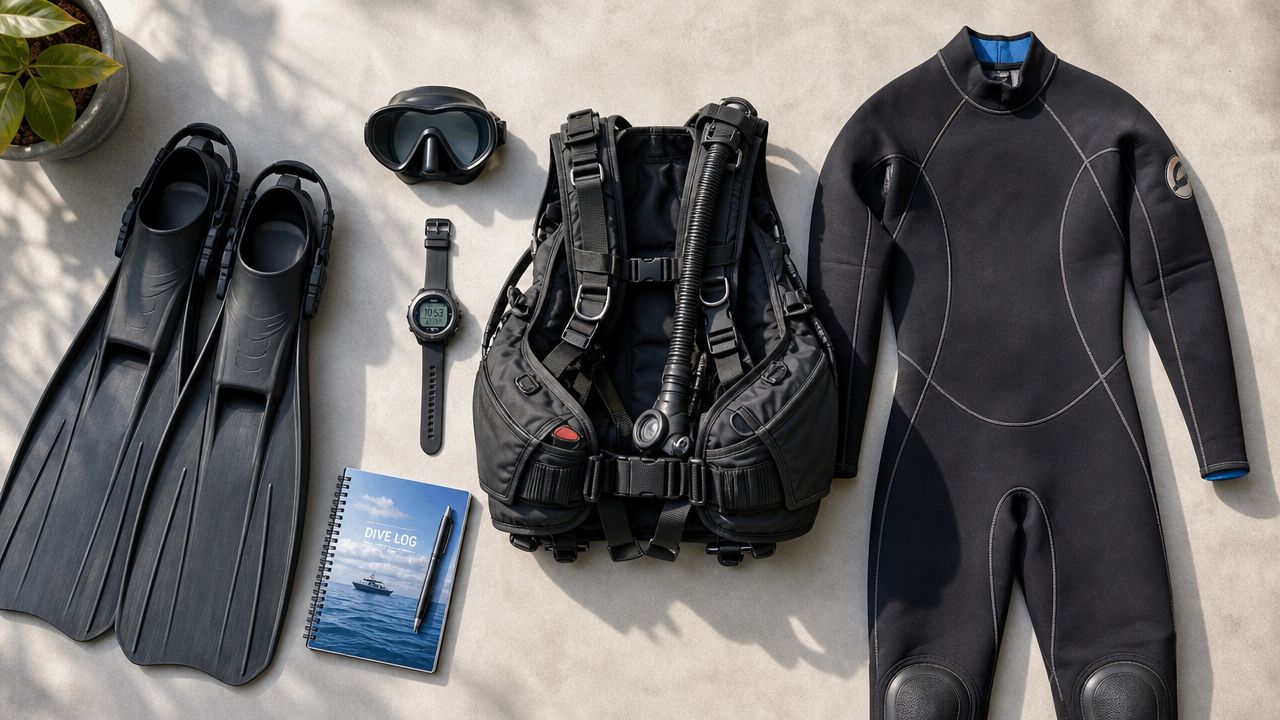
What to bring and what to rent
Bring the gear that affects comfort and familiarity most.
- Your mask: A mask you already trust solves a lot of minor problems before they start.
- Your dive computer: Familiar screens and alarms reduce task loading.
- Exposure basics: Swimsuit, rash guard if you like one, and whatever personal layers help on the ride back.
- Certification materials: Keep them easy to access, especially if you're mixing standard and advanced charters.
Most traveling divers are happy renting the bulkier items:
- BCD and regulator: Fine to rent if the operator maintains equipment well.
- Wetsuit: Easy to rent unless you're unusually hard to fit or very particular.
- Weights and tanks: Let the boat handle those.
Marine life etiquette that isn't optional
Hawaii rewards divers who stay controlled and respectful. The best encounters happen when you stop trying to force them.
Use these rules on every dive:
- Look, don't touch: Reef structure and animals both deserve space.
- Hold your buoyancy: Contact usually starts with poor trim, not bad intentions.
- Keep fins off the bottom: Sand, coral, and other divers all pay for sloppy finning.
- Let mantas choose the distance: Don't chase, grab, or reach up into their path.
For a good refresher before your trip, read this guide to responsible and considerate diver etiquette.
If you get seasick
Seasickness can ruin a dive day faster than almost anything else, and toughing it out rarely works. If you know you're prone to motion issues, plan ahead. Many divers pack a few options and choose what works best for them, such as the Ship-EEZ Seasickness Patch, Dramamine pills, Bonine pills, Sea Band wristbands, or Ginger chews.
If you think you might get seasick, treat that before the boat leaves the harbor. After symptoms start, you're already behind.
Booking Your Ultimate Kona Dive Adventure
You wake before sunrise in Kona, coffee in hand, trade winds still light, and the boat day ahead finally feels real. This is the point where good trip planning pays off. The strongest Big Island scuba diving itineraries are built around the dives you want to do, your comfort in local conditions, and enough space in the schedule to adapt if weather or fatigue changes the plan.
Book the anchor experiences first.
For many divers, that means reserving the manta night dive early, then building daytime charters around it. If blackwater, longer advanced trips, or multiple boat days are part of the plan, put those on the calendar before you fill the week with flexible activities on land. Kona usually gives operators options, but the most sought-after trips and the smallest group formats tend to fill first.
Operator choice shapes the whole week in ways newer visitors often miss. A well-run boat keeps check-in clear, rental gear sorted, briefings useful, and in-water supervision appropriate to the group. That changes how much energy you spend managing logistics versus enjoying the diving. It also matters more on specialty dives, where timing, positioning, and crew judgment can make the difference between a stressful night and one of the most memorable dives of your life.
Kona Honu Divers is often a practical fit for travelers who want that kind of structure. Their schedule makes it easier to combine classic reef diving with signature Kona experiences, and they are one of the few local operations that can support a trip plan that goes beyond standard two-tank mornings. That matters if you are trying to build a week with variety instead of repeating the same type of day over and over.
A smart Kona booking plan is simple. Reserve your priority dives first, leave a little breathing room in the middle of the week, and keep your final day dry before flying. If you are ready to turn the outline into actual boat days, compare schedules, trip types, and availability, then lock in the dives you would be disappointed to miss.