
You're probably in one of two places right now. You're either already certified and trying to figure out which Big Island dives are worth building a trip around, or you're newer to scuba and wondering if Kona is a smart place to learn without getting overwhelmed.
It is.
Big Island scuba diving works well because the island gives you a rare mix of easy logistics, dramatic underwater terrain, and signature dives that feel nothing like a standard reef vacation. You can spend one day on calm lava formations full of reef life, another under manta rays at night, and another in open ocean darkness watching deep pelagic creatures rise toward your light. Few places offer that kind of range in one trip without forcing long transfers or complicated planning.
A lot of Hawaii advice online stays too general. Divers don't need generic. They need to know what to book first, what skill level each experience really suits, where people overestimate themselves, and how to organize a trip so the dives build on each other instead of competing for time and energy.
Your Ultimate Underwater Adventure Awaits
The first thing many divers notice in Kona isn't just the visibility. It's the shape of the seafloor. Big Island scuba diving happens on a volcanic coastline, and that changes the entire feel of the dive. Instead of soft, uniform reef, you get lava fingers, ledges, arches, fissures, shelves, and old flow patterns that make even a modest depth feel like exploration.
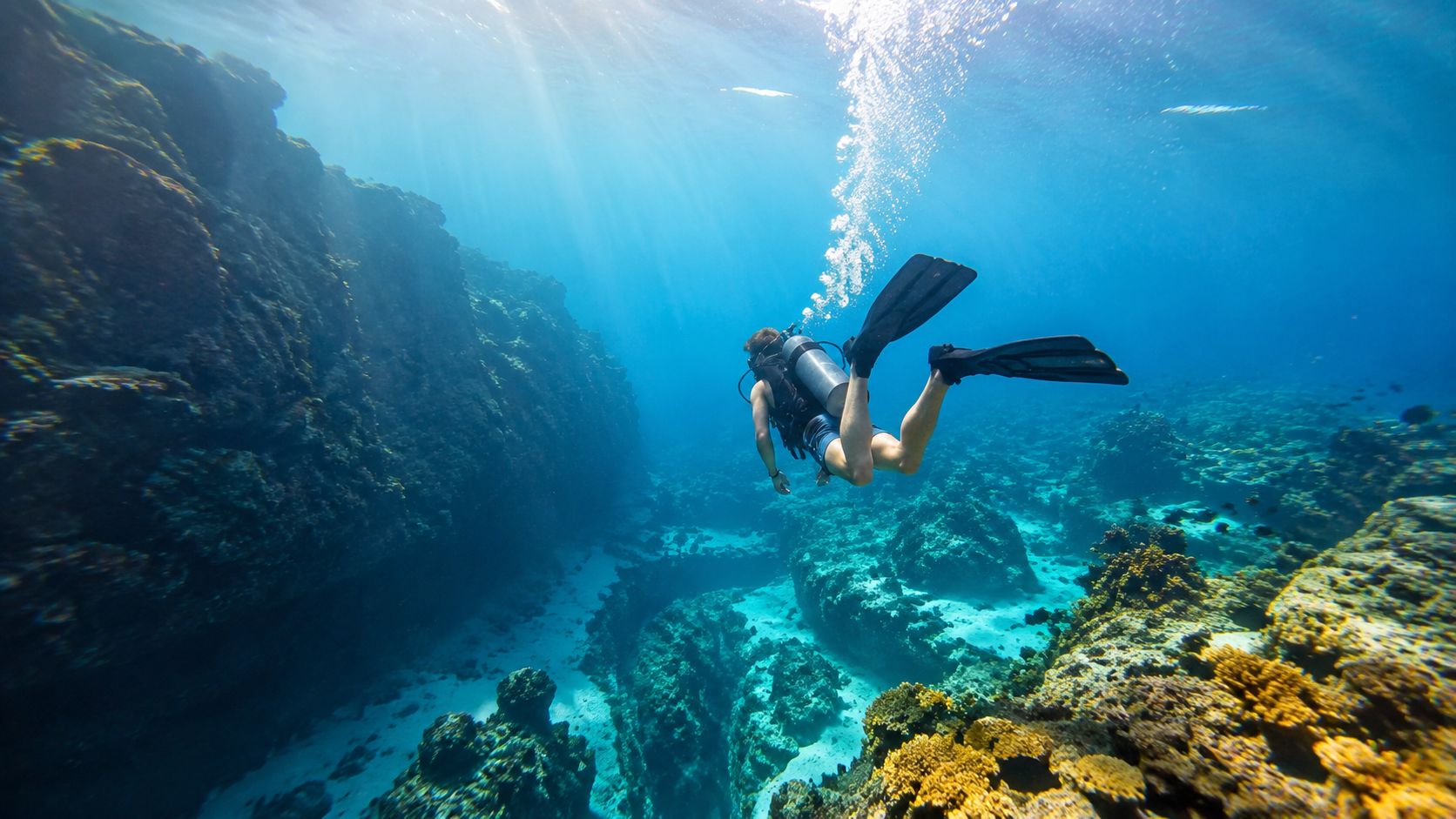
That's why divers come back. The fish are part of it, the turtles are part of it, and the warm water helps, but the true highlight is the striking underwater setting. You're not just swimming over reef. You're moving through terrain that feels carved, broken, and rebuilt by fire, then softened by coral and marine life over time.
If you're planning from scratch, start with a realistic question. Do you want a trip built around easy daytime dives, or do you want the iconic night and advanced experiences that make this coast stand out? Once you answer that, the rest gets much easier. A practical first stop is Kona Honu Divers, where you can see the mix of reef, manta, blackwater, and training options in one place.
Big Island diving rewards divers who plan for variety, not just volume. Two excellent dives and one unforgettable night experience beat a packed schedule that leaves you rushed and tired.
Why Choose The Big Island For Scuba Diving
The Big Island earns its reputation because it's not a fragile, occasional dive scene. It's a mature year-round market with enough depth in operators, sites, and training options that divers can build very different kinds of trips on the same coast.
A neutral island guide notes that guided two-tank boat dives on the Kona and Kohala side start around $169 per person, and a broader Hawaii guide says the state supports more than 1.5 million scuba dives per year and over 215 licensed dive shops. The same guide also notes that clear-day visibility on the Kohala Coast regularly exceeds 100 feet. That combination of pricing, volume, and water clarity is laid out in this Big Island scuba diving guide.
What the island does better than many destinations
The west side gives divers a strong balance of comfort and drama. Surface conditions are often manageable, the entries and departures are straightforward on guided boats, and the underwater scenery still feels distinct. That matters for newer divers who want a forgiving environment, but it also matters for advanced divers who don't want to waste half their trip on rough crossings.
The volcanic foundation is the primary differentiator. On many tropical trips, dives blur together after a while. Here, one site may feel open and bright, another feels broken into shelves and cut-throughs, and another becomes a night dive where your body position matters more than your finning.
Why this matters for trip planning
The Big Island is a strong choice if your group has mixed goals.
- New divers can focus on calm guided reef dives and training.
- Certified vacation divers can add a marquee experience like the manta night dive without needing an expedition mindset.
- Experienced divers can chase specialty charters and less typical profiles.
- Families or mixed groups can often base everyone from the same Kona area without splitting the vacation into separate islands.
If you're still deciding whether Hawaii's largest island fits your dive goals, this breakdown on whether the Big Island is good for scuba diving is a useful starting point.
Three Unforgettable Big Island Dive Experiences
If you only remember one planning rule, make it this. Don't book your entire trip as a string of interchangeable morning reef dives. Big Island scuba diving is at its best when you mix one classic daytime charter with one or two signature experiences.
Manta ray night dive
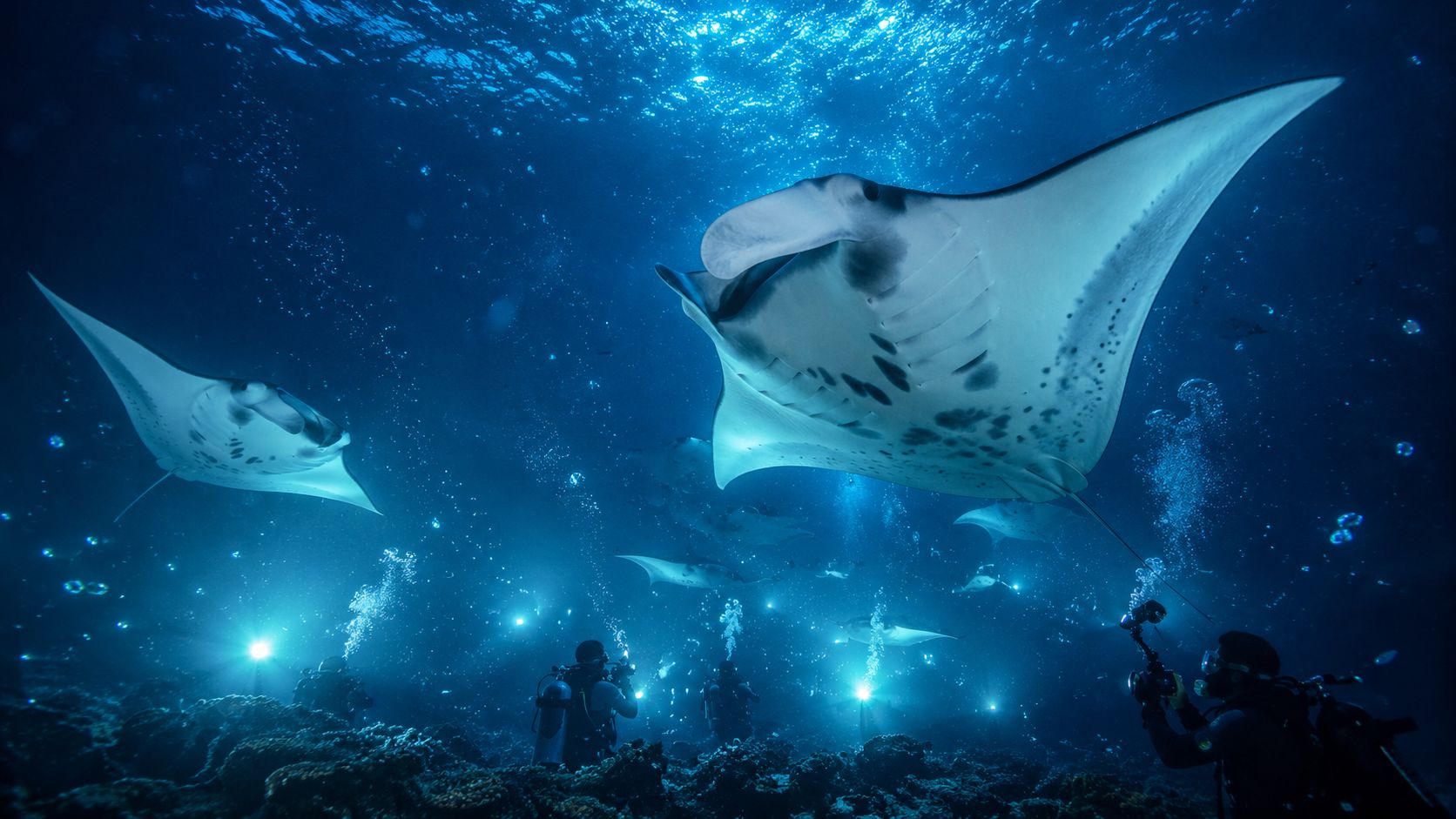
This is the benchmark dive for the island. The setup is simple and smart. Lights create a concentrated plankton field, divers settle at around 30 to 35 ft, and the mantas feed in the illuminated water column. On productive nights, divers may see 10 or more mantas, with wingspans reaching up to 16 ft, as described in this guide to scuba diving Hawaii's Big Island.
What works on this dive is counterintuitive for newer divers. Chasing doesn't help. Fast finning doesn't help. The divers who get the best encounters are the ones who settle in, hold stable trim, maintain neutral buoyancy, and avoid stirring up silt. When the bottom stays clean and the light field stays consistent, the mantas do the work.
Garden Eel Cove is the location many divers specifically seek out because a protected site and a cleaner viewing setup generally make the experience easier to enjoy. If the manta dive is on your list, look at the manta ray dive tour options and the broader overview of manta ray tours on the Big Island.
Stay low, stay still, and keep your fins quiet. Good manta etiquette also happens to produce better manta passes.
Blackwater dive
This is the dive experienced visitors talk about long after the trip is over. It's not a reef dive at night. It's open-ocean suspension over deep water, focused on the strange pelagic life that rises from below after dark.
The trade-off is straightforward. If you love novelty, good buoyancy work, and a sense of entering a seldom-seen part of the ocean, blackwater is hard to beat. If you need a visual reference, dislike open-water darkness, or get task-loaded easily, it may not be your best second-day dive. Divers considering it should read the Blackwater Dive tour details before booking.
Classic reef and lava dives
Don't make the mistake of treating daytime reef diving as filler. On the Big Island, these dives are where you settle into the local rhythm, dial your weighting, and enjoy the volcanic architecture without the complexity of a specialty profile.
Expect the most satisfaction when you approach these dives with a simple goal: slow down and look into the structure. Turtles, eels, reef fish, and the details hidden in cracks and overhangs tend to reward patient divers far more than fast movers. If you want to compare the standard charter mix, browse the full set of Big Island diving tours.
Diving For Every Skill Level Novice To Advanced
The biggest planning mistake I see is divers booking for the trip they wish they were ready for, not the trip they're ready for. The Big Island gives you enough range that you don't need to do that.
If you're brand new
Kona is a comfortable place to begin because conditions are often forgiving and the underwater scenery is rewarding right away. That matters. New divers build confidence faster when they're not fighting cold water, poor visibility, or ugly training sites.
A good beginner plan usually looks like this:
- Try a discovery experience first if you're unsure about committing to a full course.
- Move into certification if you already know you want to keep diving after the trip.
- Book easy reef dives after training, not the hardest or most famous specialty dive on your first available day.
If you're starting from zero, this page on beginner scuba diving on the Big Island is the right place to sort out discovery dives versus certification.
If you're certified but rusty
This group often needs the most honest advice. A diver with a card and little recent practice shouldn't book as if they're fully current. The better move is to use an uncomplicated reef charter to get your buoyancy, air consumption, and comfort back before adding anything task-heavy.
The ocean doesn't care what card is in your wallet. It responds to your current skill, not your past certification date.
Good operators can usually accommodate that kind of progression. If someone in your group is fresh from training and someone else has logged much more varied diving, the easiest solution is often separate trips on separate days rather than forcing everyone into one compromise itinerary.
If you want more challenge
Advanced divers usually get more value by being selective, not by trying to stack every hard thing into one vacation. Deeper volcanic structure, more ambitious site selection, and specialty profiles all demand attention and energy.
For that side of the trip, the premium advanced long-range dive tour is worth considering because it's built around divers who want more than standard local reefs. That's the right slot for divers who already know they're comfortable in varying conditions and want a more focused advanced day.
Best Seasons And Typical Dive Conditions
The practical answer on timing is simple. The Big Island is a year-round dive destination. The better answer is that each season changes the feel of the trip a little, even when diving remains strong.
What most divers notice by season
Summer often feels easier on the surface. Vacation schedules line up, conditions can feel settled, and many visitors like the warmer overall beach and boat experience.
Winter can still be excellent for diving, but you should come with slightly more flexibility. Surface conditions can change faster, and some days call for smarter site selection rather than stubbornly chasing a specific plan. That's normal island diving, not a problem.
How to think about timing
Use this framework instead of looking for one perfect month.
| Trip priority | Better approach |
|---|---|
| Easy first dive vacation | Pick dates that allow schedule flexibility and avoid overloading the itinerary |
| Signature night experiences | Leave room around specialty dives in case weather or fatigue changes your plan |
| Mixed family trip | Balance dive days with non-dive time so the vacation doesn't become all logistics |
| Advanced-focused travel | Build in backup options rather than assuming every target profile will line up |
Conditions that matter more than the calendar
Three things shape your daily experience more than a season label:
- Your operator's site selection
- Your own comfort on boats and at night
- Whether you're carrying fatigue from earlier dives or travel
A smart diver plans for adaptability. If the ocean gives you a calm reef day, take it. If the specialty trip lines up later in the week, that's often better than forcing it immediately after arrival.
Packing And Safety For Your Dive Trip
Packing for Big Island scuba diving is easier than people think, but a few small decisions make the trip smoother. Bring the personal gear that affects comfort and familiarity. Rent the bulky gear if you'd rather travel light. Above all, pack for the boat ride as much as the dive itself.
What to bring
A practical Kona dive bag should include:
- Certification materials if you're a certified diver
- Logbook and dive computer if you use them regularly
- Your own mask if you have one that fits well
- Reef-safe sun protection and a cover-up for surface intervals
- Reusable water bottle so you stay ahead on hydration
- Light layers for early departures, wind, and night returns
- Any personal save-a-dive basics you don't like being without
If you own a mask and computer you trust, bring them. Those are the two items most likely to affect comfort and confidence. Rental BCDs, wetsuits, and regulators are usually the easiest things to leave at home unless you're very particular.
Seasickness matters more than many divers admit
A lot of Kona's best diving involves boat travel. If you're even a little prone to motion sickness, deal with it before the boat leaves the harbor, not after you feel off.
Useful options include Ship-EEZ Seasickness Patch, Dramamine pills, Bonine pills, Sea Band wristbands, and Ginger chews. For a deeper rundown of what tends to work for divers, this guide on the best sea sickness medications for Kona boat trips is useful.
If you think you might get seasick, assume you will and prepare accordingly. That's not pessimism. That's how you protect the dive.
Safety habits that pay off
The biggest safety wins on a dive trip are rarely dramatic. They're basic habits done consistently.
- Hydrate early: Start before dive day, not after your first tank.
- Protect your energy: Don't stack late nights, alcohol, and demanding dives.
- Respect surface intervals: Rushing because the vacation feels short is where bad decisions start.
- Plan post-dive altitude carefully: Don't treat a dive trip and high-elevation sightseeing as if they're interchangeable on the same schedule.
Good dive travel feels relaxed because the planning is disciplined.
Booking Your Adventure With Kona Honu Divers
When divers ask how to organize a Big Island trip, I usually suggest planning around experiences, not days of the week. Decide first whether your trip needs training, classic reefs, manta night diving, blackwater, or advanced long-range diving. Then place them in an order that matches your skill and energy.
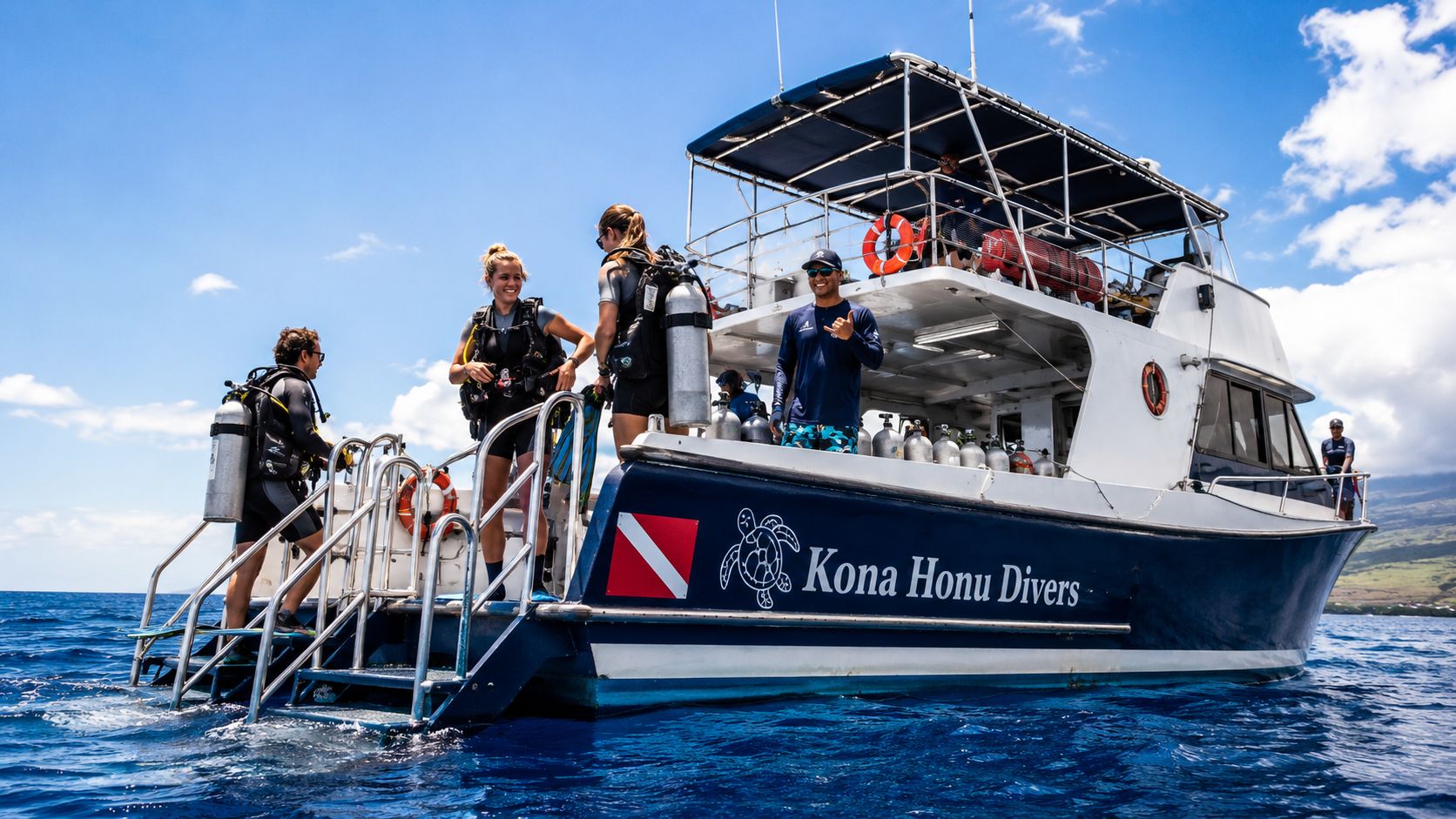
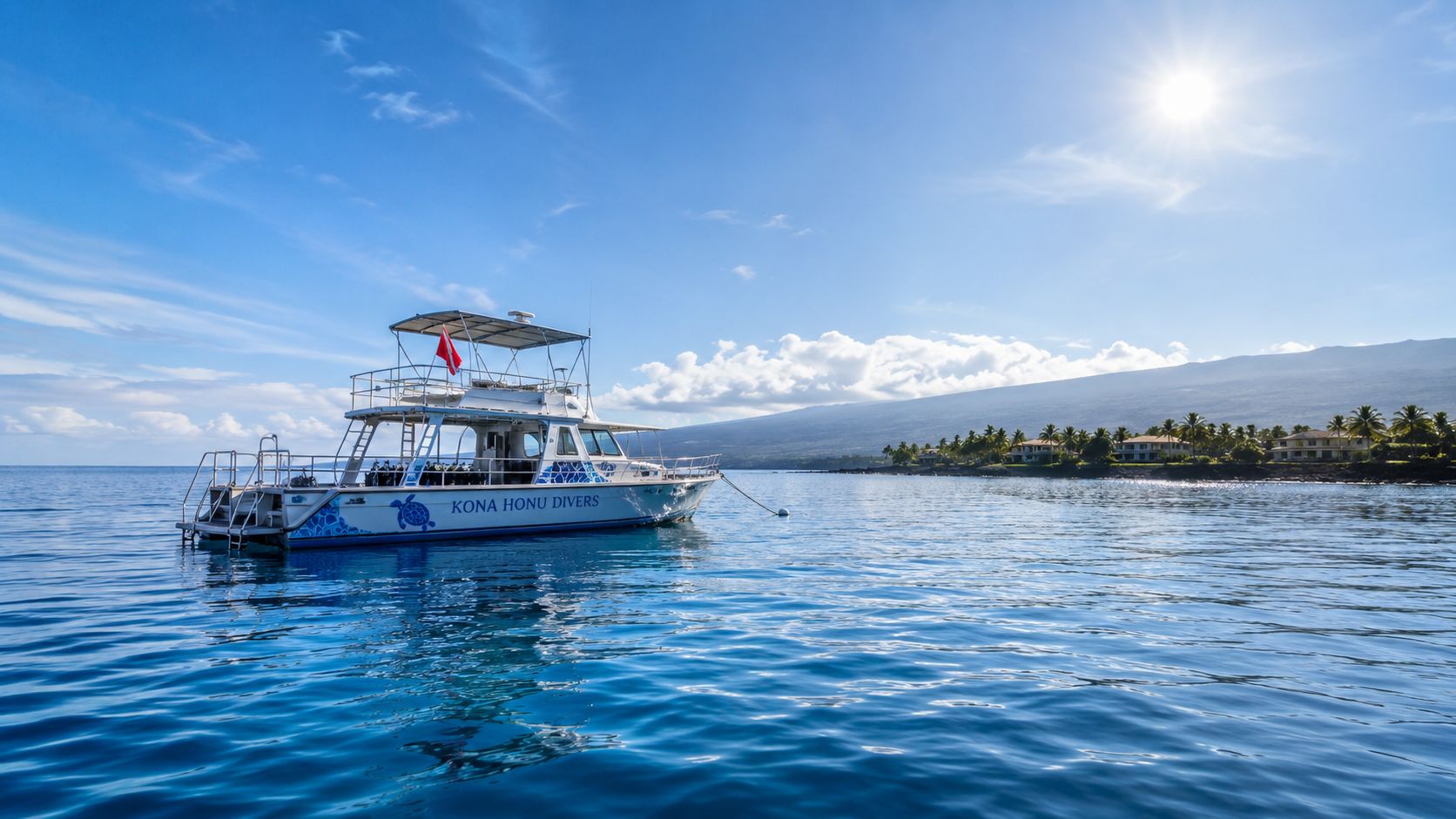
One operator many divers use for that mix is Kona Honu Divers. They offer training, standard reef charters, manta trips, blackwater dives, and advanced long-range options, which makes trip planning simpler when you want several different experiences without juggling multiple boats and briefing styles.
A practical short itinerary
For a shorter stay, keep it simple.
Day 1
Easy reef diving or refresher-style diving if you've been out of the water for a whileDay 2
Relaxed day schedule, then manta night diveDay 3
Another reef charter if you want more diving, or leave the day open for surface sightseeing and recovery
A stronger longer itinerary
With more time, you can sequence the dives better.
| Day | Focus |
|---|---|
| Day 1 | Straightforward daytime reef diving |
| Day 2 | Specialty night dive such as manta |
| Day 3 | Light schedule or no diving if needed |
| Day 4 | Advanced or long-range charter for qualified divers |
| Day 5 | Flexible final dive day based on how the week has gone |
That structure gives newer divers time to settle in and gives advanced divers a better shot at enjoying the more demanding experiences without carrying fatigue into them.
If you're ready to turn the idea into an actual dive plan, start with Kona Honu Divers. Match the trip to your current skill, leave room for one signature experience, and book the dives that make the Big Island feel like the Big Island.