
You're probably here because you want the Hawaii dive trip that delivers. Not the version that looks good in photos but turns into blown-out conditions, long boat rides to average sites, or a schedule that doesn't match your experience level.
That's exactly why Big Island scuba diving stands apart. On the Kona coast, you can spend one day on easy, clear reef dives, another night watching manta rays sweep through light beams, and, if your skills are ready for it, finish the trip in open ocean over deep blue water that feels closer to space than a reef.
Most visitors make one of two mistakes. They either book too little and miss what makes Kona special, or they try to cram in every famous dive without thinking about sequence, fatigue, comfort, and skill fit. The smarter move is to build the week around conditions, experience, and the dives that are worth prioritizing.
Your Ultimate Big Island Diving Adventure Starts Here
The dive often imagined before arrival is simple. Warm water. Clean visibility. Lava rock dropping into blue. Reef fish moving across black volcanic structure while the sunlight still reaches the bottom in sharp bands. On the Big Island, that isn't a lucky day. It's the baseline that keeps divers coming back.
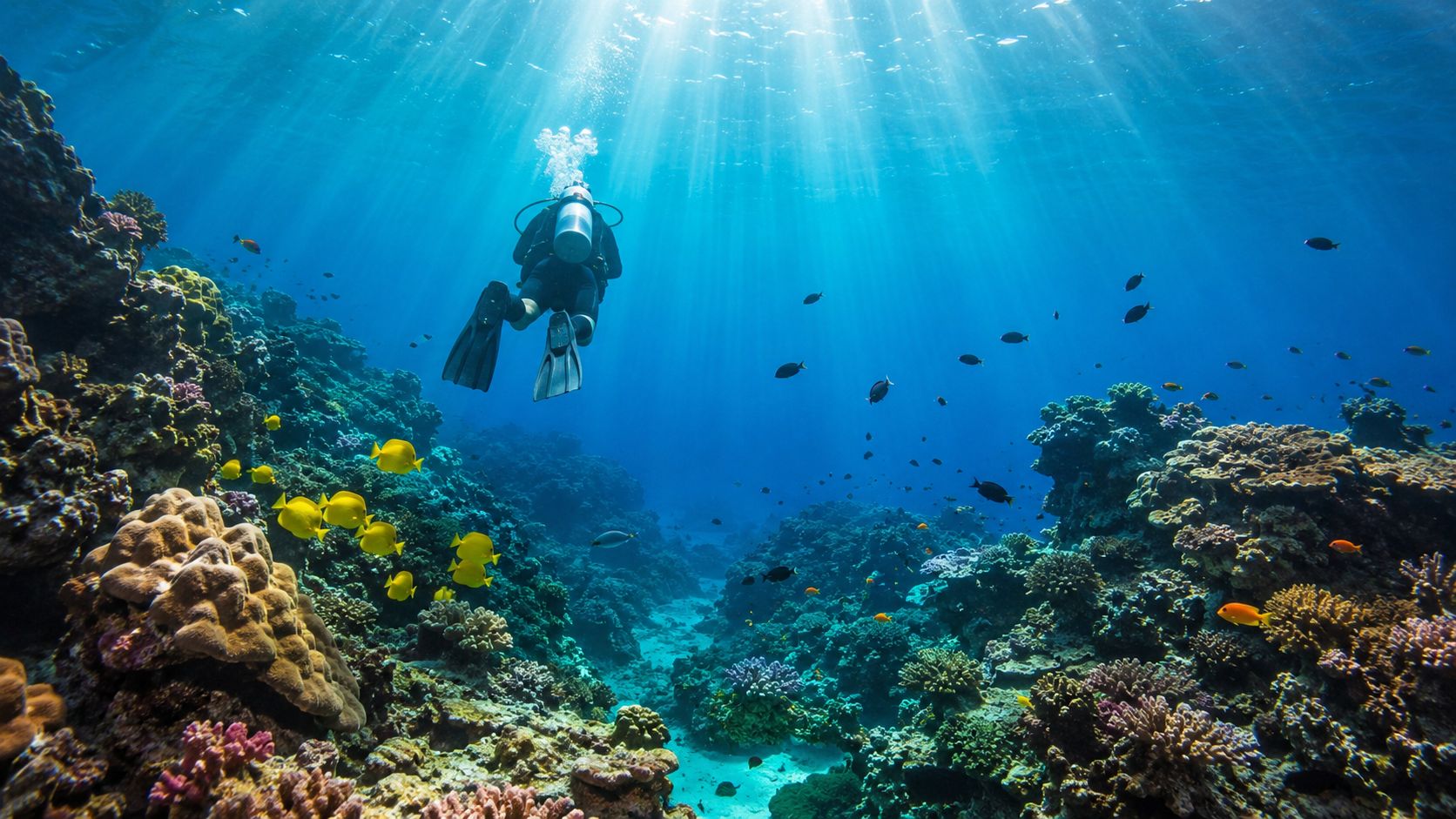
What makes this coast different is how many strong options fit into one trip. You can plan around classic reef diving, schedule a manta night, add a more advanced offshore experience, and still leave room for a relaxed day if your family doesn't all dive. That flexibility is why divers who come for one headline experience often end up talking about the whole week instead.
I always tell visitors to think about Kona as a dive destination built on layers. The first layer is comfort. Warm water and generally approachable diving make the island easy to enjoy. The second layer is volcanic structure, which gives the underwater terrain a look you won't confuse with a Caribbean reef. The third layer is the signature wildlife encounters that make people book flights in the first place.
The best Big Island dive trips aren't built around a single site. They're built around the right sequence of dives for your skills, energy, and goals.
If you're trying to sort through operators, trip types, and timing, start with a local overview from Kona dive specialists. It helps to see the destination as a full dive system, not just a menu of boat departures.
Why Kona Is a World-Class Scuba Destination
You notice Kona's quality before you ever log a second dive. The boat ride is short, the entries are usually straightforward, and the briefing can focus on the site instead of working around marginal conditions. That changes the whole trip. More time underwater, less time dealing with logistics.
Kona earns its reputation because the diving is dependable in the ways experienced divers care about most. The leeward coast is protected from the trade winds that rough up other parts of the island, so operators can run a wide range of trips through much of the year. For visitors, that means better odds of getting the itinerary you planned instead of settling for whatever weather allows.
The environmental setup helps. Water stays comfortably warm through the year, and visibility is often excellent along the Kona coast. Conditions still vary with swell, runoff, and local weather, but this is a destination where a newly certified diver can feel at ease on one trip and an experienced diver can still find enough variety to stay interested all week.
Geology is the other big reason Kona stands apart. These are volcanic dives, and the terrain gives the coast its character. You get lava fingers, arches, caverns, hard drop-offs, and dark rock that makes schools of yellow tang, butterflyfish, and white-tip reef sharks stand out sharply. If you want a closer look at the underwater structure, this guide to what makes Kona diving unique explains why the coastline produces such distinctive diving.
Access is better than many visiting divers expect.
Boat diving is the easiest way to see Kona at its best. You skip the long gear haul, reach cleaner offshore sites, and cover more ground in a single morning. Shore diving can save money and gives independent divers flexibility, but entries at places like Puakō or 2 Step are not equal. Some are simple in calm surf. Some punish bad timing, heavy gear, or weak footing on lava rock.
That trade-off matters when building a full trip. A smart Kona plan usually mixes formats instead of forcing every dive into one style.
| Dive style | What works well | Trade-off |
|---|---|---|
| Boat diving | Access to stronger sites, easier entries, wider site selection | Higher cost than shore diving |
| Shore diving | Lower cost, flexible schedule, good for experienced self-sufficient divers | Entries and exits can be less forgiving |
| Specialty charters | Unique experiences such as manta or blackwater diving | Needs advance planning and the right skill fit |
For itinerary planning, compare trip types before you book. Kona Honu Divers' current dive tours give a clear sense of how standard charters, night dives, and specialty trips fit together over a full week.
Big Island's Top Scuba Diving Experiences
The best Big Island dive trips are not built around a random list of sites. They are built around a few standout experiences, scheduled in the right order, with the right expectations for each one. That is how divers leave Kona feeling like they saw the coast properly instead of just checking off a famous name.
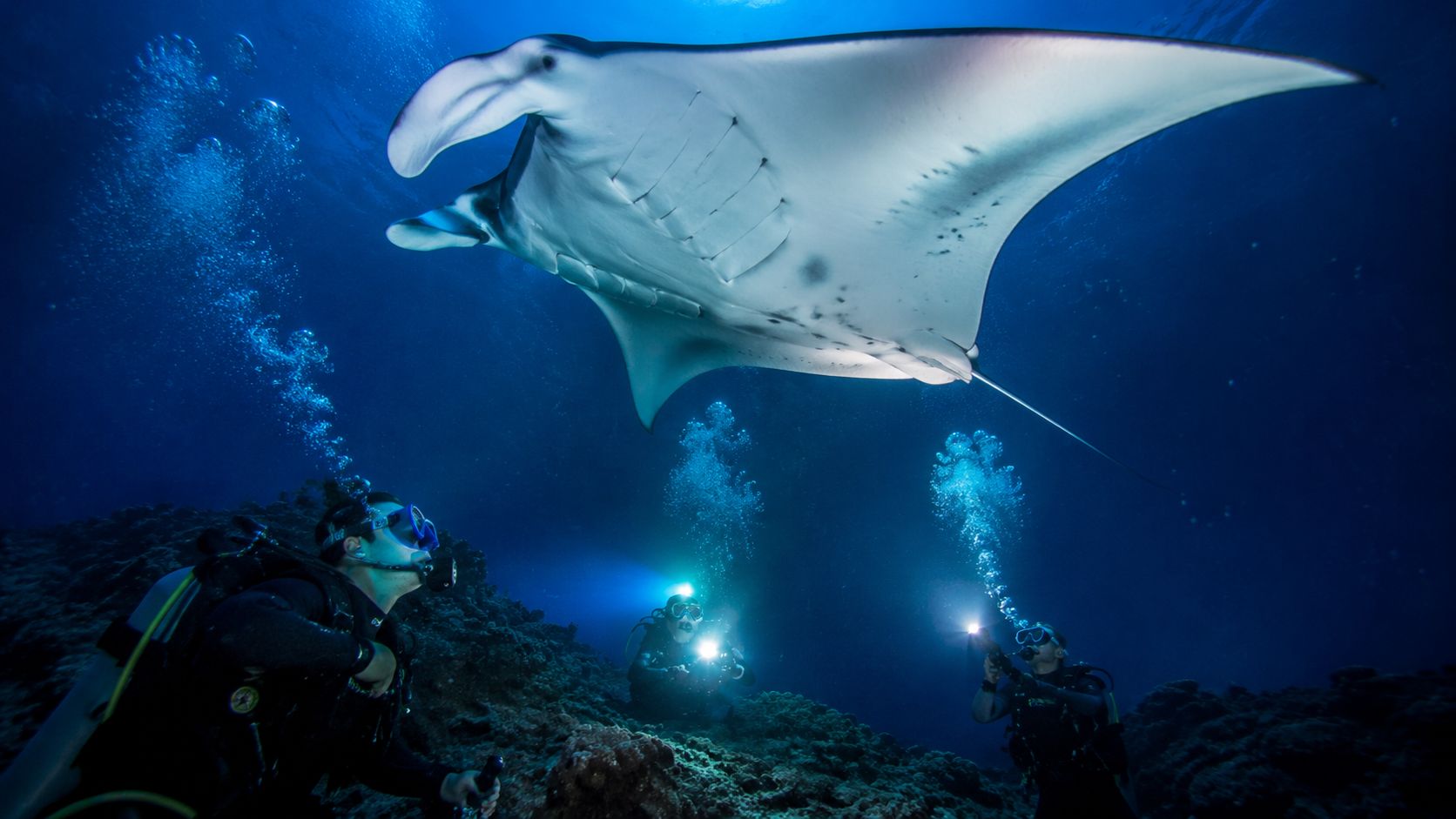
The manta ray night dive
A diver settles onto the sand at dusk, keeps the beam pointed up, and waits. Then the first manta comes in low over the lights, banks hard, and circles back through the plankton. Even people with hundreds of dives remember that moment.
This is Kona's signature dive for good reason. The setup is simple, but the quality of the experience depends heavily on site choice and operator discipline. Garden Eel Cove usually gives divers a better overall dive because it is more protected, the viewing area is easier to manage, and the encounter tends to feel less chaotic than trips that treat every manta site as interchangeable.
That distinction matters. A strong manta charter is not just about whether a ray shows up. It is about whether divers can stay settled, whether the group is positioned cleanly, and whether the crew runs the site in a way that protects both the animals and the experience.
For trip planning, compare the actual Big Island manta ray night dive tour details with the 2-tank manta dive and night snorkel trip format.
Book this early in your week if possible. If weather shifts or you need to reshuffle after a travel day, having that buffer helps.
The blackwater dive
Blackwater is a specialty dive in the true sense of the word. It is offshore, in open dark water, with no reef, no wall, and no bottom reference. Divers who go in expecting a normal night dive often realize within minutes that it is something else entirely.
What draws people out there is the pelagic life that rises from the deep after dark. Larval fish, jellies, siphonophores, and other translucent animals drift through the light field looking almost unreal. It is one of the few dives where experienced divers routinely stop trying to identify everything and just watch.
The trade-off is psychological, not just technical. Good blackwater divers hold position well, stay calm without structure around them, and do not get rattled by the dark or the depth below. Divers who already know they dislike open water exposure should be honest about that before booking.
If that style of offshore night diving appeals to you, read the offshore blackwater night dive trip details before you commit.
The daytime reef and lava diving
A lot of the actual diving happens here.
Manta gets the attention, and blackwater gets the stories, but daytime reef diving is what gives a Kona trip its shape. The volcanic coastline creates arches, lava fingers, boulders, and sharp relief that make even easy profiles feel dramatic. On a good morning, you can get clear water, healthy reef life, and terrain that keeps the dive interesting from descent to safety stop.
It is also the most flexible part of a trip plan. Newer certified divers can use these dives to settle weighting and buoyancy. Experienced vacation divers can log relaxed, high-quality reef dives without overcomplicating the week. More advanced divers can choose trips with longer runs, stronger site selection, and profiles that ask for better gas management and awareness.
A smart sequence usually works like this:
- Start with daytime boat dives to get comfortable in local conditions.
- Schedule manta once you are settled and not diving on travel-day fatigue.
- Add blackwater or more advanced profiles after you know your comfort level is where it should be.
For divers who want a longer range morning with more demanding site choices, look at the premium advanced 2-tank long-range dive trips.
Why these experiences belong in the same trip
Each one shows a different side of Kona. Daytime reef dives show you the structure of the coast. Manta gives you a controlled wildlife encounter that feels uniquely local. Blackwater puts you in the open ocean at night, where the whole point is leaving the reef behind.
That mix is what turns a decent dive vacation into a well-built Big Island dive trip. The goal is not to collect famous dives. The goal is to choose the right combination, in the right order, so every part of the coast makes sense once you have seen it underwater.
Diving for Every Skill Level
A good Kona trip gets easier once you stop grouping divers into "beginner" and "advanced" and start matching people to the right first dive. I see the same pattern all the time. Divers who choose conservatively on day one usually end up doing more, seeing more, and enjoying the week a lot more.
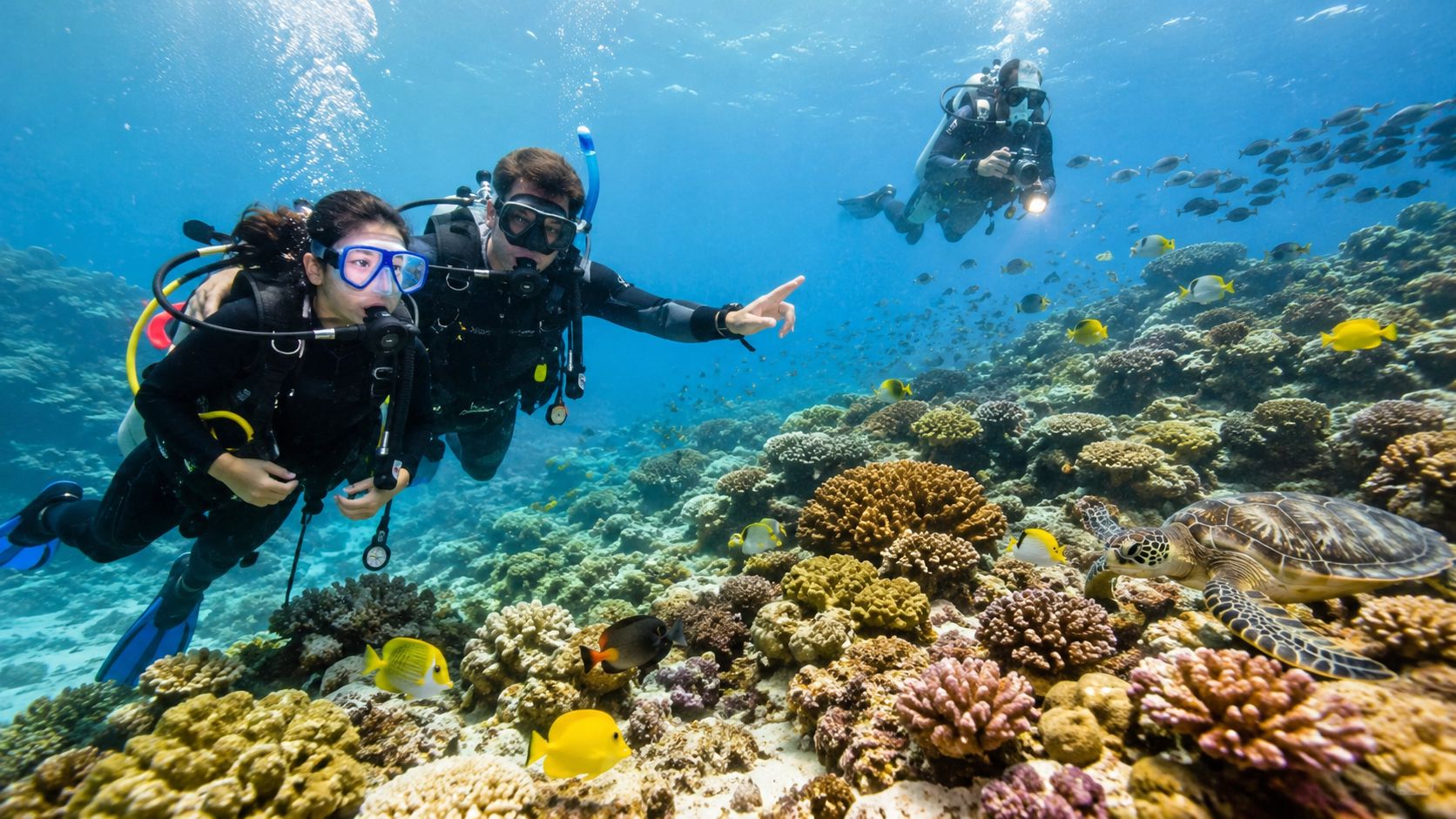
If you're new or returning after a long break
Kona can be very forgiving for newer divers, especially on protected reef sites with simple descents and clear water. The smart move is to treat your first dive as a skills check, not a bucket-list moment.
That first boat day should help you do three things:
- Settle your buoyancy: Small weighting problems feel bigger after time out of the water.
- Lower the workload: Easy profiles let you focus on breathing, trim, and awareness.
- Give the crew a real read on your comfort level: Good guides can tell quickly whether you should keep things simple or add something more ambitious later in the trip.
If that sounds like you, start with a beginner-friendly Big Island scuba diving overview and choose a trip that gives you room to rebuild confidence.
If you're a solid certified vacation diver
This group has the most options, and also makes the most planning mistakes.
Certified open water divers with decent recent experience usually do very well on Kona reef dives and can often add a signature experience later in the trip if they are comfortable in low-light conditions. The key trade-off is variety versus fatigue. Packing every exciting dive into a short vacation looks good on paper, but tired divers burn more gas, miss the small stuff, and make poorer decisions.
A better plan is to judge yourself by recent diving, not certification card level. If your last dives were easy resort dives months ago, start with straightforward boat diving and let the first morning tell you how much range you really have.
Honest self-assessment makes trip planning easier for everybody, especially you.
If you want the harder stuff
Advanced diving off the Big Island rewards divers who are calm, current-aware, and comfortable without constant coaching. It also asks for discipline. Some profiles are not difficult because of depth alone. They are demanding because of the setting, the pace, and the need to stay composed when the environment feels very different from a daytime reef.
Blackwater is the clearest example. You are in open ocean at night with no reef structure beside you, watching pelagic life rise out of deep water. Divers need enough experience to hold position, manage buoyancy without visual reference from the bottom, and stay mentally settled for the full dive. That is why operators set experience thresholds.
Longer-range advanced charters can be a strong fit too, but only for divers who already know they are comfortable with sharper site selection, changing conditions, and tighter gas awareness. As noted earlier, those trips make more sense after you have done a standard Kona boat dive or two and know how you are handling local conditions.
A quick fit check
| Diver profile | Strong match | Better to avoid at first |
|---|---|---|
| First-timer | Intro program or easy reef dive | Blackwater |
| Rusty certified diver | Refresher, calm daytime boat dives | Demanding night dives right away |
| Comfortable open water diver | Reef dives, possibly manta if night-ready | Overbooking every day |
| Experienced advanced diver | Blackwater, long-range trips, specialty profiles | Treating every advanced charter like the same dive |
Planning Your Kona Dive Trip Logistics
A smooth dive trip usually comes down to decisions you make before the first boat leaves the harbor. The Big Island is forgiving in some ways, but planning still matters. Good operators can improve a trip a lot. Bad logistics can drag down even great conditions.
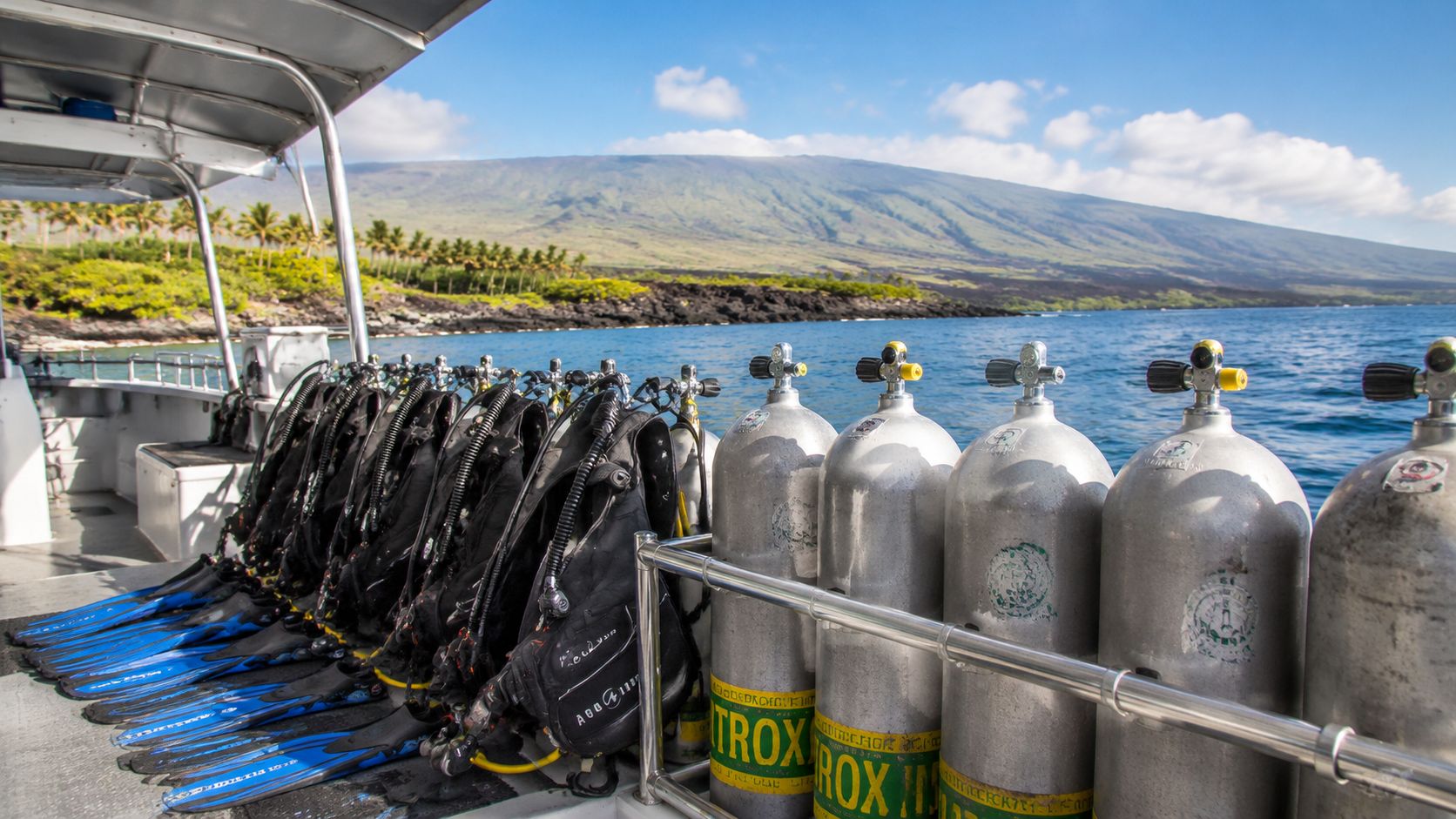
Book around your real energy, not your ideal self
Travel days hit divers harder than they expect. Long flights, poor sleep, dehydration, and excitement make people say yes to schedules they will not enjoy. If you land late, don't assume an early advanced charter the next morning is smart.
A better approach is to front-load flexibility:
- First boat day: choose a straightforward reef trip.
- Second dive day: add your marquee experience, often manta.
- Later in the trip: slot in anything more technical or physically demanding.
That sequence gives you a margin for weather changes, seasickness, and plain old fatigue.
Gear choices that make sense
If your personal gear fits well and travels easily, bring the pieces that matter most to comfort. Mask, dive computer, and exposure protection are the usual priorities. If hauling a full kit across the Pacific sounds miserable, rent the bulkier items and save your back.
What works best is consistency. Don't mix unfamiliar rental gear with an ambitious specialty dive on day one if you can avoid it. Get a normal daytime dive under your belt first.
A few practical reminders:
- Bring your certification information: Digital is fine if it's easy to access.
- Pack a dry change of clothes: The ride back feels much better when you're not sitting in damp gear.
- Use reef-safe sun protection: The top side exposure is often what surprises people.
Understand boat diving rhythm in Kona
Many Kona dive trips launch from the harbor and put you on sites without the entry-and-exit hassle of shore diving. That convenience is a big part of the destination's appeal. It also means your morning starts earlier than many casual vacation plans do.
Boat diving rewards people who show up prepared. Have your paperwork handled, know your gear setup, and eat something sensible before boarding. If you're someone who gets queasy when the boat idles or turns broadside to swell, deal with that before you leave the dock, not after.
Small preventable problems become big annoyances offshore. Late medication, forgotten certification cards, and a mask you haven't checked since last year all show up at the worst moment.
Safety and operator fit
You don't need the flashiest marketing. You need a crew that runs an organized boat, screens divers thoroughly, and keeps site selection tied to conditions and skill level. That matters even more for night dives and offshore specialty trips.
When you're comparing operators, ask practical questions:
- How do they group divers? Skill mismatch can ruin a dive for everyone.
- How do they handle rusty divers? Good shops have a process, not a shrug.
- What's their specialty-dive threshold? If they seem casual about experience requirements, that's not reassuring.
Transportation is usually straightforward if you're staying near Kailua-Kona, and harbor-based diving keeps things simpler than trying to self-organize every outing. The less friction you add to the trip, the more bandwidth you'll have for the actual diving.
Booking Your Dives with Kona Honu Divers
You land in Kona with four dive days, two must-do experiences, and one family dinner you cannot miss. The difference between a great trip and a frustrating one usually comes down to booking order and operator fit. A smart plan puts the right dives on the right days, leaves room for weather shifts, and avoids burning your best opportunities on your first day in the water.
Sample itineraries that work in the real world
A few booking patterns consistently work well.
The three-day sampler is a strong fit for visitors who want variety without turning the trip into a marathon. Start with daytime reef diving to get comfortable with local conditions. Put the manta night dive on the next open evening. Use the final day for either another reef charter or a more advanced trip, depending on how the first two days went.
The return-to-diving plan works for certified divers who have been out of the water for a while. Begin with an easy daytime boat dive and treat that first morning as a real skills check, not a formality. If buoyancy, air consumption, and comfort look good, add a second daytime trip or a manta dive next. Save blackwater and other more demanding charters until you know you are ready for them.
The experienced diver's sequence should account for travel fatigue. Even very capable divers can be off by a few pounds on weighting or feel rusty after a long flight. Start with a quality daytime charter, then book blackwater or another specialty trip once your trim, exposure protection, and local comfort are sorted out.
What to look for when choosing an operator
Choose the crew that makes your week easier and your diving better. Good operators are clear about which trips suit beginners, which ones are mixed-level, and which ones require solid recent experience. They also answer planning questions before you book, not after you are already committed.
I also look at how a shop runs the day. Group size matters. Briefings matter. So does whether the crew adjusts the plan for the divers on board instead of forcing everyone into the same profile.
If you want help mapping out the right sequence for your trip, contact Kona Honu Divers about your dive dates and experience level. The company has operated since 2006, and its blackwater trips are limited to six divers. It has also earned repeated recognition from scuba travelers and industry readers, as noted earlier in this guide.
When to book and what to book first
Book the hardest-to-replace dives first.
On the Big Island, that usually means evening manta trips and specialty charters with limited spots. Standard daytime reef diving often gives you more flexibility, so it makes sense to place those after your priority dives are secured.
My usual booking order looks like this:
- Manta dive, if it is on your list
- Blackwater or another advanced charter, if your training and recent experience fit the trip
- Core daytime boat dives to round out the week
That approach protects the experiences that can sell out or depend on specific scheduling. It also gives the operator room to help you build a trip that matches your skill level instead of leaving you with a pile of reservations that do not work well together.
Check AvailabilityFrequently Asked Questions About Big Island Diving
What should I do if I'm prone to seasickness
Treat seasickness before it starts. Don't wait until the boat is already moving and your stomach is telling you the day is going sideways. Sleep well, hydrate, eat lightly, and choose the most reliable solution that works for your body.
Common options include Ship-EEZ Seasickness Patch, Dramamine pills, Bonine pills, Sea Band wristbands, and Ginger chews. If you use medication, test it at home first so you know how it affects you.
What should I bring on the dive boat
Bring the basics that improve comfort without overpacking.
- Certification details: Keep them easy to access on your phone or in print.
- Towel and dry clothes: You'll appreciate both after the second dive.
- Sun protection: Use reef-safe sunscreen and add a hat or cover-up for surface intervals.
- Personal essentials: Water, any approved medications you need, and your own mask or computer if you prefer them.
Can non-diving family or friends join
Often, yes, depending on the trip. Some outings can accommodate snorkelers or mixed groups, and manta-focused evenings are especially popular with both divers and non-divers. The key is checking the specific charter details before booking rather than assuming every boat works for every group.
Do I need travel insurance that covers scuba diving
It's a smart idea. Standard travel coverage doesn't always line up cleanly with dive-specific situations, especially if a medical issue interrupts the trip or you need specialized care. Many divers look into policies built with diving in mind, including options such as DAN, and compare them against their broader travel insurance before departure.
If you want a trip plan that fits your certification, comfort level, and must-do experiences, start with Kona Honu Divers. A good schedule turns Big Island scuba diving from a list of possibilities into the kind of dive vacation you'll want to repeat.