
If you've ever dreamt of exploring a vibrant world beneath the waves, the Big Island of Hawaii should be at the top of your list. This isn't just another tropical dive spot; it's a place where dramatic volcanic landscapes, healthy reefs, and encounters with unique marine giants come together to create something truly special. It's a destination where you can count on crystal-clear water and fantastic diving nearly any day of the year.
Why the Big Island Is a World-Class Diving Destination
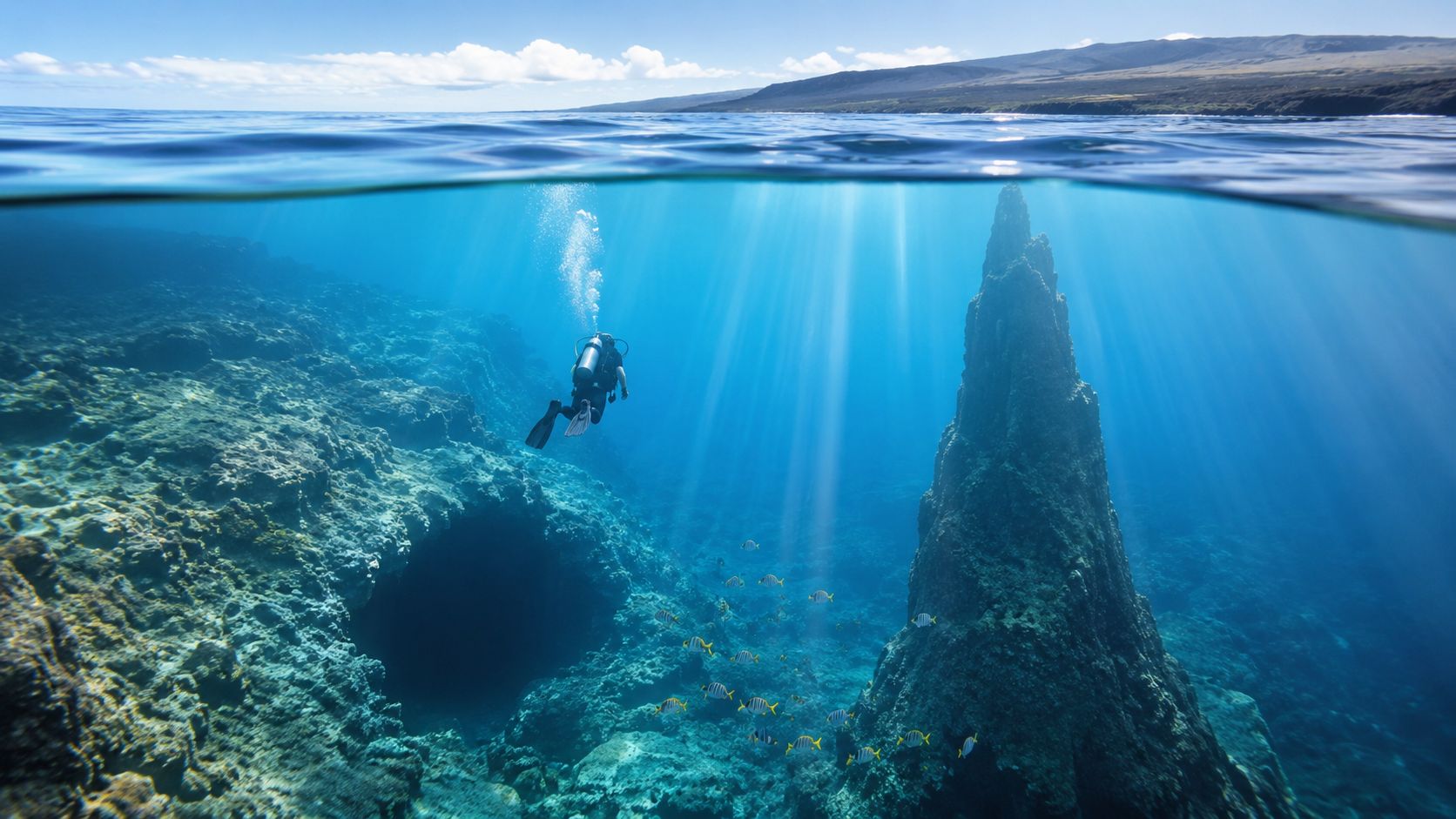
Picture this: You descend into warm, blue water with visibility that often stretches past 100 feet. As sunlight streams down, it illuminates an otherworldly terrain sculpted by eons of volcanic flow. That's the signature of Big Island scuba diving. Unlike the other Hawaiian islands, the Big Island’s underwater geology is defined by incredible lava tubes, ancient archways, and steep drop-offs—all accessible on a typical dive.
The Kona coast, in particular, is a diver’s paradise. It's perfectly sheltered from the trade winds by the colossal volcanoes of Mauna Loa and Hualalai, which means the water is almost always calm and protected. These glass-like conditions are ideal for both new divers getting comfortable and seasoned pros who want to explore the intricate underwater architecture.
Let's break down exactly what makes diving here so incredible. The island offers a perfect storm of unique geology, abundant wildlife, and one-of-a-kind experiences you simply won't find anywhere else.
Top Reasons to Scuba Dive on the Big Island
| Feature | Description | Best Experienced On |
|---|---|---|
| Volcanic Topography | Explore a surreal underwater world of lava tubes, arches, and pinnacles created by ancient lava flows. It's like navigating a submerged volcanic playground. | A classic Kona coast two-tank boat dive. |
| Clear, Calm Waters | The Kona coast's leeward side offers protection from winds, resulting in exceptionally clear and calm conditions with 100+ foot visibility being common. | Any boat or shore dive along the Kona coast. |
| Manta Ray Encounters | The Big Island is world-famous for its manta ray night dive, a bucket-list experience where gentle giants gracefully feed on plankton just inches away. | A dedicated Manta Ray Night Dive charter. |
| Abundant Marine Life | The reefs are teeming with Hawaiian green sea turtles (honu), spinner dolphins, and endemic fish. You might even spot a rare Hawaiian monk seal! | Reef dives like Turtle Pinnacle or Turtle Heaven. |
| Unique Night Dives | Beyond the mantas, the Blackwater Dive offers a chance to see bizarre and beautiful creatures from the deep ocean as they migrate toward the surface at night. | A specialized Blackwater Dive charter. |
These elements combine to create a destination that delivers something new and exciting on every single dive. It's this sheer variety that has cemented the Big Island’s reputation as a premier diving location for adventurers from across the globe.
An Underwater Paradise Teeming with Life
What really sets the Big Island apart is the life you'll encounter. The island's unique position in the Pacific, combined with its nutrient-rich waters, supports an unbelievable density and diversity of marine animals.
It’s about more than just pretty coral. You'll be sharing the water with some incredible creatures.
- Gentle Giants and Rare Residents: The Kona coast is a hotspot for Hawaiian green sea turtles, playful spinner dolphins, and even the occasional, elusive Hawaiian monk seal.
- Iconic Nighttime Adventures: The Big Island is legendary for its night dives. You have the world-renowned manta ray night dive, an almost spiritual experience, and the surreal blackwater dive, which feels like a trip to another planet.
- A Geologist's Dream: Where else can you navigate through ancient lava tubes and swim-throughs, exploring a submarine landscape that is constantly being shaped by one of the most active volcanoes on Earth?
Ready to see it for yourself? We’ve put together a comprehensive look at the different dive sites and what makes this region so special in our guide to Big Island Hawaii scuba diving. At Kona Honu Divers, our entire focus is on leading expertly guided tours that show off the very best of this underwater world, making sure every trip is safe, unforgettable, and completely awe-inspiring.
Check AvailabilityWhen you talk about diving the Big Island, a few experiences are so legendary they're practically mandatory. While the island boasts over a thousand dive sites, there are two nocturnal dives that truly define the Kona Coast and draw people here from all over the world: the Manta Ray Night Dive and the Blackwater Dive. These aren't just entries in a logbook; they're memories that will stick with you for a lifetime.
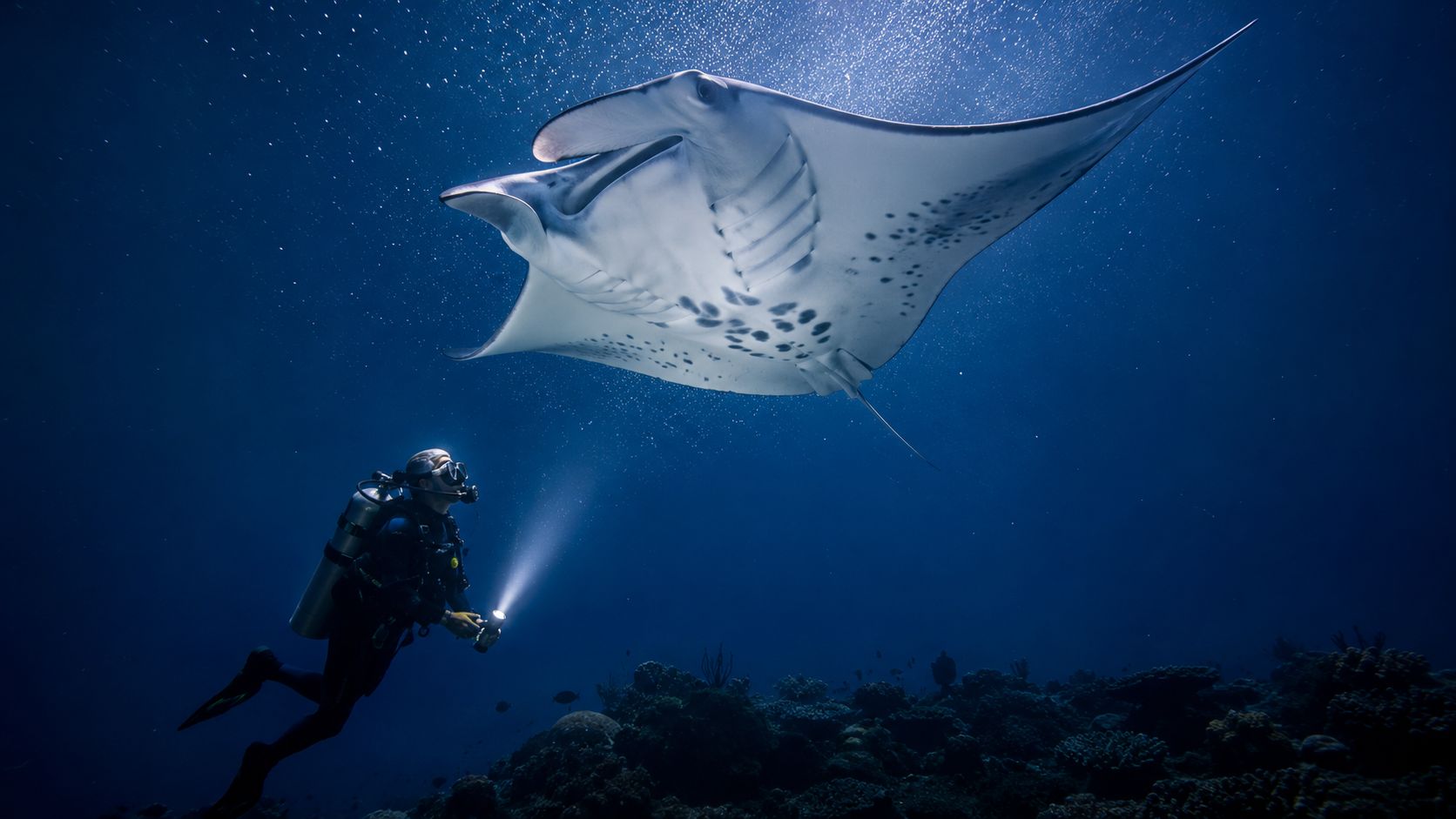
The World-Famous Manta Ray Night Dive
This is the dive you’ve seen on nature documentaries. Often called the "underwater ballet," it’s a genuine spectacle and a top-tier bucket-list experience for any diver.
After sunset, you'll descend to a sandy spot on the seafloor, gather around a set of powerful lights often called "the campfire," and simply wait. These lights attract clouds of plankton, which in turn signal the start of dinner for Kona's resident manta rays. You just get to be a spectator as these gentle giants, some with wingspans over 15 feet, swoop and barrel-roll inches above your head, feeding on the plankton illuminated in the light beams. The experience is magical.
There are a couple of spots to do this dive, but Garden Eel Cove is the superior choice for the dive tour. It's more protected from open ocean swell, which means calmer conditions and a more comfortable experience. The viewing area is better designed for seeing the mantas up close, and the surrounding reefs are healthier and more vibrant. With a 96% sighting success rate and an average of 11 mantas per night, your chances of an incredible show are fantastic.
To learn more about what makes this dive so special, you can read our complete guide on the manta ray tour for the Big Island or book your spot on our manta ray dive tours page.
The Otherworldly Kona Blackwater Dive
If the manta dive is a ballet, the Kona Blackwater Dive is a journey to another planet. This is for the truly adventurous soul. You head miles offshore where the ocean floor is thousands of feet below, tether to the boat, and descend to about 50 feet in the vast, open, pitch-black ocean.
This dive isn't about exploring a reef or a wreck; it’s about hanging suspended in the water column and witnessing the largest migration on Earth. Every night, bizarre and wonderful creatures rise from the abyss to feed near the surface under the cover of darkness.
You’re floating in the middle of this vertical migration. What you'll see are things straight out of science fiction—translucent larval fish, glowing squid, and pulsating jellies that look like alien spaceships. It’s a humbling, slightly surreal, and utterly unforgettable glimpse into a world that few people ever get to see.
Choosing the Right Dive Operator in Kona
Let’s be honest: who you dive with in Kona can make or break your entire trip. The right guide and crew don't just take you for a swim; they completely shape your underwater adventure. When you're looking for a company to show you the magic of Big Island scuba diving, it's tempting to shop by price alone. But the real value lies in safety, local expertise, and the quality of the experience itself.
The best operators here aren't focused on packing a boat. They prioritize small groups, hire guides who are passionate and deeply knowledgeable about our local waters, and operate with a profound respect for the marine environment. It’s all about a personal, safe, and unforgettable journey into Kona’s spectacular underwater world. You can check out all the amazing diving tours here.
What Sets the Best Apart
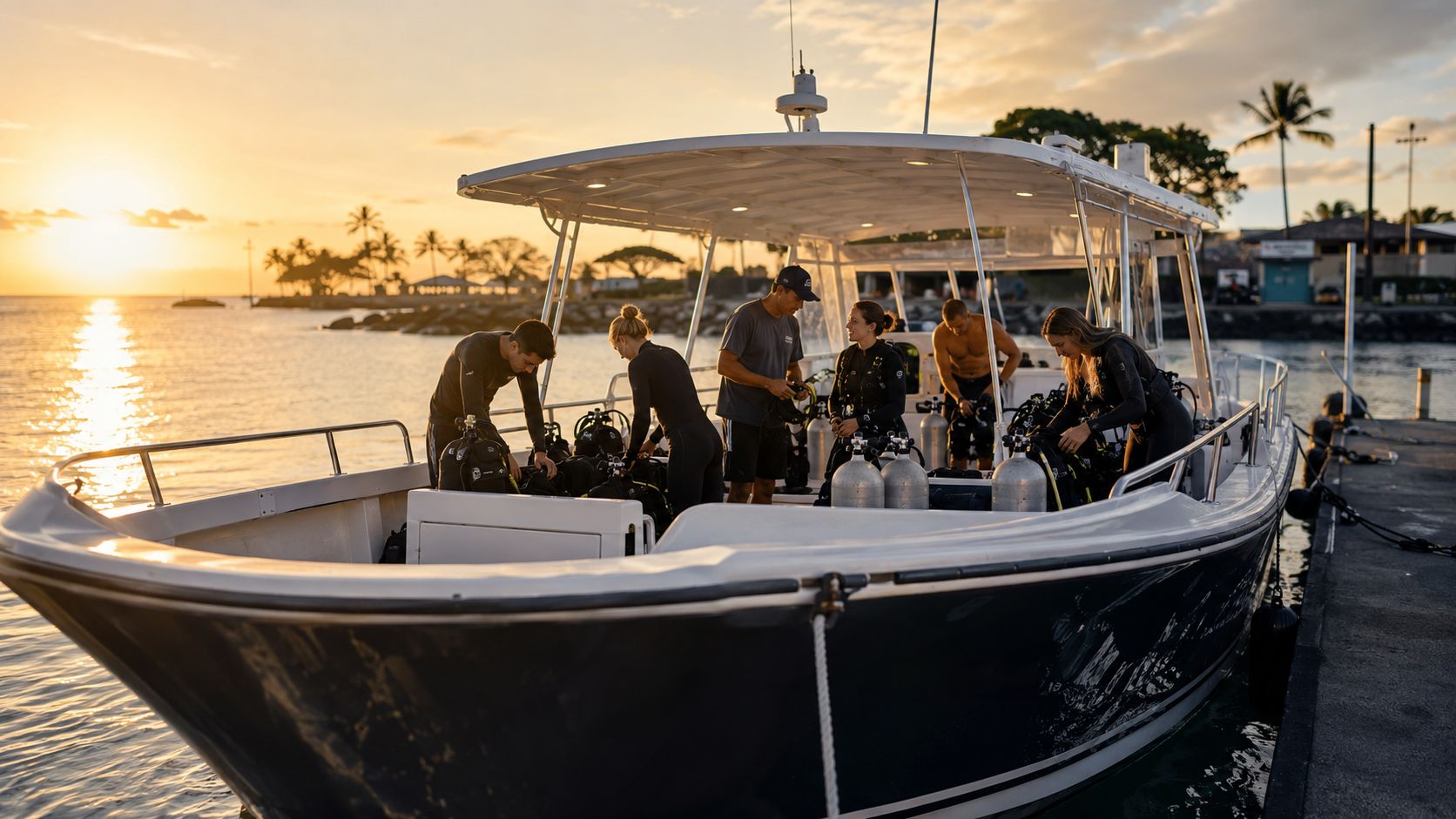
A top-tier dive operation thinks about the entire day, not just the time spent underwater. You can often spot them by their gear. Look for companies that invest in high-quality, custom-built boats designed specifically with diver comfort and safety in mind. Small details like hot freshwater showers, plenty of shade, and easy-entry platforms make a world of difference, especially on a two-tank dive.
Kona Honu Divers, for example, runs the Honu One, a vessel purpose-built with these creature comforts. That commitment to the diver's well-being from the moment you step on board to the moment you leave is a true sign of a quality operation.
The real secret is finding an operator committed to small groups. When there's a strict limit on divers per guide, you get more personalized attention, better safety oversight, and a much more relaxed, uncrowded dive.
This small-group philosophy has a direct impact on your time in the water. With fewer people to wrangle, guides can lead longer, more exploratory dives. You get more bottom time, a better value, and a far richer experience. For a detailed breakdown of how local operators stack up, our guide on the top 10 Kona diving companies ranked is a must-read.
A Case Study in Excellence
Having operated here since 2006, Kona Honu Divers has earned its reputation as Hawaii’s top-rated scuba diving company on the Big Island. They swept all seven categories in Scuba Diving Magazine’s Readers’ Choice Awards, and it's easy to see why.
The company strictly limits dive groups to just six people. This isn't just a number; it means the guides have time for detailed briefings on the marine life you'll see and can keep a close eye on everyone. It also results in an average bottom time of 70 minutes per dive—significantly longer than the Kona average. As an added bonus, they offer free nitrox for certified divers, which can help you feel less tired and get more out of your dives.
Ready to see what this level of service feels like?
Check AvailabilityMatching Your Skill Level to the Perfect Dive
One of the best things about diving the Kona coast is that there’s truly something for everyone. Whether you’ve never put your face in the water or you have hundreds of dives logged in your book, you'll find an adventure here that's just right for you. The key is matching the dive to your experience level, ensuring you have a fantastic—and safe—time.
Kona's calm, sheltered bays are the perfect classroom for new divers, but don't let that fool you. The island's dramatic volcanic underwater landscape offers plenty of thrilling challenges for those with more experience. Let’s break down what to expect based on your skill level.
For the Absolute Beginner
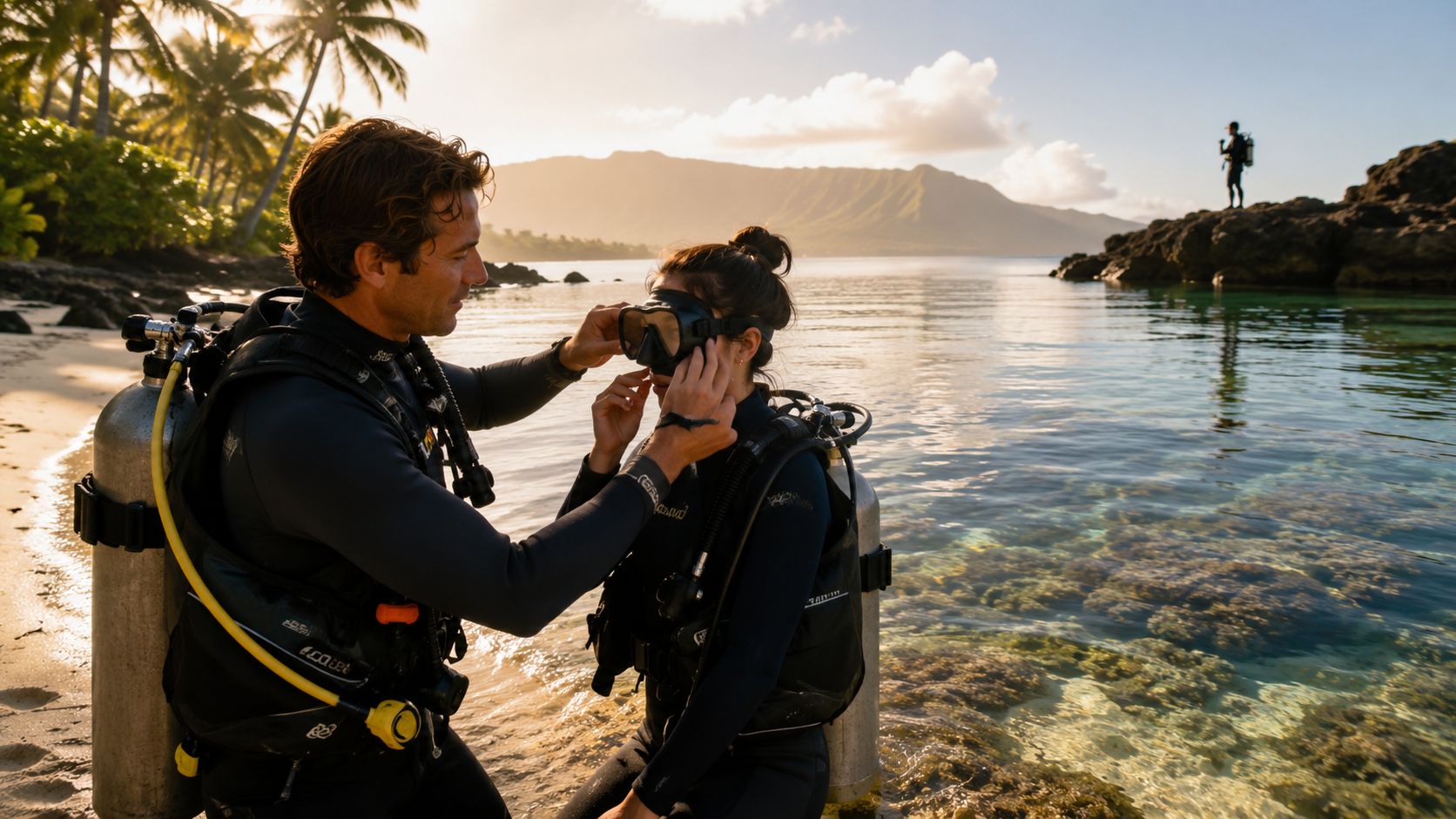
Curious about scuba but not sure where to start? You’ve picked an incredible place to find out. We have a program called Discover Scuba Diving, sometimes known as a "resort course," that is designed specifically for you. It’s a half-day experience where, after a quick and easy briefing, you'll be in the ocean exploring a beautiful reef with one of our instructors right by your side. No certification is necessary.
The water here is often so calm and clear it feels like a giant swimming pool, making it the ideal spot to take your first breaths underwater. It’s a fantastic way to see if you get bitten by the scuba bug. If you do, we can get you started on your full Open Water certification, which usually takes about three or four days. You can find more details about learning to scuba dive in Kona on our website.
For the Certified Diver
If you’ve already got your C-card, welcome to paradise. The Kona coast is packed with an amazing variety of vibrant reefs, and most of them are just a short boat ride away. Expect to drift over fields of healthy coral, come face-to-face with Hawaiian green sea turtles (we call them honu), and spot all sorts of colorful fish you won't find anywhere else on the planet.
Our standard two-tank morning charters are perfect for certified divers. We visit two different sites, giving you a great taste of the area's incredible biodiversity and underwater terrain. It’s the perfect way to get some quality bottom time and simply enjoy the easy, beautiful diving that has made Kona famous.
For the Advanced Adventurer
Ready to go beyond the typical reef tour? For divers who want more of a challenge, Kona truly delivers. This is where you get to explore the wilder side of the Big Island's underwater world, and it’s an absolute thrill.
- Deep Volcanic Ledges: We can take you to dramatic drop-offs that plummet into the deep blue, where you never know what might swim by.
- Lava Tube Penetrations: Imagine swimming through an ancient, hollowed-out lava tube. These caverns and swim-throughs are a signature of Big Island diving and are absolutely breathtaking.
- Exclusive Long-Range Charters: We also offer premium advanced dive tours that head to remote spots other boats don't visit. These trips are for experienced divers looking for that once-in-a-lifetime, uncrowded adventure.
These dives require solid skills and an advanced certification, but the payoff is an unforgettable sense of exploration and the chance to see things most divers never do.
Check AvailabilityGetting Ready for Your Kona Dive Adventure
The difference between a good dive trip and an unforgettable one often comes down to what you do before you even hit the water. A bit of planning can make your Big Island scuba diving experience totally seamless. Let's walk through your pre-dive checklist, covering everything from what to pack to how to handle the boat ride, so you can arrive ready and excited for what lies beneath the surface.
One of the first questions we always get is, "When is the best time to visit?" The honest answer for Kona is just about any time you can get here. Because the island’s massive volcanoes shield the coast from the trade winds, we enjoy incredibly calm and clear conditions almost all year long. It’s what makes Kona such a reliable destination for a world-class dive vacation.
What to Pack for Your Dive Trip
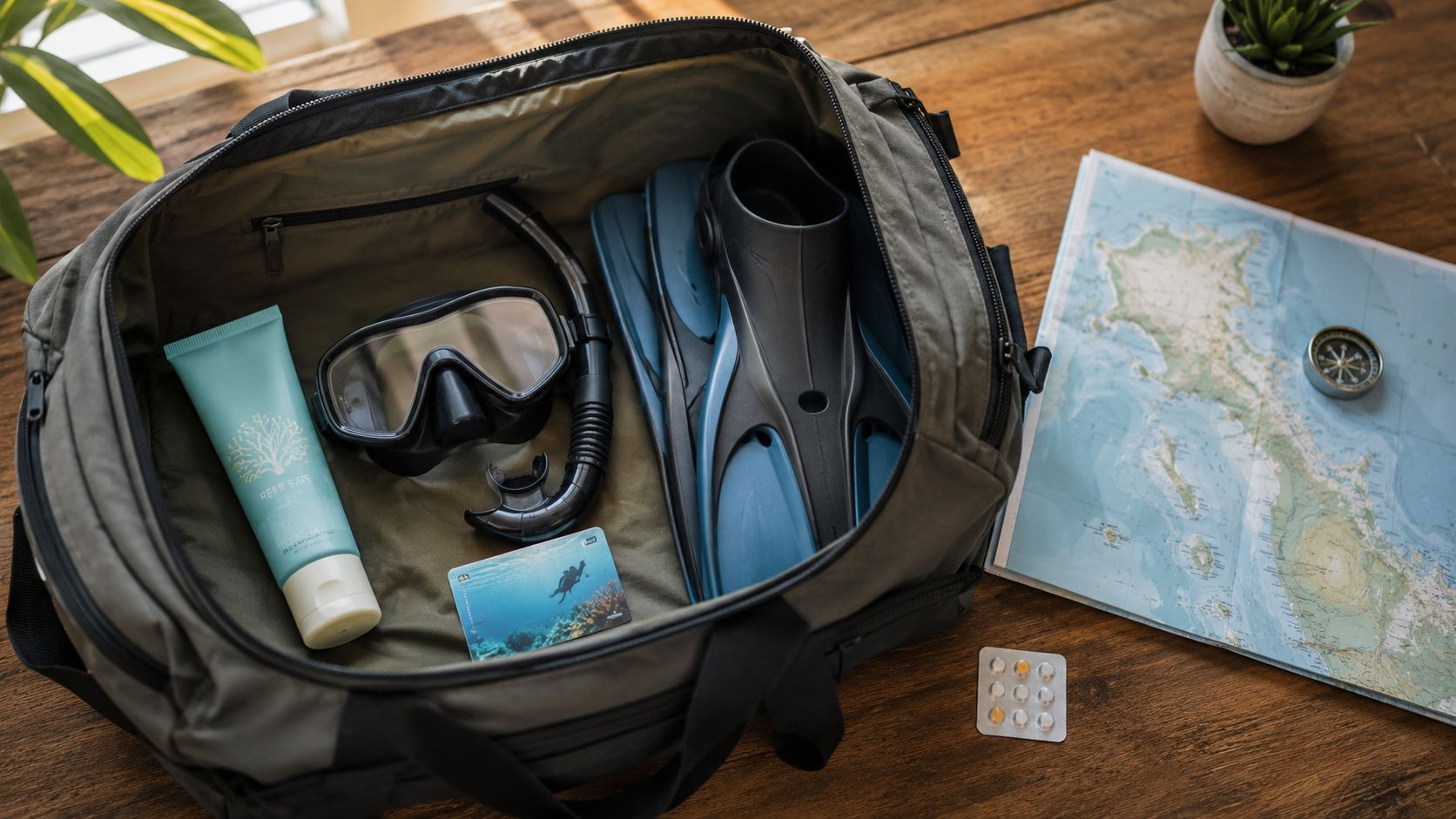
Packing for a dive trip isn't quite like packing for a typical beach getaway. Sure, you'll need your swimsuits and casual island wear, but a few dive-specific items are absolute must-haves. Getting this right is all about ensuring you're comfortable on the boat and confident underwater.
Here’s a quick checklist of the essentials:
- Certification Cards: This is non-negotiable. Bring your primary C-card and any specialty cards you have (like Nitrox or Advanced Open Water). Having digital copies on your phone is a fantastic backup, but physical cards are still the standard.
- Logbook: Whether you prefer a classic paper logbook or a digital app, you'll definitely want to record these amazing dives.
- Reef-Safe Sunscreen: This is so important. Standard sunscreens contain chemicals that can devastate our fragile coral reefs. Please, only pack and use sunscreens made with non-nano zinc oxide or titanium dioxide.
- Reusable Water Bottle: Staying hydrated is crucial for safe diving. Our boats have water coolers for refills, helping us all cut down on single-use plastic.
- A Towel and Dry Clothes: Trust us on this one. Having a warm, dry shirt or hoodie to pull on between dives makes a world of difference, especially on a two-tank trip.
Renting Gear vs. Bringing Your Own
Ah, the classic diver's dilemma: lug your own gear across the ocean or rent when you arrive? There’s no single right answer, as both have their advantages. Bringing your own equipment—especially your mask, computer, and regulator—means you’re diving with gear that fits perfectly and that you're completely familiar with. There's a lot of comfort in that.
On the other hand, renting can be a refreshingly simple and smart choice. A reputable operator like Kona Honu Divers maintains a fleet of high-quality, modern rental equipment. Renting saves you the hassle of packing heavy bags, navigating airline restrictions, and paying extra baggage fees. It’s an especially great option if you’re a newer diver or someone who only gets to dive a few times a year.
Conquering Seasickness Before It Starts
Don't let a bout of motion sickness ruin an otherwise perfect day on the water. While the Kona coast is known for its calm seas, it’s always wise to be prepared, particularly if you know you’re susceptible. The key is prevention; it’s much easier to stop seasickness before it starts than to treat it once you’re already feeling queasy. For a deep dive on this topic, check out our guide on the best seasickness medicine.
Many experienced guides swear by taking a preventative an hour or two before the boat even leaves the dock. There are several great over-the-counter options you can pack.
Here are a few popular and effective remedies to consider:
- Patches: The Ship-EEZ Seasickness Patch is a long-lasting option you apply behind your ear well before your trip.
- Pills: Both Dramamine pills and Bonine pills are classic, reliable choices. Just be sure to grab the non-drowsy formulas!
- Wristbands: For a medication-free option, Sea Band wristbands use a small plastic stud to apply pressure to an acupressure point on your wrist. This is a cheaper generic brand that gets better ratings.
- Natural Remedies: Many divers love ginger chews as a tasty and natural way to settle the stomach.
Answering Your Big Island Diving Questions
Got questions about diving in Kona? You're not alone. Planning a dive trip always brings up a few key details. Let's walk through some of the most common questions we hear from divers getting ready for their Big Island adventure, so you can book your trip with total confidence.
Check AvailabilityWhat Is the Best Month for Scuba Diving on the Big Island?
The honest answer? There’s no bad time for Big Island scuba diving. The Kona coast is tucked into the leeward side of our massive volcanoes, which act as a natural shield against the prevailing trade winds. This means we get calm, clear water nearly every single day, with visibility often stretching past 100 feet.
That said, certain seasons bring their own special kind of magic.
- Summer (June-August): This is when you'll find the flattest, most glassy seas. It’s absolutely perfect for divers of all levels, especially those who prefer a super smooth boat ride.
- Winter (December-March): Welcome to humpback whale season! The highlight of winter diving is hearing the haunting songs of humpbacks echoing through the water on nearly every dive. You'll also see them on the surface as we travel between dive sites.
Ultimately, the "best" time is more about your personal schedule than the conditions. The diving will be incredible whenever you decide to come.
Do I Need to Be Certified to Scuba Dive in Kona?
Not at all! If you’ve always wanted to try scuba, Kona is the perfect place to do it. You can join a Discover Scuba Diving experience, which is designed for complete beginners. It’s a half-day program where an instructor teaches you the basics before guiding you on a real dive on one of our beautiful, shallow reefs.
If you already have your certification, just be sure to bring your C-card with you. For experienced divers looking for a unique challenge, we highly recommend our premium advanced long-range dive tour.
A Discover Scuba Dive is your ticket to the underwater world without any prior experience. It's a safe, supervised, and exhilarating introduction to the magic of breathing underwater.
How Far in Advance Should I Book My Dive Tours?
It’s always a smart move to book well in advance, especially for our most popular trips. If you're traveling during peak times like the winter holidays (December-January), spring break (March-April), or the summer months (June-August), you'll want to lock in your spots early.
Tours like the world-famous Manta Ray Night Dive and our smaller, more intimate charters are often the first to fill up. Booking ahead simply means you get your first choice of dates and tours without any stress. Take a look at all the Kona Honu Divers diving tours to see what adventures await.
Is the Manta Ray Night Dive Safe?
Yes, it's incredibly safe. The Manta Ray Night Dive might sound intimidating, but it’s one of the most controlled and professionally managed dives you can do. All reputable operators follow strict, state-endorsed standards to protect both the divers and the magnificent manta rays.
Our experienced divemasters will give you a detailed briefing and be in the water with you the entire time. The dive itself is stationary—you’ll settle onto a sandy patch on the ocean floor, shine your light up, and just watch the show. The mantas are completely wild, but they've become accustomed to the lights and the presence of divers, creating a predictable and perfectly safe environment for a truly unforgettable encounter.