
Welcome to the incredible underwater world of Hawaii's Big Island. If you're a diver, you've probably heard the whispers—tales of volcanic landscapes, pristine coral gardens, and water so clear it feels like flying. It’s all true, and it makes for an experience you won’t find anywhere else on the planet.
Exploring Hawaii’s Underwater Paradise
The Big Island isn't just another tropical dive spot; it’s an entirely different kind of world, shaped by raw volcanic power and cradled by the Pacific. The Kona coast, in particular, is a diver's dream. Shielded by the colossal Mauna Loa and Hualālai volcanoes, the waters here are remarkably calm and protected, offering some of the best diving conditions you can ask for, year-round. We’re talking visibility that often pushes past 100 feet, letting you soak in every detail of the dramatic underwater terrain.
Picture yourself descending through ancient lava tubes, swimming through natural arches carved by the ocean, and exploring submerged craters teeming with life. These aren't just dive sites; they're geological marvels that host some of the healthiest and most vibrant coral reefs in Hawaii.
What Makes Big Island Diving Special
The sheer biodiversity here is stunning. From the moment you slip beneath the waves, you’re in a world filled with creatures you might not see anywhere else.
- Legendary Encounters: This is the home of the world-famous Manta Ray Night Dive. It’s a surreal, almost magical experience as these gentle giants gracefully glide and somersault just inches above your head.
- Unique Adventures: For those with a taste for the extraordinary, the Blackwater Dive is a must. You'll float in the deep, dark ocean at night and witness a strange and wonderful migration of deep-sea creatures rising toward the surface.
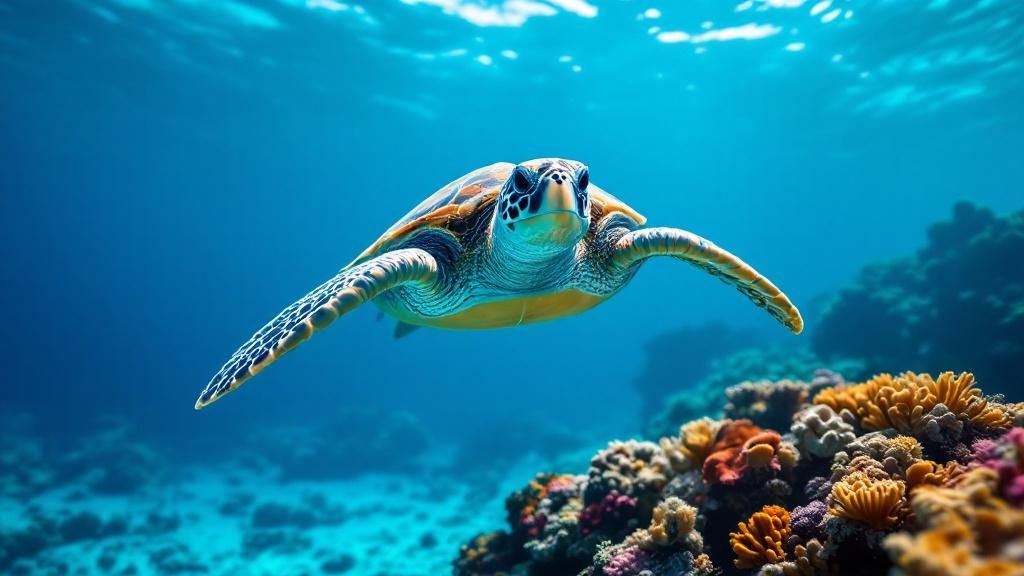
- Abundant Marine Life: On any given dive, you're likely to swim alongside Hawaiian green sea turtles (honu), spot pods of playful spinner dolphins, and be surrounded by countless species of colorful reef fish.
Consider this your roadmap to one of the planet's most spectacular marine environments. Whether you're taking your first breath underwater or you're a seasoned pro with hundreds of dives in your logbook, the Big Island has something truly special waiting for you.
Ready to see what’s out there? Take a look at some of the incredible diving tours available and start planning your adventure.
Why Kona Is a World-Class Dive Destination

Sure, the world has plenty of beautiful places to dive, but the Big Island’s Kona coast is in a league of its own. It’s a place where the island's raw volcanic power has sculpted a protected underwater paradise, making Big Island scuba diving a truly unforgettable experience.
The secret to Kona's magic is its location. The coast sits on the leeward side of the island, shielded from the powerful trade winds by the colossal volcanoes, Mauna Loa and Hualālai.
This natural barrier gives us exceptionally calm and clear water almost year-round. While other top-tier destinations can be at the mercy of the weather, Kona consistently delivers gentle seas and visibility that often pushes past 100 feet. That kind of clarity isn't just a nice-to-have; it turns every single dive into a stunning panoramic adventure.
An Underwater Volcanic Wonderland
Below the surface, the island's fiery past is on full display. Millennia of volcanic eruptions have carved out a dramatic and intricate underwater landscape. Here, you're not just swimming over reefs; you’re exploring a submerged world of incredible geological formations.
- Lava Tubes and Caverns: Ancient lava flows left behind a whole network of tunnels and caves, creating some seriously thrilling swim-throughs for certified divers.
- Arches and Pinnacles: Over time, the ocean has sculpted dramatic arches and isolated rock pinnacles, which now serve as cleaning stations and homes for countless critters.
- Craters and Ridges: You'll also find submerged craters and sprawling lava ridges that provide the complex topography needed to support a staggering amount of marine life.
This varied terrain means no two dives are ever the same. One minute you could be drifting along a vibrant coral-covered wall, and the next, you’re peering into a dark lava tube, spotting nocturnal creatures hiding from the light. It's this structural diversity that makes every Kona dive tour feel like a true exploration.
A Haven for Endemic Species
The Big Island isn't just geologically unique—it’s a hotspot for biodiversity. Because of its extreme isolation in the middle of the Pacific, many species have evolved here that are found nowhere else on the planet. The waters are teeming with around 1,100 fish species, and an incredible 129 of those are endemic to the Hawaiian Islands.
This remarkable variety makes our reefs some of the most fish-rich ecosystems in the Central Pacific. You can expect encounters with whitetip reef sharks, majestic eagle rays, and dense schools of bright yellow tangs. To see what else you might find, check out our guide to the rich marine life of the Big Island.
Big Island scuba diving is an opportunity to witness evolution in action. The high concentration of endemic species means you are exploring a living laboratory—a truly unique ecosystem that has developed in isolation for millions of years.
When you put it all together—the calm, clear water, the dramatic volcanic topography, and the incredible density of unique marine life—it’s easy to see what elevates Kona from a great dive spot to a world-class destination. It’s an underwater adventure that connects you directly to the powerful forces of nature that shaped these islands.
Iconic Big Island Dive Sites You Cannot Miss

The coastline of the Big Island is literally a diver's dream, peppered with world-class sites that offer a glimpse into Hawaii's incredible underwater world. While you could spend a lifetime exploring and still not see it all, a few legendary spots truly stand out.
These are the dives that make it into every logbook and keep people coming back to the island, year after year. They're the ones you hear about for a reason.
Topping that list—by a long shot—is the Manta Ray Night Dive. Honestly, calling it a "dive" doesn't do it justice. It's more like a surreal, underwater ballet, and it’s an experience you simply won't find anywhere else. It’s the signature Kona adventure, and it consistently lands on "best dives in the world" lists.
Imagine this: you descend to a sandy bottom in the dark, settle in, and watch as massive manta rays, some with wingspans up to 16 feet, glide and swoop right over your head. They perform graceful barrel rolls just inches away, drawn in by the clouds of plankton illuminated by powerful lights. It's a feeding frenzy that feels both spectacularly grand and incredibly intimate.
The World-Famous Manta Ray Night Dive
Let's talk about what makes this dive so special. Every year, thousands of divers flock to Kona for this one-of-a-kind encounter. The whole thing works because dive operators have set up underwater lights that attract plankton, which is the manta rays' favorite meal.
Divers can expect to see an average of 10 or more of these gentle giants on a single dive, usually at a comfortable depth of about 35 feet. Local operators report that mantas show up 85-90% of the time, so your chances of an amazing encounter are incredibly high.
There are two main "stages" for this underwater show:
- Garden Eel Cove (Manta Heaven): This spot is just north of Kailua-Kona. It's known for being well-protected from the open ocean, which often means calmer conditions and a higher number of mantas.
- Keauhou Bay (Manta Village): Located south of town, this is where it all started. It was the original manta dive site and remains a super reliable spot to see them.
No matter which site you choose, the experience is accessible and mind-blowing for divers of all skill levels.
Premier Daytime Dive Locations
As magical as the manta dive is, don't sleep on Kona's daytime diving. The sunlit reefs are a playground of underwater volcanic landscapes—think dramatic arches, hidden lava tubes, and steep drop-offs teeming with life.
Two Step (Honaunau Bay)
This spot is famous for having one of the easiest shore entries you'll ever find. You literally take two steps off a natural lava rock shelf, and you're in the water. It’s a paradise for divers and snorkelers alike.
The bay is almost always calm and crystal clear, making for a perfectly relaxed dive. You're practically guaranteed to see Hawaiian green sea turtles (honu) chilling on the reef or cruising by. It’s also a known resting spot for pods of spinner dolphins. The healthy coral is a bustling city for reef fish like yellow tangs, butterflyfish, and parrotfish.
Other Must-Dive Sites
The Kona coast is absolutely packed with other amazing dive spots, each with its own personality. Places like Golden Arches, Turtle Pinnacle, and Pawai Bay have it all, from cool swim-through caverns to cleaning stations where you might see sharks and rays. You can get a better feel for all the options by exploring the different dive sites of the Big Island.
For the more seasoned diver, the Big Island presents thrilling challenges and unique geological formations. Sites further afield offer exhilarating drift dives, encounters with pelagic species, and opportunities to explore deeper, more complex underwater structures.
These advanced sites are where experienced divers can really see the wilder side of Kona’s marine environment. If you're looking for something more than a standard reef tour, these are the trips for you.
Choosing Your Big Island Dive Operator
Picking the right dive shop is probably the single most important decision you'll make for your Big Island scuba diving trip. They're not just a boat ride; they're your guide, your safety crew, and your local expert, all wrapped into one. A great operator can elevate a good dive into an unforgettable adventure.
You're looking for a shop that puts your safety and experience first, and that goes way beyond just having the right paperwork. It's about a culture of professionalism you can feel from the moment you book until you’re back on shore, swapping stories about the dive.
What to Look for in a Dive Shop
So, how do you sort the best from the rest? Start with the non-negotiables. An impeccable safety record is at the very top of that list. Don't feel weird asking about their emergency plans, how they train their staff, or how often their gear gets serviced. Good shops are proud to tell you.
Next up, ask about group sizes. Smaller groups almost always mean a better, more personal dive. You get more one-on-one time with your divemaster, there's less chaos on the boat, and it’s just a more relaxed vibe underwater. This is especially true for world-famous dives where a calm, well-managed group makes all the difference.
Here are a few other key things to check:
- How are their boats? You want a vessel that's clean, spacious, and well-maintained. Things like a hot shower, a shady spot to relax, and an easy way to get in and out of the water are huge pluses.
- How experienced are the guides? A seasoned divemaster knows these sites like the back of their hand. They’re the ones who will point out that camouflaged octopus or tiny nudibranch you would have swam right past.
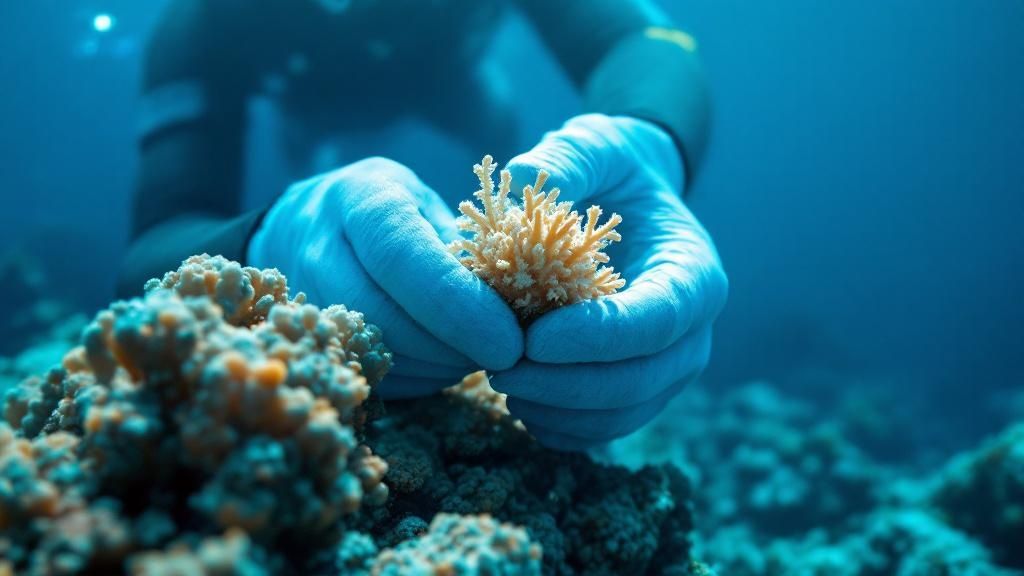
- Do they care about the reef? The best operators are passionate about marine conservation. They respect the fragile ecosystem and teach their divers how to be good stewards of the ocean.
Why Kona Honu Divers Stands Out
When you start looking around the Big Island, you’ll see Kona Honu Divers mentioned again and again, and for good reason. They really set the bar high for quality and safety, with a serious commitment to keeping their dive groups small. This ensures every diver gets the attention they deserve.
Their crew is the real deal—professional, fun, and genuinely passionate about Kona's marine life. They aren’t just tour guides; they’re conservationists who love sharing their knowledge and protecting the underwater world they call home. For a much more detailed breakdown, check out our full guide on how to choose a Kona dive shop.
Finding the Right Trip for You
A top-notch operator will have a menu of different tours designed for all kinds of divers and interests. Whether you just got your certification or you've logged hundreds of dives, there's a trip out there for you.
Choosing a dive operator is about more than just a boat ride; it's about entrusting a team with your safety and your precious vacation time. A great operator enhances every moment, turning an underwater excursion into a cherished memory.
Introductory dives are a fantastic, safe way for total beginners to get a taste of breathing underwater with an instructor right by their side. For those seeking something truly unique, specialty charters offer thrills you won't find anywhere else. A perfect example is the otherworldly Blackwater Dive—a night dive in the deep open ocean where you’ll see bizarre, beautiful creatures that migrate up from the abyss.
Once you know what to look for and the right questions to ask, you can confidently pick a company that will make sure your Big Island dive is safe, responsible, and absolutely incredible.
Preparing for Your Day of Diving in Kona
Knowing what to expect on a day of Big Island scuba diving helps you relax and really soak in the whole experience. From the moment you show up at the harbor to your final ascent, a typical boat dive in Kona is a smooth, well-oiled machine designed for your safety and enjoyment.
Your day will likely kick off with a morning check-in, either at the dive shop or right at the boat. This is where you'll knock out any final paperwork, get sized up for rental gear if you need it, and say hello to the crew and your fellow divers. After that comes a thorough safety briefing—the divemaster will walk you through the boat's layout, what to do in an emergency, and the plan for the day's dive sites.
What to Expect on the Water
Once the boat leaves the harbor, the ride out to the first dive site is a fantastic chance to take in the stunning Kona coastline. When you get there, the crew will give a specific briefing for that site. They'll cover the underwater terrain, what marine life you can expect to see, and the dive plan, including things like maximum depth and bottom time.
Then comes the best part: the giant stride into the warm Pacific. The crew is right there to help with every step, making sure everyone gets into the water safely and comfortably. We lay it all out for you so the whole process feels straightforward, not stressful. We want you to feel confident and ready, whether it's your hundredth boat dive or your very first.
The water temperature in Kona is fantastic year-round. It usually hangs around a cool 75°F (24°C) in the winter and warms up to a balmy 82°F (28°C) in the summer. For most people, a 3mm or 5mm wetsuit is perfect.
Packing Your Dive Bag
A little preparation goes a long way toward having a great day on the boat. The dive operator handles all the heavy equipment, but a few personal items stashed in a dry bag can make a huge difference.
- Reef-Safe Sunscreen: It’s a must for protecting both your skin and our delicate coral reefs.
- Towel and a Change of Clothes: You’ll be glad you have them for staying warm and comfortable between dives and on the ride home.
- Sunglasses and a Hat: The Hawaiian sun is no joke, even when it’s cloudy.
- Reusable Water Bottle: Staying hydrated is key for safe diving. Most boats have a water cooler for easy refills.
- Snacks: Even if the tour provides some, having your favorite snack on hand is never a bad idea.
- Logbook and Certification Card: You'll want to log these amazing dives, so don't leave the essentials behind!
For a more complete rundown, check out our guide on the gear you will need for your Kona diving adventure.
And a quick note on etiquette: after an incredible day exploring underwater lava tubes and vibrant reefs, it's customary to tip the hardworking boat crew. If you had a great time, 15-20% of the trip cost is a standard way to show your appreciation.
Ready to book your adventure? Explore our full range of diving tours.
Get Scuba Certified on the Big Island
If you've ever thought about learning to scuba dive, the Big Island is hands-down one of the best places on the planet to do it. The calm, clear, and warm waters along the Kona coast are like a giant, natural swimming pool, making it the perfect place to get comfortable and build your confidence.
Forget learning in some cold, murky lake—your first underwater breaths here will be in a legitimate paradise. Every training dive is a real dive, surrounded by healthy coral and tons of fish. It makes getting certified feel less like a class and more like the start of an incredible adventure.
Your First Step Underwater
Not quite ready to jump into a full certification course? No problem. The Discover Scuba Diving program is exactly what you need. Think of it as a test drive for scuba—it's not a certification, just a safe and super-fun introduction guided by a pro.
An instructor will go over the basics with you in shallow water, and then take you on an actual dive over a beautiful reef. You'll typically go down to a maximum of 40 feet. It’s a fantastic way to experience the magic of it all in a single afternoon without committing to the full course.
Becoming a Certified Diver
If you’re ready to make diving a part of your life, the Open Water Diver certification is your ticket to exploring the underwater world globally. It’s the foundational course that teaches you everything you need to dive safely and confidently. And the best part? Your training dives are spent exploring some of Kona's awesome dive sites, so every lesson is a real-world experience.
Already certified? The Big Island is the perfect playground to level up your skills.
The journey of a diver never truly ends. Each certification opens up new possibilities—deeper wrecks, thrilling night dives, and a more profound understanding of the ocean's secrets.
You can take the Advanced Open Water course to broaden your abilities, or focus on a specialty that really interests you. Courses like Night Diver or Deep Diver are especially rewarding here. They'll prepare you for truly epic experiences, like the world-famous manta ray night dive or exploring the unique deep-water lava tubes. Deciding to learn or advance your training on the Big Island isn't just a vacation activity; it's an investment in a lifetime of adventure.
Common Questions About Big Island Scuba Diving
Planning a Big Island scuba diving trip naturally comes with a few questions. To make sure you’re ready for an incredible adventure, let's go over some of the most common things divers ask.
Getting these details sorted out first means you can spend less time wondering and more time dreaming about the amazing world waiting for you under the waves.
When Is the Best Time of Year to Scuba Dive?
The great news? Diving on the Kona coast is fantastic all year round. The island's huge volcanoes act as a natural barrier, shielding the coastline from the usual trade winds and creating consistently calm, clear conditions almost every single day.
Water temperatures are always comfortable, hanging out between a brisk 75°F (24°C) in the winter and a toasty 82°F (28°C) in the summer.
Any time is a good time, but the winter months (December through March) have a truly special bonus: it’s humpback whale season. Hearing their songs echo through the water during a dive is a profound experience you'll never forget.
Can I Scuba Dive Without a Certification?
You sure can! If you're new to diving and just want to test the waters, most dive shops, including Kona Honu Divers, offer what's called a "Discover Scuba Diving" experience. It's a completely safe, supervised introduction designed for absolute beginners.
You'll start by learning a few basic skills with a certified instructor in calm, shallow water. Once you've got the hang of it, you'll go on a guided dive over a beautiful reef, typically no deeper than 40 feet. It’s the perfect way to see if diving is for you without committing to a full course.
What Marine Life Will I See Diving in Kona?
The Big Island is absolutely bursting with marine life. On just about any dive, you can expect to see Hawaiian green sea turtles (honu), moray eels, octopuses (tako), and a whole spectrum of reef fish, from bright yellow tangs to delicate butterflyfish. It's also pretty common to spot eagle rays and whitetip reef sharks resting on the seafloor.
Of course, Kona is world-famous for the Manta Ray Night Dive, where you'll get an incredible view of these gentle giants. For the more adventurous, the unique Blackwater Dive reveals the bizarre, bioluminescent creatures that rise from the deep ocean after dark.
While you're focused on the underwater wonders, don't forget the practical stuff. It's smart to make sure your trip is covered, and you can find helpful online guides with great travel insurance tips to get you started.
Is the Manta Ray Night Dive Safe for New Divers?
Yes, absolutely. The Manta Ray Night Dive is considered very safe and is a fantastic experience for divers of all skill levels, even beginners who just got their certification. The dive sites themselves are shallow, usually around 30-40 feet, and are tucked into protected bays with little to no current.
You'll spend most of the dive stationary on the sandy bottom, just watching the mantas swoop and feed in the lights above. Dive operators are extremely safety-conscious, providing detailed briefings and close supervision to make sure everyone has a comfortable and mind-blowing experience.
Ready to explore Kona's underwater world? Here at Kona Honu Divers, we run a full range of diving tours for every diver, from your first breath underwater to advanced technical dives. Let our expert crew show you the very best of what the Big Island has to offer.