
Picture this: you're weightless, suspended in perfectly clear water as shafts of sunlight dance through the surface. Below you, ancient lava tubes twist and turn, creating a dramatic underwater maze teeming with life. This isn't a dream—it's what Big Island scuba diving is all about. The Kona coast, in particular, offers an underwater playground that's truly unlike anywhere else on Earth.
Why the Big Island Is a World-Class Diving Destination
The Big Island isn't just another beautiful spot in Hawaii; it’s a world-class diving destination forged by volcanic fire. What really sets it apart is the geology. The massive volcanoes of Mauna Loa and Hualalai act as a natural shield, protecting the Kona coast from the gusty trade winds that affect other islands.
The result? The water is almost always incredibly calm and clear, which is fantastic news for divers of any experience level, from absolute beginners to seasoned pros.
The volcanic landscape is the real showstopper here. The island's fiery origins have created an underwater topography that feels otherworldly. You won't just see sand and coral. Instead, you'll get to explore:
- Lava Tubes and Arches: Imagine swimming through massive, hollowed-out tubes and under grand archways formed by ancient lava flows.
- Pinnacles and Craters: Underwater volcanic craters and spires rise dramatically from the seafloor, creating incredible structures for marine life to call home.
- Vibrant Coral Reefs: The contrast here is stunning. Healthy, colorful coral—over 40% of all coral in Hawaii—has grown over the stark black volcanic rock.
An Epicenter of Marine Life
This one-of-a-kind geology provides the perfect stage for an incredible variety of marine animals. The Big Island's waters are home to countless endemic species, meaning you’ll see creatures here that you can't find anywhere else on the planet. On any given dive, it's common to swim alongside Hawaiian green sea turtles (honu), see pods of spinner dolphins playing in the distance, or be surrounded by schools of vibrant reef fish.
The real magic, though, comes from the bucket-list experiences you can only have here. It’s one of the few places in the world where you can consistently and safely dive with majestic manta rays at night, or venture out for a blackwater dive to see the bizarre, bioluminescent creatures of the deep.
This unique combination of pristine conditions, dramatic scenery, and abundant wildlife is what makes the Big Island a truly premier global diving hub. To see just how special it is, check out our full guide on diving on the Big Island.
The Legacy of Diving in Kona
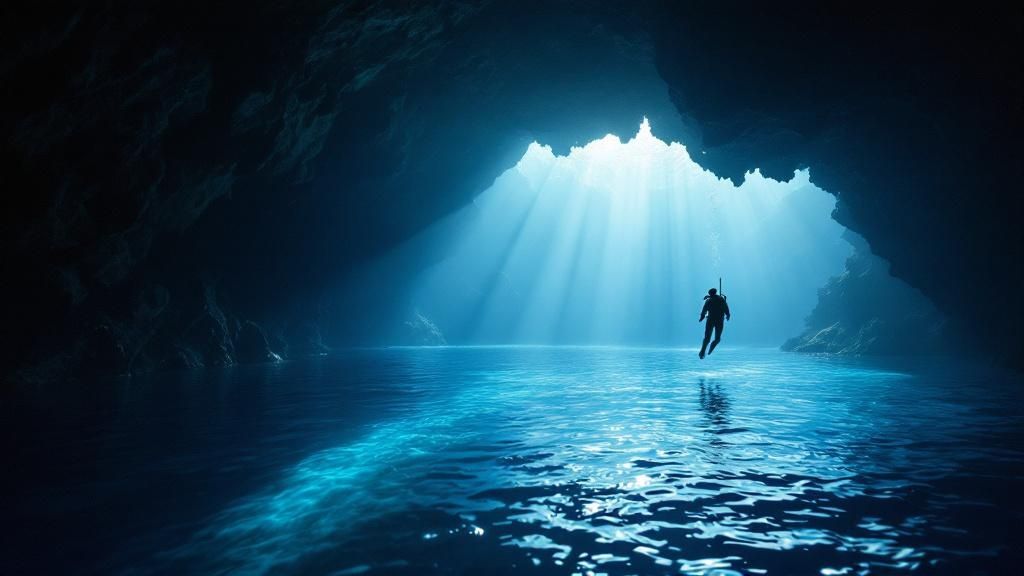
The world-class Big Island scuba diving scene we know and love wasn't created overnight. It was carved out by decades of pure passion, hard work, and a profound respect for the ocean. Long before sleek dive boats and high-tech gear, a small group of pioneers recognized the magic hidden just beneath Kona's calm, blue surface.
Back in the late 1960s and early '70s, diving here was a wild, rugged affair. Early divers had to contend with limited technology and almost no infrastructure, which made getting to remote sites a serious expedition. But their dedication laid the very foundation for the professional, thriving industry that defines Kona today.
Fast forward to now, and the island is home to a bustling dive community with over 50 shops and charters. Each year, they welcome more than 150,000 dive tourists and log around 100,000 certified scuba dives. That incredible growth is a direct tribute to the spirit of those first adventurers. To get the full picture, it's worth exploring the evolution of Big Island diving to truly appreciate the journey.
From Humble Beginnings to a Diving Mecca
The 1980s were a real game-changer for diving in Kona. As global training agencies like PADI and SSI brought standardized safety and education to the masses, the sport suddenly became much more accessible. This era saw the birth of the foundational dive shops that would go on to shape local dive culture for generations.
One of the most influential was Jack's Diving Locker, opened in 1981 by Jack and Tina Clothier. Their shop was more than just a place to fill your tanks—it became a community hub. They helped put Kona on the map, popularizing scuba across Hawaii while setting a high bar for safety and customer care.
By fostering a culture of exploration and deep respect for the marine environment, these early operators transformed Kona from a quiet outpost into a global diving mecca. They weren't just running businesses; they were building a legacy.
Shops like Jack's Diving Locker are still cornerstones of the Kona diving community, offering everything from your first Discover Scuba course to advanced technical training. Their story is woven right into the fabric of the island’s underwater world.
The Modern Era of Kona Diving
That pioneering spirit lives on in the professional dive operators you'll find all along the Kona coast today. Modern shops have built on that solid foundation, using state-of-the-art equipment and highly trained staff to offer incredible access to the island's underwater treasures. This commitment means every dive is not only spectacular but also incredibly safe.
When you book a Big Island scuba diving trip, you're doing more than just signing up for a tour. You're stepping into a rich history that stretches back over 50 years. Knowing that story gives you a much deeper appreciation for the experience waiting for you below the waves.
From the first hardy souls who charted these reefs to the vibrant community of guides and divers today, the story of Kona diving is one of continuous passion and discovery. Ready to write your own chapter? Check out our diving tours page to get started.
Bucket-List Dives You Cannot Miss
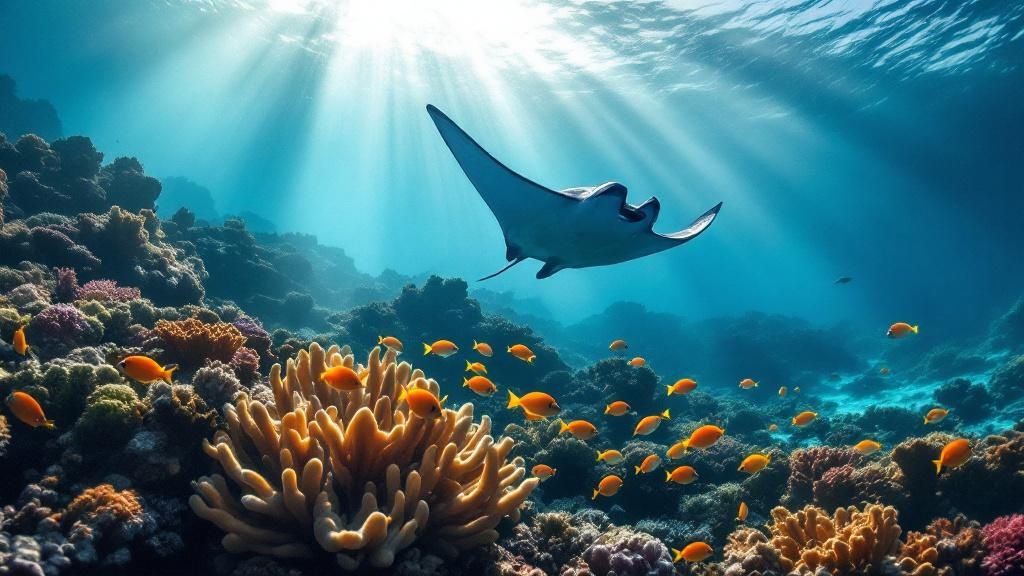
Some underwater experiences are so profound they completely change your perspective on the ocean. The Big Island happens to be home to several of these life-altering adventures, each offering a unique window into the mysteries of the deep. These aren't just dives; they're stories you'll be telling for the rest of your life.
Whether you’re drawn to the silent, graceful dance of giants or the strange, glowing creatures of the abyss, Kona offers bucket-list encounters that bring divers here from all over the world.
The World-Famous Manta Ray Night Dive
Picture this: you're kneeling on the dark ocean floor, looking up as massive, gentle giants with wingspans up to 15 feet glide inches above your head. This is the legendary Kona Manta Ray Night Dive, an experience so surreal and awe-inspiring it’s consistently hailed as one of the best night dives on the planet.
The magic behind it is brilliantly simple. Dive operators set up a "campfire" of powerful lights on the seafloor, which attracts massive clouds of plankton—the mantas' favorite meal. The mantas, in turn, show up for the all-you-can-eat buffet, performing a graceful underwater ballet as they swoop and barrel-roll through the beams of light to feed.
This isn't just about watching marine life; it's an immersive spectacle. The mantas are not being hand-fed. They are wild animals drawn to a naturally occurring food source that's been concentrated by light, allowing for a respectful, up-close interaction that feels completely authentic.
Kona is one of the only places on Earth where you can consistently and reliably witness this phenomenon. The local manta population is non-migratory, making them year-round residents. To learn more about this incredible opportunity, check out our manta ray dive tours.
The Alien World of the Kona Blackwater Dive
If the manta dive is a graceful ballet, the Kona Blackwater Dive is a trip to another planet. This is not your typical reef dive. Instead, you’re taken miles offshore where the ocean floor is thousands of feet below. You drift in the darkness, tethered to the boat and suspended over the abyss, waiting for the ocean’s greatest secrets to reveal themselves.
Every night, countless bizarre, alien-like creatures undertake the largest migration on Earth, rising from the crushing depths to feed near the surface. Many of these animals are bioluminescent, creating their own light in the inky blackness. On a blackwater dive, you'll see things you never imagined existed:
- Pygmy Squids: Tiny, iridescent cephalopods that flash with brilliant colors.
- Pelagic Nudibranchs: Otherworldly sea slugs that swim gracefully through the water column.
- Larval Fish: Transparent, juvenile versions of familiar reef fish that look like intricate glass sculptures.
This dive is a rare chance to witness life forms that spend their entire existence in the open ocean, far from any reef. It's a humbling, mind-bending experience that’s perfect for adventurous divers and underwater photographers looking for something truly unique.
Advanced Dives for Experienced Explorers
For certified divers hungry for a bigger challenge, Kona's volcanic topography offers some incredible opportunities. Our premium advanced dive trips are specifically designed to explore the deeper, more complex environments that are off-limits to novice divers. These sites will push your skills while rewarding you with pristine conditions and rare marine life sightings.
Our advanced dives often explore:
- Deep Lava Tubes and Pinnacles: We navigate the intricate underwater structures formed by ancient lava flows.
- Remote Reefs: We'll take you to untouched coral gardens that see very little dive traffic.
- Walls and Drop-offs: Explore vertical walls that plummet into the deep blue, often patrolled by larger pelagic species.
These challenging dives require excellent buoyancy control and comfort with deeper profiles, but the payoff is an unforgettable adventure into the wilder side of Big Island scuba diving.
Check Availability
Finding Your Perfect Dive Site
The Big Island is staggering. With over 50 unique dive sites speckling the Kona and Kohala coasts, just picking a spot can feel like the hardest part. But that sheer variety is exactly what makes Big Island scuba diving a world-class experience.
Think of the coastline as an underwater buffet. Some sites serve up dramatic volcanic scenery with epic lava tubes and arches, while others offer the calm, shallow coral gardens perfect for a chill afternoon dive. The trick is simply matching your vibe—and your skill level—to the right underwater neighborhood.
Top Dive Sites for Every Diver
No matter what you're looking for, Kona has a spot with your name on it. Here are a few of the all-stars that really show off what the island has to offer.
-
Captain Cook Memorial (Kealakekua Bay): This is the crown jewel for a reason. As a protected marine conservation district, it's absolutely bursting with life. The water is gin-clear, calm, and packed with huge schools of yellow tang. It's also a favorite hangout for spinner dolphins. A perfect dive for absolutely everyone.
-
Garden Eel Cove (Manta Heaven): Don't let the "eel" part throw you; this site is pure magic. During the day, it's a sandy slope where you can watch hundreds of garden eels pop out of the sand like a game of whack-a-mole. But by night, it becomes the stage for the world-famous Manta Ray Night Dive. It’s an absolute must-do.
-
Golden Arches: Just like the name suggests, this spot is famous for its incredible lava rock archways, making it a dream for photographers. Cruising through the arches, you’ll likely spot reef sharks napping, turtles getting cleaned, and massive schools of fish hiding out. It's a classic Kona experience.
These are just a few heavy hitters, but trust me, the coast is full of hidden gems waiting for you.
Lava Tubes and Underwater Architecture
What really sets Big Island scuba diving apart is the chance to explore its volcanic skeleton. We’re not talking about a few interesting rocks; these are mind-bending geological wonders that create a maze-like habitat for marine life.
Sites like Turtle Pinnacle and Catacombs are famous for their sprawling networks of lava tubes and caverns. Dropping into one of these swim-throughs feels like you're exploring a sunken cathedral, with sunlight beaming down through cracks in the ceiling. You'll need solid buoyancy for these dives, but the reward is an unforgettable encounter with the animals that call these ancient structures home.
Exploring a lava tube is like swimming through history. You're gliding through the exact path that molten rock carved out centuries ago—a powerful reminder that this island is still alive.
Choosing Your Adventure
The best way to see it all? Go with a pro. A local guide knows the tides, the currents, and exactly where that elusive octopus likes to hide. Whether you're a new diver or have hundreds of dives under your belt, there are amazing diving tours on the Big Island that will match you with the perfect underwater adventure.
To help you get started, here's a quick look at some of the most popular sites.
Big Island Dive Site Comparison
This table gives you a quick-glance comparison of some top spots, helping you figure out which underwater playground is the right fit for your next dive.
| Dive Site Name | Best For | Max Depth | Key Features |
|---|---|---|---|
| Captain Cook Memorial | All Levels, Snorkelers | 40 ft | Exceptional visibility, dense fish schools, dolphins |
| Garden Eel Cove | All Levels | 60 ft | Manta Ray Night Dive, garden eels, pristine coral |
| Golden Arches | Intermediate Divers | 50 ft | Lava rock arches, swim-throughs, reef sharks |
| Turtle Pinnacle | Intermediate Divers | 70 ft | Turtle cleaning station, lava formations, moray eels |
| Catacombs | Advanced Divers | 80 ft | Complex lava tubes, caverns, unique topography |
Think of this as your cheat sheet for planning an unforgettable trip. No matter where you choose to drop in, the volcanic coastline of the Big Island is guaranteed to leave you breathless.
How to Choose the Right Dive Operator
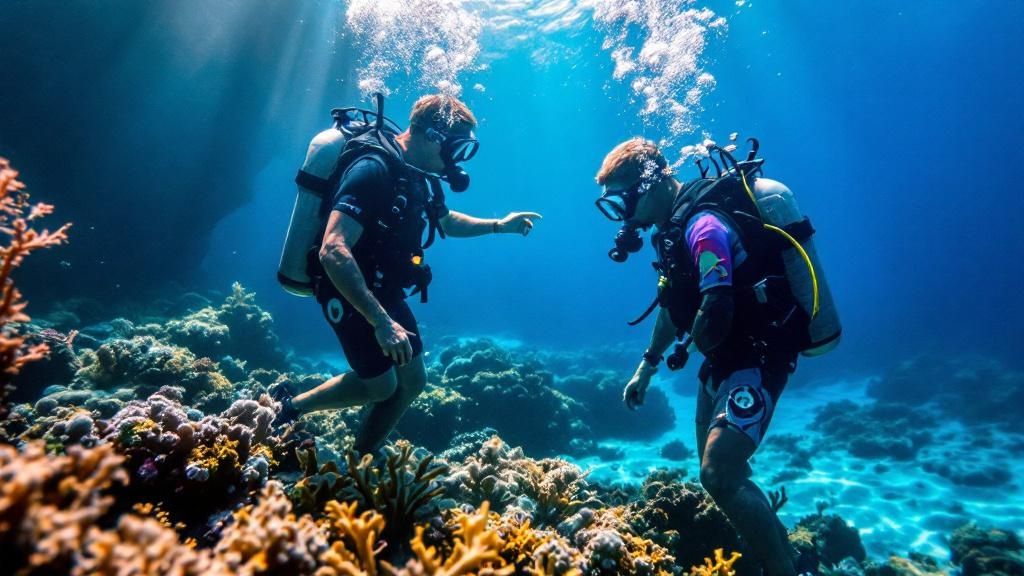
Let's be honest—choosing an operator for your Big Island scuba diving adventure is one of the most critical decisions you'll make. A truly great dive shop doesn't just ferry you to a dive site. They shape your entire experience with their expertise, safety protocols, and a genuine love for the ocean. A subpar one, on the other hand, can quickly turn a dream dive into a stressful mess.
Think of your operator as your guide, safety net, and local expert all in one. They’re handling everything from the boat's seaworthiness and the quality of your rental gear to the pre-dive briefing and in-water supervision. Picking the right team means you can relax and just soak in the magic of the underwater world.
What to Look For in a Top-Tier Dive Shop
Not all dive shops are created equal, especially in a popular spot like Kona. As you start your research, a few key things separate the truly excellent operators from the rest. The best ones always prioritize quality over cramming more people onto the boat.
Here are a few non-negotiable standards:
- An Impeccable Safety Record: This is number one, always. Skim reviews and don't be shy about asking about their safety procedures, emergency oxygen availability, and staff training.
- Well-Maintained Boats and Gear: A clean, spacious boat with perks like a hot shower or a shaded deck makes a world of difference. The same goes for rental gear—it should be modern and look like it’s serviced regularly, not like it’s been sitting in a shed since the 90s.
- Small Group Sizes: Big, crowded boats can feel chaotic and impersonal. Operators who intentionally limit their group sizes deliver a more personal, relaxed experience where you actually get attention from your guide.
- Experienced and Passionate Crew: The best guides aren’t just highly certified; they're genuinely excited to show you the local marine life and tell you about the dive sites. That kind of passion is infectious and makes the whole trip better.
At Kona Honu Divers, we work hard to set the standard in all these areas. Our entire focus is on providing exceptional Big Island scuba diving experiences, and we think the feedback from our guests speaks for itself.
Understanding Certifications and Courses
Your own experience level is a huge factor in picking the right operator. Whether you’re a total newcomer or a seasoned pro, a good shop will have something that fits.
If you’ve never even tried breathing underwater, look for a PADI Discover Scuba Diving (DSD) program. It's a fantastic, no-commitment way to give diving a shot. An instructor teaches you the absolute essentials in a controlled setting before guiding you on a real, shallow reef dive. It’s the perfect first taste.
Ready to take the full plunge? Most shops offer the PADI Open Water Diver course. It’s a comprehensive program that usually takes a few days, and when you’re done, you’ll have a certification to dive pretty much anywhere in the world.
A good instructor doesn't just tick off skills from a list; they build your confidence in the water. They foster a deep respect for the ocean that sets you up for a lifetime of safe, incredible diving.
If you’re already certified but it’s been a while, a quick refresher course is a smart move to brush up on the fundamentals before joining a charter. For a deeper look into all the little details that matter, we put together a complete guide on how to choose a Kona dive shop that covers even more.
Finding the Right Fit for Your Dive Style
Finally, think about what kind of diving you want to do. Are you dreaming of a laid-back morning spent exploring a vibrant reef? Or are you an experienced diver looking for a bigger adventure?
A quality operator will offer a variety of Big Island diving tours that cater to different skill levels and interests.
Ask if they offer specialty charters like the world-famous Manta Ray Night Dive or the one-of-a-kind Kona Blackwater Dive. If you're an advanced diver, see if they run premium trips to deeper sites with more challenging topography. The more you know about what they offer, the better you can match an operator to your personal dive goals.
Diving Safely and Sustainably in Hawaii
There's a responsibility that comes with the incredible privilege of exploring Hawaii's underwater world. Every time we slip beneath the surface, we're not just visitors; we're guests in a very delicate home. Our actions, whether it's checking our gear or just how we move through the water, have a real impact.
Simply put, safe diving is the bedrock of any good dive, and sustainable diving is what ensures these reefs will be around for our kids and grandkids to see. It’s about being a mindful guest—putting safety first and committing to protect the very beauty we came to witness.
Safety First. Always.
As inviting as Kona's warm, clear waters are, we can't forget they are a wild environment. Following proper safety procedures isn't just a suggestion—it's non-negotiable. This starts well before you even get on the boat, with a solid equipment check and a clear head about the dive plan.
Once you’re underwater, it's all about awareness. Knowing how to read local conditions, like a subtle shift in the current or the feel of the surge, is critical. This is exactly why diving with a professional local guide is so valuable. These folks are experts at reading the water, navigating the unique volcanic terrain, and making sure everyone in the group has a safe, comfortable dive.
The professional diving community's intense focus on safety has made a real difference. While you might hear about snorkeling incidents in Hawaii, scuba diving fatalities have stayed remarkably low—only 28 were reported over a ten-year span from 2009 to 2018. That statistic really speaks to how effective proper training and professional supervision are. You can read more about ocean safety trends in Hawaii on Divernet.
Becoming an Ocean Steward
Beyond our own safety, we have a duty to be stewards of this incredible place. Hawaii’s marine life is facing very real threats, from coral bleaching to pollution, but every single diver can be part of the solution. It doesn't require some grand gesture, just a few conscious choices that add up.
Here are a few simple but powerful habits to bring on every dive:
- Master Your Buoyancy: This is the single most important skill for protecting the reef. Nailing your buoyancy lets you float effortlessly over the coral, preventing you from accidentally kicking or bumping into these fragile, living animals.
- Look, Don't Touch: A golden rule. Never touch, chase, or harass any marine life. The oils from our skin can strip the protective mucus layer off fish and corals, which is like taking away their immune system. Just observe from a respectful distance.
- Use Reef-Safe Sunscreen: Your sunscreen choice really matters. Many common brands contain chemicals like oxybenzone and octinoxate that are incredibly toxic to corals. Always look for a mineral-based, reef-safe formula.
- Tuck in Your Gear: Make sure your gauges and octopus regulator are clipped off and not dangling. A loose hose dragging across the reef can wipe out years of coral growth in an instant.
By making these simple practices second nature, you're doing your part to preserve the jaw-dropping beauty of Big Island scuba diving for everyone.
Your Big Island Diving Questions, Answered
Planning a dive trip to the Big Island for the first time? You probably have a few questions. Here are the answers to the ones we hear most often from fellow divers.
What’s the Best Time of Year to Dive in Kona?
Honestly, there's no bad time. The Kona coast is a diver's dream year-round, mainly because the island's massive volcanoes act as a natural shield against the powerful trade winds that can stir up the seas elsewhere.
Water temperatures hover around a comfortable 75°F in the winter and climb to a warm 82°F in the summer. If you're looking for the absolute best conditions, aim for the summer months between May and October. That’s when you'll typically find the flattest, calmest water.
What Kind of Marine Life Will I See?
The better question is, what won't you see? The biodiversity here is just incredible. On almost any given dive, you'll cross paths with Hawaiian green sea turtles (honu), pods of playful spinner dolphins, moray eels peeking out from their dens, and a whole spectrum of vibrant reef fish.
Of course, the headliners are the graceful manta rays, but with a bit of luck, you might also glide alongside eagle rays or spot whitetip reef sharks resting on the seafloor. And if you’re here in the winter, keep an ear out for the songs of migrating humpback whales – it’s an experience that will give you chills.
The world-famous night dive with manta rays is a must-do, but its popularity has rightly brought a focus on responsible tourism. It's crucial we protect this fragile ecosystem from things like coral bleaching and other pressures. You can learn more about the efforts in sustainable manta ray tourism on Oceanographic Magazine.
Do I Need to Be Certified to Scuba Dive?
Not at all! If you're new to diving and just want to give it a try, look for a PADI Discover Scuba Diving program. It's designed specifically for beginners.
A certified instructor will walk you through all the basic skills in a safe, controlled environment. Then, they'll take you on a guided dive in a shallow, beautiful reef. It’s the perfect way to see if diving is for you without committing to the full certification course right away.
Ready to get in the water? Kona Honu Divers has a whole lineup of diving tours on the Big Island that cater to everyone, whether it's your very first time breathing underwater or you're a seasoned pro looking for your next big adventure.
Check Availability