
If you ask any seasoned diver about their bucket list, chances are the Big Island of Hawaii is on it. There's a reason for that. This isn't just another tropical dive spot; it's a world-class experience defined by dramatic underwater volcanoes, water so clear it feels like flying, and an explosion of marine life.
The Kona coast, in particular, offers some of the most consistently incredible diving conditions on the planet. It’s the calm, protected heart of it all, making the Big Island a true global destination for divers of every skill level.

Discovering the Underwater World of the Big Island
Welcome to your definitive guide to Big Island scuba diving. Think of this as your personal dive briefing before you even hit the water. This island is a magnet for underwater explorers, pulling them in with its crystal-clear visibility and a seascape shaped by ancient lava flows. We're talking about breathtaking arches, mysterious caverns, and twisting lava tubes just waiting for you.
We’re here to help you navigate the island's two very different underwater personalities. First, you have the calm and sheltered Kona coast—the undisputed center of the island's dive scene. Its tranquil waters are shielded from the wind by massive volcanoes, creating a perfect sanctuary for vibrant coral reefs and the amazing creatures that call them home.
Contrasting Kona with the Hilo Side
Then you have the wilder, more rugged Hilo side. While stunning in its own right, it faces the open ocean and relentless trade winds. This translates to rougher, less predictable conditions that make diving a real challenge. That’s why you’ll find almost every major dive operation is based on the leeward Kona coast.
So, let's map out your adventure. We’ll cover the iconic experiences that have put the Big Island on every diver’s radar.
- The Manta Ray Night Dive: A truly surreal encounter where these gentle giants perform an underwater ballet, gliding just inches from your face.
- Unique Volcanic Topography: You'll explore sites carved by volcanoes, from underwater lava tubes and massive archways to sunken craters.
- Vibrant Marine Ecosystems: Get ready to swim alongside Hawaiian green sea turtles, schools of colorful endemic fish, and even pods of playful spinner dolphins.
Consider this your prep for an incredible journey. We’ll help you find the perfect trip, whether it’s a thrilling night dive or a peaceful morning exploring the reefs. If you’re eager to see what’s available, you can check out a handpicked list of the best diving tours right now.
Let’s get started.
Why the Kona Coast Is a Diver’s Paradise
So, what makes the Kona coast the hands-down best spot for Big Island scuba diving? It all comes down to two gentle giants: the massive volcanoes, Mauna Loa and Mauna Kea. These peaks are so enormous they create a "rain shadow" for wind, acting as a natural shield against the powerful northeasterly trade winds.
The result is a huge stretch of coastline with consistently calm, clear, and almost pool-like water. This geographical gift means you can count on fantastic dive conditions nearly any day of the year, letting you focus on the incredible underwater world instead of battling rough seas.
Unique Volcanic Underwater Architecture
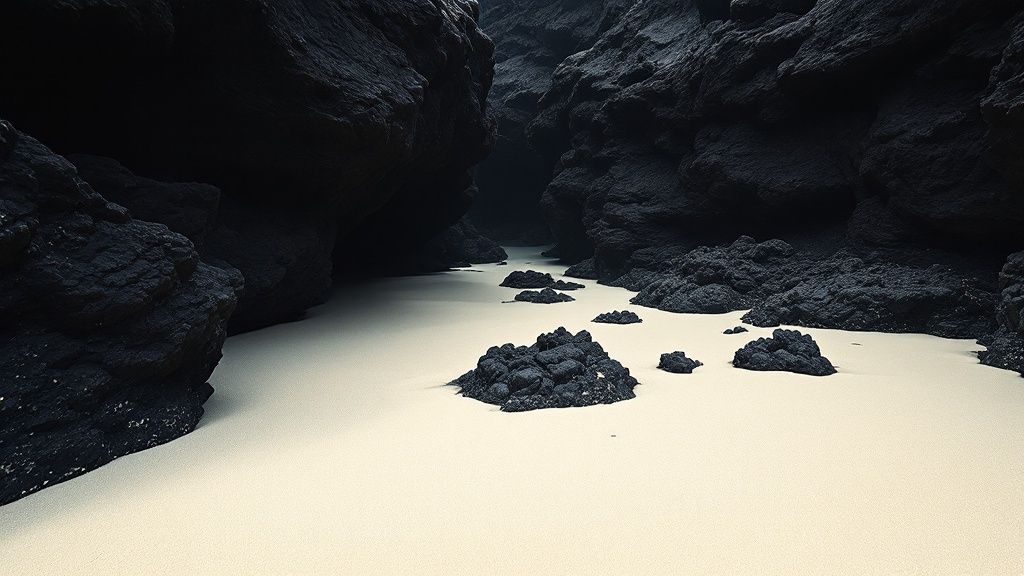
Beyond the calm conditions, diving in Kona feels like exploring another planet. The seascape here has been sculpted over millennia by volcanic activity, creating a surreal and dramatic underwater landscape you won't find anywhere else. Forget endless sandy bottoms; here, you're navigating a world of incredible lava formations.
You’ll glide through ancient lava tubes that now serve as highways for marine life, swim under majestic arches that feel like submerged cathedrals, and peek into hidden caverns. This wild topography makes every dive site a new adventure, with endless nooks and crannies supporting a staggering amount of life.
A Sanctuary for Vibrant Marine Life
That complex volcanic structure and the calm, protected water have created the perfect home for a thriving underwater community. The Big Island is especially known for its healthy population of honu (the beloved Hawaiian green sea turtle), and spotting them is practically a guarantee on any dive.
The real magic of diving in Kona isn't just seeing one or two amazing animals; it's the sheer density of it all. You are completely immersed in a bustling ecosystem, from tiny, colorful nudibranchs crawling on the reef to massive whale sharks cruising by in the blue.
The reefs are teeming with a mix of familiar friends and creatures you can only find here:
- Endemic Fish: A huge number of the fish here, like the psychedelic wrasse, are found nowhere else on Earth.
- Graceful Rays: Eagle rays are a common sight, soaring effortlessly through the water. And, of course, Kona is world-famous for its majestic manta rays.
- Playful Dolphins: It’s not unusual for pods of spinner dolphins to greet the dive boat, putting on an incredible acrobatic show before you even get in the water.
This unique combination of geology and biology has a history. The pioneers of the 60s and 70s first started exploring these waters, and as organizations like PADI standardized training, the island's reputation exploded. Today, the Big Island is home to over 50 dive shops and welcomes more than 150,000 dive tourists every year—a number that speaks for itself. You can dive deeper into the history of the Big Island's diving scene to see just how far it's come.
To truly experience the best of what Kona has to offer, choosing the right operator is everything. A top-tier company like Kona Honu Divers makes sure your adventure is safe, unforgettable, and fun. Check out what other divers have to say about their trips.
Experience the Legendary Manta Ray Night Dive
Of all the incredible dives you can do on the Big Island, one experience is spoken about in almost reverent tones: the manta ray night dive. It’s something that has to be seen to be believed.
Picture this: you descend into the warm Pacific just as the last hints of sunlight fade from the surface. You and your group settle onto a patch of sand, switch on your dive lights, and point them straight up. Then, you wait.
It doesn’t take long. Out of the darkness, massive, elegant shadows begin to materialize. These are Kona’s famous manta rays, some with incredible wingspans stretching over 12 feet. They swoop in to perform a silent, hypnotic ballet, gliding and somersaulting through the beams of light—often just inches over your head. It's a surreal, heart-pounding encounter consistently ranked as one of the best night dives on the planet.
The "Manta Campfire" Phenomenon
So, how does this magic happen? The whole spectacle is affectionately called the "manta campfire." Divers and snorkelers form a circle, pointing their powerful lights toward the surface. This intense column of light attracts a massive congregation of plankton, which is the mantas' favorite meal.
The rays, in turn, show up for the all-you-can-eat buffet. They glide in with their cavernous mouths wide open, filtering the tiny organisms from the water. This brilliant, yet simple, setup has created one of the most reliable and spectacular wildlife encounters you can find anywhere, turning the pitch-black ocean into an underwater theater.
The feeling is often described as akin to watching a fleet of stealth bombers gracefully maneuvering through the water. It’s a humbling and awe-inspiring spectacle that connects you directly with these gentle giants in their natural habitat.
Since its discovery, this dive has become Hawaii's signature underwater attraction. A dedicated and professional dive community has grown around it, ensuring the experience is safe for divers while prioritizing the well-being of the mantas. It's a huge part of what makes the Big Island a world-class dive destination, with some encounters lasting for 20 minutes or longer.
How to Have a Respectful Manta Encounter
Being a guest in the mantas' dining room comes with a responsibility to be polite. Manta rays are covered in a delicate mucus layer that protects them from infection, and a simple touch from a human hand can damage it.
To keep this amazing interaction sustainable for years to come, every reputable dive operator enforces a strict set of rules. Following them is non-negotiable.
- Look, Don't Touch: This is the golden rule. No matter how close they get, never reach out to touch a manta. Let them be in control of the encounter.
- Stay on the Bottom: Find a spot on the sand and stay put. This keeps the water column open for the mantas to do their thing without obstacles.
- Lights Up: Your light is the dinner bell. Keep it pointed straight up to attract the plankton and create the "campfire."
- Mind Your Bubbles: Try to time your breathing so you aren't exhaling directly into a manta's face as it glides overhead.
By following these simple guidelines, you're doing your part to ensure the mantas stay safe, comfortable, and keep returning to these sites night after night. To learn more, you can read our guide on where to see manta rays in Hawaii and what makes each location unique.
This is a true bucket-list adventure. If you're ready to see the magic for yourself, our Manta Ray Dive tour is an experience you will never forget.
Exploring Kona’s Must-See Dive Sites

Sure, the Manta Ray Night Dive gets all the headlines, but that's just the beginning. The Kona coast is an absolute treasure trove of world-class dive sites, each with its own distinct personality and a different kind of adventure waiting for you.
Think of the Big Island's underwater landscape as a massive playground shaped by ancient volcanoes. You’ll find dramatic lava formations, sprawling coral reefs, and all sorts of hidden nooks where marine life thrives. The key to an amazing Big Island scuba diving trip is matching your dive style and skill level to the right spot. Whether you're just getting your fins wet and want a calm, shallow reef or you're an old pro hungry for deep drop-offs, Kona delivers.
Let’s take a tour through some of the absolute must-dos that put Kona on the map.
Two Step (Honaunau Bay)
Don't let the famously easy shore entry fool you—Two Step is so much more than just a convenient place to get in the water. Situated right next to the Pu'uhonua o Hōnaunau National Historical Park, this spot is a perfect snapshot of what makes Kona diving so special. It gets its name from two natural lava rock "steps" that lead you right into the bay.
The moment you dip below the surface, you’re in a different world. A massive, healthy reef system unfolds before you, buzzing with activity. It's a fantastic site for all skill levels, with calm coral gardens for new divers and deeper ledges for the more experienced. Keep your eyes peeled for huge schools of yellow tangs, delicate butterflyfish, and Hawaiian green sea turtles (honu) taking a nap on the coral. If you’re there in the morning, you might even get a visit from a pod of spinner dolphins.
Golden Arches
If you're a fan of dramatic underwater landscapes, Golden Arches has to be on your list. This is a boat-only dive, and for good reason—it’s built around a series of huge lava rock archways that are a blast to swim through.
The way the sunlight filters through the arches creates a stunning, almost cathedral-like effect that’s a dream for photographers. While the topography is the star of the show, the marine life is just as good.
- Marine Life: Check under the ledges for sleeping white-tip reef sharks and look for moray eels poking their heads out from cracks in the rock. The shadows of the arches are often filled with schools of soldierfish.
- Depth: The arches are found in pretty shallow water, usually between 30-50 feet, which makes this a breathtaking but very accessible dive for most certified divers.
This site is a powerful reminder of the Big Island's volcanic past, showing you firsthand how ancient lava flows sculpted this incredible underwater world.
Turtle Pinnacle
You can probably guess what this site is famous for. Turtle Pinnacle is one of the most reliable spots on the island to see Hawaiian green sea turtles up close and personal. Why? It's home to a "turtle cleaning station," a specific spot on the reef where honu gather to let surgeonfish and other small reef fish nibble away algae and parasites from their shells.
Witnessing this natural spa day is pure magic. You can hover a respectful distance away and watch as turtles line up, almost like they're waiting for their turn. It’s a perfect, real-world example of the reef's complex ecosystem in action.
The site itself is a pinnacle that rises from the ocean floor, completely covered in healthy coral. Besides the turtles, the pinnacle is a magnet for all sorts of reef fish, octopuses, and eels. It's a bustling, vibrant site that guarantees a memorable encounter with one of Hawaii's most iconic animals.
Planning Your Dives
With so many incredible sites, figuring out your dive plan is half the fun. A good, reputable dive operator knows these waters like the back of their hand and will pick the best spots based on the day’s weather, currents, and the experience level of everyone on board. If you want to dive even deeper into the options, check out this fantastic local guide to Kona's premier dive sites.
To give you a head start, here’s a quick rundown of some of the top spots.
Top Big Island Dive Sites at a Glance
This table breaks down a few of Kona's most popular dive sites, giving you a quick idea of what to expect from each.
| Dive Site | Experience Level | Average Depth | Key Features & Marine Life |
|---|---|---|---|
| Two Step | All Levels | 20-60 ft | Easy shore entry, vibrant coral gardens, spinner dolphins, and turtles. |
| Golden Arches | Beginner/Intermediate | 30-50 ft | Massive lava arches, swim-throughs, white-tip reef sharks, and moray eels. |
| Turtle Pinnacle | All Levels | 30-70 ft | Turtle cleaning station, healthy coral pinnacle, and abundant reef fish. |
| Kaiwi Point | Intermediate | 40-80 ft | Lava tubes, caverns, eagle rays, and diverse fish populations. |
Chatting about these options with your chosen dive shop is the best way to craft an itinerary that you'll be talking about for years. Whether you're chasing the thrill of swimming through an ancient lava tube or the zen of watching turtles get their shells cleaned, Kona's underwater world is waiting.
Advanced Dives for the Experienced Adventurer
While the Big Island’s beautiful reefs offer more than enough to keep most divers happy, some of us show up looking for a different kind of challenge. If you’ve got your certifications and you're ready to push past the lava tubes and coral gardens, Kona has a couple of truly unforgettable experiences waiting for you.
These aren't your average dives. They demand solid skills, complete confidence in the water, and a genuine thirst for adventure. For those who are up to it, they reveal a side of the ocean that very few people ever get to witness.
The Kona Blackwater Dive: A Trip to Inner Space
Picture this: you're floating in the middle of the deep, open ocean, miles from shore, with nothing but pure blackness all around you. The only thing tethering you to our world is a line dropping from the boat into the inky abyss. This is the setup for the legendary Kona Blackwater Dive, and it’s about as close as you'll ever get to floating in outer space.
The whole point of this dive is to witness the largest migration on the planet. Every single night, an incredible cast of bizarre, deep-sea creatures rises from the crushing depths to feed near the surface. Many are bioluminescent, creating their own light show in the dark.
On a blackwater dive, you aren't exploring a reef. You're drifting through a living galaxy of strange, gelatinous, and often see-through creatures that look like something out of a sci-fi movie. It's surreal, humbling, and completely mesmerizing.
This isn't a dive you just sign up for on a whim. You'll generally need an advanced certification and rock-solid buoyancy control. You’re not swimming over a sandy bottom; you're suspended in open water, which takes a calm mind and serious self-awareness. It’s a specialized adventure that rewards prepared divers with sights they will talk about for the rest of their lives. Think you're ready? You can book the world-famous Blackwater Dive tour and see it for yourself.
Pushing the Limits with Advanced Deep Dives
For divers who are truly at home in deeper water and more demanding conditions, the Big Island offers advanced deep dives that head much further offshore. These trips target submerged pinnacles, remote ledges, and sheer drop-offs where the chance of running into big pelagic animals goes way up.
Once you leave the shelter of the nearshore reefs, it’s a whole different ballgame. The focus shifts from the tiny critters in the coral to the vast, powerful blue of the open ocean and the larger predators that cruise through it. We often run these as drift dives, letting the current do the work so you can cover more ground and just take in the scenery.
These charters are typically for divers with:
- An Advanced Open Water certification (or equivalent).
- Real experience with deep diving safety protocols.
- Comfort handling drift dives and potentially strong currents.
- The ability to confidently manage their air at deeper depths.
The payoff for having these skills is the shot at seeing things that rarely come close to shore—schools of scalloped hammerheads, oceanic whitetip sharks, and maybe even a whale shark if you get really lucky. For a lot of seasoned divers, these trips are the absolute pinnacle of Big Island scuba diving. To explore these deeper frontiers, check out a premium advanced dive trip built specifically for experienced divers like you.
Diving Safely and Protecting Hawaii’s Fragile Reefs
A truly incredible Big Island scuba trip isn't just about what you see—it's about getting back to the boat safely and leaving the ocean in better shape than you found it. Being a responsible diver is absolutely fundamental, both for your own safety and for the future of Hawaii’s delicate marine ecosystems.
It all starts with picking a reputable, certified dive operator and being honest about your own training and experience level. Never push your limits.
It’s also crucial to understand the local environment. While the Kona coast is famous for its calm, clear waters, currents can still pop up. A professional guide will always give you a thorough briefing before you hit the water, making sure everyone is prepared for the conditions at that specific site. Think of them as your most important piece of gear.
Safety In and Out of the Water
You might have seen news stories about water-related incidents in Hawaii, and it’s important to see the full picture. A state health department initiative looked into snorkeling fatalities between 2009 and 2018 and found that of the 206 total victims, 189 were tourists.
Now, compare that to the certified scuba industry, which saw only 28 fatalities during that entire same period. The numbers speak for themselves. The professional training, proper gear, and expert supervision that are part of every certified dive make it a statistically safer way to explore the underwater world.
Choosing a certified dive operator isn't just about finding the best spots; it's the single most important safety decision you can make. Their expertise, equipment maintenance, and emergency preparedness are your best assets underwater.
Protecting Hawaii's Living Coral Reefs
When we slip beneath the waves, we become guests in a fragile world and ambassadors for the ocean. A huge part of that responsibility is protecting the very reefs we've traveled so far to see. It’s easy to forget, but Hawaii's corals are living animals, and they are incredibly sensitive.
One of the biggest, and most easily avoidable, threats comes from the sunscreen we wear. Common chemicals like oxybenzone and octinoxate are proven to cause coral bleaching, damage their DNA, and interfere with the reproduction of other marine life.
Here’s how you can help:
- Go Reef-Safe: Always choose mineral-based sunscreens. Look for zinc oxide or titanium dioxide as the active ingredients.
- Cover Up: The best solution? Wear a rash guard or a thin dive skin. It provides better sun protection and keeps chemicals out of the water entirely.
- Master Your Buoyancy: The golden rule of diving is "take only pictures, leave only bubbles." This means never touching, kicking, or bumping the coral. Keeping your buoyancy in check protects both you and the reef from harm.
Being a good diver is about more than just following the rules—it’s about cultivating a deep respect for the marine world. For a more detailed guide on this, check out our article on responsible and considerate diver etiquette. Every single dive is a chance to be a positive force for conservation.
Your Big Island Diving Questions, Answered
It’s totally normal to have a few questions when you're planning a dive trip to a new place. Thinking through the details beforehand means less stress and more time enjoying the incredible underwater world of the Big Island. Let’s tackle some of the most common things divers ask.
What’s the Best Time of Year to Dive Here?
Honestly, one of the best things about diving the Kona coast is that there's no bad time to visit. The diving is fantastic all year round.
Water temperatures stay incredibly comfortable, hovering around a pleasant 75°F (24°C) in the winter and warming up to a bath-like 81°F (27°C) in the summer. Visibility is another major plus, as it often clears 100 feet or more.
The one seasonal highlight worth noting is winter (December through March), which is humpback whale season. You probably won't see them on a dive, but you can often hear their hauntingly beautiful songs underwater. It’s a truly magical experience you won’t forget.
Do I Need to Be Certified to Try Scuba Diving?
Not at all! If you’ve always wanted to try breathing underwater but aren't certified, you're in luck. Most local dive shops, ourselves included, offer an introductory experience called "Discover Scuba Diving."
You'll be paired with a professional instructor who teaches you the essential skills in a safe, shallow spot. Then, they’ll guide you on a real reef dive to experience it firsthand. It’s the perfect, low-commitment way to see if diving is for you.
Of course, if you want the freedom to explore all the amazing sites Kona has to offer, getting your Open Water certification is the next step. We have a ton of diving tours that cater to every level, from first-timers to seasoned pros.
What Kind of Marine Life Will I See?
The Big Island’s reefs are buzzing with life. While nature never makes promises, you have a great chance of encountering some of Hawaii's most famous underwater residents.
- Honu (Hawaiian Green Sea Turtles): It's almost harder not to see a turtle here. You'll find these graceful creatures everywhere, munching on algae or just cruising by.
- Endemic Fish: A surprising number of fish here are found only in Hawaiian waters. Keep an eye out for brilliantly colored butterflyfish, parrotfish, and of course, the state fish with the famously long name—the Humuhumunukunukuāpuaʻa.
- Eels: Peek into the cracks and crevices of the reef, and you’ll likely find a moray eel staring back at you.
- Rays & Dolphins: Manta rays are the headliners for the night dive, but eagle rays are often spotted during the day. Don't be surprised if a pod of spinner dolphins escorts your boat out to the dive site in the morning!
What Should I Pack for My Dive Trip?
Packing for a Kona dive trip is pretty straightforward. Beyond your flip-flops and shorts, here are the essentials for your dive bag:
- Your C-Card & Logbook: The two things you absolutely can't forget!
- Swimsuit & Towel: A small, quick-dry towel is super handy.
- Reef-Safe Sunscreen: Protect yourself and our delicate corals by using mineral-based sunblock (look for zinc oxide or titanium dioxide).
- Reusable Water Bottle: It’s important to stay hydrated, and you’ll be helping to reduce plastic waste on the island.
- A Light Jacket: Even on a warm day, it can feel a little chilly on the boat ride back after a dive, especially after the sun goes down.
Ready to jump in? Kona Honu Divers has an adventure waiting for you, whether you're taking your first breath underwater or you have hundreds of dives in your logbook.