
When people talk about the best scuba diving destinations on the planet, Hawaii's Big Island is always in the conversation. It’s an underwater world defined by its volcanic origins, protected by massive mountains, and home to some of the most unique marine life you'll ever see. With its famously clear water and sites that range from brilliant coral reefs to surreal lava tubes, it’s a place that delivers unforgettable dives for everyone.
Why The Big Island Is a Diver’s Paradise
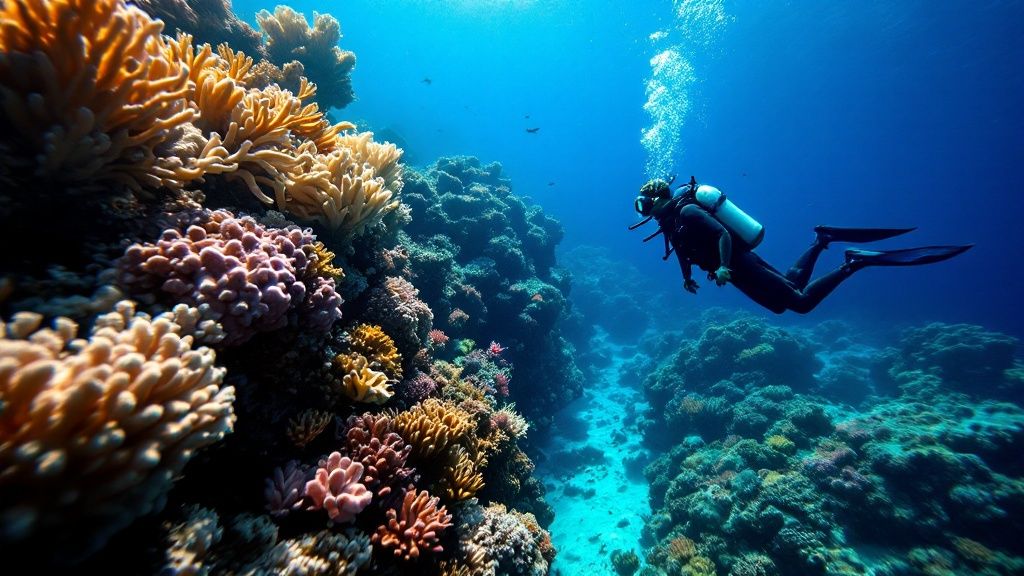
Picture this: you descend into warm, impossibly blue water as shafts of sunlight dance around you, lighting up a landscape carved by ancient volcanoes. That’s what Big Island scuba diving is all about. The island's geology is its secret sauce, creating a spectacular underwater playground of lava tubes, dramatic arches, and vibrant coral gardens growing over old lava flows.
The Kona coast, where most of the diving happens, has a huge advantage over other spots. The towering volcanoes of Mauna Loa and Mauna Kea act as a massive shield, blocking the trade winds that churn up the water elsewhere. The result? Incredibly calm, predictable, and clear conditions nearly all year long, making it the undeniable heart of Hawaii's diving scene.
To get a quick sense of what makes this place so special, here’s a look at the key highlights.
Big Island Diving At A Glance
| Feature | Description |
|---|---|
| Volcanic Topography | Explore dramatic lava tubes, arches, and underwater craters formed by ancient lava flows. |
| Calm Kona Coast | Massive volcanoes create a natural barrier, resulting in consistently calm and clear waters. |
| Crystal-Clear Visibility | Visibility often exceeds 100 feet, offering incredible views of the underwater landscape. |
| Rich Marine Life | Home to green sea turtles, manta rays, reef sharks, and many fish species found only in Hawaii. |
| Iconic Night Dives | World-famous for its Manta Ray Night Dive and the unique Blackwater Dive. |
| Year-Round Diving | Ideal water temperatures and calm conditions make diving possible any time of the year. |
As you can see, the combination of unique geology and ideal conditions sets the stage for some truly incredible diving.
A Playground For All Divers
It doesn't matter if you're about to take your first breath underwater or you've got hundreds of dives under your belt—the Big Island has something for you. The gentle, sloping reefs are perfect for new divers to build confidence, while experienced pros can push their limits exploring deep pinnacles and winding lava tube systems. The sheer variety means you could dive here for weeks and never get bored.
The marine life is just as diverse as the dive sites. On any given dive, you might see:
- Honu (Green Sea Turtles): It's common to find them resting on the reef or cruising gracefully past you.
- Reef Sharks: Don’t be surprised to see peaceful white-tip reef sharks patrolling their territory.
- Endemic Fish: A huge percentage of Hawaii's reef fish are found nowhere else on Earth.
- Larger Visitors: Dolphins and, during the winter, humpback whales are often spotted from the dive boat.
Iconic Underwater Experiences
The Big Island is home to two of the most talked-about dives in the world. First is the legendary manta ray night dive, a true bucket-list experience where giant, gentle mantas glide inches from your face in a silent, plankton-fueled ballet.
Then there’s the blackwater dive, an adventure for the truly curious. You'll drift in the deep, dark open ocean at night to witness a nightly migration of bizarre, bioluminescent creatures rising from the abyss. It’s like diving in outer space.
These one-of-a-kind dives have cemented the island's reputation. It has become a global hub for scuba, attracting over 150,000 dive tourists each year and supporting a thriving community of more than 50 dive shops. You can explore why so many divers choose the Big Island for their underwater adventures with Kona Honu Divers and see what the excitement is all about.
The World-Famous Manta Ray Night Dive

Of all the incredible Big Island scuba diving you can do, one experience truly stands apart. It’s more than just a dive; it’s a genuine, once-in-a-lifetime encounter that has rightfully earned legendary status around the globe.
The Kona manta ray night dive is an underwater ballet, a mesmerizing spectacle that leaves even the most jaded, well-traveled divers completely speechless.
Imagine this: you slip into the dark, calm ocean just after the sun has set. Following your guide, you and your group settle onto a sandy patch on the seafloor, only about 35 feet deep. The divemasters then set up powerful, upward-facing lights, creating what we affectionately call an "underwater campfire."
This brilliant beam cuts through the darkness, illuminating the water column and attracting swarms of microscopic plankton—the manta rays’ favorite meal. You wait, your own light beam dancing in the dark, a sense of anticipation building. Then, a shadow moves at the edge of the light.
An Underwater Ballet Unfolds
Suddenly, they're there. Majestic manta rays, with wingspans that can stretch over 12 feet, appear as if from another dimension. They glide effortlessly into the light, swooping and barrel-rolling in a silent, hypnotic dance just inches above your head.
Their enormous mouths are agape as they filter the thick clouds of plankton from the water. It’s a completely safe and non-intrusive encounter. The mantas are here for the buffet, and we are simply the audience for their breathtaking performance.
Watching these gentle giants move with such impossible grace and power is a profoundly moving experience. It’s one of those rare moments that connects you directly to the magic of the ocean, and it’s often ranked as one of the top ten dives in the world for a reason.
Why Keauhou Bay Is The Perfect Stage
This world-renowned spectacle happens primarily off the Kona coast near Keauhou Bay. The spot is perfect for it. The unique underwater geography features a shallow shelf that provides a natural amphitheater for the show.
This setup allows divers and even snorkelers to safely observe huge numbers of giant manta rays as they feed on the plankton drawn to the strategically placed "campfires." It’s not uncommon to have 10 or more mantas swooping overhead, giving you an unbelievably close look at these magnificent creatures.
The consistency of this feeding aggregation has made it one of the most reliable big-animal encounters on the entire planet. To get a better feel for the experience, check out our guide on what it's like to go on the manta ray dive in Kona.
Ready to see it for yourself? Joining a guided manta ray dive tour is absolutely the way to go. The crew handles all the logistics—from finding the perfect spot to setting up the lights—so all you have to do is relax and soak in the magic. Don’t miss your chance to be part of this legendary Big Island scuba diving adventure.
Exploring The Top Kona Coast Dive Sites
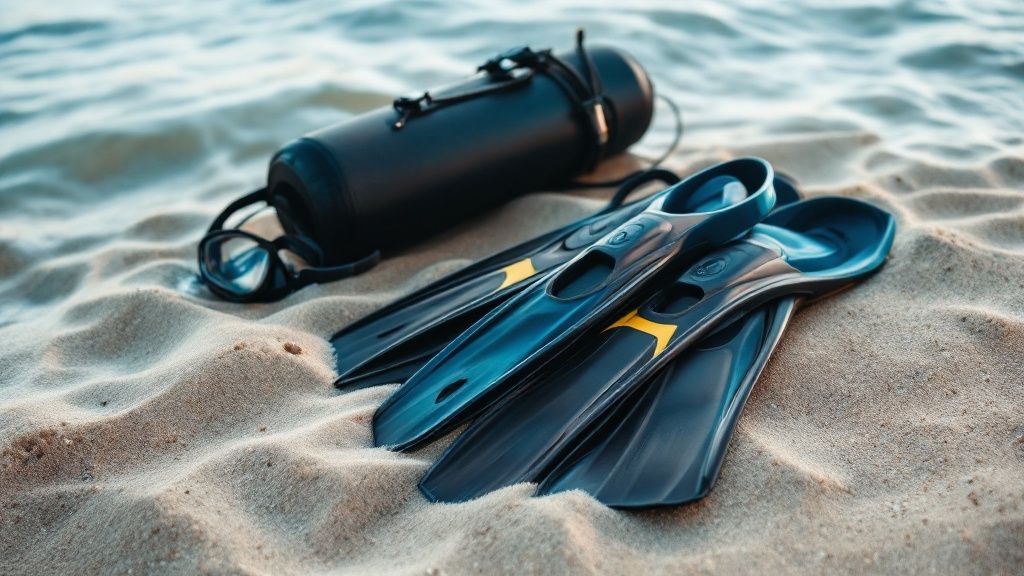
While the manta ray night dive is an absolute showstopper, it’s really just scratching the surface of what big island scuba diving has in store. The Kona coast is stacked with over 50 unique dive sites, each offering a different window into Hawaii's incredible underwater world.
The island’s volcanic past has left behind a stunning sub-aquatic playground. Think massive lava tubes, intricate swim-throughs, and dramatic rock formations. This unique geology means no two dives ever feel the same. One moment you're gliding over a vibrant coral garden, the next you're exploring a cavernous lava tube. It's this sheer variety that keeps divers coming back for more.
Let’s take a look at a few of the must-see sites that really show off the diversity of the Kona coast.
Golden Arches
Just as the name implies, Golden Arches is all about dramatic lava rock architecture. The site is a maze of stunning arches and swim-throughs, making for a truly dynamic and fun dive. You'll see beautiful light rays filter through the openings, creating an almost cathedral-like effect on the reef below.
Navigating these ancient formations is an experience in itself. The site is also buzzing with life—you’ll find schools of yellow tangs and butterflyfish darting through the nooks and crannies. It's an absolute dream for underwater photographers.
Turtle Pinnacle
If you’re hoping to see the beloved Hawaiian green sea turtle, or honu, Turtle Pinnacle is where you need to be. This spot is a well-known "cleaning station," which is basically a day spa for sea turtles. They gather here to let smaller fish nibble parasites and algae off their shells.
The main pinnacle rises up from the seafloor, acting as a natural beacon for all sorts of marine life. It’s not uncommon to find several turtles just chilling on the reef or cruising gracefully past. This is usually a very calm, relaxing dive that's perfect for just watching nature do its thing.
Seeing these ancient mariners in their element is a core part of the big island scuba diving experience. Always remember to give them plenty of space and never, ever touch them. This ensures a respectful and memorable encounter for both you and the turtle.
Our guides at Kona Honu Divers know this coastline like the back of their hand. You can get a better sense of the sheer variety by checking out the many dive sites Kona Honu Divers will take you to and finding the perfect adventure for your trip.
The Blackwater Dive: A Journey Into The Abyss
For the truly adventurous diver, the Kona Blackwater Dive is an experience unlike anything else on the planet. Forget the reef. This is a journey into the deep, dark, open ocean miles from shore, where you'll witness one of the largest migrations on Earth.
It’s a totally different kind of dive:
- First, the boat heads out over thousands of feet of water well after sunset.
- You're then connected by a tether to the boat, which simply drifts with the current.
- Using powerful lights, you illuminate the water column below you and just… wait.
What happens next is unbelievable. A parade of bizarre, often bioluminescent creatures begins to rise from the depths to feed. We're talking about strange larval fish, translucent squids, and otherworldly jellies that look like they're straight out of a sci-fi movie. This is the dive for someone who wants to see something that very few people ever will.
Advanced and Challenging Dives
The Kona coast also has plenty of thrills for more experienced divers. Sites like Suck 'em Up are famous for their surge channels, where the ocean's pulse creates a natural "roller coaster" ride through lava tubes. Other spots have deep pinnacles, complex cave systems, and currents that tend to attract bigger pelagic species.
These dives demand solid buoyancy control and a healthy sense of adventure, but the payoff is huge. Exploring these more challenging environments reveals a whole other side of the island's dynamic underwater world. If you're looking for advanced diving opportunities, the Big Island delivers.
Choosing The Right Big Island Dive Operator
The incredible dive sites along the Kona coast are only half the story of a perfect Big Island scuba diving trip. The other half? The crew that gets you there. Your choice of dive operator can truly make or break your entire underwater experience, turning a good dive into an absolutely unforgettable one.
Picking the right company isn't just about booking a spot on a boat. It's about putting your safety, enjoyment, and even your continuing education into a team's hands. A top-notch operator offers far more than transportation—they bring expert local knowledge, impeccably maintained gear, and a genuine passion for the ocean that you can feel on every dive.
Key Factors for Selecting a Dive Shop
When you start your search, it's easy to feel buried in options. To cut through the noise, just focus on a few critical factors that are the true signs of a professional, safe, and reliable operation.
Think of this as your quality and safety checklist:
- Impeccable Safety Record: This is the big one. It's non-negotiable. Look for shops that are open and proud of their safety procedures, emergency plans, and staff training. Safety should always, always be their top priority.
- Professional Certifications: Make sure the shop is affiliated with a major training agency like PADI or SSI. This is your guarantee that they follow internationally recognized standards for both training and safety.
- Quality of Boats and Gear: A well-kept boat with essential safety gear like oxygen and first aid kits is a must. Check out their rental gear, too—it should be in excellent shape, as this has a direct impact on your comfort and safety below the surface.
- Small Group Sizes: Diving in a small, manageable group is just plain better. It's safer, more personal, and you won't feel like you're bumping into other divers at every turn. You get more attention from your divemaster and a much more relaxed vibe.
Spotlight on Kona Honu Divers
One operator that consistently hits all these marks is Kona Honu Divers. They've earned a stellar reputation on the island by focusing on small groups, amazing customer service, and a deep-seated commitment to marine conservation. Their crew knows the Kona coast like the back of their hand, which means they know exactly where to take you based on the day's conditions.
But don’t just take our word for it. Hearing from fellow divers is one of the best ways to get a real feel for a company's vibe and quality.
Their dedication to a premium experience really shows in the details. They offer things like free Nitrox for certified divers and even have hot showers on their boats for after your dive. It’s those little touches that make a huge difference.
Other Highly-Rated Operators
Of course, to give you the full picture, the Kona coast has several other fantastic dive companies that get rave reviews from the diving community. Making the best choice means looking at your options, and luckily, you have some great ones. To help with your homework, you can dive into a detailed breakdown of the top 10 Kona diving companies ranked for a complete overview.
Here are a couple of other well-regarded operators worth a look:
Jack's Diving Locker: A true Kona institution. Jack's has been a respected name in the local dive scene for decades, offering a massive range of trips and courses for every skill level imaginable.
Kona Diving Company: Known for their super-friendly crew and comfortable boats, Kona Diving Company is another excellent choice that consistently pulls in five-star reviews for their famous manta ray dives and daily charters.
At the end of the day, the "best" operator for you comes down to what you're looking for. But starting your search with a highly-rated, safety-focused company is the surest first step toward an amazing Big Island scuba diving adventure.
Getting Certified Or Advancing Your Skills In Hawaii
The Big Island isn't just a playground for seasoned divers; it’s one of the best places on Earth to become one. If you've been thinking about getting certified or just want to level up your skills, the conditions here are pretty much perfect. It turns a standard training course into an unforgettable part of your trip.
For those ready to take their first breath underwater, this is the place to do it. The PADI Open Water Diver certification is your global passport to the underwater world, and learning in Kona’s warm, clear waters makes the whole experience a joy. Forget practicing in a chilly swimming pool; here, your classroom is a living reef, with curious fish and sea turtles swimming by. Learning essential skills like buoyancy control just feels more natural when you're actually floating over coral.
Taking Your Skills to the Next Level
Already have your certification? Perfect. Big Island scuba diving is a fantastic opportunity to build on what you know and become a more confident, skilled diver. The underwater landscape here, shaped by volcanoes, is a real-world training ground with its lava tubes, archways, and deep-water pinnacles.
The best divers are always learning. Pursuing advanced training not only makes you a safer diver but also unlocks access to more challenging and rewarding dive sites that are off-limits to beginners. It’s an investment in your safety, confidence, and future adventures.
Continuing your education opens up a whole new side of diving. A couple of popular courses to consider are:
- PADI Advanced Open Water: This one is all about getting out there and exploring. You’ll do five different "adventure dives," including a deep dive and a navigation dive. Once you're done, you'll be certified to go deeper, which opens up a ton of new sites.
- Specialty Courses: This is where you can really zero in on what you love. You could learn to take amazing pictures with a Digital Underwater Photography course or get your Enriched Air (Nitrox) certification to safely extend your time at depth.
Whether you're just starting out or you're an old pro looking to learn something new, the Big Island is an incredible backdrop for your dive education. You can browse a complete list of PADI courses and diving tours to find the right fit for your goals.
Essential Safety Tips For Diving The Big Island
Let's be honest, a great dive is a safe dive. And when you're diving the Big Island, a little preparation goes a long way toward making your time underwater absolutely spectacular. The ocean here is powerful, beautiful, and demands respect. Following a few simple safety rules ensures that every minute you spend beneath the waves is as incredible as it is secure.
The single most important thing you can do? Always listen to your divemaster's briefing. These folks are in this water every single day. They know the currents, the layout of the reef, and the local marine life better than anyone. What they tell you before you get wet isn't just friendly advice—it's your game plan for a fantastic, safe dive.
Mastering Your Place in the Water
Getting your buoyancy dialed in is non-negotiable for diving in Hawaii. The volcanic reefs are breathtakingly beautiful, but they're also incredibly fragile. If you're struggling with buoyancy, you risk bumping into or kicking delicate coral, which can destroy an ecosystem that took centuries to form.
Good buoyancy isn't just about protecting the reef; it's about protecting yourself. When you're in control, you conserve air, stay more relaxed, and avoid dangerous, uncontrolled ascents. It simply makes for a better, safer, and more enjoyable dive all around.
It also helps to understand where scuba fits into the grand scheme of ocean activities. While any water sport has its risks, guided scuba diving has a fantastic safety record when everyone follows the rules.
To put it in perspective, safety data from Hawaii shows a pretty stark contrast. Between 2009 and 2018, there were 28 scuba diving fatalities. That number is dwarfed by the 206 snorkeling fatalities recorded over the same decade. If you're curious, you can dig into the data on Hawaiian ocean activity safety to understand the full context.
Your Pre-Dive Safety Checklist
Before you even think about rolling off the boat, run through this quick mental and physical checklist.
- Dive Within Your Limits: Be real with yourself about your training and comfort level. Don't let your pride talk you into a dive that's over your head.
- Check Your Gear: You and your buddy should do a thorough pre-dive safety check. Make sure every hose, buckle, and valve is working perfectly before you leave the surface.
- Stay Hydrated and Rested: Diving is physically demanding. Showing up tired and dehydrated is a recipe for fatigue and increases your risk of decompression sickness.
When you make safety your top priority, you free yourself up to relax and truly soak in the magic of Big Island scuba diving.
Your Top Questions About Big Island Diving Answered
We've explored a lot, from the magic of the Kona coast to the unforgettable manta ray night dive. Now, let's tackle some of the most common questions divers ask when they're planning their trip.
Think of this as the final check-in before you take the plunge.
What’s The Best Time of Year to Dive Here?
Honestly, any time is a great time for Big Island scuba diving. The massive volcanoes on the island act as a natural shield for the Kona coast, keeping the waters remarkably calm and clear pretty much year-round.
You can expect water temperatures to hover around a comfortable 75°F in the winter and climb to a balmy 80°F during the summer. The winter months, from December to March, offer a special treat: the chance to hear the haunting songs of humpback whales echoing underwater. But if you're looking for those perfectly still, glassy ocean days, summer usually delivers.
Should I Dive on the Kona or Hilo Side?
When it comes to scuba, it’s Kona, hands down. There’s really no contest. The Hilo side gets hit with strong trade winds and open-ocean swells, which means rough seas and poor visibility.
Kona, on the other hand, is tucked away in the lee of the island, giving us the crystal-clear, calm conditions that make for incredible diving. It’s no accident that nearly every top-tier dive site and operator is based on the Kona coast.
Choosing Kona isn't just a matter of preference—it's about setting yourself up for the best possible experience. The reliable conditions mean fewer canceled dives and more time spent marveling at Hawaii's vibrant reefs.
Do I Need My Certification for the Manta Ray Dive?
Yes, if you want to scuba dive with the mantas, you'll need to be a certified diver. But the good news is, you don't have to miss out if you're not certified! Most tour operators, including us at Kona Honu Divers, run a snorkeling experience right alongside the dive. Snorkelers float on the surface, holding onto a light board, and get a breathtaking bird's-eye view of the mantas gliding through the light beams below.
What Kind of Marine Life Will I See?
Get ready for an incredible amount of diversity. The manta rays might be the headliners, but you’re almost certain to run into some other amazing locals:
- Honu (Green Sea Turtles): You’ll spot them everywhere, from snoozing on the reef to cruising gracefully through the water.
- Reef Sharks: White-tip reef sharks are very common residents here. They're curious but harmless and amazing to watch.
- Dolphins: We often see pods of spinner dolphins from the boat, and sometimes they'll even treat us to an underwater fly-by.
- Eels: Keep an eye on the reef crevices, and you’ll likely spot a moray eel peeking out to see who's passing by.
- Endemic Fish: A huge number of the colorful fish you'll see can't be found anywhere else on Earth.
Going out with a seasoned guide is the best way to make sure you see it all. They know the sites like the back of their hand and can point out creatures you might otherwise miss. Take a look at the different Big Island diving tours available to find the perfect adventure for you.
Here at Kona Honu Divers, our passion is sharing the underwater world safely and unforgettably. Whether you're dreaming of the world-famous manta ray night dive or want to explore pristine coral reefs, our experienced team is here to show you the very best of Big Island scuba diving.