
Welcome to the ultimate guide to Big Island scuba diving! Nestled in the heart of the Pacific, the island of Hawai'i offers an unparalleled underwater world forged by volcanic fire. With crystal-clear waters, vibrant coral reefs, and unique marine encounters, it's a destination that belongs on every diver's bucket list. Whether you're dreaming of swimming with gentle giants, exploring dark volcanic lava tubes, or witnessing the largest animal migration on Earth in the deep blue, the Kona coast has it all.
This guide is your all-in-one resource for planning the perfect underwater adventure. We will walk you through the most iconic dive sites, providing the strategic insights and actionable tips you need to prepare. From the world-famous Manta Ray Night Dive to the thrilling Black Water Dive and serene coral gardens, we’ll cover everything to ensure you experience the very best of what this volcanic island has to offer.
Throughout this article, we’ll highlight premier diving tours that can get you to these incredible sites safely and efficiently. You’ll find detailed information on what to expect, the marine life you’ll encounter, and how to choose the right excursion for your skill level. We'll provide specific examples from top-rated operators like Kona Honu Divers, known for their exceptional safety, service, and deep local knowledge. Let’s dive into what makes Big Island scuba diving a truly unforgettable experience.
1. Manta Ray Night Dive at Kona: A World-Famous Spectacle
The Manta Ray Night Dive is the undisputed crown jewel of Big Island scuba diving and a globally recognized bucket-list experience. Imagine descending into the warm Pacific waters after sunset, settling on a sandy patch of the ocean floor, and watching as powerful lights are illuminated. These lights attract clouds of plankton, the primary food source for manta rays, creating an irresistible underwater buffet.
What happens next is pure magic. Enormous, graceful manta rays, with wingspans that can exceed 15 feet, appear from the darkness. They glide, swoop, and perform mesmerizing barrel rolls just inches above your head, feeding on the plankton concentrated in the light beams. This silent, beautiful ballet offers a profound connection to one of the ocean's most majestic creatures.
Strategic Breakdown: A Symphony of Nature and Nurture
The incredible reliability of this encounter isn't an accident. It’s a masterclass in a symbiotic relationship, cultivated over decades. Pioneers like Keller Laros and early operators like Captain Zodiac discovered that consistently placing lights in specific locations, such as Manta Village near Keauhou Bay, conditioned the local manta population.
The mantas learned to associate these light sources with a guaranteed meal. This conditioning has resulted in an astonishingly high success rate, often over 95%, cementing Kona's reputation as the world's premier destination for manta ray encounters. The strategy is simple yet profound: create a reliable food source, and the wildlife will reliably appear.
Actionable Tips for Your Manta Dive
To fully immerse yourself in this unforgettable experience, preparation is key.
- Master Your Buoyancy: The best way to enjoy the show is to be perfectly still and stable on the seabed. Practice your buoyancy control beforehand to avoid kicking up sand, which can ruin the visibility for everyone and disturb the mantas.
- Choose a Reputable Operator: Select a dive company that prioritizes the safety and well-being of both divers and the manta rays. An experienced guide will ensure a smooth, respectful, and awe-inspiring encounter. Kona Honu Divers offers a fantastic 2-Tank Manta Ray Dive tour that pairs a beautiful reef dive at sunset with the main event.
- Go Hands-Free: Never touch a manta ray. Their skin is covered in a protective mucus layer, and human touch can damage it, leaving them vulnerable to infections. Let them control the interaction; their grace is best observed from a respectful distance.
- Book in Advance: This is the most popular dive on the island. Secure your spot well in advance, especially if you are visiting during peak tourist season.
Here's what divers say about their experience with a top-rated operator:
Ready to witness this incredible underwater ballet for yourself?
2. Black Water Diving (Pelagic Magic): Journey into the Abyss
For the truly adventurous diver, Black Water Diving, often called "Pelagic Magic," offers a surreal and unparalleled experience. This advanced night dive takes place far offshore over thousands of feet of water. Divers descend to around 50 feet and are tethered to the boat, drifting in the vast, inky blackness of the open ocean. Powerful lights are used to illuminate a small patch of this deep-sea world, attracting bizarre and rarely seen creatures.
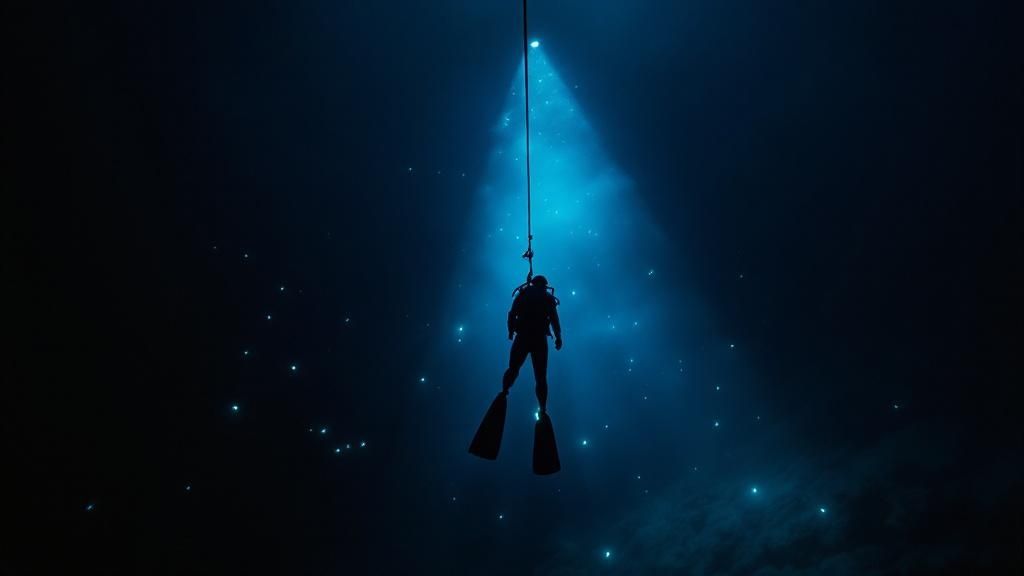
This dive intercepts the Diel Vertical Migration, the largest animal migration on Earth, which happens every single night. Countless tiny, alien-like organisms, from larval fish to translucent squids and bioluminescent jellyfish, rise from the depths to feed near the surface. It’s like floating through a living, breathing galaxy of deep-sea life, an experience that pushes the boundaries of traditional big island scuba diving.
Strategic Breakdown: Intercepting the Deep Sea
The genius of black water diving lies in its simple, effective strategy: go where the creatures are. Instead of exploring a stationary reef, the dive intercepts a massive, predictable biological event. Pioneers like photographer Jeff Milisen and operators such as Jack's Diving Locker transformed this concept into a recreational dive, realizing that Kona's deep, calm offshore waters were the perfect stage.
The strategy is to drift with the current, tethered to the boat, creating a stable platform in the open ocean. The down-lines and light systems act as a beacon, drawing in the migrating zooplankton and the strange predators that follow them. This turns a seemingly empty expanse of ocean into a condensed, observable ecosystem of creatures that most people, including scientists, rarely get to see alive in their natural habitat.
Actionable Tips for Your Black Water Dive
This is an advanced dive that requires specific preparation for a safe and rewarding experience.
- Hone Advanced Buoyancy: You will be floating in mid-water with no visual references besides the light and your guide. Perfecting your buoyancy control is non-negotiable to maintain your depth and avoid drifting away from the group.
- Prepare for the Elements: The open ocean can be choppy, and it can feel colder at night without a reef to block the current. Consider taking seasickness medication beforehand and wear adequate thermal protection, like a 5mm wetsuit.
- Choose a Specialist Operator: This is not a standard dive. Go with a company experienced in black water logistics. Kona Honu Divers offers an exceptional Kona Blackwater Dive tour designed for advanced divers seeking this unique thrill.
- Embrace the Macro World: Most creatures are tiny and transparent. A good macro photography setup with a powerful strobe is ideal. If you're not a photographer, bring a bright dive light to spot the intricate details of these otherworldly organisms.
Are you ready to explore the final frontier of night diving?
3. Cathedrals I & II (Lanai): Underwater Geological Wonders
While technically off the coast of Lanai, the Cathedrals are an essential pilgrimage for any serious diver visiting Hawaii, often accessed via charters from the Big Island. These world-renowned dive sites are not man-made structures but magnificent, naturally formed underwater lava tubes and caverns. The "cathedral" effect comes from sunlight piercing through holes in the cavern ceilings, creating ethereal, stained-glass-like light beams that illuminate the vast interior spaces.
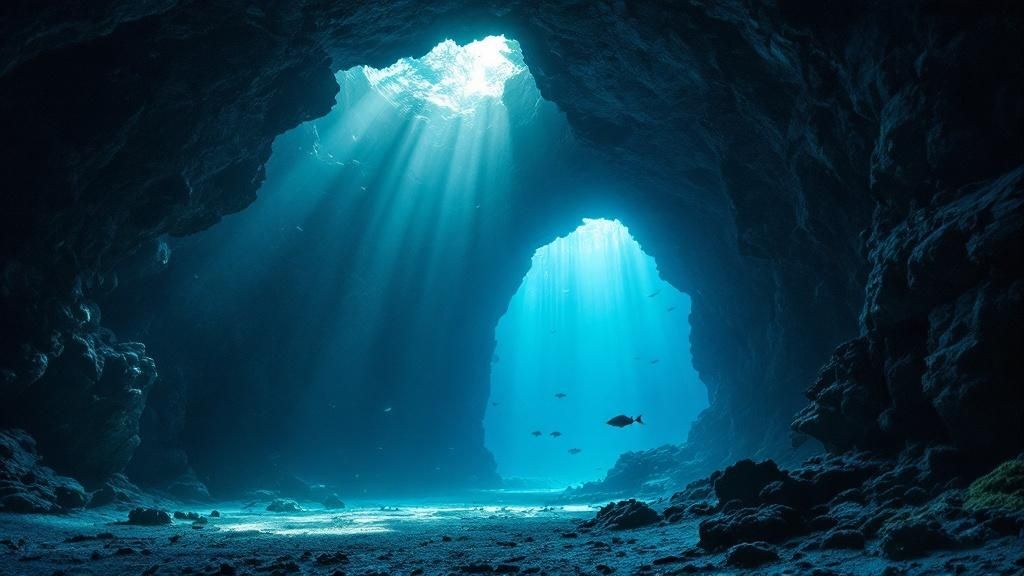
Divers can explore large, open chambers and intricate swim-throughs adorned with colorful sponges and corals. The unique geology provides a dramatic backdrop for a diverse array of marine life, including schools of fish, eels, and occasionally, reef sharks resting within the cavern's shadows. This combination of geological awe and vibrant marine ecosystems makes it a standout big island scuba diving day trip.
Strategic Breakdown: A Journey into Light and Lava
The allure of the Cathedrals lies in their dramatic topography, a direct result of volcanic activity. Over millennia, lava flows created massive hollow tubes. Parts of the ceilings collapsed, creating skylights and multiple entry/exit points for divers. This geological history provides a unique underwater environment that is both thrilling to explore and visually stunning.
The strategy for diving here is to follow the light. Guides lead divers through the main entrances into the cavernous rooms, often timing the dive to catch the sun at its peak angle for the most dramatic lighting effects. The experience is a masterclass in how natural light can transform an underwater landscape into something truly spiritual and breathtaking.
Actionable Tips for Your Cathedral Dive
This is an advanced dive that requires careful planning to be fully appreciated.
- Refine Advanced Buoyancy: Navigating the swim-throughs and delicate cavern environments requires exceptional buoyancy control. Practice hovering and fine-tuning your position to avoid contact with the fragile lava rock formations and marine life. This is a perfect opportunity to consider an advanced dive tour to sharpen your skills.
- Pack a Wide-Angle Lens: To capture the scale and grandeur of the caverns and light rays, a wide-angle lens for your underwater camera is essential. Standard lenses simply cannot do justice to the immense sense of space inside.
- Prepare for the Crossing: The boat ride from Kona to Lanai crosses the 'Alenuihāhā Channel, which can be choppy. If you are prone to seasickness, take medication beforehand to ensure you are comfortable and ready to dive upon arrival.
- Book a Full-Day Trip: Don't rush this experience. A full-day charter allows for a more relaxed pace, multiple dives, and the chance to fully soak in the beauty of both the Cathedrals and the journey itself.
Ready for a dive that feels like exploring another world?
4. Kealakekua Bay (Captain Cook Monument): A Pristine Marine Sanctuary
Kealakekua Bay, a designated Marine Life Conservation District, is a place where history and vibrant marine life converge. Known for its exceptional water clarity, often exceeding 100 feet, this protected bay offers one of the most pristine environments for Big Island scuba diving and snorkeling. The calm, sheltered waters make it an underwater paradise, teeming with colorful coral gardens and dense schools of tropical fish.
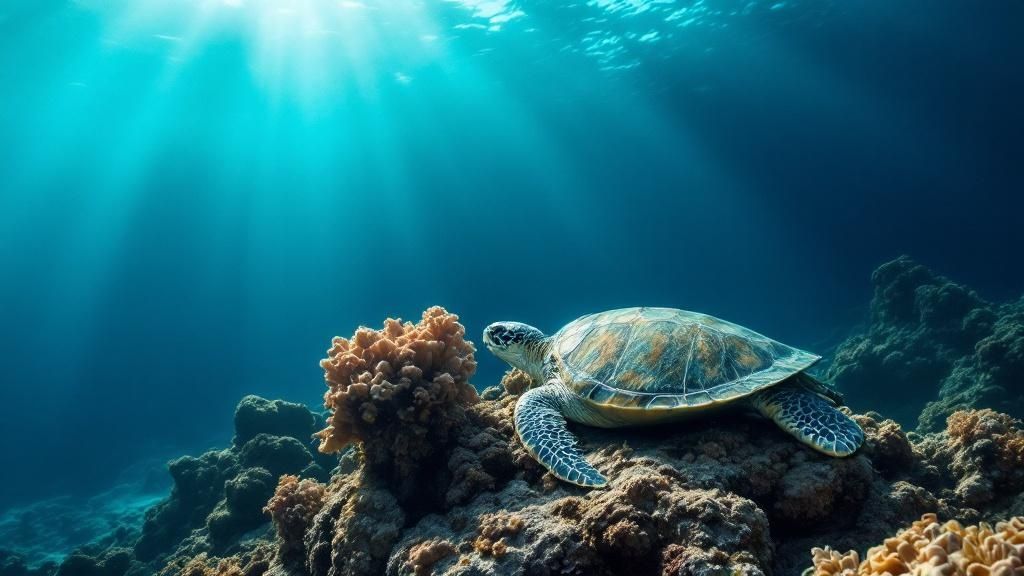
The bay is also home to the iconic Captain Cook Monument, marking the location where the British explorer first landed on the island and was later killed. This blend of profound historical significance and breathtaking natural beauty creates a truly unique and memorable dive experience that feels like swimming through a living aquarium.
Strategic Breakdown: Protection Fuels Abundance
The incredible biodiversity at Kealakekua Bay is a direct result of its protected status. As one of Hawaii’s first Marine Life Conservation Districts (MLCD), strict regulations prohibit fishing and limit access, allowing the marine ecosystem to flourish without pressure. This conservation-first strategy has fostered a healthy and robust fish population that is noticeably more abundant and less skittish than in other areas.
Operators like Fair Wind Cruises and Sea Paradise have built their tours around this principle of respectful observation. By providing boat-only access, they manage the human footprint and educate visitors on the importance of preservation. The strategy is clear: protect the environment, and it will reward you with unparalleled natural encounters, ensuring the site's longevity as a top-tier destination.
Actionable Tips for Your Kealakekua Dive
To make the most of your visit to this historic and ecological treasure, a bit of planning goes a long way.
- Opt for Boat Access: The hike down to the monument is strenuous and challenging. A boat tour is not only easier but also provides all necessary gear, food, and facilities for a comfortable and enjoyable day. To explore your options, you can learn more about a Captain Cook snorkeling tour and its benefits.
- Respect the Sanctuary: As an MLCD, there are strict rules. Do not touch or stand on the coral, do not feed the fish, and do not remove anything from the bay. Your responsible behavior helps preserve this special place for future generations.
- Use Reef-Safe Sunscreen: Chemical sunscreens can harm delicate coral reefs. Apply only mineral-based, reef-safe sunscreen at least 30 minutes before entering the water to ensure it's effective and won't wash off.
- Book an Early Trip: Morning tours often provide the calmest water conditions and the best visibility before the afternoon winds pick up. Booking in advance is essential as this is a highly popular destination.
Ready to dive into history and witness this thriving underwater ecosystem?
5. Turtle Pinnacle (Turtle Heaven): An Encounter with Ancient Mariners
Turtle Pinnacle, affectionately known as Turtle Heaven, is a must-visit site for any diver exploring the Kona coast. This submerged lava rock pinnacle is a natural sanctuary for the beloved Hawaiian Green Sea Turtle, or honu. The site functions as a vital "cleaning station" where turtles gather to have parasites and algae removed by surgeonfish and other small reef dwellers, offering divers a front-row seat to this fascinating symbiotic behavior.
The pinnacle rises from a sandy bottom at around 45 feet to just 25 feet below the surface, creating a concentrated hub of activity. On any given dive, it's common to see multiple turtles resting peacefully on the structure, cruising gracefully through the water column, or queuing up for their turn at the cleaning station. This consistent and intimate access makes it a cornerstone of Big Island scuba diving.
Strategic Breakdown: A Natural Aggregation Point
The success of Turtle Pinnacle as a premier dive site stems from its unique topography and biological importance. The pinnacle acts as an oasis on the relatively flat surrounding seascape, naturally drawing in marine life. For the honu, it’s more than just a landmark; it’s a critical service center.
This natural aggregation, deeply respected in Hawaiian culture where honu are considered sacred ʻaumākua (ancestral spirits), has been carefully protected and promoted by local dive operators. By establishing this site as a key stop on their charters, companies like Big Island Divers and Kona Diving Company have turned a natural phenomenon into a reliable and breathtaking attraction for divers from around the world. The strategy is to showcase and protect a natural wonder, ensuring the turtles remain undisturbed and the site stays pristine.
Actionable Tips for Your Turtle Dive
To ensure a respectful and rewarding dive with these gentle giants, keep these key points in mind.
- Respect the Honu: Always maintain the legally required distance of at least 10 feet. Never touch, chase, or block a turtle's path. Your calm and respectful presence ensures the turtles remain comfortable and the encounters feel natural.
- Slow Your Roll: Move slowly, control your breathing, and avoid sudden movements. The less threatening you appear, the more likely the turtles will go about their business, allowing for incredible photo opportunities and observation.
- Perfect Your Buoyancy: The pinnacle is a delicate ecosystem. Practice neutral buoyancy to avoid accidentally kicking the coral or stirring up sand, which can disrupt the cleaning process and damage the habitat.
- Visit with a Pro: Diving with an experienced local guide is invaluable. They can point out subtle behaviors, identify different turtles, and ensure your dive is conducted in a way that is safe for both you and the marine life.
Ready to meet the graceful honu of Turtle Pinnacle?
6. Puako Coral Gardens: A Thriving Underwater Metropolis
Puako Coral Gardens stands out as one of the most vibrant and accessible reef systems for Big Island scuba diving, particularly along the sun-drenched Kohala Coast. This site is celebrated for its sprawling hard coral formations thriving in shallow, clear waters. Descending here feels like entering an underwater city, with intricate structures of finger, cauliflower, and plate corals creating a complex and beautiful ecosystem.
The easy shore access and relatively protected conditions make it an ideal spot for divers of all levels. For beginners, it’s a gentle introduction to Hawaii’s marine world, while seasoned divers will be captivated by the sheer density and health of the coral. The gardens are teeming with life, from colorful reef fish darting between coral heads to graceful green sea turtles gliding by.
Strategic Breakdown: Accessibility Meets Biodiversity
The brilliance of Puako lies in its unique combination of accessibility and ecological richness, a strategy fostered by both nature and the local community. The site's near-shore location and shallow depths make it a prime location for shore diving, eliminating the need for a boat and making it a go-to for independent divers and training agencies like Kohala Divers.
This accessibility has turned Puako into a living classroom. Dive shops use it for certification courses, and marine biology students study its robust coral diversity. The local Puako community has been instrumental in maintaining public access points, ensuring this natural treasure remains available for respectful exploration. While Hawaii's Big Island boasts incredible coral gardens, you might also be interested to explore other vibrant coral coast destinations around the world.
Actionable Tips for Your Puako Dive
To make the most of your dive and protect this fragile environment, a mindful approach is crucial.
- Perfect Your Buoyancy: The coral here is dense and delicate. Flawless buoyancy control is non-negotiable to avoid accidentally kicking or touching the formations. Practice hovering and fine-tuning your weighting before you get close to the reef.
- Plan Your Entry and Exit: The shoreline is rocky. Scout your entry and exit points before gearing up. A calm, methodical approach will prevent slips and protect both you and your equipment.
- Dive Early: The best conditions are typically found in the early morning. You’ll be rewarded with calmer seas, better visibility, and fewer crowds, enhancing your experience of this premier Big Island scuba diving location.
- Respect the Environment: The health of this reef depends on us. Use only reef-safe sunscreen, pack out everything you bring in, and never touch or stand on the coral.
Ready to explore one of the Big Island's most beautiful shore dives?
7. Golden Arches (Two Step): Premier Shore Diving Access
Golden Arches, more famously known as "Two Step," is a quintessential Big Island shore dive located in the pristine waters of Honaunau Bay. Adjacent to the historic Pu'uhonua o Honaunau National Historical Park, this site earned its nickname from the two natural lava rock steps that offer one of the easiest and most convenient water entries on the entire Kona coast. It's a favorite for both divers and snorkelers.
Underwater, the site is a vibrant playground of volcanic topography and abundant marine life. Divers can explore a network of lava arches and swim-throughs that create a stunning visual effect as sunlight filters through them. The healthy coral reef is home to a vast diversity of fish, eels, and often resting green sea turtles, making every dive a unique exploration.
Strategic Breakdown: Accessibility Meets Abundance
The enduring popularity of Two Step lies in its perfect blend of easy access and high-quality diving. Unlike many shore dives that require long hikes or difficult entries, Two Step allows divers to simply walk in and start their adventure. This accessibility has made it a cornerstone of the Kona diving community.
This strategic location is leveraged by local dive shops for certification check-out dives, by visiting divers looking for a great self-guided tour, and by local clubs as a reliable meeting spot. Its reputation, spread through guidebooks and word-of-mouth, ensures a steady stream of visitors, cementing its status as a must-do dive for anyone exploring Big Island scuba diving from the shore.
Actionable Tips for Your Two Step Dive
To maximize your enjoyment and safety at this popular site, a little planning goes a long way.
- Arrive Early: Parking is limited and fills up quickly, especially on weekends and holidays. An early start ensures you get a spot and enjoy the water before it gets crowded.
- Wear Proper Footwear: The entry is over lava rock. Sturdy water shoes or dive booties are essential to protect your feet as you navigate the "two steps."
- Practice Buoyancy Control: The lava formations and coral are fragile. Maintain excellent buoyancy to avoid accidental contact that could damage the delicate ecosystem or yourself.
- Check Conditions: While often calm, conditions can change. Always check the surf and current reports before entering the water. Your safety is paramount.
- Respect the Area: You are adjacent to a sacred Hawaiian historical site. Be respectful of the cultural significance, pack out everything you bring in, and leave no trace.
Want to explore more incredible spots like this? Discover the best shore diving on the Big Island has to offer. Learn more about the best shore diving on the Big Island on konahonudivers.com.
8. Suck ’em Up Cavern: An Advanced Lava Tube Adventure
For thrill-seeking divers with advanced training, Suck 'em Up Cavern offers one of the most dynamic and memorable dives on the Big Island. This isn't a gentle reef tour; it's an exciting exploration of an underwater lava tube system. The cavern gets its evocative name from the powerful surge that, under the right conditions, can pull divers into its main chamber.
Inside, divers are rewarded with a labyrinth of swim-throughs and chambers. Beams of sunlight pierce through cracks in the ceiling, creating dramatic, cathedral-like lighting effects against the dark volcanic rock. This site showcases the raw geological forces that shaped Hawaii and provides an unparalleled cavern diving experience for those prepared for its unique challenges.
Strategic Breakdown: Mastering a Dynamic Environment
Success at Suck 'em Up is entirely dependent on timing, skill, and expert local knowledge. The dive is a test of a diver's ability to navigate an overhead environment while managing the powerful forces of ocean surge. The "suck-in" effect is caused by wave action pushing water into the cavern and then pulling it back out, creating a strong, rhythmic flow.
Expert local guides and technical divers have mastered this site by meticulously studying tidal patterns and swell forecasts. They know the precise conditions required for a safe entry and exit. The strategy is not to fight the surge, but to use it, timing your movements with the ocean's natural rhythm to glide effortlessly through the passages. This makes it a popular training ground for advanced certifications.
Actionable Tips for Your Cavern Dive
This dive is for experienced divers only and should never be attempted without a professional guide.
- Dive with a Local Expert: This is non-negotiable. Only dive this site with a reputable guide who has extensive experience with Suck 'em Up's specific conditions. They will make the crucial go/no-go decision based on the day's surge.
- Refine Advanced Skills: Perfect buoyancy, trim, and propulsion techniques like the frog kick are essential to avoid stirring up silt and to navigate tight spaces without damaging the environment or your gear.
- Carry Redundant Lighting: An overhead environment requires reliable light. Carry a primary dive light and at least one backup, ensuring both are fully charged before the dive.
- Respect the Overhead: Always remember your cavern and cave diving training. Maintain a continuous guideline to the exit, manage your gas supply conservatively, and stay well within your training limits. For those looking to build these skills, consider an advanced dive tour to hone your abilities.
Ready for an advanced challenge?
Top 8 Big Island Scuba Dive Site Comparison
| Dive Site | Implementation Complexity 🔄 | Resource Requirements ⚡ | Expected Outcomes 📊 | Ideal Use Cases 💡 | Key Advantages ⭐ |
|---|---|---|---|---|---|
| Manta Ray Night Dive at Kona | Moderate – night dive, requires night cert | Moderate – dive gear, underwater lights, operator access | High – 95% manta encounters, unforgettable experience | Beginners to advanced divers seeking wildlife | Consistent sightings, year-round availability |
| Black Water Diving (Pelagic Magic) | High – advanced, tethered open ocean night dive | High – advanced certification, specialized equipment | Unique rare species encounters, research contribution | Advanced divers and underwater photographers | Rare pelagic species, exclusive experience |
| Cathedrals I & II (Lanai) | Moderate to High – boat trip, currents | Moderate to High – boat access, advanced diver skills | Spectacular geology, diverse marine life | Intermediate to advanced divers wanting topography | Dramatic formations, excellent visibility |
| Kealakekua Bay (Captain Cook Monument) | Low – shore/boat dive, suitable for all levels | Low to Moderate – boat access recommended | Exceptional clarity, abundant tropical reef fish | Beginners to advanced, snorkelers, cultural tourists | Protected ecosystem, cultural significance |
| Turtle Pinnacle (Turtle Heaven) | Low – easy dive, open water | Low – basic dive certification, close to shore | Consistent turtle encounters, educational opportunities | Beginners and all skill levels seeking turtles | High sighting rate, calm conditions |
| Puako Coral Gardens | Low – shore dive, easy entry | Low – shore access, minimal gear beyond basics | Vibrant coral reef, training-friendly | Beginners, training dives, coral enthusiasts | Shore accessible, excellent coral diversity |
| Golden Arches (Two Step) | Low – shore dive, easy entry | Low – minimal gear, shore accessible | Good marine life, geological features | All skill levels, convenient shore diving | Free access, easy entry, popular site |
| Suck 'em Up Cavern | High – advanced cavern diving, overhead env. | High – technical certifications, multiple lights required | Challenging dive, dramatic formations | Advanced technical and cavern divers | Unique cavern experience, low crowd factor |
Your Next Dive Adventure Awaits
The volcanic slopes of Hawaii's Big Island don't just create breathtaking landscapes above the water; they forge an unparalleled underwater realm below. From the ghostly ballet of the Manta Ray Night Dive to the alien-like creatures of a Black Water Dive, the Kona coast delivers a diverse and unforgettable portfolio of world-class dive experiences. We've explored the vibrant coral gardens of Puako, the dramatic lava architecture of Golden Arches, and the sacred, teeming waters of Kealakekua Bay. Each site tells a unique story of geological creation and vibrant marine life.
The key takeaway from this comprehensive guide is that Big Island scuba diving is not a monolithic experience. It's a spectrum of adventures, catering to every diver, from the newly certified to the seasoned veteran seeking a new frontier. Whether your passion is navigating lava tubes, photographing endemic fish, or simply floating alongside a majestic sea turtle, the island has a dive site perfectly suited to your aspirations. Your journey beneath the waves is limited only by your time and your sense of adventure.
From Inspiration to Action: Planning Your Dive Trip
Translating this inspiration into a real-world dive plan is your next step. The most critical decision you'll make is choosing a dive operator who prioritizes safety, sustainability, and creating a truly exceptional customer experience. A great charter company doesn't just take you to a location; they enhance your understanding of the marine ecosystem, ensure your comfort and safety, and share a genuine passion for the ocean. They are your gateway to accessing these incredible underwater wonders responsibly.
With a reputation built on excellence and a deep love for Hawaii's marine life, Kona Honu Divers consistently delivers this premium experience. Their knowledgeable crew, comfortable and well-equipped boats, and access to a wide range of dive sites make them a top choice for anyone serious about exploring the best of Kona's underwater world.
Your Personalized Dive Itinerary
Now is the time to design your perfect Big Island scuba diving adventure. Consider what excites you most:
- For the Thrill-Seeker: The world-famous Manta Ray Night Dive is an absolute must. For an even more unique challenge, the Black Water Dive into the deep ocean abyss is an experience unlike any other.
- For the Explorer: Advanced divers will revel in the dramatic topography and potential for pelagic encounters on a premium advanced dive tour, exploring more remote and challenging sites.
- For Everyone: The classic two-tank morning or afternoon dive is the perfect way to explore iconic reefs, see turtles, and immerse yourself in the vibrant underwater scenery of the Kona coast.
The waters of Hawaii are calling. They hold ancient lava formations, vibrant coral reefs, and encounters with some of the most majestic creatures in the ocean. This is more than just a vacation activity; it's an opportunity to connect with a powerful and pristine natural world. The memories you make here, floating in the deep blue, will stay with you long after you've dried off.
The adventure has been laid out before you. The dive sites are waiting. Your next step is to take the plunge.
Ready to turn your dream dive trip into a reality? Explore the full range of Big Island scuba diving charters with the expert crew at Kona Honu Divers. Their commitment to safety, small group sizes, and passion for Hawaii's marine life ensures you'll have an unforgettable underwater adventure.