
The Big Island of Hawaii offers more than just stunning volcanoes and lush rainforests; it's a premier global destination for underwater adventure. Thanks to its volcanic origins, the island features a dramatic submarine landscape defined by intricate lava tubes, impressive arches, and vast, vibrant coral reefs teeming with endemic marine life. The Kona coast, in particular, is a diver's paradise. Sheltered from the prevailing trade winds, its waters are typically calm and exceptionally clear, with visibility often surpassing 100 feet, creating ideal conditions for unforgettable dives.
This unique underwater topography makes big island scuba diving a truly unparalleled experience for divers of every skill level. Whether your dream is to gracefully swim alongside gentle giants during the world-famous Manta Ray Night Dive, explore the pristine and protected coral gardens of its famous bays, or plunge into the deep for a surreal black water dive, the Kona coast delivers. This guide is your ultimate resource, detailing seven of the most epic dive sites the Big Island has to offer.
We will provide an insider’s look at what makes each location a must-visit, from the specific marine life you’ll encounter to practical, actionable tips for planning your underwater excursions. From beginner-friendly reefs to challenging sites for the more experienced diver, prepare to discover why Hawaii's aquatic realm is a diver's dream. To see a full range of expertly guided trips, explore the local diving tours page and start planning your adventure today.
1. Kealakekua Bay: A Pristine Marine Sanctuary
Kealakekua Bay is more than just a beautiful spot; it's a designated Marine Life Conservation District, making it a cornerstone experience for anyone interested in Big Island scuba diving. Its protected status has cultivated an incredibly healthy and vibrant underwater ecosystem. Divers are greeted by vast, thriving coral gardens teeming with a kaleidoscope of reef fish, from yellow tangs to parrotfish. The bay's unique geography shelters it from strong currents and swells, resulting in exceptionally calm and clear water, with visibility frequently extending beyond 100 feet. This pristine clarity makes it a paradise for underwater photographers and those who simply want to soak in the stunning marine scenery.
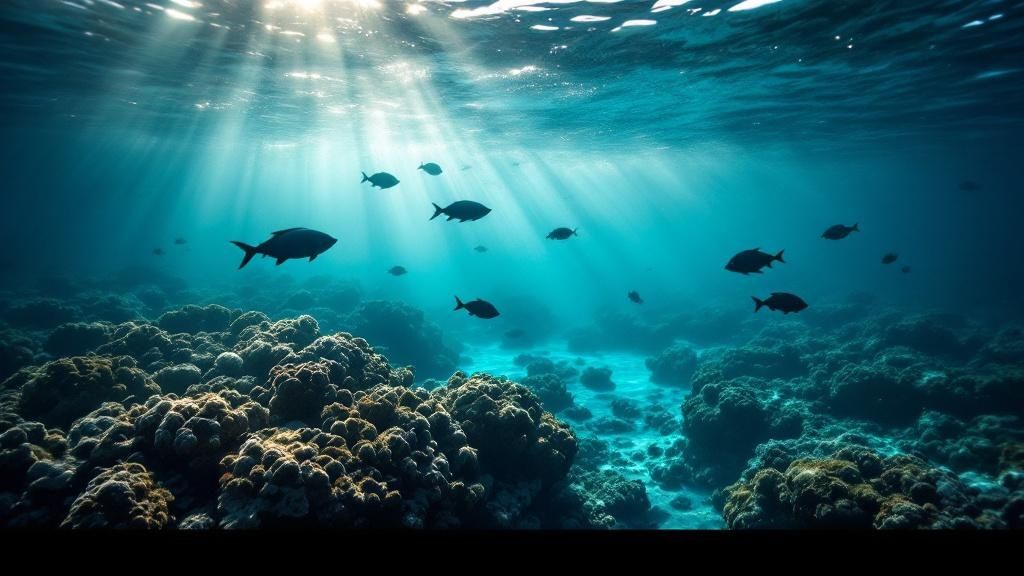
The bay is also rich in Hawaiian history, marking the location where Captain James Cook first made contact with the islands in 1779 and where he was later killed. The iconic white obelisk monument on the shore serves as a poignant reminder of this history, adding a layer of cultural significance to every dive.
Why Dive Kealakekua Bay?
This location is an essential dive for several reasons. The protected status means the coral reef is in near-perfect condition, offering a glimpse into what Hawaii's reefs looked like centuries ago. The calm conditions are ideal for divers of all skill levels, from those just getting certified to seasoned veterans looking for a relaxed, beautiful dive. It's not uncommon for pods of spinner dolphins to frequent the bay, often putting on an acrobatic show for boaters and divers at the surface.
Actionable Tips for Your Dive
To make the most of your Kealakekua Bay scuba diving adventure, consider these practical tips:
- Book a Boat Tour: Access to the best parts of the bay is almost exclusively by boat. Operators like Kona Honu Divers offer guided scuba diving tours that handle all the logistics.
- Go Early: An early morning departure often means calmer waters, fewer crowds, and more active marine life.
- Respect the Sanctuary: As a Marine Life Conservation District, there are strict rules. Do not touch, chase, or harass any marine life, and never touch or stand on the coral.
- Bring a Camera: The exceptional visibility and abundant wildlife provide some of the best underwater photo opportunities on the Big Island.
The bay’s combination of historical importance, protected marine life, and outstanding conditions solidifies its place as a top-tier dive site. For those interested in the diverse tour options available, you can learn more about the best Kealakekua Bay snorkeling tours, which often share the waters with dive boats.
2. Menta Ray Night Dive: An Otherworldly Ballet
Often cited as one of the top night dives in the world, the Manta Ray Night Dive is an iconic experience that defines Big Island scuba diving. This surreal encounter takes place just off the Kona coast, where powerful underwater lights are set up on the ocean floor, attracting massive blooms of plankton. This plankton buffet, in turn, draws in majestic Pacific manta rays, some with wingspans stretching up to 20 feet. Divers settle on the sandy bottom in a circle around the lights and watch in awe as these gentle giants gracefully swoop, glide, and barrel-roll just inches above their heads, feeding in the illuminated water column.
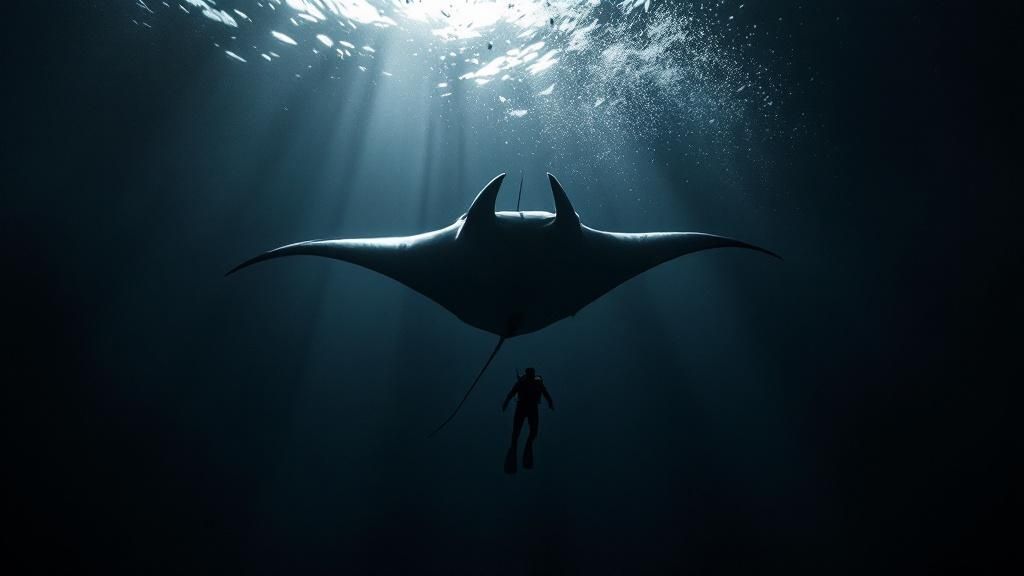
The experience is nothing short of magical, often described as an underwater ballet. The predictable gathering of these creatures, famously featured in documentaries by the BBC and National Geographic, has made Kona one of the most reliable places on Earth for manta ray encounters. The dive is a testament to a unique symbiosis between human activity and marine life, creating an unforgettable spectacle.
Why Do the Manta Ray Night Dive?
This dive is a must-do for its sheer uniqueness and emotional impact. Unlike fleeting wildlife encounters, this experience provides extended, up-close observation of one of the ocean's most graceful inhabitants in a controlled and safe environment. The consistency of the sightings, cultivated over decades, means divers have an exceptionally high chance of a breathtaking encounter. It's a bucket-list dive that appeals to everyone from newly certified divers to seasoned professionals, offering a powerful connection to the marine world.
Actionable Tips for Your Dive
To ensure a spectacular and responsible manta ray night dive, follow these essential tips:
- Choose a Reputable Operator: The experience is highly dependent on the operator. Companies like Kona Honu Divers are well-regarded for their commitment to manta ray safety and education.
- Get Comfortable with Night Diving: While many operators welcome all certification levels, having an Advanced Open Water or Night Diver specialty certification will increase your comfort and confidence in the water after dark.
- Practice Passive Interaction: This is the golden rule. Do not touch, chase, or impede the mantas' movements. Let them approach you. Keep your hands to yourself and stay low to the seafloor.
- Relax and Enjoy the Show: Find your spot on the sand, control your buoyancy, and simply watch. The less you move, the closer the mantas are likely to come.
This world-famous dive offers more than just a thrilling adventure; it's a profound experience that fosters a deep appreciation for marine conservation and the gentle giants of the ocean.
3. Cathedrals I & II (Lanai): A Journey into Lava Tubes
While technically located off the coast of Lanai, the Cathedrals are often accessible via full-day trips from Kona, making them a sought-after experience for those enjoying Big Island scuba diving. These world-renowned sites are famous for their dramatic underwater lava formations. Eons of volcanic activity have created massive caverns and swim-throughs that resemble submerged cathedrals, complete with light filtering through the "ceilings" to create ethereal, stained-glass window effects on the cavern floor. The unique geology provides a dive experience unlike any other in Hawaii.
Cathedral I is a vast, open cavern with a large "altar" rock in the center and multiple exits, making it very accessible. In contrast, Cathedral II offers a more complex network of tunnels and smaller chambers, appealing to divers with solid buoyancy and a taste for exploration. Both sites are home to a variety of marine life seeking shelter within the lava tubes, including lobsters, ghost shrimp, and countless reef fish.
Why Dive Cathedrals I & II?
This dive is essential for adventure-seekers and underwater photographers. The dramatic play of light and shadow inside the lava tubes creates unparalleled photographic opportunities. The sheer scale of the formations is breathtaking and offers a unique glimpse into the volcanic forces that shaped the Hawaiian Islands. Because these sites require more advanced skills, they are often less crowded than more accessible Kona dive sites, offering a more serene and personal underwater experience. This is a bucket-list dive for anyone looking for something truly extraordinary.
Actionable Tips for Your Dive
To properly prepare for a dive at the Lanai Cathedrals, keep these key tips in mind:
- Book a Full-Day Trip: Due to the distance, accessing the Cathedrals from Kona requires a dedicated full-day charter. Operators specializing in advanced dives, such as those found on the advanced dive tour page, are your best bet.
- Bring an Underwater Light: While natural light filters in, a good dive torch is essential to explore the darker crevices and truly appreciate the vibrant colors of the invertebrates living inside the caverns.
- Master Your Buoyancy: Excellent buoyancy control is non-negotiable. You will be navigating tight spaces and fragile lava formations, so the ability to hover effortlessly is crucial for your safety and the preservation of the site.
- Check Conditions: The channel between the islands can be rough. Dive operators will only make the trip if conditions are favorable, so be flexible with your schedule.
The combination of unique underwater topography and the sense of adventure makes the trip to Cathedrals I & II a highlight of any Hawaiian diving vacation.
4. Black Water Diving: An Otherworldly Pelagic Encounter
Black Water Diving is not just a night dive; it’s an expedition into a completely different world. This unique experience, pioneered in Hawaii by operators like Kona Honu Divers, takes Big Island scuba diving into the deep open ocean. After sunset, divers are taken miles offshore where the seafloor is thousands of feet below. Tethered to the boat for safety, you descend to about 40-50 feet and drift in the dark, open water, illuminated only by powerful downlights from the boat and your own dive torch. The goal is to witness one of the planet's largest migrations: the daily vertical movement of deep-sea creatures toward the surface to feed.
This dive is a macro photographer's dream, attracting renowned photographers like Jeff Milisen and Steven Kovacs. It offers encounters with bizarre and beautiful pelagic life rarely seen by humans. You'll float among gelatinous siphonophores, iridescent ctenophores, and translucent larval fish that look like alien creatures. Every moment brings something new and unexpected into the light, making it one of the most exciting and surreal dives available.
Why Do a Black Water Dive?
This is a must-do for adventurous divers seeking an unparalleled thrill. Unlike a reef night dive where the environment is familiar, a black water dive suspends you in the vast pelagic zone. You are observing a fundamental process of the ocean's food web in real-time. The creatures you'll see are often in their larval stages, providing a fascinating glimpse into the life cycles of many marine species. It's a challenging yet incredibly rewarding dive that pushes the boundaries of typical recreational scuba.
Actionable Tips for Your Dive
To ensure a safe and unforgettable black water diving experience, proper preparation is key:
- Gain Experience: Most operators require an Advanced Open Water certification and recent night diving experience. Excellent buoyancy control is non-negotiable.
- Manage Seasickness: The boat will be drifting in open ocean swells. If you are prone to motion sickness, take medication well in advance.
- Master Your Camera: If you're into photography, bring a macro setup. Practice your settings and handling in the dark beforehand, as the opportunities are fleeting.
- Trust Your Guide: Listen carefully to the briefing and stay close to the tether system. Your guides are experts in this highly specialized environment.
This dive is a signature Kona experience that offers a glimpse into the mysterious deep sea. To learn more about this unique adventure, you can explore the details of the Kona Blackwater Dive tour. For those looking to book this incredible trip, Kona Honu Divers is a top choice.
5. Puako Reef: The Accessible Shore Diving Haven
Puako Reef offers some of the most accessible and rewarding shore diving experiences on the island, making it a standout location for Big Island scuba diving. Located on the Kohala Coast, this extensive fringing reef system runs parallel to the shore, providing a long and diverse underwater landscape to explore. Its easy entry points and generally calm conditions make it a favorite for divers of all levels, from those completing their first open water certifications to seasoned veterans seeking a convenient and beautiful dive without the need for a boat.
The reef itself is a vibrant tapestry of coral formations, featuring intricate canyons, arches, and ledges that shelter an impressive array of marine life. Divers can expect to see green sea turtles, moray eels, and a wide variety of reef fish, including butterflyfish and Moorish idols. The shallow inner reef gradually slopes to deeper sections, offering varied topography and depth profiles suitable for different dive plans and skill sets.
Why Dive Puako Reef?
This site is a must-visit for its sheer convenience and rich biodiversity. Being one of the top shore dives on the island means you can dive on your own schedule, making it perfect for those who prefer more independence. Its reputation for being a fantastic training ground means it is frequently used by local dive shops, such as Kohala Divers, for certification courses. The easy access combined with the high-quality reef makes it a consistently excellent choice for an underwater adventure.
Actionable Tips for Your Dive
To ensure a safe and enjoyable dive at Puako Reef, keep these practical tips in mind:
- Use Designated Access Points: Public shore access points are marked along Puako Beach Drive. Respect private property and use only these designated entries.
- Wear Proper Footwear: The shoreline entry can be rocky with sharp lava rock. Sturdy dive booties are essential for protecting your feet.
- Check Ocean Conditions: While often calm, conditions can change. Always check the surf and current reports before heading out. Safety first!
- Explore North or South: Depending on your entry point, you can explore the reef in either direction. The reef structure is fantastic along the entire coastline.
Puako's combination of easy access, healthy reef system, and abundant marine life makes it an essential stop for any diver’s itinerary. For those looking to explore more of the island's incredible coastline, you can learn more about the best shore diving on the Big Island.
6. Red Hill (Puako): A Geologic Shore Diving Wonderland
For divers who appreciate dramatic underwater landscapes, Red Hill in Puako offers one of the most compelling shore diving experiences in all of Hawaii. This site, a favorite among local divers and those featured in shore diving guidebooks, is defined by its stunning geological formations. The name comes from the distinct reddish lava rock visible along the coast, a feature that extends beneath the waves to create an intricate maze of lava tubes, arches, caves, and swim-throughs. This complex topography makes every dive a thrilling exploration of the Big Island's volcanic origins.
The lava structures at Red Hill are not just visually spectacular; they provide a perfect habitat for a diverse array of marine life. Healthy coral colonies cling to the volcanic rock, and the numerous crevices and caverns offer shelter to everything from resting white-tip reef sharks to shy octopuses and colorful nudibranchs. Exploring this underwater labyrinth provides a unique and adventurous alternative to the typical reef dives, making it a standout for Big Island scuba diving.
Why Dive Red Hill (Puako)?
Red Hill is an essential dive for those seeking adventure and a deeper connection to the island's volcanic heart. It’s a prime example of how lava flows create dynamic and exciting underwater environments. The site is often used for advanced training courses due to its complexity, offering a rewarding challenge for experienced divers. Exploring the swim-throughs and seeing sunlight filter through ancient lava tubes is an unforgettable experience that few other sites can match. The easy shore access also makes it convenient for divers who prefer to operate on their own schedule rather than depending on a boat charter.
Actionable Tips for Your Dive
To safely and fully enjoy your shore dive at Red Hill, preparation is key. Consider these practical tips:
- Plan Your Route: The underwater terrain is complex. Study a map of the site beforehand and plan your general route to avoid getting disoriented in the maze of lava formations.
- Bring an Underwater Light: A good dive light is essential for peering into the dark caverns and appreciating the vibrant colors of the marine life hidden within the caves and overhangs.
- Dive with an Experienced Buddy: This is not an ideal site for a solo dive or for two inexperienced divers. Go with someone who knows the area or is a confident navigator.
- Protect Yourself: The entry and exit points can be over sharp lava rock. A full wetsuit, gloves, and sturdy booties are highly recommended for protection against scrapes.
Due to its intricate nature and potential for overhead environments, divers seeking to explore sites like Red Hill can benefit from specialized training. For those looking to build their skills, guided advanced dive tours can provide the necessary experience and supervision.
7. Turtle Pinnacle: An Unforgettable Honu Encounter
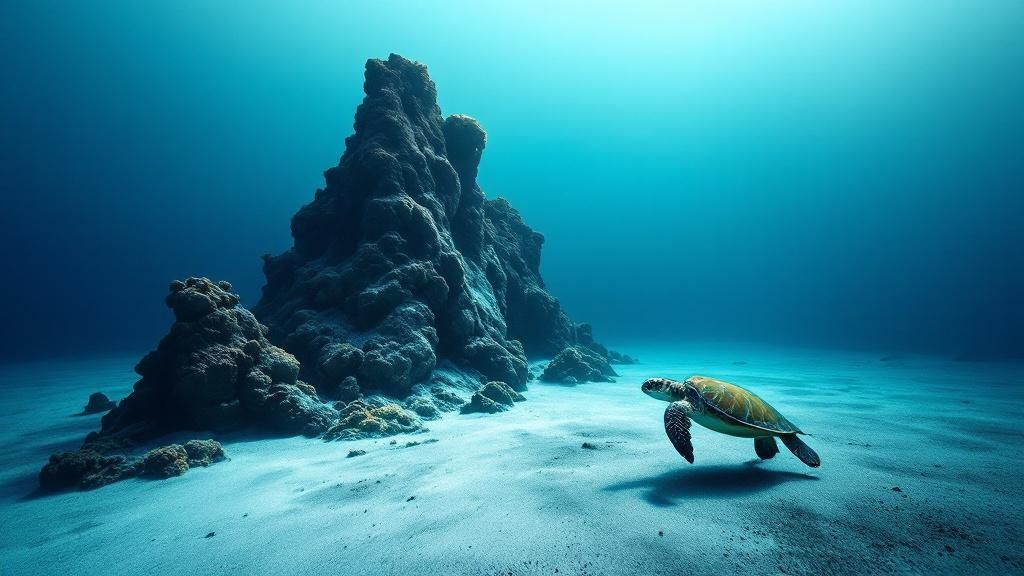
A true highlight of Big Island scuba diving, Turtle Pinnacle is a submerged lava formation off the Kona Coast that acts as a magnet for Hawaiian green sea turtles (honu). This underwater mountain, or "pinnacle," rises from the depths to about 35 feet below the surface, creating a unique cleaning station. Here, turtles gather to have algae and parasites cleaned off their shells by surgeonfish and other reef dwellers, offering divers a front-row seat to this fascinating symbiotic relationship. The site's topography, with its coral-encrusted peaks and sandy surrounding bottom, supports a rich and diverse marine ecosystem beyond just turtles.
This incredible natural behavior makes Turtle Pinnacle a cornerstone dive for marine life enthusiasts and underwater photographers. The sheer number of turtles often present at one time is astounding, and their calm, graceful demeanor allows for respectful, close observation. The pinnacle itself is adorned with healthy coral formations, and divers can also spot eels, octopuses, and a wide variety of colorful reef fish navigating the volcanic structure.
Why Dive Turtle Pinnacle?
Turtle Pinnacle is essential for anyone wanting guaranteed and meaningful encounters with Hawaiian green sea turtles in their natural habitat. Unlike a fleeting glimpse, this site allows you to observe their behavior for an extended period. The relatively shallow depth of the pinnacle's peak makes it an accessible dive for all certification levels, providing excellent lighting and longer bottom times. It’s a perfect location for witnessing one of the most iconic and beloved creatures of the Hawaiian islands up close.
Actionable Tips for Your Dive
To ensure a safe and memorable dive at Turtle Pinnacle, keep these tips in mind:
- Choose a Reputable Guide: Boat access is the best way to dive this site. Professional charters like Kona Honu Divers are experts in navigating to the pinnacle and ensuring a safe dive.
- Practice Passive Observation: The honu are a protected species. Maintain a respectful distance, never touch them, and avoid blocking their path to the surface for air. Let them dictate the encounter.
- Master Your Buoyancy: The pinnacle is a delicate ecosystem. Excellent buoyancy control is crucial to avoid accidentally damaging the coral or disturbing the sandy bottom.
- Ready Your Camera: This is a premier spot for turtle photography. A wide-angle lens can capture the scale of the pinnacle, while a standard lens is perfect for capturing turtle portraits.
The site’s unique function as a cleaning station and its high density of honu make it a truly special and unforgettable part of the Big Island scuba diving experience.
Top 7 Big Island Dive Sites Comparison
| Dive Site | Implementation Complexity 🔄 | Resource Requirements ⚡ | Expected Outcomes 📊 | Ideal Use Cases 💡 | Key Advantages ⭐ |
|---|---|---|---|---|---|
| Kealakekua Bay | Moderate – shore access requires hike and limited boat options | Moderate – boat tours or hike-in, underwater camera recommended | Clear waters, rich biodiversity, good for beginners | Beginners to intermediate divers, underwater photographers | Outstanding visibility, protected marine life, calm waters |
| Manta Ray Night Dive | High – night dive skills needed, certification advisable | High – night diving gear, boat, experienced guides | Reliable manta ray sightings, unique night dive experience | Intermediate to advanced divers, marine life enthusiasts | World-class manta encounters, high success rate, unique experience |
| Cathedrals I & II | High – boat trip from Big Island, complex cavern diving | High – boat, underwater lights, good buoyancy | Spectacular lava tube formations, swim-throughs | Intermediate to advanced divers, cavern explorers | Dramatic underwater architecture, excellent photo opportunities |
| Black Water Diving | Very High – advanced skills, night open ocean, tethered dive | Very High – advanced certification, specialized equipment | Rare pelagic life sightings, unique vertical migration observation | Advanced divers, underwater photographers, marine biologists | Rare marine life, educational and unique open ocean experience |
| Puako Reef | Low – shore diving with easy access | Low – shore gear, basic diving equipment | Diverse marine life, training-friendly conditions | All skill levels, certification training, budget divers | Easy shore access, good visibility, diverse marine habitats |
| Red Hill (Puako) | Moderate – shore dive with some challenging conditions | Moderate – shore gear, buoyancy control | Geological formations, diverse coral and fish life | Intermediate to advanced divers, geological enthusiasts | Dramatic lava formations, multiple swim-throughs, free shore dive |
| Turtle Pinnacle | Moderate – boat dive with some currents | Moderate – boat dive gear, good buoyancy | Frequent turtle encounters, varied habitats | All certified divers, turtle and underwater photographers | Reliable turtle sightings, diverse habitats, excellent visibility |
Ready to Dive In? Planning Your Big Island Adventure
The Kona and Kohala coasts of Hawaii's Big Island are more than just a destination; they are a gateway to an unparalleled underwater universe. From the historically rich and vibrant reefs of Kealakekua Bay to the otherworldly abyss of a Black Water Dive, the variety is staggering. We’ve journeyed through some of the most iconic sites, each offering a distinct and memorable chapter in the story of Big Island scuba diving.
You've seen how Turtle Pinnacle serves as a crucial cleaning station for our beloved honu and how Puako Reef showcases the intricate beauty of a healthy coral ecosystem. You've imagined the awe-inspiring underwater ballet of the Manta Ray Night Dive and felt the thrill of encountering pelagic wonders in the deep blue. The key takeaway is clear: this is not a one-size-fits-all diving location. The true magic lies in matching your skill level, interests, and sense of adventure to the right underwater experience.
From Inspiration to Implementation: Your Next Steps
Transforming this knowledge into an unforgettable trip requires thoughtful planning. Here’s how to transition from dreaming about your dive to executing it perfectly:
- Assess Your Certification Level: Be honest about your skills. If you're a newer diver, focus on sites like Puako Reef or a guided trip to Kealakekua Bay. For those with more experience seeking a challenge, the thrill of the Blackwater Dive or an advanced charter awaits.
- Identify Your Must-Do Dives: Which site resonated most with you? Is it the famous Manta Ray Night Dive? Or perhaps the unique lava tube formations at sites like Red Hill? Prioritize your top two or three experiences to build your itinerary around.
- Choose the Right Dive Operator: This is arguably the most critical decision. A top-tier operator like Kona Honu Divers elevates the entire experience, providing not just safety and logistics but also deep local knowledge, a passion for marine conservation, and five-star service that makes every moment special. Their expertise ensures you are in the best hands for any Big Island scuba diving excursion.
Expert Insight: Don't try to cram too much into one trip. It's far more rewarding to fully immerse yourself in two or three high-quality, well-planned dives than to rush through five mediocre ones. Give yourself time to enjoy the surface intervals and the unique culture of the island itself.
Elevating Your Dive Through Education
For those planning their first Big Island diving experience or looking to advance their skills, exploring general scuba diving courses is an essential step. Investing in an advanced open water, nitrox, or specialty photography course before your trip can unlock new sites and deepen your appreciation for the marine environment you're about to explore.
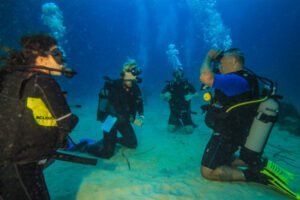
By understanding the nuances of each dive site, aligning them with your abilities, and partnering with a professional, safety-conscious crew, you are setting the stage for a truly epic adventure. The memories you make exploring Hawaii’s volcanic underwater landscapes, floating alongside gentle giants, and discovering rare marine life will last a lifetime. Your journey into the heart of the Pacific begins now.
Ready to experience the world-class Big Island scuba diving for yourself? The expert team at Kona Honu Divers is dedicated to providing safe, memorable, and conservation-focused underwater tours for every skill level. Visit Kona Honu Divers to explore their full range of dive charters and book your next adventure today.