
Picture this: you descend into impossibly clear, turquoise water. Ancient volcanic lava tubes twist below you, forming a surreal underwater landscape dotted with vibrant coral gardens. This is what Big Island scuba diving is all about—an experience that stands apart thanks to its incredible visibility and a cast of marine animals you literally can't find anywhere else on Earth.
Discovering Hawaii’s Underwater Paradise
The Big Island, and the Kona coast in particular, offers a diving environment that feels tailor-made for exploration. What’s the secret? It’s uniquely shielded from the powerful trade winds by the sheer mass of two colossal volcanoes, Mauna Loa and Hualalai. This natural barrier creates some of the calmest, clearest water you’ll ever dive in, pretty much year-round.
This means you aren't just swimming in the ocean; you're exploring a submerged volcanic world carved out over thousands of years. The dramatic geology has left behind a playground of arches, caverns, and steep drop-offs that you just won't find anywhere else. These structures are the perfect foundation for a thriving, vibrant ecosystem.
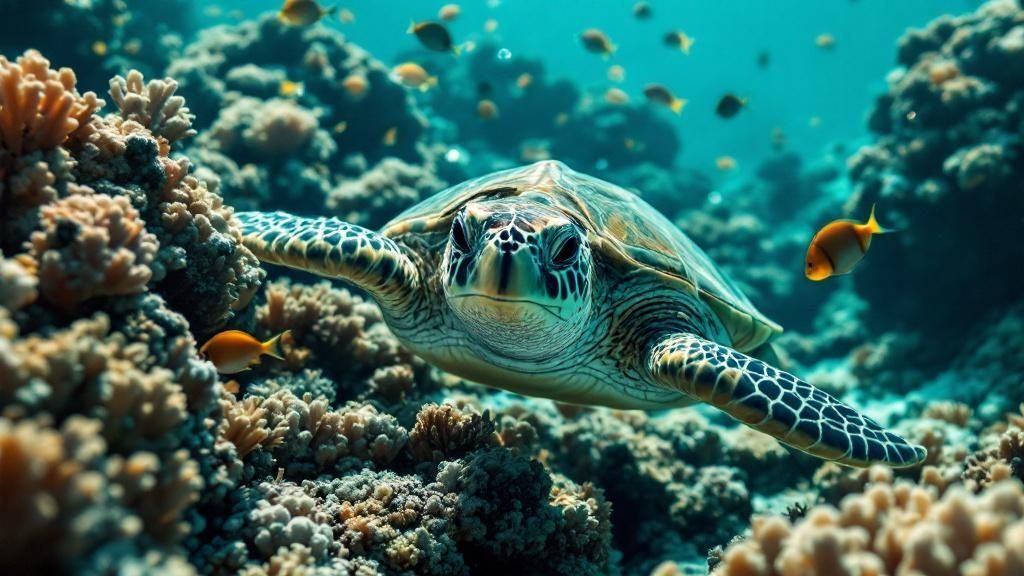
From the gentle Hawaiian green sea turtles resting on coral heads to playful spinner dolphins dancing in the distance, every dive reveals something new. The biodiversity is just staggering.
What Makes Kona a Premier Dive Destination?
So, what elevates Big Island scuba diving to a world-class level? It’s a combination of unique factors that come together to create an unforgettable adventure every single time you hit the water.
Here’s a taste of what to expect:
- Unique Volcanic Landscapes: Get ready to explore intricate lava tubes, massive archways, and dramatic underwater cliffs formed by ancient lava flows.
- Exceptional Water Clarity: Thanks to those protective volcanoes, visibility often pushes past 100 feet. The views are breathtaking.
- Abundant Marine Life: You'll be sharing the water with hundreds of species of tropical fish—many of them endemic to Hawaii—along with sea turtles, reef sharks, eels, and octopuses.
- Iconic Dive Experiences: The Big Island is home to true bucket-list dives. The world-famous Manta Ray Night Dive, for example, has been called one of the most memorable dives on the planet.
Think of this guide as your first dip into this incredible underwater world. We’ll show you exactly why this Hawaiian island needs to be at the very top of your dive list. For those ready to jump in, you can check out the full range of diving tours available on the Big Island and find the perfect adventure for your skill level.
Check Availability
Why Kona is a World-Class Diving Destination
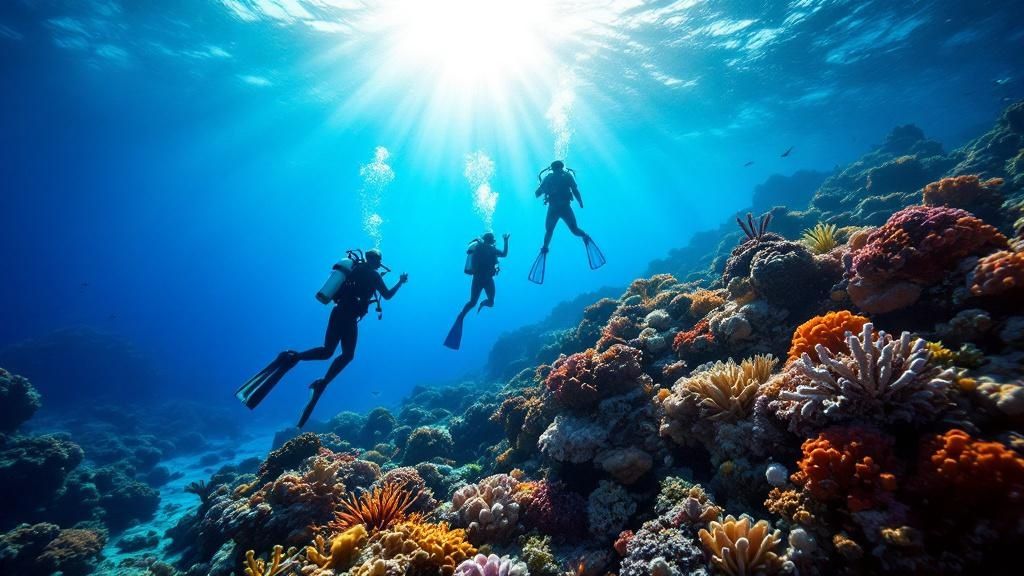
So, what takes Big Island scuba diving from just a fun vacation activity to a truly legendary, world-class experience? The secret is in the island’s very DNA—its volcanic geology and its prime location in the middle of the Pacific. Kona isn't just another pretty spot to get wet; it’s an underwater realm shaped by fire and sheltered by giants.
The island owes its existence to massive volcanoes, and their handiwork doesn't stop at the shoreline. Ancient lava flows have created a stunning underwater landscape you won't find anywhere else on Earth. As a diver, you get to explore intricate lava tubes, swim through massive archways, and drift along dramatic drop-offs that vanish into the deep blue. This volcanic architecture is the perfect playground for a complex and vibrant marine ecosystem.
The Kona Coast's Natural Shield
One of the biggest perks of diving in Kona is how consistently calm and clear the water is. This isn't just good luck; it's pure geography. The colossal shields of the Mauna Loa and Hualalai volcanoes act as a massive natural wall, blocking the powerful trade winds that churn up the waters on other parts of the island.
This protection creates what's known as a "leeward" effect, often resulting in conditions so calm they feel more like a lake than the open ocean. For us divers, that means a few amazing things:
- Exceptional Visibility: It’s common for the water clarity to push past 100 feet. You can see the whole reef laid out before you and spot marine life approaching from a distance.
- Calm Surface Conditions: Less wind means less choppy water, making for smoother boat rides and much easier entries and exits.
- Year-Round Diving: These reliable conditions mean there's really no "off-season" for Big Island scuba diving. It’s a destination you can count on any time of year.
The result is an environment where you can truly relax and just soak in the scenery without fighting against strong currents or murky water. It sets the perfect stage for the incredible marine life that calls Kona home.
A Sanctuary for Abundant Marine Life
Beyond the wild underwater terrain, Kona's waters are absolutely packed with a rich diversity of sea creatures. The healthy coral reefs provide food and shelter for hundreds of species of tropical fish, and many of them are endemic—meaning you can only find them right here in Hawaiian waters.
On just about any given dive, you might come across Hawaiian green sea turtles (honu) resting on the reef, see a pod of playful spinner dolphins cruise by, or spot a shy octopus peeking out from its den. Seasonally, you can even hear the majestic songs of humpback whales underwater during their winter migration. This incredible biodiversity is a huge reason why divers come back to Kona again and again. You can learn more about the complete Big Island scuba diving experience and what makes its marine ecosystem so unique.
Choosing the Right Guide for Your Adventure
To really appreciate everything Kona has to offer, and to do it safely, diving with a top-notch local operator is a must. A crew with deep local knowledge knows how to pick the best sites for the day's conditions and, more importantly, they know all the secret spots to find the coolest marine life.
Kona Honu Divers really stands out for their commitment to safety, the guest experience, and their genuine passion for the underwater world. Their experienced guides don't just point things out; they share their love and respect for the ocean, making sure your adventure is both spectacular and responsible.
With a stellar reputation and deep roots in the community, they have the expertise you need for an unforgettable journey into Kona's underwater paradise.
Check Availability
Top Big Island Dive Sites for Every Diver
The Kona coast is like an underwater library, where every dive site tells a different story of volcanic fire, vibrant life, and incredible underwater adventures. With so many amazing spots, the real challenge isn’t finding a good dive—it’s picking which one to do first. This is where a little local knowledge goes a long way.
Think of the Big Island’s coastline as a collection of unique underwater neighborhoods. Some are chill, shallow spots perfect for a lazy afternoon meet-and-greet with Hawaiian green sea turtles. Others are deep and dramatic, full of wild architecture like lava tubes and sunken craters that pull in the more experienced explorers.
Knowing the difference is the key to planning the perfect Big Island scuba diving trip. To give you a head start, we’ve put together a field guide to some of Kona’s most spectacular and beloved dive sites, breaking them down by experience level and highlighting what makes each one so special.
Check Availability
For Beginner and Intermediate Divers
Just getting your fins wet or prefer a more relaxed pace? Kona has plenty of sites with gentle conditions, awesome visibility, and more fish than you can count.
Golden Arches (Pawaii Bay)
This spot is a true fan favorite and a fantastic introduction to what Kona diving is all about. It gets its name from stunning underwater archways formed by ancient lava flows, creating epic swim-throughs that are perfect for photos. With a comfortable depth of 30-60 feet, it’s a blast for divers of all skill levels.
- What You'll See: Get ready for huge schools of colorful reef fish like yellow tangs and milletseed butterflyfish. You'll almost certainly spot a few Hawaiian green sea turtles (honu) chilling under ledges or cruising by. The lava arches and small caverns are the real stars of the show here.
Suck 'em Up
Don't let the name scare you; this site is a gentle and fascinating dive. Tucked into a protected cove, its main feature is a big cavern with a surge channel that "sucks" water in and out. It’s a cool, gentle sensation and a shallow dive, usually around 25-50 feet, which means you get more bottom time to explore.
- What You'll See: The cavern is the main draw, and it’s a popular daytime hangout for sleeping whitetip reef sharks. The surrounding reef is super healthy and a great place to find moray eels, octopuses, and all kinds of critters hiding in the cracks.
For Intermediate to Advanced Divers
Ready to kick it up a notch? The Big Island’s dramatic volcanic past has created some seriously thrilling dive sites with more complex terrain and deeper profiles.
Cathedral
Divers often describe this site as otherworldly. Cathedral is a massive underwater amphitheater formed by a collapsed lava tube. You enter through a huge archway and drop into a cavern where beams of sunlight filter down from openings in the ceiling. The effect is breathtaking, just like being in a real cathedral.
- Depth and Conditions: The cavern floor sits around 60 feet, but the entrance is shallower. This dive is less about spotting specific animals and more about soaking in the surreal, peaceful environment as you watch the light dance on the cavern walls.
Au Au Crater
This is a truly unique one: a submerged volcanic crater. You start by descending along the crater's outer wall before dropping into the "bowl," a sandy bottom ringed by steep, coral-covered walls. The depth ranges from 40 feet up on the rim to well over 100 feet at the crater floor.
- What You'll See: The crater acts like a magnet for marine life. It's common to see big schools of fish, eagle rays gliding overhead, and even sharks patrolling the deeper sections. Because it’s a crater, the conditions inside are often calm with fantastic visibility.
For certified divers ready to push their limits and explore Kona’s more challenging and remote sites, we run special trips. These are designed for those with advanced training who are looking for deeper, more adventurous dives. You can check out our premium advanced dive tours to take your Big Island diving to the next level.
Top Kona Dive Sites at a Glance
To help you pick the perfect adventure, here’s a quick side-by-side look at these incredible spots.
| Dive Site | Average Depth | Experience Level | Key Marine Life & Features |
|---|---|---|---|
| Golden Arches | 30-60 feet | Beginner / Intermediate | Lava tube arches, green sea turtles, large schools of reef fish. |
| Suck 'em Up | 25-50 feet | Beginner / Intermediate | Large cavern with surge, whitetip reef sharks, octopuses. |
| Cathedral | 40-60 feet | Intermediate / Advanced | Massive collapsed lava tube, stunning light rays, unique topography. |
| Au Au Crater | 40-100+ feet | Intermediate / Advanced | Submerged volcanic crater, eagle rays, diverse fish schools. |
Each of these sites offers a unique window into the incredible underwater world of the Big Island. Whether you're gliding through an ancient lava tube or exploring the depths of a volcanic crater, Kona’s dive sites promise an unforgettable experience for every kind of adventurer.
Experience the Manta Ray Night Dive
Get ready for an underwater encounter that seasoned divers consistently rank among the best on Earth. The world-famous Manta Ray Night Dive is more than just a highlight of Big Island scuba diving—it's a genuine bucket-list spectacle that feels like you've slipped into another dimension.
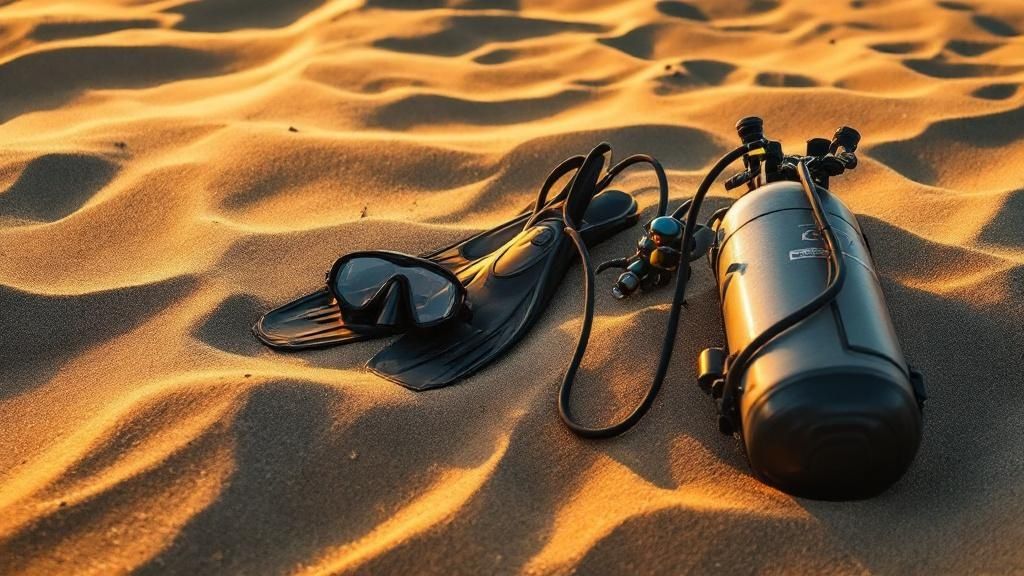
This is nothing like your typical reef dive. It's a carefully orchestrated, magical performance where nature provides the show, and you get a front-row seat. As the last bit of daylight disappears, you'll descend into the warm Pacific and settle on the sandy ocean floor. The only light source is a central "campfire" of powerful underwater lamps set up by your guides.
Then, the performance begins.
The Science Behind the Spectacle
What makes this whole experience possible is a beautifully simple bit of marine biology. Those powerful lights stabbing through the darkness act like a massive magnet for plankton, the microscopic organisms that form the base of the ocean's food web. As clouds of plankton swarm the bright beams, they attract the main event: the majestic Pacific reef manta rays.
These gentle giants, with wingspans that can stretch over 15 feet, glide in to feast on the all-you-can-eat plankton buffet. With their huge mouths wide open, they perform an absolutely mesmerizing underwater ballet—swooping, gliding, and doing graceful somersaults just inches above your head. It's a totally passive interaction. You simply kneel on the bottom and watch it all unfold.
What It Feels Like to Be There
Picture a dozen creatures, each the size of a small car and shaped like a stealth bomber, soaring effortlessly through the water. They loop and bank in a silent, coordinated dance, their white bellies flashing as they pass through the light beams directly over you. The only sounds are your own bubbles and the collective, quiet awe of the other divers.
It's an experience that is both profoundly peaceful and utterly thrilling. The sheer size and grace of these animals are humbling. Witnessing their natural feeding behavior this close is a powerful way to connect with the marine world and one of the biggest reasons Kona is a global destination for Big Island scuba diving.
This isn't just about seeing marine life; it's about being immersed in an otherworldly event. The feeling of a giant manta gliding so close you could almost touch it (but never do!) is something that stays with you forever.
Sustainable Tourism and Protecting the Mantas
The fact that this incredible dive even exists is a testament to responsible and sustainable tourism. Kona's manta ray population is a precious local treasure, and their well-being is the top priority. This is why choosing the right operator is so critical.
A responsible company follows strict guidelines to ensure the safety and comfort of both the mantas and the divers. These rules are crucial for protecting the animals:
- Observe Only, Never Touch: Manta rays have a protective mucus layer on their skin. Touching them strips this coating off, leaving them vulnerable to infections.
- Stay on the Bottom: Divers are instructed to remain on the sandy bottom. This gives the mantas an open water column to maneuver freely and safely above.
- Proper Light Positioning: The lights are always pointed upward to attract plankton, creating the "stage" for the mantas to feed above the group.
By diving with a company that champions these Manta SMART guidelines, you're directly helping to preserve this amazing natural wonder for future generations. For a closer look at this adventure, you can learn more about the Kona manta ray night dive and what makes it a model for sustainable wildlife tourism.
Kona Honu Divers is deeply committed to protecting these magnificent creatures, ensuring every single tour is conducted with the utmost respect for the marine environment.
Ready for a truly once-in-a-lifetime adventure? You can book your spot for this mesmerizing underwater ballet and witness the magic for yourself. This is so much more than a dive; it’s an experience that will redefine your connection with the ocean.
Check Availability
Beyond the Reef: Kona’s Most Unique Dives
Sure, the vibrant reefs and manta ray encounters are the big-ticket items for Big Island scuba diving, but the adventure doesn't end there. For divers who crave something truly different, Kona serves up some seriously unique experiences that go way beyond the sunlit coral gardens.
These dives aren't your average day on the reef. They're for the adventurous at heart, the ones looking to peek behind the curtain into a world of mystery and wonder.
Imagine this: you're floating in the deep, inky blackness of the open ocean, miles from shore, with thousands of feet of water straight down. It sounds like something out of a sci-fi movie, but it's very real. It's the Kona Blackwater Dive, and it completely redefines what a night dive can be. People often say it’s like floating in outer space.
The Otherworldly Thrill of the Blackwater Dive
The Kona Blackwater Dive is a bucket-list adventure that lets you witness the largest migration on planet Earth. Every single night, a countless number of strange and beautiful creatures journey from the deep ocean toward the surface to feed. The kicker? Many of them are bioluminescent, creating their own light in the absolute darkness.
It’s a pretty wild setup:
- The Drop: After sunset, your boat heads out into deep water, far from the glow of the coast.
- The Tether: A weighted line with powerful lights is dropped from the boat. For safety, divers are tethered to this line as they drift along with the current.
- The Show: The bright lights act like a magnet, attracting an incredible parade of alien-like creatures as they rise from the abyss. You’ll see species of jellyfish, squid, and larval fish you’d never, ever spot on a normal reef dive.
For macro photographers, this dive is an absolute dream. For any advanced diver looking for something completely new, it’s an unforgettable thrill. There's a peaceful yet exhilarating feeling that comes with floating in the deep, surrounded by a private galaxy of tiny, glowing life. If you're an experienced diver ready for this otherworldly journey, you can book the incredible Blackwater Dive tour and see the spectacle for yourself.
A Legacy of Pushing the Limits
The Big Island didn't just stumble into being a world-class dive destination. It’s been decades in the making, evolving into a global hub that brings in around 150,000 dive tourists every year.
That kind of traffic is supported by a solid infrastructure of over 50 dive shops and charters, including some of the pioneers who first put Kona on the map. It's this history of exploration that paved the way for unique dives like the blackwater experience to even exist. You can learn more about the rich history of Big Island scuba diving and how it all came to be.
Big Island scuba diving offers something for everyone. Whether you're mesmerized by the silent ballet of manta rays or the alien world of a blackwater dive, Kona delivers an underwater playground like no other.
For these kinds of specialty dives, choosing an operator with deep expertise is key. Kona Honu Divers has been at the forefront of offering these advanced and unique experiences, backed by a crew that lives and breathes the ocean's mysteries.
From the world-famous manta spectacle to the deep-ocean drift of a blackwater dive, Kona truly has an adventure waiting for every diver.
Check Availability
How to Plan Your Big Island Dive Trip
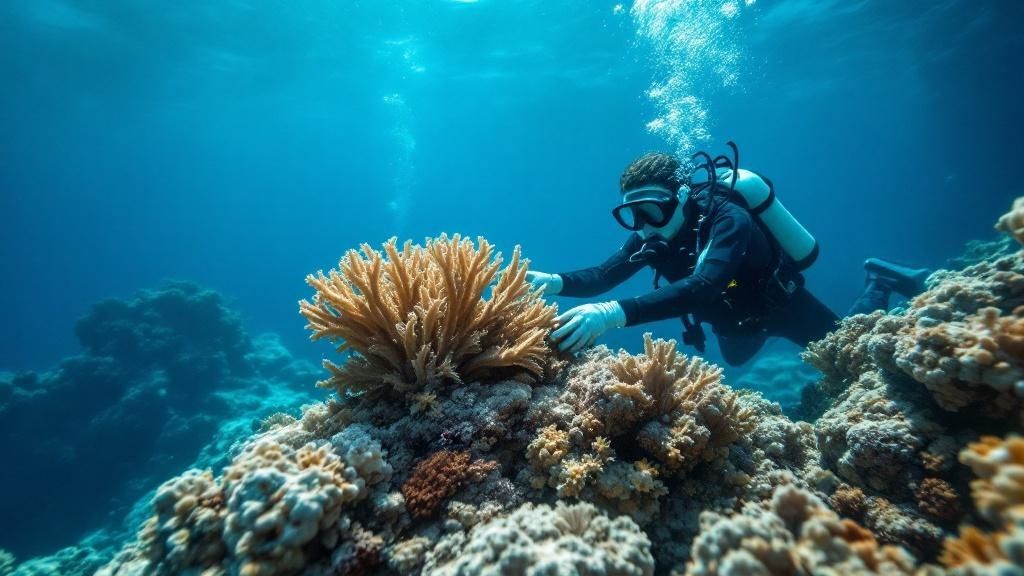
Nailing the perfect Big Island scuba diving trip really comes down to timing and a bit of prep work. A little foresight can take a good vacation and make it absolutely legendary. The best part? Kona’s calm, clear waters make it an incredible destination any time of year, but there are a few seasonal quirks you’ll want to know about.
If you love warm water, the summer months (June through September) are your sweet spot, with the ocean hitting a balmy 80°F (26°C). Winter, from December through March, is a touch cooler at around 75°F (24°C), but it comes with a huge payoff: crystal-clear visibility and the hauntingly beautiful songs of migrating humpback whales as your underwater soundtrack.
Packing Your Gear and Booking Ahead
Deciding what gear to bring is always a big question. While nothing beats the comfort of your own equipment, lugging a full scuba kit across the ocean can be a real hassle. Luckily, Kona is home to fantastic dive shops with top-notch, well-maintained rental gear, making it easy to travel light. For most dives here, a good 3mm or 5mm wetsuit will keep you perfectly comfortable.
Here's the single most important piece of advice I can give you: book everything well in advance. I'm talking flights, places to stay, and especially your dive charters. That world-famous Manta Ray Night Dive? It often sells out weeks ahead of time, particularly during busy seasons like holidays and summer break.
Locking in your spots early doesn't just save you from the disappointment of a "sold out" sign; it gives you the best pick of the litter. For a deeper dive on what to look for in an operator, check out our guide on how to choose a Kona dive shop.
Getting Certified in Paradise
Not certified yet? Honestly, there’s no better place on Earth to learn than right here. Imagine doing your training dives over vibrant coral reefs, with sea turtles and colorful fish swimming past. It’s a world away from a cold quarry or a sterile swimming pool. Getting your PADI Open Water certification in Hawaii turns the learning process into an unforgettable part of your adventure.
When you boil it down, a successful trip just takes a few simple steps:
- Pick Your Season: Go for the warmer summer waters or embrace the winter for epic visibility and whale songs.
- Pack Smart: Bring your own trusted gear or rent quality equipment here to make travel a breeze.
- Book Early: This is the big one. Reserve your tours and lodging way ahead of time so you don't miss out.
- Think About Certification: If you're not a diver yet, getting certified in Kona is an experience you'll never forget.
Follow these tips, and you’ll be all set to dive headfirst into the incredible underwater world of the Big Island.
Check Availability
Frequently Asked Questions About Kona Diving
Got a few lingering questions before you book your Kona diving adventure? We get it. Here are the answers to some of the most common things people ask, so you can feel totally confident about your trip.
When Is the Best Time to Dive?
Honestly, one of the best things about scuba diving the Big Island is that it's incredible all year long. Summer brings the warmest water, often hitting a balmy 80°F. But the winter months have their own magic—the visibility is often a little better, and you get the once-in-a-lifetime chance to hear humpback whales singing underwater during your dives. It's a sound you'll never forget.
Can I Dive if I'm Not Certified?
Absolutely! If you're not certified yet, you can still get in on the action with a PADI Discover Scuba Diving experience. It’s the perfect way to test the waters, literally. You'll go out with an instructor who will be with you every step of the way, making it a super safe and fun introduction to the underwater world.
What Marine Life Will I See?
Get ready for a show. Kona's waters are packed with an amazing variety of marine life. You can pretty much count on seeing Hawaiian green sea turtles (honu), playful spinner dolphins, reef sharks, moray eels, and octopuses. On top of that, there are hundreds of species of colorful tropical fish that you can only find right here in Hawaii.
Is the Manta Ray Night Dive Safe?
Yes, it's extremely safe, especially when you go with a professional and reputable operator like Kona Honu Divers. The whole interaction is completely passive. You just relax on the sandy bottom and watch the show. Our divemasters give a detailed safety briefing beforehand and are right there in the water with you to make sure everything is controlled, secure, and amazing for everyone.
Check Availability