
Picture this: you're sinking slowly into warm, crystal-clear turquoise water. Sunlight filters down, illuminating ancient volcanic lava tubes and vibrant coral reefs that are just buzzing with life. That's Big Island scuba diving. It’s a truly world-class destination where unique geology and abundant marine life come together for some of the most unforgettable underwater adventures you'll ever have.
Welcome to an Unforgettable Underwater World
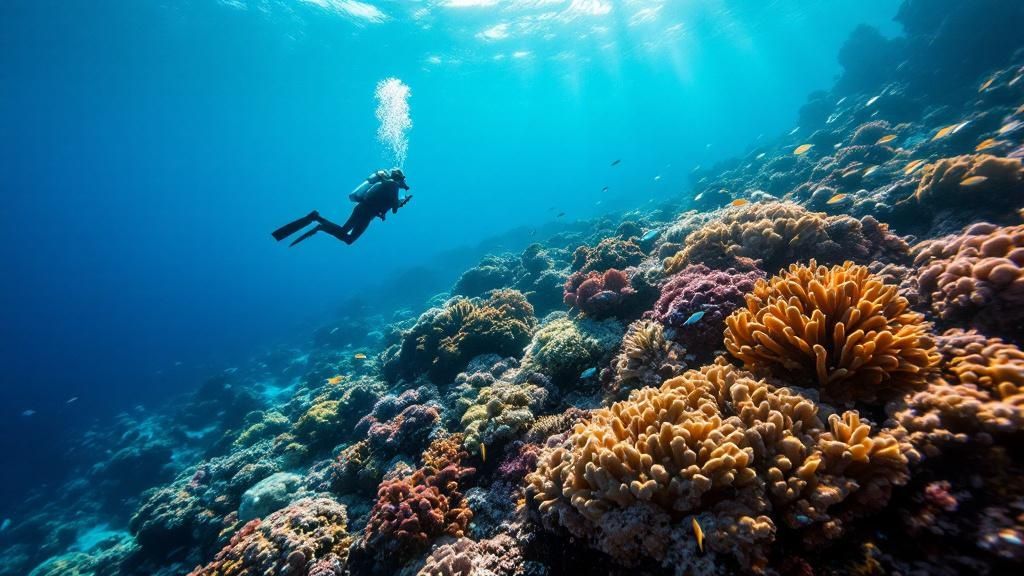
Think of this guide as your personal roadmap to the Kona coast, a place celebrated by divers across the globe. We’re going to cover everything from the legendary Manta Ray Night Dive to some hidden gems that only the local experts know about, giving you the full picture for your next dive trip.
Kona's magic comes from its location on the leeward (sheltered) side of the island. This means the water is almost always exceptionally calm and clear, making it perfect for diving any time of year. The underwater scenery is a direct gift from ancient volcanoes, which sculpted dramatic arches, caverns, and intricate lava tubes now bursting with healthy ecosystems.
What Makes Kona Diving So Special?
The appeal of Big Island scuba diving is about more than just great visibility. It’s the kind of stuff you just can’t do anywhere else. When you dive here, you can pretty much count on seeing:
- Vibrant Coral Gardens: Sprawling reefs that look like someone cranked up the color saturation, home to countless species of fish.
- Unique Volcanic Topography: An underwater playground of swim-throughs, caves, and arches formed by ancient lava flows.
- Abundant Marine Life: Swim alongside Hawaiian green sea turtles (honu), spot resting white tip reef sharks, and get lost in massive schools of tropical fish.
- World-Famous Night Dives: Experience the Manta Ray Night Dive—an encounter that consistently lands on "best dives in the world" lists for a reason.
This guide will get you ready for the underwater journey of a lifetime. Whether you're dreaming of gliding next to graceful sea turtles or watching the incredible ballet of giant manta rays, your adventure starts right here.
We’ll walk you through how to plan your trip, what you’ll see, and how to have a safe and amazing time. From easy, beginner-friendly reefs to more advanced drift dives, the Kona coast really does have something for every diver. Let’s dive in and see what's waiting for you beneath the waves.
Why Divers Choose the Big Island
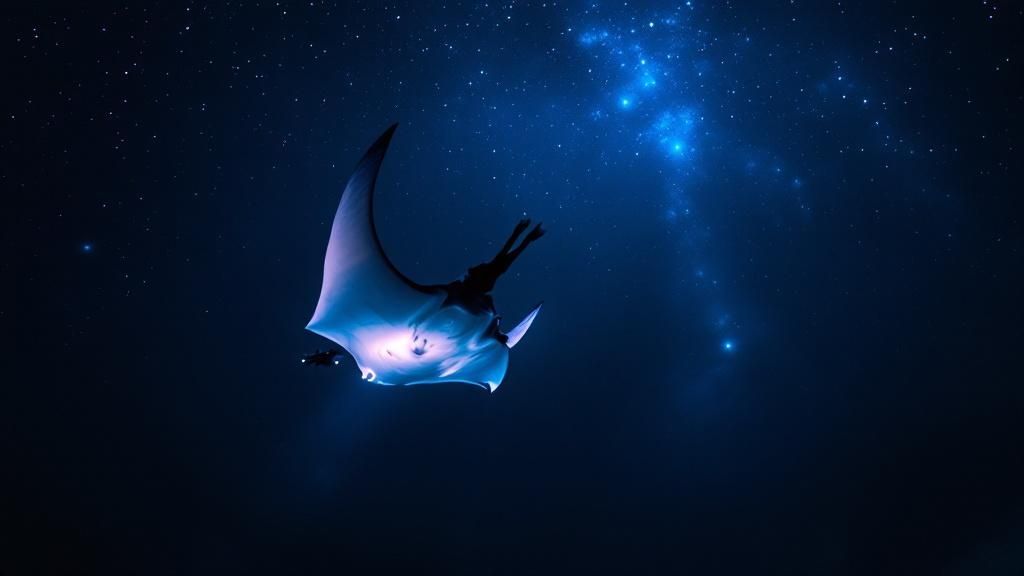
So, what makes Big Island scuba diving a must-do for divers all over the world? It's not just one thing. It's the perfect mix of dramatic underwater landscapes, incredible biodiversity, and unbelievably good conditions that really sets it apart. The Kona coast, in particular, is an underwater paradise shaped by raw, volcanic power.
Over thousands of years, ancient lava flows from the island's volcanoes have crafted an underwater world you won't find anywhere else. Forget flat, uniform reefs. Here, you'll discover a dynamic playground of sheer drop-offs, twisting lava tubes, and massive archways. It feels like you're exploring a submerged cathedral, with swim-throughs and caverns hiding something new around every corner. This volcanic architecture is the perfect foundation for healthy coral, creating intricate habitats teeming with life.
Unparalleled Marine Life
The Big Island is an absolute hotspot for marine biodiversity, drawing in divers who want to see it all. The underwater ecosystem here is a bustling city of colorful reef fish, graceful sea turtles, and all sorts of fascinating critters.
But what makes the marine life truly special is the huge number of endemic species—creatures you can only find in Hawaiian waters. When you dive here, you're not just seeing tropical fish; you're seeing species that evolved in total isolation for millions of years, like the brilliant Milletseed Butterflyfish or the iconic Hawaiian cleaner wrasse.
The Big Island's one-of-a-kind geology and incredible biodiversity make every dive unique. It's a true conservation success story, giving divers the chance to encounter everything from giant manta rays to whitetip reef sharks in a protected environment. You can learn more about Hawaii's unique underwater world on PADI.com.
Perfect Conditions All Year Round
One of the best things about Big Island scuba diving is the consistently amazing conditions. The Kona coast sits on the leeward side of the island, which means it's shielded from the trade winds. The result? Incredibly calm, clear water pretty much every single day.
- Warm Water: The water stays comfortable all year, usually hovering between a pleasant 75°F and 80°F (24°C to 27°C).
- Excellent Visibility: It's not uncommon for visibility to push past 100 feet, letting you take in the full scale of the stunning underwater landscapes.
- A Magical Winter Bonus: If you're lucky enough to dive here in the winter (December through March), you might just hear one of nature's most incredible soundtracks—the hauntingly beautiful songs of migrating humpback whales echoing through the water. It’s an experience you’ll never forget.
Your Gateway to Kona's Best Dives
To really experience this underwater world, you need local knowledge and a team that’s serious about safety and conservation. Kona Honu Divers is a top-rated operator dedicated to sharing the magic of Kona's waters the right way. Their crew knows these dive sites like the back of their hand and keeps groups small for a more personal and memorable adventure.
But don't just take our word for it—see what other divers are saying.
With its jaw-dropping topography, unique wildlife, and perfect conditions, it's easy to see why the Big Island is at the top of so many divers' lists. If you’re ready to see it for yourself, check out the wide range of charters available, from gorgeous reef tours to the world-famous night dives. Find the perfect adventure for your skill level by exploring these world-class diving tours.
The World-Famous Manta Ray Night Dive

There are unforgettable dives, and then there is the Manta Ray Night Dive. This isn’t just another notch on your dive belt; it's an experience that consistently tops the charts as one of the best dives on the planet. It's the absolute crown jewel of Big Island scuba diving—a true bucket-list adventure for divers from all walks of life.
Picture this: you descend into the calm, dark ocean just after sunset. Your guide helps everyone settle onto the sandy bottom, and then you all point your dive lights straight up. The beams cut through the darkness, creating a cone of light that looks for all the world like an underwater stage. This light show is the secret ingredient to the whole spectacle.
An Underwater Ballet of Gentle Giants
The magic starts small. Those powerful lights you’re holding act like a magnet for plankton, the tiny organisms that manta rays love to eat. As clouds of plankton swarm into the beams of light, the real stars of the show make their entrance.
Gliding out of the darkness, the giant manta rays appear. With wingspans that can stretch up to a massive 16 feet, they soar into the light, performing a mesmerizing underwater ballet as they feed. They swoop, somersault, and barrel roll right through the water column, often coming within inches of the divers watching below.
Witnessing these gentle giants feed is a truly humbling experience. It's a powerful reminder of the ocean's beauty and the incredible marine life that calls Kona home. This is more than a dive; it’s a connection with nature on a profound level.
The feeling of a huge manta ray gliding just over your head, its massive mouth wide open to filter plankton, is something you'll never forget. And despite their size, they are completely harmless. They don't have teeth, stingers, or barbs like their stingray cousins. They're just there for the all-you-can-eat plankton buffet you’ve helped create. You can learn more about what to expect by reading our complete guide to the Kona Manta Ray Night Dive.
What To Expect On a Manta Ray Dive Tour
Your adventure will kick off with a detailed pre-dive briefing from your guides. They’ll run through the plan for the dive and, most importantly, cover the strict rules for interacting with the mantas safely and respectfully. The main rule is simple: observe only, never touch. Touching a manta ray can strip away its protective mucous coating, making it vulnerable to infection.
Once you’re in the water, you'll get settled in your spot on the ocean floor and wait for the show to begin.
- Dive Plan: Most manta dives are stationary. You’ll hang out in one spot for the dive, which minimizes your impact and lets the mantas come to you.
- Safety First: Guides make sure everyone is positioned correctly and keeps a safe distance, creating a calm, controlled environment for both the divers and the mantas.
- Duration: You can expect to be in the water for about 30-45 minutes—plenty of time to be completely mesmerized.
This incredible experience is a must-do for anyone serious about Big Island scuba diving. It’s an adventure you’ll be talking about for years to come. Ready to see the ballet for yourself? Check out the available manta ray dive tours and book this unforgettable night.
Explore More Top Dive Sites in Kona
Sure, the Manta Ray Night Dive is an unforgettable, bucket-list experience. But it's just the opening act for what Big Island scuba diving truly offers. The Kona coast is stacked with an incredible lineup of dive sites, and each one gives you a totally different look into Hawaii's underwater world. Once you’ve seen the mantas, a playground of ancient lava tubes, dramatic arches, and colorful coral gardens is waiting.
It's no secret the Big Island is a world-class diving destination. About 150,000 dive tourists flock here every year, logging more than 100,000 certified dives between them. That’s a lot of happy divers! They come for the one-of-a-kind volcanic landscapes, healthy reefs, and the sheer amount of life packed into these waters. The Kona side, in particular, is legendary for its calm, clear conditions year-round, as it's perfectly sheltered from rough seas and strong winds.
Exploring these other sites reveals the real magic of Kona. Every single dive here is a new adventure, and no matter your skill level, there’s always another corner of this paradise to discover.
Kona Dive Site Highlights
To give you a better idea of what's out there, here's a quick look at some of our favorite spots and what makes them special. Each one has its own personality, from lava-formed playgrounds to serene coral gardens.
| Dive Site | Key Features | Common Marine Life | Best For |
|---|---|---|---|
| Golden Arches | Massive lava archways, swim-throughs, turtle cleaning station | Hawaiian green sea turtles (honu), butterflyfish, Moorish idols | All levels, underwater photography |
| Suck 'Em Up | Lava tube caverns, dramatic topography | Whitetip reef sharks (resting!), eels, scorpionfish | Intermediate to advanced divers |
| Garden Eel Cove | Pristine coral reef, large sand patch with eel colony | Garden eels, manta rays (daytime!), various reef fish | Divers and snorkelers, manta enthusiasts |
| Turtle Pinnacle | A pinnacle rock formation where turtles congregate to be cleaned | Turtles, frogfish, large schools of fish | Open Water divers and up |
This is just a small sample, of course. The diversity along the Kona coast means there's always something new to see, whether you're on your first dive or your hundredth.
Adventures for Every Diver
The Big Island’s volcanic past created a spectacular underwater landscape that’s so much more than just pretty reefs. These unique formations are what make diving here so much fun. Kona has it all—from shallow, sunny gardens perfect for new divers to deep, complex structures that will challenge even the most seasoned pros.
-
Lava Tubes and Archways: Picture yourself swimming through a massive tunnel carved out by ancient lava flows. Sites like Golden Arches and Turtle Pinnacle are famous for these incredible structures. It's common to find Hawaiian green sea turtles (honu) hanging out here, getting their shells scrubbed clean by eager reef fish.
-
Shark Sanctuaries: If you want a chance to see whitetip reef sharks in their element, a spot like Suck 'Em Up is a must. You'll often find them resting peacefully on the sandy bottom inside lava tubes and under ledges. It’s a thrilling but completely safe encounter.
-
Vibrant Coral Gardens: Sites like Garden Eel Cove are blanketed in healthy coral that hosts an absolute explosion of life. You can just hang there and watch massive schools of butterflyfish, surgeonfish, and triggerfish paint the reef with a kaleidoscope of color.
While our dive boats get you to the most dynamic offshore sites, the island also has some amazing shore diving. For anyone wanting to gear up and walk in from the beach, check out our guide on the best shore diving sites in Kona, Hawaii.
Pushing the Boundaries: Unique Night Dives
For divers who are looking for something completely different, Kona delivers. We offer specialty charters that go way beyond a standard dive trip, designed for the adventurous at heart who want to see the ocean in a whole new light. Literally.
One of the most mind-blowing dives on the planet is the Kona Blackwater Dive. This isn't your typical reef dive. It’s an open-ocean drift dive, in the middle of the night, over thousands of feet of water. You'll be suspended from a tether in the deep, dark sea, watching the largest animal migration on Earth as strange, beautiful, and often bioluminescent creatures rise from the abyss to feed. It’s an otherworldly experience you have to see to believe, and you can sign up for a Blackwater Dive tour right here.
For those with the right training, we also offer challenging advanced deep dives that explore incredible volcanic structures far below the surface. These dives take you to deeper ledges and drop-offs where you can encounter different species and see geological formations that very few people ever get to witness. It's the perfect trip for experienced divers looking to see the more rugged, untouched side of Kona’s underwater world on our advanced dive tour.
Planning Your Big Island Diving Trip
Alright, you've got visions of lava tubes and dancing manta rays in your head. Now, let's make it happen. A little bit of planning goes a long way toward a killer dive trip, meaning you'll spend less time sweating the small stuff and more time underwater enjoying some incredible Big Island scuba diving. Think of this as your blueprint for a perfect dive vacation.
First up, when should you come? The great news is Kona has fantastic diving pretty much all year, but the seasons do have their own personalities.
- Summer (May – October): This is when you'll find the calmest seas and consistently warm, clear water. If you're picturing glassy oceans and visibility that stretches out over 100 feet, summer is your time. It’s ideal for divers of any level.
- Winter (November – April): The water might dip a few degrees, but winter brings something truly magical: humpback whales. It's their season, and hearing their songs echo through the water while you're on a dive is an experience you will never, ever forget.
Packing For Your Dive Trip
What you pack can make or break your trip. Bringing your own gear is great for comfort and familiarity, but renting quality equipment here in Kona can save you a ton of hassle and airline baggage fees.
Here’s what you absolutely shouldn't leave home without:
- Dive Certification Card & Logbook: No card, no dive. It’s that simple.
- Dive Computer: We highly recommend bringing your own for safety and to keep a log of your amazing dives.
- Mask & Snorkel: A mask that fits your face perfectly is priceless. If you own one piece of gear, this should be it.
- Swimsuits & Reef-Safe Sunscreen: Help us protect our beautiful reefs! Look for sunscreens without oxybenzone and octinoxate.
For the bigger stuff like BCDs and regulators, many divers just rent from a top-notch local shop like us. You get to use modern, well-maintained gear without the headache of dragging it all the way to Hawaii.
Certification Levels Explained
Kona has dive sites for everyone, but your certification card is the key that unlocks different parts of the underwater world. Most of the gorgeous coastal reefs are perfect for PADI Open Water certified divers.
But if you want to see it all, an Advanced Open Water certification really opens things up. This ticket is often required for the deeper dives and more adventurous sites, giving you the skills to explore Kona's most dramatic underwater landscapes. To get the full rundown on what your cert allows, check out our guide to Big Island scuba diving requirements.
Being a Responsible Diver
Hawaii’s marine ecosystem is an incredible treasure, but it's also incredibly fragile. As divers, we have a huge responsibility to protect it for everyone who comes after us. It's actually really simple to be a respectful guest underwater.
The golden rule of diving is simple: look but never touch. This goes for everything, especially coral and our beloved honu (sea turtles). Brushing against them can cause serious harm. Work on your buoyancy so you can float effortlessly above the reef without accidentally kicking it.
By following these easy guidelines, you're doing your part to keep the underwater world as stunning as you found it. That's what makes Big Island scuba diving so special. With a bit of planning, you're ready for the adventure of a lifetime.
Choosing the Right Dive Operator in Kona
Who you dive with can make or break your entire Big Island scuba diving experience. Seriously. A great dive company doesn't just ferry you to a site; they elevate the whole adventure, making sure it's not only safe but genuinely unforgettable. The right crew can turn a decent dive into the absolute highlight of your vacation.
So, what separates the pros from the pack? It boils down to a few critical things. An ironclad safety record is completely non-negotiable. After that, you want experienced local guides who know these dive sites like the back of their hand. They’re the ones who will spot a tiny, camouflaged frogfish or a hidden octopus that you would have swum right past.
Another huge factor is small group sizes. You get way more personal attention from your guide, which makes for a much more relaxed and enjoyable time underwater, without fins constantly in your face. Finally, look for a company that actually cares about the ocean—one that practices and teaches responsible diving and shows genuine respect for Hawaii's fragile marine ecosystem.
Why We Think Kona Honu Divers Stands Out
When it comes to delivering a top-shelf dive experience here in Kona, Kona Honu Divers just consistently gets it right. Their stellar reputation is built on a solid foundation of safety, deep local knowledge, and a real passion for what they do. The crew isn't just a bunch of people who know how to dive; they're seasoned pros and enthusiastic educators who genuinely love sharing Kona's underwater magic.
They keep their groups small, which means every single diver—whether you’re a brand new open-water student or a seasoned pro with thousands of dives—gets the support they need. This creates a laid-back, fun atmosphere where you can relax and just enjoy the dive, knowing you're in good hands. Their commitment to giving people an amazing time is obvious in everything, from the quality of their rental gear to the energy in their dive briefings.
But you don't have to take our word for it. The stories from fellow divers really say it all.
Going with an operator like Kona Honu Divers means you can have total confidence that you're diving with the best. They don’t just tick the safety boxes; they genuinely deepen your appreciation for the incredible world under the waves here. When you dive with a trusted local expert, you're not just booking a tour—you're guaranteeing your adventure will be memorable for all the right reasons.
Ready to dive with a team that puts your experience first? Check out their full lineup of Kona diving tours and find the perfect underwater trip for you.
Your Kona Diving Questions, Answered
Planning a scuba trip to the Big Island always brings up a few questions. To get you ready for your adventure, we've pulled together the answers to some of the most common things divers ask when they're getting ready to explore Kona's incredible underwater world.
This is your quick guide to getting the straightforward info you need. Let's dive in.
What Scuba Certification Do I Need for Kona?
For the huge majority of Kona's stunning reef dives, a standard PADI Open Water certification is your ticket to the show. It's all you'll need to get face-to-face with colorful fish, sea turtles, and the unique volcanic terrain in our shallower spots.
Now, if you've got your eye on some of our more bucket-list dives, you'll need a bit more training. To join the mind-blowing Kona Blackwater Dive or explore some of the deeper, more complex lava tube systems, an Advanced Open Water certification is required. These dives are on another level and demand the extra skill and confidence you get from advanced training. If you're up for the challenge, we run an awesome advanced dive tour that's built for exactly this kind of adventure.
Is the Manta Ray Night Dive Safe?
Absolutely. The Manta Ray Night Dive is one of the safest and most well-managed wildlife encounters you can experience. It's a common misunderstanding, but manta rays are total gentle giants. Unlike stingrays, they have no teeth, no stingers, and no barbs. They are completely harmless to people.
Here at Kona Honu Divers, safety is everything. We follow strict protocols to make sure the entire experience is controlled, safe, and respectful to the mantas. Our experienced guides manage the site, get every diver properly positioned, and brief you on how to just float and enjoy the show. The result is a completely safe, awe-inspiring, and unforgettable encounter.
When Is the Best Time of Year to Scuba Dive?
One of the best parts about diving here is that Kona offers fantastic Big Island scuba diving conditions all year long. The Kona coast is perfectly sheltered, giving us consistently calm and clear water. There’s really no bad time to jump in.
That said, the seasons do bring their own special flavor:
- Summer (May-October): This is when we typically see the flattest, calmest seas and warmest water. It's not uncommon for visibility to push past 100 feet.
- Winter (December-March): The water might be a few degrees cooler, but winter comes with an incredible bonus—hearing the songs of migrating humpback whales echoing through the water on your dives. It's pure magic.