
Picture yourself sinking into warm, turquoise water, the world above fading away as you’re greeted by a stunning panorama of coral gardens and ancient lava tubes. This is what Big Island scuba diving is all about—a one-of-a-kind underwater world where the calm, sheltered waters of the Kona coast create a diver’s paradise all year long.
Your Essential Guide to Scuba Diving the Big Island
Think of this as your inside scoop for exploring one of the planet's most spectacular underwater destinations. The Big Island, and the Kona coast in particular, is hugged by massive volcanoes that act as a natural shield from the wind. The result? Exceptionally calm seas and water clarity that often pushes past 100 feet. This unique geology makes it the perfect spot for everyone, whether you're taking your very first breath underwater or you're a seasoned pro chasing a new adventure.
We've designed this guide to show you exactly what makes Kona a true bucket-list spot. We'll dive into the island's most famous experiences, from floating alongside graceful honu (sea turtles) to the legendary Manta Ray Night Dive. You're about to discover a world carved by ancient lava, now home to an incredible array of marine life you won't find anywhere else. For a deeper look at what makes this area so special, check out our complete overview of Big Island scuba diving.
Meet Kona Honu Divers
To really get the most out of these waters, you need a guide who knows them by heart. Kona Honu Divers is a top-rated crew of professionals who live and breathe this ocean, and they're dedicated to delivering safe, respectful, and truly unforgettable dives. Their deep commitment to conservation and making sure every guest has an amazing time means you'll learn as much as you'll see. They offer a whole menu of diving tours designed to fit whatever you're hoping to experience.
So, whether you're dreaming of gliding beside gentle giants or exploring hidden underwater caves, you're in the right place. Let's get started and see what's waiting for you just beneath the waves.
Check Availability
Why Kona is the Epicenter of Big Island Diving
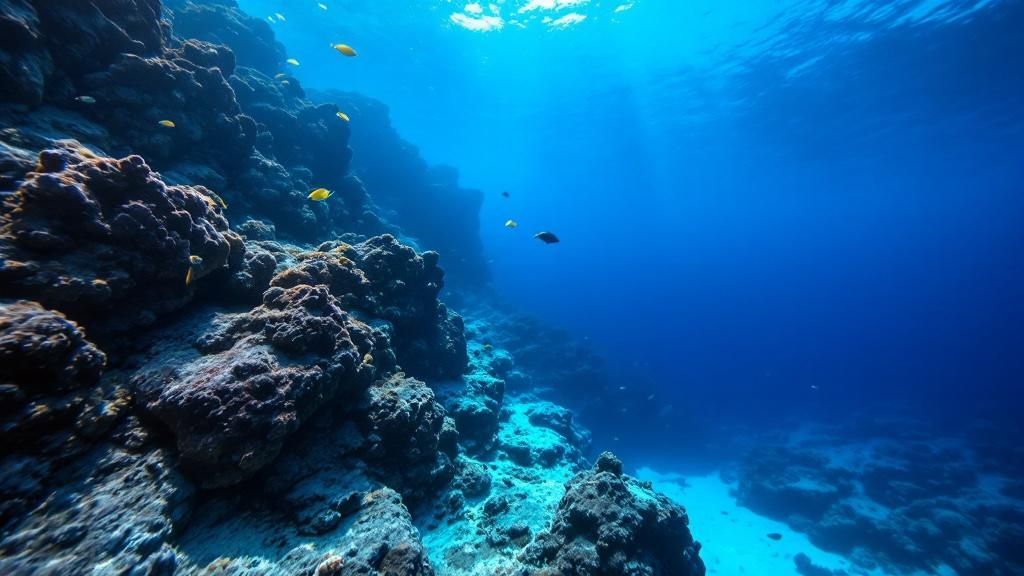
If you ask any seasoned diver about the Big Island, they'll tell you one thing: it all happens in Kona. But why here? What makes this specific stretch of coastline the heart and soul of Big Island scuba diving?
The answer is carved right into the island's landscape. The enormous volcanoes, Mauna Loa and Hualālai, stand as colossal shields, blocking the powerful trade winds that batter the rest of the island. This creates a massive "wind shadow" over the Kona coast.
For divers, this is the magic ingredient. It means we get to enjoy exceptionally calm, clear water almost all year round. We're not fighting currents, and the visibility often pushes past an incredible 100 feet. It’s like diving in high-definition.
But the volcanoes didn't just give us calm seas. Millennia of lava flows sculpted a surreal underwater world. As the molten rock met the ocean, it cooled into a labyrinth of arches, caverns, swim-throughs, and dramatic drop-offs—a true diver's playground.
Check Availability
A World of Marine Biodiversity
This unique volcanic terrain is the perfect foundation for a thriving, vibrant ecosystem. Kona’s reefs are absolutely packed with life, including countless endemic fish—species you literally can't find anywhere else on the planet.
You’ll see schools of bright yellow tangs, spot the shy masked angelfish, and watch as graceful green sea turtles (honu) glide past. Spinner dolphins are a common sight from the boat, and it’s not unusual for bigger pelagic species to cruise by in the deep blue. Every single dive is different.
The word is out, too. The Big Island welcomes around 150,000 dive tourists every year, who log more than 100,000 certified dives. Kona's combination of easy access, professional dive charters, and reliable conditions is precisely what makes Big Island diving so renowned on konahonudivers.com.
Top Dive Sites Along the Kona Coast
With more than 50 named dive sites, the Kona coast truly has something for everyone. Whether you're a brand new diver looking for a shallow coral garden or a seasoned pro ready to explore deep lava tubes, you'll find it here. The best way to experience it all is by exploring the different diving tours in Kona.
To give you a taste of what's out there, here are some of the must-see spots that keep divers coming back year after year.
| Popular Kona Dive Site Profiles |
| :— | :— | :— | :— |
| Dive Site | Key Features | Average Depth | Common Marine Life |
| Garden Eel Cove | Famous for the Manta Ray Night Dive, sloping sand chutes, and large coral heads. | 40-60 ft | Manta rays, garden eels, frogfish, octopuses. |
| Golden Arches | Features a stunning lava rock archway covered in golden-hued corals. | 30-50 ft | Butterflyfish, triggerfish, moray eels, nudibranchs. |
| Turtle Pinnacle | A cleaning station where Hawaiian green sea turtles gather to be cleaned by reef fish. | 30-60 ft | Green sea turtles, surgeonfish, wrasses, dolphins. |
| Au Au Crater | A submerged volcanic crater with dramatic ledges, swim-throughs, and abundant marine life. | 40-70 ft | Eagle rays, reef sharks, large schools of jacks. |
| Crescent Beach | Known for its beautiful hard coral formations and encounters with eagle rays and reef sharks. | 25-50 ft | Whitetip reef sharks, eagle rays, colorful reef fish. |
| Manta Heaven | Another primary location for the Manta Ray Night Dive, offering a high chance of encounters. | 35-50 ft | Manta rays, eels, crustaceans, scorpionfish. |
These sites are just the beginning. Each one offers a unique window into the incredible underwater world that makes Kona so special.
The geological shelter from the volcanoes creates a "shadow" effect on the Kona coast, leading to consistently calmer water and clearer visibility compared to the windward side of the island. This is the single biggest factor contributing to Kona’s fame in the global diving community.
It’s this perfect storm of incredible conditions, otherworldly volcanic landscapes, and an explosion of marine life that cements Kona's reputation. It’s a place where every dive holds the promise of a new discovery, making it a bucket-list destination for any underwater explorer.
Experiencing the World-Famous Manta Ray Night Dive
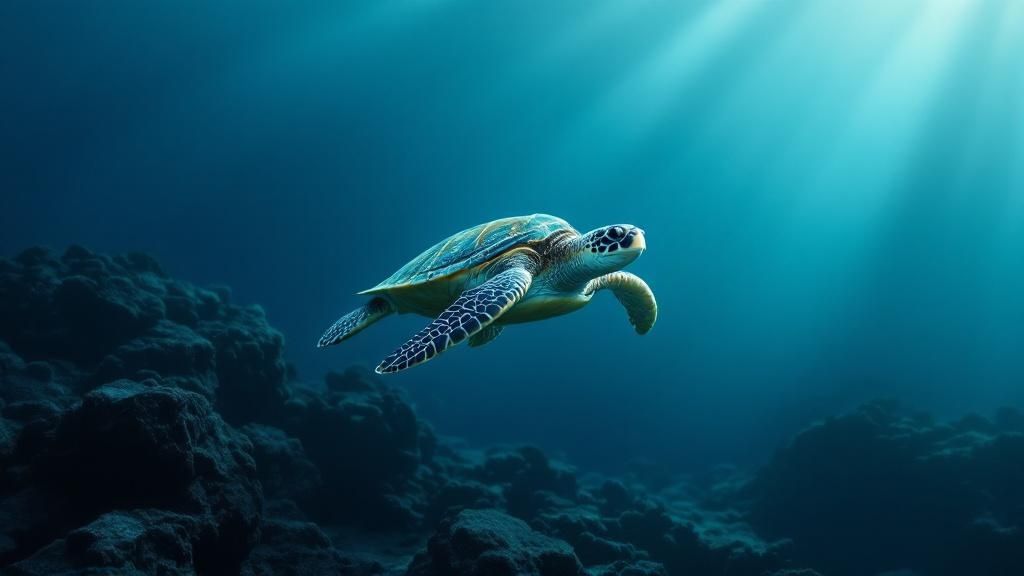
When people talk about the absolute best Big Island scuba diving has to offer, one dive inevitably comes up: the legendary Manta Ray Night Dive. This isn't just a local favorite; it's a world-renowned underwater spectacle that consistently ranks as one of the most unforgettable dives on the planet. It is one of the most popular manta ray dive tours available.
Picture this: you descend into the dark, warm Pacific waters just after sunset. Your group settles onto a sandy patch of the ocean floor, around 30 to 40 feet deep, and aims powerful dive lights straight up. These beams of light act like a magnet for tiny plankton, creating a glowing, all-you-can-eat buffet in the water column.
What happens next is pure, unadulterated magic. Massive manta rays, some with wingspans stretching over 16 feet, emerge from the blackness. They glide, swoop, and perform an effortless underwater ballet, somersaulting through the light beams just inches above your head. It’s a silent, mesmerizing performance that feels completely surreal.
Check Availability
How Did This Incredible Dive Come to Be?
This whole phenomenon isn't some happy accident. The Kona coast is home to a healthy resident population of reef manta rays that figured something out a long time ago: light equals food. It started decades ago when coastal hotels aimed floodlights at the ocean, attracting plankton. The mantas weren't far behind.
Dive operators today have built on this natural behavior, creating a safe and reliable way for us to witness it. By establishing specific sites where they create this plankton feast, they give divers a front-row seat. The result? Sighting success rates are incredibly high, often over 90%, making it one of the most dependable big-animal encounters you'll find anywhere.
The real beauty of the Kona Manta Ray Night Dive is that we aren't chasing the animals. We're creating an invitation for dinner and patiently waiting for these gentle giants to show up. It's a respectful, passive experience that happens entirely on their terms.
What to Expect on Your Manta Dive
Your adventure kicks off with a boat ride to one of the main feeding sites, like Manta Village or Manta Heaven. The crew will give you a thorough briefing covering manta ray biology, safety protocols, and the single most important rule: look, but don't touch. Touching a manta can rub off the protective mucous coating on their skin, which is like their immune system, leaving them vulnerable to infections.
Once you hit the water, the plan is beautifully simple:
- Get in Position: You’ll descend with your guide to a designated spot on the seafloor, often arranged around a central light source called the "campfire."
- Light it Up: Divers form a circle or semi-circle, pointing their lights upward to concentrate the plankton.
- Enjoy the Show: For the next 45 minutes or so, you just sit back and watch as the mantas put on a show right above you.
The whole experience is controlled, safe, and surprisingly accessible, even for divers without a ton of experience. Manta rays are harmless filter feeders—they don't have teeth or stingers. They're just gentle, curious giants.
The details of the manta ray night dive in Kona are truly fascinating and worth a read before you go. It's more than just a dive; it’s a chance to connect with one of the ocean’s most majestic creatures in a way you'll never forget.
Exploring Unique Big Island Diving Experiences
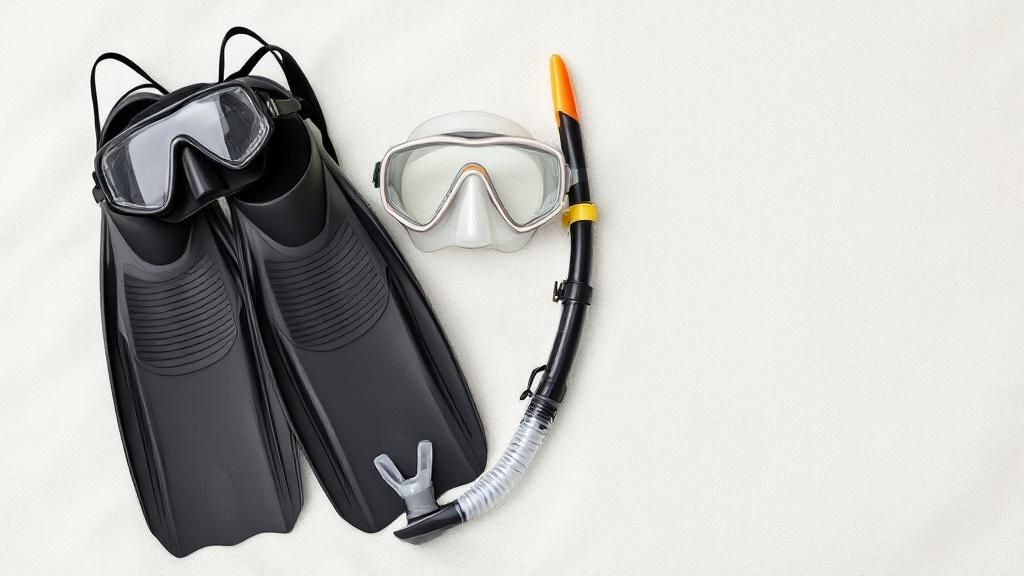
While the Manta Ray Night Dive is legendary, it's really just the beginning of what Big Island scuba diving has to offer. For divers hungry for something completely different, Kona serves up adventures that truly push the boundaries of underwater exploration. Once you get away from the bustling manta sites, you'll discover specialized dives that reveal a hidden side of Hawaii’s marine world—one that most people never get to see.
These aren't your average reef tours. They're designed for divers with a bit more skill and a real sense of adventure, and the payoff is an encounter that is profoundly unique. Two of the most mind-blowing options are the Kona Blackwater Dive and the advanced charters that explore Kona’s deeper, more rugged underwater landscapes.
The Kona Blackwater Dive: A Trip to Inner Space
Imagine yourself floating in the deep, inky blackness of the open ocean, miles from shore. You're not exploring a reef below you; you're exploring the vast, dark water column itself. This is the Kona Blackwater Dive, an experience divers often describe as being more like a spacewalk than a scuba dive.
It is a completely surreal and mesmerizing adventure. Tethered to a line in thousands of feet of water, you get a front-row seat to one of the planet's largest migrations. Every single night, countless bizarre and beautiful creatures rise from the abyss to feed near the surface. Many are larval lifeforms that look nothing like their adult selves, while others put on a show with their otherworldly bioluminescence.
On a blackwater dive, you might come face-to-face with:
- Shimmering Ctenophores: Gelatinous "comb jellies" that bend your dive light into a living, pulsating rainbow.
- Unrecognizable Larval Creatures: You'll see the juvenile stages of eels, lobsters, and fish in forms you'd never guess.
- Bioluminescent Wonders: Witness organisms creating their own light, flashing and glowing in the absolute darkness.
This dive is a photographer's dream and an absolute must for any marine life enthusiast. It’s a rare window into a mysterious ecosystem that’s always in motion. If you're ready for an adventure that feels like floating through another dimension, you can learn more about the Blackwater Dive tour and see what it takes to join this exclusive expedition.
Check Availability
Advanced Diving For Experienced Thrill-Seekers
Have a good number of dives under your belt and looking for a challenge? The Big Island delivers. For certified divers with solid skills, advanced diving here means getting off the beaten path to explore sites with more depth, wilder topography, and a much better chance of big animal encounters. One of the best ways to access these sites is through an advanced dive tour.
These trips are for divers who are completely comfortable with their buoyancy and are ready to handle more complex environments. It's your ticket to seeing the raw, untamed side of Kona’s volcanic seascape.
Advanced dives unlock a completely different layer of the Big Island's underwater world. You’ll find pristine deep reefs, dramatic lava formations, and sites that are magnets for larger marine life. It's a truly dynamic diving experience.
So, what makes these dives different?
- Deep Reefs and Pinnacles: Drop down to deeper coral gardens where the sunlight fades and entirely different species take over.
- Lava Tube Mazes: Test your buoyancy and awareness as you navigate through ancient, underwater lava tubes and caverns.
- Gentle Drift Dives: Let the current do the work as you glide along dramatic drop-offs, covering more ground and upping your odds of seeing sharks, eagle rays, and massive schools of jacks.
These charters are almost always run in smaller groups, which means you get a more personal, focused experience. It’s a chance to really put your skills to the test while visiting some of the most spectacular and untouched sites Kona has. For divers with the right experience, the premium advanced dive tours are the perfect next chapter in your scuba journey.
How to Plan Your Big Island Dive Adventure
So, you're ready to trade daydreams for dive logs and make that Big Island scuba trip happen. Awesome. Getting the details sorted out is actually pretty straightforward, and a little bit of planning goes a long way in making sure your time underwater is as incredible as you’ve imagined. Let's walk through the logistics, from picking the perfect time of year to finding the right crew to show you the ropes.
First up, when should you come? The great news is that Kona’s waters are famously calm and welcoming all year long. Water temps rarely stray from a comfortable 75-80°F (24-27°C), which means you can usually leave the bulky wetsuit at home.
The winter, though, brings a truly unforgettable bonus: humpback whales. From December through March, these gentle giants are in town, and hearing their complex songs echo through the water while you’re on a dive is a surreal, full-body experience you’ll never forget.
Choosing the Best Time to Visit
While you really can't go wrong any month of the year, your personal preferences might steer you toward a particular season. Here's a quick feel for what the year looks like:
- Winter (December – March): This is prime time for a reason. You get fantastic diving conditions plus the chance to see humpback whales from the boat and hear them underwater. It’s a magical combination.
- Spring (April – June): As the whale crowds thin out, the water clarity often hits its peak. If you're looking for those crystal-clear, postcard-perfect views of the reef, this is a fantastic time to visit.
- Summer (July – September): Hello, warm water! The ocean temps climb to their toastiest levels, especially in September, making this the perfect time for long, comfortable dives where you can just relax and soak it all in.
- Fall (October – November): Often called the "shoulder season," this is a sweet spot. You get the great weather and warm water of summer but with fewer people around. It’s ideal for a laid-back dive trip.
Scuba diving is a huge part of the local culture here, bringing in around 150,000 diving tourists each year who complete over 100,000 certified dives. That means the local operators are pros who have their operations dialed in. You'll find charters running daily, with trips starting at about $129. For a deeper look at the stats that make Kona a world-class dive destination, you can find more stats about Big Island dive tourism at konahonudivers.com.
Gear and Certification Logistics
Are you already a certified diver? Great! Your biggest decision is whether to lug your own gear across the ocean or rent from a local shop. While nothing beats the comfort of your own BCD and regulator, renting high-quality, well-maintained equipment can save you a ton of hassle and airline fees. If you're on the fence about what to bring, check out our guide on the gear you will need for your Kona diving adventure.
If you’re not certified yet, you’ve picked one of the best places on the planet to learn. The calm, clear, and warm water here creates a perfect, stress-free classroom. Shops like ours offer everything from a "Discover Scuba Diving" experience to get your feet wet, all the way up to full Open Water certification courses.
Choosing the right dive operator is the single most important decision you'll make. Look for a company with a stellar safety record, experienced guides who know the local sites intimately, and a genuine commitment to marine conservation.
Your dive operator is your key to the underwater world, so it pays to be picky. A great crew doesn’t just keep you safe; they make the entire experience better by pointing out a camouflaged frogfish or sharing stories about the local marine life. It's that passion that turns a good dive into a great one.
Ready to take the plunge?
Check Availability
A Legacy of Diving and Ocean Conservation
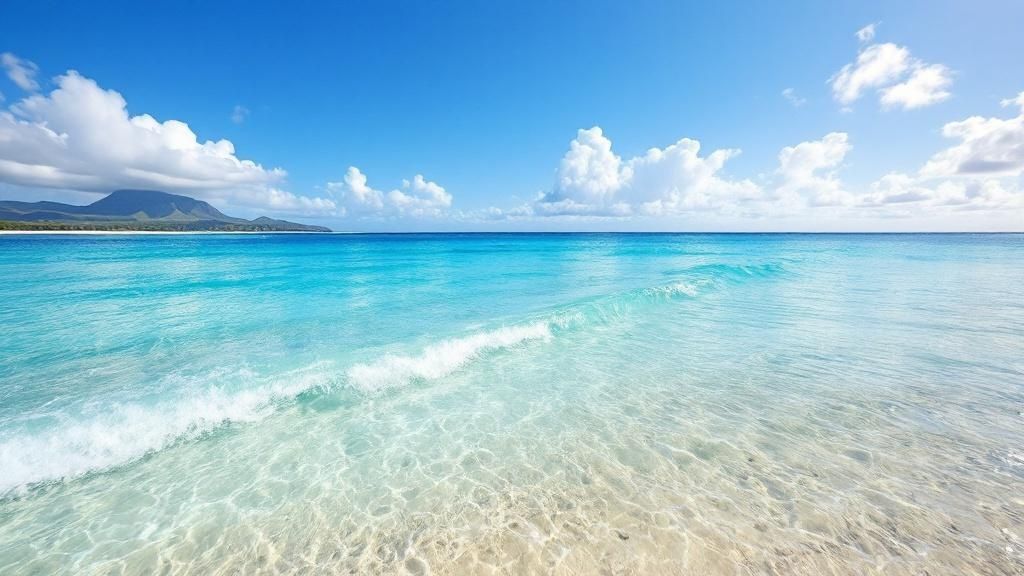
The incredible big island scuba diving scene we get to enjoy today didn't just appear out of nowhere. It's built on a foundation of decades of passion and a deep, genuine respect for the ocean. The pioneers of Kona diving saw the coast as more than a place to do business—they saw it as a fragile treasure that needed protecting.
This legacy of care is really what makes Kona special. Long before "eco-tourism" was even a buzzword, local dive operators were already leading the way with responsible practices. They knew the vibrant coral reefs and the amazing marine life were the real showstoppers, and that protecting their home was the only path forward.
When you choose a dive operator here, you're often choosing a team with deep community roots and a long history of looking after the ocean. These folks aren't just guides; they're true ocean advocates who have dedicated their lives to understanding the reef's rhythms and fighting to keep it healthy.
Check Availability
From Humble Beginnings to a World-Class Destination
It's this commitment to the ocean that has allowed the local dive industry to flourish. Since 1983, the scene has grown from shore dives run out of a Volkswagen van and a single boat into a thriving, professional community. Today, a whole fleet of dedicated dive boats and a large, experienced staff welcome divers from across the globe.
This incredible growth happened because the early pioneers proved that you could build a world-class destination while fiercely advocating for marine protection every step of the way. They showed that tourism and conservation don't just coexist—they can help each other thrive.
Diving with Purpose
When you dive with an operator that truly cares about conservation, your trip means more. You're directly supporting a business that works to protect the very ecosystem you came to see.
This isn't just talk. It means getting involved in reef cleanups, educating every diver on how to interact respectfully with the underwater world, and following strict guidelines around marine life. To protect these waters for the long haul, we also have to look at the bigger picture, like understanding plastic pollution in water and finding solutions.
Knowing this history helps you see that your dive trip is more than just an amazing memory. It’s a small but important contribution to the long-term health of Hawaii’s magnificent underwater world, helping ensure it’s just as breathtaking for generations to come.
Your Big Island Diving Questions, Answered
Jumping into a new dive spot always sparks a few questions. We get it. To make sure you feel confident and ready for your underwater adventure on the Big Island, we’ve put together answers to the things we hear most often.
Think of this as your pre-dive briefing. Getting these details ironed out now means you can focus on the incredible experience ahead, from the moment you step on the plane.
What’s the Best Time of Year to Dive Here?
Honestly, there’s no bad time to dive in Kona. The conditions are fantastic year-round.
But if you want to dial in your trip, winter (December to March) is humpback whale season. There's nothing quite like hearing their songs reverberate through the water on a dive—it's truly magical. For the absolute warmest water temperatures, aim for late summer (August and September).
Do I Need to Be Certified to Scuba Dive?
Nope! While certified divers can explore a wider range of sites, Kona is one of the best places on the planet to learn.
Most dive shops, including us at Kona Honu Divers, offer "Discover Scuba Diving" experiences that let you try it out with an instructor. We also run full PADI Open Water certification courses. The calm, clear waters make it a perfect, low-stress classroom.
Is the Manta Ray Dive Really as Good as They Say?
Yes! The Kona Manta Ray Night Dive is world-famous for a reason. Dive operators have this down to a science, using powerful lights to attract plankton, which brings the mantas in for a feeding frenzy right in front of you.
The success rate for seeing them is ridiculously high—often over 90%. It's easily one of the most reliable big-animal encounters you can have anywhere. You can see all the diving tours available, including this iconic one.
What if I Accidentally Touch a Manta Ray?
Please, make sure you don't. Manta rays have a protective slime coat, which is a critical part of their immune system. Touching them can strip this layer off and leave them vulnerable to dangerous infections.
Any reputable dive guide will enforce a strict "hands-off" policy. It’s all about protecting these gentle giants.
The golden rule of responsible diving is passive observation. We are visitors in their world. By keeping our hands to ourselves, we ensure the marine life stays healthy and that future divers can have these same incredible encounters.
With these questions out of the way, you’re all set to start planning an unforgettable trip.
Check Availability